

Illustration: The Touch & Go
USAF Jet-Powered Combat Drone Launches Live AIM-120 Missile in Mojave Test
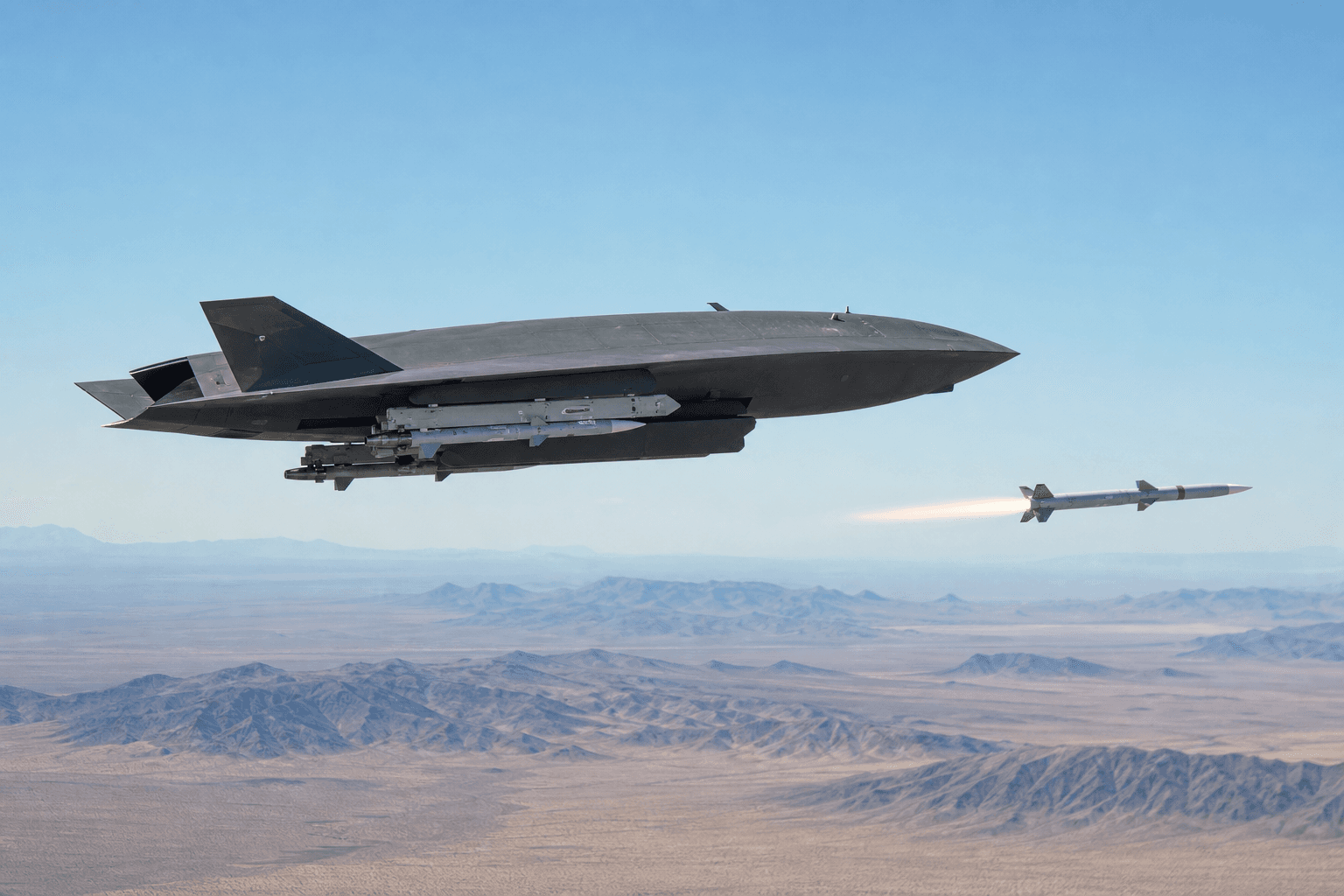
The US Air Force's YFQ-44A drone successfully fired an AIM-120 missile in a live but simulated air-to-air engagement over California's Mojave Desert.
The gist
USAF’s YFQ-44A drone fired a live AIM-120 missile autonomously, marking a milestone in drone-crew fighter integration.
Continuing coverage
All Anduril →The United States Air Force achieved a noteworthy breakthrough by firing a live air-to-air missile from a jet-powered combat drone, the YFQ-44A, in a test over California’s Mojave Desert on July 15, 2026. The missile used was the AIM-120 Advanced Medium-Range Air-to-Air Missile (AMRAAM), one of the most advanced radar-guided missiles in service. This event marks the first time the USAF has demonstrated the ability of an uncrewed fighter-class aircraft to conduct a live missile launch while operating alongside crewed warplanes.
In the test, the YFQ-44A executed the entire targeting and launch sequence autonomously, but a human operator retained control of the ultimate decision to fire. The Air Force emphasized that the Collaborative Combat Aircraft (CCA) platform will not independently engage targets without human authorization, maintaining strictly human command and control over weapon release decisions. This concept ensures adherence to safety and ethical guidelines while expanding drone operational capabilities.
This missile firing was conducted under the auspices of the 412th Test Wing’s Air Dominance Combined Test Force, a joint team made up of military personnel, government employees, and industry contractors. Initial testing phases earlier in 2026 involved inert captive-carry flights aimed at collecting aerodynamic data while carrying the missile. Subsequent phases tested the data link integrity and command execution in simulated environments, culminating in this significant live-fire event.
General Dale White, the Department of War’s Direct Reporting Portfolio Manager for Critical Major Weapon Systems, characterized the missile release as a demonstration of the program’s maturity. He highlighted that transitioning from inert weapon carriage to actual live firing allows the Air Force to validate and refine digital integration models with real operational data, a critical step in weapon system development.
While the missile was launched in a live-fire mode, the target itself was digital, meaning the missile did not physically strike or destroy an aerial target during this evaluation. This approach allows comprehensive testing of missile launch sequences and systems integration in a controlled environment without the risks involved in live engagements.
The YFQ-44A drone, previously known as Fury, is one of two aircraft selected for the initial phase of the Collaborative Combat Aircraft program. The Air Force is also evaluating the General Atomics YFQ-42A. Both platforms are designed to operate in concert with crewed fighters to perform a variety of tasks including reconnaissance, electronic warfare, and air-to-air combat. These relatively low-cost drones are intended to operate in contested airspace to reduce risk to human pilots.
Anduril’s YFQ-44A carries weapons externally under its wings, offering a modular weapons loadout, whereas the General Atomics YFQ-42A features an internal weapons bay to reduce radar cross-section and enhance stealth characteristics. Both aircraft operate in a semi-autonomous mode, managing flight and mission functions with limited direct control yet maintaining human oversight, a model aligned with current military doctrines governing autonomous warfare systems.
The Air Force recently advanced both combat drone programs into a new phase focused on accelerated development and acquisition. The service aims to field these aircraft more rapidly and in greater numbers than typical crewed fighter aircraft programs by leveraging shortened development cycles and modular software upgrades that can respond swiftly to evolving threats.
The USAF Chief of Staff, Gen. Ken Wilsbach, described the missile test as an important milestone toward delivering enhanced capabilities to combat operators. While the Air Force has not disclosed the precise timing of the test nor the expected operational introduction date for the YFQ-44A, this test solidifies the feasibility of integrating autonomous combat drones as integral elements of future air combat formations.
Frequently asked questions
- What missile did the YFQ-44A drone fire during the test?
- The YFQ-44A drone fired an AIM-120 Advanced Medium-Range Air-to-Air Missile (AMRAAM) during the test over the Mojave Desert.
- Did the drone autonomously decide to launch the missile?
- No, while the drone carried out targeting and launch sequences autonomously, a human operator made the final decision to fire the missile.
- What is the purpose of the YFQ-44A in the Air Force's CCA program?
- The YFQ-44A is designed as an affordable, semi-autonomous combat drone to operate alongside crewed warplanes for missions like reconnaissance, electronic warfare, and air-to-air combat.
Read more
All Military/Defense →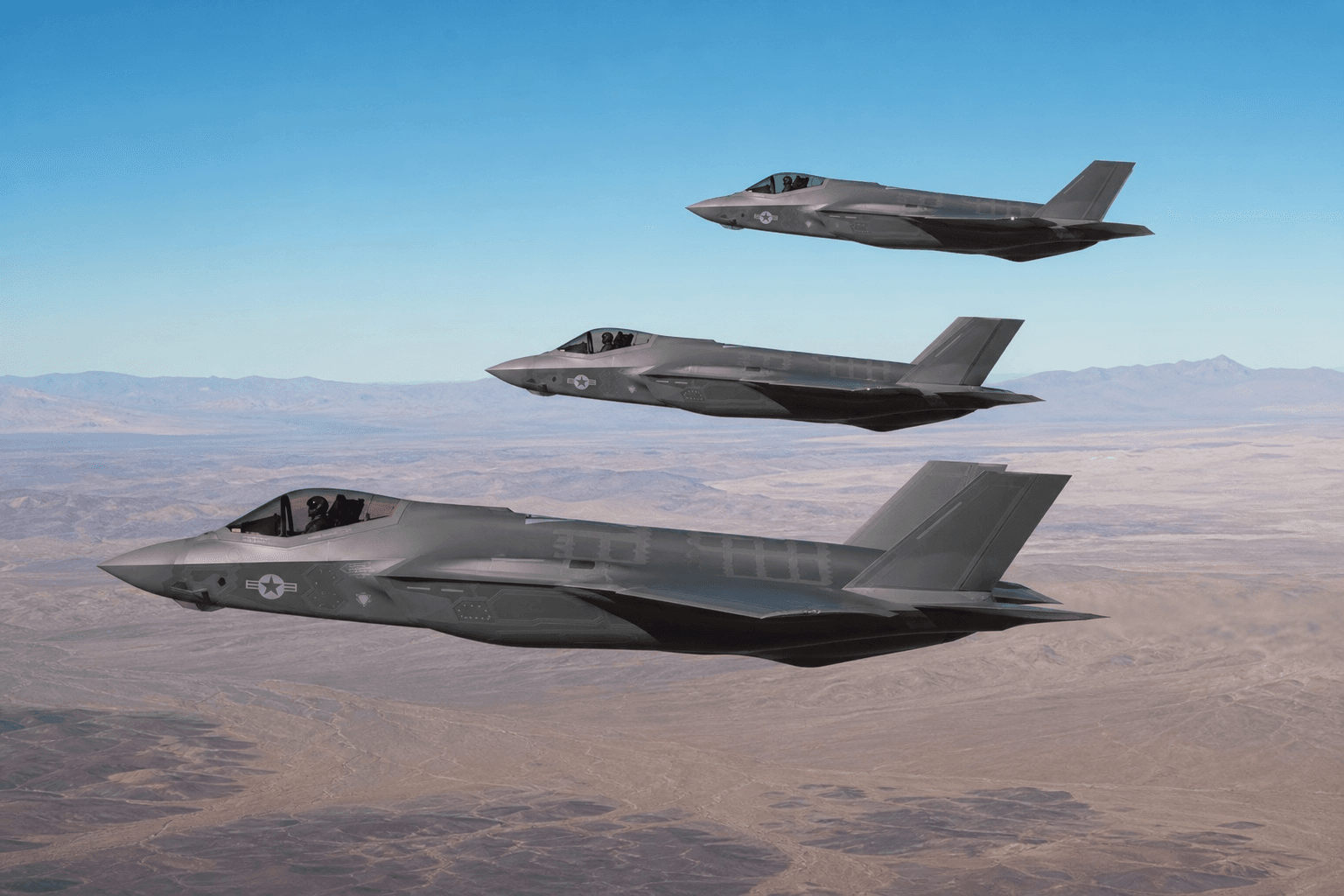
US Air Force Fighter Pilots Earn Base Salary Plus Bonuses Amid Pilot Shortage
All US military pilots are commissioned officers, and their basic salary follows the same pay scale regardless of whether they are fighter jet pilots or transportation aircraft pilots. It also doesn't matter if they serve the US Air Force, the US Navy, the US Coast Guard, or the US Army. Compared with commercial pilots, US military pilot salaries are quite low, but they are only the beginning , with bonuses, allowances, and various other benefits and incentives significantly increasing the pay.
UK commits €300M to equip Ukraine with 16 Saab Gripen E fighters by 2029
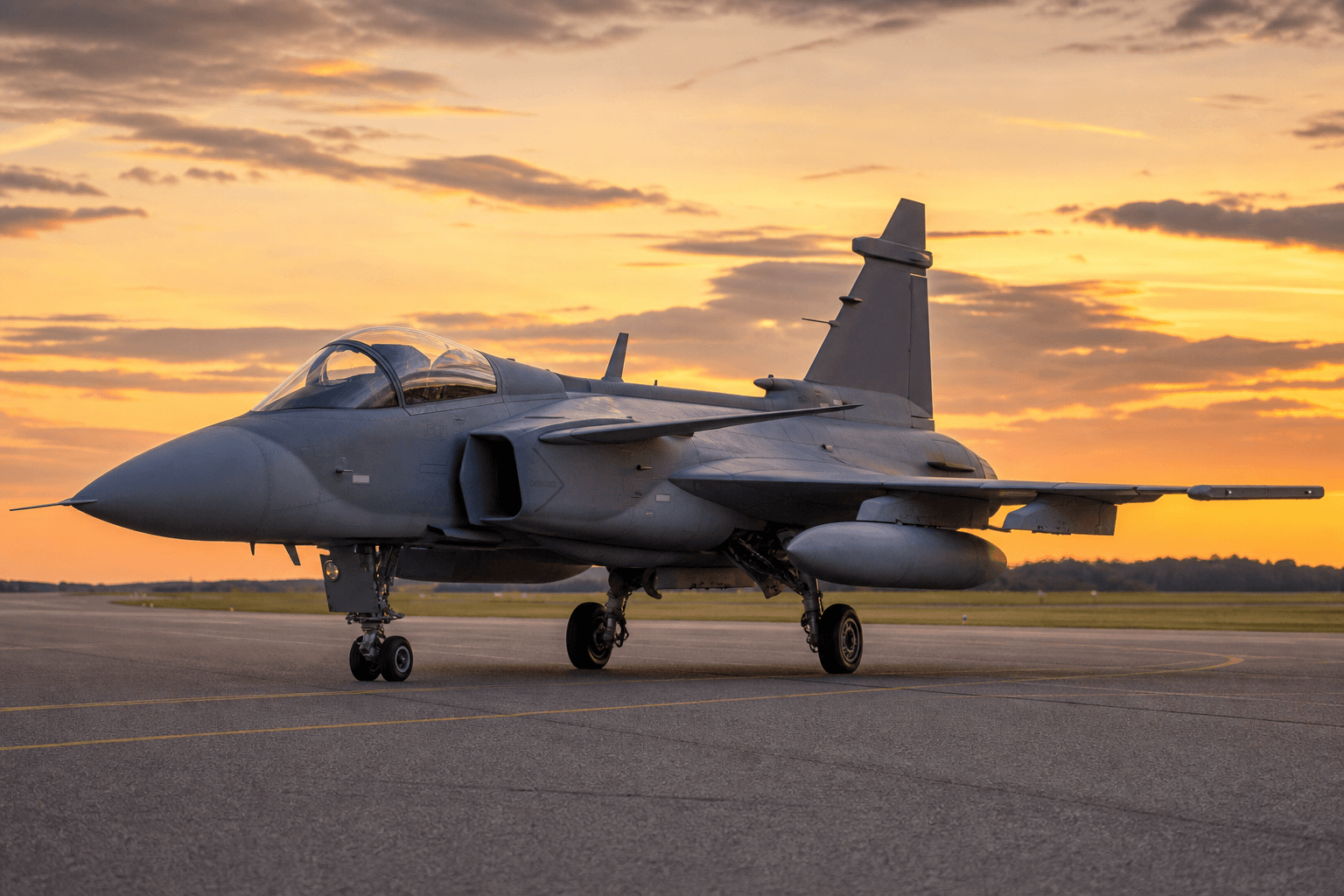
The UK has pledged €300 million ($345 million) to help Ukraine field a squadron of 16 Saab Gripen E fighter jets by 2029. British Prime Minister Keir Starmer announced the funding during a visit to Kyiv on July 16, 2026, where he met Ukrainian President Volodymyr Zelenskyy. The UK said it would work with Sweden to help deliver the aircraft as Ukraine continues to defend itself against Russian attacks. The package includes training for Ukrainian pilots and engineers, simulators, spare parts and other equipment needed to operate and support the fighters. "Today's investment will help put advanced Gripen fighter jets in Ukrainian skies, strengthening their ability to defend their country while supporting thousands of skilled jobs here at home," Starmer said. The British government said construction of the Gripen aircraft supports around 5,000 jobs at more than 50 UK-based companies involved in the program, including Saab UK and Leonardo UK. Saab signed a contract with Sweden's Defence Materiel Administration in June 2026 for 16 Gripen E fighters intended for Ukraine. The order is valued at approximately $2.45 billion, with Saab deliveries to Sweden scheduled for 2029 and 2030. Britain's pledge will help support the delivery and fielding of those aircraft. The Gripen E is the latest version of Saab's single-engine fighter. It can conduct air-to-air missions, strike ground targets and carry out reconnaissance. The UK government said the aircraft's low maintenance requirements and ability to operate with small ground crews make it well suited to Ukraine's needs. The fighters are expected to form part of a broader modernization of Ukraine's air force, which operates Soviet-designed aircraft alongside Western fighters including the Lockheed Martin F-16 and Dassault Mirage 2000. Sweden and Ukraine signed a letter of intent covering broader cooperation on air capabilities in October 2025. Ukraine announced in May 2026 that it intended to purchase an initial batch of up to 20 Gripen E/F aircraft, with deliveries of the new fighters expected to begin before 2030. Sweden also plans to donate up to 16 older Gripen C/D aircraft from its existing fleet, provided Ukraine completes an agreement to purchase the newer Gripen E/F. Sweden said training for Ukrainian pilots and other personnel could begin in 2026.
2015 CubCrafters Carbon Cub SS Offers Rugged Performance and Modern Avionics
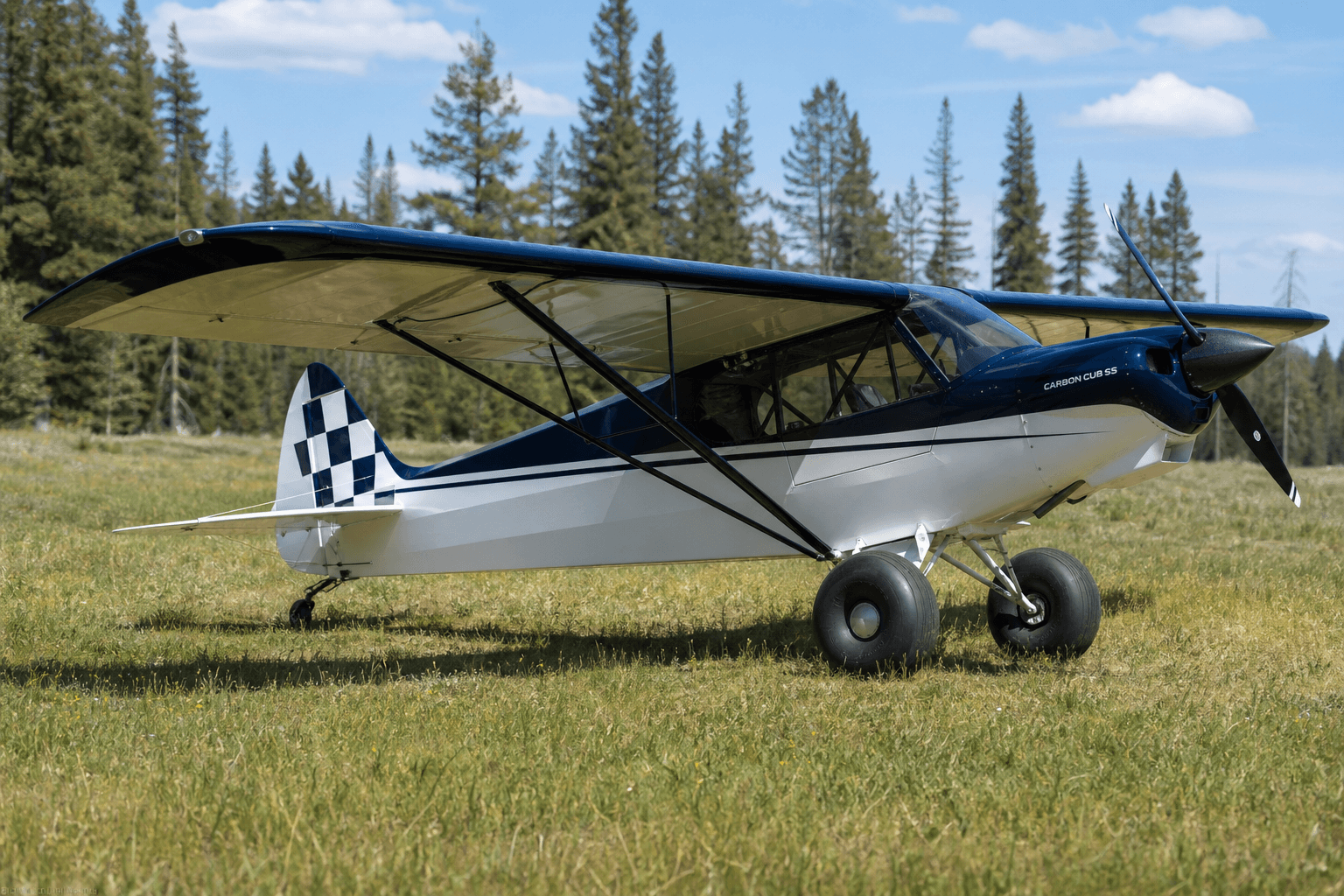
Every day, the team at Aircraft For Sale chooses an airplane that catches our attention because it is unique, a good deal, or has other qualities we find interesting. You can read Aircraft For Sale: Today's Top Pick at FLYINGMag.com daily. Today's Top Pick is a 2015 CubCrafters Carbon Cub SS. Renowned for combining classic Cub DNA with modern engineering, the Carbon Cub SS delivers the kind of performance that turns every takeoff into a thrill. Built with ultralight composite materials, this model features a power-to-weight ratio that outperforms nearly all of its contemporaries, allowing it to leap off short strips and climb aggressively. This 2015 example presents a fantastic opportunity for backcountry pilots who crave responsive, stick-and-rudder fun in remote environments. Based in Alabama, the airframe has been lightly flown, showing just 370 total hours since new (TTSN). It is heavily equipped for off-airport operations, featuring an Alpha Omega suspension system, heavy-duty cabane vee, 3200-type steerable tailwheel, Alaskan Bushwheel tail spring, and massive 26-inch Airstreak tundra tires. Behind the stick, the cockpit is anchored by an Executive Glass Package. The panel boasts a Garmin G3X primary flight display alongside a Garmin GDU 370 PFD/MFD equipped with SiriusXM weather and radio. Reducing pilot workload on longer cross-country legs, the aircraft is also fitted with a Garmin GFC 500 autopilot. Communication and airspace compliance are completely covered by a Garmin SL40 comm transceiver, GTX 23ES transponder, and Garmin GDL39R ADS-B Out receiver. 2015 CubCrafters Carbon Cub SS [Credit: Aerista] The aesthetic is just as impressive as the performance, featuring a striking navy-over-white signature paint scheme capped off by a checkerboard rudder. The interior offers a navy-and-slate vinyl setup, configured with an E-LSA single-seat conversion. Additional utilitarian comforts include an extended baggage compartment with an access door, dual USB ports, and Reiff engine preheater for easy cold-weather starts. Ready for immediate wilderness adventures, the aircraft recently underwent a condition inspection in April 2026. Listed at $249,900 , this 2015 CubCrafters Carbon Cub SS serves as the ultimate ticket for pilots seeking uncompromising STOL capability and genuine backcountry freedom. If you're exploring ownership options, FLYING Finance can help get you airborne. Use our airplane loan calculator to estimate your monthly payments, or connect with an aviation finance expert at flyingfinance.com . FLYING Magazine: Carbon Cub Pilot Takes STOL to the Extreme With Helipad Landing FLYING Magazine: CubCrafters Delivers 1,000th Aircraft Plane + Pilot: Carbon Cub SS Plane + Pilot: CubCrafters XCub: Way Beyond Super Cub The Aviation Consumer: The Look-Ahead Cub
At Least 15 F-35s Delivered Without Required Equipment Since May 2025
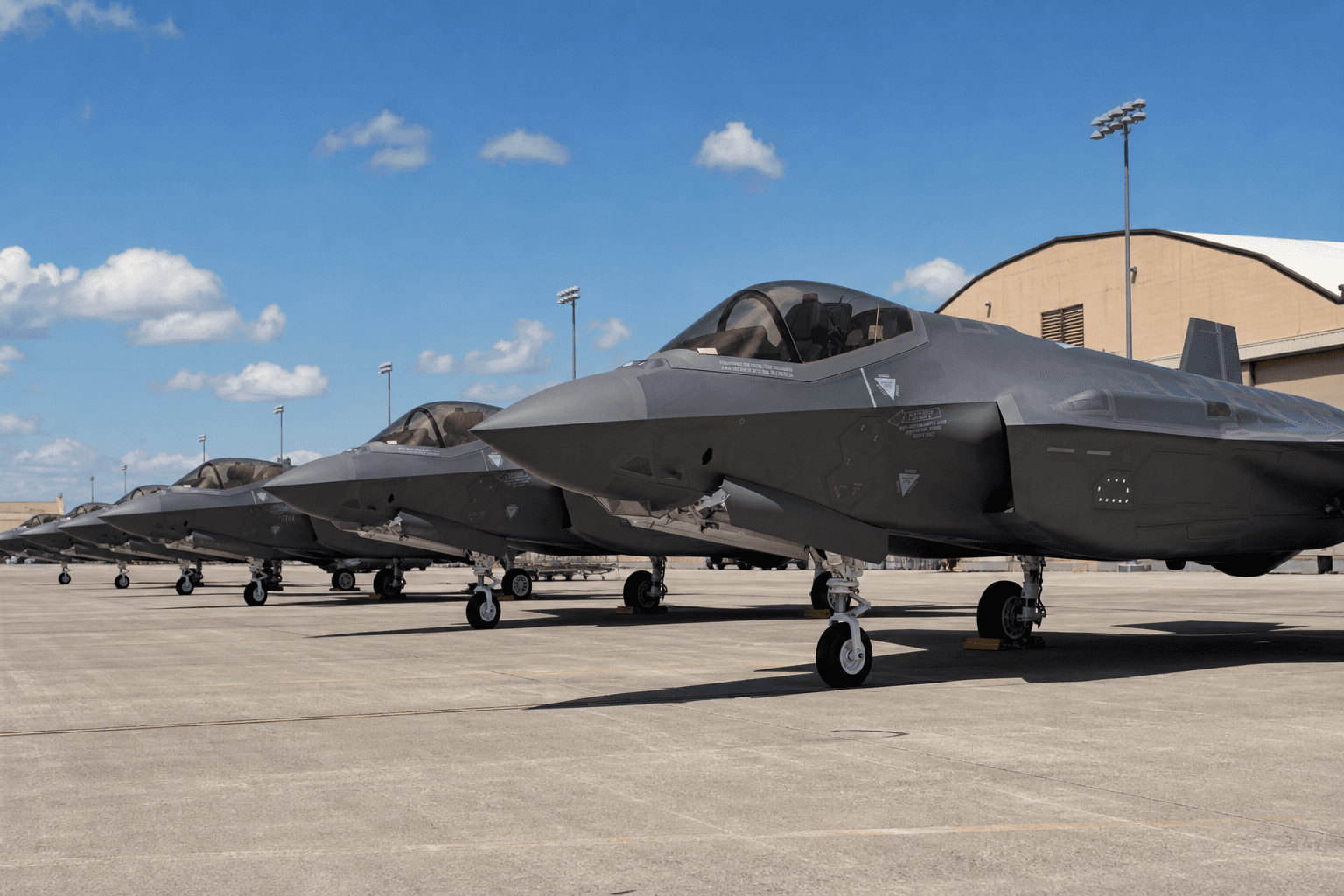
Pictured is a U.S. Air Force photo of F-35A fighters at Jacksonville Air National Guard Base, Fla. on July 9, 2025. At least 15 F-35s built in the last year have lacked required equipment, according to a Defense Contract Management Agency (DCMA) list sent to sister publication Defense Daily after a Freedom of Information Act (FOIA) request. On Feb. 7, Defense Daily requested from DCMA a list of all Department of Defense Form DD-250s–Material Inspection and Receiving Reports–filed with the agency since May 2025, for all Lockheed Martin F-35 fighters delivered to the U.S. Air Force, U.S. Navy, and U.S. Marine Corps between May 1, 2025, and Feb. 6, 2026. When a military service accepts a system but does not mark it as delivered because of material shortfalls, that system is "DD-250ed" and is in a not operationally ready-supply (NORS) status until the gaps are filled. The signing of the "receipt"–the DD-250–marks a transfer in ownership from the contractor to the federal government. Nine "DD-250ed" F-35s are on the list provided by DCMA on July 13 in response to the FOIA request–one Marine F-35B to be delivered/ferried to VMFA-533 at Marine Corps Air Station Beaufort, S.C., three Navy F-35Cs to be delivered/ferried to VFA-125, a fleet replacement squadron at Naval Air Station Lemoore, Calif., one F-35A to be delivered/ferried to the 325 th Fighter Wing, a training wing at Tyndall AFB, Fla., and four F-35As to be delivered/ferried to the 125 th Fighter Wing, an Air National Guard domestic air defense wing. Asked why each of the above nine aircraft were "DD-250ed," the F-35 Joint Program Office (JPO) wrote in a July 14 email that "we cannot detail the specific equipment shortfalls, resolution timelines, or variant mix of these aircraft." "Due to program security reasons, we are protecting any additional information with enhanced security measures," according to the JPO. In addition to the above nine aircraft, six Marine Corps F-35s are in NORS status as "DD-250ed." Marine Lt. Gen. Gregory Masiello, the director of the F-35 Joint Program Office (JPO), testified last month that "we have accepted six aircraft for the Marine Corps that do not have a radar installed" because the Marine Corps is awaiting the installation of the Northrop Grumman [NOC] APG-85 radar, which the Pentagon expects to field in the first half of 2028. The APG-85 is critical to the 55 upgrades in the Block 4 program–22 of which have fielded so far, including seven last year, and six on target for this year, according to Masiello. For full functionality, the APG-85 and Block 4 require 62 kilowatts to 80 kilowatts (kW) of cooling versus the 32 kW on the plane now. The current mission capable rate of the F-35 is 56 percent, and the full mission capable rate is 25 percent. Radar mountings in the F-35's nose are different for the current APG-81, also by Northrop Grumman, and the APG-85–a difference which has helped complicate fielding of the new radar that was to deliver with F-35 Lot 17. The Air Force has been considering an APG-81/APG-85 dual-mount bulkhead, though the latter may take two years to field. The service's fiscal 2027 future years defense plan (FYDP) contains $133 million in fiscal 2031 for retrofitting 14 F-35As with APG-85s–a unit cost of $9.5 million per radar, and outside the FYDP the service said it plans to spend about $1.6 billion to retrofit another 167 jets with the APG-85. The first signed DD-250 for an F-35 in Lot 17 was on July 8, 2025, for an F-35A delivered/ferried the next day to the 125th Fighter Wing in Jacksonville, according to the list provided by DCMA in response to the FOIA request. Radar-less F-35s must fly with nose ballast to balance the fighter during flight. Temporarily radar-less fighters are not unprecedented. For example, in the late 1960s, McDonnell Douglas, now part of Boeing, put lead in the nose of the F-4J for the Navy/Marine Corps due to late deliveries of the fighter's government furnished equipment radar by Westinghouse, now part of Northrop Grumman, and in the 1980s, the Panavia Tornado F2 interceptor had so-called "Blue Circle" concrete in the nose due to delays in the development of the fighter's Foxhunter radar by GEC-Marconi, now part of BAE Systems. British Aerospace, Germany's MBB, and Aeritalia built the Panavia Tornado. Those companies are now part of BAE Systems, Airbus, and Leonardo, respectively. A version of this story originally appeared in sister publication Defense Daily .
The Daily Touch & Go
The day's best aviation news in your inbox. Free, no spam.