

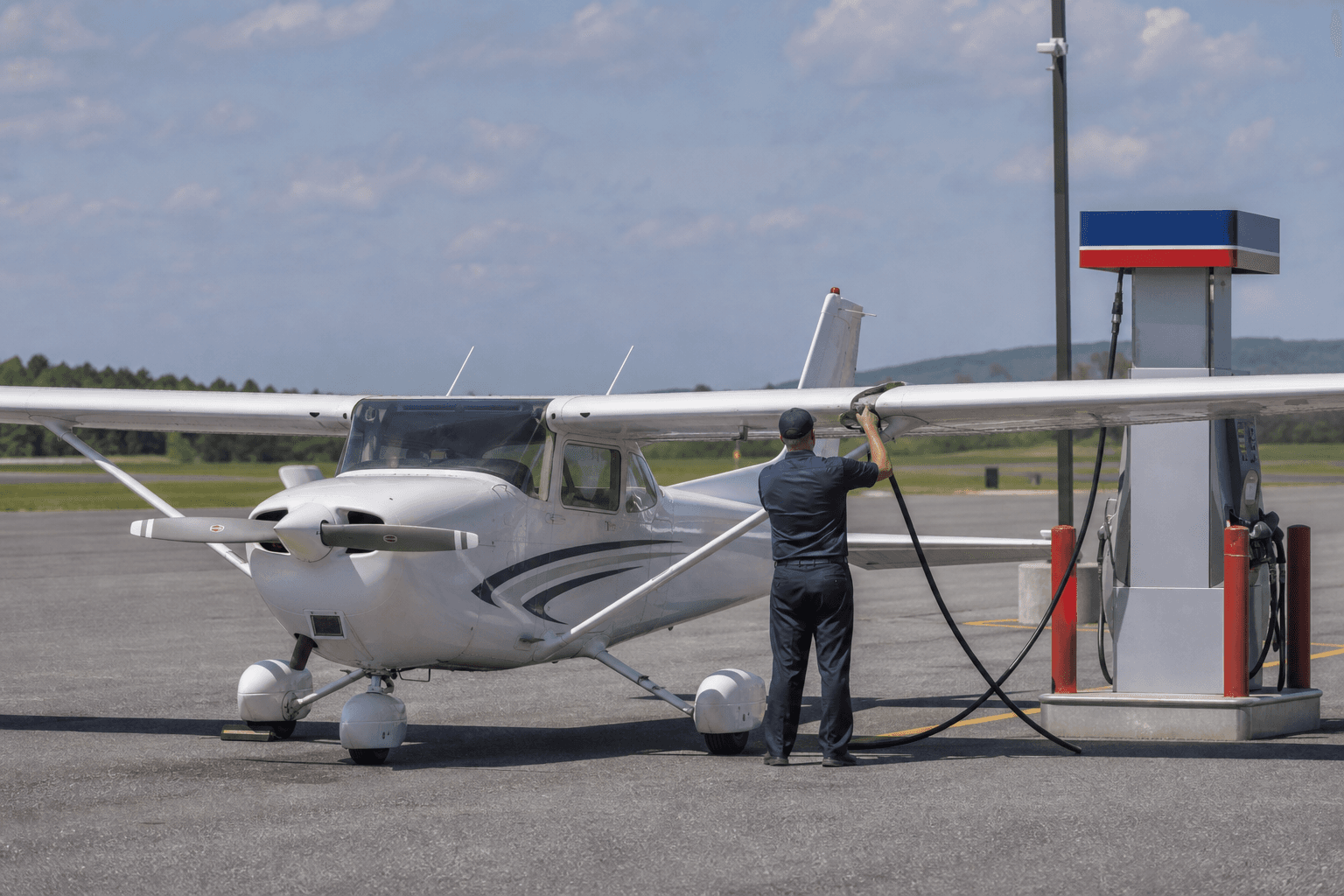
Illustration: The Touch & Go
Swift Fuels expands FAA-approved unleaded 100R avgas to 1,600 piston aircraft
Swift Fuels' FAA supplemental type certificate for its 100-octane unleaded fuel now covers 1,600 piston-engine aircraft, with distribution growing across 29 states.
The gist
Swift Fuels’ 100R unleaded avgas STC expands dramatically, boosting access for most U.S. piston aircraft with growing nationwide distribution.
Swift Fuels has significantly broadened the FAA supplemental type certificate (STC) coverage for its 100R unleaded aviation fuel, now approved for installation in 1,200 piston engine models across roughly 1,600 aircraft types. This development marks a substantial advance from the initial 2024 approvals restricted to two Lycoming IO-360-L2A-powered Cessna 172 Skyhawk models, enabling the company’s 100-octane unleaded blend to reach a considerably wider segment of the general aviation fleet.
Originating from Indiana, Swift Fuels reported on July 14 that the expanded STC now encompasses aircraft responsible for about 56 percent of all avgas consumption in the United States. The company is simultaneously increasing its fuel distribution network, already spanning 29 states including California, Colorado, and Florida. Flight schools, private owners, and airfields that formerly utilized Swift’s UL94 unleaded avgas are transitioning to 100R, while some aerodromes have begun adopting the newer fuel brand from scratch.
A critical driver behind the expansion is ASTM International’s 2025 publication of a production specification for 100R, which formalizes the fuel’s standards consistent with industry consensus. While ASTM specifications do not constitute formal fuel approval, they provide regulators like the FAA and distributors with confidence in the fuel’s standardization and quality. This contrasts with other unleaded avgas alternatives such as G100UL, which lacks ASTM evaluation and has faced distribution and operational challenges.
Swift’s 100R fuel stands out for its flexibility, as it can be blended in any ratio with traditional 100LL avgas within aircraft tanks. This mixing capability simplifies fuel logistics for retailers and end users compared to older formulations like UL94, which require separate storage due to octane compatibility issues. However, Swift Fuels clarified that airports still must maintain separate storage tanks for 100R, despite earlier incorrect statements suggesting otherwise, to ensure proper fuel integrity and regulatory compliance.
The expanded STC mandates aircraft placarding and installation certification, meaning only aircraft modified with this approval may legally use 100R. Swift Fuels offers guidance to airport operators on tank installations and fuel handling practices to support widespread adoption. The company highlighted it has produced and sold 5.8 million gallons of unleaded aviation fuel since 2015, including over 200,000 gallons of 100R, primarily to flight schools and overseas customers.
While some operators, such as the University of North Dakota, have reported valve seat recession concerns during tests with unleaded fuels, experts emphasize that modern engines with hardened valve seats—typical in Lycoming and newer Continental models—are compatible with unleaded avgas blends like 100R. Swift Fuels continues rigorous testing in high-compression aircraft engines, aiming to complete FAA certification work across various engine types by late 2027 or early 2028.
Swift Fuels’ advancements position 100R as a strong candidate to replace leaded 100LL avgas in the United States by 2030, alongside other contenders such as G100UL and UL100E. Notably, UL100E remains the only fuel in the FAA Piston Aviation Fuels Initiative actively pursuing fleetwide certification. Swift’s ASTM production specification and broad STC coverage could accelerate the industry’s transition toward unleaded alternatives while addressing environmental and health concerns linked to leaded aviation fuel.
As distribution expands, the ability for more piston-powered aircraft to make the switch to unleaded fuels like 100R could lead to meaningful reductions in lead emissions from general aviation. The increasing adoption rate across flight schools and private owners signals growing market acceptance, though practical challenges remain for airport infrastructure and regulatory rollout.
Swift Fuels’ current focus on completing engine certification across broader fleets, alongside ongoing testing and collaboration with manufacturers and regulators, will shape the industry’s path to phasing out leaded avgas. The rapid expansion of the 100R STC and distribution network demonstrates tangible progress toward this environmental milestone and broader adoption of unleaded piston aviation fuels.
Frequently asked questions
- What is the Swift Fuels 100R STC expansion about?
- The FAA expanded Swift Fuels’ supplemental type certificate for 100R unleaded avgas to cover 1,600 piston aircraft and 1,200 engine types, enabling broader use of this fuel.
- How widely is Swift Fuels distributing its 100R unleaded fuel?
- As of July 2026, 100R is supplied at airfields across 29 U.S. states, including locations such as California, Colorado, and Florida, with plans for further growth.
- What advantages does 100R have over other unleaded fuels?
- 100R has an ASTM production specification and can be mixed with 100LL in any proportion within aircraft tanks, easing logistics for distributors and users; it also incorporates additives to reduce engine wear.
Read more
All Regulatory →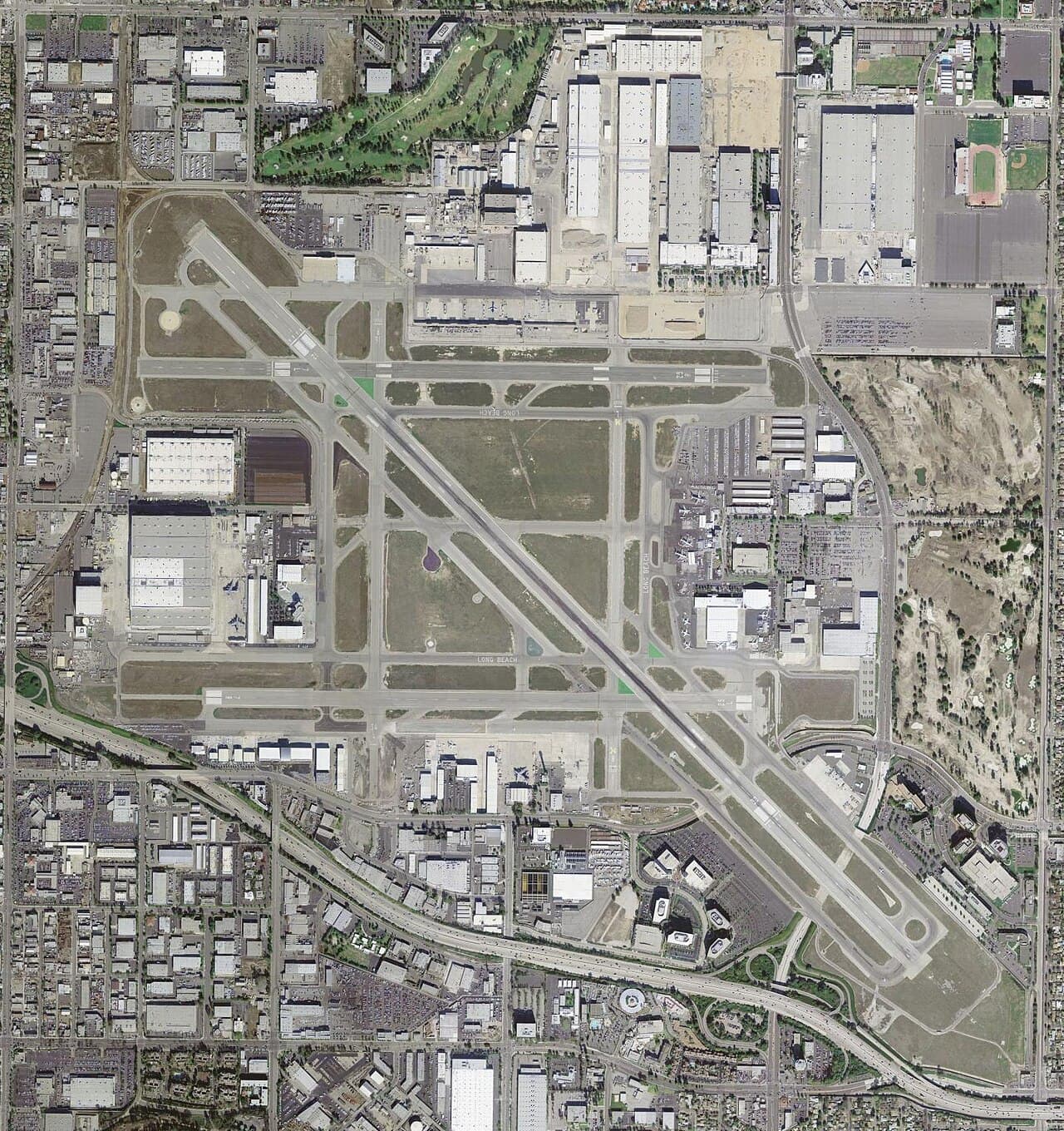
Long Beach Airport Weighs Legal Feasibility of General Aviation Landing Fees
Long Beach Airport officials are exploring whether the airport can implement landing fees for general aviation aircraft, with the Airport Advisory Commission scheduled to receive a legal briefing on the issue this week. The discussion, highlighted by the Long Beach 4th District Blog , follows questions from commissioners about whether the airport's existing fee structure could be expanded to include privately operated aircraft. The issue has also drawn attention from some Long Beach residents who continue to call for measures to address aircraft noise and increased general aviation traffic at the airport. According to the commission's meeting agenda, the presentation will focus on FAA policies, federal grant assurances, and other legal considerations governing airport fees. Long Beach Airport has historically relied on revenue sources including hangar rents, fuel flowage fees, leases, and commercial airline operations rather than landing fees for most general aviation activity. Airport staff are expected to explain that Long Beach can impose landing fees on general aviation aircraft, but only if those fees are designed to recover the airport's actual operating and capital costs. FAA regulations prohibit federally funded airports from using fees as an indirect means to reduce aircraft activity, discourage certain users, or address noise concerns. Airports that have accepted FAA Airport Improvement Program grants must ensure that fees are reasonable, nondiscriminatory, and consistent with federal obligations. A similar debate is underway at Falcon Field Airport in Mesa, Arizona, where the FAA is reviewing proposed landing fees for general aviation operators. Any future landing fee program would require additional public discussion and FAA review before implementation.
Boeing launches fourth 737 MAX final assembly line at Everett facility
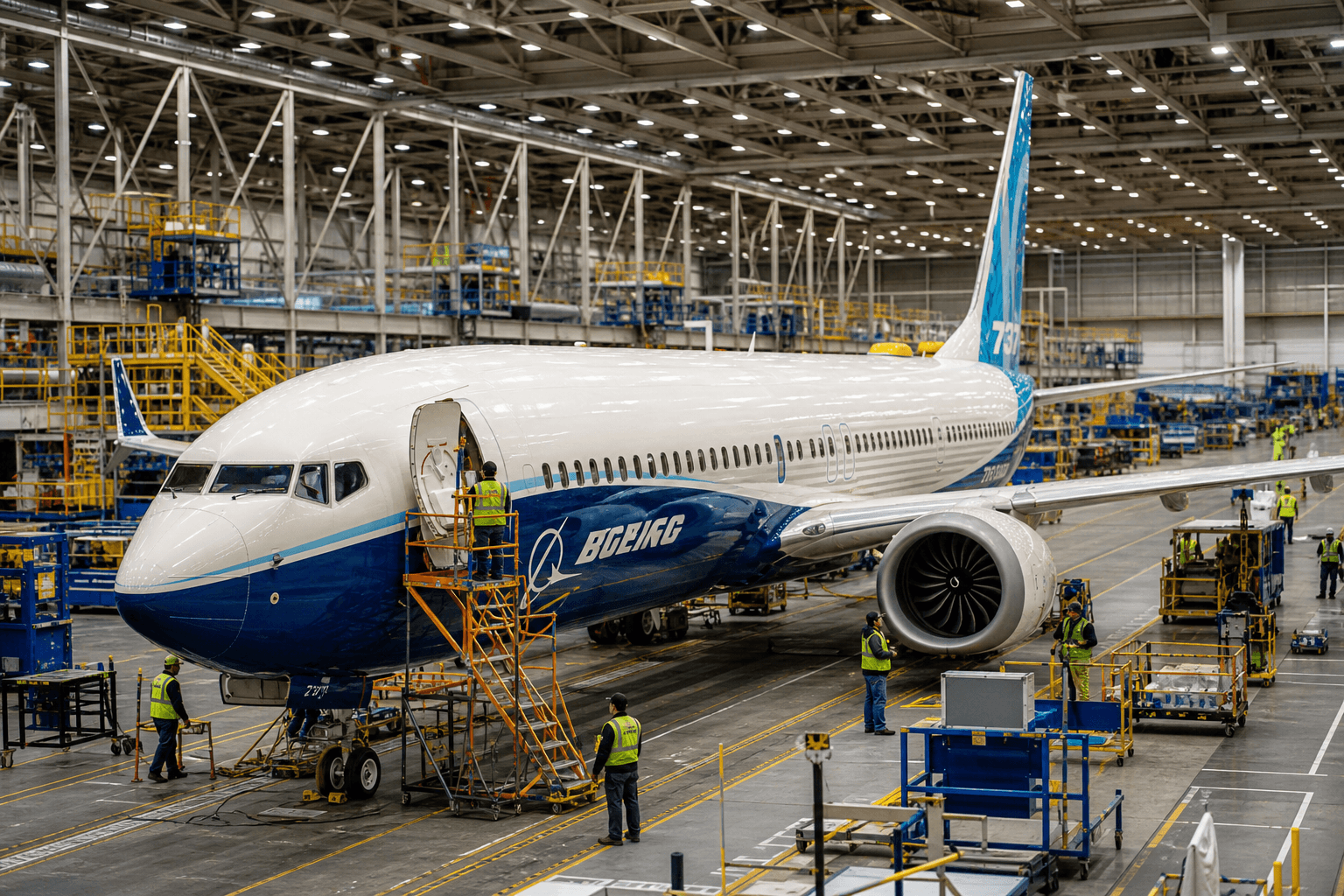
Boeing has opened a fourth 737 MAX final assembly line at its factory in Everett, Washington, marking the first time in more than 50 years that the 737 has been built outside Renton. Production began on the first aircraft on July 6, 2026, with Boeing formally marking the opening of the new North Line four days later. The line occupies space in the Everett factory that was originally built for widebody aircraft, including the 747. The first 737 moving through the line is a 737 MAX 10. Boeing did not publicly identified the customer for that airplane. The new line is designed around the same production process used at Boeing's three existing 737 lines in Renton, about 40 miles south of Everett. Boeing said that should allow teams at both sites to share procedures and production improvements. The North Line will not immediately result in a sharp increase in monthly output. Boeing plans to use the first aircraft for low-rate initial production, giving workers time to test the line, complete regulatory and compliance work and make changes before output increases. The company is currently raising 737 production from 42 to 47 aircraft a month. Once the Renton lines stabilize at that level, the Everett line is expected to provide the additional capacity needed to reach 52 aircraft a month and potentially higher rates later. Boeing has more than 4,000 737 MAX aircraft in its backlog, enough to keep the program busy into the 2030s at current production rates. The added line gives the manufacturer more room to work through those orders while reducing its dependence on three assembly lines at a single site. The Everett line will also handle aircraft that require more time than Boeing's standard production flow. Boeing said that could include jets with more complex interiors or additional work that would otherwise slow one of the Renton lines. Boeing first announced the Everett expansion in January 2023. The factory had available space after the end of 747 production and the consolidation of 787 final assembly in South Carolina. Everett continues to build the 767 and 777 families. The opening comes as Boeing works to rebuild 737 output following years of production interruptions and increased regulatory scrutiny. The Federal Aviation Administration (FAA) imposed limits on 737 production after a door plug separated from an Alaska Airlines 737 MAX 9 shortly after takeoff in January 2024. Boeing has since been increasing output in stages while working with the FAA and suppliers. Boeing said it will not move to higher production rates until the manufacturing system is stable and meeting its quality targets. The company built the first 737 near Seattle before moving the program to Renton in 1970.
Airbus to perform ultra-long 22-hour test flight of A350-1000ULR to Australia
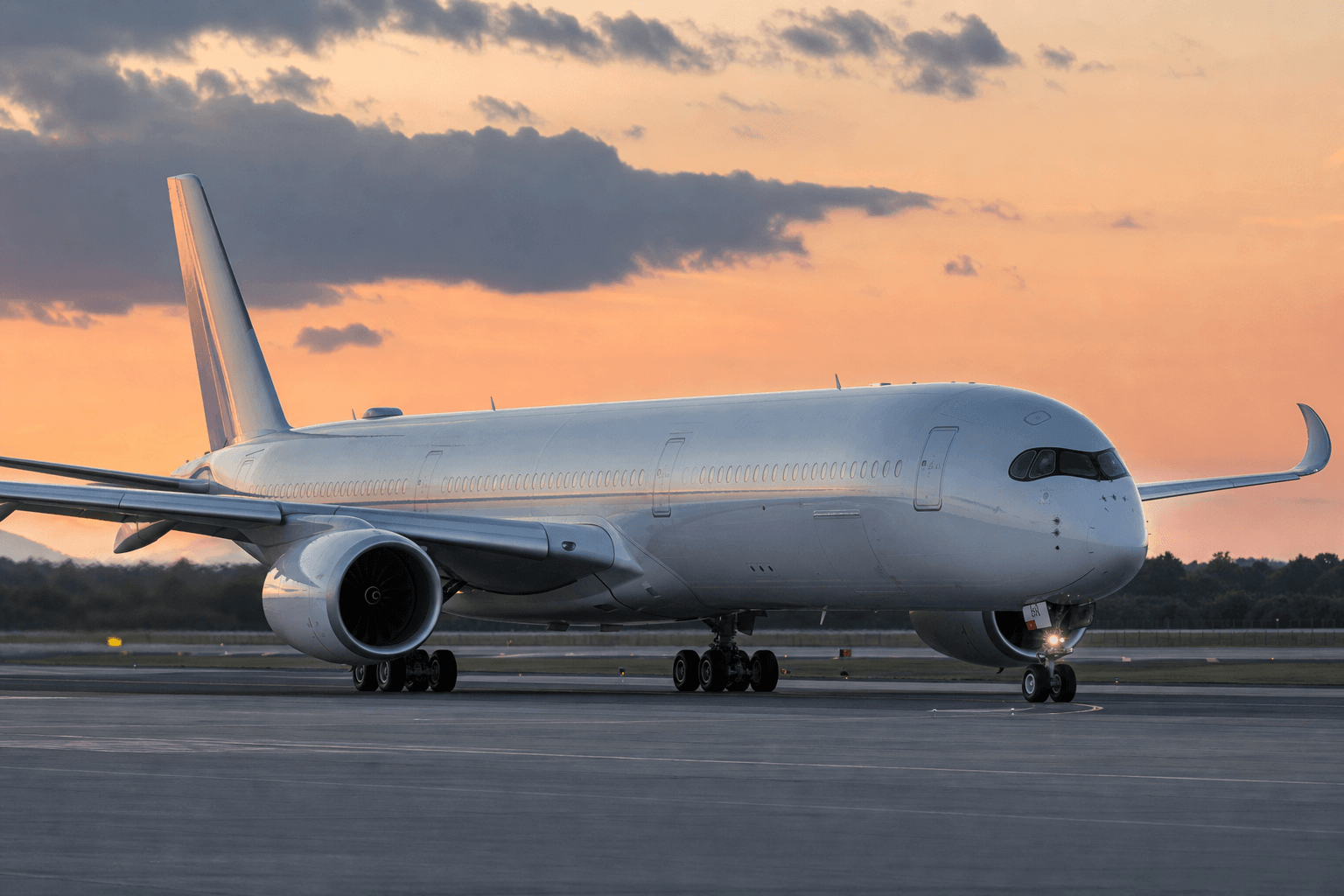
Twinjet for Qantas’s ‘Project Sunrise’ to fly 22h sortie to Australia. Airbus is preparing to conduct an ultra-long test flight with its newly-developed A350-1000ULR in around a week's time. The aircraft will operate to Australia, says the airframer, although it has not specified the precise route. Airbus has yet to confirm when the flight will take place but indicates it will happen during the "latter part of next week". The aircraft is being designed for Australian carrier Qantas's 'Project Sunrise' initiative to open nonstop services from Sydney to London in October next year. Airbus had previously indicated that a test flight of around 22h would form part of the certification programme — accounting for about a quarter of the total 75-80h required. Flight-testing of the initial aircraft, MSN707, commenced on 2 June. Qantas has not disclosed further details beyond confirming the aircraft is being flown to Australia as part of the test programme. Australian media have reported that the aircraft will be flown to Melbourne.
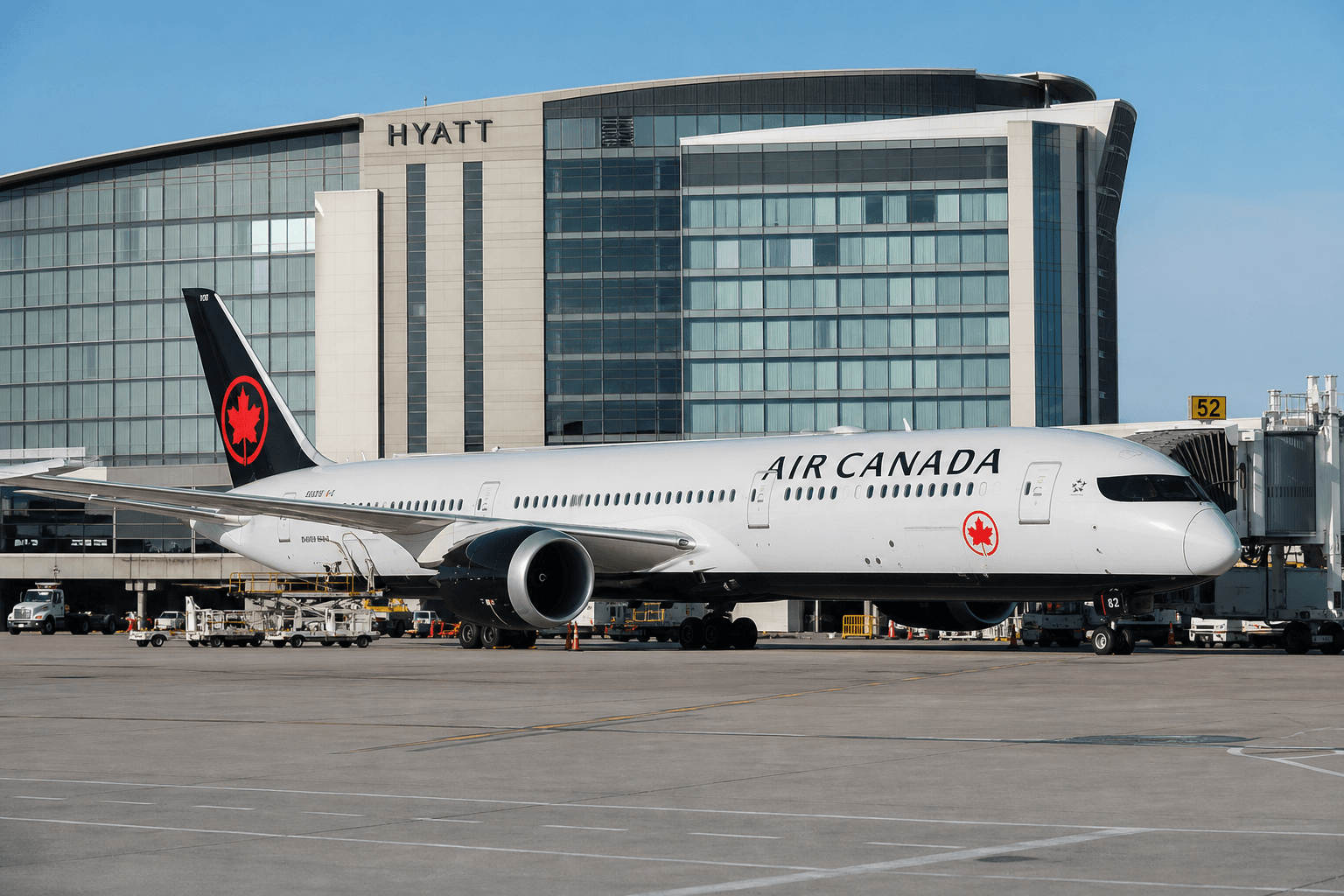
Air Canada Aeroplan and World of Hyatt Launch New Status and Points Partnership
It's common for airline and hotel loyalty programs to have partnerships, given that those who are frequent flyers are also often frequent hotel guests. Along those lines, we've just seen Air Canada Aeroplan and World of Hyatt launch a new partnership , offering reciprocal status, rewards, and points opportunities, for members who link their accounts . There are some potentially lucrative aspects to this… Details of the new Air Canada & Hyatt loyalty collaboration Air Canada Aeroplan and World of Hyatt members can now take advantage of accelerated earning opportunities and exclusive benefits across both programs. Before I get into this, let me mention that I roughly value Air Canada Aeroplan points and World of Hyatt points equally, which is important to understand, as you consider the value of these opportunities (of course apply your own valuation). Here's what this partnership includes on the points earning and redemption front: Aeroplan members can choose to earn 500 Aeroplan points per Hyatt stay, in lieu of earning World of Hyatt points Aeroplan credit card members with cards issued in Canada can earn World of Hyatt bonus points and additional Aeroplan points on stays at participating Hyatt properties; the catch is that you're forgoing some Hyatt points World of Hyatt members can convert World of Hyatt points into Aeroplan points at a 2:1 ratio, starting at 5,000 points Aeroplan elite members can convert Aeroplan points into World of Hyatt points at a 2:1 ratio, up to 100,000 Aeroplan points per day, or 250,000 Aeroplan points per week Aeroplan members can redeem Aeroplan points for World of Hyatt free night awards, with Category 1-4 free night awards starting at 25,000 Aeroplan points World of Hyatt members can earn a 30,000-point Aeroplan flight reward certificate by redeeming 50,000 World of Hyatt points Perhaps the more interesting opportunity here involves elite status, with fast tracks (eventually) available for both programs: Aeroplan elite members and eligible premium credit card members can unlock World of Hyatt status with a 90-day challenge; Discoverist status requires four nights, Explorist status requires 10 nights, and Globalist status requires 20 nights Aeroplan premium credit card members also receive complimentary Discoverist status, five elite nights toward status annually, and two attempts each year toward a 90-day challenge Later this year, World of Hyatt elite members will get access to an Aeroplan status challenge, but that's not available yet While not status related, World of Hyatt elite members receive an annual C$20 Air Canada flight credit for linking their accounts This enables (inefficient) points transfers between programs Which of these opportunities is actually valuable? More partnerships are generally a good thing, assuming nothing is being taken away (perhaps aside from swelling elite ranks). Ultimately more flexibility with points is something some people value, since some travelers may have a lot of airlines points but not enough hotel points, or vice versa. That being said, just about all of the opportunities here involving points and certificates represent a massive loss in value. When I value points equally, I don't want to transfer them to another program at a 2:1 ratio. Here's where I do see value: If you're a World of Hyatt elite member, a C$20 Air Canada flight credit is better than nothing If you're eligible for the World of Hyatt status challenge, that gets you elite status much faster than the normal pathway; it's interesting how premium card members can even take advantage of that twice per year, which seems… a bit aggressive Later this year we should see an Aeroplan status challenge for World of Hyatt elite members, so that could be interesting as well For now, this partnership is definitely better for Aeroplan members than World of Hyatt members. I suspect World of Hyatt sees growth opportunities in Canada, which is why we're seeing the partnership rolled out in this way. Aeroplan members get a World of Hyatt status challenge Bottom line Air Canada Aeroplan and World of Hyatt have just launched a partnership, offering reciprocal opportunities. There's quite a bit of depth to this, in terms of the number of ways to earn and redeem points, plus the potential for elite status. The catch is that very little here represents good value. The exception is that World of Hyatt elite members can get a C$20 Air Canada flight credit annually, while Aeroplan elite members can take advantage of a World of Hyatt status challenge. What do you make of this Aeroplan and World of Hyatt partnership?
The Daily Touch & Go
The day's best aviation news in your inbox. Free, no spam.