

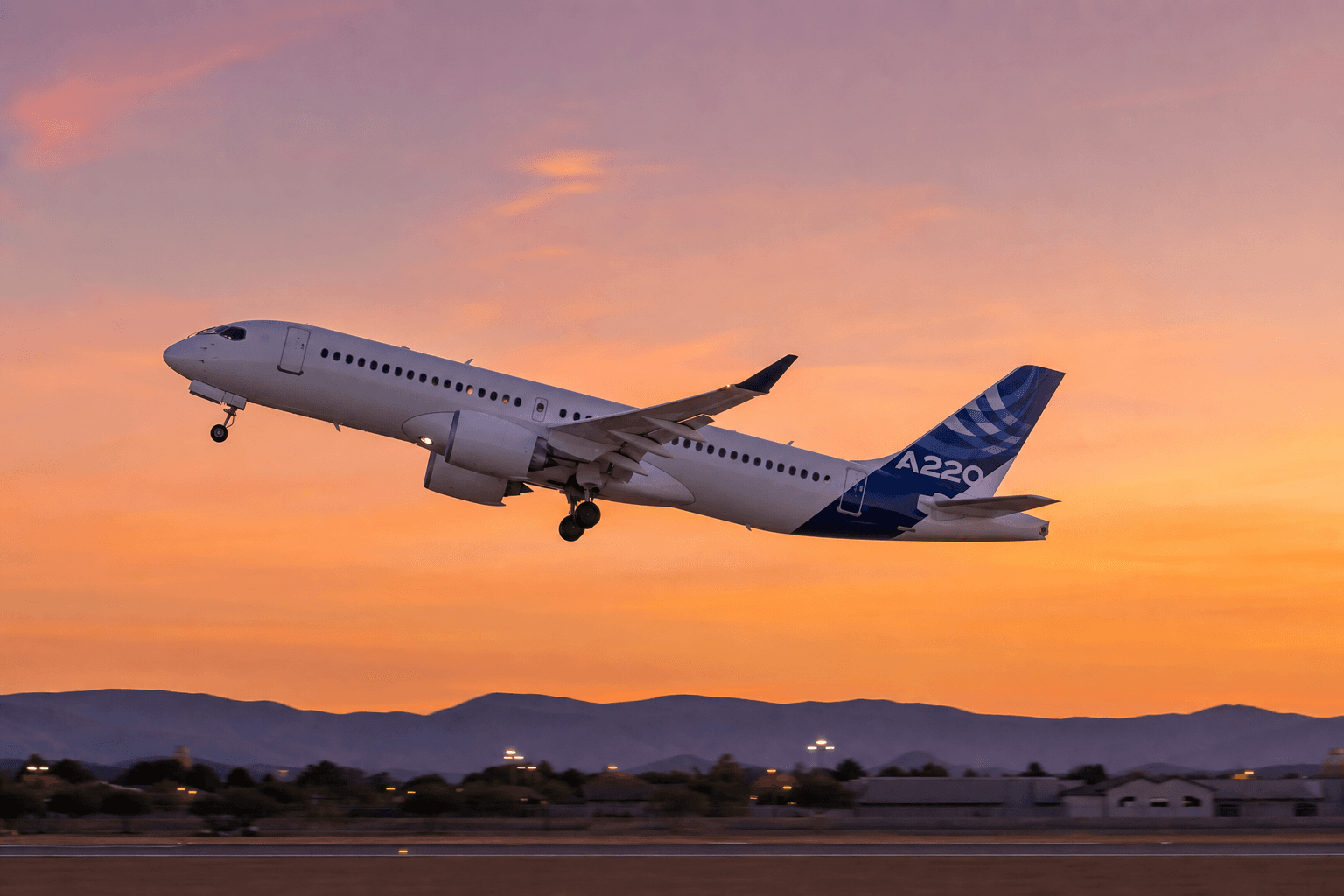
Illustration: The Touch & Go
Airbus A220 poised to unlock over 2,200 new global air routes by 2045
Airbus forecasts the A220's efficiency and range will enable airlines to serve thousands of unserved routes, supporting rising demand from emerging secondary urban centers worldwide.
The gist
The Airbus A220 will open more than 2,200 currently unserved air routes globally, revolutionizing connectivity beyond megahubs.
Continuing coverage
All Asia-Pacific →- Delta Air Lines to Launch First Nonstop Los Angeles to Manila Service in 2027
- Air New Zealand CEO Nikhil Ravishankar outlines strategy to enhance sleep and connectivity
- Thai Airways to finalize new long-haul widebody choice within two years
- Philippine Airlines Joins Oneworld as 16th Member, Opting Out of Star Alliance and SkyTeam
Airbus' 2026 Global Market Forecast highlights a major shift in global air travel, predicting that smaller and medium-sized cities will drive passenger growth far faster than megacities over the next two decades. Against this backdrop, Airbus positions its A220 as the ideal aircraft to serve these evolving travel patterns by enabling airlines to economically launch direct routes bypassing congested hubs. The forecast expects air passenger numbers to more than double by 2045, reaching around 10 billion annually, fueled by a growing middle class and expanding diaspora travel.
The A220 is uniquely suited to capitalize on this transformation due to its right-sized capacity and transcontinental range of up to 3,450 nautical miles. This narrowbody, seating about 100 to 150 passengers, offers airlines a way to operate longer-range point-to-point routes without the high costs and inefficiencies of deploying larger aircraft. Airbus executives reported that the A220 has already facilitated over 400 new routes previously unserved, illustrating its network-building capabilities.
Across different markets such as North America, Europe, and Africa, the A220 has demonstrated the ability to connect secondary cities effectively. For example, airBaltic has established direct flights from Riga to Tenerife, a 2,700-mile sector, supporting regional economies while reducing fuel burn on a per-seat basis. This operational model reflects airlines' growing preference for direct connectivity that avoids legacy hub congestion and optimizes yield.
Asia-Pacific is highlighted as a prime growth region where the A220’s characteristics align well with emerging travel demands. Rapid urbanization in cities beyond traditional mega-hubs in countries like India, Vietnam, Indonesia, and Malaysia is prompting airlines to seek aircraft capable of operating on shorter runways and challenging terrain. Airbus anticipates the A220 could serve over 800 new city pairs in this region alone, fostering direct links that meet rising intraregional leisure and VFR (visiting friends and relatives) passenger flows.
The forecast extends beyond Asia-Pacific, identifying substantial potential in North America and Europe-Middle East-North Africa regions as well. In North America, another 800 city pairs could support A220 services, connecting midsize tech and industrial hubs without routing through busy coastal or Midwest hubs. Europe and MENA show prospects for over 600 new routes, including direct connections from northern Europe to Mediterranean leisure destinations and emerging commercial zones.
This strategic repositioning in route networks reflects an ongoing global trend toward decentralization, driven by infrastructure constraints at large airports, shifting corporate travel preferences, and growing leisure travel to secondary locales. Airbus’ data indicate that by 2045, the number of mid-sized cities (with populations over 250,000) will increase substantially, from 2,251 to 2,857, fueling new demand for air connectivity outside traditional metropolitan centers.
Within the past two decades, the global air route map has transformed dramatically: city pairs operating worldwide grew from 17,800 in 2005 to 28,000 in 2025. Notably, 55% of these city pairs were new within the last 20 years, with 78% of the newly created routes serving previously unconnected city pairs—many of which the A220 now makes feasible and efficient.
For fleet planners and airlines, this means the growing need for a right-sized aircraft that bridges the gap between traditional regional jets and larger, less flexible narrowbodies. The A220’s ability to serve thin but long routes profitably provides a critical tool as carriers pivot away from hub-centric models toward diverse point-to-point networks supporting rapidly urbanizing secondary markets worldwide.
As airlines continue adapting their networks to these demographic and economic shifts, the A220 stands out as a key enabler of sustainable growth in regional and transcontinental air travel. The forecasted demand for more than 2,200 new routes underscores how this aircraft is rewriting the economics of air service across continents, with implications for connectivity, fuel efficiency, and market expansion.
Frequently asked questions
- How many new routes is Airbus projecting the A220 will serve globally?
- Airbus projects that the A220 will enable more than 2,200 currently unserved routes globally over the coming decades.
- What regions show the most potential for new A220 routes?
- Asia-Pacific has potential for over 800 new city pairs, North America also around 800, and Europe plus Middle East/North Africa over 600, according to Airbus forecasts.
- Why is the A220 particularly suited for these new routes?
- The A220 provides right-sized capacity with 100-150 seats and long transcontinental range up to 3,450 nautical miles, enabling efficient point-to-point flights to secondary and emerging urban centers.
Read more
All Airlines →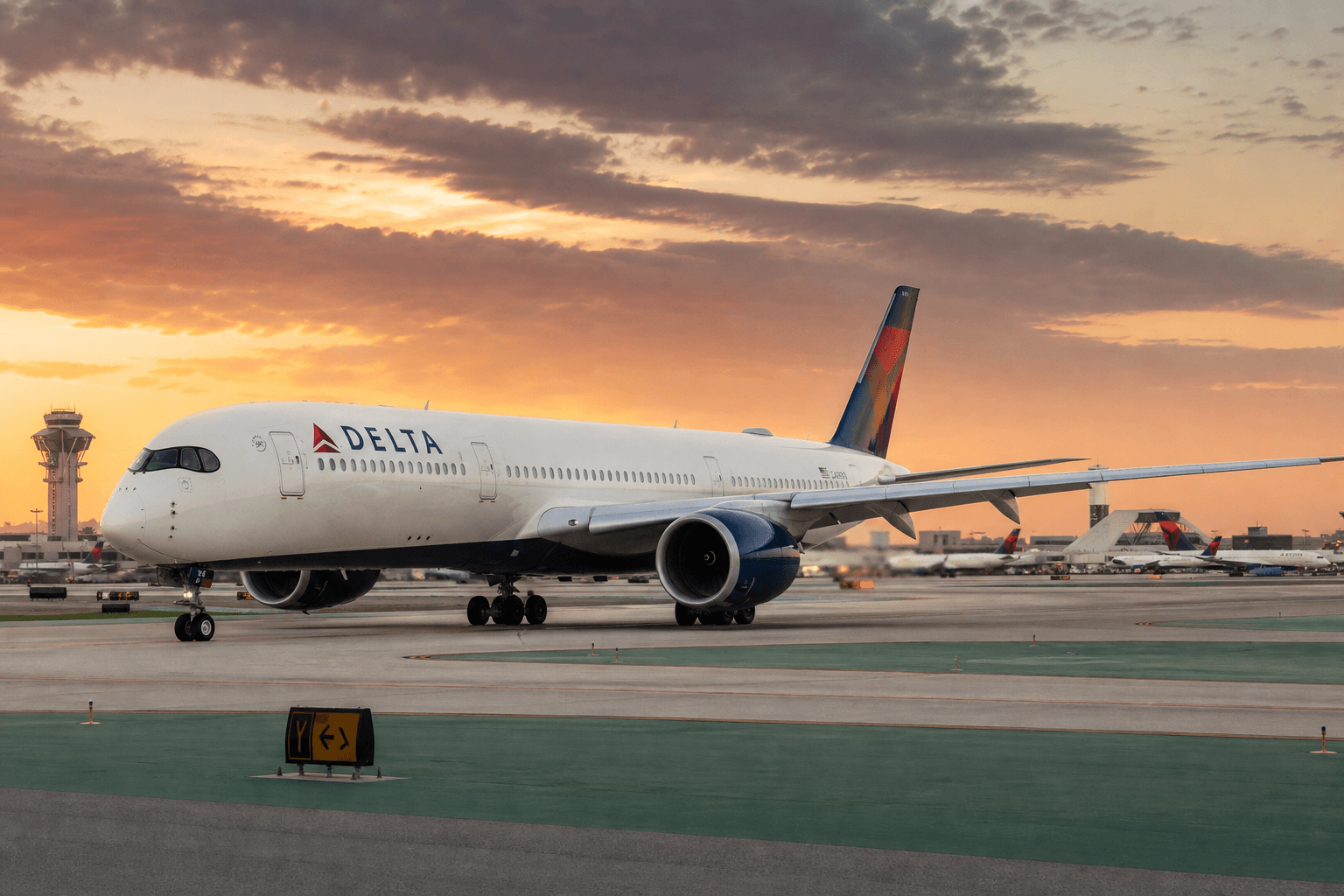
Delta Air Lines to Launch First Nonstop Los Angeles to Manila Service in 2027
The carrier will be the only U.S. airline flying nonstop between the two cities.
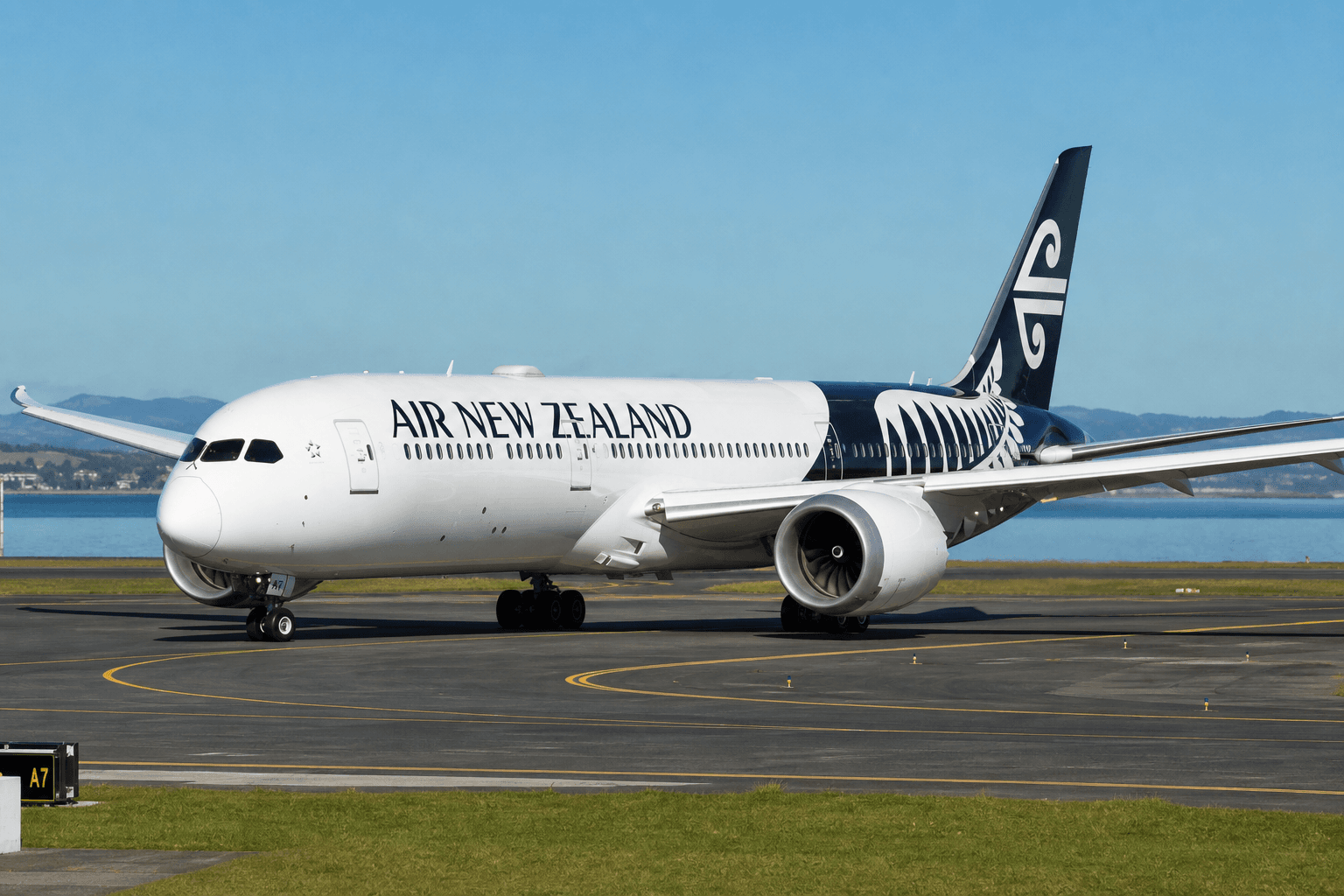
Air New Zealand CEO Nikhil Ravishankar outlines strategy to enhance sleep and connectivity
When even your closest neighbor is several hours' flight away, concepts such as air connectivity and passenger experience become even more important. For many decades, Air New Zealand has successfully connected one of the most geographically remote countries to the rest of the world, while innovating its aircraft cabins with fresh and unique concepts aimed at making long journeys more enjoyable for regular passengers. In June 2026, seven months after his appointment to the role of Air New Zealand CEO, Nikhil Ravishankar met with AeroTime during the International Air Transport Association (IATA) 82 nd Annual General Meeting (AGM) in Brazil to discuss the Kiwi airline's unique market positioning. At the time of our conversation, a topic that was the focus of much of Ravishankar's attention was the fuel crisis triggered by the conflict in the Middle East. In fact, Air New Zealand was one of the first airlines to cancel flights in the first half of 2026 in response to this exogenous supply shock. "At the moment we are now facing more tailwinds than headwinds. I like using a sort of rugby analogy to describe it as 'a game of two halves'," he stated, before going on to dissect the overall situation at the airline, beginning with the positives. "On one side, our operational performance as an airline is as good as it's ever been. We're now consistently one of the top five airlines when it comes to on-time performance, cancelation rates and operational performance. So, our operational performance is really fantastic," he said. "Our customer satisfaction scores are also as high as they've ever been. Air New Zealand has a legacy of being very good at customer experience, we have a very unique Kiwi service proposition, and our customers love flying with us, which is always helpful." "Your customers liking your product is always a good starting point," he added. "For a long time, we've been suffering engine issues, both on the narrowbody and widebody fleets. This time last year, about 20% of our fleet was grounded," he continued. "We're now in a place where most of our aircraft are flying and, at the end of this month, we will only have one aircraft on the ground [AOG] because of engine issues, and that's a huge improvement in 12 months." Ravishankar then switched to the challenges faced by the airline, the "headwinds" as he described them. "On the flip side, of course, like everybody else, we're now dealing with the fuel crisis and Asia-Pacific is a little bit more exposed," he said. "A lot of our crude comes from the conflict zone, and that has sort of impacted us, but the markets continue to clear." "This is a pricing issue for us, not a supply issue," he continued. "So, we haven't seen any challenges with supply. Since it's a price shock, we're trying to minimize it, but we can't do so fully. We are mitigating about 40% of the price increase through a combination of fare increases, flying consolidation, frequency reductions and cost management." "It's the same algorithm that all airlines are using to deal with this situation," he added. "So that's a bit of a headwind, and that in turn has an impact on the demand profile." But what is the traffic profile Ravishankar referred to? Here, the CEO offered two points as a way to frame an answer to the question. "New Zealand is actually a bigger country than many people think. It's the size of Japan, but only has 5.3 million people, versus Japan's 125 million. So, we're a large, hilly, sparsely populated country. Domestically, aviation is very important to us to connect many smaller communities to our main centers." Ravishankar explained how Air New Zealand flies to 20 domestic destinations, quite a dense domestic aviation network for the population size of the country. "And we're far away from everywhere else in the world. If you put a 2,000-kilometer circle around Auckland, you don't even hit the East Coast of Australia, but if you did that over Berlin, you cover from Western Russia to the Nordics, the UK, and even parts of North Africa. So international connectivity is very important too." "Those two dynamics are critical because we do about 16 million flights a year, about 10 to 11 of those are domestic flights, so a lot of the flying we do is just to connect New Zealanders with each other," he added. "The remaining you could say is a 50-50 split between Kiwis going abroad and incoming visitors, a large portion of whom, around 43%, are tourists." Tourism is New Zealand's second largest GDP earner, Ravishankar said, adding that tourism demand into New Zealand is currently as strong as it's ever been. "I often say I've never met anyone around the world who says they never want to visit New Zealand. It's on everyone's bucket list and, particularly now, in this sort of chaotic world, it's an oasis of peace, tranquility and stability," he said. "So, our tourism proposition is very strong." Beating the tyranny of distance The growth in international demand has been somewhat balanced out by weaker domestic demand, whether it is for movement within the islands or Kiwis traveling abroad. "That demand is much softer at the moment and that's reflective of the strength of the underlying economy and the New Zealand dollar, but that's part of economic cycles, and that will come right," Ravishankar explained. Interestingly, Ravishankar named Singapore, not neighboring Australia, as the airline's single largest foreign market. Australia, the United States, and parts of Asia follow suit. China, the giant of the Asia-Pacific region, is also a growth market for Air New Zealand. "China visitor numbers have started to pick up again," he said. "So, I think it'll always remain an important market for New Zealand. 40% of our global trade is with China, so it's a very, very important market for us. We fly to Shanghai, Hong Kong, and Singapore, and they all act as sort of hubs for us." In response to the strong international demand, Air New Zealand has reactivated its B787 fleet , part of which had been grounded since the COVID-19 pandemic (the last of those stored aircraft re-entered service in early July 2026), but also preparing for a significant expansion of its long-haul capacity, adding 10 more Dreamliners and bringing the fleet from 14 to 24. "It's an aircraft that works for us really well in terms of our network design," Ravishankar said. "On the long-haul fleet, if I could summarize our strategy into a single line, it would be 'to win on sleep'. So, if you look at our first two new long-range B787-9s which are to be delivered shortly, these are fitted with SkyNest , that is bunk beds in economy class," he explained. "And alongside SkyNest, those new aircraft will have seven different seat products within a single aircraft, five of those seven seats are optimized for sleep." Here, Ravishankar was talking about the rather unique, innovative product which will allow economy class passengers to pay a bit extra to spend a few hours sleeping in a proper bed. Air New Zealand first unveiled SkyNest in 2020, with sales going online in May 2026. "We're excited about the bunk beds. The early signs are very promising commercially as well. They're selling well, so you can buy it today. It's on sale," he said. "That's going to be interesting for all our widebodies." RELATED Air New Zealand to sell Skynest sleep pods for economy travelers starting May But SkyNest is far from a one-off, it follows in the footsteps of SkyCouch, which entered service in 2011. SkyCouch allows families traveling together to combine the three economy class seats in a row to make a bed. "Sky Couch is very popular with families with young kids," Ravishankar said, before also going on to talk about the other types of seats on offer onboard Air New Zealand's Dreamliners. "We've also got our premium economy offering, which is a brand-new seat, and then, obviously, Business Premier and Business Premier Luxe which are two different flavors of our business class." The airl
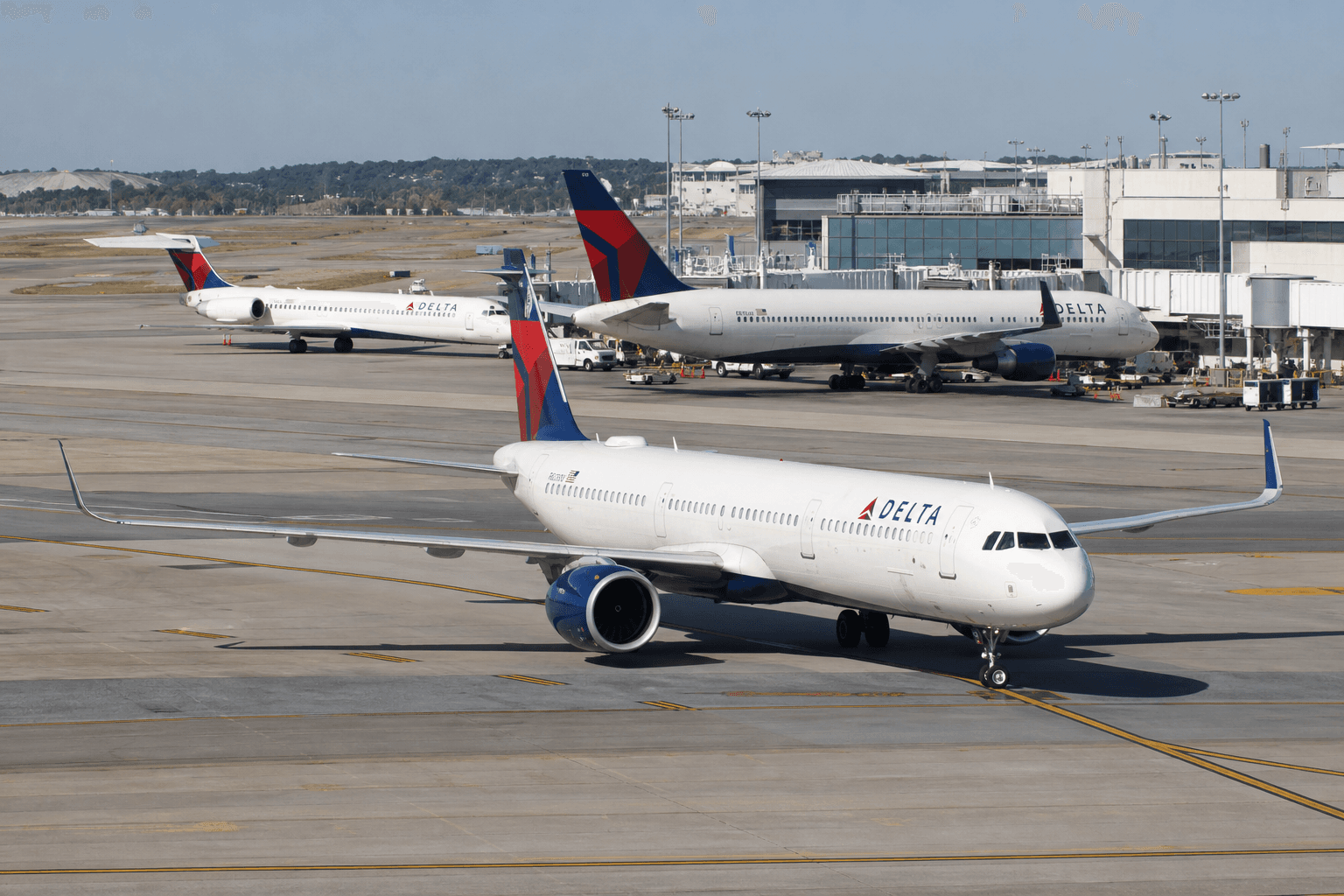
Delta Air Lines Relies on Older Boeing Jets Amid Airbus Engine Groundings
Delta Air Lines has been forced to turn to older aircraft while plagued by groundings of some of its newest Airbus jets. The Big Three US carrier has heavily gone in for models from the French manufacturer to bolster its narrowbody fleet in recent years. However, the rollout of these has not been without its issues.
Hainan Airlines Plans to Acquire 40 Airbus A320neos from 2028 to 2032
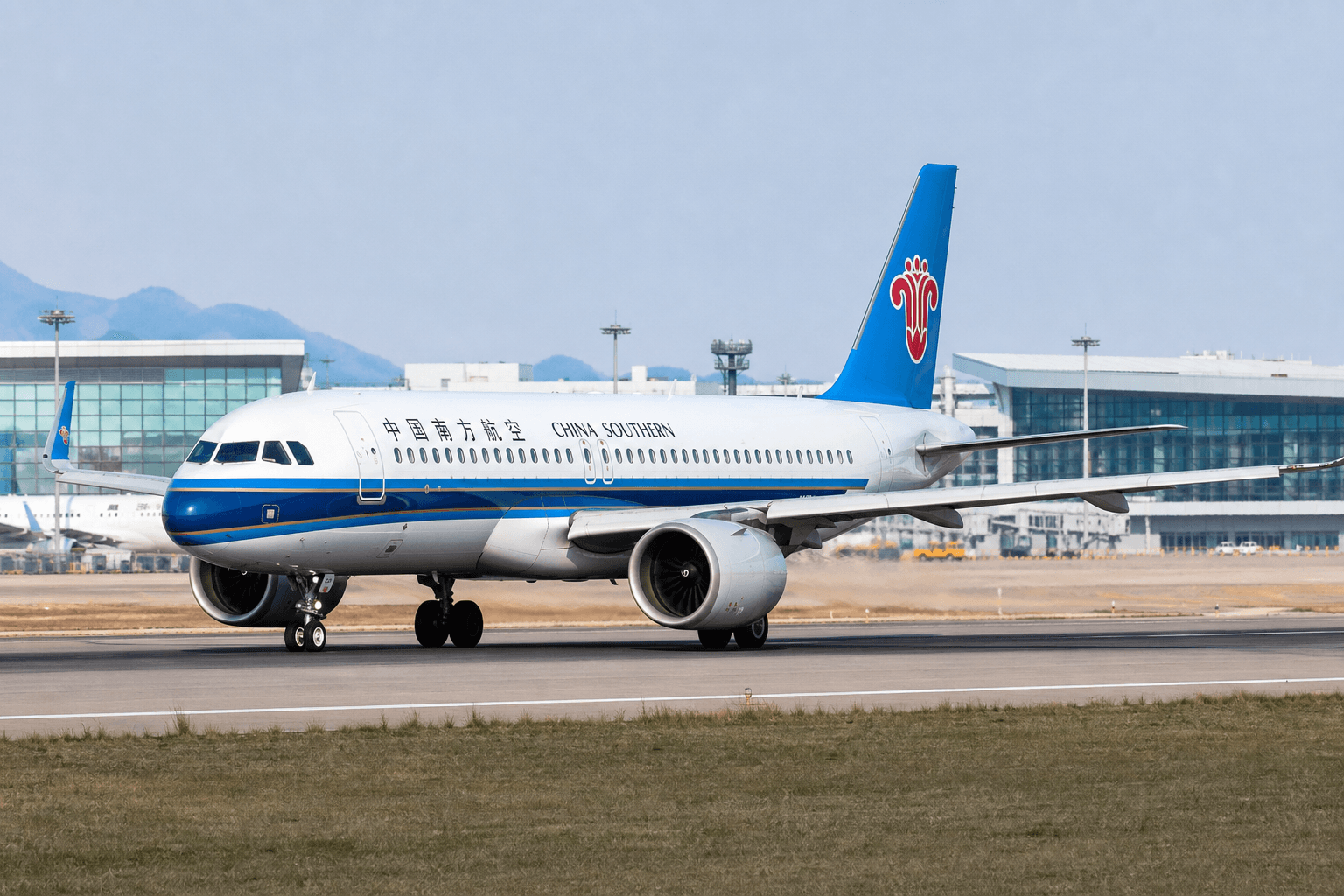
Carrier’s agreement follows several other Airbus fleet deals from the country’s operators. China's Hainan Airlines has revealed that it is intending to order 40 Airbus A320neo-family jets, the latest operator from the country to disclose large agreements with the European airframer. Hainan Airlines, based in Haikou, states that it will take delivery of the twinjets from 2028 to 2032. No engine selection has been given for the aircraft. Hainan says the catalogue price for the jets is $5.36 billion but that the "actual price will be lower". In an 18 July disclosure it says its board has backed the deal. But it adds that the transaction is subject to shareholder approval and that of relevant national authorities. Hainan says the Airbus agreement aligns with development plans to optimise the airline's fleet structure and enhance capacity. Several Chinese operators have recently unveiled similar large Airbus acquisitions, among them Air China , China Southern Airlines , China Eastern Airlines , Spring Airlines and Juneyao Air .
The Daily Touch & Go
The day's best aviation news in your inbox. Free, no spam.