

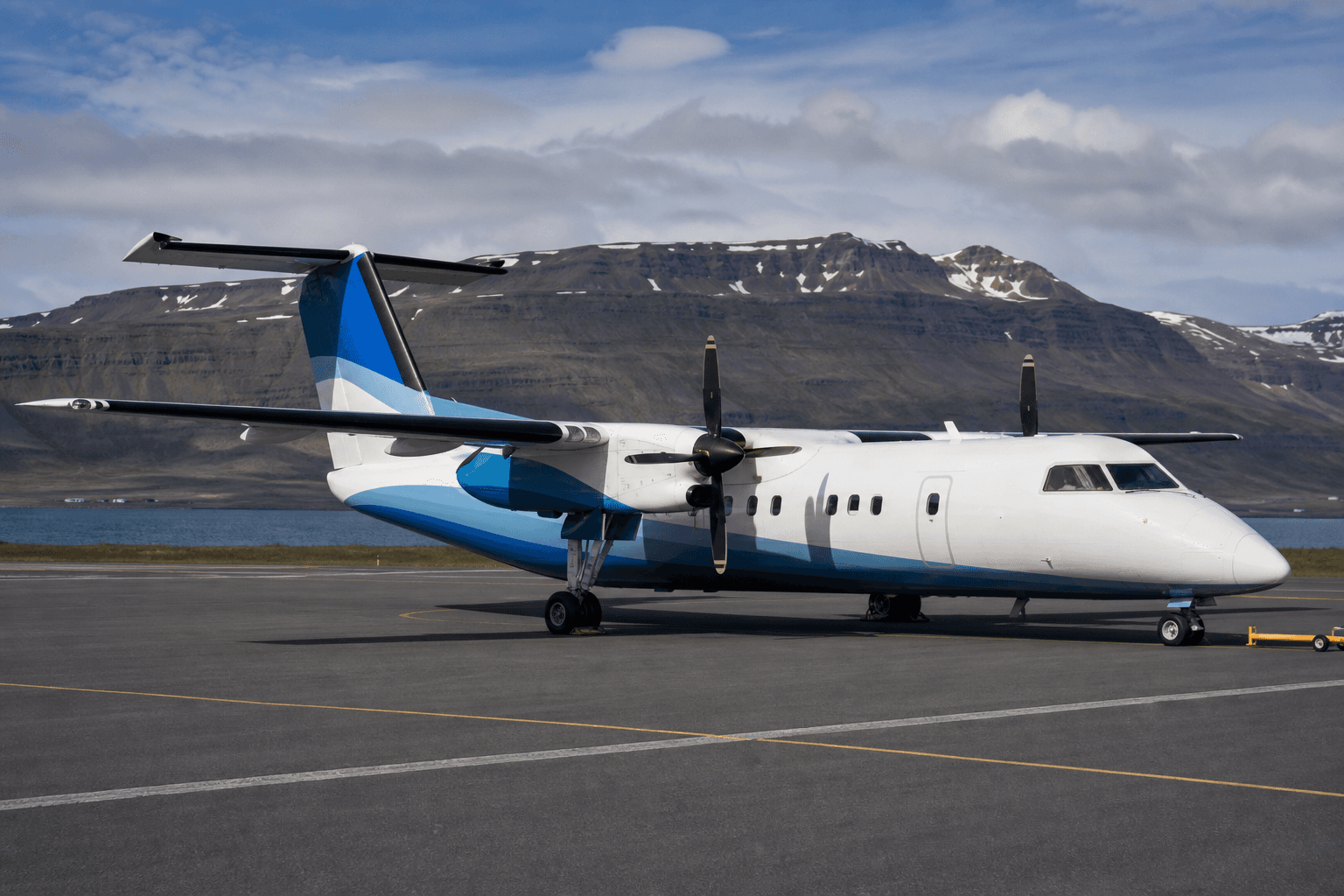
Illustration: The Touch & Go
Icelandair Reverses Dash 8-200 Retirement to Maintain Flights to Ísafjörður
Icelandair will continue flying its Dash 8-200 aircraft to Ísafjörður under a new four-year public service contract, preserving vital air links despite initial plans to retire the fleet type.
The gist
Icelandair keeps Dash 8-200s in service to sustain year-round flights to Ísafjörður under a new four-year government contract.
Icelandair has altered its earlier decision to retire its Dash 8-200 turboprop aircraft, opting to continue operating the type to preserve air service to Ísafjörður, a remote town in Iceland's Westfjords. The airline secured a government-awarded air service agreement, ensuring continued flights to Ísafjörður for the next four years despite an original plan to phase out the smaller Dash 8-200 by the end of the 2026 summer season. This shift comes as Icelandair adapts its regional network in response to changing infrastructure and operational demands in the North Atlantic region.
The Dash 8-200 fleet had been primarily used by Icelandair on routes to Greenland and Ísafjörður. Recent upgrades to airports in Greenland, including longer and more modern runways, allowed larger Dash 8-400 Q400 aircraft to replace the older Dash 8-200s on those routes, prompting the airline to contemplate retiring the smaller aircraft type. However, Ísafjörður's airport can only accommodate aircraft no larger than the Dash 8-200, making it the sole remaining destination requiring this specific fleet.
Icelandair’s initial plan was to discontinue service to Ísafjörður alongside the Dash 8-200 retirement, as the economics did not support operating a single aircraft type solely for one route. The airline’s communications manager Guðni Sigurðsson explained that operating the Dash 8-200 for just Ísafjörður was not sustainable after losing most Greenland routes to larger aircraft models. Nevertheless, government-supported public service contracts opened a pathway for Icelandair to maintain these critical community connections.
Under the newly signed four-year agreement, Icelandair will provide year-round service to Ísafjörður with a seasonally adjusted flight schedule. The winter period, from November through February, will see seven weekly flights, with slightly increased frequencies of nine flights per week during the shoulder seasons of September to October and March to April. Peak summer months from May through August will have ten weekly flights, marking a reduction from the previously higher summer frequencies but ensuring steady and reliable connectivity for residents and visitors alike.
The tender process for public service contracts also involved Höfn, another regional route Icelandair bid on, which contributed to operational synergies making the continued use of Dash 8-200s economically viable. This broader strategy provided a revenue base sufficient enough to reverse the initial fleet retirement and retain the Dash 8-200 alongside the larger Dash 8 Q400 aircraft in Icelandair’s regional fleet. This decision allows the airline to balance fleet simplification with critical network needs.
From a strategic perspective, Icelandair views the Ísafjörður route as an essential lifeline for the Westfjords community, which has a population below 3,000 and limited land transport options. Road travel to Reykjavík, Iceland’s capital, can take up to nine hours with multiple transfers, rendering dependable air service a crucial infrastructure asset for connectivity, commerce, and tourism. By securing the route through 2030, Icelandair reinforces its commitment to serving Iceland’s more isolated regions.
The preservation of the Dash 8-200 fleet illustrates the complexities regional airlines face when operating to airports with limited infrastructure and fluctuating demand. Icelandair’s decision highlights how government-supported contracts can influence fleet and network planning, enabling operators to sustain vital air links which would otherwise be commercially unviable. This approach ensures rural communities like Ísafjörður remain accessible despite the pressures for fleet modernization and operational efficiency.
As Icelandair continues to navigate these challenges, the airline will operate a mixed turboprop fleet comprising its larger Dash 8-Q400s and the retained Dash 8-200s. The dual use of turboprops optimized for different airport environments ensures flexible service across Iceland’s diverse geography and evolving airport capabilities. The outcome reflects a carefully balanced approach to maintaining regional air service while managing fleet complexity and economic realities.
Read more
All Airlines →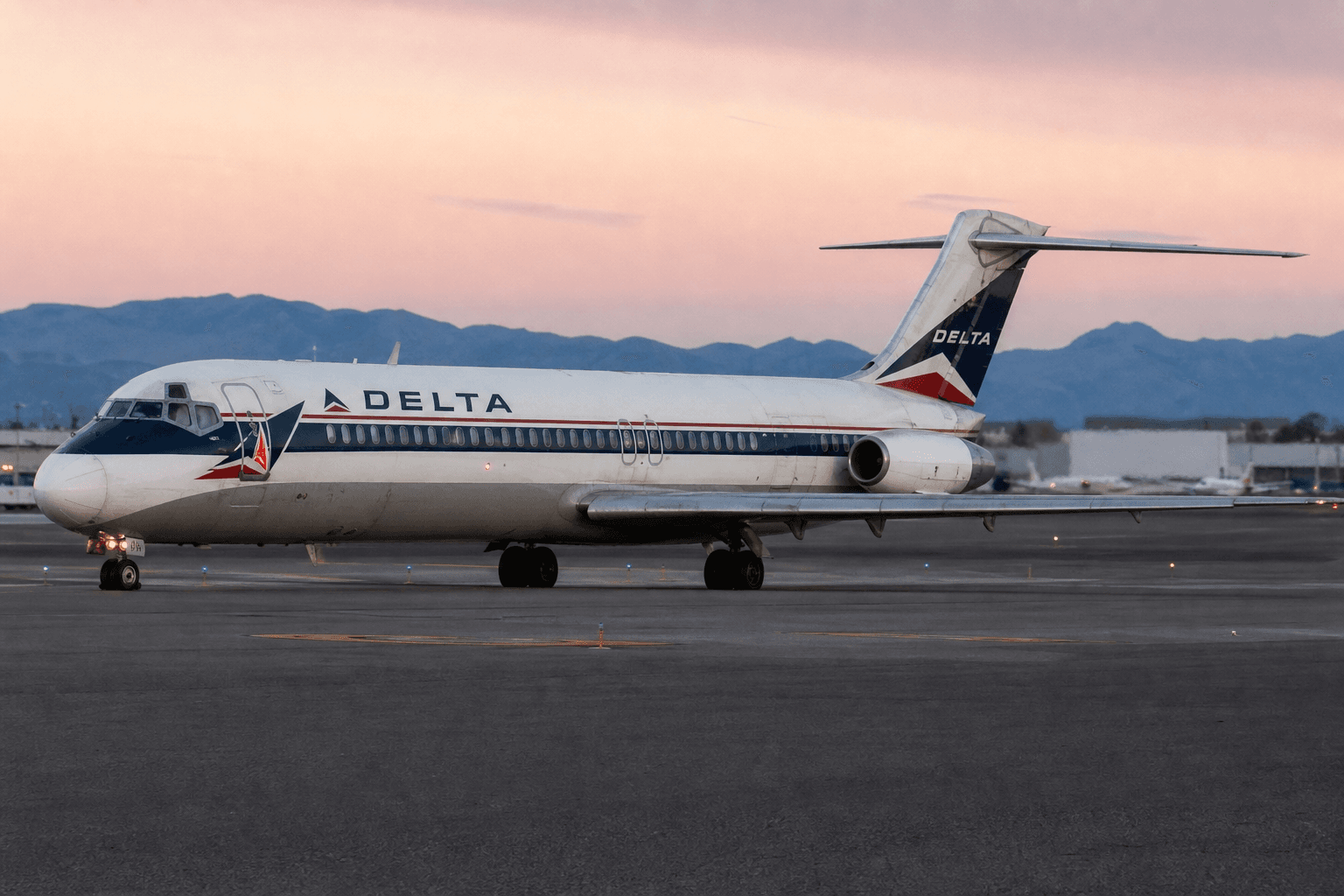
McDonnell Douglas DC-9 Outlasts Its Own Successor, the MD-90, in Longevity and Economics
Some aircraft evolve, advancing and growing into the era of flight ahead. Some disappoint and leave carriers holding on to older airframes for longer.

Airbus predicts doubling air travel demand by 2045 fueled by urban growth and aircraft efficiency
Urbanization and GDP growth are driving long-term air travel demand according to Airbus’ 2026-2045 Global Market Forecast (GMF). In the next 20 years, urbanisation is shifting to smaller cities. With a rise in middle classes and the diaspora this will lead to new city pairings made economically viable thanks to increasingly efficient aircraft and growing […]
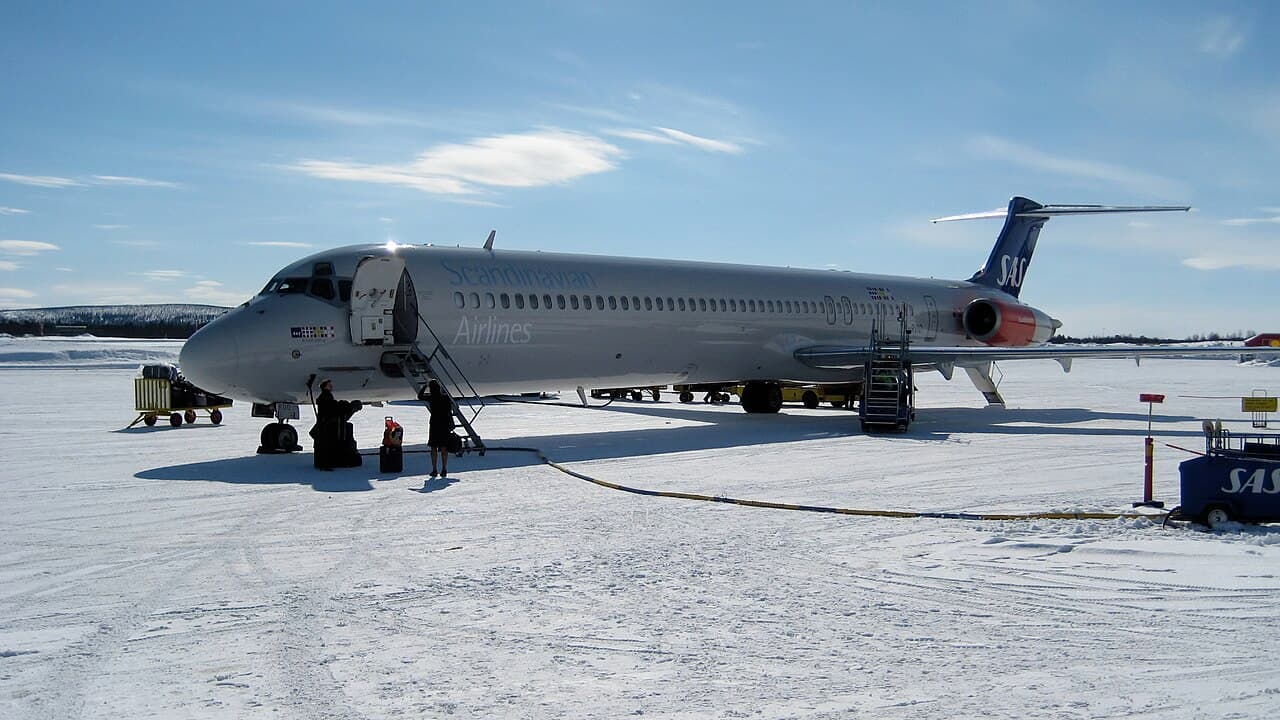
Air Canada Names Anko Van der Werff as New CEO Ending January 2027 Transition
Air Canada announced on July 8, 2026 that Anko Van der Werff will become its next President and Chief Executive Officer, and a member of the Board, by the end of January 2027. Mr. Van der Werff, currently President and Chief Executive Officer at Scandinavian Airlines, succeeds Michael Rousseau, who previously announced his retirement after […]

Transport Canada Announces New 5G Mitigation Measures to Protect Aircraft Radio Altimeters
Operators flying to Canada should be aware of Transport Canada's new guidance on managing interference risk between 5G signals and aircraft radio altimeters.
The Daily Touch & Go
The day's best aviation news in your inbox. Free, no spam.