

Illustration: The Touch & Go
Delta launches Basic fare option across premium cabins to lower prices
Delta introduces no-frills Basic pricing for Delta First, Premium Select, and Delta One cabins, offering a cheaper way into premium travel without full benefits.
The gist
Delta adds Basic fare tier to premium classes, lowering cost but limiting perks like upgrades and lounge access.
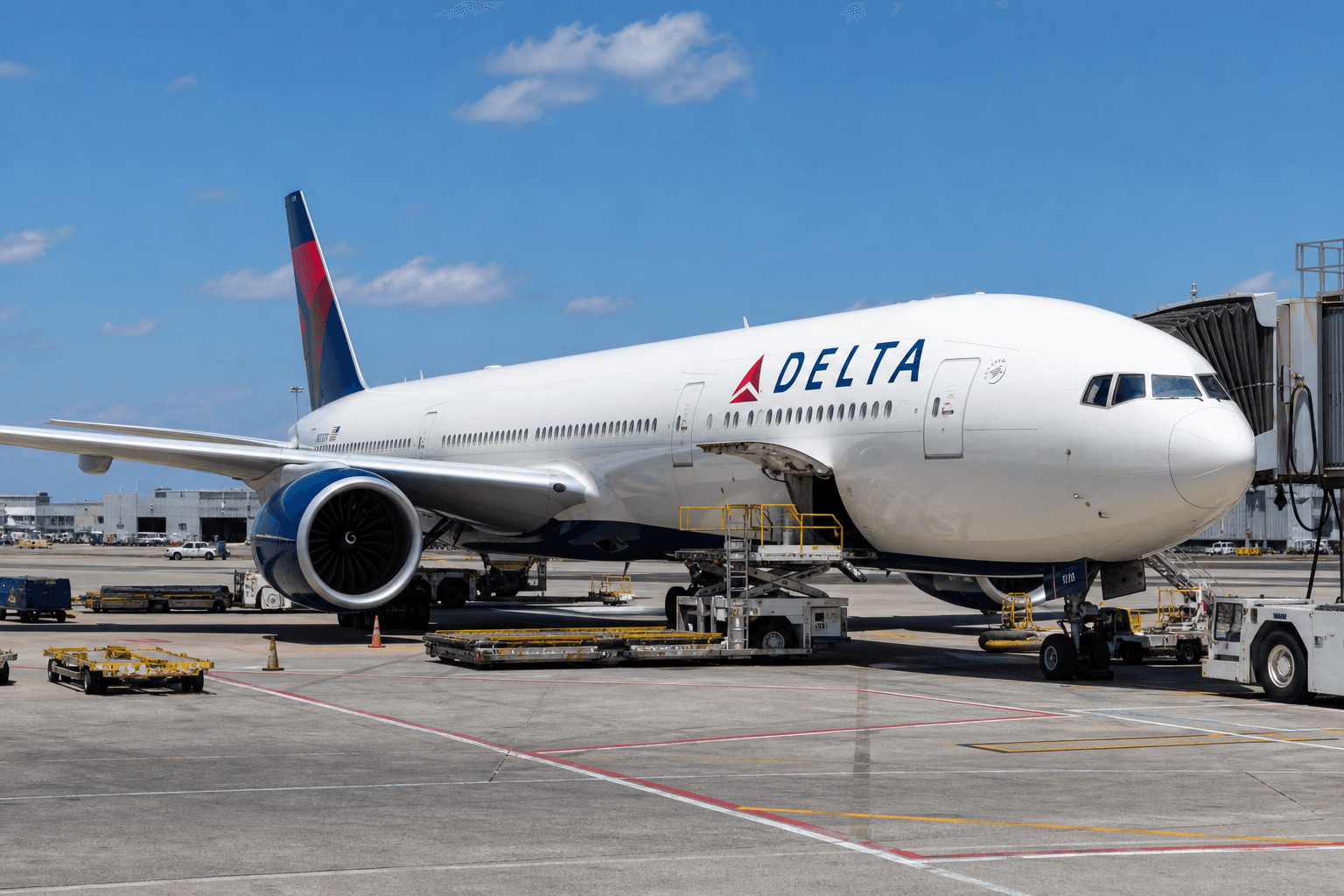
Delta Air Lines has expanded its Basic fare option to include its premium cabin products, namely Delta First, Delta Premium Select, and Delta One, offering travelers a more affordable entry point into premium services. This move aligns with Delta's strategy to provide varied pricing tiers that meet different passenger budgets while maintaining the core premium experience onboard. The airline announced this update on Wednesday, emphasizing that while ticket prices are lower, some usual benefits will not apply to Basic customers.
The introduction of Basic fares to the upper cabins means that customers can now purchase discounted premium tickets with certain restrictions. While the flight experience itself mirrors that of Classic and Extra fares—ensuring seat comfort and service remain unchanged—the Basic tier limits complimentary benefits. These include assigned seating only at check-in rather than advance selection, a reduced checked baggage allowance, fewer miles earned through Delta's SkyMiles program, and the absence of complimentary upgrades.
Access to Delta Sky Clubs is also restricted under the Basic fare umbrella. Passengers who buy Basic Premium tickets will not have complimentary lounge entry unless they hold separate eligibility through a Delta Sky Club membership or possess qualifying credit cards. Such limitations represent a significant shift for premium cabin travelers accustomed to more inclusive amenities, signaling Delta's attempt to balance affordability with defined service tiers.
Delta First Basic fares became available immediately in select domestic U.S. and Latin American markets starting from the announcement date. Meanwhile, Delta Premium Select Basic and Basic Business fares corresponding to Delta One will be offered for flights from September onward. This phased rollout allows the airline to gauge customer response and operational impacts across various routes and cabins.
Previously, Delta introduced a Basic-Classic-Extra fare structure last year for its main cabin seats, establishing a precedent for tiered fare offerings that segment services and pricing by passenger preference. Following that, last November, the Basic option was extended to the Delta Comfort+ product—an enhanced economy seating option—showing a continued strategy to apply the tiered fare concept throughout more cabin classes.
Joe Esposito, Delta's executive vice president and chief commercial officer, stated that the expansion of the Basic fare option provides customers with more choices tailored to their trip needs. He highlighted that this new fare helps make premium cabin products accessible to a broader range of passengers, effectively democratizing premium travel access without diluting the in-flight experience.
The Basic fare model reflects a wider airline industry trend whereby carriers aim to segment their products more granularly to capture a variety of customer price sensitivities. Airlines find that offering no-frills lower-price tickets alongside more inclusive higher-tier fares allows them to maximize revenue while appealing to budget-conscious travelers who are willing to forgo some extras.
Delta's expansion of the Basic tier into premium cabins will likely influence competitors who have already experimented with or are considering similar fare segmentation in their cabins. It also highlights the ongoing evolution of premium travel pricing structures in response to fluctuating market demand and customer expectations. Monitoring uptake and customer satisfaction with these new fare offerings will be critical in assessing the long-term viability of this pricing strategy.
Read more
All Airlines →
Airbus predicts doubling air travel demand by 2045 fueled by urban growth and aircraft efficiency
Urbanization and GDP growth are driving long-term air travel demand according to Airbus’ 2026-2045 Global Market Forecast (GMF). In the next 20 years, urbanisation is shifting to smaller cities. With a rise in middle classes and the diaspora this will lead to new city pairings made economically viable thanks to increasingly efficient aircraft and growing […]
Air Canada Names Anko Van der Werff as New CEO Ending January 2027 Transition
Air Canada announced on July 8, 2026 that Anko Van der Werff will become its next President and Chief Executive Officer, and a member of the Board, by the end of January 2027. Mr. Van der Werff, currently President and Chief Executive Officer at Scandinavian Airlines, succeeds Michael Rousseau, who previously announced his retirement after […]
Transport Canada Announces New 5G Mitigation Measures to Protect Aircraft Radio Altimeters
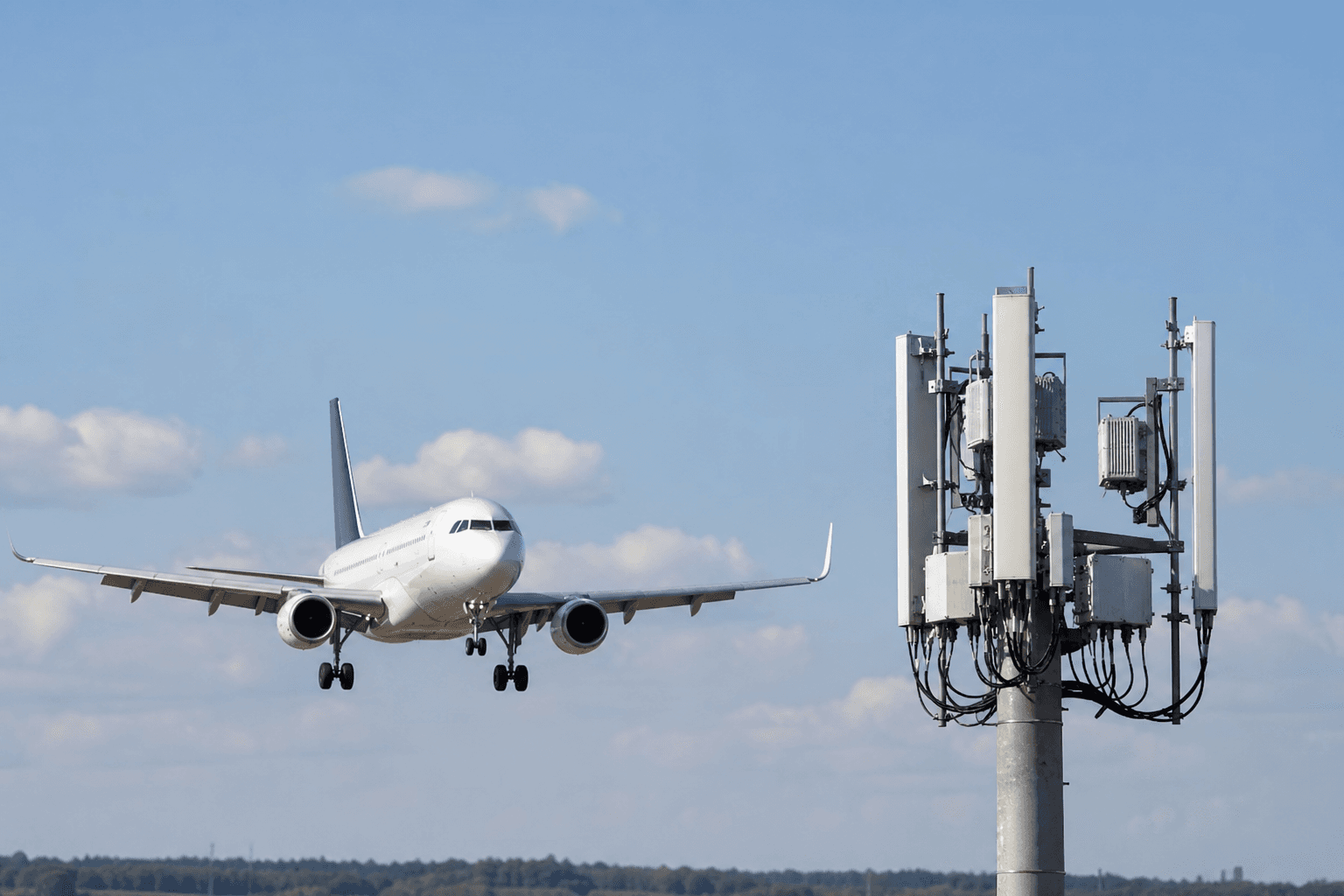
Operators flying to Canada should be aware of Transport Canada's new guidance on managing interference risk between 5G signals and aircraft radio altimeters.
Icelandair Reverses Dash 8-200 Retirement to Maintain Flights to Ísafjörður
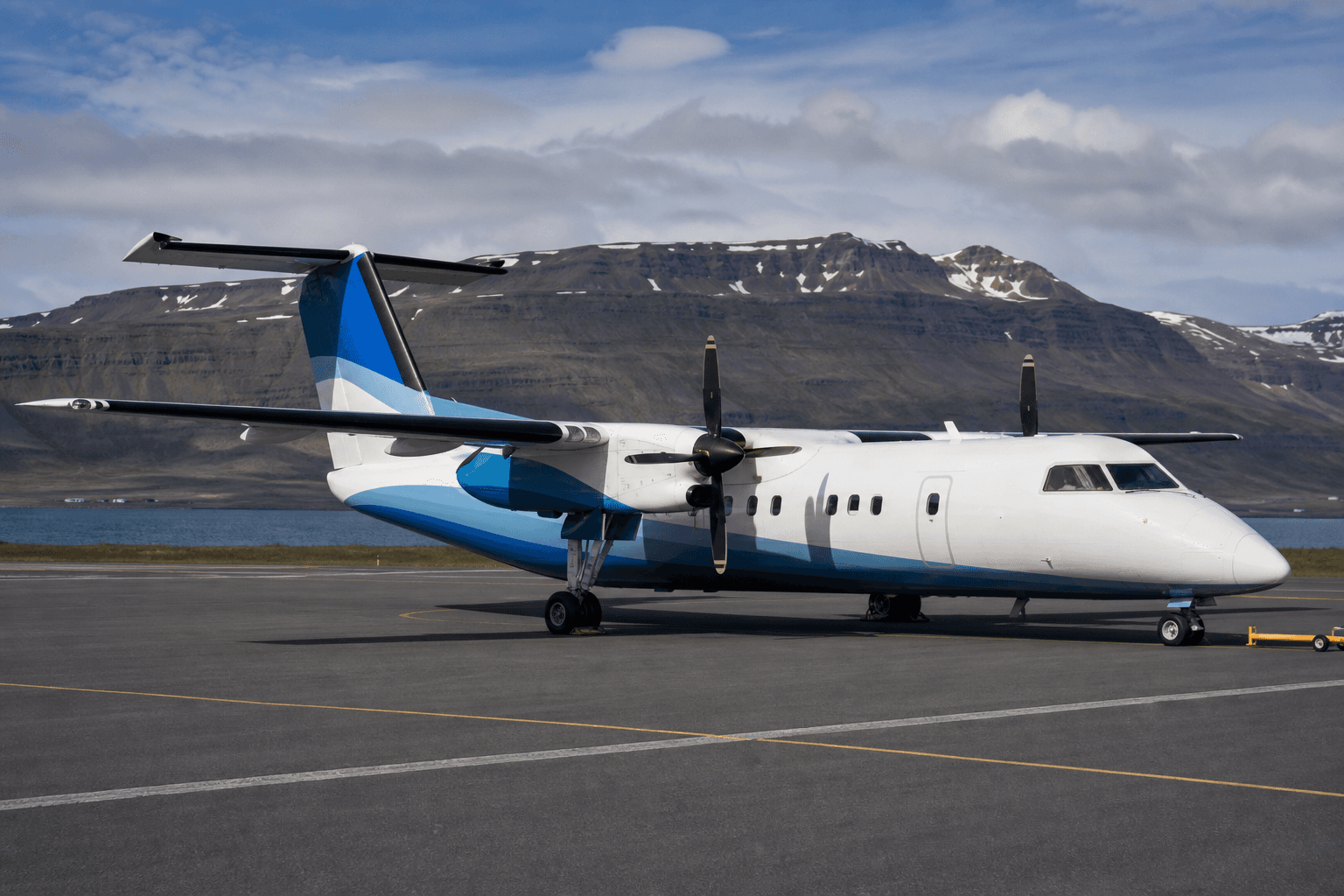
The airline has changed its fleet and network plans after securing a new air service agreement.
The Daily Touch & Go
The day's best aviation news in your inbox. Free, no spam.