


Airbus predicts doubling air travel demand by 2045 fueled by urban growth and aircraft efficiency
Airbus forecasts global passenger traffic to more than double by 2045, driven by urbanization, middle class growth, and new efficient aircraft enabling expanded city-pair networks.
The gist
Airbus projects air travel will double by 2045 thanks to urban shifts and next-gen aircraft efficiencies.
Continuing coverage
All Airbus →- Airbus lowers 20-year passenger aircraft demand forecast to 42,060 units
- Airbus A320 Delivers Higher Fuel Efficiency Per Passenger Than A380 Despite Larger Size of the Superjumbo
- Airbus completes assembly of its first A350F freighter, begins test program
- Airbus resolves A350 exterior cracking with material innovation, averting fleet grounding
- Scandinavian Airlines Places Record Order for Up to 40 Airbus A330s Including New A330-900s
Airbus’ latest 2026-2045 Global Market Forecast reveals a robust outlook for global air travel, with passenger traffic expected to grow by an average 3.9% annually over the next two decades. The forecast highlights urbanization, rising middle classes, and aircraft technological advances as primary drivers fueling this sustained expansion. Notably, air travel demand is evolving beyond traditional major hubs, with smaller cities emerging as new focal points in global connectivity.
A key trend identified in the report is the decentralization of air networks. Smaller urban centers are projected to grow nearly three times faster than the largest cities, shifting travel demand toward previously underserved city pairs. This demographic and economic shift, including increased diaspora populations, is making new direct routes viable. Airbus cites examples such as Riga to Tenerife and Melbourne to Alice Springs, which are now efficiently served by the A220 narrowbody aircraft owing to its fuel efficiency and range.
Complementing this network evolution, advances in aircraft technology are enabling longer direct flights. The extended range of models like the A321XLR and A330neo opens up new international city pairs, such as Dublin to Nashville and Algiers to Kuala Lumpur, facilitating travel and trade without stopovers. This capability meets growing traveler demand for convenience and supports more diverse route structures that were previously uneconomical.
In line with market needs, Airbus’ production strategy reflects these trends. The company’s backlog of approximately 9,000 aircraft underscores strong demand for its full product line, from the single-aisle A220 and A320 families to widebody A330neo and A350 models. Notably, over 70% of the A320 family orders are for the larger A321neo and XLR, which are well suited for emerging mid-range routes connecting smaller cities.
The forecast also highlights the resilience of passenger traffic despite near-term challenges such as geopolitical conflicts and fuel price volatility. Growth is fundamentally linked to rising global GDP, increasing urban populations—forecasted to rise by 1.3 billion people—and a expanding middle class that is expected to grow by 1.4 billion by 2045. This demographic evolution will help sustain steady increases in air travel demand, pushing total passengers transported annually to about 10 billion by mid-century.
Asia-Pacific stands out as a pivotal region shaping aviation demand patterns. Rapid economic growth in countries like India, Vietnam, Indonesia, and Malaysia is fueling new travel flows. Additionally, international migration and family visits (VFR travel) are becoming significant demand components, necessitating more flexible route planning and aircraft deployment to accommodate diverse traveler needs.
Fleet renewal is another critical component driving Airbus’ forecast. The post-pandemic acceleration of fleet aging has amplified replacement demand, favoring new-generation aircraft that deliver superior fuel efficiency and operational flexibility. Airbus anticipates that by 2045, nearly 100% of the global commercial fleet will consist of these latest technology aircraft, a sharp increase from the current estimate of 39%. This transition aligns with industry goals to reduce emissions and operate more economically.
The composition of future aircraft demand is heavily weighted toward single-aisle models, which are expected to account for roughly 81% of deliveries over the next 20 years. Widebodies will comprise the remaining 19%, highlighting the emphasis on aircraft that can efficiently serve both short and medium-haul routes as well as selected long-haul markets. This split reflects passenger preferences for increased connectivity and the need for airlines to optimize costs in a competitive landscape.
Read more
All Airlines →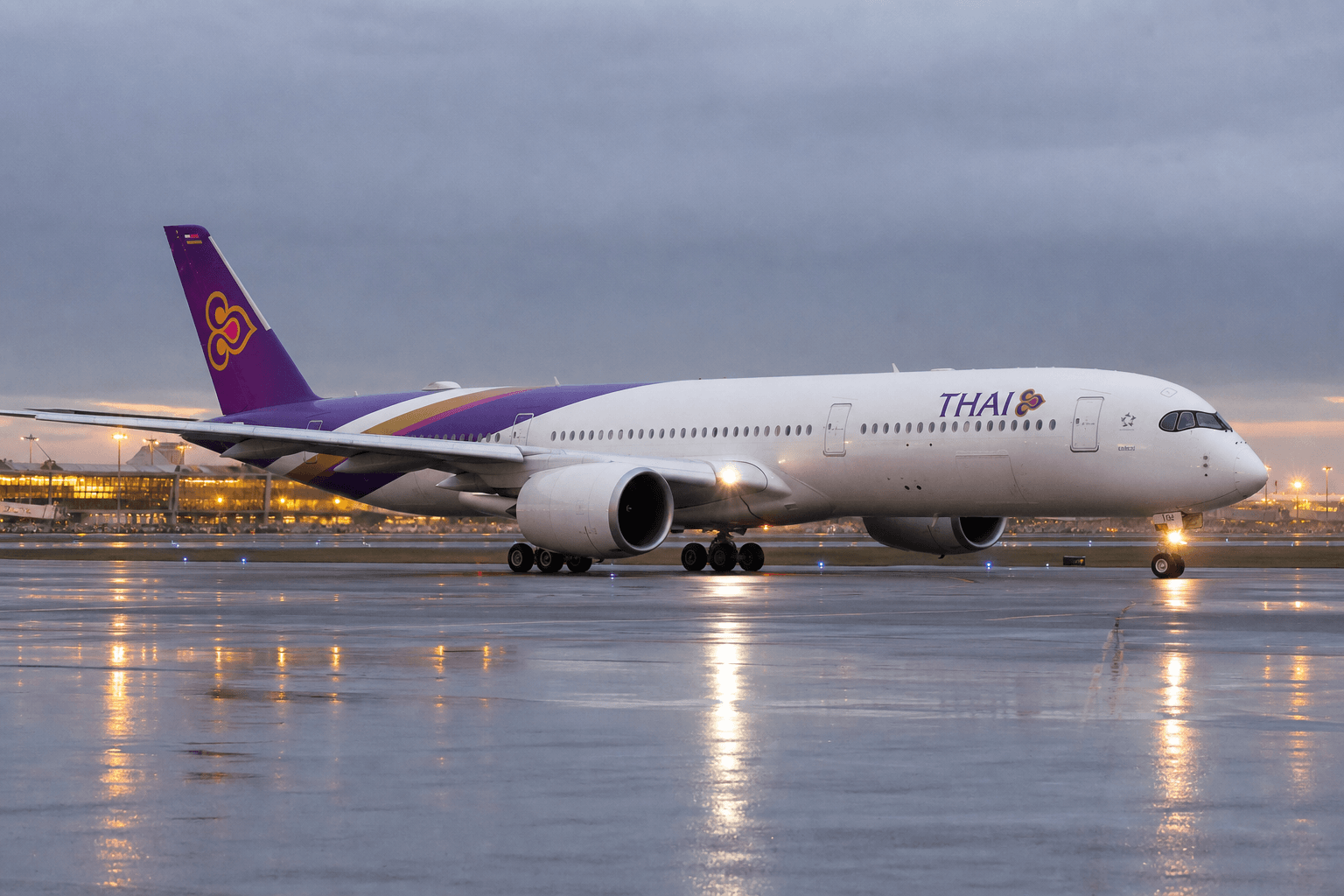
Thai Airways to finalize new long-haul widebody choice within two years
Airline chief Chai Eamsiri says it is assessing the Airbus A350-1000 and Boeing 777X programme. Thai Airways International is to make a decision on new long-haul widebody aircraft within one to two years, says its CEO, in an interview with FlightGlobal sister publication Luchtvaartnieuws. Speaking in Amsterdam on the sidelines of an event marking the…
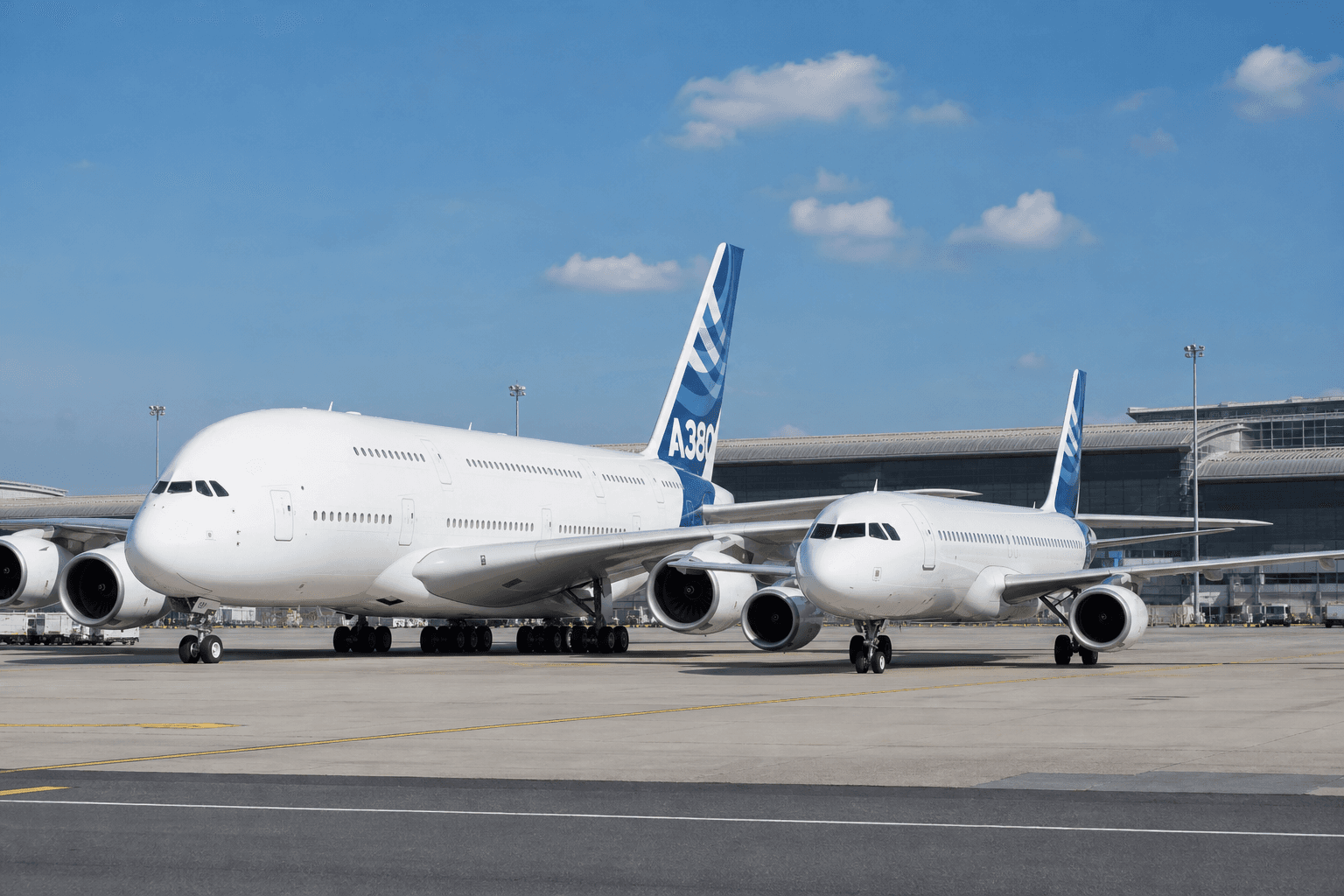
Airbus A320 Delivers Higher Fuel Efficiency Per Passenger Than A380 Despite Larger Size of the Superjumbo
The A380 burns six times more fuel than an A320. Per passenger, the gap looks very different.
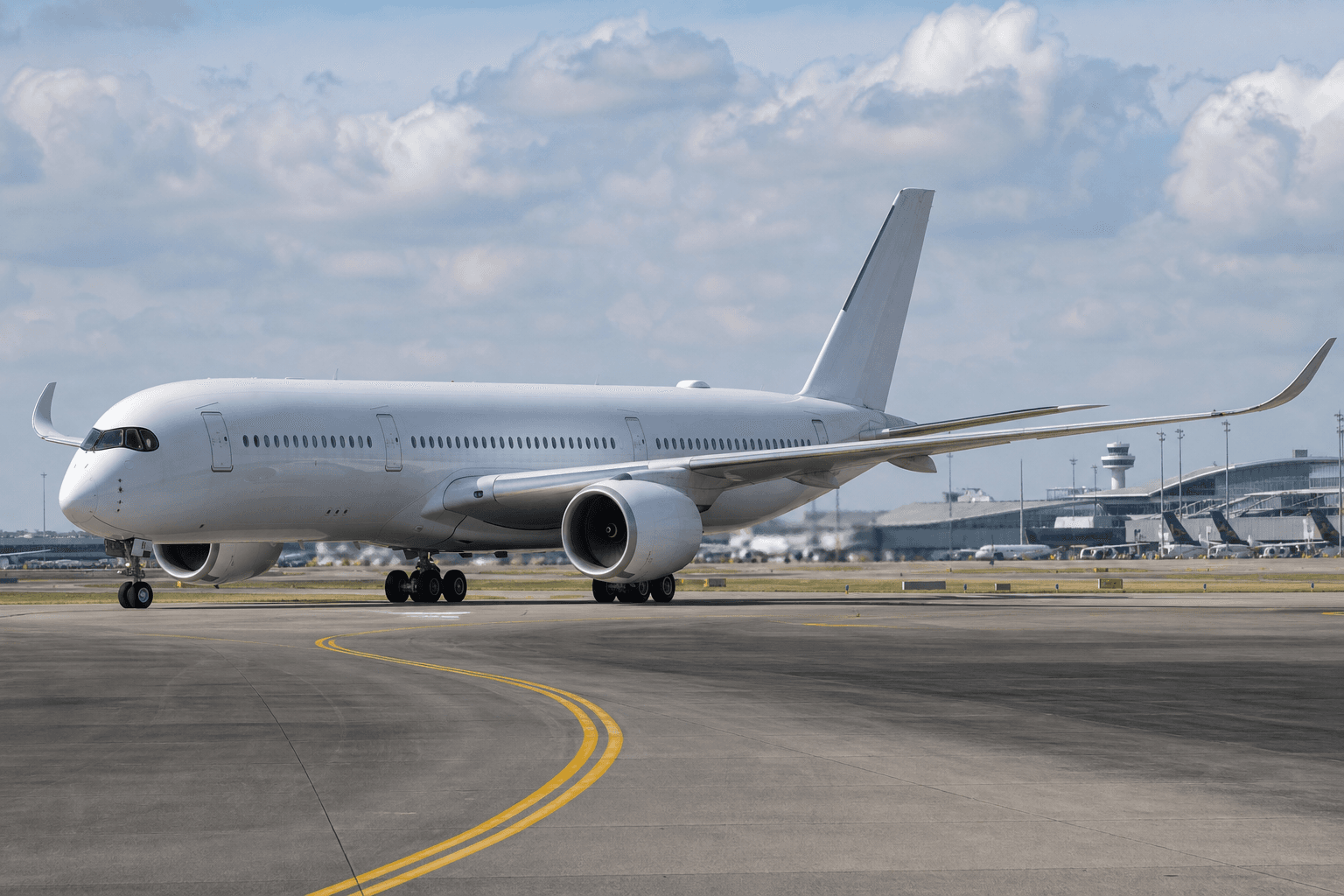
Airbus resolves A350 exterior cracking with material innovation, averting fleet grounding
Fixing a problem affecting hundreds of aircraft globally is no easy task, but Airbus managed to do so without forcing an international grounding.
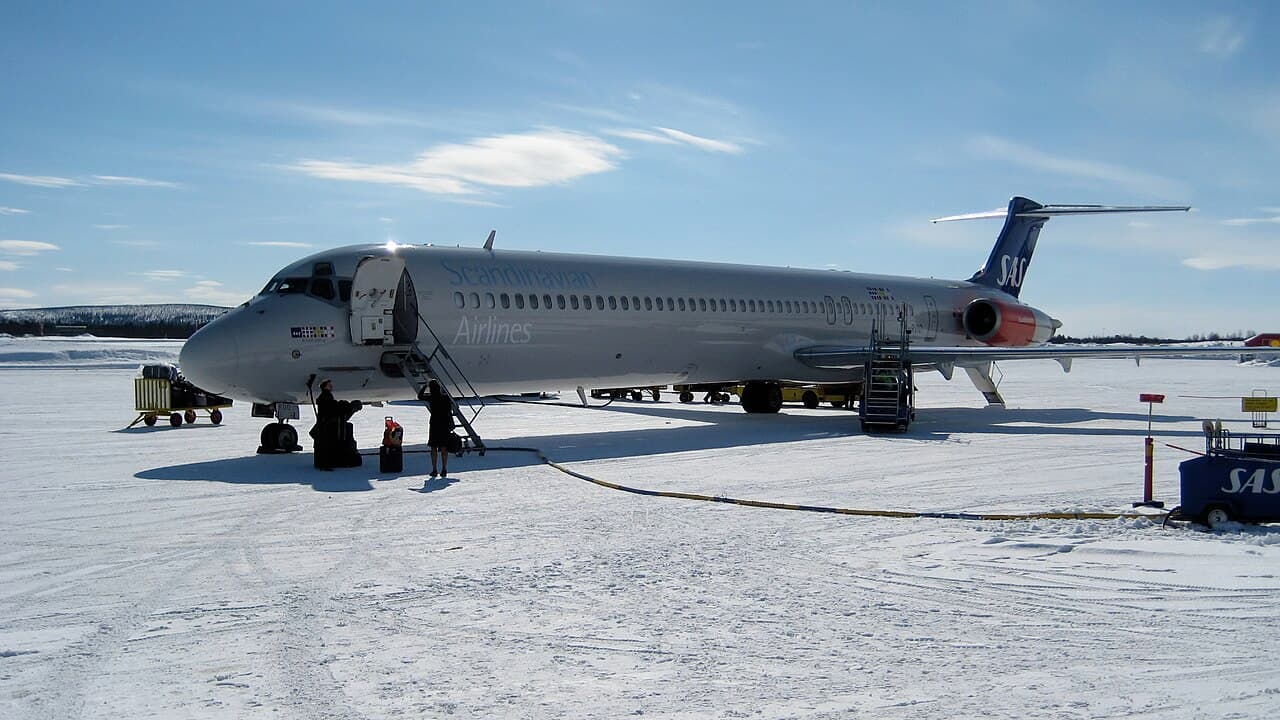
Air Canada Names Anko Van der Werff as New CEO Ending January 2027 Transition
Air Canada announced on July 8, 2026 that Anko Van der Werff will become its next President and Chief Executive Officer, and a member of the Board, by the end of January 2027. Mr. Van der Werff, currently President and Chief Executive Officer at Scandinavian Airlines, succeeds Michael Rousseau, who previously announced his retirement after […]
The Daily Touch & Go
The day's best aviation news in your inbox. Free, no spam.