

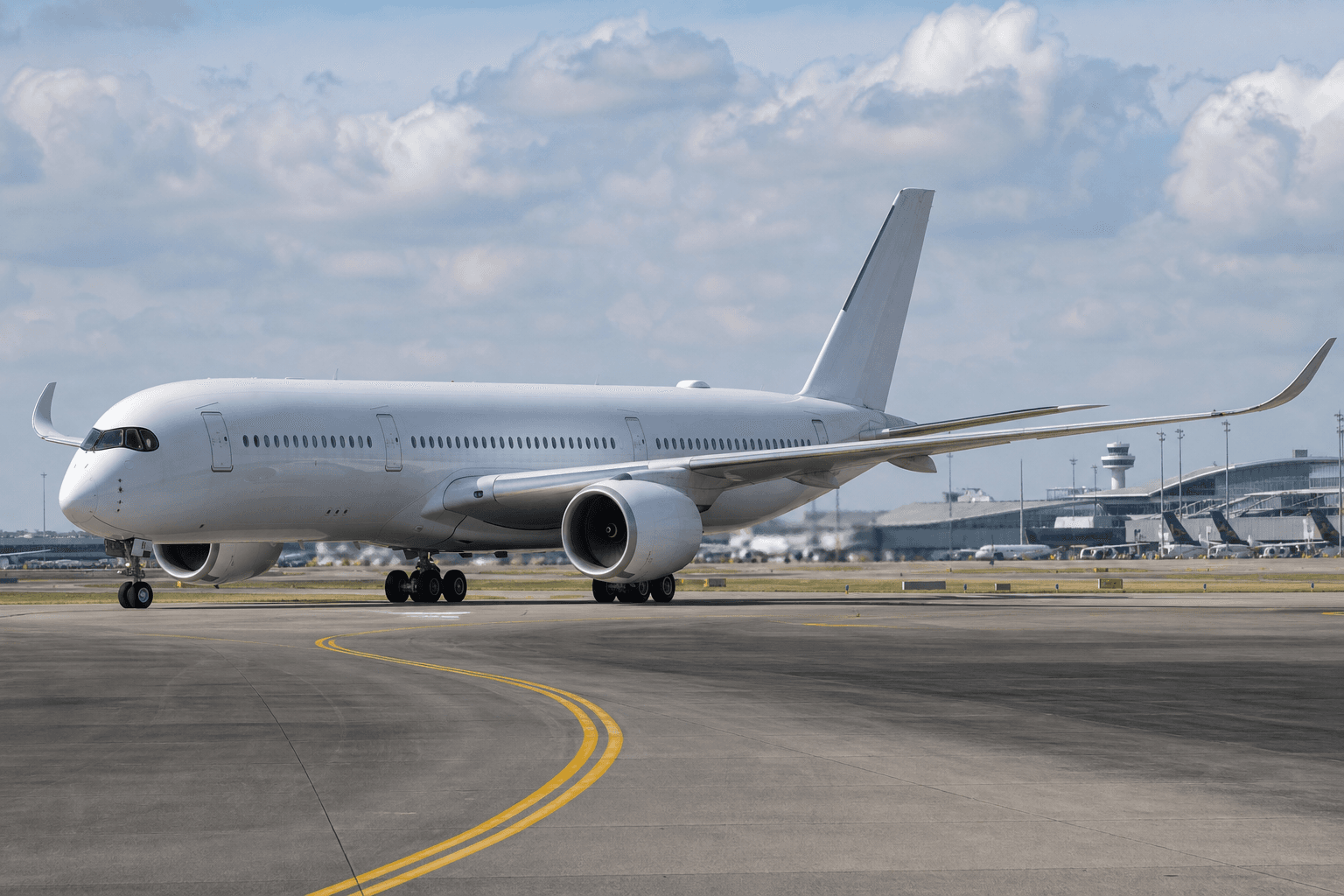
Illustration: The Touch & Go
Airbus resolves A350 exterior cracking with material innovation, averting fleet grounding
Airbus fixed the A350's composite fuselage surface cracking by redesigning the lightning protection layer and targeted repairs, avoiding costly fleet-wide groundings.
The gist
Airbus solved the A350 cracking issue via a new lightning protection foil and limited repairs, keeping the fleet flying without grounding.
Continuing coverage
All Fleet Management →- AirAsia Group Cuts Q3 Flight Capacity by 20-25% Amid Rising Fuel Costs
- American Airlines' Sun Belt Strategy Reflects Constraints More Than Choice, Experts Say
- AirAsia delays Bahrain hub and London flights amid fuel cost surge and capacity cuts
- Former Ethiopian Airlines CEO Tewolde Gebremariam appointed as Air India CEO
- Norse Atlantic Eyes Sale or Merger After IndiGo Leasing Deal Ends
The Airbus A350 experienced surface degradation issues early in its operational life that sparked concerns about the composite aircraft's long-term airworthiness. Unlike traditional aluminum airliners, the A350’s fuselage is made largely of carbon fiber-reinforced polymer (CFRP), chosen for weight savings and fuel efficiency on ultra-long-haul routes. However, this composite material reacts to extreme temperature changes very differently than metal, causing unique engineering challenges in exterior coatings and lightning protection layers.
The cracking problem arose due to differing thermal expansion rates between the CFRP fuselage and the aircraft's outer paint and lightning protection layers. During flights, the aircraft faces rapid temperature swings from over 40 degrees Celsius on hot runways to nearly -54 degrees Celsius at cruise altitudes. The CFRP’s low coefficient of thermal expansion means the fuselage barely changes size, but the copper mesh and paint layers contract significantly, creating mechanical shear stresses that crack and blister the paint, particularly along fuselage panel joints.
Extensive assessments showed the damage was limited to superficial paint and the expanded copper foil mesh used for lightning strike protection, with no impact on the structural carbon fiber shell beneath. Visual degradation was noticeable, but thorough non-destructive testing confirmed the airframe’s integrity remained intact. This differentiation was crucial in regulatory decisions about fleet operations amidst safety concerns posed by airlines such as Qatar Airways.
Global aviation regulators like EASA and the FAA carefully reviewed the technical data and rejected calls for a worldwide grounding without evidence of flight risk. They mandated focused inspections of lightning protection layers on early production A350s, maintaining operational continuity. Despite this, Qatar Airways removed over 20 A350s from service and initiated legal proceedings, challenging industry consensus and demanding reparations.
To fully resolve the issue, Airbus engineers redesigned the lightning protection layer beneath the paint. They replaced the expanded copper foil mesh, which acted as a rigid barrier exacerbating shear forces, with a more flexible perforated copper foil containing microscopic drilled holes. This allowed the metallic layer to flex compatibly with the composite skin and outer coatings, preventing the shear stresses that previously caused cracking.
This solution began rolling out in aircraft delivered from late 2022 onwards, integrating the flexible perforated foil into new builds to eliminate the risk of premature paint blemishes from the outset. Airbus showcased the ability to implement a significant materials engineering improvement during ongoing production without grounding the factory or disrupting deliveries.
For existing A350s already in operation, Airbus developed a localized repair method for maintenance. Technicians sand and clean affected panels, then apply a specialized microlayer resin patch to restore and reinforce the bond between the composite structure and lightning protection layers. This targeted fix requires only days of aircraft downtime, enabling airlines to incorporate repairs seamlessly into scheduled maintenance without costly full repaints or extended grounding.
Major A350 operators such as Delta, Singapore Airlines, and Lufthansa continued operations through the paint degradation period by utilizing these localized maintenance procedures. This data-driven approach allowed them to avoid operational and scheduling disruptions, preserving network integrity while maintaining safe and fully functional aircraft until permanent engineering changes became standard.
Airbus’s handling of the A350 cracking issue exemplifies a measured, science-based response to novel composite aircraft challenges. By combining thorough technical evaluation with focused material upgrades and repair protocols, the manufacturer prevented a disruptive fleet-wide grounding, preserving airline capacity and confidence in the A350’s advanced airframe technology.
Read more
All Airlines →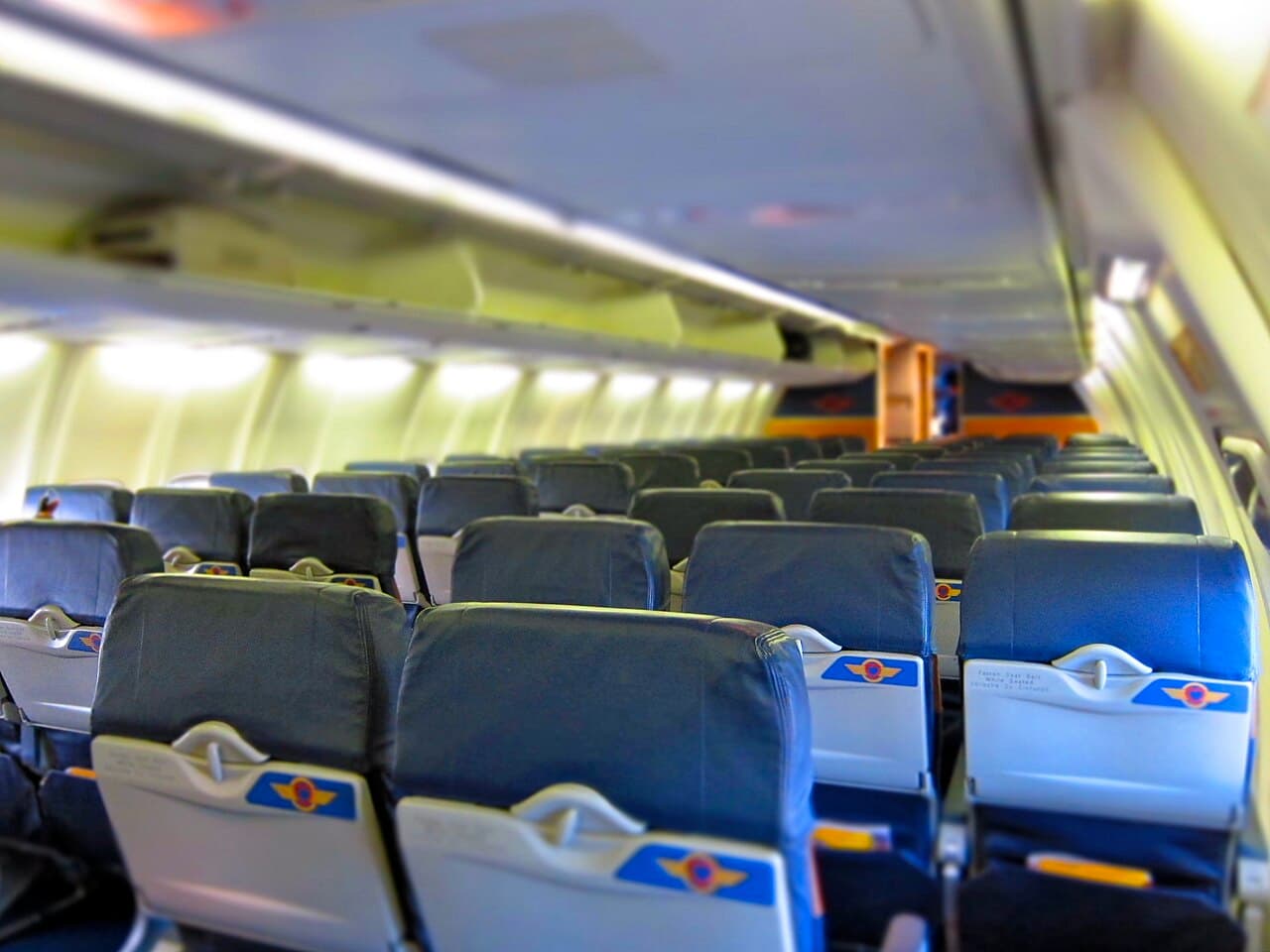
American Airlines to retrofit narrowbody fleet with seatback 4K entertainment screens
US carrier reverses a bet on personal devices as it races to close the cabin gap with Delta Air Lines and United Airlines. American Airlines plans to add seatback screens on domestic aircraft in a surprising reversal of its in-flight entertainment product. Every narrowbody Airbus and Boeing jet will be retrofitted with the 4K screens, the carrier says. The upgraded systems will also feature Bluetooth connectivity and USB-C fast charging ports. For years, American had resisted seatback screens in favour of streaming via wi-fi to passengers’ personal devices to save on weight. With the retrofit, American's cabins will largely resemble those of its two main competitors, Delta Air Lines and United Airlines. The upgrades, planned to be completed by the early 2030s, will complement American's rollout of SpaceX's Starlink high-speed wi-fi and new investments in premium cabins, dining and lounges. More than 140 long-haul aircraft in American's fleet already feature the screens, it says. “We're making one of the most significant investments in the onboard experience in our history,” says American chief customer officer Heather Garboden. “From next-generation seatback entertainment at every seat to substantially more premium seating options, these enhancements will give our customers more ways to relax, stay connected and enjoy their journey." American does not identify any specific suppliers for the screens, but notes it is “evaluating several leading technology providers and will select the partner that delivers the best customer experience and value for American”. “We are looking for a partner with a modern, scalable platform that can evolve alongside technology advancements, enabling continuous enhancements to the customer experience while creating incremental revenue opportunities for American,” adds the carrier. Airlines across the industry are pouring money into premium cabins as they race to meet demand for higher-fare seats . As fuel prices erode profits, forward-cabin fares have proven resilient and helped many carriers remain profitable. American has the most growth planned among major North American airlines for the rest of 2026, as measured by available seat miles (ASMs). The carrier says premium-seat growth already outpaced main cabin by nearly two-to-one in the second quarter. "Today, premium seating is approximately 25% of seats on narrowbody departures and in the coming years, that number will grow to approximately 40%,” American says.
AirAsia Group Cuts Q3 Flight Capacity by 20-25% Amid Rising Fuel Costs
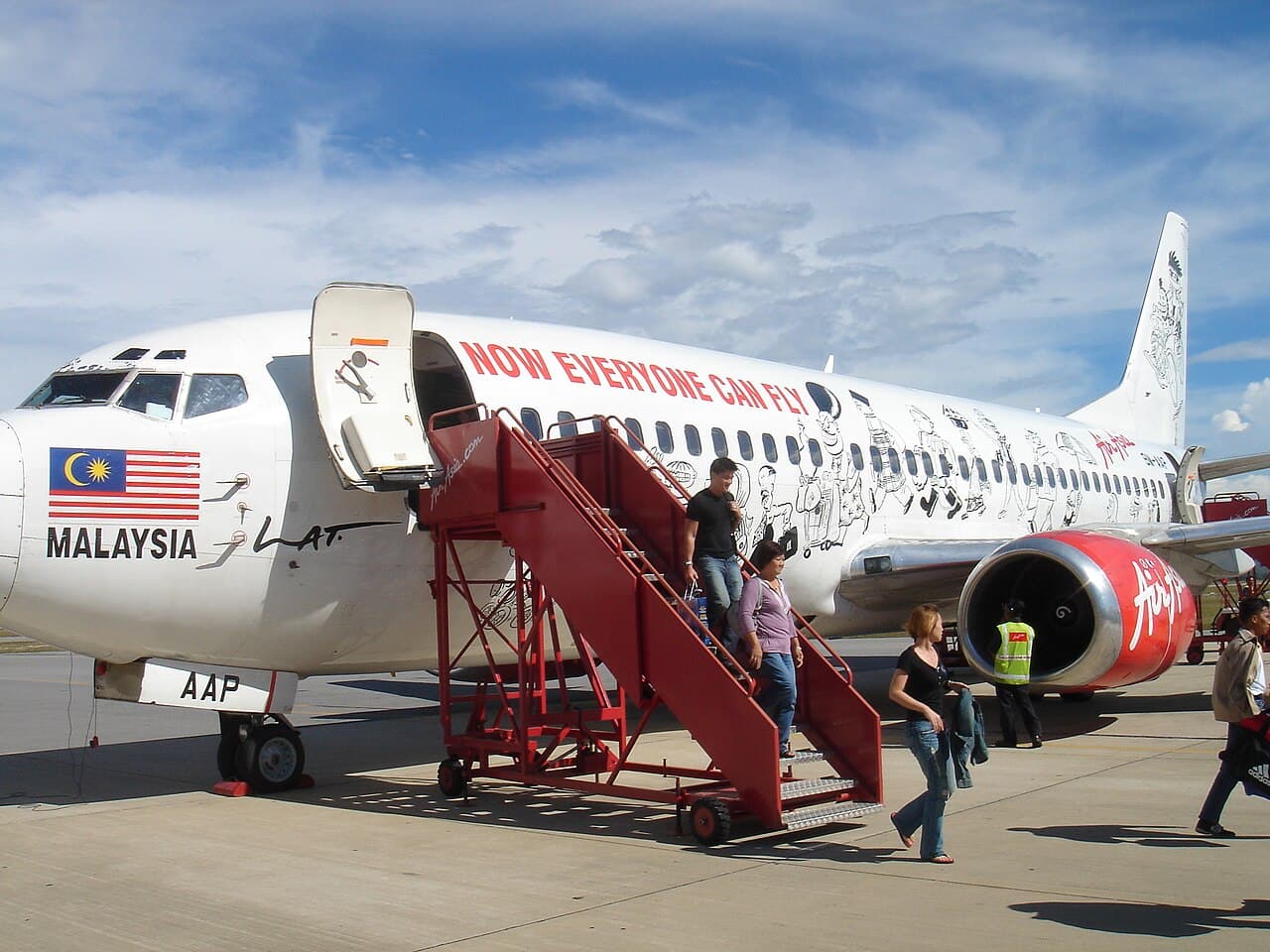
AirAsia Group is scaling back its third-quarter 2026 flight capacity. The low-cost carrier plans a 20% to 25% year-on-year reduction. This move follows a sharp rise in jet fuel expenses during the second quarter. ezstandalone.cmd.push(function () { ezstandalone.showAds(119); }); High Fuel Prices Drive Losses In the quarter ended 30 June 2026, average jet fuel prices hit US$183 per barrel. Fuel costs jumped 58% compared with the same period a year earlier. Geopolitical tensions in the Middle East pushed energy markets higher and created volatility. These higher costs contributed to a significant net loss for the group. AirAsia Group reported a loss of roughly RM527 million attributable to owners. ezstandalone.cmd.push(function () { ezstandalone.showAds(127); }); Broader group figures, including foreign exchange impacts, reached about RM830 million. Revenue stayed near RM5.1 billion. This held steady even though the airline cut capacity by about 11% in the second quarter. Management used dynamic pricing and fuel surcharges to recover around 70% of the extra fuel burden. Average fares rose more than 20% in May and June. Non-fuel unit costs also fell 7%. Still, the quarter marked a clear low point. ezstandalone.cmd.push(function () { ezstandalone.showAds(128); }); Group CEO Bo Lingam called it the “floor quarter.” Photo Credit: Gatwick Airport Why Capacity Is Being Reduced Now The third quarter is traditionally the softest period for regional travel in Southeast Asia. AirAsia Group is taking a cautious approach. It will trim capacity by 20% to 25% year-on-year. The goal is to protect margins and ensure every flight meets strict profitability targets. ezstandalone.cmd.push(function () { ezstandalone.showAds(129); }); The airline expects to restore capacity toward pre-war levels in the fourth quarter. Year-end holiday demand should support higher yields across its ASEAN network. Forward bookings already track in line with the previous year. Supporting Measures and Outlook AirAsia is also returning 25 older, less fuel-efficient aircraft this year. This reduces lease costs and improves overall fleet efficiency. Newer aircraft, including future A220 and A321XLR deliveries, will support longer-term growth from 2028 onward. The group is advancing talks for up to US$1 billion in funding and additional local facilities. These steps aim to strengthen liquidity after the difficult second quarter. ezstandalone.cmd.push(function () { ezstandalone.showAds(130); }); Bo Lingam noted that jet fuel prices are unlikely to stay at the extreme US$183 average seen in the second quarter. As fuel costs ease and higher fare levels remain in place, unit economics should improve. Short-haul operations in Malaysia and Cambodia stayed profitable. Thailand is expected to narrow losses in the third quarter and return to profit in the fourth. Photo Credit: Kentaro Iemoto from Tokyo, Japan, CC BY-SA 2.0, via Wikimedia Commons Implications for Travellers and the Industry Passengers may see fewer flights on some routes during the third quarter. Fares could stay elevated in the near term as the airline continues to manage costs. However, the planned capacity recovery in the fourth quarter should expand options again for peak season travel. ezstandalone.cmd.push(function () { ezstandalone.showAds(131); }); The situation highlights the vulnerability of unhedged airlines to sudden fuel spikes. AirAsia’s response prioritises yield over volume. It focuses on network discipline, cost control and selective capacity management. Analysts generally view the second quarter as the trough. Many expect a clearer recovery path in the second half of 2026 if fuel prices continue to moderate. The group’s ability to pass through a large share of cost increases while maintaining solid load factors of around 80% shows underlying demand remains resilient across its core markets. ezstandalone.cmd.push(function () { ezstandalone.showAds(132); }); AirAsia Group’s latest actions reflect a pragmatic response to elevated fuel costs. By cutting capacity temporarily and optimising its fleet, the airline aims to stabilise performance and position itself for stronger results later in the year.
American Airlines' Sun Belt Strategy Reflects Constraints More Than Choice, Experts Say
Insiders argue American Airlines has reversed disastrous sales and distribution mistake while still running the same old strategy that left it weak in major markets. That critique is partly right, but incomplete: American's Sun Belt focus was less a fresh strategic choice than the result of years of retreat from competition, premature aircraft retirements, slot and gate constraints, and a long-running failure to value the markets that drive loyalty and credit card spend.
Pacific Southwest Airlines: California's trailblazing low-cost pioneer fades into history
The carrier carved out a lane for discount operators and served as an early model for Southwest, but struggled after deregulation.
The Daily Touch & Go
The day's best aviation news in your inbox. Free, no spam.