Illustration: The Touch & Go
KLM Ends Free Beer, Wine, and Cheese Sandwiches on European Economy Flights
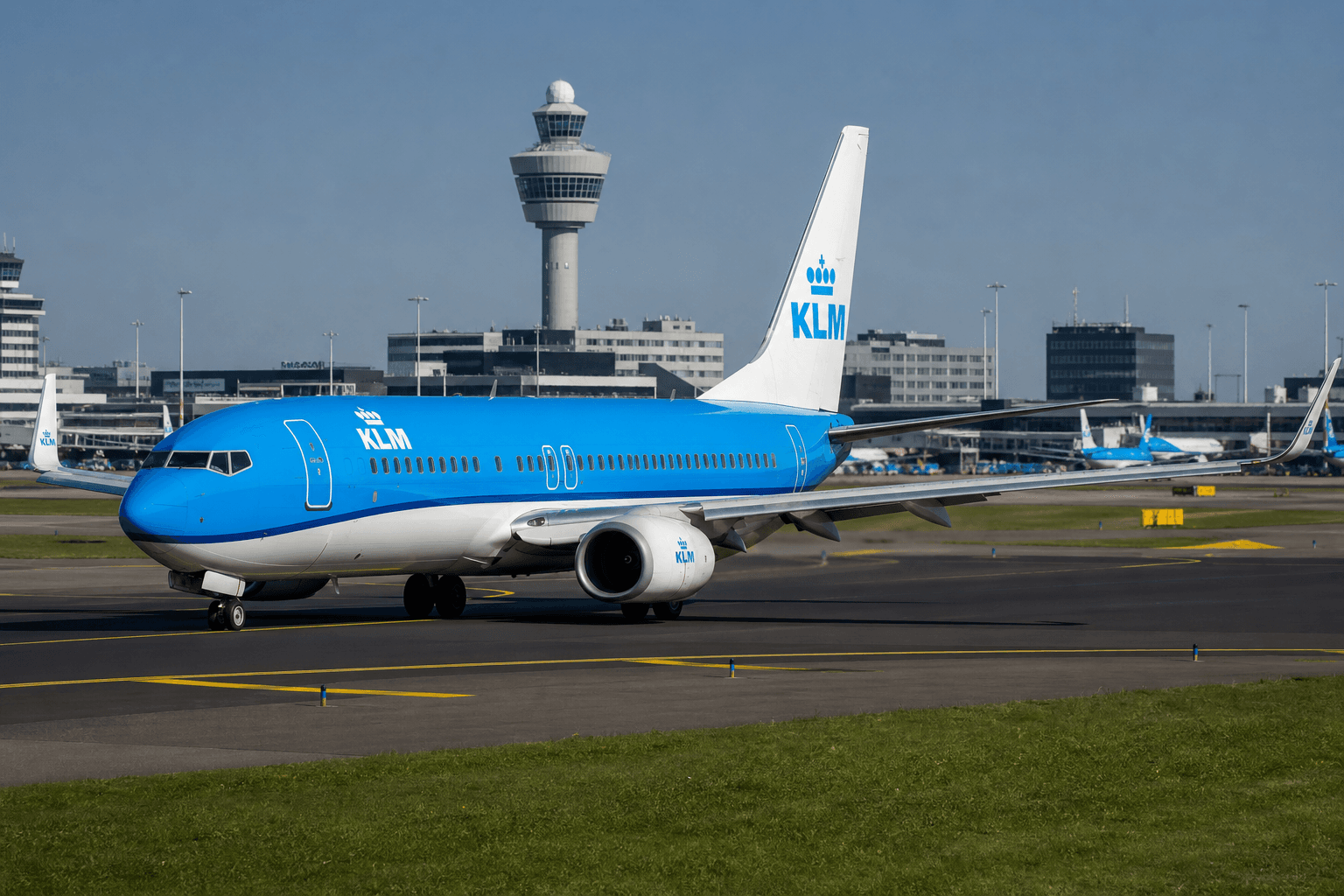
Starting October, KLM will discontinue complimentary alcoholic drinks and cheese sandwiches on European economy flights, replacing them with a buy-on-board program called Grand Café KLM.
The gist
KLM cuts free beer, wine, and its signature cheese sandwich in European economy, introducing paid onboard menu choices instead.
KLM will stop providing complimentary beer, wine, soft drinks, and its traditional cheese sandwich on European economy flights beginning in October. The airline introduces a buy-on-board system named Grand Café KLM, which it says will enhance the warm and hospitable onboard experience. However, this move represents a rollback of free services long associated with KLM’s European flights, replacing them with paid options.
Under the new approach, most European flights operated by KLM will continue to offer free coffee, tea, water, or orange juice along with a stroopwafel, a Dutch caramel waffle cookie. The shortest European routes will receive only water and a stroopwafel for free. Passengers wishing to enjoy beer, wine, soft drinks, or more substantial food items will need to purchase these. Offering preordered meals such as poke bowls, Caesar salads, or pancakes, alongside onboard snack purchases like salmon-and-egg wraps, croque-monsieurs, and yogurt with fruit, becomes an option for those who want more than the complementary light refreshments.
KLM has not yet revealed exact launch dates for Grand Café KLM, nor finalized the menu or pricing details. The changes apply solely to economy class travel within Europe. KLM’s Executive Vice President for Inflight Services, Bas Gerressen, emphasized that the new system aims to provide passengers with more choice and flexibility to tailor their inflight service according to individual preferences and needs.
This shift to a buy-on-board model echoes practices already common among many European airlines. British Airways, Lufthansa, Swiss, and SAS already limit complimentary beverages or snacks on short-haul flights. For instance, British Airways offers just a snack and water free, while Lufthansa and Swiss provide water and chocolate. SAS typically serves coffee, tea, and water without charge. The notable exception within the Air France-KLM group is Air France, which continues to offer snacks and a wider variety of complimentary beverages, including beer and wine. This divergence comes despite KLM being owned by Air France.
KLM’s decision is part of a broader cost-cutting and revenue-generating agenda announced in late 2024, aiming to improve the airline’s profitability by €450 million. Catering changes, cabin product updates, and seating adjustments are expected to bring in an estimated €100 million annually. Since the airline posted an operating profit of just €68 million in the first half of 2026, management states they are critically examining all expenditures, including inflight offerings.
Trials for the buy-on-board service began in February 2025 on routes to Oslo, Porto, and Lisbon before expanding to a range of other European cities, such as Madrid, Valencia, Ljubljana, Helsinki, Edinburgh, Geneva, and Belfast. Pricing during these tests showed beer costing around €5, wine €7, soft drinks between €3.25-€5, sandwiches €6-€7, and preorder meals up to €12.50. These figures give a sense of the added costs passengers can expect under the new service model.
One of the more sentimental impacts of the change is the loss of the signature KLM cheese sandwich, which has held a unique place in passenger affection despite its simple ingredients. Made with mature Beemster cheese and various flavored mayonnaises, wrapped in a design emphasizing Dutch tradition and climate neutrality, it became an emblematic onboard feature. Social media commentary reveals that many passengers associated the sandwich with the start or end of their journeys, asking for extras or treasuring it as a distinctive part of their KLM experience.
Beer service also carried symbolic value for KLM. In 2016, the airline introduced a pioneering draft beer trolley serving Heineken beer onboard, highlighting Dutch hospitality. Although this service was short-lived due to regulatory hurdles, it demonstrated KLM’s former dedication to offering beer as a signature complimentary item. Transitioning beer to a paid service marks a significant shift from that prior stance, signaling a more commercial approach to inflight catering.
In contrast, other airlines such as Air Canada have recently expanded complimentary beer and wine for economy passengers, seeing free food and drink as affordable ways to boost satisfaction and stand out. As a hub carrier competing with other European hubs, KLM may risk losing a key visible benefit that helped differentiate it, by making passengers pay for items once included. The company could have opted for partial retention of free drinks or benefits for frequent flyers, options not currently reflected in the announced changes.
Frequently asked questions
- What complimentary items will KLM continue to offer on European economy flights?
- Passengers will still receive complimentary coffee, tea, water or orange juice, and a stroopwafel on most European flights. The shortest flights provide only water and a stroopwafel for free.
- When did KLM start testing the buy-on-board service and on which routes?
- KLM began testing buy-on-board service in February 2025 on flights to Oslo, Porto, and Lisbon before expanding to additional routes including Madrid, Valencia, Ljubljana, Helsinki, Edinburgh, Geneva, and Belfast.
- Why is KLM making this change to its inflight service in European economy?
- The change is part of a cost-cutting and revenue-generating plan announced in 2024 aimed at improving operating results by €450 million, with catering changes expected to contribute around €100 million annually to revenue. KLM is evaluating all expenses due to modest profitability.
Read more
All Airlines →
Lufthansa Group debuts free high-speed Starlink Wi-Fi on A320neo starting August 19
Lufthansa Group is about to transform in-flight connectivity. Next week, passengers will experience the fastest internet currently available above the clouds. ezstandalone.cmd.push(function () { ezstandalone.showAds(119); }); A Lufthansa Airbus A320neo becomes the first aircraft to offer the new service on August 19. The “Lufthansa Group Wi-Fi,” powered by Starlink, delivers high-speed internet that often outperforms typical home or office connections. Passengers can stream video, work in the cloud, and use other data-heavy applications without frustration. ezstandalone.cmd.push(function () { ezstandalone.showAds(127); }); Rapid Fleet-Wide Expansion The service is free for all Miles & More customers and Travel ID users. This applies across every travel class. The group developed the terms of use after passenger surveys. Users must wear headphones for audio or video content. They cannot make voice or video calls or broadcast live streams from the aircraft. ezstandalone.cmd.push(function () { ezstandalone.showAds(128); }); Mastercard sponsors the new Wi-Fi, continuing its earlier partnership with FlyNet. Lufthansa Group plans to equip roughly 850 aircraft across its airlines with Starlink technology. The system relies on low-Earth orbit satellites. This makes the group the largest airline group in Europe to adopt this modern high-speed product. ezstandalone.cmd.push(function () { ezstandalone.showAds(129); }); Airlines preparing for the rollout include Lufthansa, SWISS, Austrian Airlines, Brussels Airlines, ITA Airways, Edelweiss, Discover Airlines, Air Dolomiti, Lufthansa City Airlines, and Eurowings. The full fleet should have the technology by 2029. Dieter Vranckx, Chief Commercial Officer of the Lufthansa Group , highlighted the vision behind the project. “I am excited to announce the launch of the new Lufthansa Group Wi-Fi on board our Group aircraft.” “With it, we’re making high-speed internet an integral part of the travel experience – across all travel classes and on all Lufthansa Group airlines: That is how we understand premium. By 2029, all of the Group’s approximately 850 aircraft will be equipped with the technology.” ezstandalone.cmd.push(function () { ezstandalone.showAds(130); }); “Our product promise doesn’t end with the seats or the menu – today, connectivity is also an integral part of a truly outstanding onboard experience.” Part of Broader Investments This connectivity upgrade forms part of the Lufthansa Group’s wider investments in new aircraft plus product and service improvements. The goal is a consistently high-quality online experience for every passenger. The first flight with the new system takes place on August 19. After that, more aircraft from the various group airlines will follow in stages. Guests can expect reliable, fast internet that supports modern travel needs, whether for work or entertainment. ezstandalone.cmd.push(function () { ezstandalone.showAds(131); }); Lufthansa Group positions the service as a core element of a premium journey. Fast, free connectivity for loyalty members removes a common pain point of air travel. As more aircraft receive the Starlink installation, the benefit will reach an increasing number of routes and destinations across the group’s network. The project shows the airline group’s focus on practical upgrades that matter to travellers today. High-speed internet is no longer a luxury add-on. It becomes a standard feature that enhances the entire flight. ezstandalone.cmd.push(function () { ezstandalone.showAds(132); }); Passengers flying the inaugural A320neo service will be the first to test this new standard. Over the coming years, the same experience will become available on hundreds of additional aircraft.
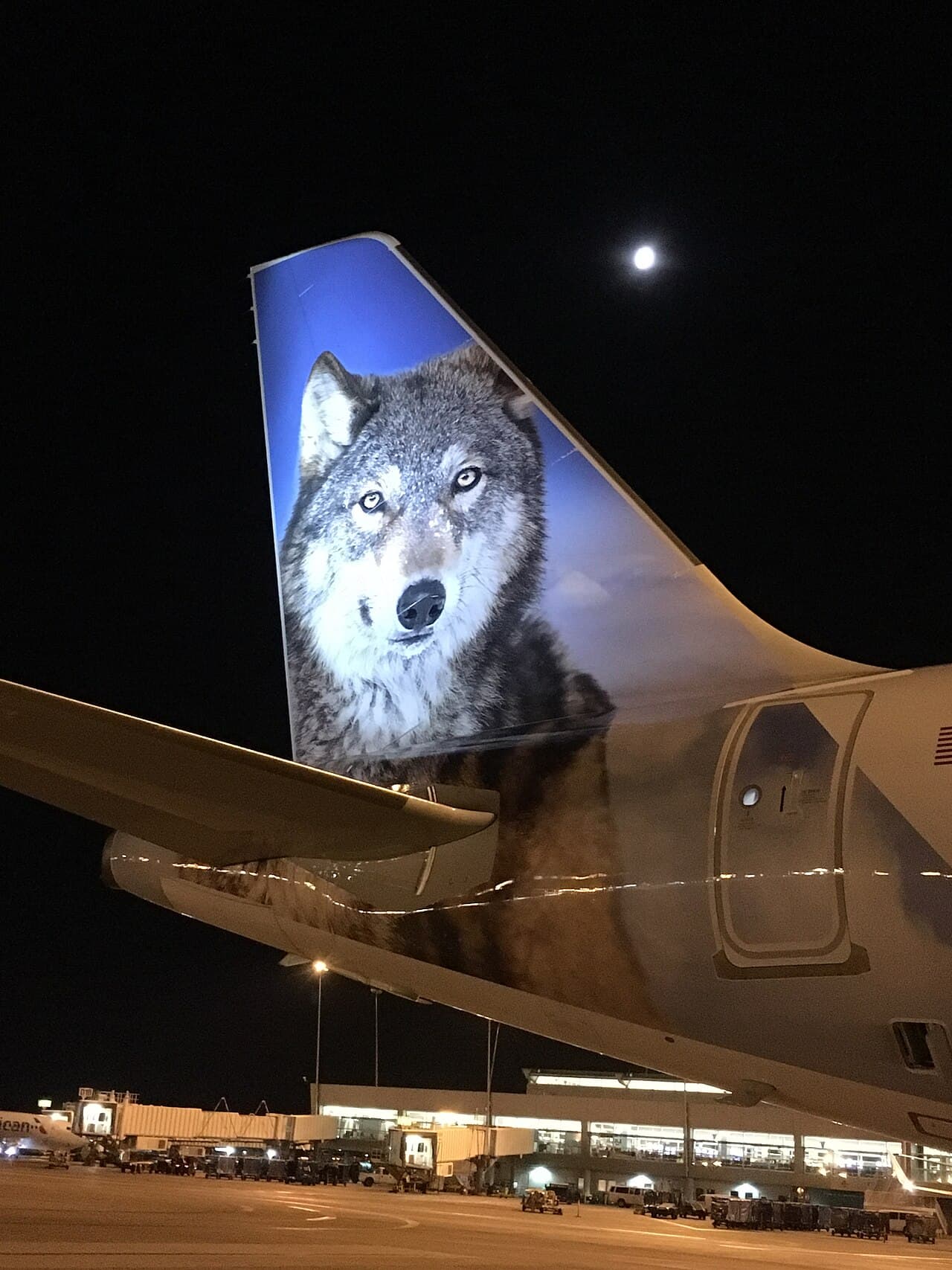
Frontier Airlines Exploits Aircraft Swaps to Bypass Passenger Compensation
Frontier swapped a 186-seat aircraft for one with 180 seats and federal rules excused mandatory cash compensation. Frontier reported 4,327 passengers under that exception in 2025. Some analysts think they've discovered a 'loophole' to avoid paying.
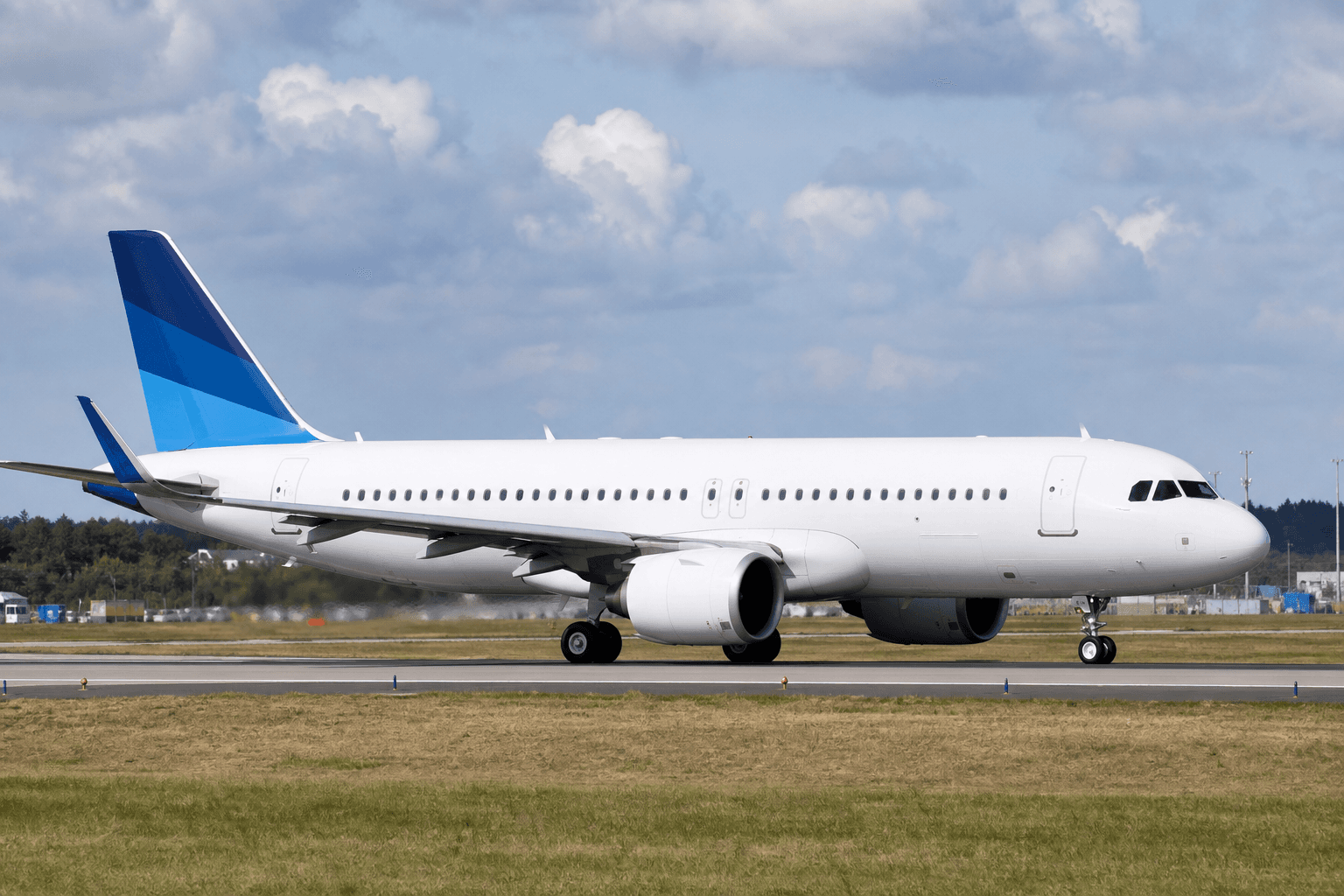
British Airways to Power Up to 63 A320neos with Pratt & Whitney Engines, Ending Long CFM Exclusivity
The United Kingdom's primary flag carrier, British Airways, has selected Pratt & Whitney's geared turbofan, or GTF engine to power up to 63 Airbus A320neo family aircraft, ending decades of exclusive reliance on CFM International engines for its Airbus narrowbody fleet. So in this video, we take a look at why the airline is introducing a second engine supplier for the first time on its A320neo family fleet, and what this decision says about how airlines are choosing engines in today's increasingly complex aviation market.
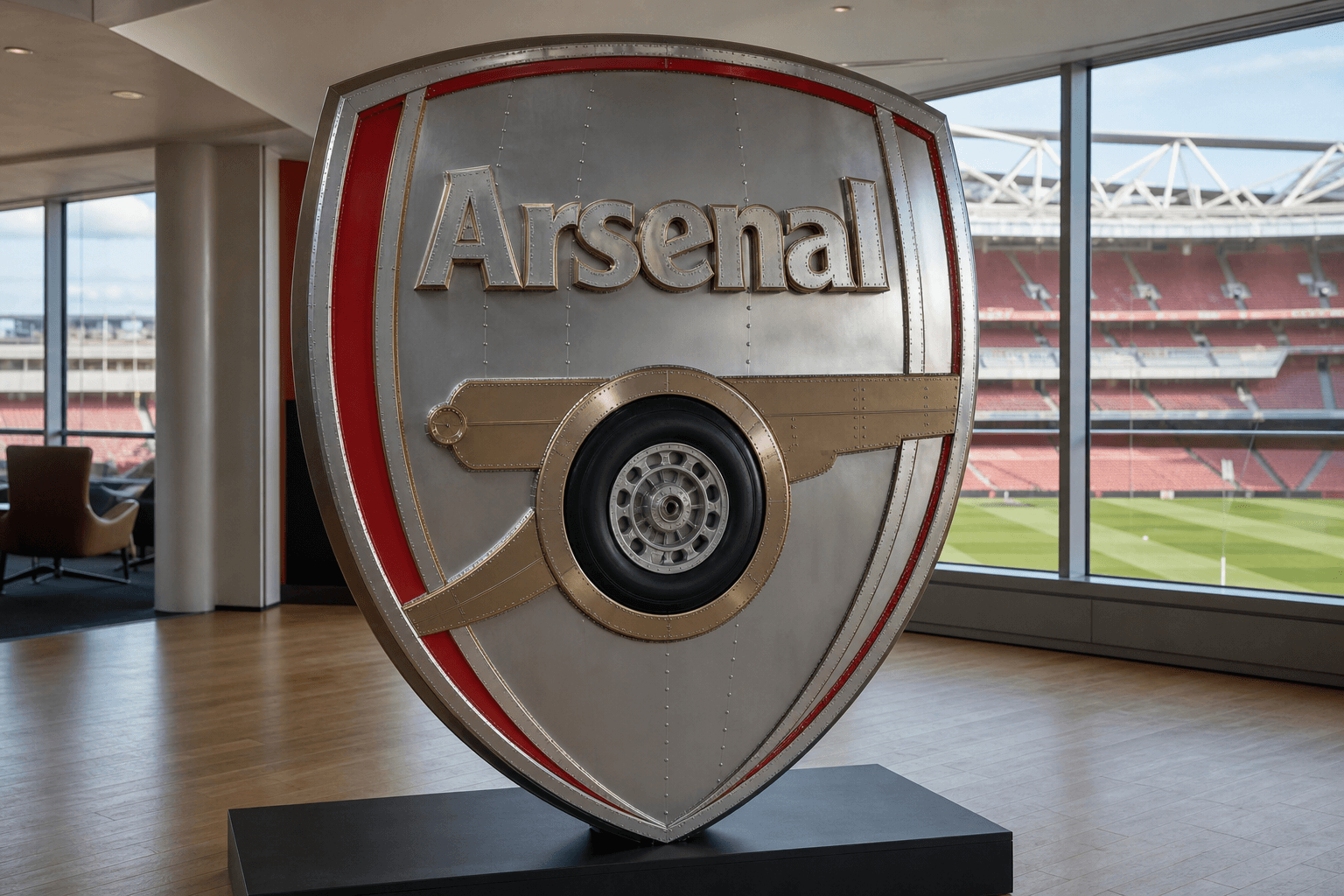
Emirates Crafts 8-Foot Arsenal Badge Sculpture from Retired A380 and 777 Parts
The partnership between Emirates and Arsenal FC is one of the most notable sports sponsorship deals of the 21st century. With The Gunners having won the Premier League title last season, and their cooperation with the Dubai-based UAE flag carrier having now lasted for some 20 years, Emirates is in a celebratory mood, which has manifested itself in the production of a 2.4-meter (eight feet) sculpture.
The Daily Touch & Go
The day's best aviation news in your inbox. Free, no spam.