

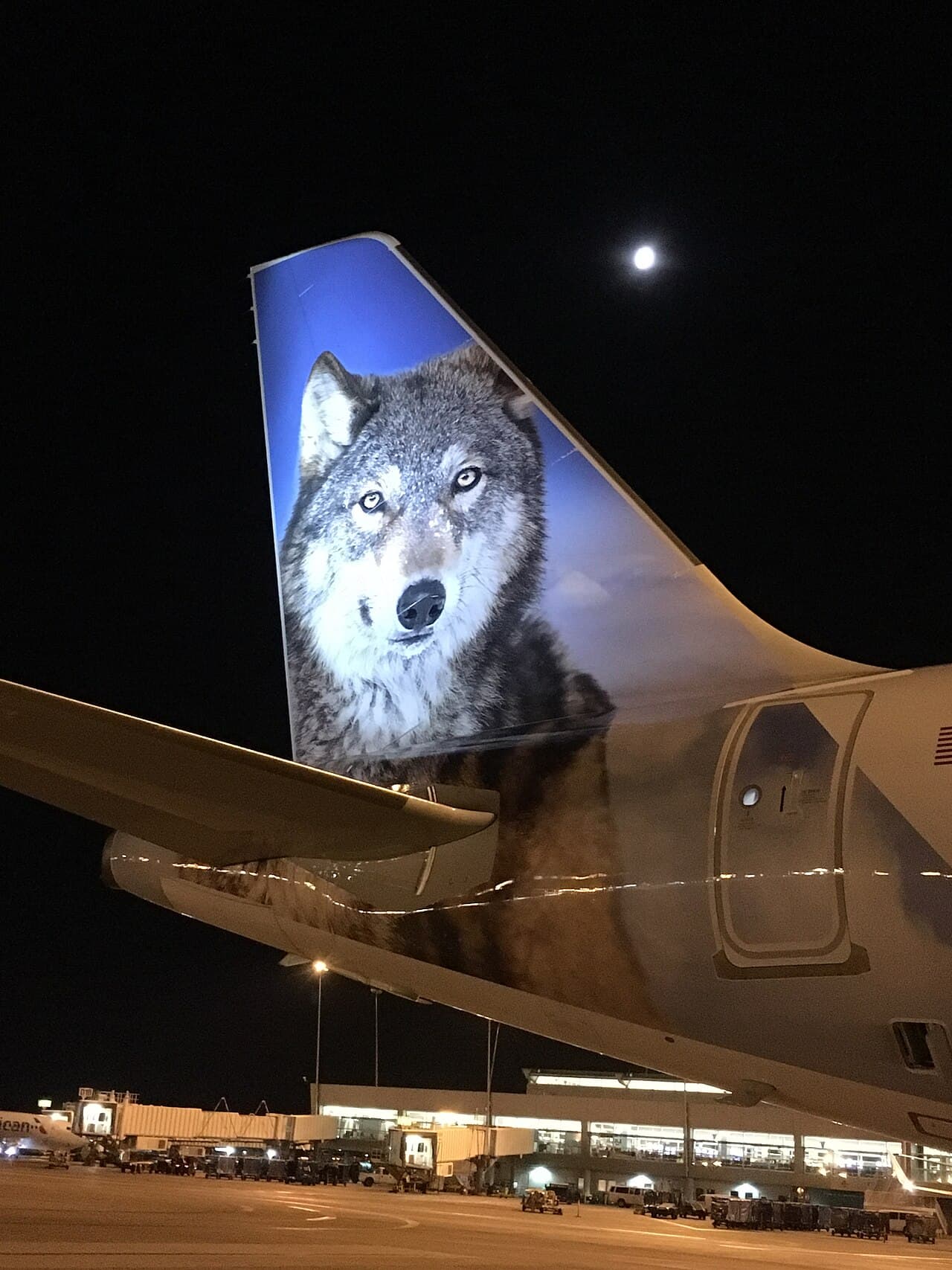
Image: Griz13 · CC BY-SA 4.0 · via Wikimedia Commons
Frontier Airlines Exploits Aircraft Swaps to Bypass Passenger Compensation
Frontier Airlines is reportedly substituting smaller aircraft on oversold flights to avoid paying mandatory cash compensation to bumped passengers, raising regulatory concerns.
The gist
Frontier uses smaller planes strategically to deny boarding compensation, bucking industry norms and regulations.
Continuing coverage
All Frontier Airlines →- Frontier Airlines Faces Class Actions Over Delayed Data Breach Notification
- Frontier Airlines to Launch Starlink Wifi Fleetwide, Surpassing Delta's Connectivity Offering
- Frontier Airlines to Install Starlink Wi-Fi Across Entire Fleet by Early 2027
- Frontier Airlines First US ULCC to Install Starlink WiFi Starting 2027
- Frontier Airlines to Charge Passengers for Starlink Wi-Fi Starting 2027
A recurring issue has emerged with Frontier Airlines involving passengers being involuntarily denied boarding due to aircraft swaps that reduce available seats. One passenger returning from Las Vegas described a situation where his wife’s boarding pass scanned successfully, yet he was barred from boarding because the airline replaced the original aircraft with one that had six fewer seats than the number of passengers booked. Frontier offered a $250 voucher as a goodwill gesture but no mandatory cash compensation.
This practice hinges on a regulatory exception that allows airlines to avoid compensation if denied boarding results from switching to a smaller aircraft for operational or safety reasons. Normally, passengers involuntarily denied boarding due to overbooking are entitled to cash compensation that scales with the length of delay and can reach up to 400% of the one-way fare. However, the Federal Aviation Regulations provide that if a plane substitution with fewer seats causes a passenger to be bumped, the carrier need not pay mandatory compensation.
Frontier’s reliance on this aircraft substitution exception appears strategic rather than solely operational. In 2025, Frontier reported over 8,000 involuntary denied boardings, the highest rate among U.S. carriers, with more than half of these classified under the smaller aircraft exception. This effectively lowers the number of passengers eligible for cash compensation and shifts the payout largely to vouchers, a less valuable form of redress.
The airline typically outsources gate agents at lower cost, contributing to poor communication with passengers who are often unaware of the overbooking issue until they are denied boarding at the gate. Complaints highlight the absence of proper announcements and lack of written explanation of rights, which are required by Department of Transportation (DOT) rules when passengers are bumped.
Comparatively, industry counterparts like Delta have adopted different approaches. Under leadership of former CEO Richard Anderson, Delta aimed to eliminate involuntary denied boardings by offering increasing incentives to volunteers. In 2025, Delta reported zero involuntary denials, showcasing a more passenger-centric policy. JetBlue, previously relying heavily on the aircraft swap exception, has also reduced its use of this loophole alongside a recent shift toward intentional overbooking practices.
The DOT retains enforcement authority over airlines' denied boarding practices through its mandate to prevent unfair or deceptive acts. Prior enforcement actions against airlines like Spirit and Frontier have addressed misclassification of bumped passengers and failure to provide required notifications. Despite the regulatory framework, the current rules permit airlines to interpret operational reasons narrowly to justify aircraft swaps that avoid compensation payouts.
This loophole raises significant concerns about passenger rights and airline accountability. Consumer groups have urged the DOT to reconsider and limit the smaller aircraft exception to circumstances truly beyond airline control. Frontier’s heavy reliance on the exception spotlights a gap in protections for passengers involuntarily denied boarding, especially when airlines substitute equipment primarily to evade financial responsibility.
Frequently asked questions
- How does Frontier Airlines avoid paying cash compensation to bumped passengers?
- Frontier substitutes smaller aircraft for some flights, reducing available seats and invoking a regulatory exception that excludes those passengers from mandatory cash compensation.
- What compensation does U.S. law require airlines to provide for involuntary denied boarding?
- Airlines must pay cash compensation scaled by delay length—up to 400% of the one-way fare or $2,150—unless the denial is due to aircraft substitution for operational or safety reasons.
- How does Frontier's denied boarding rate compare with other airlines?
- In 2025, Frontier had the highest reported rate at 2.51 involuntary denied boardings per 10,000 passengers, about 9.5 times the industry average, with over half classified as exempt due to smaller aircraft swaps.
Read more
All Airlines →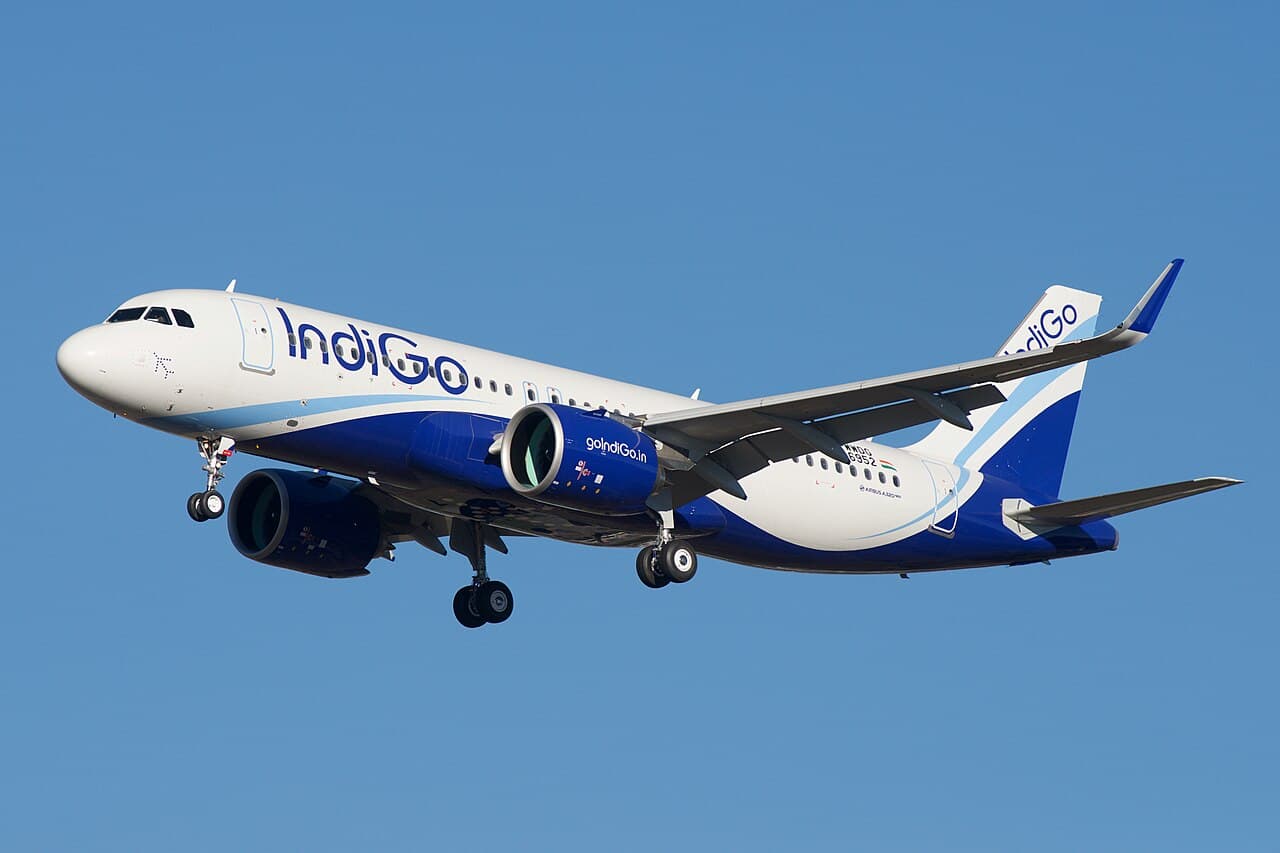
Lufthansa Group debuts free high-speed Starlink Wi-Fi on A320neo starting August 19
Lufthansa Group is about to transform in-flight connectivity. Next week, passengers will experience the fastest internet currently available above the clouds. ezstandalone.cmd.push(function () { ezstandalone.showAds(119); }); A Lufthansa Airbus A320neo becomes the first aircraft to offer the new service on August 19. The “Lufthansa Group Wi-Fi,” powered by Starlink, delivers high-speed internet that often outperforms typical home or office connections. Passengers can stream video, work in the cloud, and use other data-heavy applications without frustration. ezstandalone.cmd.push(function () { ezstandalone.showAds(127); }); Rapid Fleet-Wide Expansion The service is free for all Miles & More customers and Travel ID users. This applies across every travel class. The group developed the terms of use after passenger surveys. Users must wear headphones for audio or video content. They cannot make voice or video calls or broadcast live streams from the aircraft. ezstandalone.cmd.push(function () { ezstandalone.showAds(128); }); Mastercard sponsors the new Wi-Fi, continuing its earlier partnership with FlyNet. Lufthansa Group plans to equip roughly 850 aircraft across its airlines with Starlink technology. The system relies on low-Earth orbit satellites. This makes the group the largest airline group in Europe to adopt this modern high-speed product. ezstandalone.cmd.push(function () { ezstandalone.showAds(129); }); Airlines preparing for the rollout include Lufthansa, SWISS, Austrian Airlines, Brussels Airlines, ITA Airways, Edelweiss, Discover Airlines, Air Dolomiti, Lufthansa City Airlines, and Eurowings. The full fleet should have the technology by 2029. Dieter Vranckx, Chief Commercial Officer of the Lufthansa Group , highlighted the vision behind the project. “I am excited to announce the launch of the new Lufthansa Group Wi-Fi on board our Group aircraft.” “With it, we’re making high-speed internet an integral part of the travel experience – across all travel classes and on all Lufthansa Group airlines: That is how we understand premium. By 2029, all of the Group’s approximately 850 aircraft will be equipped with the technology.” ezstandalone.cmd.push(function () { ezstandalone.showAds(130); }); “Our product promise doesn’t end with the seats or the menu – today, connectivity is also an integral part of a truly outstanding onboard experience.” Part of Broader Investments This connectivity upgrade forms part of the Lufthansa Group’s wider investments in new aircraft plus product and service improvements. The goal is a consistently high-quality online experience for every passenger. The first flight with the new system takes place on August 19. After that, more aircraft from the various group airlines will follow in stages. Guests can expect reliable, fast internet that supports modern travel needs, whether for work or entertainment. ezstandalone.cmd.push(function () { ezstandalone.showAds(131); }); Lufthansa Group positions the service as a core element of a premium journey. Fast, free connectivity for loyalty members removes a common pain point of air travel. As more aircraft receive the Starlink installation, the benefit will reach an increasing number of routes and destinations across the group’s network. The project shows the airline group’s focus on practical upgrades that matter to travellers today. High-speed internet is no longer a luxury add-on. It becomes a standard feature that enhances the entire flight. ezstandalone.cmd.push(function () { ezstandalone.showAds(132); }); Passengers flying the inaugural A320neo service will be the first to test this new standard. Over the coming years, the same experience will become available on hundreds of additional aircraft.
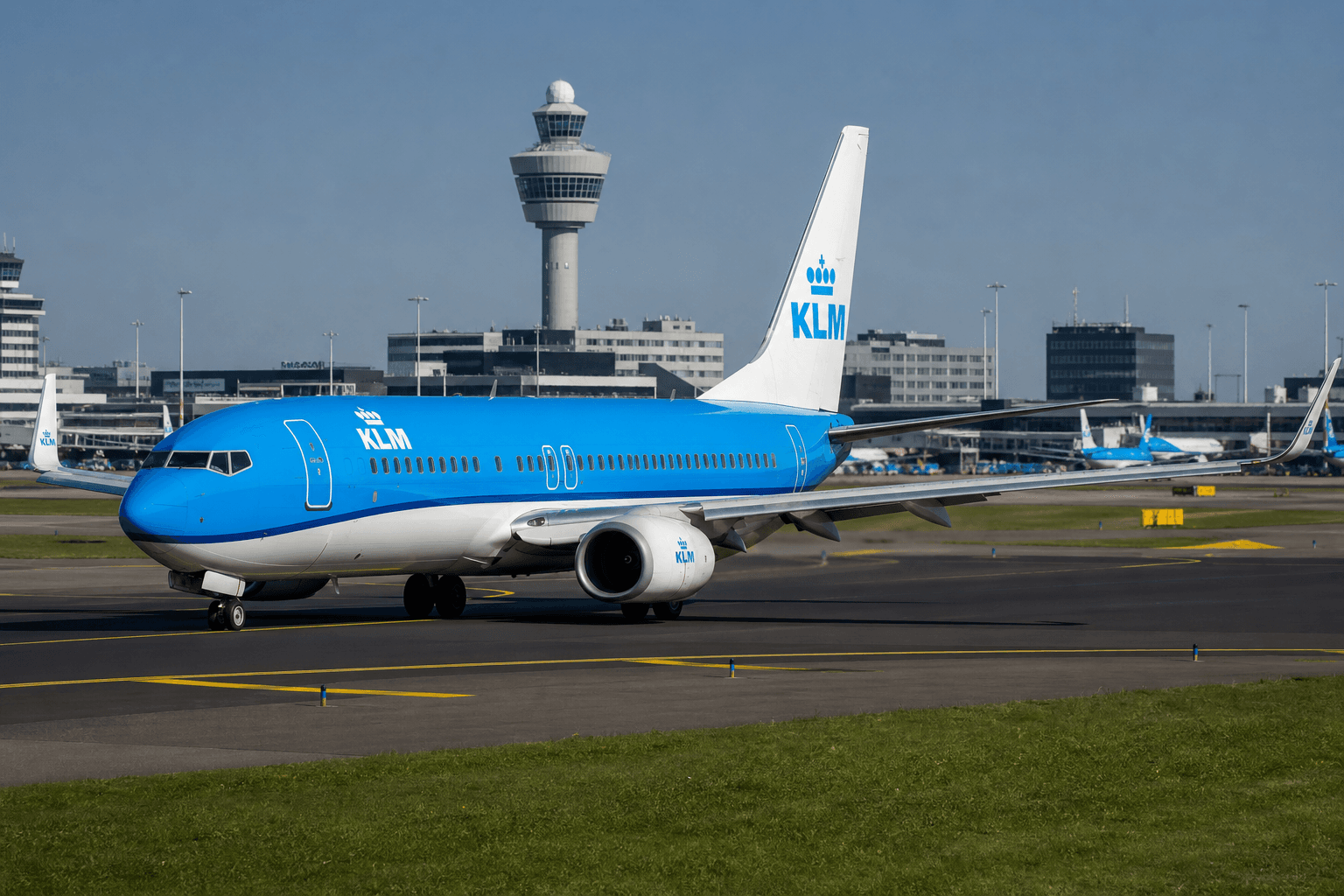
KLM Ends Free Beer, Wine, and Cheese Sandwiches on European Economy Flights
KLM is cutting free beer, wine, soft drinks, and its familiar cheese sandwich from European economy, replacing them with water, coffee, tea, orange juice, and a stroopwafel while selling food and drinks onboard. The airline calls this more "warm and hospitable," but it is really a cost-and-revenue move that strips away cheap, distinctive touches that once made KLM feel Dutch.
British Airways to Power Up to 63 A320neos with Pratt & Whitney Engines, Ending Long CFM Exclusivity
The United Kingdom's primary flag carrier, British Airways, has selected Pratt & Whitney's geared turbofan, or GTF engine to power up to 63 Airbus A320neo family aircraft, ending decades of exclusive reliance on CFM International engines for its Airbus narrowbody fleet. So in this video, we take a look at why the airline is introducing a second engine supplier for the first time on its A320neo family fleet, and what this decision says about how airlines are choosing engines in today's increasingly complex aviation market.
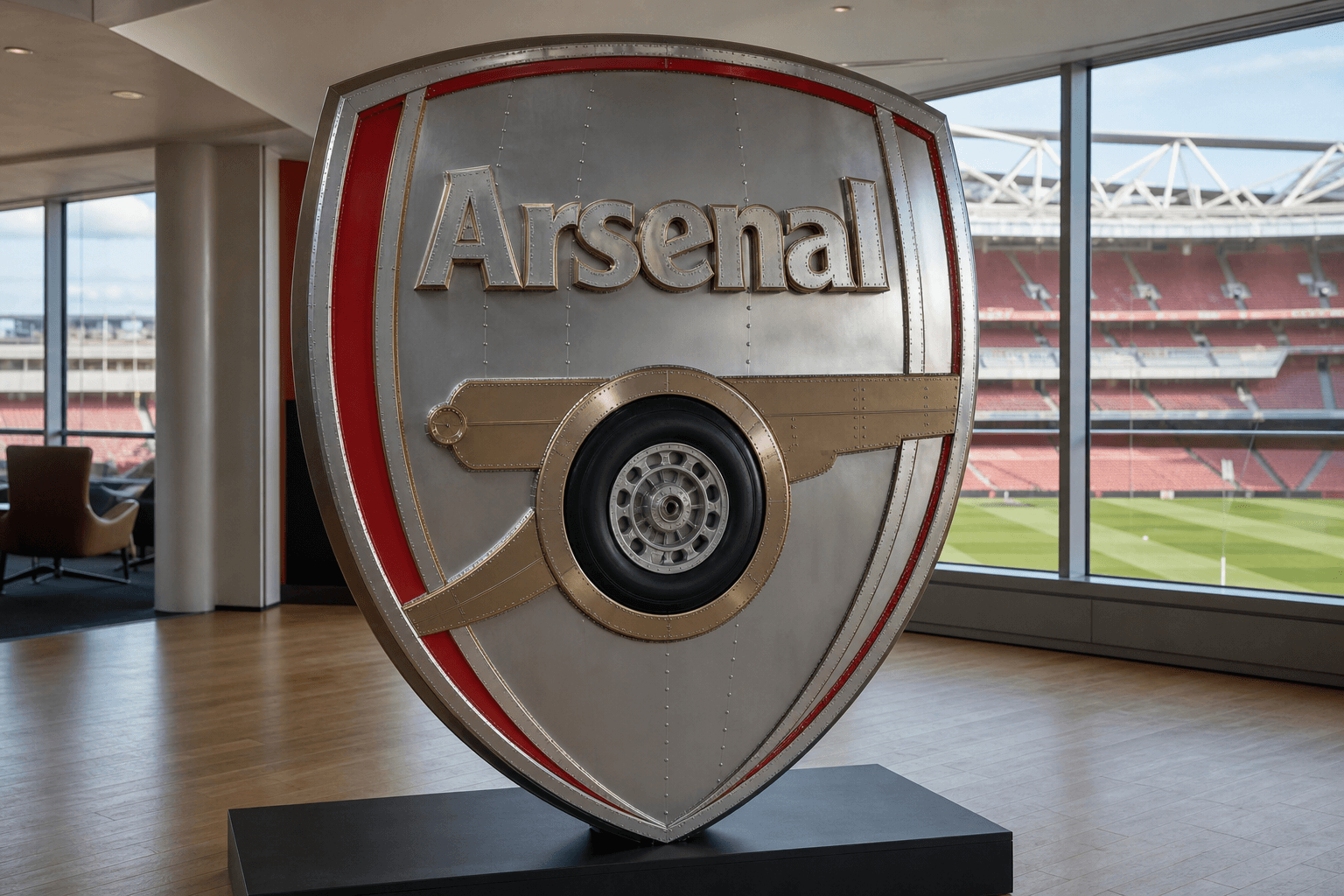
Emirates Crafts 8-Foot Arsenal Badge Sculpture from Retired A380 and 777 Parts
The partnership between Emirates and Arsenal FC is one of the most notable sports sponsorship deals of the 21st century. With The Gunners having won the Premier League title last season, and their cooperation with the Dubai-based UAE flag carrier having now lasted for some 20 years, Emirates is in a celebratory mood, which has manifested itself in the production of a 2.4-meter (eight feet) sculpture.
The Daily Touch & Go
The day's best aviation news in your inbox. Free, no spam.