

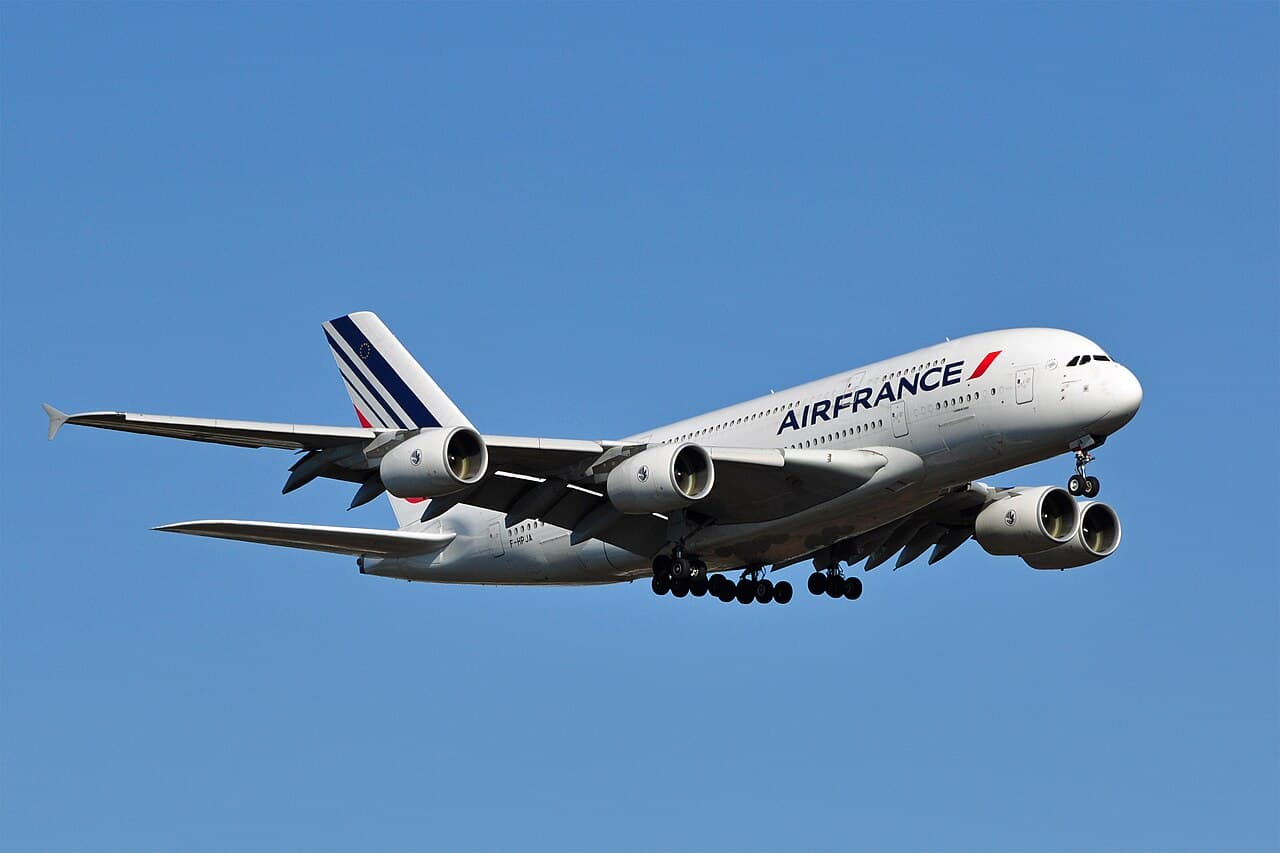
Image: Joe Ravi · CC BY-SA 3.0 · via Wikimedia Commons
Qantas Operates 11 Ultra-Long Nonstop Flights with Melbourne-Dallas Route as Longest
In August 2026, Qantas runs 11 ultra-long haul nonstop services, with the Melbourne to Dallas/Fort Worth route topping at nearly 18 hours.
The gist
Qantas’ longest nonstop flight is Melbourne to Dallas at 17 hours 40 minutes, leading 11 ultra-long routes flying nonstop in August 2026.
Continuing coverage
All Qantas →- Melbourne Airport Set for 32% Surge in Airbus A380 Flights This Summer
- Frequent Flyer Award Loopholes Close as Airlines Tighten Elite Perks
- Qantas to Sell Entire Stake in Jetstar Japan by Mid-2027 for $52 Million
- Qantas Unveils Innovative Wellbeing Zones and Ultra-Private Suites for 22-Hour Project Sunrise Flights
- Former Qantas CEO Alan Joyce Offers Regrets but Defends Pandemic-Era Decisions
Qantas Airways scheduled 11 ultra-long haul nonstop flights in August 2026, with its longest nonstop service connecting Melbourne Airport (MEL) to Dallas/Fort Worth International Airport (DFW). This flight clocks a maximum block time of 17 hours and 40 minutes, establishing it as the carrier’s lengthiest nonstop journey during the period. The airline’s August schedule shows an average of 25 daily long-haul departures across four Australian airports: Brisbane (BNE), Melbourne (MEL), Perth (PER), and Sydney (SYD).
The Melbourne-Dallas route, spanning approximately 7,814 nautical miles based on great circle distance, operates three times weekly on Boeing 787-9 jets. This milestone highlights Qantas’ expansion of ultra-long haul connectivity between Australia and key North American hubs. In tandem, DFW to Sydney enjoys four weekly Airbus A380 and three weekly 787-9 flights, illustrating the airline’s robust presence on trans-Pacific routes.
Besides the Melbourne-Dallas nonstop, other notable long-haul nonstop flights include Dallas to Sydney (17 hours), London Heathrow (LHR) back to Perth (16 hours 50 minutes), and Perth to Rome Fiumicino (16 hours 40 minutes). Flights from Perth to London currently require one stop due to wind patterns and airspace restrictions, particularly the inability to overfly Iranian airspace. This has resulted in continued refueling stops at Singapore Changi Airport on services to London Heathrow, with nonstop flights to LHR expected to resume by February 2027.
Qantas’ nonstop operations also include routes such as Los Angeles to Melbourne (15 hours 55 minutes), Vancouver to Sydney (15 hours 15 minutes), and Sydney to Johannesburg (14 hours 50 minutes). These flights are predominantly operated by Boeing 787-9 and Airbus A380 aircraft, although the A380 service to Los Angeles is scheduled to end in October 2026. The varied fleet deployment confirms Qantas’ strategic use of aircraft types to optimize long-distance passenger demand and operational efficiency.
The carrier’s scheduling data emphasizes the differences in block times by flight direction, often influenced by prevailing winds. For example, the block time from Dallas to Melbourne is longer than the reverse leg. Furthermore, Qantas has scaled back daily long-haul departures slightly compared to the previous year, with a 5% reduction attributed to scheduling adjustments rather than network contraction.
Melbourne’s connection with Dallas is underpinned by a strong partnership with American Airlines, Qantas’ joint venture ally on trans-Pacific routes. Department of Transportation data for the 12 months leading to April 2026 reveals Qantas carried over 81,000 passengers round-trip on the Melbourne-Dallas route, attaining a high load factor of 83.2%. This performance outstripped Qantas’ Sydney-Dallas load factor and the airline’s average US market load, reflecting robust market demand for nonstop services beyond traditional Sydney gateways.
Passenger flow analysis indicates that approximately 62% of travelers on the Melbourne-Dallas nonstop also connect onward via American Airlines flights. Popular connecting segments include Melbourne to Toronto, Orlando, New York LaGuardia, Boston, and Chicago O'Hare, demonstrating the significance of DFW as a vital hub linking Australia to North American cities. Other bridging markets involve Canberra to Washington DC and Perth connections to various US destinations, albeit on smaller traffic volumes.
Qantas’ current long-haul schedule illustrates operational complexities involving geopolitical airspace constraints and environmental factors such as wind patterns. These constraints have intermittently necessitated fuel stops, particularly on the Perth-London route. Nonetheless, the airline maintains a strong ultra-long haul route portfolio, leveraging advanced aircraft like the 787-9 and A380 to connect Australia with major global business and leisure centers directly, positioning itself competitively in the premium long-haul market.
Frequently asked questions
- What is Qantas' longest nonstop flight as of August 2026?
- Qantas' longest nonstop flight in August 2026 is from Dallas/Fort Worth to Melbourne, with a maximum block time of 17 hours and 40 minutes.
- How many ultra-long nonstop flights does Qantas operate in August 2026?
- Qantas operates 11 ultra-long haul nonstop flights during August 2026 from multiple Australian airports.
- Why are there currently no nonstop Qantas flights from Perth to London?
- Due to prevailing winds and inability to fly over Iranian airspace, Qantas flights from Perth to London currently stop en route, often refueling at Singapore Changi Airport, with nonstop service planned to resume in February 2027.
Read more
All Airlines →
Frequent Flyer Award Loopholes Close as Airlines Tighten Elite Perks
The frequent flyer ecosystem has operated on a silent contract between airlines and their most loyal customers, but now that contract seems to be ending. There was once a period defined by the exploitation of fixed award charts, complex routing rules, and the mathematical beauty of carrier-imposed surcharges. Travelers spent years reverse-engineering award flight availability, viewing the loyalty landscape as a puzzle where deep knowledge of program intricacies provided access to premium cabins for a fraction of their cash value.
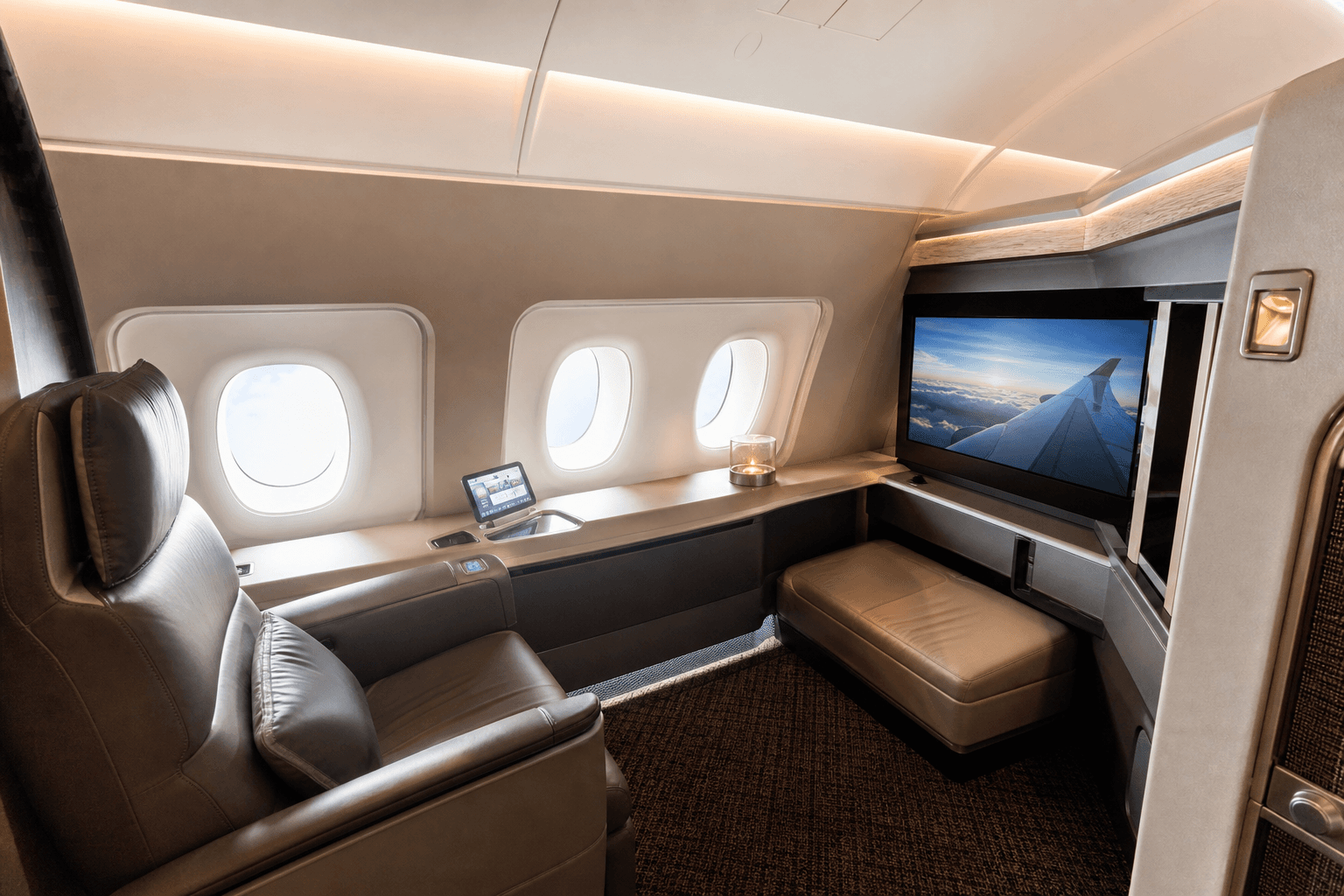
Top 5 Airlines Offering the Most Luxurious First Class Suites in 2026
The first class cabin is always seen as the ultimate in luxury with lavish features that many can only dream of. Business class has evolved into a more extensive product, with lie-flat beds and now private suites, and with more business class products than ever, first class has become more exclusive and somewhat rare on long-haul international flights.
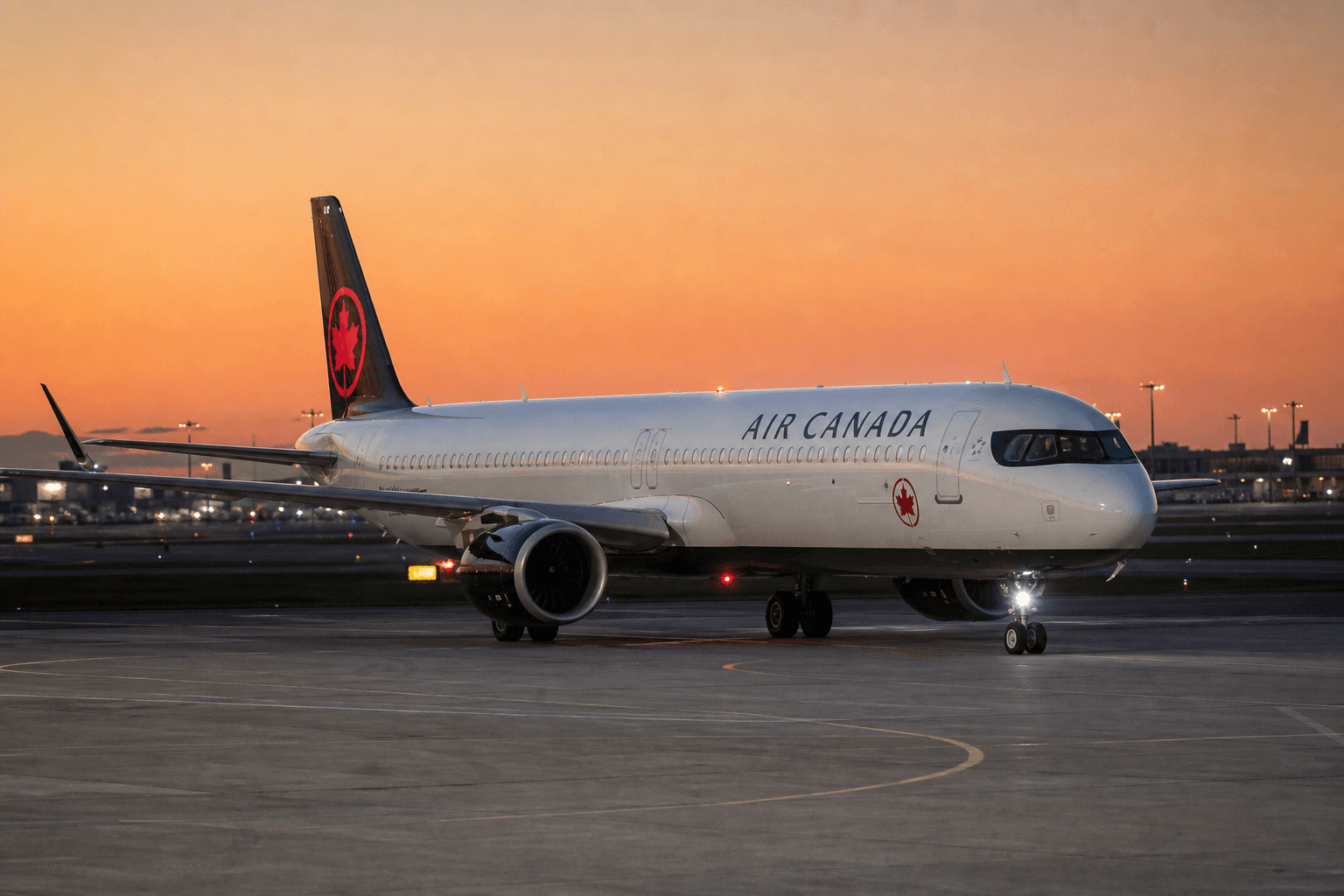
Air Canada launches new long-haul routes to Tenerife and Sapporo for 2026/27 winter
Air Canada has been steadily expanding its international network in recent years. The airline has added several new destinations so far this year and increased its presence across leisure markets. It is continuing this expansion with more additions for the 2026/27 winter season .
Qantas to Sell Entire Stake in Jetstar Japan by Mid-2027 for $52 Million
Deal expected to be completed by June 2027. The Qantas Group has signed a binding agreement to divest its entire shareholding in low-cost operator Jetstar Japan, in a deal valued at around Y8.2 billion ($52 million). The agreement sees Qantas sell its 33.3% stake in Jetstar Japan through a share buyback, with the Development Bank of Japan entering as a new shareholder. Majority shareholder Japan Airlines will retain its 50% shareholding, as will financial services firm Tokyo Century. The share buy-back transaction is expected to be completed by June 2027, states Qantas. Jetstar Japan will "refresh" its brand from Jetstar to a new brand, and will transition to a "Japanese capital-led ownership structure". The group notes there will be "no impact" on the existing international operations between Australia and Japan operated by mainline carrier Qantas and low-cost airline Jetstar Airways. "The transaction will allow the Qantas Group to redirect capital investment towards Qantas and Jetstar's domestic and international operations in Australia," it adds. The deal was first announced in February this year, when Qantas and JAL signed a non-binding memorandum of understanding for the transaction. Jetstar Japan began operations in 2012 as one of several international Jetstar units. It currently has a fleet of Airbus A321neos and A320s.
The Daily Touch & Go
The day's best aviation news in your inbox. Free, no spam.