


DARPA Invites MacGyver, Squishy Tech, YGGY Aviation to Lift Challenge Drone Competition
DARPA has selected innovative teams including MacGyver, Squishy Tech, and YGGY Aviation for its upcoming Lift Challenge, aiming to advance drone payload capabilities significantly.
The gist
DARPA's Lift Challenge invites top teams to push drone payload limits from 1:1 to 4:1 ratios in a high-profile August contest.
The Defense Advanced Research Projects Agency (DARPA) has announced an upcoming Lift Challenge competition, set to take place at the National Museum of the U.S. Air Force in Dayton, Ohio, from August 2 through August 9. The contest invites leading innovators such as MacGyver, Squishy Tech, and YGGY Aviation to showcase drone technologies capable of achieving remarkably high payload-to-weight ratios. The event targets a transformative threshold—quadrupling current payload efficiencies commonly limited to around 1:1 or less in many commercial and military drones.
Participants will compete by flying drones along a set five-nautical-mile circuit designed to evaluate both endurance and functional payload capabilities. DARPA has emphasized the critical impact that achieving a 4:1 payload-to-weight ratio could have, stating that such an advancement would substantially expand the operational scope of unmanned aerial vehicles across diverse mission profiles. Prize money is slated for teams demonstrating not only high payload performance but also novel and innovative drone designs that could reshape the aerial technology landscape.
The Lift Challenge emerges from DARPA’s longstanding interest in pushing forward aviation technology that can provide military and civil services with enhanced unmanned capabilities. Historically, drones have been constrained by limited payload capacities, restricting their utility in carrying heavier or more complex equipment. By incentivizing groundbreaking design approaches, DARPA seeks to overcome these technical bottlenecks and accelerate the integration of more versatile drones into operational roles.
The choice of the National Museum of the U.S. Air Force as the venue underscores the event's significance, symbolically linking the pioneering efforts in drone technology with the rich heritage of U.S. military aviation. The museum will serve as a backdrop for the competition, bringing together engineers, military officials, and aerospace enthusiasts to witness the next generation of drone innovations.
Competitors invited hail from a variety of technological backgrounds. Teams like MacGyver, known for practical and adaptive problem-solving skills, Squishy Tech, which likely leverages advances in flexible materials, and YGGY Aviation, presumably focused on cutting-edge aerial craft design, reflect the wide range of approaches DARPA endorses. Each team will be required to demonstrate a drone capable of meeting or exceeding the 4:1 payload benchmark under the physical constraints of the flight circuit.
DARPA has designed the challenge with multiple objectives: to spur radical increases in drone payload capacity, to validate the practical applicability of new materials and propulsion systems, and to identify designs that blend efficiency with operational reliability. This multidimensional focus simultaneously addresses core engineering challenges and broader strategic needs for both military and commercial stakeholders.
This Lift Challenge follows a recognized pattern where DARPA fosters innovation through competitive events that rapidly advance technology readiness levels. The tangible incentives and structured testing environment encourage collaboration and fierce competition among a diverse pool of innovators, accelerating breakthroughs that conventional R&D timelines might not achieve.
With a successful demonstration of these improved payload-to-weight ratios, the implications span far beyond military logistics or reconnaissance. Commercial delivery services, disaster response, and infrastructure inspection could all benefit from drones capable of carrying heavier loads farther and more efficiently, broadening their practical applications and market viability.
DARPA’s Lift Challenge hence represents a crucial initiative in reshaping unmanned aviation capabilities, harnessing the expertise of selected teams to push against current technological ceilings. The outcomes of this August competition are poised to influence the next wave of drone development programs and operational concepts for years to come.
Read more
All Military/Defense →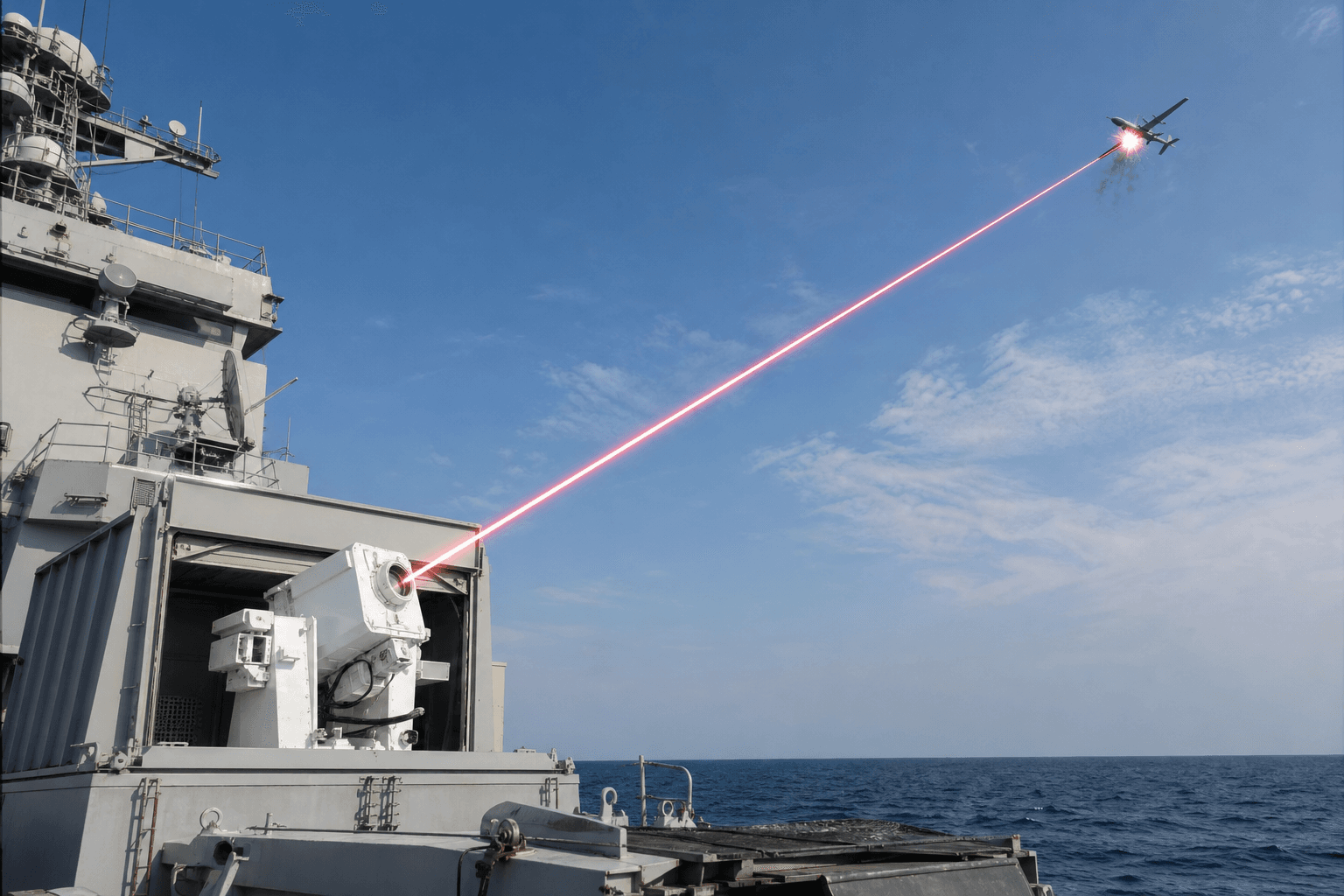
Pentagon awards $847M deals to develop scalable laser weapons against drones and cruise missiles
The US Department of War announced on July 9, 2026, that two Joint Laser Weapon System (JLWS) agreements had been awarded to nLIGHT Defense and Lockheed Martin Aculight, aimed at turning high-energy laser prototypes into field-ready systems against drones and cruise missiles. The Other Transaction Authority (OTA) agreements carry an initial value of $86 million and a total program ceiling of $847 million. They were executed by the Scaled Directed Energy (SCADE) Critical Technology Area, which operates under the Office of the Under Secretary of War for Research and Engineering. According to the department, the program seeks to transition directed energy capabilities from demonstration prototypes into production-oriented platforms. This is intended to give combatant commanders scalable intercept options against both asymmetric and high-tier threats. Scaling from 150 kW to cruise missile defense Initial JLWS prototypes will be rated at approximately 150 kW, a power level suited to countering unmanned aerial systems. Subsequent iterations will be scaled to the 300-500 kW range considered necessary for robust cruise missile defense. A 500 kW integrated system, built around a laser source developed under the High Energy Laser Scaling Initiative (HELSI), will also be developed in parallel. The systems will use containerized form factors designed for modular integration on both ground and naval platforms, allowing rapid fielding across geographic combatant commands. "We must actively defend the homeland against emerging threats," said Emil Michael, Under Secretary of War for Research and Engineering, adding that the department was partnering with industry to deliver deep magazine directed energy capabilities across multiple domains. Rebalancing the cost of air defense These awards come amid a wider push to rebalance the cost equation of air defense, after the wars in Ukraine and Iran saw interceptors worth millions of dollars expended against drones costing a few thousand each . Lasers promise speed-of-light engagement, deep magazines and a cost-per-shot measured in dollars of electricity, attributes seen as essential against high-volume drone swarms , though weather and beam stability remain limiting factors. The announcement follows a series of directed energy milestones in the United States, including the first Golden Dome test, which reportedly used directed energy to defeat drones and cruise missiles . The Pentagon is also deliberating over deploying laser-based counter-drone systems at sensitive US locations after repeated incursions near military installations. The push is not limited to the United States. On the same day, July 9, 2026, Germany's procurement agency BAAINBw signed a contract with MBDA Deutschland and Rheinmetall to develop a containerized high-energy laser weapon system for the German Navy, building on a demonstrator tested aboard the frigate Sachsen. The contract targets an operational system by 2029.
US F-47 Sixth-Gen Fighter Faces $300M Price Tag and Limited Fleet Size
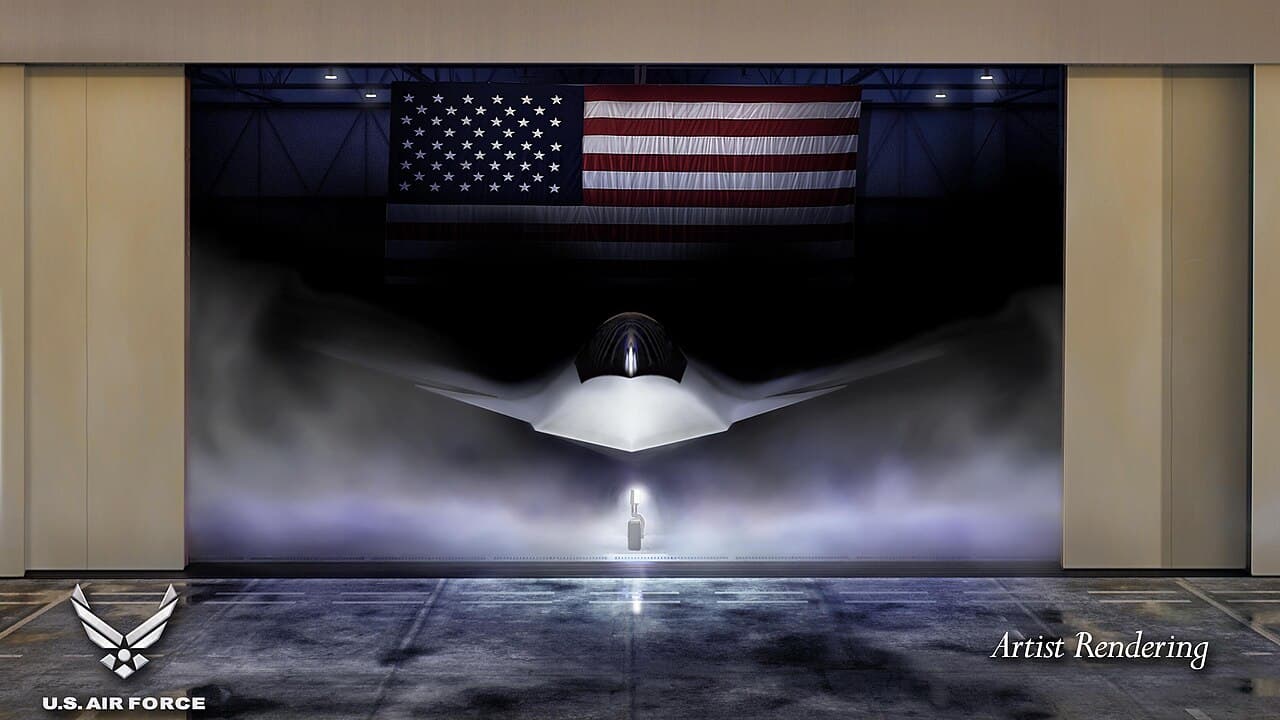
The race to build the first sixth-generation fighter jet is well underway, with the United States and the People's Republic of China competing to be the first to produce a fully combat-capable example. While the People's Liberation Army Air Force made headlines in late 2024 by test-flying two different prototypes, the US program has been quietly testing new designs since 2019. When Boeing was awarded the contract for the F-47 Next Generation Air Dominance in early 2025, the program jumped into the spotlight.
Texas Cadet Sebastian Vargas Becomes 200th Private Pilot Funded by Ray Foundation Through CAP
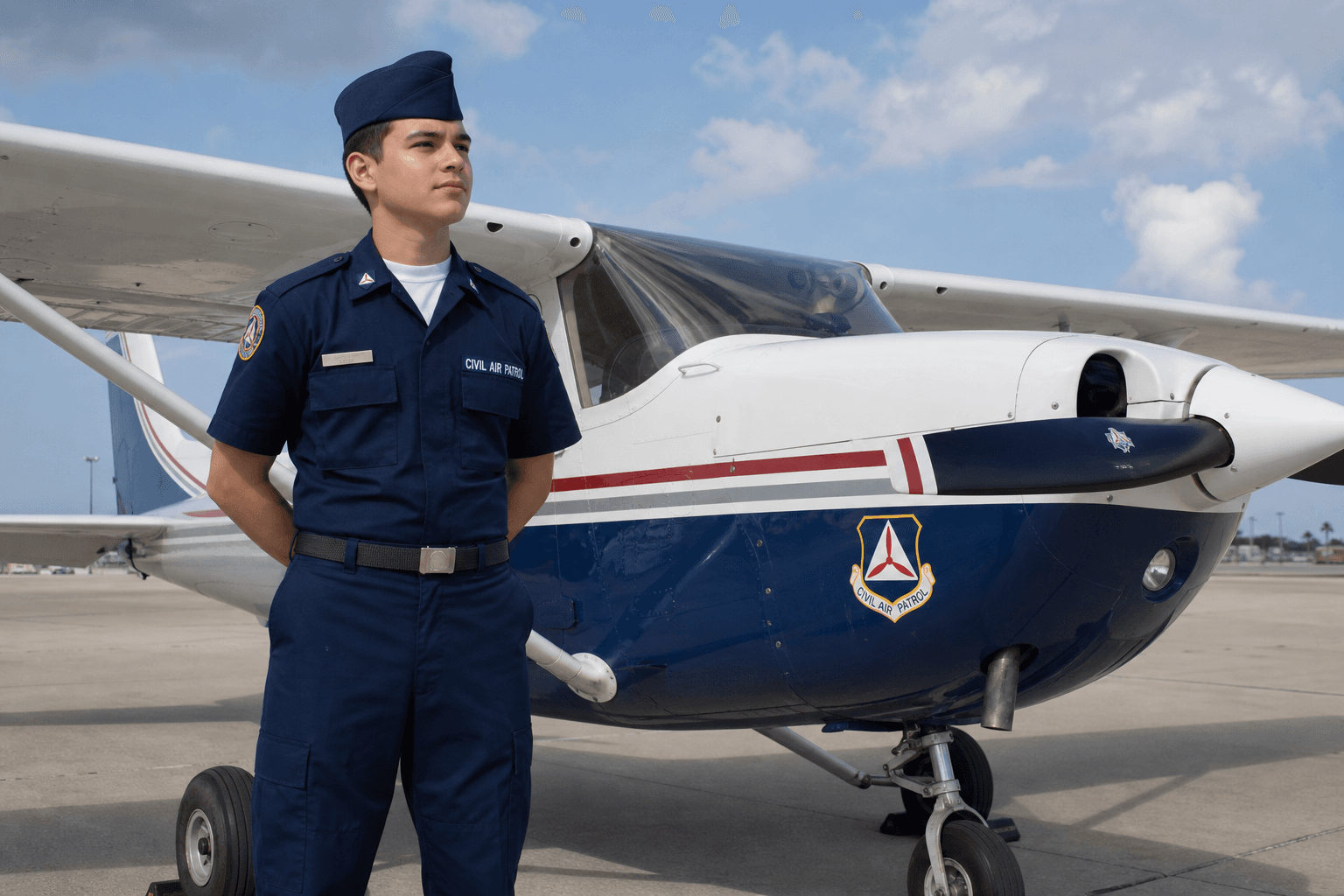
Civil Air Patrol Cadet Capt. Sebastian Vargas became the 200th CAP student pilot supported by the Ray Foundation to earn a private pilot certificate. Vargas completed his FAA check ride June 24 through McCreery Aviation at McAllen Miller International Airport in Texas, according to a recent CAP release . Scholarship Milestone Vargas belongs to the Texas Wing's Wild Horse Desert Composite Squadron in Edinburg. His training was funded through a James C. Ray Flight Training Scholarship under CAP's Cadet Wings program. The merit-based program began in 2019 through funding from the U.S. Air Force. The Ray Foundation has contributed $3.26 million to the program during the past four years. "The Ray Foundation funding helped take the burden off of my parents financially, and we are forever grateful for that," Vargas told CAP. He said the scholarship allowed him to concentrate on training instead of the financial and logistical requirements involved in completing a private pilot certificate. Training And Future Plans Vargas joined CAP in 2021 and took his first orientation flight the following year. He attended a powered flight academy in Wisconsin in June 2025 before entering Cadet Wings. He spent nearly six months in the scholarship program and approximately 16 months preparing, studying and completing flight training. His squadron commander, 1st Lt. Eric Madore, served as his Cadet Wings mentor and followed his progress through his solo, cross-country and check-ride milestones. Vargas plans to continue flying through CAP and build flight time while applying to the U.S. Air Force Academy. His longer-term goals include flying the C-17 for the Air Force and later pursuing an airline career. CAP said Cadet Wings has produced more than 500 new pilots through Cadet Wings since the program began. The program has taken on added importance as CAP shifts resources toward powered-flight opportunities following its decision to end the national glider program , which the organization attributed to an aging fleet, limited participation, instructor shortages and rising replacement and maintenance costs.
South Korea selects Bombardier Global 6500 jets for new electronic warfare fleet
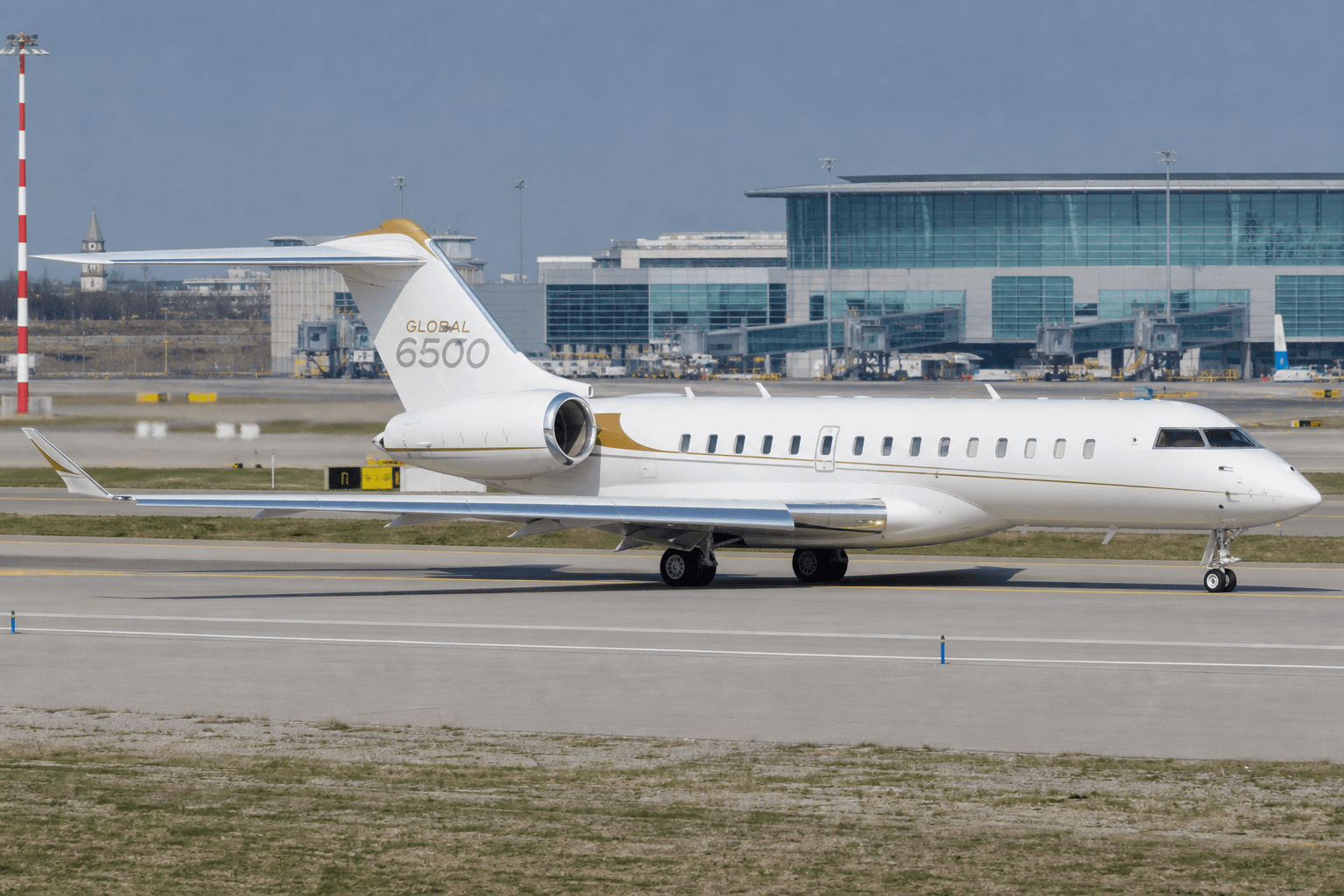
South Korea has selected the Bombardier Global 6500 as the platform for a new pair of electronic warfare aircraft. Korean Air will purchase two Global 6500 business jets from Bombardier for conversion under South Korea's stand-off electronic warfare program, the Canadian manufacturer announced on July 14, 2026. The aircraft will be equipped to disrupt enemy radar, communications and other electronic signals while operating beyond the immediate reach of air and ground threats. Bombardier worked with Korean Air and South Korean defense company LIG Nex1 on the winning proposal. The companies marked the agreement during a signing ceremony in Seoul. Bombardier did not disclose the contract value, delivery schedule or details of the electronic warfare equipment that will be installed aboard the aircraft. "The Global 6500 aircraft is in demand around the world because of its performance and versatility," said Michael Anckner, Vice President of Worldwide Sales at Bombardier Defense. South Korea has now selected the Global 6500 for two separate special-mission aircraft programs. The country previously chose four Global 6500s for an airborne early warning and control fleet led by L3Harris. Those aircraft will carry sensors and mission systems used to monitor the airspace and direct military operations. The latest pair of aircraft will perform electronic attack missions, giving South Korea a planned fleet of six Global 6500-based military aircraft across the two programs. The Global 6500 is powered by two Rolls-Royce Pearl 15 engines. Its range, high-altitude performance and large cabin allow military customers to install sensors, operator consoles and communications equipment without developing a new aircraft from scratch. The business jet has attracted growing interest for surveillance, command-and-control and electronic warfare missions. The US Army also selected the Global 6500 for its High Accuracy Detection and Exploitation System, or HADES, intelligence and surveillance program. Bombardier delivered the first aircraft for that effort in 2024.
The Daily Touch & Go
The day's best aviation news in your inbox. Free, no spam.