

Illustration: The Touch & Go
South Korea selects Bombardier Global 6500 jets for new electronic warfare fleet
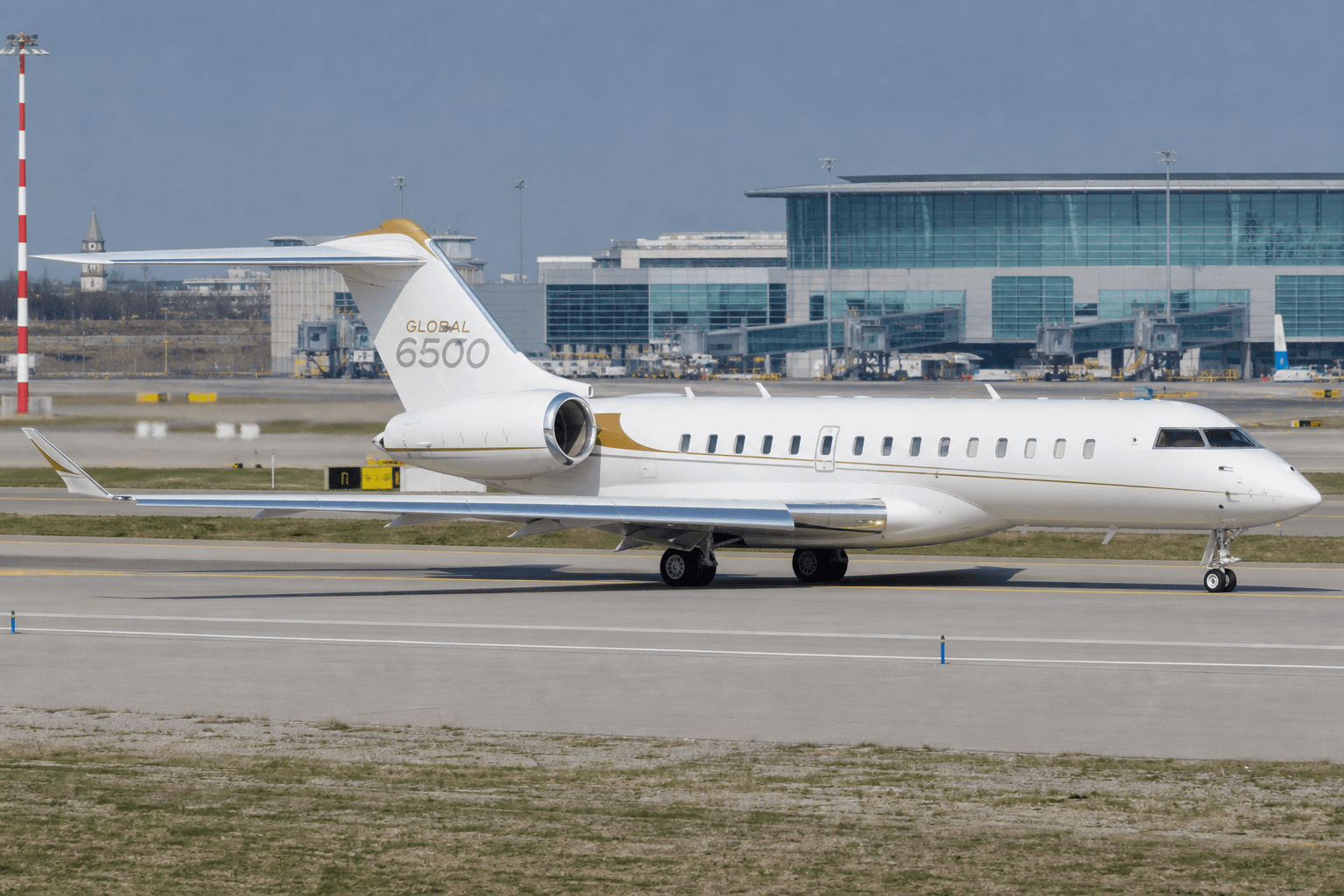
Korean Air will acquire two Bombardier Global 6500 jets for conversion into electronic attack aircraft, expanding South Korea's advanced military aviation capabilities.
The gist
South Korea adds two Bombardier Global 6500 jets to build advanced electronic warfare aircraft under new defense program.
Continuing coverage
All Bombardier Global 6500 →South Korea has finalized plans to enhance its electronic warfare capabilities by selecting the Bombardier Global 6500 business jet as the platform for two specialized electronic attack aircraft. Korean Air will procure the jets directly from Bombardier, marking a significant step in the country’s stand-off electronic warfare program. This initiative aims to disrupt enemy radars, communications, and other critical electronic systems from a safe distance beyond immediate threat zones.
The decision was announced during a signing ceremony in Seoul, where Bombardier confirmed the contract with Korean Air and highlighted close collaboration with domestic defense firm LIG Nex1. While the exact contract value, delivery timelines, and specifics of the onboard electronic warfare suites remain undisclosed, the partnership indicates a concerted effort to incorporate cutting-edge sensor and jamming technologies into the aircraft.
The Global 6500 was chosen in part due to its superior performance characteristics and versatile platform design. Michael Anckner, Bombardier Defense's Vice President of Worldwide Sales, emphasized the aircraft's global demand and adaptability. Powered by dual Rolls-Royce Pearl 15 engines, the jet offers excellent range and altitude capabilities, alongside a roomy cabin that can accommodate advanced mission systems and multiple operator consoles without requiring a bespoke airframe.
This announcement follows South Korea's previous contract for four Global 6500 jets as the backbone of its airborne early warning and control (AEW&C) fleet. Those aircraft, delivered with mission systems supplied by L3Harris, will serve as airborne command centers, monitoring airspace and coordinating military operations. Together with the new electronic warfare jets, South Korea will operate a total of six Global 6500-based military aircraft across distinct mission sets.
The Global 6500 platform’s adaptability has attracted increasing interest from military operators worldwide for roles including surveillance, command-and-control, and electronic warfare. Its combination of long endurance, spacious interiors, and high performance makes it well-suited to host sophisticated sensors, signal intelligence suites, and electronic countermeasure equipment. South Korea’s investment confirms its intent to leverage these strengths in regional defense.
Bombardier has gained experience with military variants of the Global 6500 through other allied programs, notably the U.S. Army's High Accuracy Detection and Exploitation System (HADES). This program, aimed at intelligence, surveillance, and reconnaissance (ISR) missions, received its initial Global 6500 delivery in 2024. The aircraft’s prior military adaptations serve as valuable precedents for South Korea's conversions.
The adoption of the Global 6500 enhances South Korea's strategic posture by offering flexible, long-range platforms capable of conducting stand-off electronic attacks. Such capabilities are critical in modern warfare for suppressing enemy air defenses and maintaining battlefield information dominance. Incorporating these jets into its military aviation portfolio aligns with broader regional security trends, where electronic warfare grows in importance.
Selecting a commercially-proven business jet as the basis for sophisticated military missions also reflects economic and operational efficiencies. It reduces the need for developing brand new airframes, accelerates delivery schedules, and leverages existing maintenance and training infrastructure. This approach benefits South Korea by providing rapid capability growth while controlling costs.
With six Global 6500 military jets soon integrated across two specialized roles, South Korea is positioning itself as a regional leader in high-tech aerial command, control, and electronic warfare. The strategic investments underscore the military’s commitment to modernization and its focus on ensuring airspace superiority through advanced aerospace platforms.
Frequently asked questions
- What aircraft did South Korea select for its electronic warfare program?
- South Korea selected the Bombardier Global 6500 business jet for conversion into electronic warfare aircraft.
- How many Global 6500 jets will South Korea use for electronic warfare missions?
- South Korea will acquire two Global 6500 jets for electronic warfare missions under the new program.
- What other military program uses the Global 6500 in South Korea?
- South Korea previously selected four Global 6500 jets for an airborne early warning and control (AEW&C) fleet.
Read more
All Military/Defense →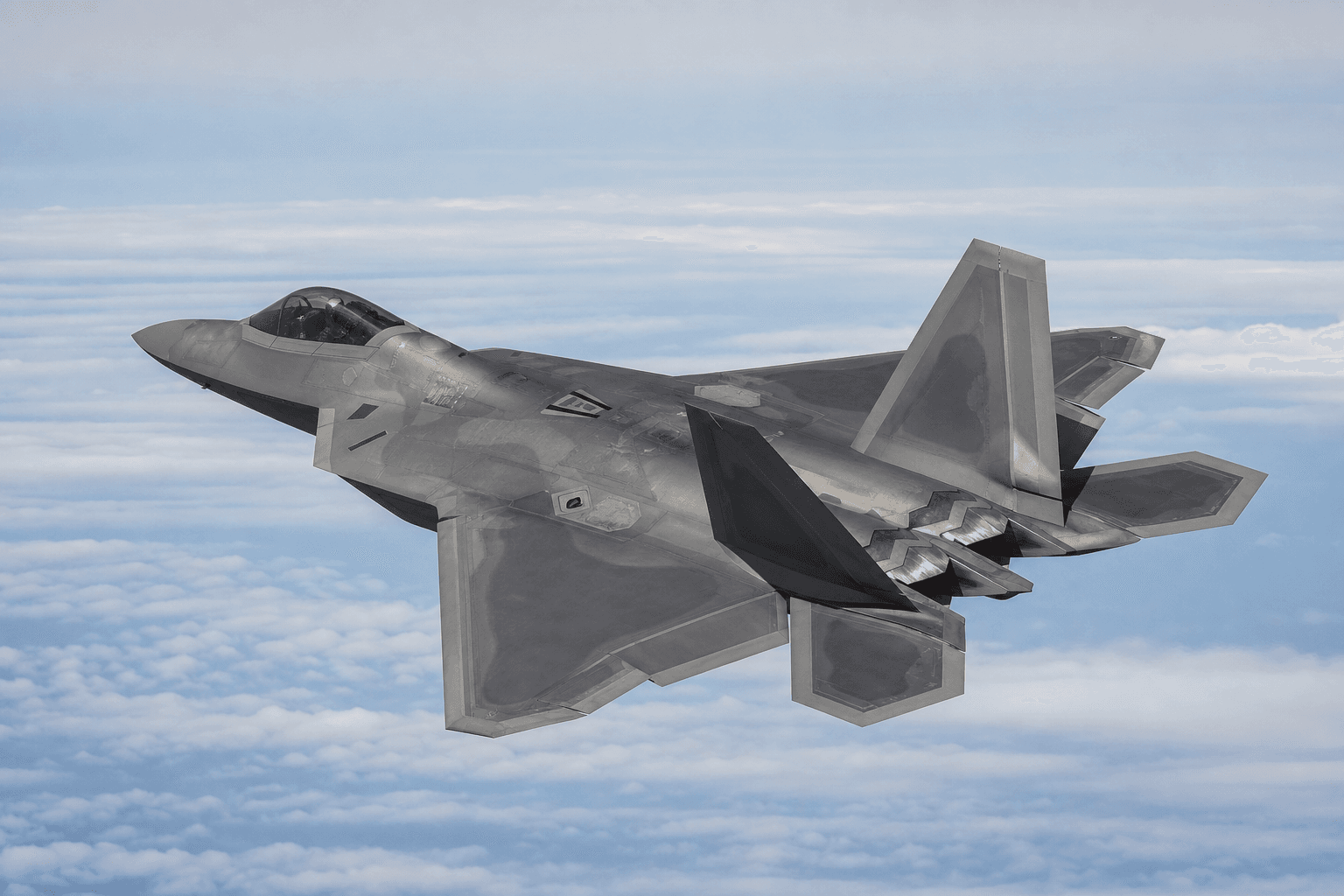
How the F-22's F119 Engine Overcame Long-Standing Fighter Jet Engine Trade-Offs
The Lockheed Martin F-22 Raptor was built as a generational leap over the existing F-15 Eagle. The F-15 Eagle was designed as an air superiority fighter , but by the 1980s, the Air Force felt it might not have the "unfair" advantage that they wanted, as the Soviet Union developed the Su-27 and MiG-29. The F-22 was initially designed as a late Cold War effort to overmatch any fighter jets the Soviets could field.
Europe's FCAS fighter program collapses amid industrial disputes and divergent military goals
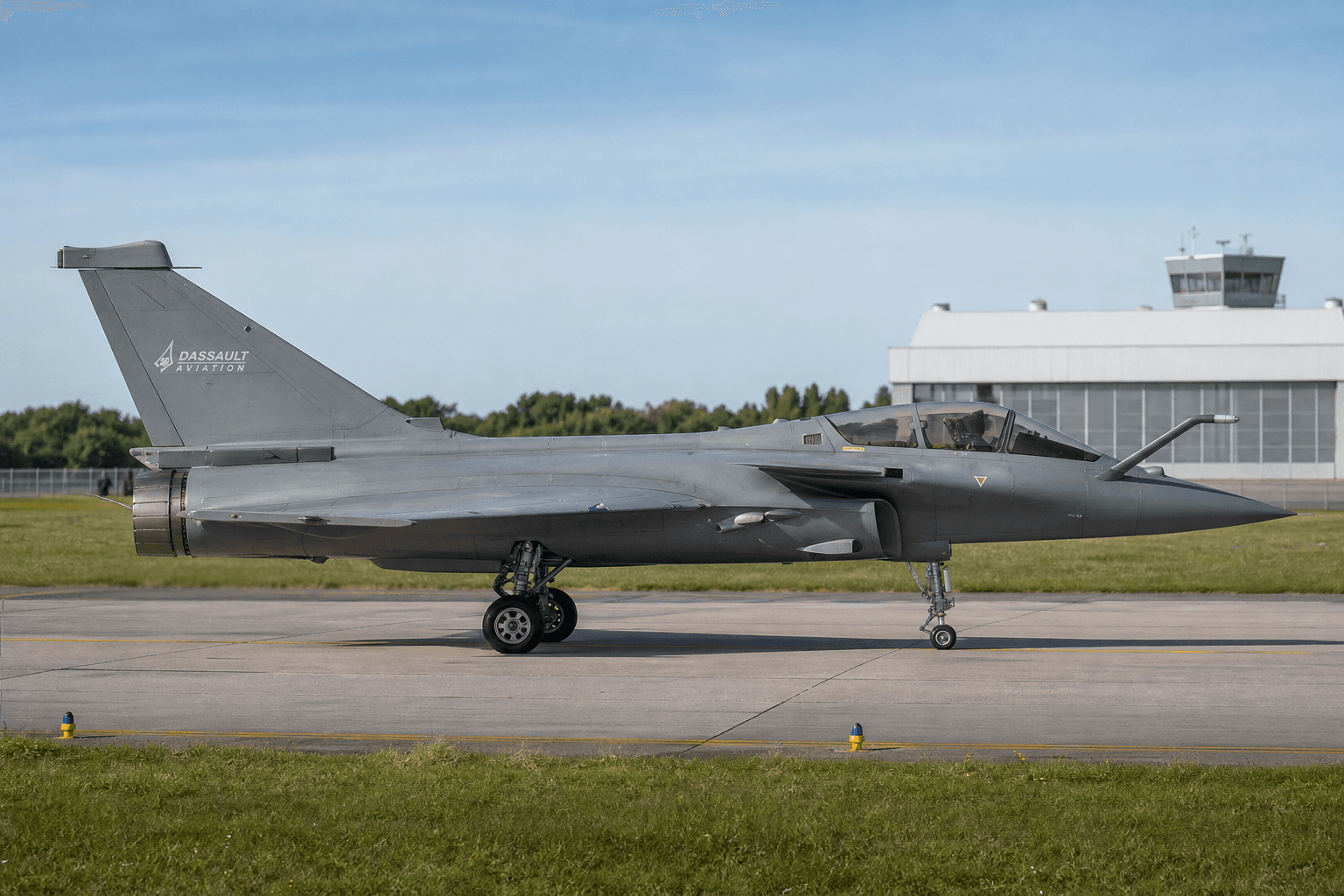
Where next for Europe’s future combat aircraft plans? Perhaps the most surprising thing about the collapse of the European Future Combat Air System (FCAS) programme was that it took so long to fall apart. Even from the outset you did not need to be an expert in business dynamics or industrial politics to see that the relationship between lead protagonists Airbus and Dassault Aviation was likely to be strained at best. French airframer Dassault is, like it or not, a fiercely independent entity with a chief executive in Eric Trappier for whom the adjective 'pugnacious' is tailor-made. Dassault thought it was to be fully in charge, the architect as the company phrased it, of the New Generation Fighter (NGF), the manned platform at the heart of FCAS. But faced with what it felt was the steady encroachment of Airbus onto its turf, tensions inevitably ratcheted up. Indeed, it was always going to be a challenge to yoke Dassault to a wider pan-European construct, particularly when it lacks the collaborative spirit that, thanks to its origins, is part of the Airbus DNA. There also seemed to be an inherent issue with what the three countries funding FCAS wanted to achieve with the NGF – France sought a replacement for the Rafale, including the naval version, while Germany and Spain targeted an air dominance fighter as a Eurofighter successor. Remember too that France and Dassault have history here: originally part of the Future European Fighter Aircraft programme – the precursor to the Eurofighter – the pair left, to develop the Rafale independently, due to disagreements over design authority and operational requirements. Sound familiar? But with the dust now settling on the inherently fissiparous FCAS project, the question becomes: what next? Can France and Dassault proceed once more in splendid isolation? At a technological level, almost certainly, after all, whatever criticism can be laid at the airframer's door, it does not lack for design and manufacturing nous. However, the stumbling block may be the eye-watering sums needed to bring a sixth-generation fighter into service. German industry, with some Spanish contribution, has already announced the ' Team Gen 6 ' grouping that it says is willing to work with any interested party to advance the interests of European sovereignty. Mind you, it is unclear who else is available. At this stage, ushering Germany and Spain into the Global Combat Air Programme being progressed by Italy, Japan and the UK – seemingly harmoniously so far – seems challenging, if not outright impossible. That leaves Sweden, which is still mulling options for a successor to its current Saab Gripen E. Mind you, with relations between Paris and Stockholm ever-closer – notably, France is acquiring at least two Saab GlobalEye surveillance jets – perhaps a different marriage of convenience could be contemplated? Equally, perhaps the real lesson from the debacle is that agility is key: many of the capabilities envisioned for the broader FCAS project – the system of systems concept – are already being tested or deployed by adversaries. Whichever direction Europe's new divorcees take – remarriage or remaining single – the watchword for a future fighter, now more than ever, is the need for speed.
USAF Commits $2B to Prepare Ellsworth AFB as First Operational B-21 Raider Base
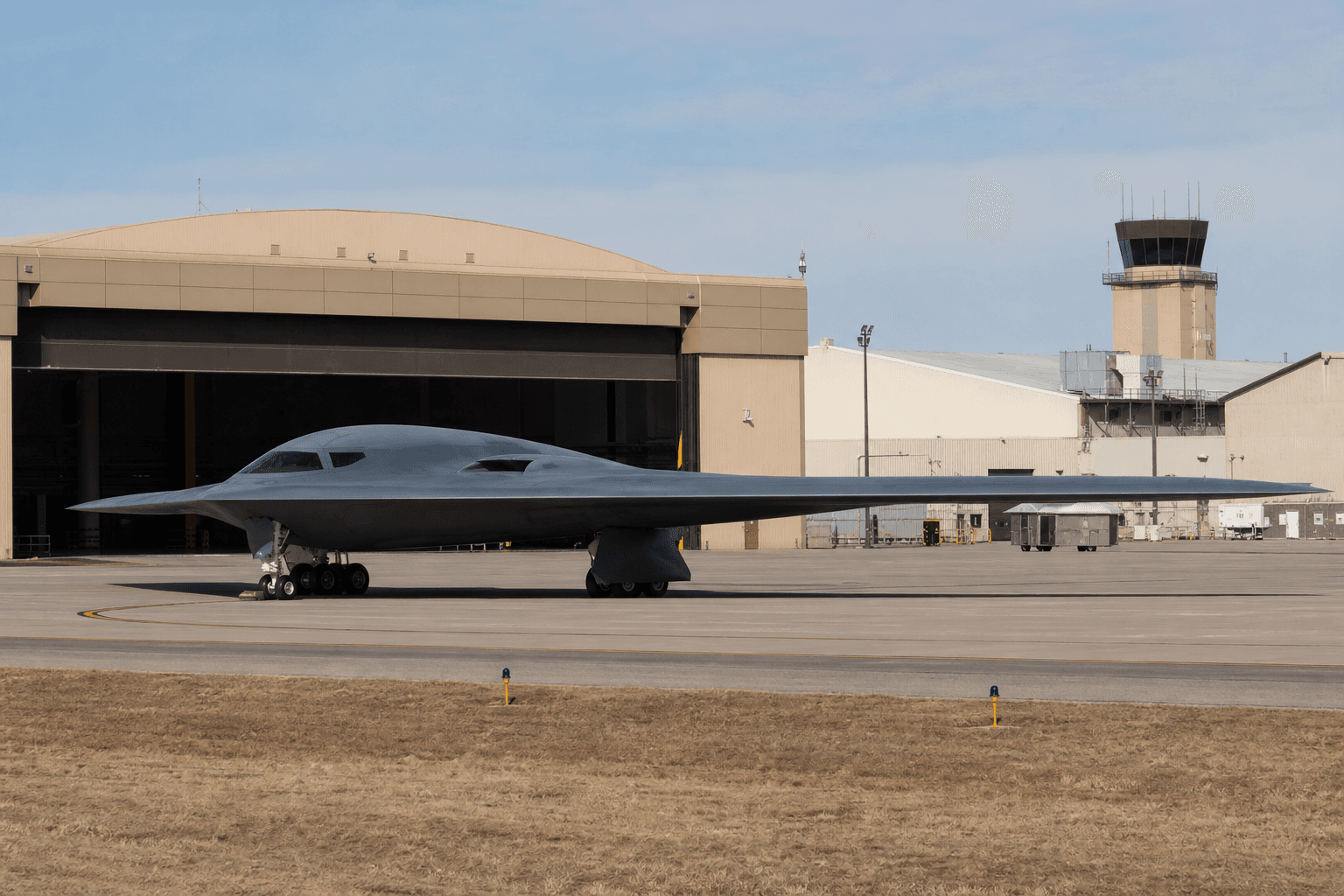
Ellsworth Air Force Base (RCA) was selected to be the first main operating base of the Northrop Grumman B-21 Raider. Located in South Dakota, the base has been home to the Rockwell B-1B Lancer, a supersonic swing-wing bomber. Although the B-21 is a less delicate plane than the NG B-2 Spirit, rebuilding the base in order to prepare for its first stealth aircraft comes at a cost of nearly $2 billion to taxpayers .
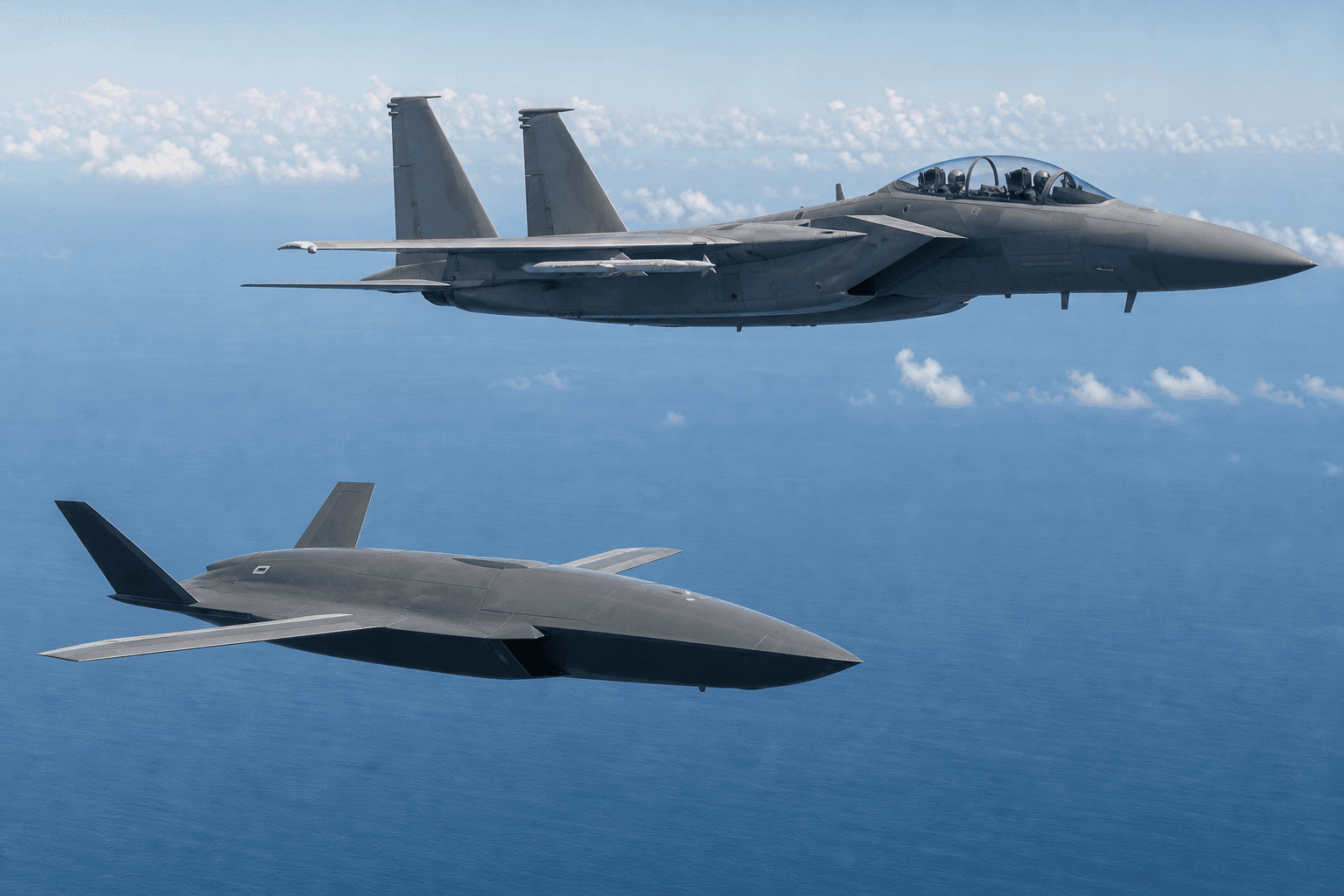
Boeing's MQ-28 Ghost Bat Joins US Air Force in Landmark Indo-Pacific Exercise
- MQ-28 Ghost Bat is first collaborative combat aircraft (CCA) to be integrated into multinational, joint force Exercise Valiant Shield 2026
The Daily Touch & Go
The day's best aviation news in your inbox. Free, no spam.