

Illustration: The Touch & Go
Texas Cadet Sebastian Vargas Becomes 200th Private Pilot Funded by Ray Foundation Through CAP
Sebastian Vargas of the Civil Air Patrol's Texas Wing earned his private pilot certificate with funding from the Ray Foundation's Cadet Wings scholarship program, marking a milestone of 200 pilots trained since 2019.
The gist
Civil Air Patrol cadet Sebastian Vargas becomes the 200th Ray Foundation-funded pilot earning a private certificate under Cadet Wings.
Continuing coverage
All Flight Training →- Cirrus Launches TRAC10 Training Aircraft for Professional Flight Schools
- Cirrus Unveils TRAC10 Trainer Designed to Revolutionize Professional Flight Schools
- Student Pilot Safely Lands Cessna 150 After Instructor's Mid-Air Jump in Argentina
- Rising Costs and Predatory Loans Challenge Aspiring Pro Pilots Financing Training
- EAA AirVenture Oshkosh 2026 to Showcase Cutting-Edge Aviation Technology and Historic Warbirds
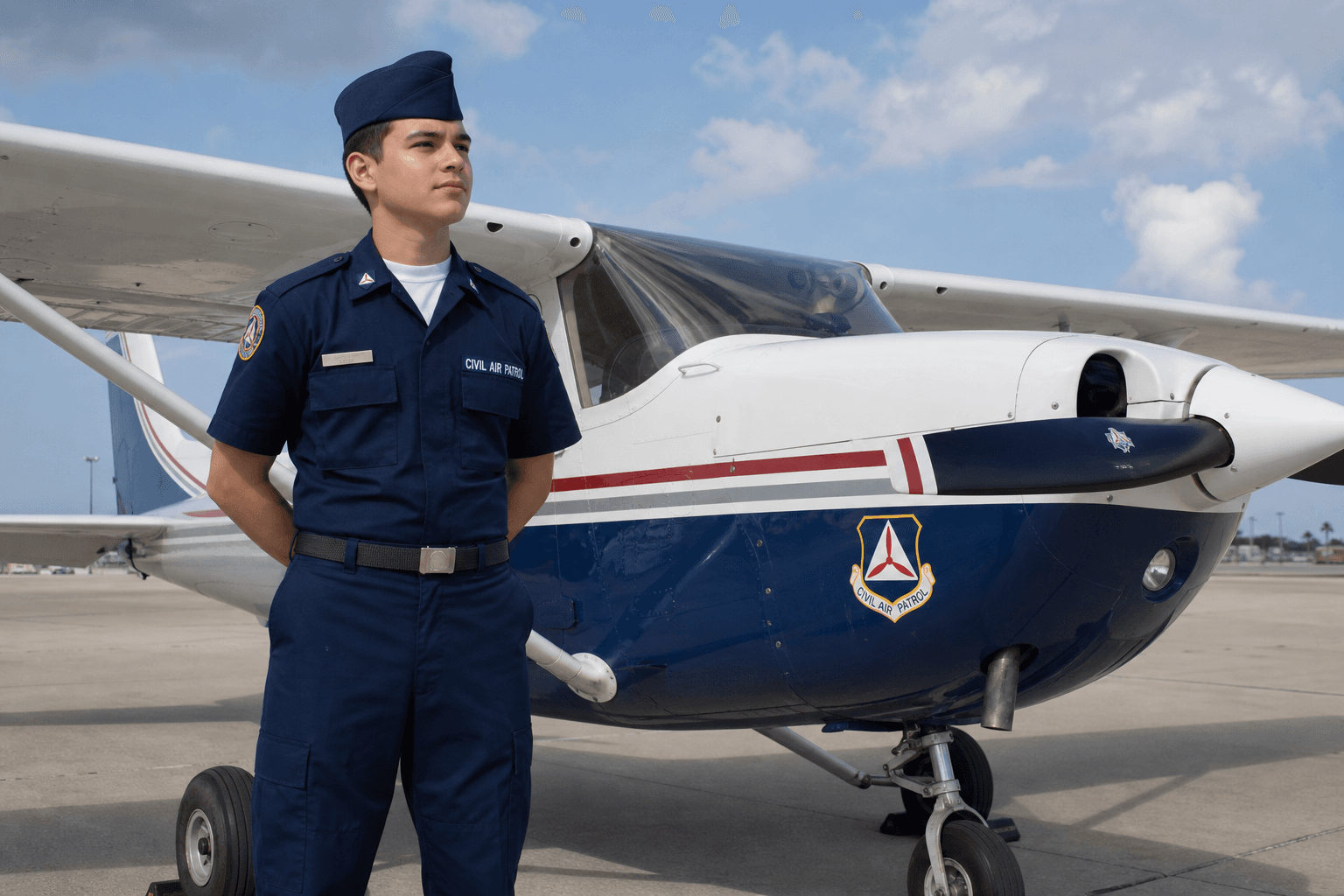
Civil Air Patrol Cadet Captain Sebastian Vargas recently became the 200th pilot supported by the Ray Foundation to achieve a private pilot certificate through CAP’s Cadet Wings program. Vargas completed his FAA check ride on June 24 at McAllen Miller International Airport in Texas under the instruction of McCreery Aviation. His accomplishment highlights the ongoing impact of the merit-based James C. Ray Flight Training Scholarship program that commenced in 2019 with support from the U.S. Air Force.
Vargas is a member of CAP’s Texas Wing Wild Horse Desert Composite Squadron located in Edinburg. His flight training was entirely funded by the James C. Ray Flight Training Scholarship, which aims to reduce financial barriers for cadets pursuing pilot certification through CAP. Over the past four years, the Ray Foundation has invested $3.26 million into the Cadet Wings scholarship program, enabling hundreds of cadets to pursue powered flight training.
Beyond financial support, Vargas praised the scholarship for allowing him to focus fully on flight training without the burden of managing costs and logistics. He credited the funding with alleviating pressure on his family, enhancing his ability to dedicate time and energy toward pilot training milestones, including his solo, cross-country flights, and final check ride.
Vargas joined Civil Air Patrol in 2021 and flew his first orientation flight a year later. He participated in a powered flight academy in Wisconsin in June 2025 before entering the Cadet Wings scholarship program. His flight process spanned nearly six months in the formal scholarship program with an additional 16 months preparing and completing all required flight training and academic study for the certificate.
Throughout his training, 1st Lieutenant Eric Madore, Vargas’s squadron commander and Cadet Wings mentor, monitored his development from initial solos through the final examination phases. Madore’s mentorship provided consistent guidance and supervision enabling Vargas's successful progression through rigorous FAA standards.
Following certification, Vargas intends to continue flying within Civil Air Patrol to accumulate experience and flight hours. He also plans to apply to the U.S. Air Force Academy, aiming to become a military pilot. His longer-term ambitions include flying the Air Force’s C-17 transport aircraft and eventually transitioning to a commercial airline career.
Since its inception, the Cadet Wings program has resulted in more than 500 new pilot certifications among CAP cadets. The program has gained increased significance recently as CAP has shifted more resources towards powered-flight training opportunities after discontinuing its national glider program. CAP cited the glider program’s aging fleet, declining participation, instructor shortages, and maintenance challenges as primary reasons for that change.
The decision to focus on powered flight aligns with CAP’s strategic priorities to better serve cadets seeking military and civilian aviation careers. By channeling scholarship funding and training resources toward powered aircraft, CAP expects to strengthen its role as a premier pathway for youth flight training in the United States.
Frequently asked questions
- What milestone did Sebastian Vargas achieve as a CAP cadet?
- Sebastian Vargas became the 200th Civil Air Patrol cadet to earn a private pilot certificate funded by the Ray Foundation through the Cadet Wings program.
- How has the Ray Foundation contributed to CAP’s Cadet Wings program?
- The Ray Foundation has donated $3.26 million over four years to fund flight training scholarships that help CAP cadets earn private pilot certificates.
- Why did Civil Air Patrol discontinue its national glider program?
- CAP ended the glider program due to an aging fleet, reduced participation, shortages of qualified instructors, and escalating replacement and maintenance costs.
Read more
All Military/Defense →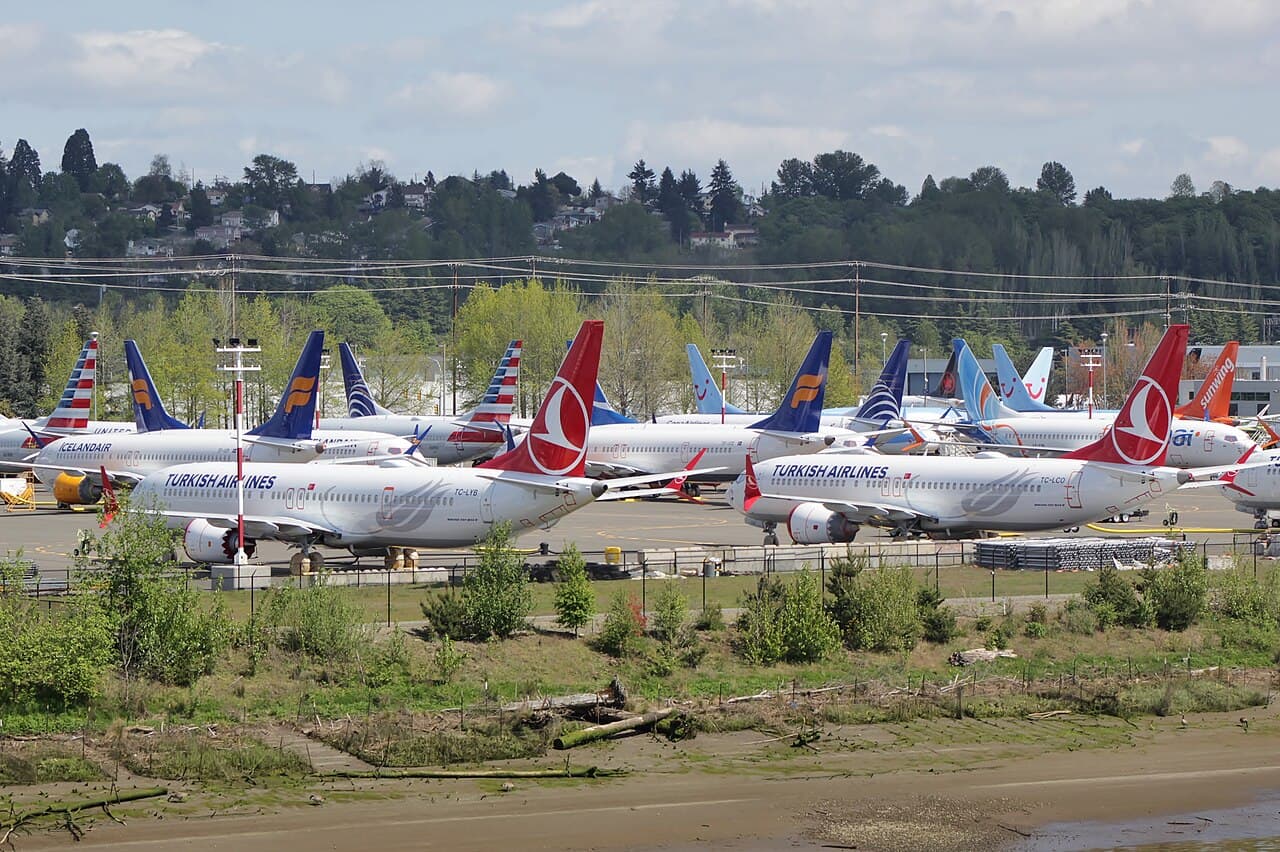
Boeing posts strongest first-half aircraft deliveries since 2018 with 314 jets
Boeing delivered 314 commercial aircraft during the first half of 2026, its highest total for the period since 2018 as production of the 737 MAX continues to recover. The manufacturer handed over 171 aircraft during the second quarter, including 129 737s, 25 787 Dreamliners, 10 767s and seven 777s, Boeing said on July 14, 2026. Its first-half deliveries included 243 737s, 40 787s, 16 767s and 15 777s. Boeing delivered 64 commercial aircraft in June alone, up from 60 in May and 60 during the same month last year, according to company delivery data. The June total included 42 737 MAX aircraft and 13 787s. The stronger pace comes as Boeing raises output of the 737 MAX, its best-selling commercial aircraft. The company is moving monthly production from 42 aircraft toward 47, although deliveries can vary from month to month depending on inspections, customer schedules and work needed on aircraft already built. Boeing's 314 first-half deliveries were 12% higher than the 280 aircraft it handed over during the same period in 2025. Last year's first-half total had already marked a significant improvement after production disruptions and tighter regulatory oversight slowed deliveries earlier in the decade. Airbus remained ahead, delivering 351 aircraft during the first six months of 2026, including 89 in June. That was a 15% increase from the European manufacturer's first-half total a year earlier. Boeing's June 787 deliveries included five aircraft for Riyadh Air that had been delayed by issues involving seat certification. The Saudi carrier began revenue operations in June after receiving its first Dreamliners. The manufacturer also delivered three 777 freighters and five 767s during June. Three of the 767s will be converted into KC-46 aerial refueling tankers by Boeing's defense business. Boeing reported 121 gross commercial aircraft orders and eight cancellations during June, leaving 113 net orders for the month. Its first-half order total stood at 408 after cancellations and accounting adjustments. The company has now recorded 7,206 orders for the 737 MAX family, surpassing the 7,159 orders received for the previous-generation 737NG. Boeing separately reported 35 defense aircraft and satellite deliveries during the second quarter and 65 during the first half. The six-month total included 32 new or remanufactured AH-64 Apache helicopters, eight KC-46 tankers, eight CH-47 Chinooks and five F/A-18-family aircraft. Boeing cautioned that its delivery figures remain preliminary until it publishes its second-quarter financial results on July 28.
South Korea orders two Global 6500 jets for electronic warfare missions
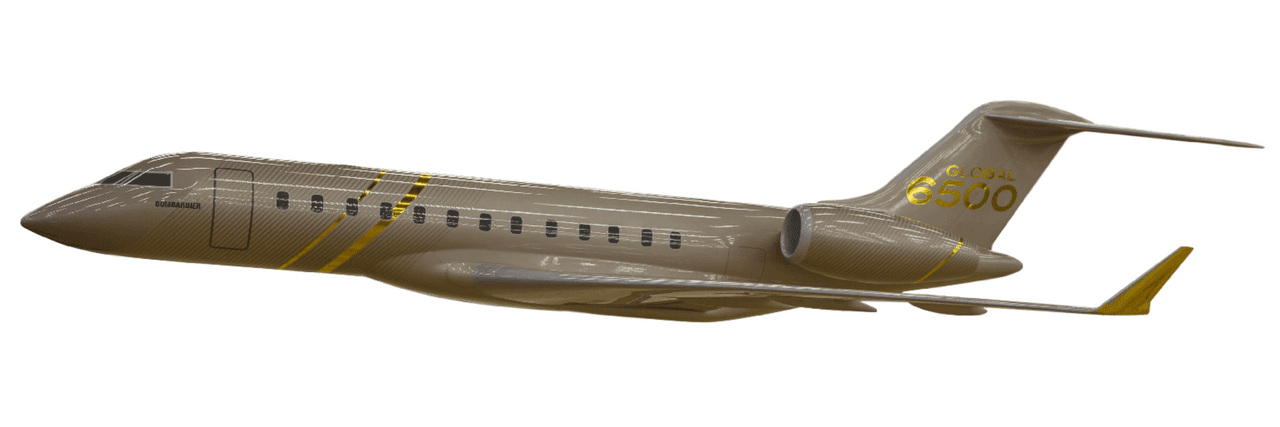
Seoul will purchase two of the long-range Bombardier jets, in addition to the four examples already on order as airborne early warning and control assets. South Korea has formalised an agreement with Canadian airframer Bombardier to purchase two Global 6500 business jets, which will be converted into military electronic warfare (EW) aircraft. Bombardier confirmed the deal on 14 July, saying an agreement was formally signed in Seoul. The Canadian manufacturer partnered with Korean Air and Korean defence contractor LIG Defense & Aerospace on the proposal, beating out a rival bid from Korea Aerospace Industries and Hanwha Systems. Prime contractor LIG secured the competitive win from Seoul’s Defense Acquisition Program Administration in December, with the deal valued at more than $1.1 billion. The two EW-roled Global 6500s are separate from another South Korean military programme that will see American defence contractor L3Harris convert four of the same Bombardier business jets into airborne early warning and control (AEW&C) platforms. Powered by twin Rolls-Royce Pearl 15 engines, the Global 6500 has emerged as a popular choice for militaries around the world seeking to field special mission aircraft without taking on the high cost of developing and certifying an entirely new design. The US Army’s contractor-owned ATHENA-R/S long-range surveillance assets are also based on the Global 6500 platform. Source: US Army The US had fielded a number of long-range surveillance aircraft based on the Global 6500, while AEW&C offerings from both L3Harris and Swedish manufacturer Saab are derived from the Bombardier business jet. "The Global 6500 aircraft is in demand around the world because of its performance and versatility," says Michael Anckner, vice-president for worldwide sales at Bombardier Defense. "This aircraft is trusted because of its proven military track record, yet it remains highly adaptable as defence needs evolve.” South Korea will use the two EW-configured aircraft to fill the Stand-Off Jammer (SOJ) mission, which enables the disruption of enemy electromagnetic signals while remaining safely removed from air and ground threats. Korean Air will purchase the two Global 6500s from Bombardier, with LIG handling mission systems integration and delivery. The two EW aircraft are expected to enter service by 2034. LIG also provides the integrated EW suite for South Korea’s indigenously developed KAI KF-21 fighter.
Sully Sullenberger, hero of Hudson River landing, announces early-stage Alzheimer's diagnosis
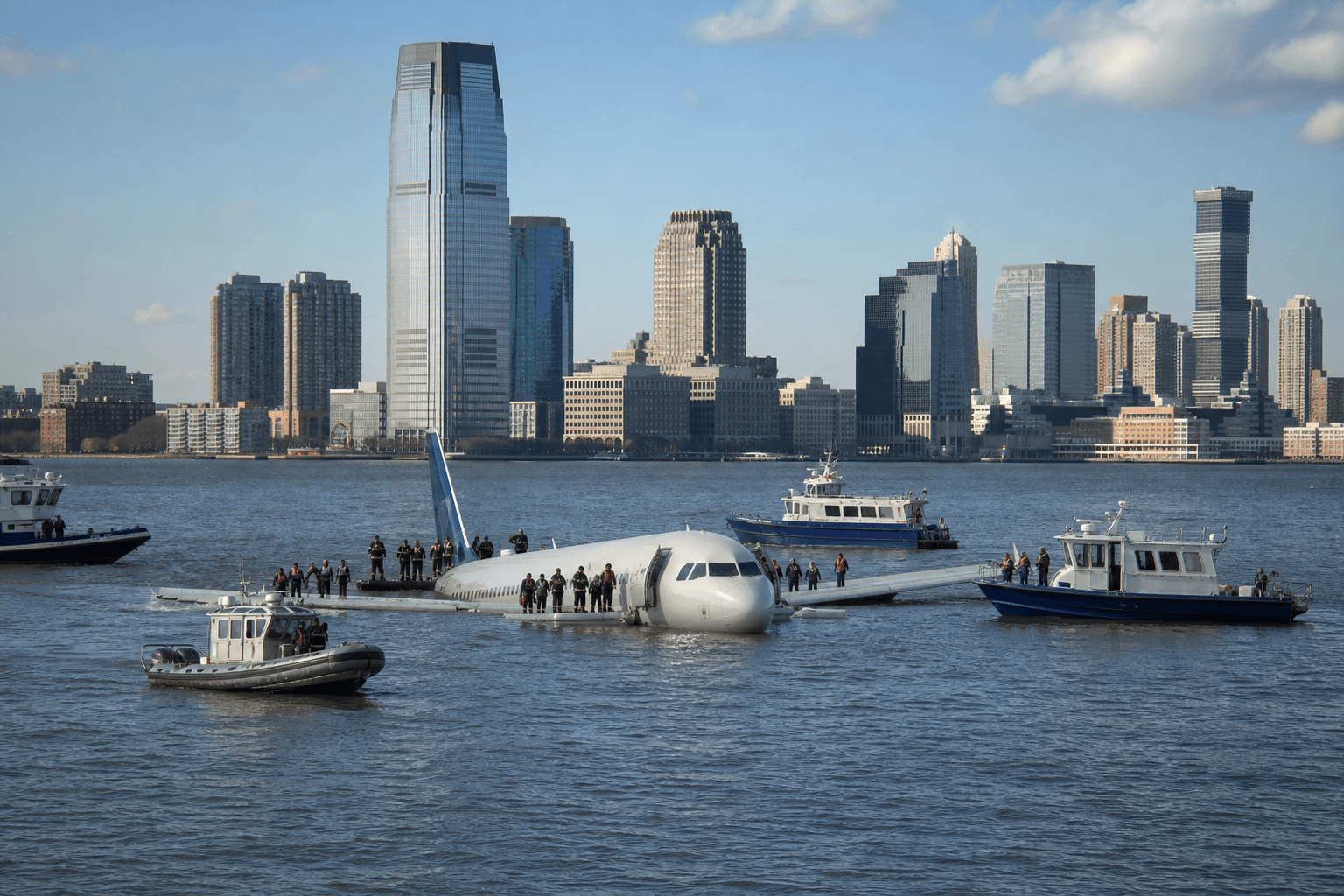
Sully Sullenberger, the pilot who became a household name after safely landing a disabled US Airways flight on the Hudson River in 2009, has been diagnosed with Alzheimer's disease. In a statement posted on his personal website on Tuesday, Sullenberger, 75, said he is receiving treatment at UCSF Medical Center in San Francisco. "It is early stage," he said. "For now, this means a name may not come easily to me, I forget a story I have recently told, or I don't sleep as well, but I am in the beginning of this long journey." Sullenberger has worked as a lecturer and public speaker since his retirement in 2010 and frequently appeared on television news programs to discuss aviation-related issues. He served as the U.S. ambassador to the International Civil Aviation Organization (ICAO) for several months in 2022. "This new phase of my life has challenged what it means to be of service," Sullenberger said. "And the answer is to speak up. It is my hope that by sharing this, other families living in the shadows with this disease will feel they too can step forward." US Airways Flight 1549 in the Hudson River [FLYING Archives] "Though it may impact my memory of the past, this diagnosis will not prevent me from looking forward to and appreciating our future…I will navigate this chapter with my wonderful family by my side." Sullenberger served in the U.S. Air Force and became a commercial pilot in 1980. Together with first officer Jeffrey Skiles, he glided US Airways Flight 1549 onto the Hudson after a bird strike disabled both of the Airbus A320's engines. All 155 people on board survived. Fellow pilots and aviation experts hailed Sullenberger's skill in navigating the situation, and his water landing is considered one of the finest examples of ditching in aviation history. Both houses of Congress passed resolutions honoring Sullenberger and the flight crew, and Sullenberger met President Barack Obama in Washington, D.C., at his inauguration. A stream of other accolades and honors followed, including the key to New York City, the first pitch at a Major League Baseball game, grand marshal of the Rose Parade, and multiple awards from aviation and aerospace organizations. Sullenberger's modesty in the face of public admiration only increased praise for his strength of character. "Over the years, when people would ask about the successful outcome of Flight 1549, I would say that 'courage can be contagious,' and on that day it helped everyone band together to get everyone off that airplane successfully," Sullenberger said. "Now we need that courage to battle this disease. I am now part of a larger community with many of you, and we will be courageous together."
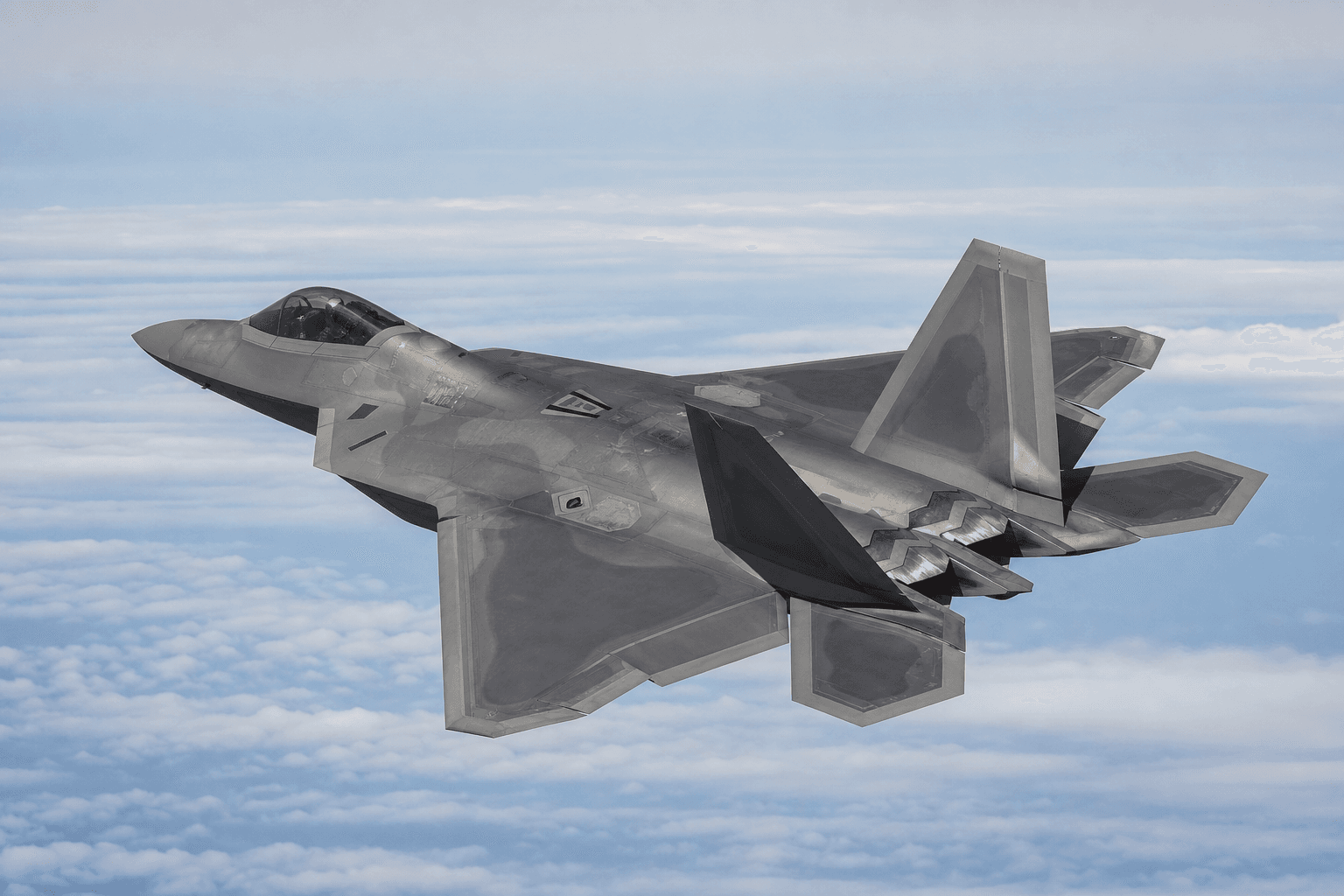
How the F-22's F119 Engine Overcame Long-Standing Fighter Jet Engine Trade-Offs
The Lockheed Martin F-22 Raptor was built as a generational leap over the existing F-15 Eagle. The F-15 Eagle was designed as an air superiority fighter , but by the 1980s, the Air Force felt it might not have the "unfair" advantage that they wanted, as the Soviet Union developed the Su-27 and MiG-29. The F-22 was initially designed as a late Cold War effort to overmatch any fighter jets the Soviets could field.
The Daily Touch & Go
The day's best aviation news in your inbox. Free, no spam.