

Illustration: The Touch & Go
Former Air India CEO Campbell Wilson Joins Air New Zealand Board of Directors
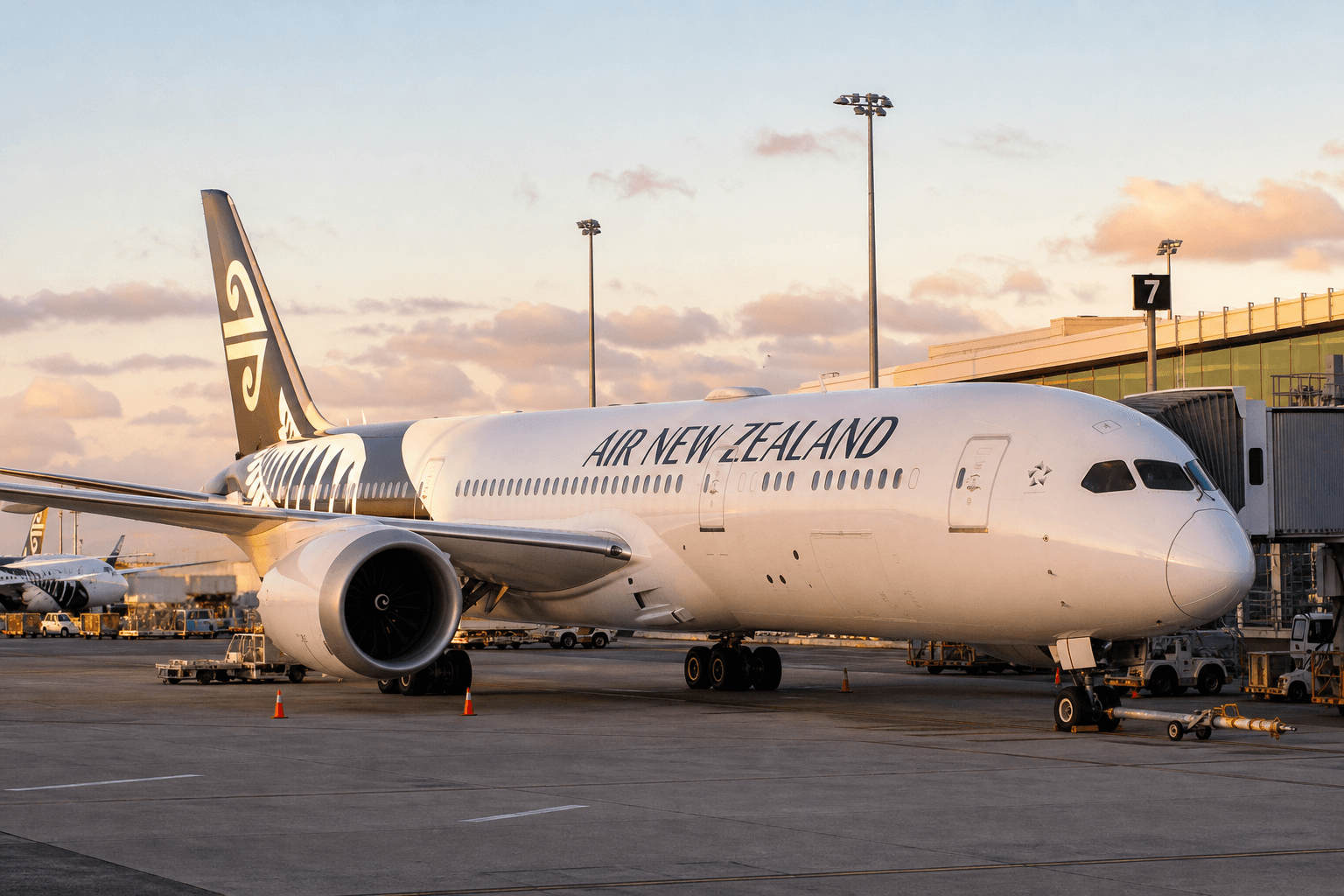
Campbell Wilson, outgoing CEO of Air India, has been appointed to Air New Zealand's board as one of two new directors, strengthening leadership at the Star Alliance member.
The gist
Campbell Wilson, recently leading Air India, now joins Air New Zealand's board, bringing Asia-Pacific airline expertise to the New Zealand flag carrier.
Campbell Wilson, who is stepping down as chief executive of Air India, has been named to the board of Air New Zealand. This appointment marks Wilson as one of two new members to the governing body of the Auckland-headquartered airline, a prominent Star Alliance carrier in the Asia-Pacific region. His experience in leading a major international airline adds significant depth to the board's expertise as Air New Zealand navigates a competitive market.
Wilson’s leadership tenure at Air India involved managing one of Asia’s largest flag carriers, overseeing critical operational and strategic advancements. His transition to Air New Zealand’s board opens avenues for cross-regional insights, especially pertinent given the evolving dynamics of Asia-Pacific air travel. The appointment reflects Air New Zealand’s intent to bolster its leadership with directors who understand complex airline environments both regionally and globally.
Air New Zealand operates a diverse international network across the Pacific, Asia, and the Americas. The addition of Wilson, who has direct experience managing an airline with a sizable presence in Asia, aligns with the carrier’s ongoing strategic focus to enhance its competitive position amid fluctuating market conditions.
The specific contributions Wilson is expected to make include advising on strategy, governance, and operational oversight, particularly in areas related to international partnerships and alliance operations. Air New Zealand has maintained a strong presence in Star Alliance, and Wilson’s knowledge from Air India, another Star Alliance member, may facilitate deeper cooperative initiatives and competitive strategies.
Wilson joins Air New Zealand’s board alongside another new appointee, further diversifying the governance group as the airline continues responding to industry challenges such as fuel cost pressures, changing passenger demand patterns, and sustainability goals. These challenges require directors who not only oversee corporate governance but also bring practical airline management perspectives.
Air New Zealand’s board typically evaluates new members based on their ability to contribute sector-specific expertise and their regional market knowledge. Wilson’s appointment underscores the value placed on executives with frontline airline experience, particularly from growing and dynamic aviation markets like India and broader Asia.
This move follows Wilson’s departure from Air India, where he was at the helm of Asia’s rapidly growing aviation sector. His accumulated knowledge of managing complex airline operations and navigating regulatory environments positions him well to support Air New Zealand’s governance.
The timing of Wilson’s board appointment coincides with Air New Zealand’s ongoing efforts to expand and optimize its international routes, manage fleet modernization programs, and work toward sustainability targets. Insight from a director familiar with a large international carrier may aid the airline in addressing these multifaceted objectives effectively.
Air New Zealand's governance, including its board composition, plays a critical role in shaping its future amid a competitive and evolving Asia-Pacific aviation landscape. The inclusion of Campbell Wilson represents a strategic step to inject seasoned airline leadership experience into the board’s deliberations, which could impact the airline’s trajectory in the coming years.
Frequently asked questions
- Who is Campbell Wilson and what recent role did he hold before joining Air New Zealand's board?
- Campbell Wilson was the chief executive officer of Air India before being appointed to the board of Air New Zealand.
- What significance does Campbell Wilson's appointment have for Air New Zealand?
- Wilson brings leadership experience from a major Asia-Pacific airline, enhancing Air New Zealand's board expertise especially in international operations and regional market knowledge.
Read more
All Airlines →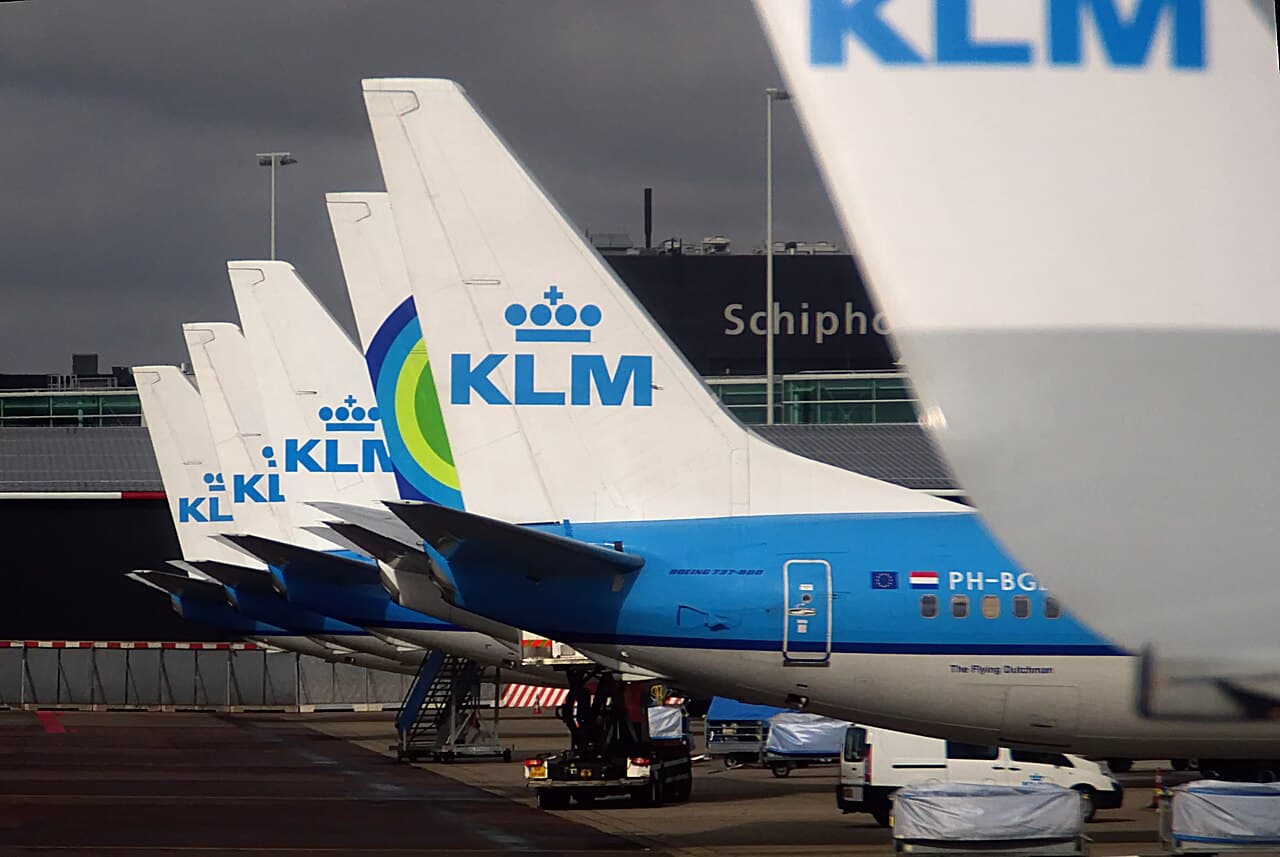
Air France-KLM Flying Blue trims award perks without hiking base mileage costs
Air France KLM Flying Blue is adding Light, Standard and Flex fare families to award redemption September 8. Base-level pricing and availability stay the same, but non-elites face a choice of fewer benefits or more miles.
Korean Air to Launch Seasonal Seoul-Melbourne Flights This Winter
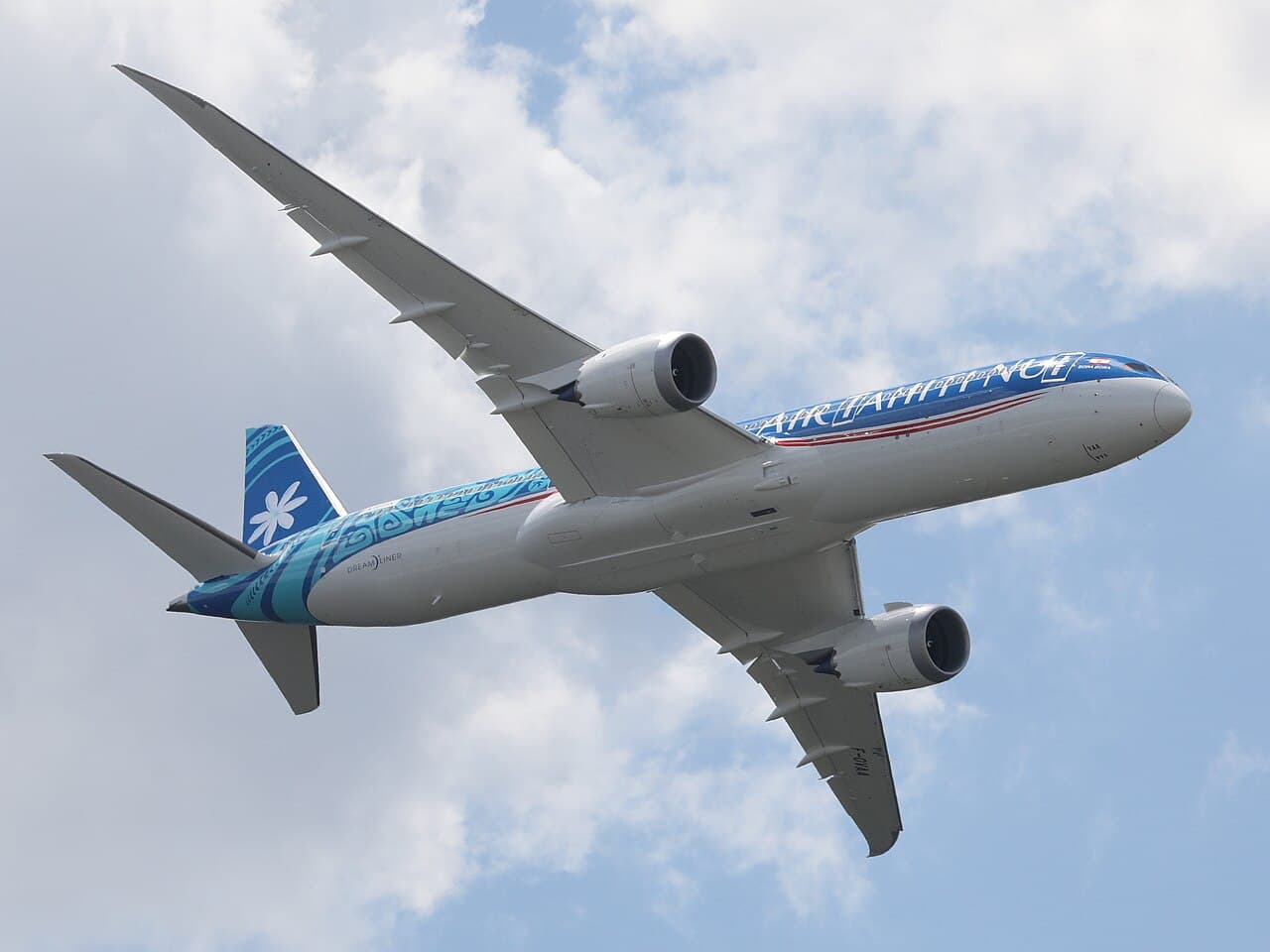
Korean Air announced it will launch non-stop services between Seoul Incheon International Airport (ICN) and Melbourne Airport (MEL), operating three times a week from December 18, 2026, through March 14, 2027. The new route is driven by steady growth in travel between South Korea and Australia, complementing Korean Air's existing year-round service to Sydney and Brisbane. The addition gives travelers expanded non-stop options to Australia's key cultural and business hubs during the peak winter travel period. A growing gateway to southern Australia Melbourne, home to more than 5.3 million residents, is a major metropolitan center known for its culture, arts, food scene, sports, and education. Korean Air said the new service is designed to support expanding cultural, business, and leisure exchange between the two countries. Flight schedule The route will be operated using Boeing 787-9 aircraft, flying every Wednesday, Friday, and Sunday. Flight KE409 departs Seoul Incheon at 0800 local time and arrives in Melbourne at 2030 local time. The return flight, KE410, departs Melbourne at 2200 local time and arrives back in Seoul Incheon at 0735 local time the following day. Melbourne joins Sydney and Brisbane as Korean Air's third year-round destination in Australia. RELATED Korean Air, Asiana secure board and shareholder approvals for December merger
American Airlines to Restore Seatback Screens on 800 Narrowbody Jets Starting 2028
What to Know American Airlines has confirmed a multi-million-dollar reversal of its 2017 decision to strip seatback screens from narrowbody jets, though the new screens won’t start arriving until 2028. In This Article Why the rollout won’t begin until 2028, and how long full fleet installation across more than 800 narrowbody aircraft is expected to take. The tech specs American is promising, including 4K displays and USB-C charging at every seat. How the seatback U-turn fits into a wider premium push, with domestic First Class seating set to grow from a quarter to 40% of the narrowbody fleet. Why United made the same reversal back in 2021 after also betting big on BYOD entertainment. Show 4 more points + .pyok-callout { display: flex; border-radius: 0; background: #f7f9fc; margin: 24px 0; font-family: -apple-system, BlinkMacSystemFont, "Helvetica Neue", Arial, sans-serif; } .pyok-callout-inner { padding: 20px 24px; width: 100%; } .pyok-callout-head { margin-bottom: 12px; } .pyok-callout-tag { font-size: 20px; font-weight: 900; letter-spacing: 0.04em; text-transform: uppercase; color: #120E43; } .pyok-callout-list { margin: 0; padding: 0; list-style: none; } .pyok-callout-list li { position: relative; padding-left: 18px; margin-bottom: 12px; font-size: 17px; line-height: 1.55; color: #1a1a1a; } .pyok-callout-list li::before { content: ""; position: absolute; left: 0; top: 9px; width: 6px; height: 6px; border-radius: 50%; background: #120E43; } .pyok-callout-list-more li:last-child { margin-bottom: 0; } .pyok-callout-subhead { text-align: center; font-size: 11px; font-weight: 700; letter-spacing: 0.1em; text-transform: uppercase; color: #8a93a3; margin: 22px 0 14px; padding-top: 14px; border-top: 1px solid #e1e7ef; } .pyok-callout-more { max-height: 0; overflow: hidden; transition: max-height 0.35s ease; } .pyok-callout-toggle { display: inline-flex; align-items: center; gap: 6px; margin-top: 10px; padding: 0; border: none; background: none; color: #120E43; font-size: 14px; font-weight: 700; cursor: pointer; } .pyok-callout-toggle:hover { text-decoration: underline; } .pyok-callout-toggle-icon { display: inline-flex; align-items: center; justify-content: center; width: 16px; height: 16px; border: 1.5px solid #120E43; border-radius: 0; font-size: 12px; line-height: 1; } (function () { document.querySelectorAll('.pyok-callout-toggle').forEach(function (btn) { btn.addEventListener('click', function () { var card = btn.closest('.pyok-callout-inner'); var more = card.querySelector('[data-more]'); var isOpen = btn.getAttribute('aria-expanded') === 'true'; var textEl = btn.querySelector('.pyok-callout-toggle-text'); var iconEl = btn.querySelector('.pyok-callout-toggle-icon'); if (isOpen) { more.style.maxHeight = '0px'; btn.setAttribute('aria-expanded', 'false'); textEl.textContent = btn.dataset.moreText; iconEl.textContent = '+'; } else { more.style.maxHeight = more.scrollHeight + 'px'; btn.setAttribute('aria-expanded', 'true'); textEl.textContent = btn.dataset.lessText; iconEl.textContent = '\u2212'; } }); }); })(); Back in March, it was revealed that American Airlines was “seriously considering” installing seatback screens across its narrowbody airplane fleet after taking the controversial decision to rip them out in 2017. On Tuesday, the Texas-based carrier announced a multi-million-dollar U-turn as it seeks to better compete with Delta and United Airlines. Unfortunately, though, passengers will have to be patient as the return of seatback screens to narrowbody planes isn’t going to happen overnight. In fact, the first narrowbody aircraft with seatback entertainment won’t enter American’s fleet until 2028. American Airlines plans to install seatback TV screens on more than 800 mainline narrowbody aircraft. A costly exercise but one that the airline clearly thinks is necessary if it is to compete with premium rivals, Delta and United Airlines. That’s the point at which every new Airbus A320 series aircraft and Boeing 737 jet that is delivered to American Airlines will have seatback entertainment installed as standard. At the same time, American Airlines will start retrofitting its existing fleet to have seatback TV screens installed. Unsurprisingly, this project could take some time to complete, but the airline is painfully aware that it needs to race to keep up with its premium rivals, so is promising to complete the rollout “as quickly as possible, with full fleet installation of more than 800 mainline narrowbody aircraft expected to be complete by early next decade.” Once installed, however, the carrier is promising ‘industry-leading’ screen sizes, 4K definition, Bluetooth headphone pairing, an expanded range of content, and USB-C fast charging ports at every seat. “ We’re making one of the most significant investments in the onboard experience in our history. From next-generation seatback entertainment at every seat to substantially more premium seating options, these enhancements will give our customers more ways to relax, stay connected and enjoy their journey. Heather Garboden, Chief Customer Officer, American Airlines .pyok-quote { display: flex; background: #f7f9fc; border-radius: 0; margin: 28px 0; font-family: -apple-system, BlinkMacSystemFont, "Helvetica Neue", Arial, sans-serif; } .pyok-quote-inner { padding: 24px 28px 22px; width: 100%; position: relative; } .pyok-quote-mark { display: block; font-family: Georgia, "Times New Roman", serif; font-size: 48px; line-height: 1; font-weight: 700; color: #120E43; opacity: 0.25; margin-bottom: -8px; } .pyok-quote-text { margin: 0; padding: 0; border: none; font-family: Georgia, "Times New Roman", serif; font-size: 19px; line-height: 1.6; font-weight: 400; font-style: italic; color: #120E43; } .pyok-quote-attribution { margin: 14px 0 0; font-size: 13px; font-weight: 700; letter-spacing: 0.02em; text-transform: uppercase; color: #8a93a3; } American Airlines entered its failed era of screenless narrowbody aircraft in 2017 when it took delivery of its first Boeing 737MAX-8 airplane with a new-look interior, which featured smaller lavatories and less legroom in coach. Despite widespread criticism of the new look, the following year, American Airlines rolled out the concept on older planes as part of its so-called 'Project Oasis' retrofit project. At the time, American Airlines believed that it needed to compete against discounters like Frontier Airlines and Spirit Airlines with a vast domestic network and low fares. In the years since, American's profit margins have been eaten away, while Delta and United steal high-spending passengers looking for a premium experience. Even as it became crystal clear that American’s strategy was failing, executives refused to concede that Project Oasis was a costly mistake that had to be reversed. Tuesday’s announcement is part of a wider pivot towards premium passengers, with the airline also announcing a major increase in the number of premium seats across its narrowbody fleet. At present, premium seats account for around a quarter of all seating on American’s narrowbody fleet. In the future, premium seating will grow to around 40% of available seats. This process has already started with retrofits of older Airbus A319 and A320 aircraft . Domestic First Class cabins on reconfigured airplanes will increase in size as follows. The A319 goes from 8 First Class seats to 12 First Class seats. The A320 goes from 12 First Class seats to 16 First Class seats Upcoming deliveries of Boeing 737 MAX 10 aircraft will have 24 First Class seats, while the airline has also promised more First Class seats on yet-to-be-delivered Airbus A321 airplanes. Along with more First Class seats, American will also install more Main Cabin Extra seats. Despite being an incredibly expensive mistake, American’s decision to abandon ‘Project Oasis’ will give it a structural advantage:
American Airlines to Boost First Class and Extra Legroom Seats on Narrow Body Jets
It's a pretty exciting time when it comes to passenger experience announcements at American Airlines. In a separate post, I covered how the Fort Worth-based airline will be bringing back seat back screens on all mainline narrow body planes as of 2028. That's only part of the announcement, though, as the airline has also revealed plans to add a lot more premium seats across its entire narrow body fleet, and this is great news. American growing premium seating from 25% to 40% Unrelated to American's relative "premium" position in the market, there's no denying that one general industry trend has been the increase in premium seating demand, whether it's for first or business class, or even for extra legroom economy. So along those lines, American has announced that it plans to greatly increase its amount of premium seating across the narrow body fleet, as part of the same project that will see the airline install seat back entertainment. American plans to significantly increase the number of first class and extra legroom economy seats (marketed as Main Cabin Extra) throughout its fleet. This project will come both by retrofitting existing aircraft, and by taking delivery of new aircraft with an updated configuration. The airline states that currently around 25% of seats on narrow body aircraft are premium, while when this project is complete, 40% of seats will be premium. That's a really meaningful change. American is greatly expanding Main Cabin Extra seating How many more premium seats is American installing? American isn't revealing the full details just yet of how the layout of various planes will be changing, though the airline is providing some information: American's Boeing 737 MAX 10s will be delivered (as of 2029) with 24 first class seats, and American will also retrofit its Airbus A321neos with 24 first class seats (the project will start in late 2028); currently, you'll find at most 20 first class seats on any American narrow body plane; this complements American currently retrofitting A319s and A320s to add a row of first class seats American will retrofit a majority of its narrow body fleet to meaningfully expand the number of Main Cabin Extra seats, so that there are more opportunities for elite members to assign these, and also for all passengers to purchase them American will also refresh the interiors of virtually all narrow body planes, including adding more storage, redesigned seats, and enhanced lighting American Airbus A321neos will get more first class seats This is a change at American I'm excited about If you ask me, American changing its cabin layouts is an even bigger announcement than the airline installing seat back TVs. One extreme point of frustration I've had with American is the lack of Main Cabin Extra seats. American's most common type of aircraft is the Boeing 737 (the 737-800s and 737 MAX 8s have identical layouts), and the planes have just 24 Main Cabin Extra seats. 12 of those seats are in exit rows, then there's the bulkhead row ( two of those seats are blocked until 24 hours out ), and then there's one more row of Main Cabin Extra. It's just ridiculous how hard it is to score one of those seats, especially if you're traveling with family, and can't sit in an exit row. Compare that to the same planes at United (which has 54 Economy Plus seats) and Delta (which has 36 Comfort+ seats). So I'm very much looking forward to that. Meanwhile when it comes to the increase in the size of the first class cabin, it's awesome to see the airline going for 24 first class seats on its larger narrow body planes. I think sooner rather than later that will become the norm in the US, as Delta is expected to install a similar number of first class seats on its upcoming Boeing 737 MAX 10s. American is obviously taking a page out of United's playbook Bottom line American Airlines has announced that it will greatly increase premium seating in its narrow body fleet. Beyond what has already been announced, the airline has committed to installing 24 first class seats on newly delivered Boeing 737 MAX 10s and on existing Airbus A321neos. The catch is that the project will only begin in late 2028, more than two years from now. Furthermore, the airline will greatly increase the number of Main Cabin Extra seats, which is long overdue. Between this and plans to reintroduce seat back screens, it's the single biggest passenger experience announcement we've seen from American in a very long time. The only issue is that we'll have to be patient, as it'll be the early 2030s (best case scenario) before this project is complete. What do you make of American's plans to increase premium seating?
The Daily Touch & Go
The day's best aviation news in your inbox. Free, no spam.