

Image: New York-air · CC BY-SA 4.0 · via Wikimedia Commons
Korean Air to Launch Seasonal Seoul-Melbourne Flights This Winter
Starting December 18, 2026, Korean Air will operate thrice-weekly nonstop flights between Seoul Incheon and Melbourne through March 14, 2027, expanding its Australian network.
The gist
Korean Air adds seasonal Seoul-Melbourne 787-9 flights thrice weekly from Dec 2026 to Mar 2027, boosting connectivity to Australia.
Continuing coverage
All Boeing 787-9 →- Vietnam Airlines B787-9 Overruns Munich Runway with Late Rotation, Sustains Gear Damage
- EVA Air Sets Transpacific Business Class Standard with 60 Inches of Legroom
- Qantas Operates 11 Ultra-Long Nonstop Flights with Melbourne-Dallas Route as Longest
- Air Canada launches new long-haul routes to Tenerife and Sapporo for 2026/27 winter
- IndiGo Halts Leased Widebody Flights, Awaits Airbus A350 to Restart Long-Haul Service
Korean Air is set to introduce nonstop seasonal flights linking Seoul Incheon International Airport (ICN) and Melbourne Airport (MEL), starting December 18, 2026. The service will operate three times a week until March 14, 2027, focusing on the peak winter travel window between South Korea and Australia. This new link provides additional direct air connectivity to Melbourne, complementing Korean Air’s existing year-round operations to Sydney and Brisbane, thereby strengthening its presence in the Australian market.
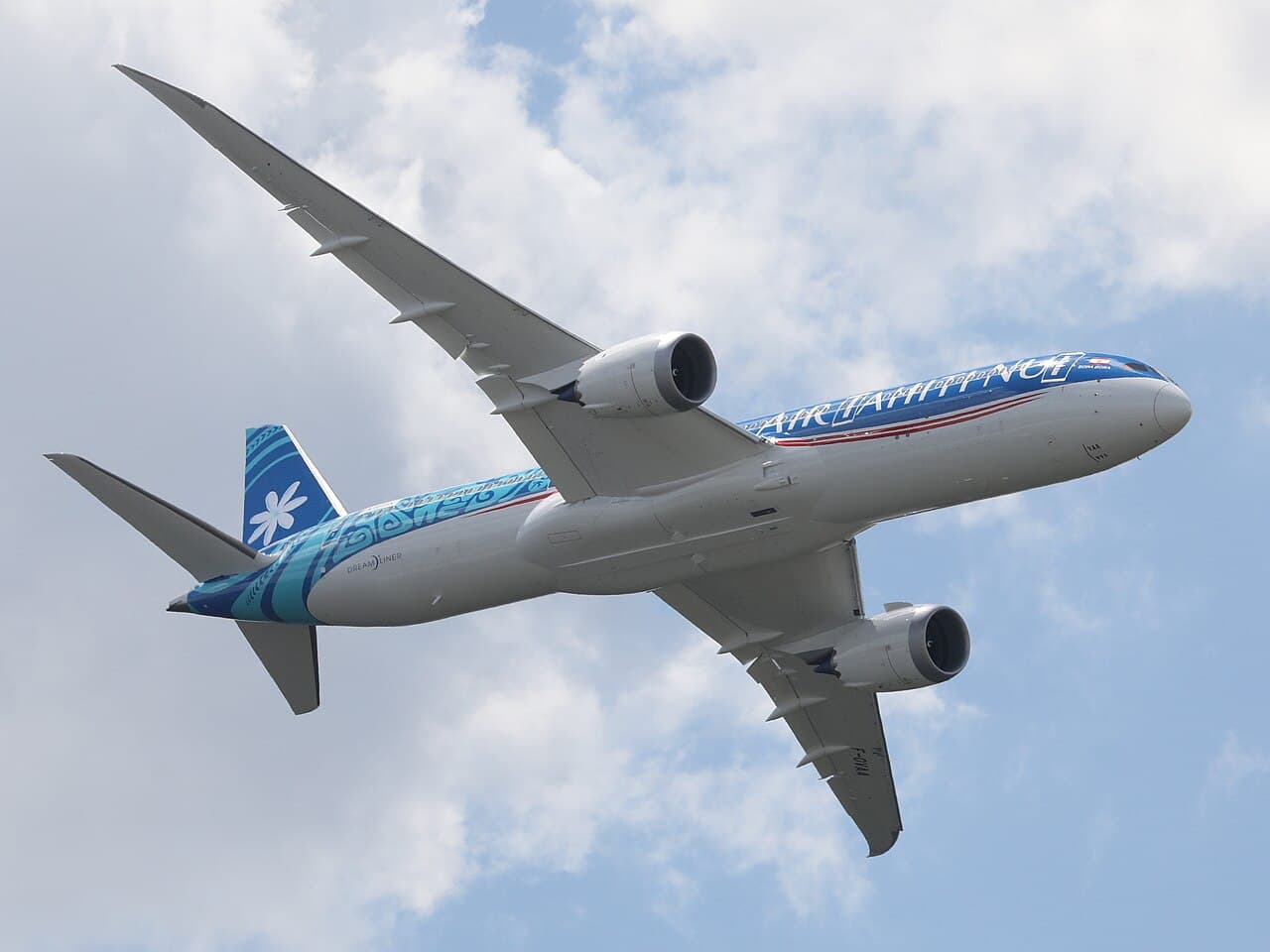
The new Seoul-Melbourne route will be served by the Boeing 787-9 Dreamliner, a wide-body aircraft known for its fuel efficiency and passenger comfort on long-haul flights. Flights will run every Wednesday, Friday, and Sunday. Flight KE409 will depart ICN at 08:00 local time, arriving in Melbourne at 20:30 local time on the same day. The return leg, KE410, departs Melbourne at 22:00 and lands back in Seoul at 07:35 the following morning, effectively linking these two major cities with overnight travel on the return segment.
Melbourne, with a population exceeding 5.3 million, is one of Australia’s largest metropolitan centers, celebrated for its vibrant cultural scene, sports events, culinary offerings, and educational institutions. Korean Air emphasized that the route aims to support the expanding cultural, business, and leisure exchanges between South Korea and Australia. This move aligns with the airline’s broader strategy to connect Korea with key global cities, particularly in regions showing rising passenger demand.
The establishment of this seasonal Melbourne service signifies Korean Air’s response to steady growth in travel volume between Korea and Australia. By adding Melbourne, the airline offers more options to travelers for non-stop connections to Australia’s southern region, potentially capturing a larger share of the market during the high-demand winter months. The timing caters to tourists and business travelers heading to Australia’s culturally and economically important centers.
This route expansion enhances Korean Air’s Australian network, which already includes two other year-round destinations: Sydney and Brisbane. Together, these three cities form critical gateways for the airline’s passenger and cargo traffic to and from the continent. The seasonal Melbourne service will provide seamless travel opportunities and flexibility to passengers seeking to access southern Australia’s business and cultural hubs without the need to connect through intermediate points.
Operationally, deploying the 787-9 aircraft on this route allows Korean Air to balance capacity and range requirements efficiently. The aircraft’s modern design reduces fuel consumption and emissions, aligning with the airline’s environmental commitments. Additionally, the chosen schedule maximizes aircraft utilization while offering convenient departure and arrival times tailored to passenger preferences on both ends.
This announcement comes at a time when Korean Air and Asiana Airlines are progressing through regulatory approvals for their scheduled December merger. The enhanced route network underscores Korean Air’s ambitions to leverage combined strengths and expand its international footprint post-merger. The launch of Seoul-Melbourne flights illustrates the airline’s commitment to broadening its long-haul service offerings as part of a comprehensive growth strategy.
Introducing a direct seasonal flight to Melbourne also has implications for fostering bilateral ties. More accessible air travel supports tourism inflows, educational exchanges, and trade partnerships between South Korea and Victoria state. For Melbourne, this new aerial link further elevates its status as a global city connected to Asia-Pacific markets, potentially driving economic and cultural benefits within the region.
The seasonal Seoul-Melbourne flights reflect Korean Air’s adaptive approach in responding to market demands and capitalizing on growth corridors. The aircraft and schedule choices suggest a measured expansion targeting high-yield periods. As winter 2026 approaches, travelers will gain a valuable new travel option to Melbourne, reinforcing Korean Air’s role as a key player in intercontinental routes between Korea and Australia.
Frequently asked questions
- When will Korean Air start its seasonal nonstop flights between Seoul and Melbourne?
- Korean Air will begin its seasonal nonstop flights on December 18, 2026, operating through March 14, 2027.
- What aircraft will Korean Air use for the Seoul-Melbourne route?
- The airline will use Boeing 787-9 aircraft for the Seoul Incheon to Melbourne nonstop flights.
- How often will Korean Air's Seoul-Melbourne flights operate during the season?
- The service will operate three times weekly, on Wednesdays, Fridays, and Sundays.
Read more
All Airlines →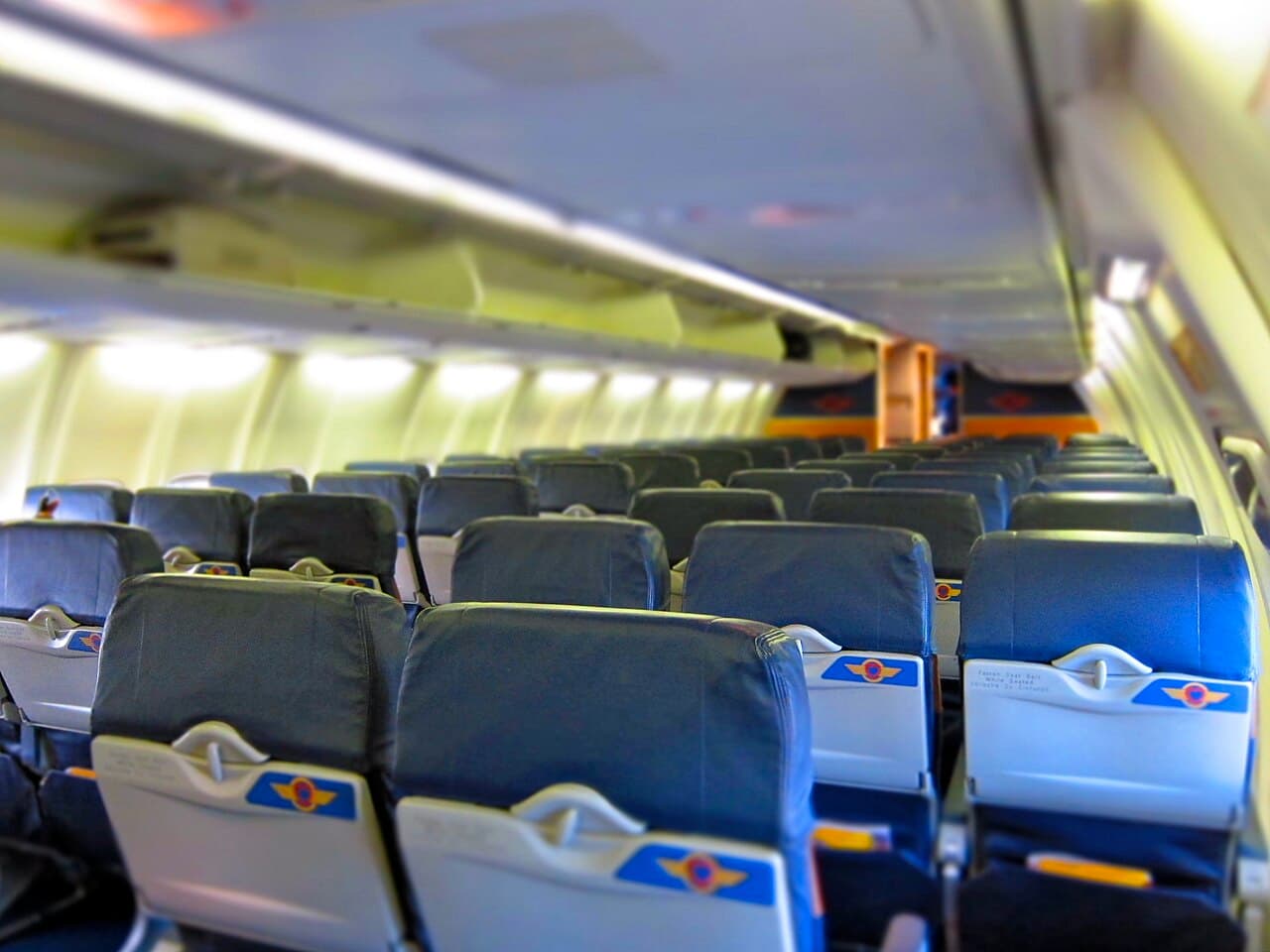
American Airlines Revamps Narrowbody Fleet With Seatback Screens and More Premium Seating
American Airlines is transforming its narrowbody fleet with one of its biggest onboard investments yet. The airline will install modern seatback entertainment screens at every seat. It will also expand premium and spacious seating options across the fleet. ezstandalone.cmd.push(function () { ezstandalone.showAds(119); }); These changes aim to give customers more ways to relax and stay connected during flights. Chief Customer Officer Heather Garboden highlighted the scale of the project. “We’re making one of the most significant investments in the onboard experience in our history,” she said. ezstandalone.cmd.push(function () { ezstandalone.showAds(127); }); “From next-generation seatback entertainment at every seat to substantially more premium seating options, these enhancements will give our customers more ways to relax, stay connected and enjoy their journey.” More Premium Seats on Narrowbody Aircraft American plans to raise the share of premium seats on narrowbody departures. Today those seats make up about 25 percent of the total. In the coming years the figure will climb to roughly 40 percent. The airline will achieve this through retrofits on existing planes and new aircraft deliveries. ezstandalone.cmd.push(function () { ezstandalone.showAds(128); }); Customers will see several clear benefits. First Class seating will grow. American is already adding an extra row of First Class on its Airbus A319 and A320 aircraft. Upcoming Boeing 737 MAX 10 planes will feature 24 First Class seats. The A321neo fleet will also receive more First Class positions. ezstandalone.cmd.push(function () { ezstandalone.showAds(129); }); Main Cabin Extra will expand as well. Most of the narrowbody fleet will gain additional Main Cabin Extra seats. These offer extra legroom, earlier boarding, dedicated overhead bin space, and a complimentary beverage. Refreshed interiors will add more storage, redesigned seats, and improved lighting. Next-Generation Seatback Entertainment To complement the new cabin layouts, American will equip its narrowbody fleet with advanced seatback screens. Installation begins on all new Airbus and Boeing deliveries starting in 2028. Retrofitted aircraft will receive the screens too. The airline already offers seatback screens on more than 140 long-haul planes. Full narrowbody installation is expected by the early next decade. ezstandalone.cmd.push(function () { ezstandalone.showAds(130); }); The new system delivers several standout features. Screens rank among the largest on narrowbody aircraft in North America. They use 4K technology for sharp color, contrast, and clarity. Passengers will find a wide selection of movies, TV shows, music, and games. Personalized recommendations and interactive flight maps with real-time data will enhance the experience. Every seat includes USB-C fast-charging ports and Bluetooth audio for personal headphones. High-speed Starlink Wi-Fi will arrive on narrowbody aircraft beginning in 2027. Combined with the new screens, this creates a more connected and personalized flight. ezstandalone.cmd.push(function () { ezstandalone.showAds(131); }); Photo Credit: American Airlines A Wider Focus on Customer Service These upgrades form part of a larger effort to improve travel from booking to arrival. American continues to invest in lounges with expanded Flagship and Admirals Club locations plus elevated food options. Premium dining includes brands such as Champagne Bollinger and Lavazza coffee. Digital tools streamline booking, bag tracking, and other steps. American Airlines operates more than 6,000 daily flights to over 350 destinations in more than 60 countries. The carrier serves more than 200 million customers each year with a team of 130,000 people. In 2026 the airline marks its centennial year. ezstandalone.cmd.push(function () { ezstandalone.showAds(132); }); Through these fleet changes, American aims to deliver greater comfort and entertainment for both frequent flyers and occasional travelers. The combination of more premium seats, modern screens, and high-speed connectivity marks a clear step forward in the onboard experience.
Former Air India CEO Campbell Wilson Joins Air New Zealand Board of Directors
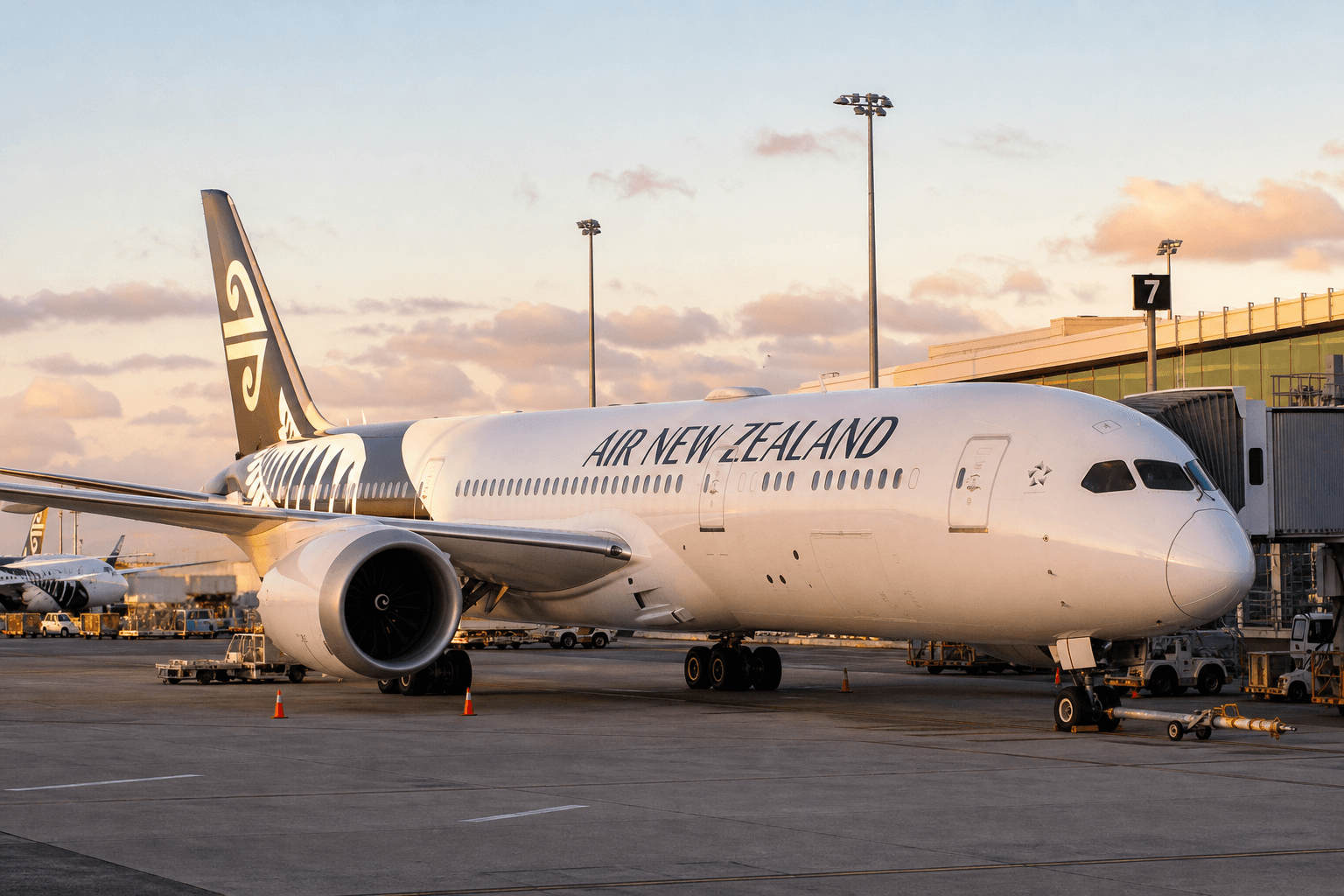
Wilson is one of two new appointees to the Auckland-based Star Alliance carrier’s board. Air New Zealand is to appoint outgoing Air India chief executive Campbell Wilson as one of its directors, as part of wider changes to the airline's board. Wilson, who resigned from Air India in April and is currently serving his notice period, will be appointed at Air New Zealand's annual shareholders' meeting on 24 September. The New Zealander is one of two new board appointees, the other being former Air New Zealand finance chief Robert McDonald. Together, the duo will replace outgoing director Larry De Shon, who will retire at the shareholders' meeting in September. The board changes come as Air New Zealand continues to face operational challenges, brought about by high fuel prices and ongoing supply-chain issues. Wilson joined Air India in 2022 from Singapore Airlines, and oversaw the Indian national carrier's transformation efforts post-privatisation. He is succeeded by former Ethiopian Airlines head Tewolde Gebremariam.
Air France-KLM Flying Blue trims award perks without hiking base mileage costs
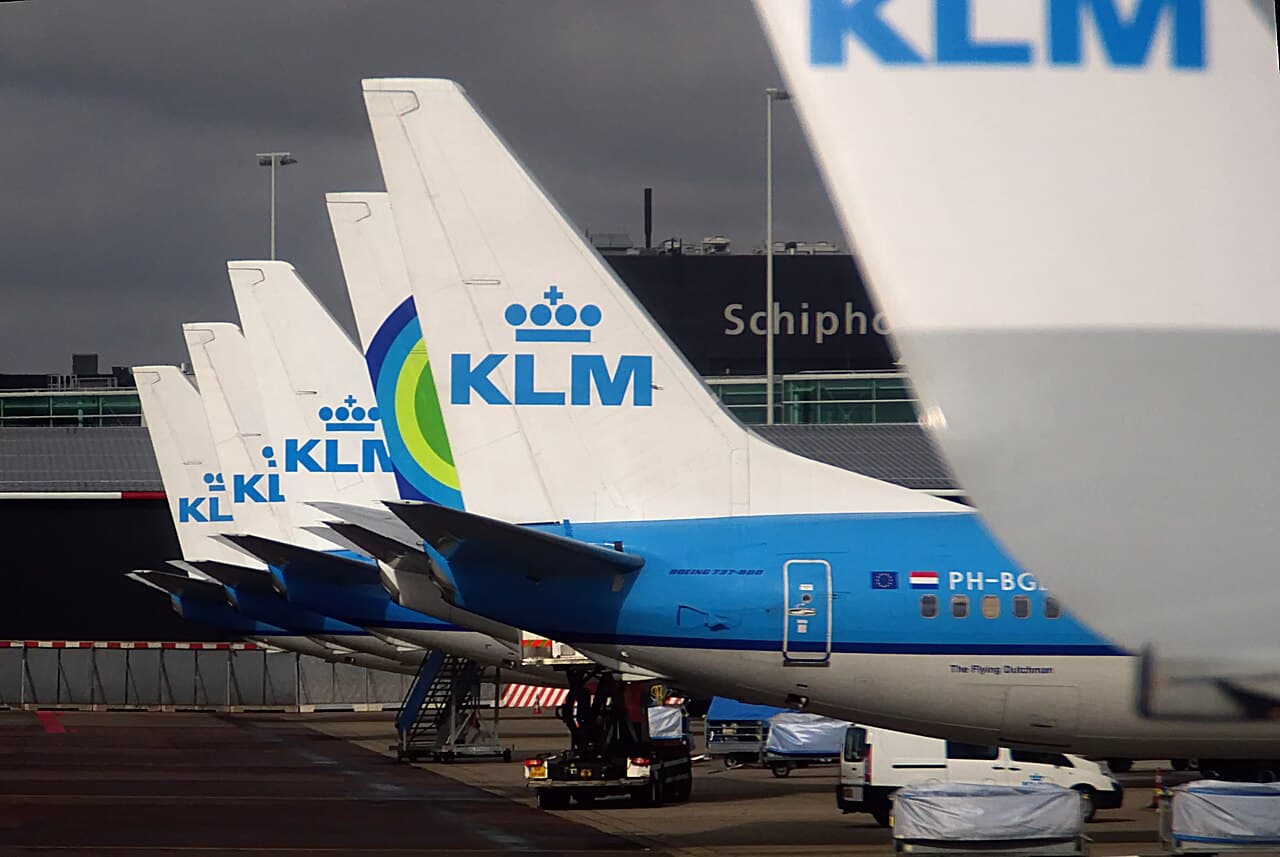
Air France KLM Flying Blue is adding Light, Standard and Flex fare families to award redemption September 8. Base-level pricing and availability stay the same, but non-elites face a choice of fewer benefits or more miles.
American Airlines to Restore Seatback Screens on 800 Narrowbody Jets Starting 2028
What to Know American Airlines has confirmed a multi-million-dollar reversal of its 2017 decision to strip seatback screens from narrowbody jets, though the new screens won’t start arriving until 2028. In This Article Why the rollout won’t begin until 2028, and how long full fleet installation across more than 800 narrowbody aircraft is expected to take. The tech specs American is promising, including 4K displays and USB-C charging at every seat. How the seatback U-turn fits into a wider premium push, with domestic First Class seating set to grow from a quarter to 40% of the narrowbody fleet. Why United made the same reversal back in 2021 after also betting big on BYOD entertainment. Show 4 more points + .pyok-callout { display: flex; border-radius: 0; background: #f7f9fc; margin: 24px 0; font-family: -apple-system, BlinkMacSystemFont, "Helvetica Neue", Arial, sans-serif; } .pyok-callout-inner { padding: 20px 24px; width: 100%; } .pyok-callout-head { margin-bottom: 12px; } .pyok-callout-tag { font-size: 20px; font-weight: 900; letter-spacing: 0.04em; text-transform: uppercase; color: #120E43; } .pyok-callout-list { margin: 0; padding: 0; list-style: none; } .pyok-callout-list li { position: relative; padding-left: 18px; margin-bottom: 12px; font-size: 17px; line-height: 1.55; color: #1a1a1a; } .pyok-callout-list li::before { content: ""; position: absolute; left: 0; top: 9px; width: 6px; height: 6px; border-radius: 50%; background: #120E43; } .pyok-callout-list-more li:last-child { margin-bottom: 0; } .pyok-callout-subhead { text-align: center; font-size: 11px; font-weight: 700; letter-spacing: 0.1em; text-transform: uppercase; color: #8a93a3; margin: 22px 0 14px; padding-top: 14px; border-top: 1px solid #e1e7ef; } .pyok-callout-more { max-height: 0; overflow: hidden; transition: max-height 0.35s ease; } .pyok-callout-toggle { display: inline-flex; align-items: center; gap: 6px; margin-top: 10px; padding: 0; border: none; background: none; color: #120E43; font-size: 14px; font-weight: 700; cursor: pointer; } .pyok-callout-toggle:hover { text-decoration: underline; } .pyok-callout-toggle-icon { display: inline-flex; align-items: center; justify-content: center; width: 16px; height: 16px; border: 1.5px solid #120E43; border-radius: 0; font-size: 12px; line-height: 1; } (function () { document.querySelectorAll('.pyok-callout-toggle').forEach(function (btn) { btn.addEventListener('click', function () { var card = btn.closest('.pyok-callout-inner'); var more = card.querySelector('[data-more]'); var isOpen = btn.getAttribute('aria-expanded') === 'true'; var textEl = btn.querySelector('.pyok-callout-toggle-text'); var iconEl = btn.querySelector('.pyok-callout-toggle-icon'); if (isOpen) { more.style.maxHeight = '0px'; btn.setAttribute('aria-expanded', 'false'); textEl.textContent = btn.dataset.moreText; iconEl.textContent = '+'; } else { more.style.maxHeight = more.scrollHeight + 'px'; btn.setAttribute('aria-expanded', 'true'); textEl.textContent = btn.dataset.lessText; iconEl.textContent = '\u2212'; } }); }); })(); Back in March, it was revealed that American Airlines was “seriously considering” installing seatback screens across its narrowbody airplane fleet after taking the controversial decision to rip them out in 2017. On Tuesday, the Texas-based carrier announced a multi-million-dollar U-turn as it seeks to better compete with Delta and United Airlines. Unfortunately, though, passengers will have to be patient as the return of seatback screens to narrowbody planes isn’t going to happen overnight. In fact, the first narrowbody aircraft with seatback entertainment won’t enter American’s fleet until 2028. American Airlines plans to install seatback TV screens on more than 800 mainline narrowbody aircraft. A costly exercise but one that the airline clearly thinks is necessary if it is to compete with premium rivals, Delta and United Airlines. That’s the point at which every new Airbus A320 series aircraft and Boeing 737 jet that is delivered to American Airlines will have seatback entertainment installed as standard. At the same time, American Airlines will start retrofitting its existing fleet to have seatback TV screens installed. Unsurprisingly, this project could take some time to complete, but the airline is painfully aware that it needs to race to keep up with its premium rivals, so is promising to complete the rollout “as quickly as possible, with full fleet installation of more than 800 mainline narrowbody aircraft expected to be complete by early next decade.” Once installed, however, the carrier is promising ‘industry-leading’ screen sizes, 4K definition, Bluetooth headphone pairing, an expanded range of content, and USB-C fast charging ports at every seat. “ We’re making one of the most significant investments in the onboard experience in our history. From next-generation seatback entertainment at every seat to substantially more premium seating options, these enhancements will give our customers more ways to relax, stay connected and enjoy their journey. Heather Garboden, Chief Customer Officer, American Airlines .pyok-quote { display: flex; background: #f7f9fc; border-radius: 0; margin: 28px 0; font-family: -apple-system, BlinkMacSystemFont, "Helvetica Neue", Arial, sans-serif; } .pyok-quote-inner { padding: 24px 28px 22px; width: 100%; position: relative; } .pyok-quote-mark { display: block; font-family: Georgia, "Times New Roman", serif; font-size: 48px; line-height: 1; font-weight: 700; color: #120E43; opacity: 0.25; margin-bottom: -8px; } .pyok-quote-text { margin: 0; padding: 0; border: none; font-family: Georgia, "Times New Roman", serif; font-size: 19px; line-height: 1.6; font-weight: 400; font-style: italic; color: #120E43; } .pyok-quote-attribution { margin: 14px 0 0; font-size: 13px; font-weight: 700; letter-spacing: 0.02em; text-transform: uppercase; color: #8a93a3; } American Airlines entered its failed era of screenless narrowbody aircraft in 2017 when it took delivery of its first Boeing 737MAX-8 airplane with a new-look interior, which featured smaller lavatories and less legroom in coach. Despite widespread criticism of the new look, the following year, American Airlines rolled out the concept on older planes as part of its so-called 'Project Oasis' retrofit project. At the time, American Airlines believed that it needed to compete against discounters like Frontier Airlines and Spirit Airlines with a vast domestic network and low fares. In the years since, American's profit margins have been eaten away, while Delta and United steal high-spending passengers looking for a premium experience. Even as it became crystal clear that American’s strategy was failing, executives refused to concede that Project Oasis was a costly mistake that had to be reversed. Tuesday’s announcement is part of a wider pivot towards premium passengers, with the airline also announcing a major increase in the number of premium seats across its narrowbody fleet. At present, premium seats account for around a quarter of all seating on American’s narrowbody fleet. In the future, premium seating will grow to around 40% of available seats. This process has already started with retrofits of older Airbus A319 and A320 aircraft . Domestic First Class cabins on reconfigured airplanes will increase in size as follows. The A319 goes from 8 First Class seats to 12 First Class seats. The A320 goes from 12 First Class seats to 16 First Class seats Upcoming deliveries of Boeing 737 MAX 10 aircraft will have 24 First Class seats, while the airline has also promised more First Class seats on yet-to-be-delivered Airbus A321 airplanes. Along with more First Class seats, American will also install more Main Cabin Extra seats. Despite being an incredibly expensive mistake, American’s decision to abandon ‘Project Oasis’ will give it a structural advantage:
The Daily Touch & Go
The day's best aviation news in your inbox. Free, no spam.