


AI-generated illustration
Fractional Operators Grow More Than 10% as Charter and Corporate Flight Departments Shrink in 2026
Business aviation activity rose 4.2% globally in the first half of 2026, but JETNET data shows fractional programs taking the gains while charter fell 3.1% and corporate flight departments dropped 8.9%.
The gist
Private jet flying is up in 2026, but fractional programs are taking the growth while charter and corporate flight departments lose ground.
Private aviation kept growing through the first half of 2026 despite higher fuel prices, international tensions and tighter corporate budgets. The growth did not reach every part of the market. Fractional operators expanded activity by more than 10%, while charter operators and corporate flight departments both flew less, according to mid-year market data from JETNET.
ARGUS International's TRAQPak mid-year review, published July 22, 2026, put global business aviation flight activity up 4.2% in the first six months compared with the same period of 2025. Global business jet departures rose about 4% over the half. Those topline numbers suggest a healthy market, but the breakdown by operating model points the other way for two of the three main segments.
JETNET's figures show charter operator activity down 3.1% and corporate flight department activity down 8.9%. The second figure means companies running their own aircraft cut flying by close to a tenth in a year when the overall market grew. Fractional programs, meanwhile, posted double-digit gains.
North America accounted for 65% of all business aviation flight activity, keeping its place as the largest market by a wide margin. ARGUS said North American activity rose 3.5% year over year. That made the first half of 2026 the strongest first half for the region in any of the past four years.
Under fractional ownership, a customer buys a share of a jet and flies it within the terms of an agreement, while the operator handles maintenance, crewing and scheduling. That arrangement gives predictable access without the cost and workload of owning a whole aircraft. Charter, by contrast, serves travelers with irregular schedules on a trip-by-trip basis, and full ownership suits the most frequent flyers. The JETNET numbers indicate that customers are moving toward shared programs rather than leaving private flying altogether.
Part of the demand has come from new money. Wealth generated by technology and artificial intelligence has brought first-time customers into private aviation, and many of them expect quick answers on availability, price and timing, often by phone rather than through long email exchanges. Private bookings still depend on aircraft availability, destination requirements and scheduling constraints, and new wealth does not guarantee repeat business. Those first-time, speed-focused buyers line up with the predictable access that fractional programs sell.
Ameerh Naran, chief executive of Vimana Private Jets, said time savings remain a main reason demand has held up. For executives running businesses across several locations, he said, being able to depart when needed can be worth a great deal, even when the flight costs more than an airline ticket.
Fuel remains a pressure point for all operators, who must cover costs regardless of how eager customers are to fly. Charter companies and corporate flight departments face the same fuel and operating expenses as fractional providers while competing for travelers who are increasingly signing up for shared programs. The next ARGUS and JETNET readings will show whether fractional operators keep their lead and whether charter and corporate flight department activity levels off.
Originally reported by Avi-Go
Read more
All Business Aviation →
Textron Sells Kautex and Specialized Vehicles Units for $1.2 Billion to Become Pure Aerospace and Defense Firm
Textron agreed to sell its industrial businesses to a Kingswood Capital Management affiliate, leaving Textron Aviation, Bell, and Textron Systems as its remaining operations.
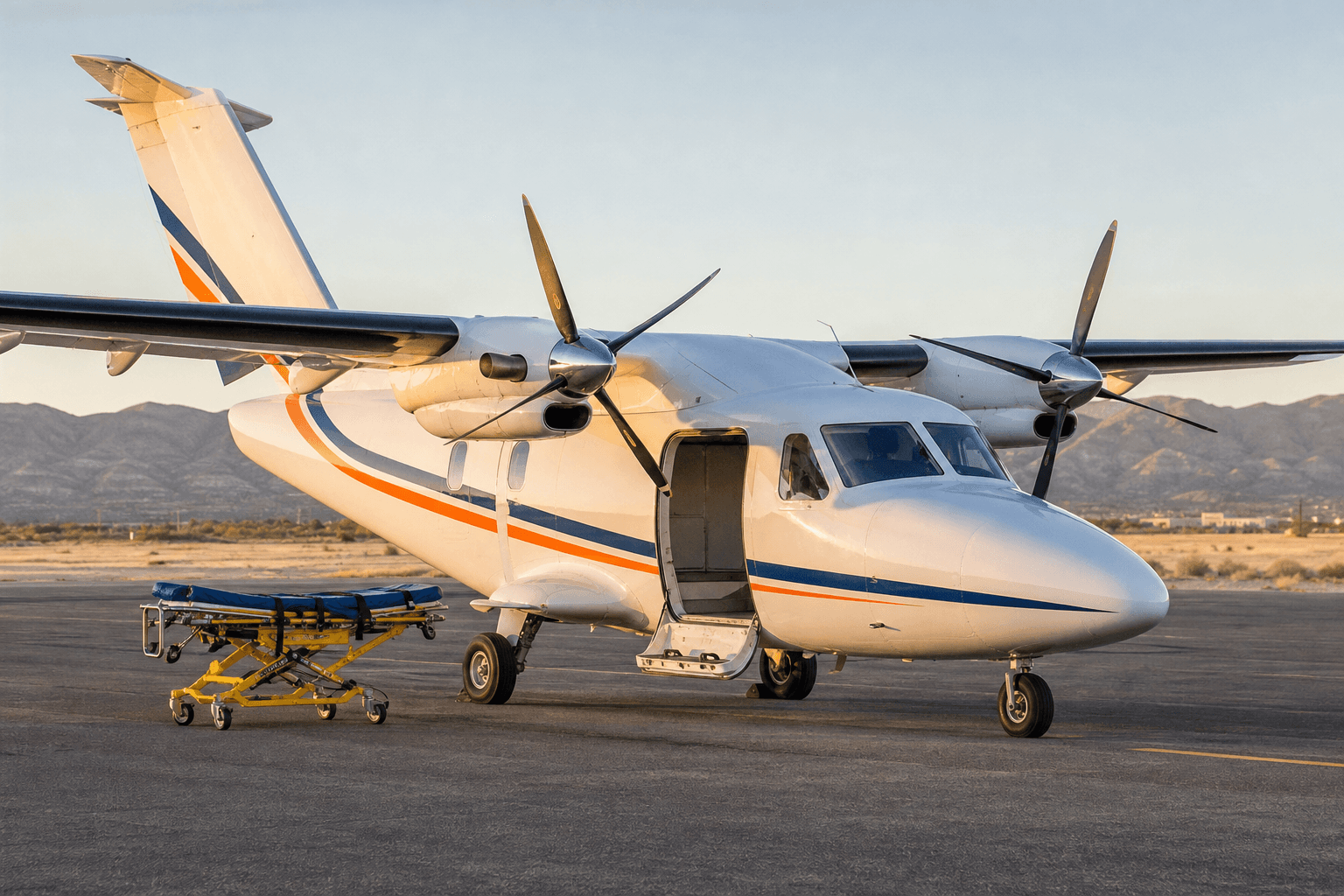
Textron Delivers First Aero-Medical Cessna SkyCouriers in Africa to Sonatrach Unit Tassili Travail Aérien
Algeria's Tassili Travail Aérien has taken two SkyCouriers fitted with a convertible medevac system to fly crews, cargo and patients for the country's energy sector from Algiers and Hassi Messaoud.

Israir Group Moves Into Private Flying with Two Bombardier Challenger 605 Jets
The Israeli leisure carrier told investors in Cyprus it will launch a business jet division with two Challenger 605s, extending a premium push that began with A330 flights to New York.

Saudi the Helicopter Company Confirms $568M Bombardier Business Jet Order
The Helicopter Company in Saudi Arabia finalizes purchase of 12 Bombardier jets with options for 48 more, marking its entry into business aviation.
The Daily Touch & Go
The day's best aviation news in your inbox. Free, no spam.