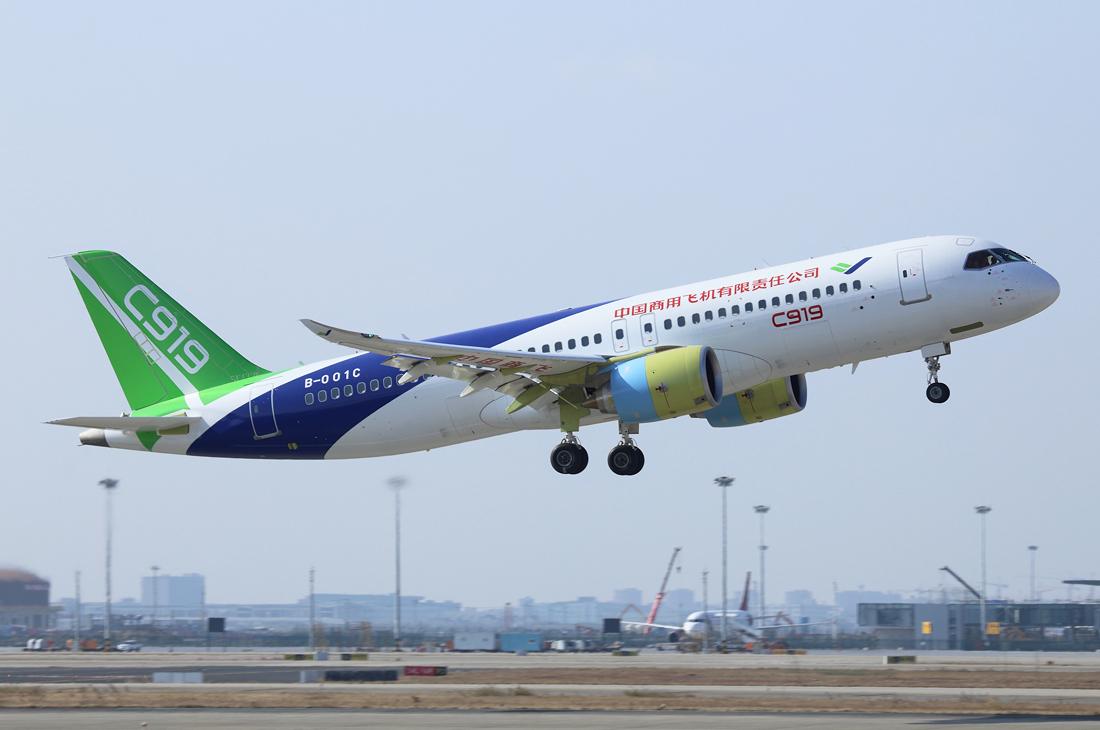
Image: Ken Chen · CC BY-SA 4.0 · via Wikimedia Commons
House China Panel Urges FAA to Withhold Certification From COMAC Jets and Curb US Aerospace Investment
A bipartisan House panel wants the FAA to refuse approval for Chinese-built airliners, Treasury to limit outbound investment, and Commerce to tighten export controls on parts sold to Chinese planemakers.
The gist
A bipartisan House committee wants the FAA to deny certification to Chinese airliners like the COMAC C919 and to restrict US money flowing into China's aerospace sector.
Continuing coverage
All Boeing →The House Select Committee on China is recommending that the Federal Aviation Administration decline to certify any Chinese-manufactured commercial aircraft for operation in the United States, according to recommendations reviewed ahead of their formal release. The bipartisan panel is also asking the Treasury Department to restrict American investment in China's aerospace industry and the Commerce Department to tighten export controls on components and technology sold to Chinese aerospace firms.
The proposals are aimed squarely at the Commercial Aircraft Corporation of China, the state-owned manufacturer known as COMAC, which Beijing is trying to build into a rival to Boeing and Airbus. An FAA type certificate is treated across the industry as a benchmark of airworthiness, and other regulators and buyers often look to it when deciding whether to accept a new aircraft. Denying one would remove a path that could open international sales for Chinese planemakers.
COMAC's C919 narrowbody sits at the center of the concern. The jet was designed to compete with the Boeing 737 MAX and the Airbus A320neo family and entered commercial service in China in 2023. It depends heavily on Western hardware, including engines from CFM International, the joint venture between General Electric and France's Safran. Lawmakers backing the recommendations argue that FAA approval would legitimize a program that draws on substantial Chinese state support and, they allege, technology transferred from foreign companies operating in China.
On the investment side, the committee wants Treasury to extend existing outbound investment rules to aerospace. Those rules already limit US capital flowing into Chinese semiconductor, quantum computing and artificial intelligence companies. The Biden administration set up the framework through executive orders, and the current administration has continued to widen the use of economic tools against what officials call unfair Chinese industrial practices. Aerospace has dual civilian and military uses, which is why Washington has long treated it as a strategic sector.
Tighter export controls from Commerce could reach American suppliers that now sell parts, avionics and software to COMAC and other Chinese manufacturers. Suppliers that have formed joint ventures with Chinese partners could face hard choices if the restrictions take effect. US aerospace companies have largely stayed silent on the recommendations, given their commercial exposure in China.
Boeing has the most at stake. The company has described China as one of its most important growth markets, and Chinese carriers have historically taken a large share of global aircraft deliveries. Boeing has been trying to rebuild its position there after years of reduced orders tied to trade disputes and the 737 MAX grounding, and a new round of aerospace friction could make that harder.
COMAC, for its part, has had trouble winning customers beyond China and a handful of allied markets. Without certification from either the FAA or the European Union Aviation Safety Agency, its aircraft cannot fly in most of the world's largest aviation markets, so a formal US refusal would harden a barrier that already limits the C919's reach. Its output also remains small next to Boeing and Airbus, which together deliver more than a thousand commercial aircraft a year. Beijing has nonetheless committed long-term government funding and procurement from state-owned airlines to building a domestic champion.
Chinese officials have historically rejected US complaints about state support for COMAC and other strategic industries, casting American restrictions as attempts to suppress legitimate competition. Beijing has signaled it will keep investing in its aerospace capabilities regardless of what Washington decides.
The committee cannot enact policy on its own, but its reports have shaped legislation and executive branch action before, feeding into investment screening, export controls and sanctions on Chinese entities. Members of both parties have shown openness to new limits on economic ties with China's defense and dual-use industries, and earlier legislative efforts have targeted Chinese technology firms, biotechnology companies and shipbuilders. Whether aerospace joins that list depends on congressional priorities and on the administration's willingness to add friction to an already strained relationship with Beijing.
Originally reported by AeroXplorer
Read more
All Regulatory →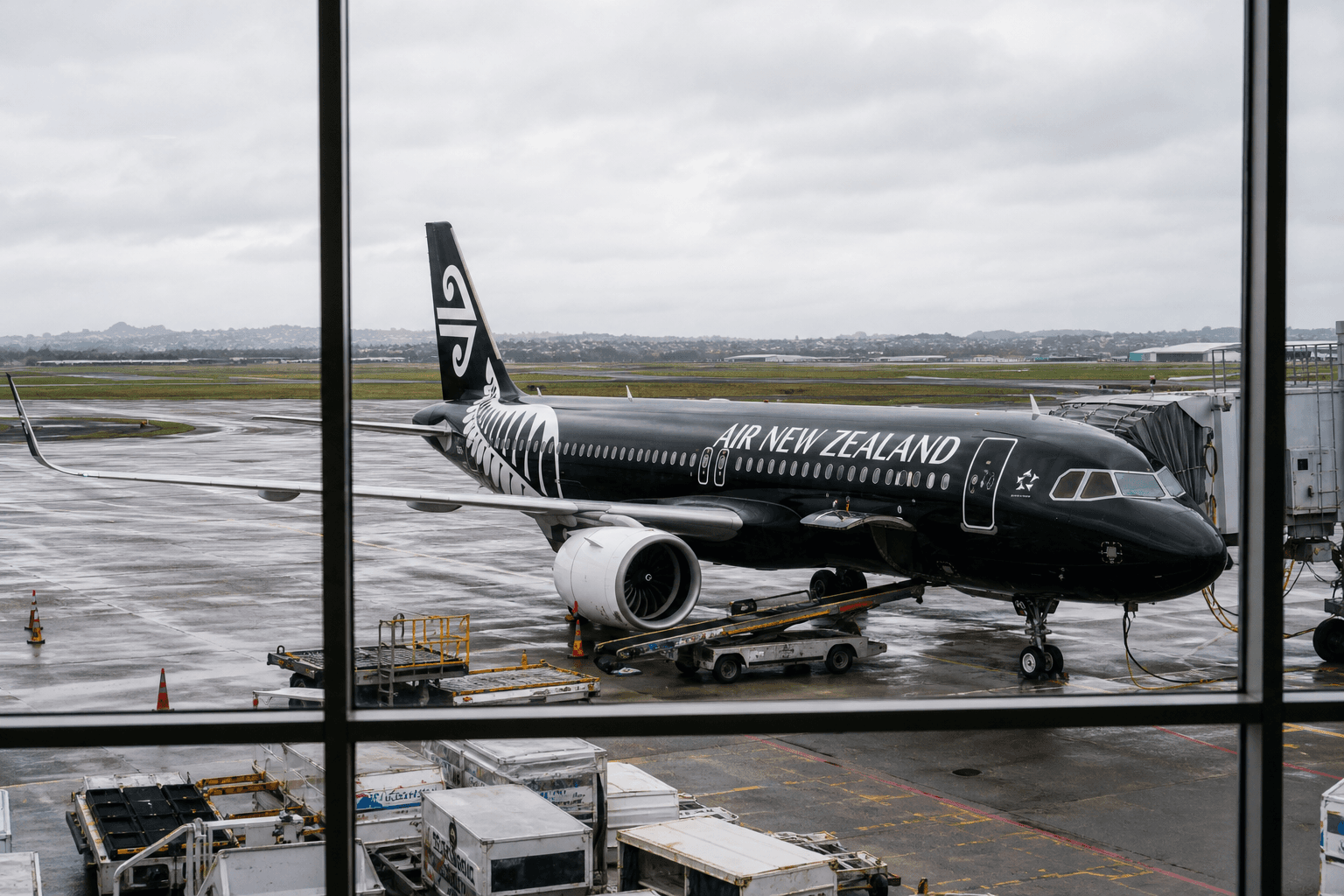
Air New Zealand to Face Fair Trading Act Charges Over Delay and Cancellation Compensation
New Zealand's Commerce Commission says the airline misled passengers about compensation limits and eligible expenses for disruptions within its control, dating back to January 2024.
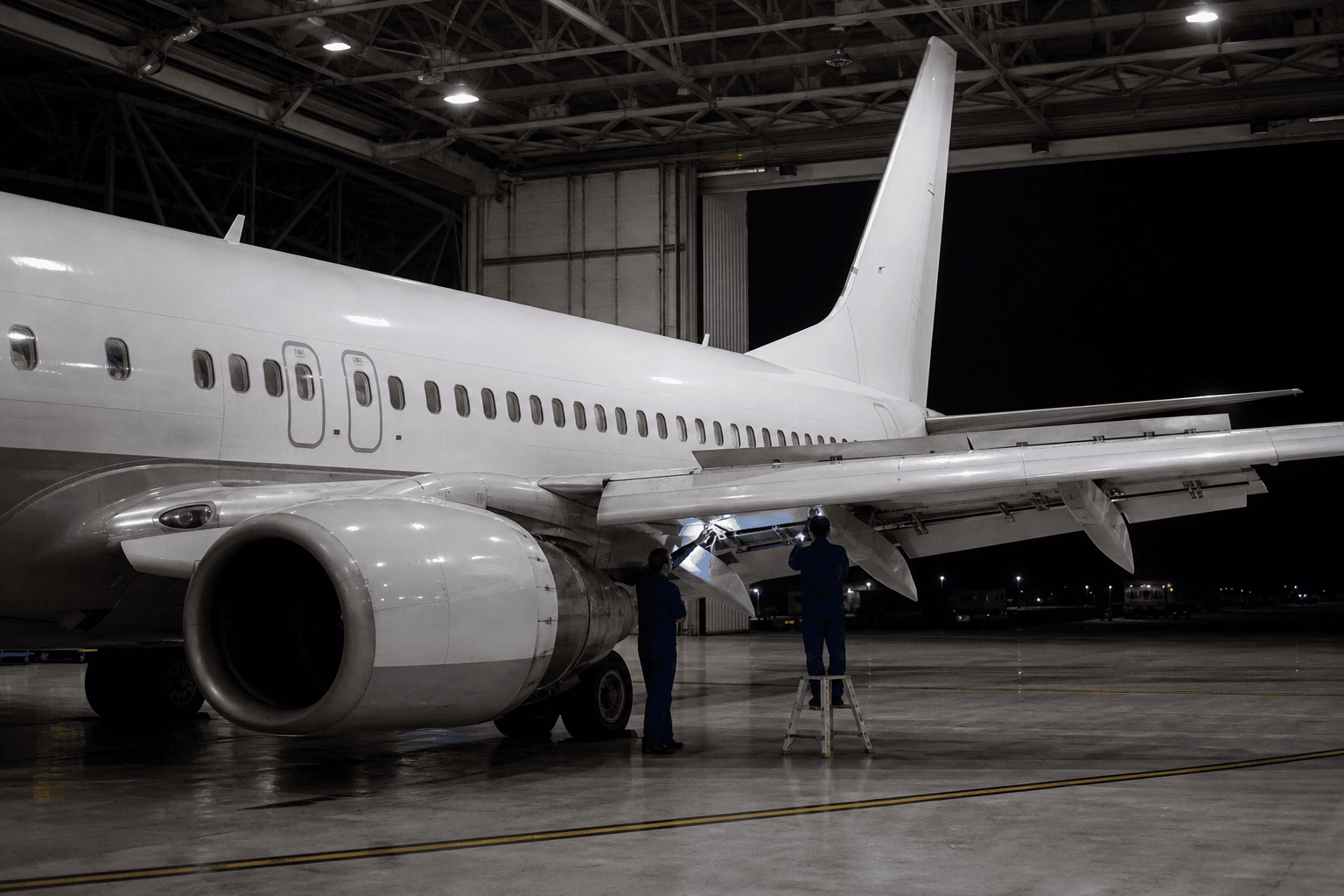
FAA Orders Checks on 300 Boeing 737NGs Over Thrust Split Monitor Spoiler Data Flaw
An emergency airworthiness directive requires repeated tests of digital flight control systems on older 737NGs whose autothrottle safety monitor may fail to activate.
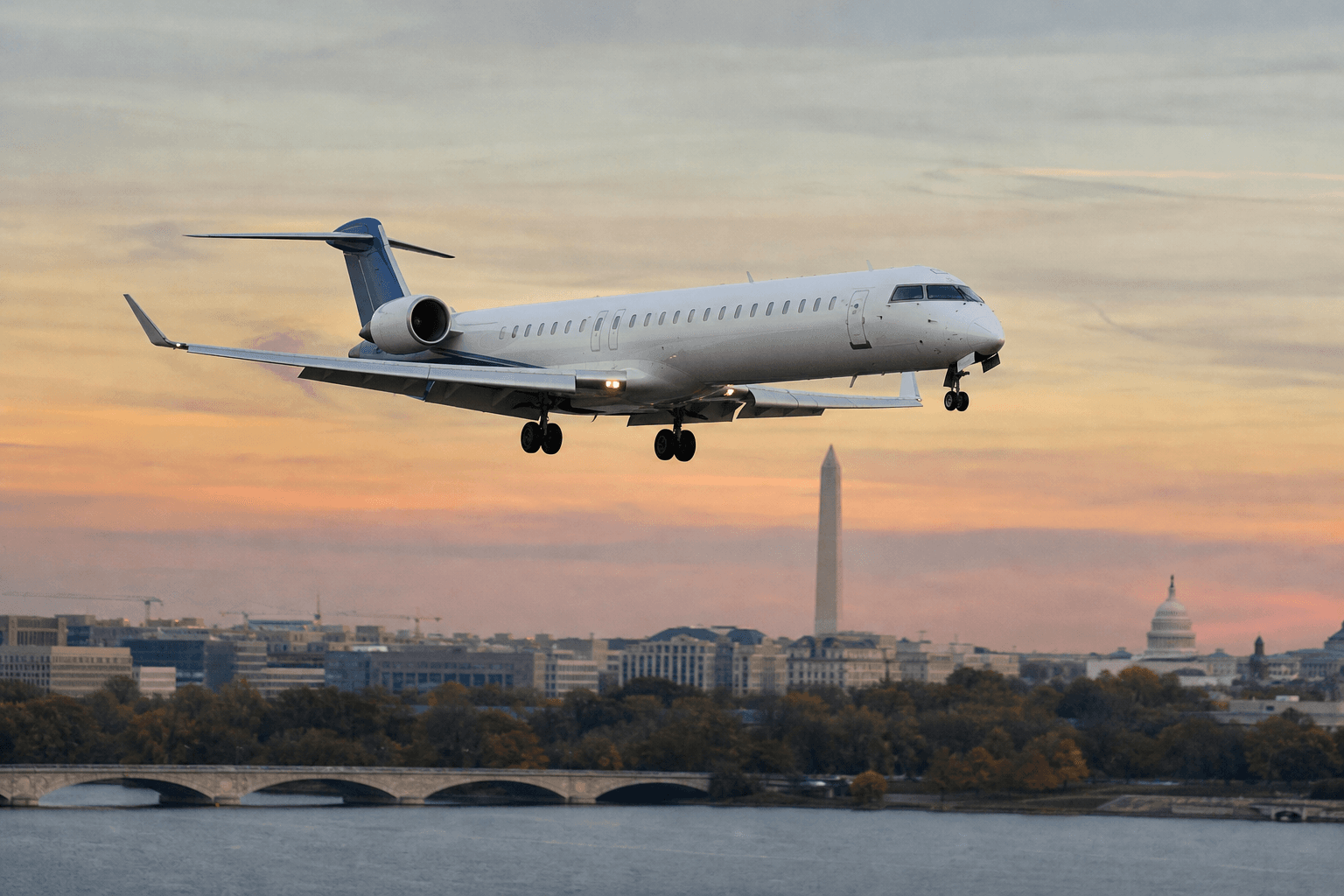
Lawmakers Strike Deal to Require ADS-B In on Civil Aircraft After Potomac Midair Collision
Senators announced an agreement in principle to mandate traffic-receiving equipment on civilian aircraft already required to carry ADS-B Out, though rules for military aircraft remain unsettled.
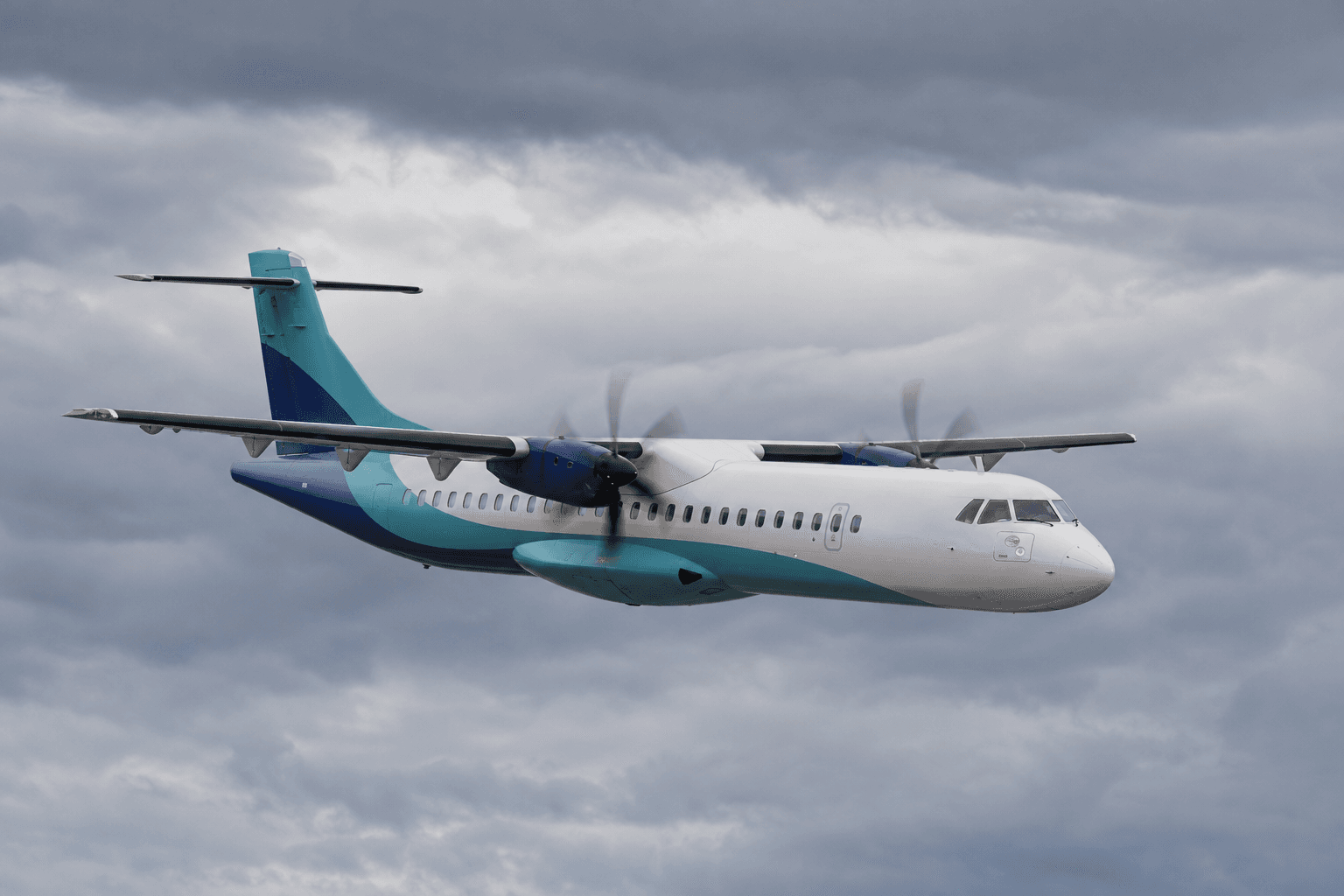
EASA Orders More Frequent ATR 42 and ATR 72 De-Icing Valve Tests to Guard Against Loss of Control
A new airworthiness directive shortens functional test intervals for hot-air valves in the de-icing system on all ATR 42 and ATR 72 turboprops, effective November 30.
The Daily Touch & Go
The day's best aviation news in your inbox. Free, no spam.