

Illustration: The Touch & Go
Skyryse and Robinson Helicopter Partner to Develop Autonomous R66 UAS for Defense
Skyryse and Robinson Helicopter's UAS unit join forces to integrate SkyOS into the R66, aiming to deliver Group 4 unmanned aircraft systems for multifaceted defense missions.
The gist
Skyryse and Robinson Helicopter partner to produce autonomous R66-based unmanned systems ready for defense applications today.
Continuing coverage
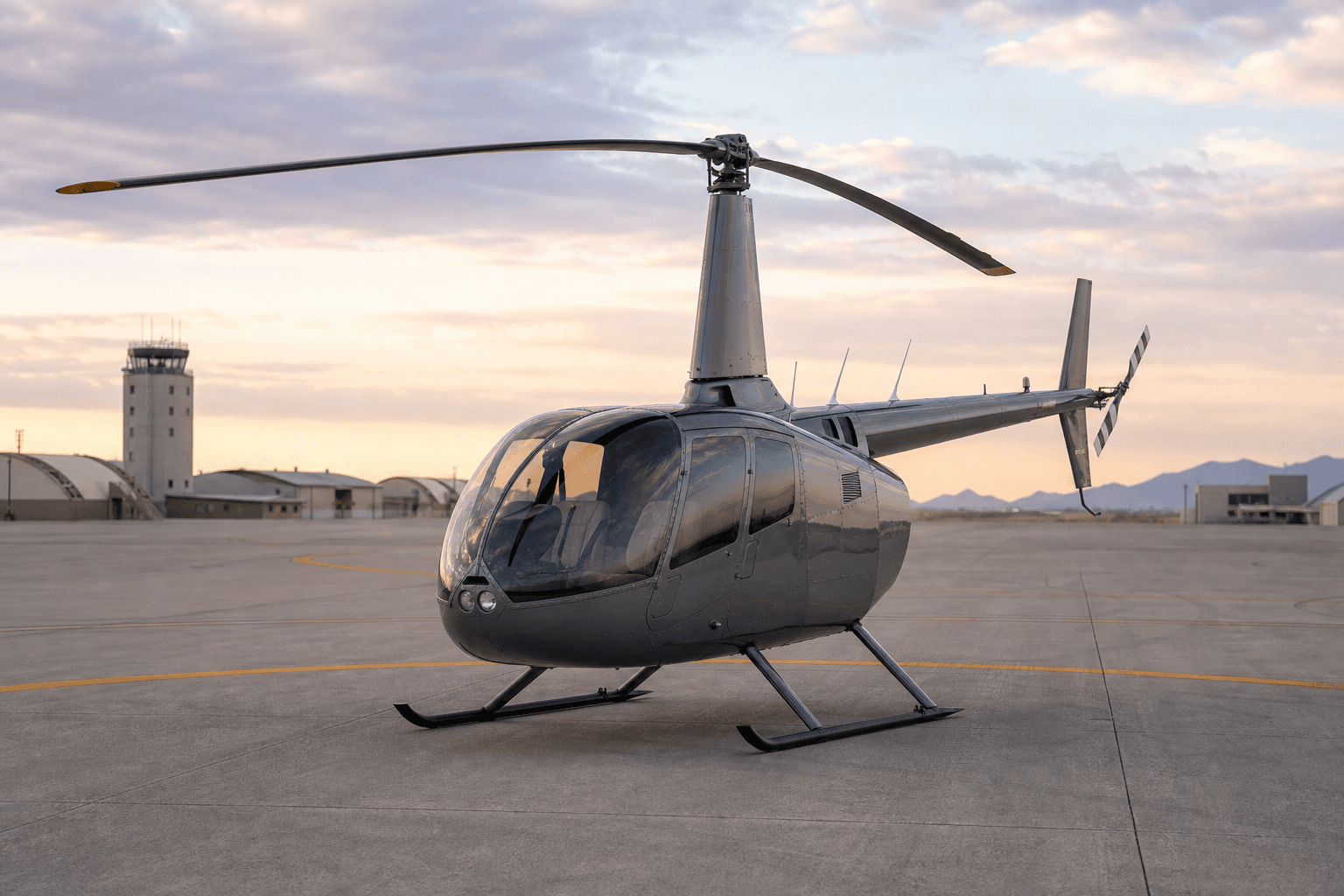
All Defense →Skyryse announced a strategic partnership with Robinson Helicopter Company's Robinson Unmanned division to develop an unmanned aircraft system (UAS) based on the Robinson R66 helicopter airframe. The collaboration intends to integrate Skyryse’s aviation operating system, SkyOS, into the R66 to create a Group 4 UAS tailored for defense mission profiles. Both companies will leverage their Southern California manufacturing facilities, located roughly 30 miles apart, to realize this project.
The new UAS platform is designed to support a variety of defense roles, including collaborative combat aircraft operations, air-launched effects, manned-unmanned teaming, and intelligence, surveillance, and reconnaissance (ISR) efforts. By utilizing the well-established R66 rotorcraft as a foundation, the partners expect to expedite production and deployment while maintaining reliability and cost-effectiveness.
Skyryse’s founder and CEO Mark Groden emphasized the urgent demand from defense agencies for autonomous aircraft that combine reliability, affordability, and immediate availability. He noted that Robinson's existing rotorcraft production infrastructure provides the scale and cost-effectiveness necessary to meet these critical requirements. Groden underlined that this synergy expedites placing operational SkyOS-powered autonomous aircraft into defense operators’ hands without the long delays typically associated with new defense technology development.
Robinson Helicopter President and CEO David Smith described the program as a natural extension of the company's proficiency in mass-producing dependable rotorcraft. He highlighted that integrating SkyOS within their production ecosystem enhances the R66 platform with advanced autonomy. Smith stressed that this collaboration not only elevates current aircraft capabilities but also establishes a scalable pathway for progressively sophisticated operational UAS.
At the core of the partnership is SkyOS, Skyryse’s proprietary aviation operating system that merges hardware and software to simplify control and automate flight operations. The system is engineered to assist pilots through routine flight, adverse weather, and emergency scenarios. This same technology underpins Skyryse’s Skyryse One aircraft, demonstrating established performance in integrating automation with rotorcraft flight tasks.
The R66 helicopter is a well-known light turbine rotorcraft with an extensive production history, lending the partnership a firm foundation in terms of manufacturing maturity. Robinson's existing facilities are expected to facilitate smooth production ramp-up of unmanned variants with SkyOS integration. This production continuity aims to reduce development risk compared to designing a new UAS from the ground up.
The defense-focused R66 UAS prototype leverages manned-unmanned teaming concepts, where unmanned assets augment manned aircraft during combat and intelligence missions. This approach aligns with broader military trends favoring modular, autonomous systems to enhance tactical flexibility and reduce human risk. Through this partnership, the R66 UAS can serve as a scalable platform supporting diverse defense requirements in challenging operational environments.
Moreover, by utilizing an existing rotorcraft airframe, the partnership sidesteps many certification and developmental hurdles common to new UAS designs. This enables potential fielding of these autonomous systems in shorter timeframes, delivering a practical solution to defense operators' immediate operational needs. It represents a shift toward leveraging proven aviation assets for unmanned roles in complex mission sets.
This Skyryse-Robinson alliance reflects growing defense interest in accelerating unmanned rotorcraft capabilities by combining autonomy software and established aircraft production lines. If successful, the project could set a precedent for future industrial partnerships aimed at rapidly deploying reliable, cost-effective unmanned systems tailored to evolving military scenarios.
Read more
All Military/Defense →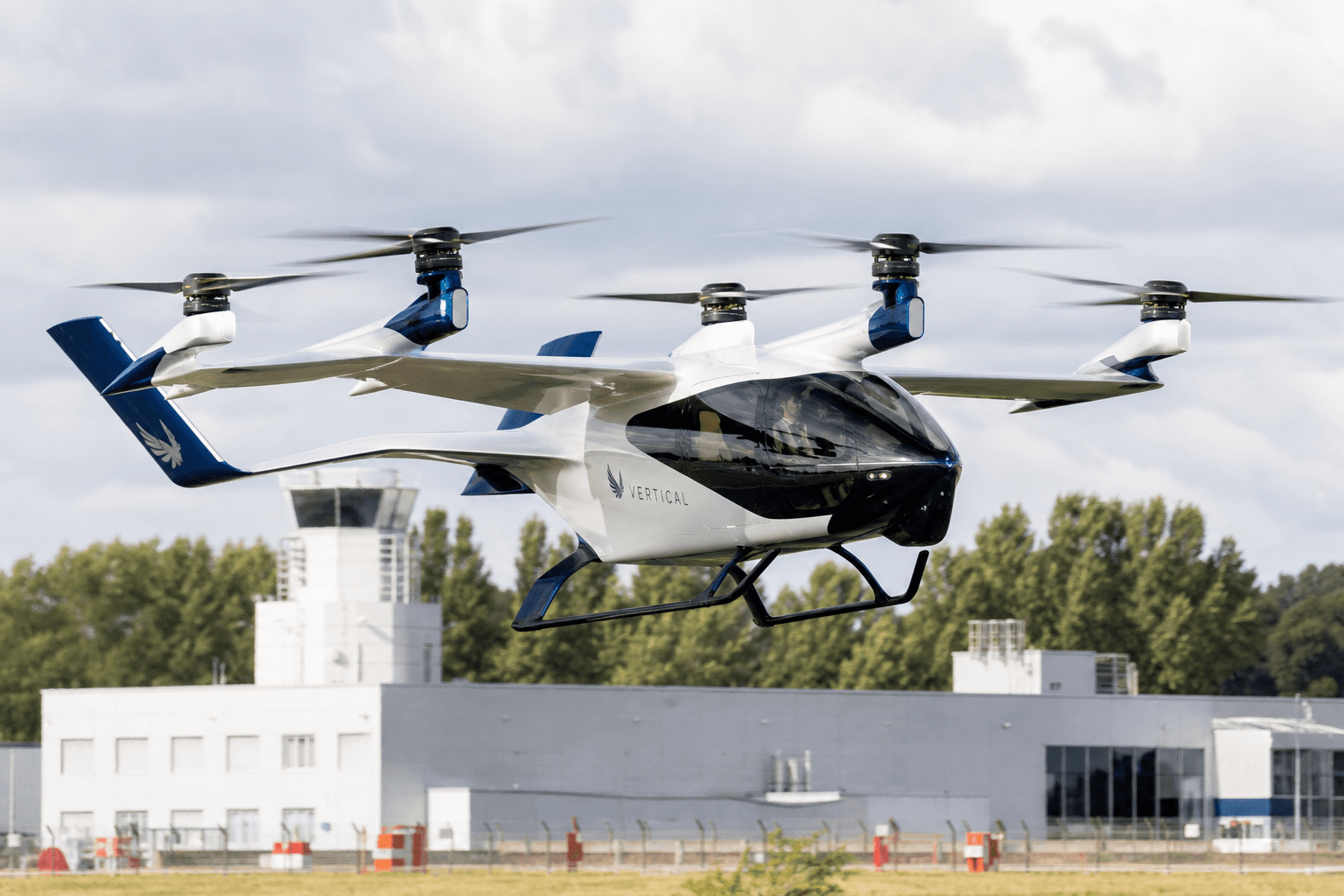
Vertical Aerospace secures tentative $100m funding to advance Valo eVTOL certification and production
Aerospace firm’s eVTOL heads for critical design review as rival Archer unveils consolidation with Boeing. Current and new investors in UK eVTOL developer Vertical Aerospace are prepared to provide some $100 million in further funding to support development of its Valo aircraft. Vertical's largest shareholder, Mudrick Capital, is proposing a $40 million contribution, drawn from an existing convertible note facility, while another $25 million would come from an equity facility with Yorkville Advisors Global. It states, however, that Mudrick's agreement to participate is non-binding and "remains subject to negotiation and execution". Vertical says the balance of $35 million would be sourced through an equity investment. This involves offering a "limited number" of new and current investors a single share, plus a warrant for a further share, at a combined price of $1.05. The company expects the offering will generate net proceeds of around $32.5 million. Vertical Aerospace says the funding commitment is intended to support the certification of the Valo, and the programme's commercialisation. Having successfully achieved crucial technical landmarks, such as piloted transition, the aircraft is progressing towards critical design review. Vertical is also preparing for Valo production as well as work to explore variants – including the development a hybrid-electric version in the first half of next year, as it pursues interest from potential military customers. The company carried out several demonstration flights of the aircraft during the Farnborough air show in July. Vertical says it is riding "significant operational and commercial momentum" for the Valo, and it disclosed the funding just as fierce US rival Archer, designer of the Midnight eVTOL, unveiled a significant industrial consolidation agreement – picking up several Boeing-owned technology firms . "We are focused on converting operational progress and partner engagement into continued advancement of our certification and commercialisation strategy," says Vertical chief executive Stuart Simpson. He adds that the new funding commitments – particularly the entry of new investors – are evidence of "strong confidence" in the company's position and progress. The financing will provide financial resilience and "near-term flexibility" for the next phase of its plans, Simpson says. Critical design review of the Valo will set the certification baseline for the aircraft, and the company is increasingly turning its attention to production requirements including the ramp-up of battery manufacturing capacity.
Portuguese Air Force to Launch Operations with Tekever AR5 MALE Drones in September
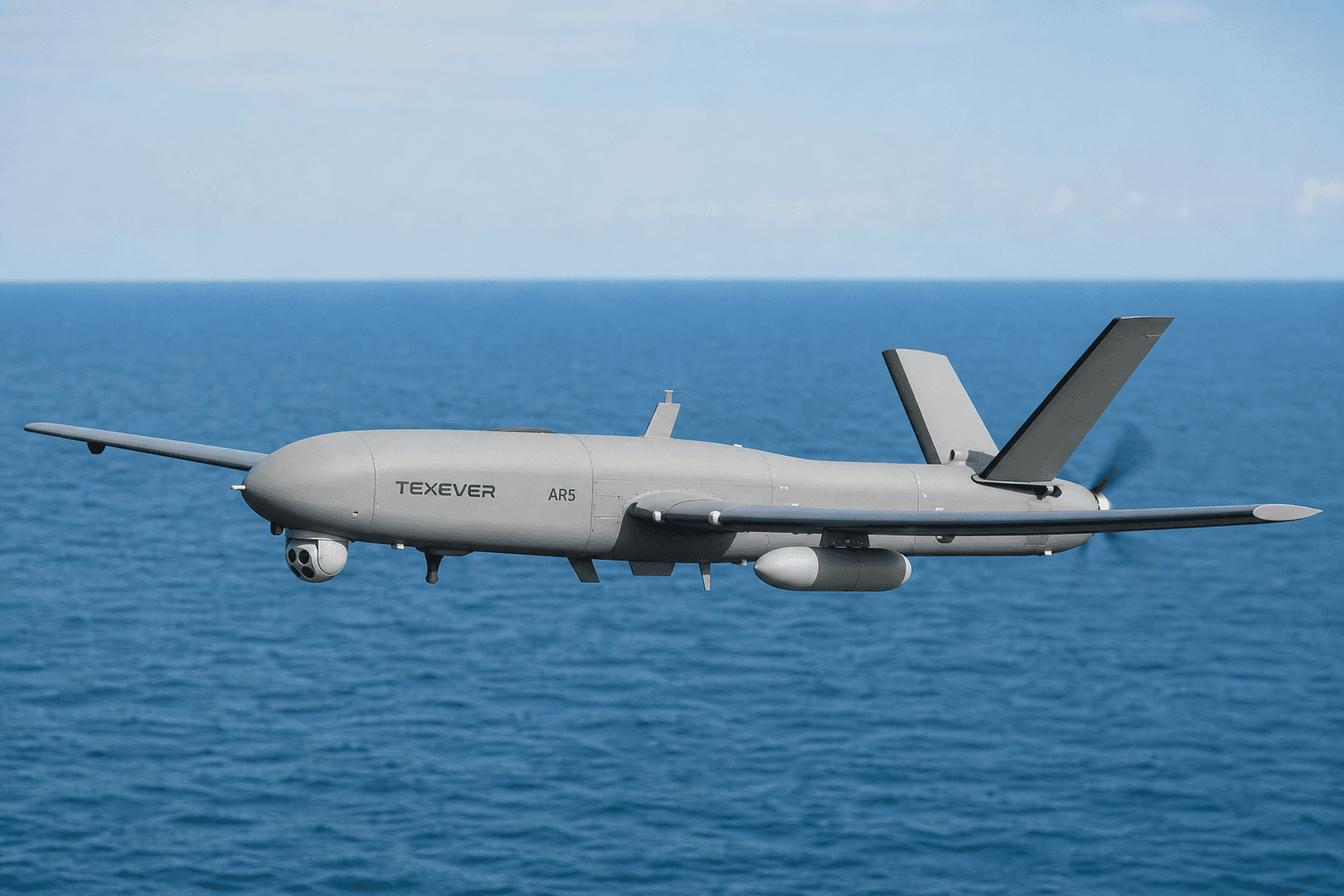
The long-endurance platform can remain airborne for up to 20h with a 50kg sensor payload. The Portuguese air force will begin operations with Tekever AR5 medium-altitude, long-endurance (MALE) uncrewed aerial systems (UAS) from next month, under a contract announced on 11 August. "Delivery of the systems and the achievement of initial operational capability [is] scheduled for this coming September," the company says. That will coincide with the completion of its delivery of an initial package of personnel training, it adds. The number of UAS covered by the deal has not been disclosed, but Tekever says it also includes the delivery of ground control station equipment and its Atlas mission system. The twin-engined AR5 can carry a mission and sensor payload weighing up to 50kg (110lb). "A second phase of training will take place in October, consolidating full operational readiness and the development of new skills among the operational teams," the Portuguese company says. Tekever cites expected operational tasks for the up-to-20h-endurance platform as including "maritime surveillance, security and defence missions", along with coastal and exclusive economic zone monitoring, and "public interest missions", such as providing support for firefighting and environmental protection operations. "This contract puts an autonomous capability developed and produced in Portugal to work in protecting our airspace and maritime capability," says Tekever director of strategic development Pedro Petiz. The Portuguese customer, meanwhile, notes that the new capability will "contribute to an air force that is better prepared to respond to present and future challenges". Lisbon's selection of the AR5 comes just weeks after the UK Ministry of Defence also picked the model to replace the Watchkeeper UAS operated by the British Army. Aircraft to be operated by the UK service will be produced at a Tekever factory in Swindon, Wiltshire, with the company expecting to make first deliveries before year-end.
Joby Aviation to acquire Resonant Sciences for $500M to boost defense capabilities
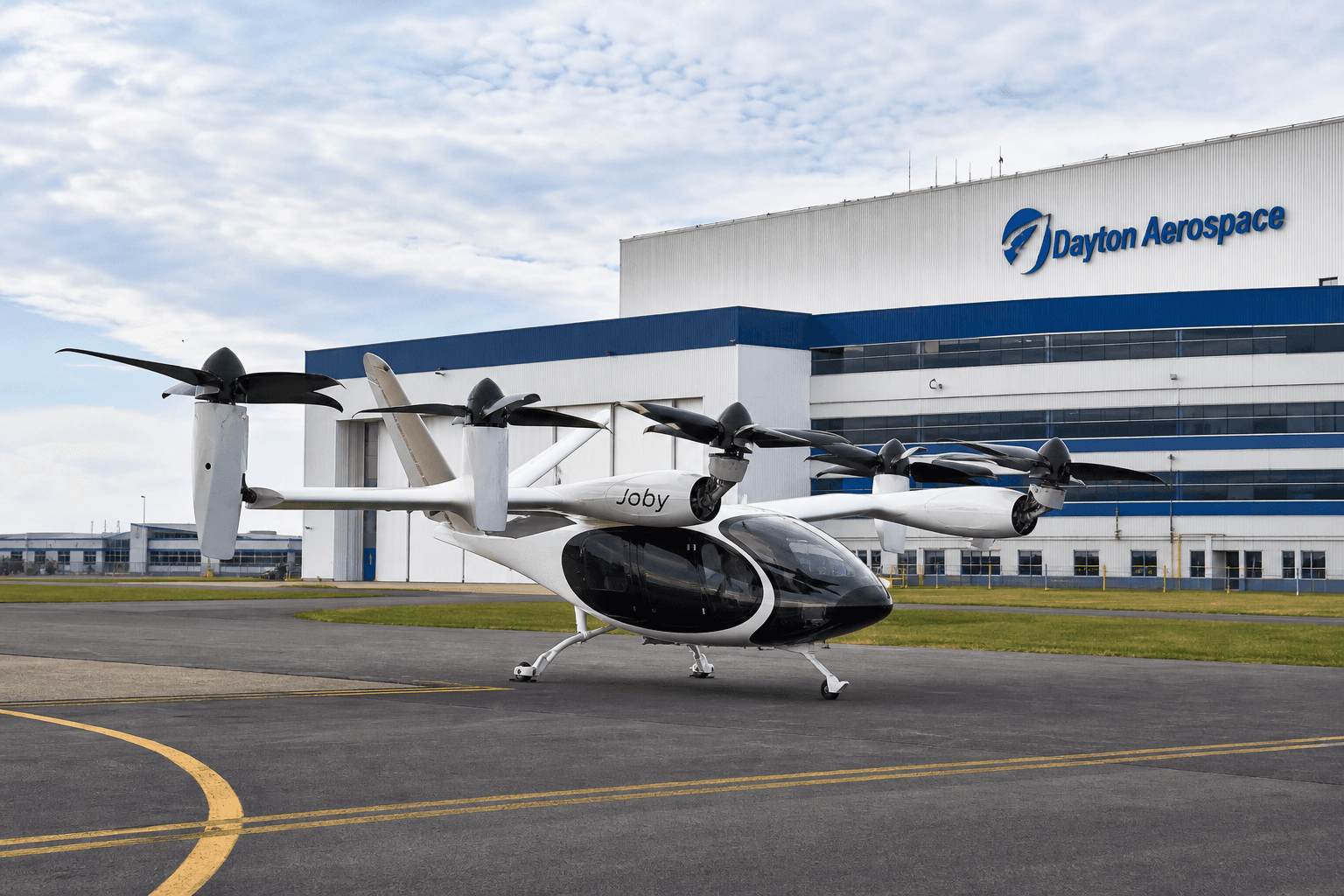
Joby Aviation announced on August 11, 2026, that it has entered into a definitive agreement to acquire Resonant Sciences, a Dayton, Ohio-based defense technology company, for approximately $500 million. The deal gives the California eVTOL developer immediate scale in the defense sector through an already profitable business supporting active US national security programs. Founded in 2015, Resonant designs, manufactures and delivers radio frequency (RF) and mission systems for US national security customers and is a global leader in low-observability technologies, structures and subsystems. The roughly 250-person company also works in advanced sensing, electronic countermeasures, communications and autonomous systems. A profitable defense business Resonant generated more than $100 million in trailing-12-month revenue, up approximately 40% year over year, with adjusted EBITDA margins in the high teens. Bookings in the first half of 2026 were more than three times higher than in the same period of 2025, and backlog more than doubled year over year. Upon closing, Resonant will become Joby's dedicated defense business, continuing to operate under its own name and led by co-founder and CEO J. Micah North. Joby's existing defense initiatives, including the dual-use turbine-electric hybrid aircraft it has been developing with L3Harris since 2025, and its dual-use autonomy stack, will be folded into the new unit, while Joby's commercial organization keeps its focus on certifying and manufacturing its electric air taxi. Joby expands its Ohio footprint Resonant operates approximately 105,000 square feet across seven buildings in the Dayton area, with a further 125,000 square feet under construction, alongside facilities in Virginia, West Virginia, Michigan, Colorado and North Carolina. Combined with Joby's own manufacturing footprint in Ohio , the acquisition will give the companies close to one million square feet of manufacturing, integration and testing space in the Dayton region. JoeBen Bevirt, founder and CEO of Joby Aviation, described the deal as pairing "Resonant's established capabilities with Joby's globally leading aircraft propulsion technologies." North said joining Joby gives his team "additional engineering depth, aircraft platforms, autonomy technology and production expertise." Joby plans to fund the acquisition with approximately $450 million in cash and $50 million in Joby common stock, with certain Resonant employee stockholders retaining an ongoing equity stake. The transaction is expected to close in the first half of 2027, subject to regulatory approval. Joby and Archer go defense shopping The announcement comes a day after Joby's closest rival made an almost identical move. Archer Aviation agreed to acquire Boeing's Wisk Aero, Insitu and SkyGrid subsidiaries on August 10, 2026, a deal built around Insitu, the profitable ScanEagle and Integrator drone maker that generates more than $200 million in annual revenue. Within 24 hours, both leading eVTOL developers had moved to buy their way into established, revenue-generating defense businesses rather than wait for their own military programs to mature.
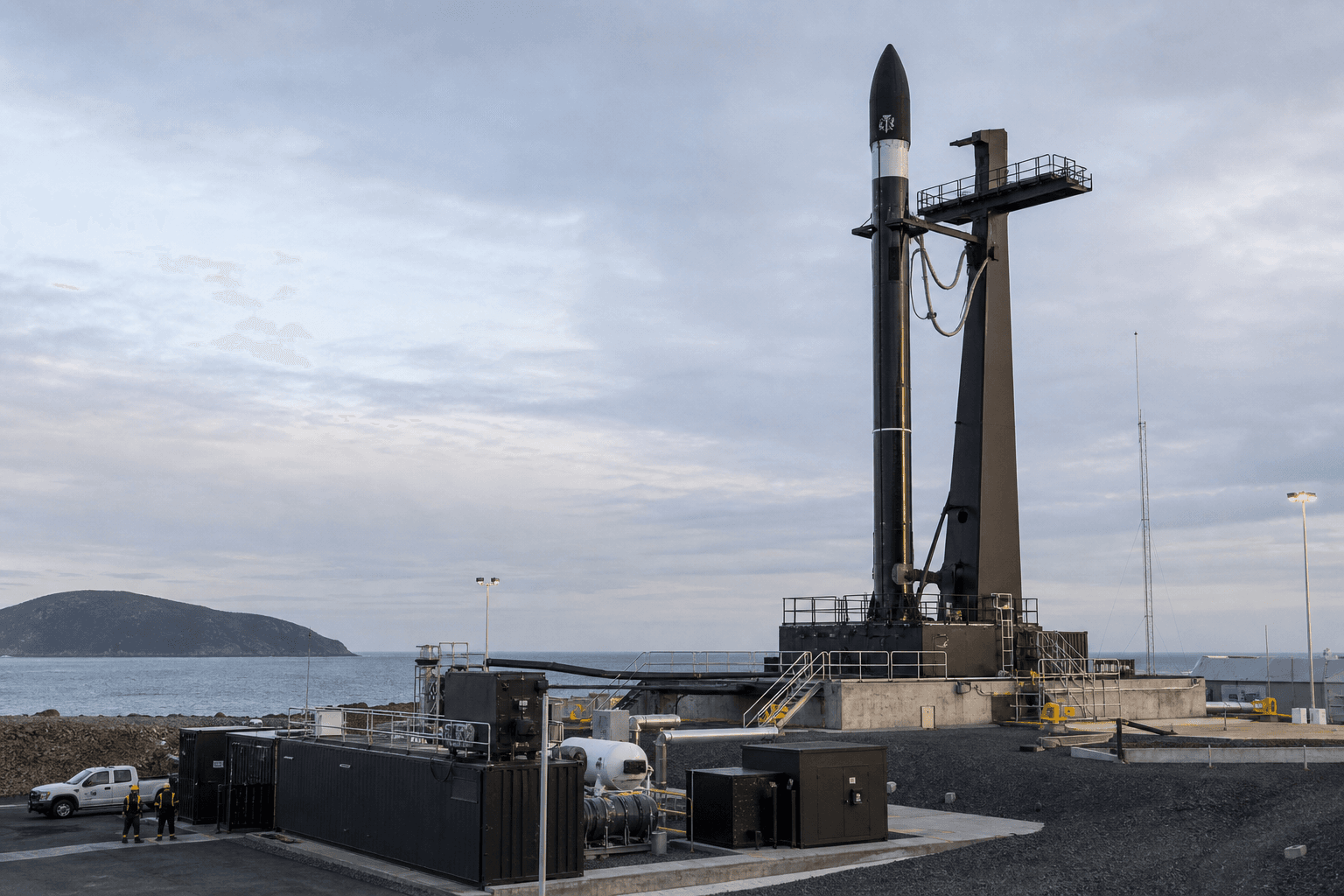
Rocket Lab debuts GHOST containerized launch system with Alaska pads planned for 2027
Rocket Lab has unveiled a containerized launch system designed to fly its Electron and HASTE rockets from new locations, starting with a two-pad complex in Alaska in 2027. Announced on August 10, 2026 , GHOST (short for Global Hypersonic & Orbital Spaceport Technology) packages rockets, launch infrastructure, ground support equipment, and range control systems inside standard shipping containers. Rocket Lab said the modular system could be shipped worldwide to establish orbital or suborbital launch capacity for multi-launch campaigns and time-sensitive national security missions, a market it has already targeted with record-setting responsive launches for the US Space Force. Introducing GHOST. We've mastered the art of building launch sites. Now we're making them deployable worldwide. GHOST = Global Hypersonic & Orbital Spaceport Technology. A containerized, deployable launch site system that enables Electron and HASTE launches anywhere,… pic.twitter.com/6Za05Ov2Nn — Rocket Lab (@RocketLab) August 10, 2026 Two new pads planned at Kodiak The first GHOST installation will form Rocket Lab Launch Complex 4 at the Pacific Spaceport Complex-Alaska on Kodiak Island, where the company plans two pads for simultaneous or closely spaced launch operations. Rocket Lab expects the system's operational debut to be a suborbital launch from Alaska in 2027. The two Kodiak pads would expand Rocket Lab's network to six across two hemispheres. It operates Electron pads at Launch Complex 1 in New Zealand and Launch Complex 2 in Virginia, while Launch Complex 3 at the same Virginia spaceport is being prepared for the Neutron rocket. "We've been leading the field in small launch for missile defense and national security for years," founder and CEO Peter Beck said, presenting GHOST as a way to open new trajectories and give allied countries their own launch capacity without building a permanent spaceport. The company did not say how long activating GHOST at a new site takes or how much fixed infrastructure it requires. One system, two rockets GHOST supports both Electron, Rocket Lab's small orbital launch vehicle, and HASTE, its suborbital derivative built for hypersonic and missile defense testing. Because the two share much of their design and ground infrastructure, one installation could host satellite launches and test flights alike. HASTE uses Electron's carbon composite structure and Rutherford engines but swaps the orbital kick stage for one tailored to suborbital payload release. It can carry up to 700 kilograms (1,540 pounds) and deploy them at velocities of more than 7.5 kilometers per second, in configurations for air-breathing, boost-glide, and ballistic reentry payloads. The rocket first flew from Virginia in June 2023 and has since lofted payloads including Australia's DART AE scramjet demonstrator . Alaska buildout follows $266 million US Space Force award Rocket Lab did not identify the customer for GHOST's first mission, but the Alaska development follows a $266 million US Space Force contract awarded in July 2026. The agreement covers 12 suborbital launches, with options for six more, primarily from Kodiak. Rocket Lab called it the largest launch contract in its history and said the missions would support US missile defense development, a segment where it is also working with Raytheon on a space-based interceptor for Golden Dome. Rocket Lab is also establishing Rocket Lab Germany GmbH in Munich to support European satellite manufacturing and Electron and Neutron launch services, building on its acquisition of laser communications firm Mynaric.
The Daily Touch & Go
The day's best aviation news in your inbox. Free, no spam.