

Illustration: The Touch & Go
New Radar at Newark Debuts as DOT Seeks $10B More for Air Traffic Control Upgrades
A new surface movement radar was unveiled at Newark Airport, while U.S. Transportation Secretary Sean Duffy calls for an additional $10 billion in ATC modernization funding.
The gist
Newark Airport gets a new surface movement radar, but the DOT pushes for $10 billion more to advance nationwide ATC upgrades by 2028.
Continuing coverage
All Aviation Technology →- Simple Flying enhances Flight Tracker with cleaner interface and new features for easier live flight viewing
- Boeing 777-9 challenges Airbus A350-1000 dominance in long-haul widebody market
- Retired Delta pilot urges airline to replace Amazon Wi-Fi with Starlink for better service
- EAA AirVenture Oshkosh 2026 to Showcase Cutting-Edge Aviation Technology and Historic Warbirds
The U.S. Department of Transportation marked a milestone on Monday with the activation of a new surface movement radar (SMR) system at Newark Liberty International Airport, a critical step in the nationwide modernization of the country's air traffic control (ATC) infrastructure. Transportation Secretary Sean Duffy and Federal Aviation Administration (FAA) Administrator Bryan Bedford highlighted the progress while simultaneously calling for at least $10 billion more in federal funding to continue the extensive upgrades required across the National Airspace System (NAS).
The $12.5 billion allocated by Congress in 2025 laid the groundwork for these improvements, but Duffy and Bedford emphasized that the investment must be scaled up significantly. Duffy, who previously requested $19 billion, stated that while securing $20 billion would be ideal, the department is prepared to accept $10 billion to accelerate modern ATC technology deployment. The Modern Skies Coalition, representing aviation stakeholders including AOPA, recently urged Congress for an additional $20 billion, underscoring the massive resources needed to modernize the system.
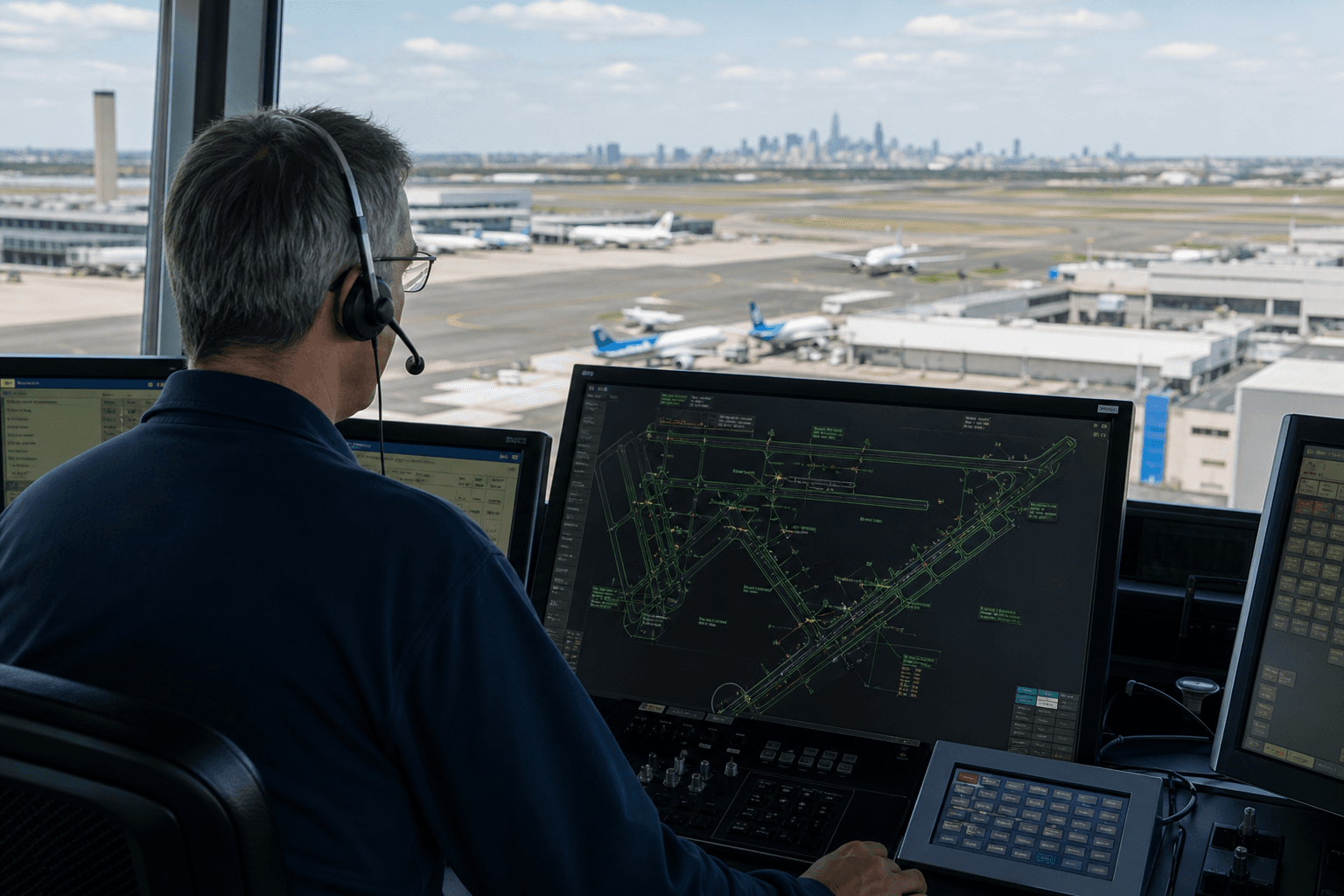
The newly installed SMR at Newark replaces a three-decade-old system that had become increasingly unreliable due to obsolete parts no longer manufactured. The radar enhances controllers' ability to monitor ground movements, including vehicles, aircraft on taxiways, runways, and final approaches, particularly valuable in low-visibility conditions. This technology complements the remote control tower installed at Newark, allowing controllers to visualize the airfield even when direct line-of-sight is unavailable. Kathryn Garcia, executive director of the Port Authority of New York and New Jersey, noted that this upgrade improves operational efficiency for controllers managing one of the country's busiest and most complex airspaces.
This radar is the fifth deployment of a planned 53 nationwide installations of the SMR, targeted at the busiest airports to improve surface awareness and safety. Other airports, including LaGuardia and JFK, are slated to receive the SMR technology within the next two years. This rollout reflects ongoing efforts to address vulnerabilities exposed by radar outages last year at Newark, which caused significant operational disruptions and raised concerns about equipment aging and reliability.
Beyond hardware upgrades, a vital component of the modernization effort is the development of the Strategic Management of Airspace, Routes, and Trajectories (SMART) system. This AI-driven software tool aims to forecast airspace conditions months ahead, enabling more efficient management of traffic and weather disruptions. Duffy indicated that partial testing of SMART will commence in September, with full deployment expected by spring. The requested $10 billion in funding would cover software development, while an additional $10 billion would be required to construct new towers and facilities crucial for integrating these systems.
FAA Administrator Bedford stressed that modernization is essential to meet forecasted growth in passenger traffic, expected to double from 1 to 2 billion passengers annually over 20 years. Staffing efforts are also progressing rapidly, with 4,000 new controllers hired since the initiative began, many of whom are nearing certification or currently in training. However, he acknowledged that current terminal facilities remain understaffed, necessitating urgent action to close these gaps alongside technical advancements.
The modernization program also includes extensive upgrades beyond radars and software—replacing copper wiring, converting radio sites, installing new voice switches, and moving from paper to electronic flight strips across numerous towers. Progress since April has been notable; for example, surface awareness initiative installations have risen from 54 to 96, and radio site conversions from about 250 to 363, reflecting a broad, nationwide effort.
Secretary Duffy conveyed that President Donald Trump is closely involved, frequently requesting updates and supporting the financial investments necessary for progress. The administration's sustained interest underscores the urgency felt across aviation agencies to ensure the nation's airspace infrastructure is safe, secure, and capable of handling future demand.
The integration of AI tools like SMART is designed not to replace controllers but to augment their decision-making capabilities, allowing more dynamic use of available airspace and reducing unnecessary closures due to weather or other factors. This aligns with fundamental FAA goals of maintaining safe separation while increasing capacity and efficiency. Though substantial funding needs remain, the new radar installation at Newark represents a tangible advancement in this comprehensive modernization campaign.
Frequently asked questions
- What is the purpose of the new surface movement radar installed at Newark Airport?
- The new SMR tracks vehicles and aircraft on surface areas like runways and taxiways, providing controllers better visibility especially when they cannot see outside the tower, enhancing safety and efficiency.
- How much additional funding has the DOT requested for ATC modernization efforts?
- The Transportation Department has requested at least an additional $10 billion beyond the $12.5 billion allocated in 2025, with a potential second $10 billion needed for infrastructure like towers and TRACON sites.
- What is the SMART program, and when is it expected to be deployed?
- SMART is an AI-powered system designed to predict airspace conditions in advance, with limited testing beginning in September and full deployment planned by spring, aiming to improve air traffic management alongside infrastructure upgrades.
Read more
All Regulatory →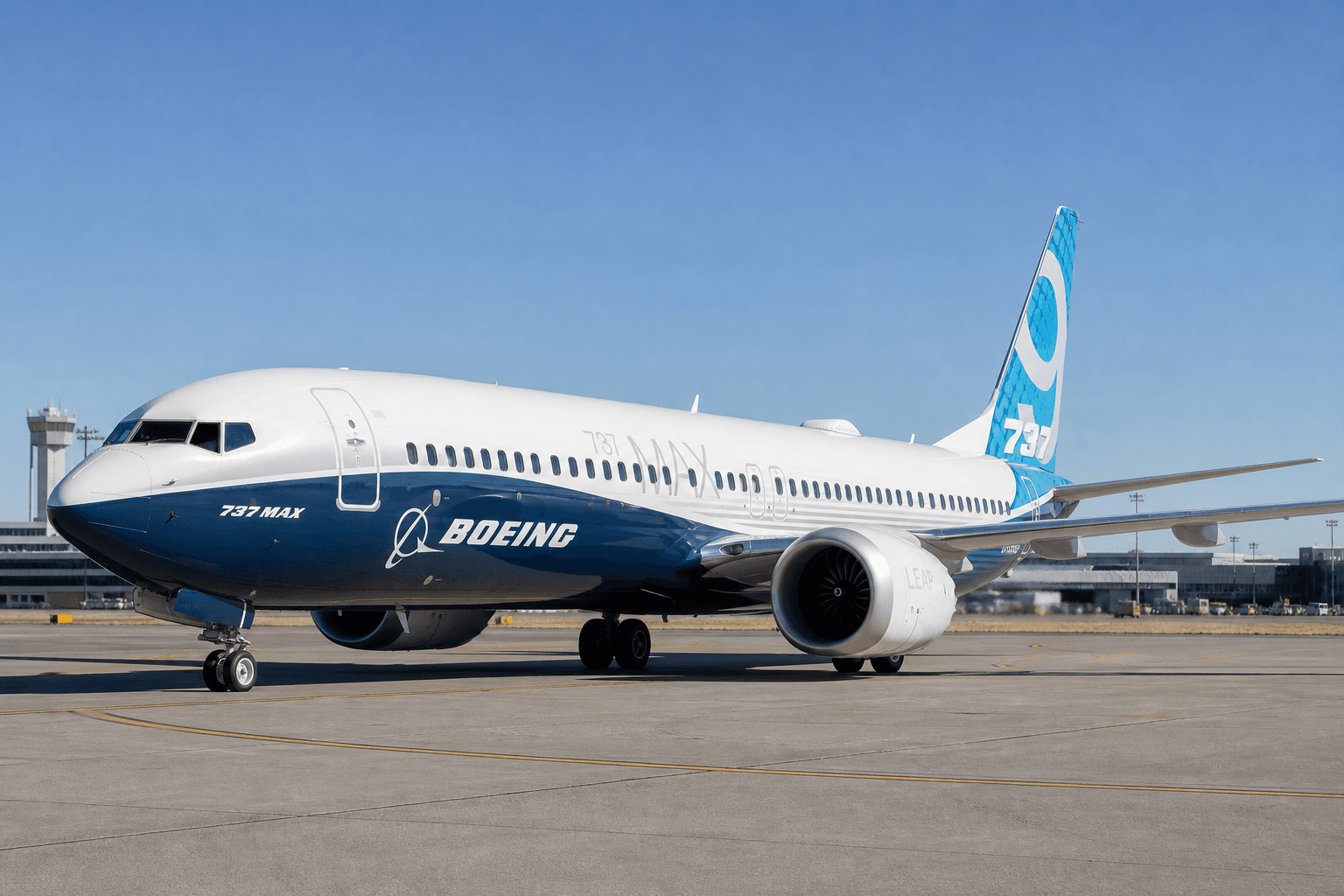
FAA prioritizes certifying Boeing 737 MAX 7 and MAX 10 before 777-9 amid extensive delays
Boeing currently has three aircraft models that have been stuck in certification hell for years: the 737 MAX 7, the MAX 10, and the 777-9. All three of these were supposed to be certified between 2019 and 2020 when initially launched, but over six years later, Boeing has not delivered a single example to an airline. Certification and entry-into-service for all three have been continuously delayed, but earlier in 2026, Boeing provided a more concise timeline. The 737 MAX 7 and MAX 10 will be certified by the end of the 2026 summer season, while the 777-9 will come in 2027.
Boeing 777X Delays Cost Exceed Entire Airbus A350 Development
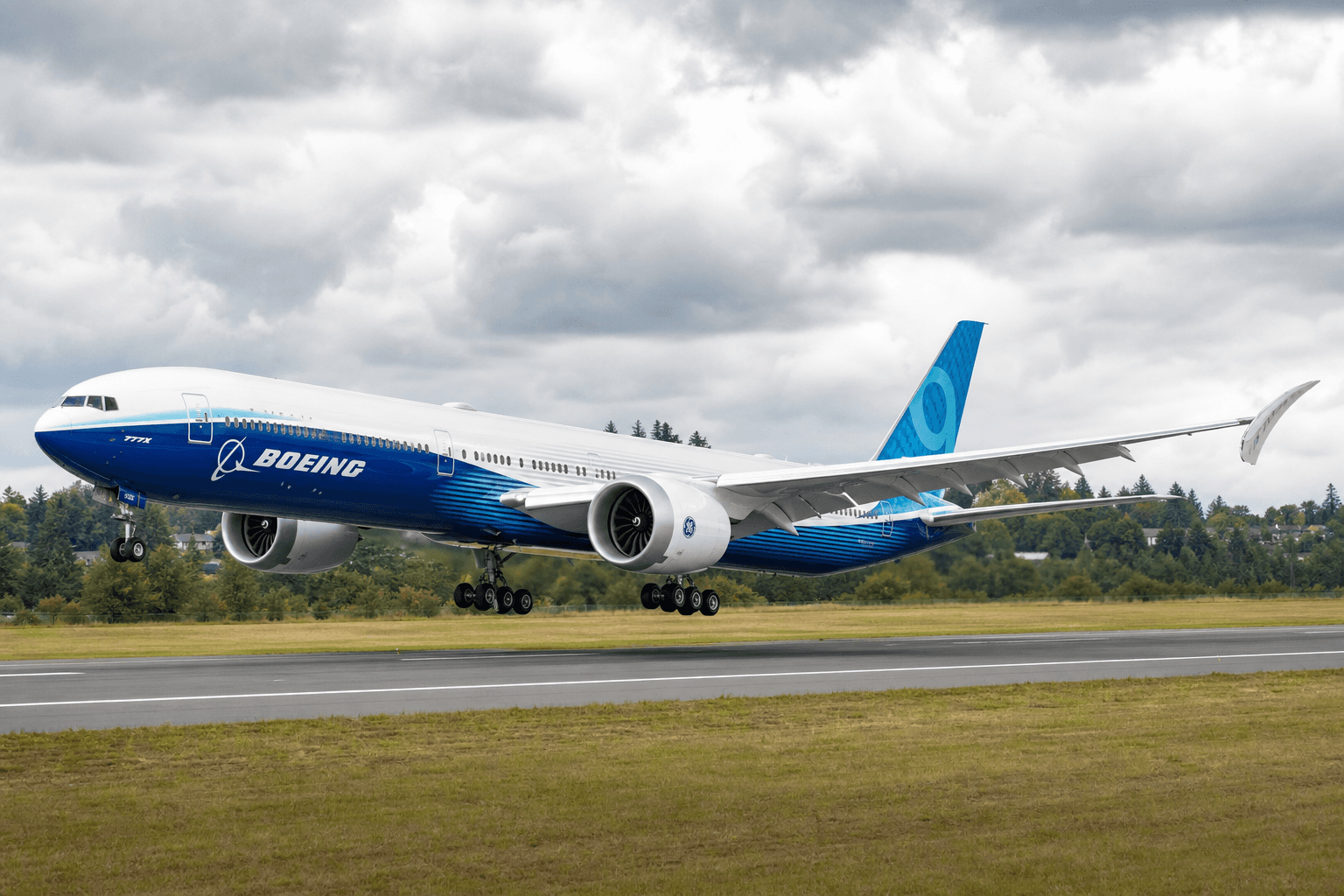
Few commercial aircraft programs have experienced a certification journey as prolonged as the Boeing 777X . Originally expected to enter airline service in 2020, the latest member of the 777 family is now scheduled to arrive in 2027, representing a delay of roughly seven years.
FAA Signals Imminent Certification for Boeing 737 MAX 7, MAX 10, and 777X Jets
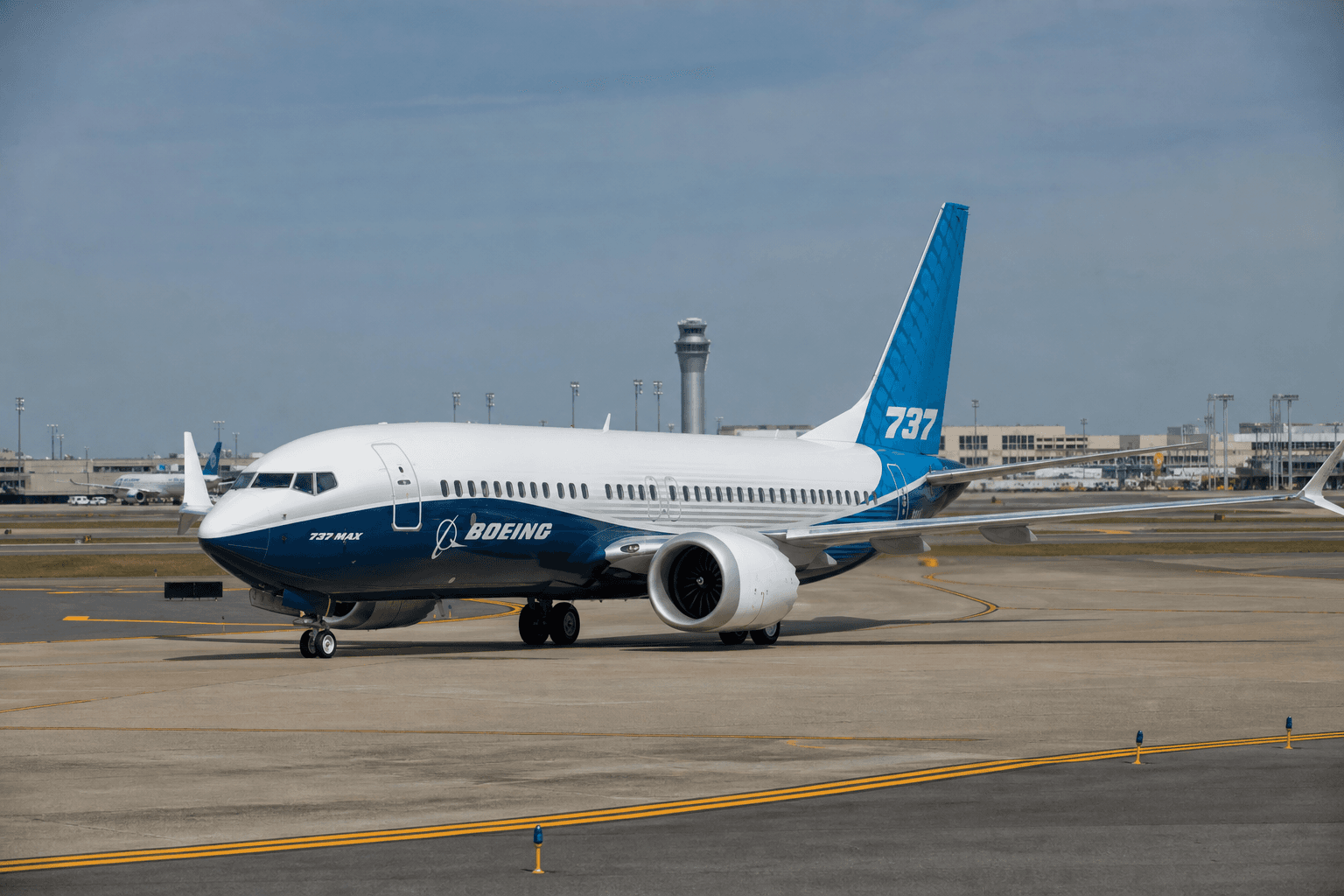
Reuters spoke with the Deputy Administrator of the Federal Aviation Administration, Chris Rocheleau, on the opening day of the Farnborough Airshow, about the expected certification of Boeing's single-aisle 737 MAX 7, MAX 10, and widebody 777X . He commented that the agency expects all three to be certified in the near future.
FAA Restores Boeing's Authority to Certify 737 MAX and 787 Deliveries
The Federal Aviation Administration ( FAA ) has finally returned authority to Boeing to certify airworthiness certificates again on select Boeing 737 MAX and Boeing 787 family of aircraft. This comes after the permissions were revoked in 2019, following the fatal MAX crashes .
The Daily Touch & Go
The day's best aviation news in your inbox. Free, no spam.