


SolitAir Opens New Dubai-Jinan Cargo Route Enhancing China-UAE Freight Links
SolitAir has launched scheduled freighter service between Dubai World Central and Jinan Yaoqiang International Airport, expanding its northern China network and supporting high-value trade.
The gist
SolitAir’s new Dubai-Jinan cargo route boosts direct, secure freight connectivity between the UAE and northern China’s Shandong province.
Continuing coverage
All Air Cargo →SolitAir, the UAE’s dedicated B2B cargo airline, has announced a new scheduled route between Dubai World Central (DWC) and Jinan Yaoqiang International Airport (TNA) in northern China. This addition strengthens the carrier’s footprint in one of the world’s most active trade corridors, supplementing its existing operations to Hong Kong and Urumqi. The route’s inaugural flight carried a VIP cargo shipment, emphasizing the service’s focus on secure, timely freight transport for high-value and sensitive goods.
Jinan, the capital of Shandong Province, is emerging as a significant air cargo hub, with its airport handling approximately 173,700 tons of cargo in 2025. The region’s robust manufacturing base—including electronics, machinery, pharmaceuticals, and fresh produce—drives growing demand for rapid, reliable logistics links. Jinan’s strategic position just south of the Bohai Economic Rim, with excellent road and rail connections, makes it a prime location for multimodal freight operations.
Jinan Yaoqiang International Airport maintains over 150 routes connecting to more than 90 cities worldwide, progressively expanding its international freighter services. The new Dubai link provides shippers in northern China direct access to the UAE’s major cargo hub at DWC, facilitating time-sensitive shipments and supporting the city’s growing export economy. This development comes as China promotes cargo hubs outside of Beijing and Shanghai to optimize regional trade capacity.
SolitAir’s Founder and CEO, Hamdi Osman, underscored the strategic importance of the Jinan route in addressing evolving customer needs amid expanding global trade with China. The new service complements the airline’s established presence in Greater China and follows its recent network expansion into Europe, where it has launched a route to Sofia, Bulgaria.
Since commencing operations in October 2024, SolitAir has rapidly grown its network to 56 routes across 33 countries, including a strong footprint of 18 cities in Africa. The airline focuses on time-critical corridors linking Asia, the Middle East, Africa, and Europe, emphasizing reliability and tailored logistics solutions for commercial customers.
Operating a modern fleet of seven Boeing 737-800 BCF freighters, each capable of carrying around 20 tonnes of cargo, SolitAir is equipped to handle diverse freight types. These include dangerous goods, pharmaceuticals, perishables, valuable items, and oversized freight, meeting varied industry demands with versatility and efficiency.
The airline offers integrated services spanning On-Demand Charters, Tailor-Made Programs, Scheduled Flights, and ACMI operations. Its comprehensive certification portfolio — including UAE GCAA Air Operator Certificate, Dangerous Goods certification, EASA Third Country Operator authorization, UK Third Country Operator Certificate, and Belgian ACC3 designation — ensures compliant, secure cargo handling across key regions, particularly Europe.
SolitAir currently operates from a 20,440-square-meter dedicated cargo facility at Dubai World Central (Al Maktoum International Airport), positioning it for steady growth. The company aims to expand its fleet to 20 aircraft in the future, reinforcing its commitment to connect vibrant markets with dependable air freight services.
The introduction of the Dubai-Jinan route marks a significant step in SolitAir’s regional strategy, enhancing connectivity between the UAE and a burgeoning manufacturing and export center in China. It provides businesses requiring fast, secure logistics a direct and efficient channel, reflecting SolitAir’s focus on addressing critical trade corridors through tailored air cargo solutions.
Frequently asked questions
- What new route has SolitAir recently launched?
- SolitAir has launched a new scheduled cargo route between Dubai World Central (DWC) and Jinan Yaoqiang International Airport (TNA) in northern China.
- Why is Jinan an important location for this new cargo service?
- Jinan is a growing air cargo hub in northern China with a strong manufacturing base and strategic multimodal logistics connections, handling approximately 173,700 tons of cargo in 2025.
- What type of aircraft does SolitAir use for its cargo operations?
- SolitAir operates a fleet of seven Boeing 737-800 BCF freighters, each capable of carrying around 20 tonnes of various types of cargo including dangerous goods and perishables.
Read more
All Cargo →
Mammoth Freighters Launches Boeing 777 Conversion Line in Qingdao to Meet Asia-Pacific Cargo Demand
Mammoth Freighters LLC today announced it will expand its 777 freighter conversion operations to Qingdao, China, and has selected STAECO as its newest conversion MRO provider following a Request for Proposal process. The expansion comes in response to growing demand for widebody freighter capacity in China and across the Asia-Pacific region. Mammoth plans to open […]
flydubai Resumes Daily Dubai-Aleppo Flights After 14-Year Pause
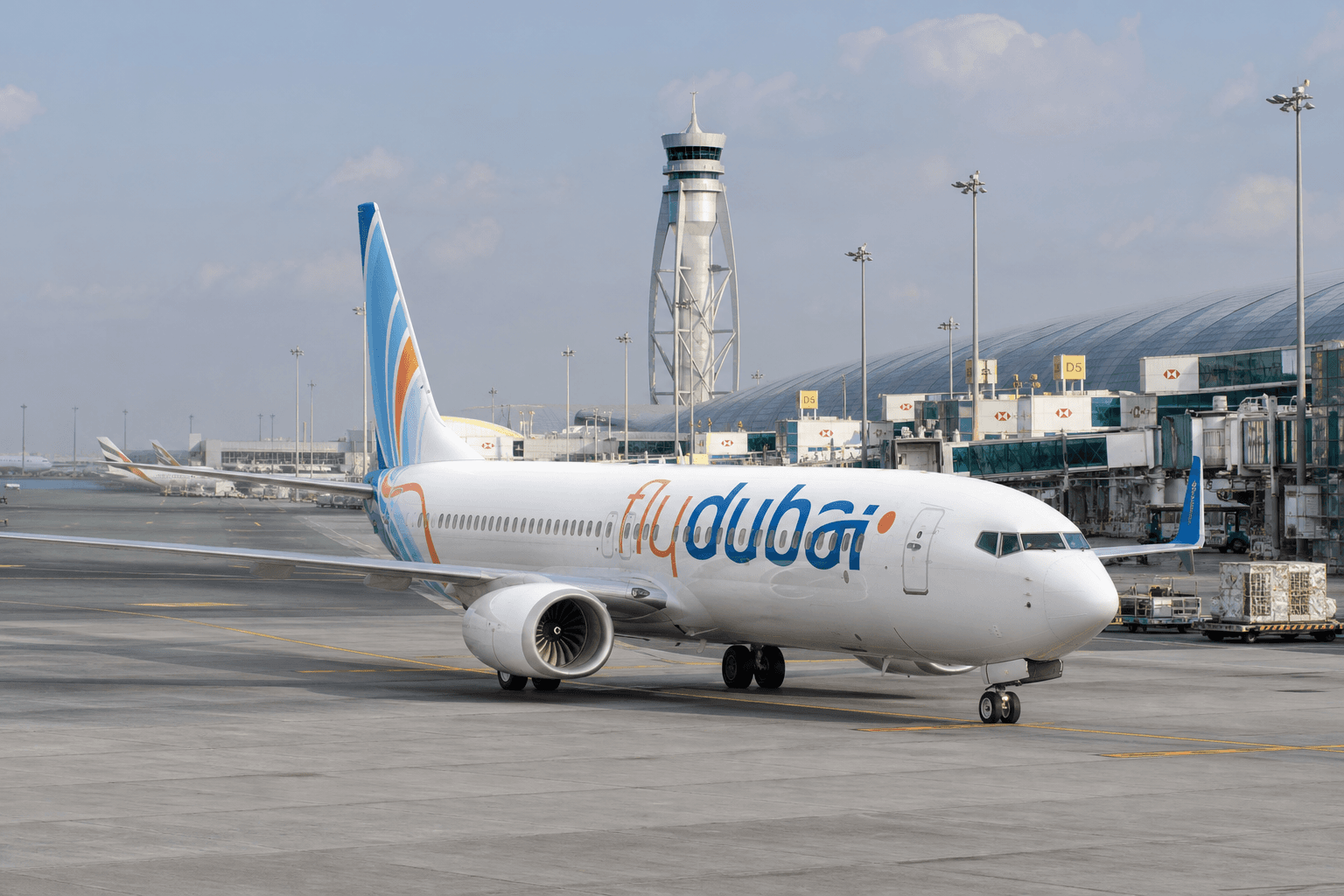
Dubai-based flydubai has announced the resumption of direct flights to Aleppo, marking a significant expansion of its operations in Syria. Starting 20 July 2026, the airline will operate daily non-stop services between Dubai International Airport (DXB) and Aleppo International Airport (ALP). ezstandalone.cmd.push(function () { ezstandalone.showAds(119); }); This development makes Aleppo flydubai’s second destination in Syria, following the successful launch of services to Damascus. The move comes nearly 14 years after operations to Aleppo were previously halted. It reflects flydubai’s ongoing commitment to connecting underserved markets and supporting Dubai’s role as a global aviation hub. ezstandalone.cmd.push(function () { ezstandalone.showAds(127); }); A Milestone for Connectivity Ghaith Al Ghaith, Chief Executive Officer at flydubai , expressed enthusiasm about the new route. “We are pleased to resume our operations to Aleppo after nearly 14 years of halted operations,” he said. “The introduction of our daily service to Aleppo marks an important milestone in our network expansion strategy.” Al Ghaith highlighted the airline’s core mission: creating direct air links to markets that previously lacked convenient connections. ezstandalone.cmd.push(function () { ezstandalone.showAds(128); }); The new service aims to meet strong existing demand while fostering closer economic, cultural, and familial ties between the UAE and Syria. Aleppo, one of the world’s oldest continuously inhabited cities, has long served as a vital commercial crossroads. ezstandalone.cmd.push(function () { ezstandalone.showAds(129); }); The resumption of direct flights is expected to benefit regional business travellers, the Syrian diaspora in the UAE and Gulf region, and visiting friends and relatives (VFR) traffic. Travellers will enjoy significantly shorter journey times compared to indirect routes. Photo Credit: flydubai Building on Damascus Success The Aleppo launch builds on positive momentum from flydubai’s Damascus operations. The airline became the first UAE carrier to offer daily services to the Syrian capital in June 2025. Due to robust demand, it has since increased frequency to three daily flights. Hamad Obaidalla, Chief Commercial Officer at flydubai , noted the encouraging response on the Damascus route. ezstandalone.cmd.push(function () { ezstandalone.showAds(130); }); “The resumption of our non-stop service to Aleppo builds on this momentum, providing our customers with greater choice and more convenient travel options between Dubai and Syria,” he said. The timing aligns well with peak summer travel demand. Flight Schedule Flights will depart from Terminal 3 at Dubai International Airport. The schedule includes: FZ 1191: DXB to ALP, departing 11:00, arriving 13:40 FZ 1192: ALP to DXB, departing 14:40, arriving 19:20 ezstandalone.cmd.push(function () { ezstandalone.showAds(131); }); (All times local) Photo Credit: flydubai Passengers can expect flydubai’s modern Boeing 737 fleet, featuring lie-flat seats in Business Class and comfortable Economy seating. Additional amenities include an immersive in-flight entertainment system and internationally inspired meals. The airline also offers optimised cargo capacity to support bilateral trade. Fares are competitively positioned. Return Business Class starts from AED 8,000 (DXB-ALP) and Economy Lite from AED 1,800. Return fares from Aleppo start from USD 2,000 in Business Class and USD 470 in Economy Lite. ezstandalone.cmd.push(function () { ezstandalone.showAds(132); }); The service operates as part of the flydubai-Emirates codeshare partnership, allowing seamless connections, single-ticket itineraries, and through baggage check-in across the combined network. Growing Network and Future Plans flydubai continues to expand its footprint. The airline now serves more than 140 destinations with a fleet of 97 Boeing 737 aircraft. Recent additions include Benghazi in Libya and Bangkok in Thailand, with Pokhara in Nepal scheduled for September 2026. Since starting operations in 2009, flydubai has carried over 137 million passengers and opened more than 100 new routes. The focus remains on removing barriers to travel and enhancing connectivity across diverse regions. ezstandalone.cmd.push(function () { ezstandalone.showAds(133); }); This resumption of services to Aleppo signals renewed opportunities for trade, tourism, and people-to-people connections between the UAE and Syria. As demand for travel in the region grows, flydubai’s daily service is well-positioned to play a key supporting role.
China Southern Air Logistics to Add Three Boeing 777-300ER Converted Freighters
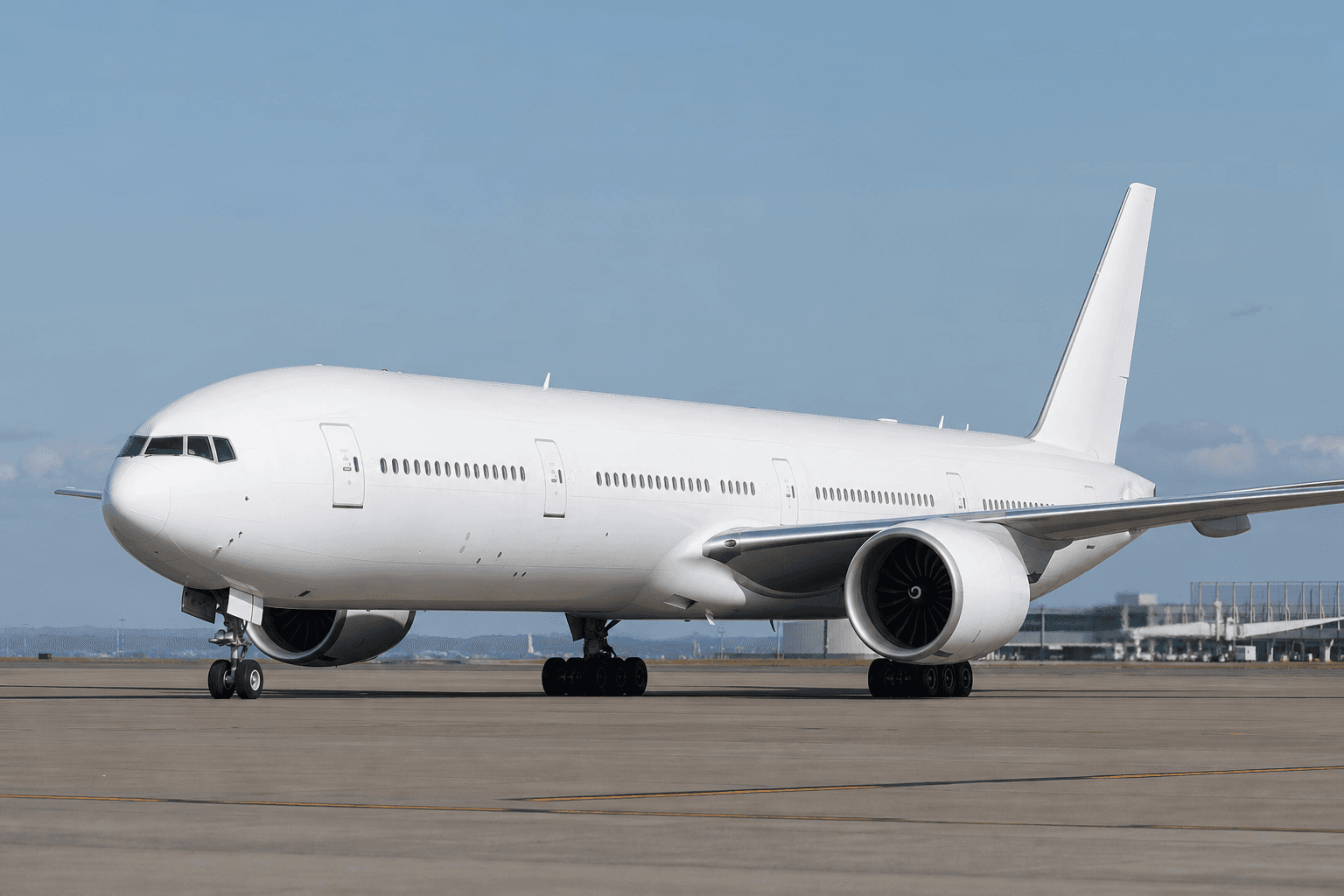
Operator to take IAI-modified twinjets under lease agreement with AerCap. China Southern Airlines has become the latest carrier to commit to introducing converted Boeing 777-300ER freighters. The airline's logistics division has signed a lease agreement for three of the type with Irish-based lessor AerCap. AerCap states that it will deliver the first of the modified twinjets to the Guangzhou-based company in October next year. The remaining two will be handed over in the first and second quarters of 2028 respectively. Designated the 777-300ERSF the aircraft are being converted under a programme partnership between Israel Aerospace Industries and AerCap. "These aircraft will provide strong support for our strategy to expand intercontinental routes, enabling us to deliver superior service to customers worldwide," says China Southern Air Logistics chair Li Xiao. "Introduction of the [777-300ERSF] marks a major milestone in the continued evolution of our fleet." China Southern has cargo hubs at Shanghai and Guangzhou and its cargo fleet includes a dozen Boeing 777Fs and a pair of 747-400Fs. AerCap chief Aengus Kelly says the 777-300ERSFs will "integrate seamlessly" into the Chinese carrier's 777 operation.
Boeing predicts steady 20-year aircraft demand despite current travel slump
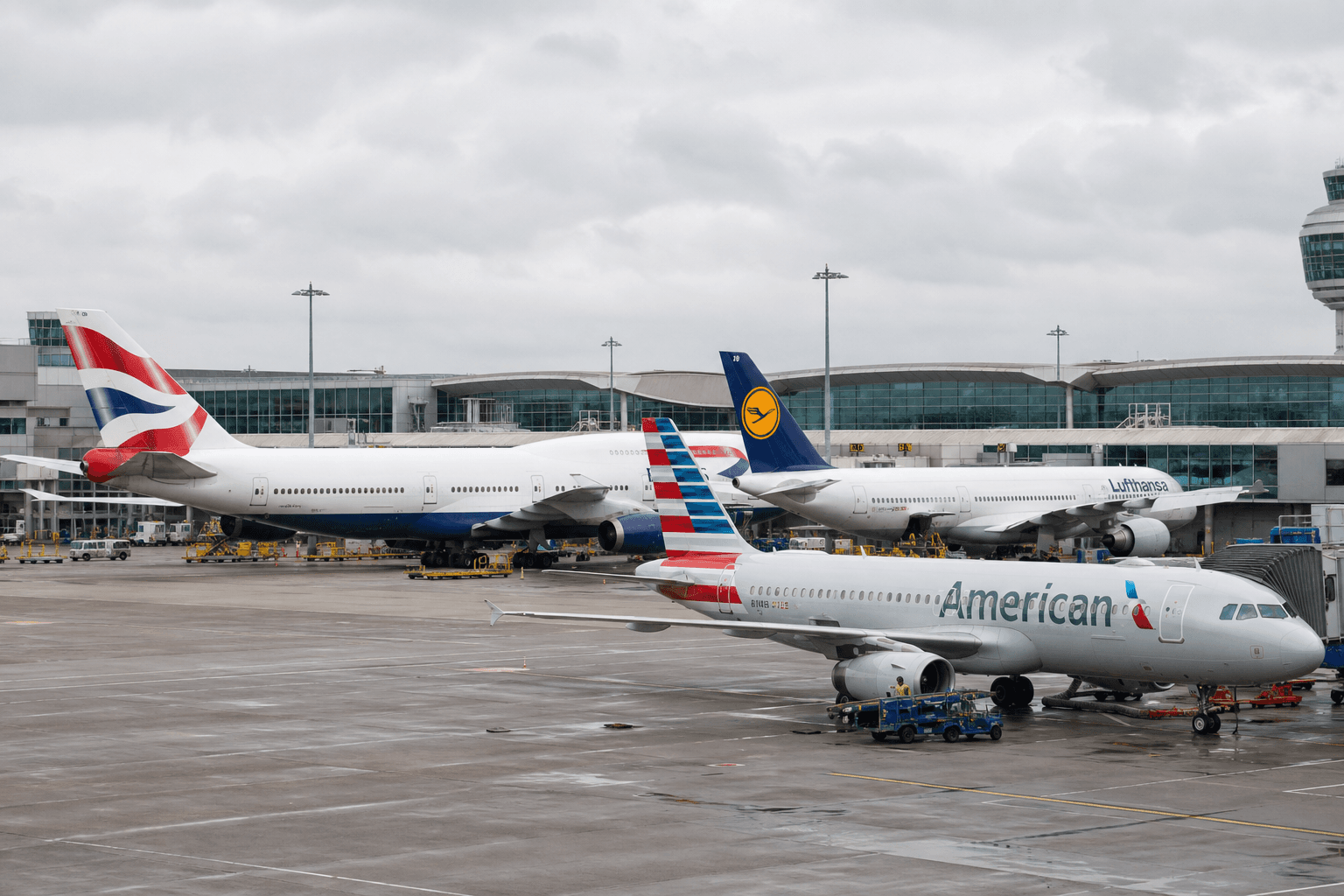
Executive says air travel demand “fundamentals” remain ‘”intact”. Despite an air travel demand slowdown this year, Boeing is maintaining its expectation that airlines over 20 years will require 43,625 additional passenger and cargo jets, a figure largely unchanged from expectations it published in June 2025. The company’s 2026 Commercial Market Update, released on 17 July, estimates the world’s airlines through 2045 will need 33,545 narrowbody, 7,715 widebody, 930 freighter and 1,435 regional aircraft. “We have a pretty stable view on the demand for airplanes, for air travel and the ecosystem that surrounds it,” says Boeing vice-president of commercial marketing Darren Hulst. The company’s forecasted 43,625 aircraft deliveries through 2045 compares to Airbus’s projection, released in recent days, that airlines will need 42,060 aircraft over the same period. Hulst notes the aerospace industry, entering 2026, had expected air travel demand for the year would track or exceed 2025’s 5.3% year-on-year growth, measured in revenue passenger kilometers. But factors like the US-Iran war and resulting elevated fuel prices have brought that expectation down to 2.3% anticipated growth, with Hulst saying, “2026 isn’t going, commercially, from an industry perspective, like a lot of us expected”. At the same time, aerospace companies continue facing shortages of critical components and skilled labour, limiting the pace at which they have been able to ramp production. Hulst estimates those issues have left the global airline industry short some 2,000 aircraft, relative to demand. “However… the fundamentals for air travel and demand for air travel are completely intact,” Hulst says. Boeing expects air travel demand will “rebound” next year to 6-7% year-on-year growth, followed by another 5-6% growth in 2028. Meanwhile, Boeing and other aircraft manufacturers have had recent success increasing output. The 43,625 deliveries Boeing anticipates over 20 years will bring the total fleet to 50,095 aircraft by 2045, up from 27,945 in 2025, Boeing’s outlook says. Of those deliveries, it expects a combined 80% will go to carriers in China, Eurasia, South and Southeast Asia, and North American – split evenly at roughly 20% for each region.
The Daily Touch & Go
The day's best aviation news in your inbox. Free, no spam.