

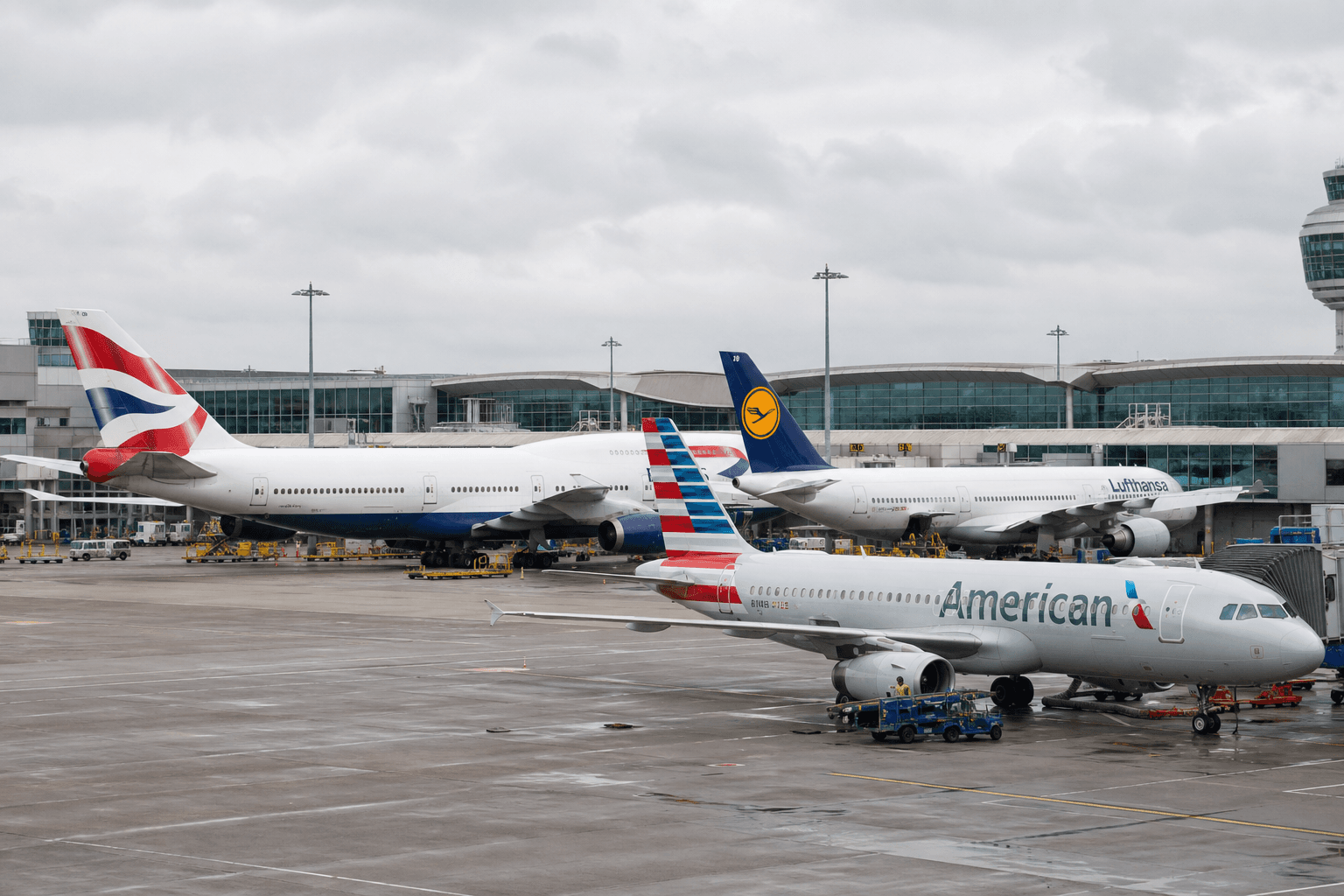
Illustration: The Touch & Go
Boeing predicts steady 20-year aircraft demand despite current travel slump
Boeing's 2026 Commercial Market Update forecasts 43,625 plane deliveries by 2045, aligning closely with last year's outlook amid a slower growth in air travel this year.
The gist
Boeing maintains a stable 20-year demand forecast of 43,625 new jets despite slower air travel growth in 2026.
Continuing coverage
All Boeing →- Boeing Forecasts Nearly $5 Trillion Market for Aviation Services and 2.4 Million Jobs by 2045
- Boeing Plans New Clean-Sheet Jet After Completing 737 MAX and 777X Certification
- Boeing dismantles never-flown 777-9 amid costly rework and program delays
- Boeing returns to Farnborough Airshow with emphasis on rebuilding trust and safety
- South Korea upgrades F-15K fleet with advanced BAE EPAWSS electronic countermeasures
Boeing has reaffirmed its long-term aircraft demand forecast even as global air travel growth moderates in 2026. The aerospace giant's latest Commercial Market Update projects airlines will require 43,625 additional passenger and cargo jets worldwide through 2045. This forecast remains largely unchanged from the projection Boeing released in June 2025, signaling the company’s confidence in the aviation industry's underlying fundamentals. Boeing's vice-president of commercial marketing, Darren Hulst, emphasized that despite the current slowdown, the basic drivers of air travel demand are intact and expected to continue expanding over the next two decades.
The report breaks down the anticipated deliveries by aircraft category, estimating a need for 33,545 narrowbody aircraft, 7,715 widebody planes, 930 freighters, and 1,435 regional jets. The narrowbody segment, which includes popular single-aisle models widely used on short to medium-haul routes, comprises the bulk of the forecasted demand. Meanwhile, widebody aircraft, critical for long-haul international travel, and freighters, essential for cargo transportation, also represent significant shares of the expected market. The emphasis on regional jets highlights their continuing importance as regional connectivity and feeder traffic remain vital for global airline networks.
Boeing's forecast of 43,625 new aircraft deliveries aligns closely with Airbus's recent outlook projecting 42,060 airplanes needed over the same 20-year period. This convergence between the two largest commercial aircraft manufacturers underscores a broadly shared industry view despite varying models and assumptions underlying each forecast. The industry consensus reflects long-term growth prospects driven by rising passenger numbers and expanding air cargo activity, particularly in emerging markets with growing middle classes and increasing air travel accessibility.
Several external factors have contributed to the deceleration of air travel growth in 2026 compared to initial expectations. Originally, the aviation sector anticipated that revenue passenger kilometers (RPK) would increase by approximately 5.3 percent year-on-year, consistent with 2025 growth rates. However, geopolitical tensions including the ongoing US-Iran war have driven up fuel costs, increasing operational expenses for airlines worldwide. This, alongside lingering supply chain challenges and labor shortages in aerospace manufacturing, has tempered market recovery rates and slowed capacity expansion.
Despite these headwinds, Boeing estimates that the global airline industry currently faces a shortfall of around 2,000 aircraft relative to demand. Production constraints caused by shortages of critical components and skilled workers have delayed deliveries, limiting airlines from fully replenishing and expanding their fleets. This production bottleneck impacts not only Boeing but the broader aerospace supply chain, potentially affecting airline fleet planning and service expansions in the near term.
Looking beyond the immediate challenges, Boeing projects a strong rebound in air travel demand starting in 2027. The company expects RPK growth to accelerate to 6-7 percent in 2027, followed by sustained growth of 5-6 percent in 2028. This anticipated resurgence reflects confidence in the air travel sector's resilience and continued global economic recovery. It also aligns with expanding demand from fast-growing regions and increased connectivity as pandemic impacts further subside and passenger confidence rebuilds.
Geographically, Boeing forecasts that 80 percent of anticipated aircraft deliveries over the next two decades will be allocated among four key regions: China, Eurasia, South and Southeast Asia, and North America. Each of these areas is expected to represent approximately 20 percent of the total new deliveries. The emphasis on Asia and Eurasia underscores the shifting growth centers of global aviation demand, driven by rising populations, urbanization, and economic development. North America remains a significant market due to its established aviation infrastructure and strong domestic travel demand.
From a fleet size perspective, Boeing projects the global commercial aircraft fleet will nearly double by 2045, growing from 27,945 aircraft in 2025 to 50,095 by then. This substantial expansion reflects ongoing replacement of older models with newer, more fuel-efficient types, in addition to fleet growth to support increasing air travel volumes. The forecast’s scale highlights the substantial aircraft manufacturing workload anticipated over the coming decades, emphasizing the need for sustained industrial capacity and supply chain robustness to meet airline requirements.
The steady long-term demand forecast amid short-term turbulence highlights the aviation industry's complex dynamics. Boeing’s outlook makes clear that while geopolitical and economic challenges may slow market growth temporarily, the underlying necessity for new aircraft remains substantial. The alignment with Airbus's demand projections further solidifies the industry’s shared expectations, reinforcing the strategic importance of continued investment and innovation in commercial aerospace manufacturing.
Frequently asked questions
- What is Boeing's current long-term aircraft demand forecast?
- Boeing forecasts a demand for 43,625 new passenger and cargo aircraft worldwide from 2025 through 2045, including narrowbody, widebody, regional, and freighter planes.
- How has air travel growth changed in 2026 compared to expectations?
- Air travel growth in 2026 is expected to be around 2.3% year-on-year, lower than the initially anticipated 5.3%, due to factors such as the US-Iran war and increased fuel prices.
- Which regions will see the highest share of new aircraft deliveries according to Boeing?
- Boeing expects 80% of new aircraft deliveries to go to China, Eurasia, South and Southeast Asia, and North America, each region receiving about 20% of deliveries.
Read more
All Cargo →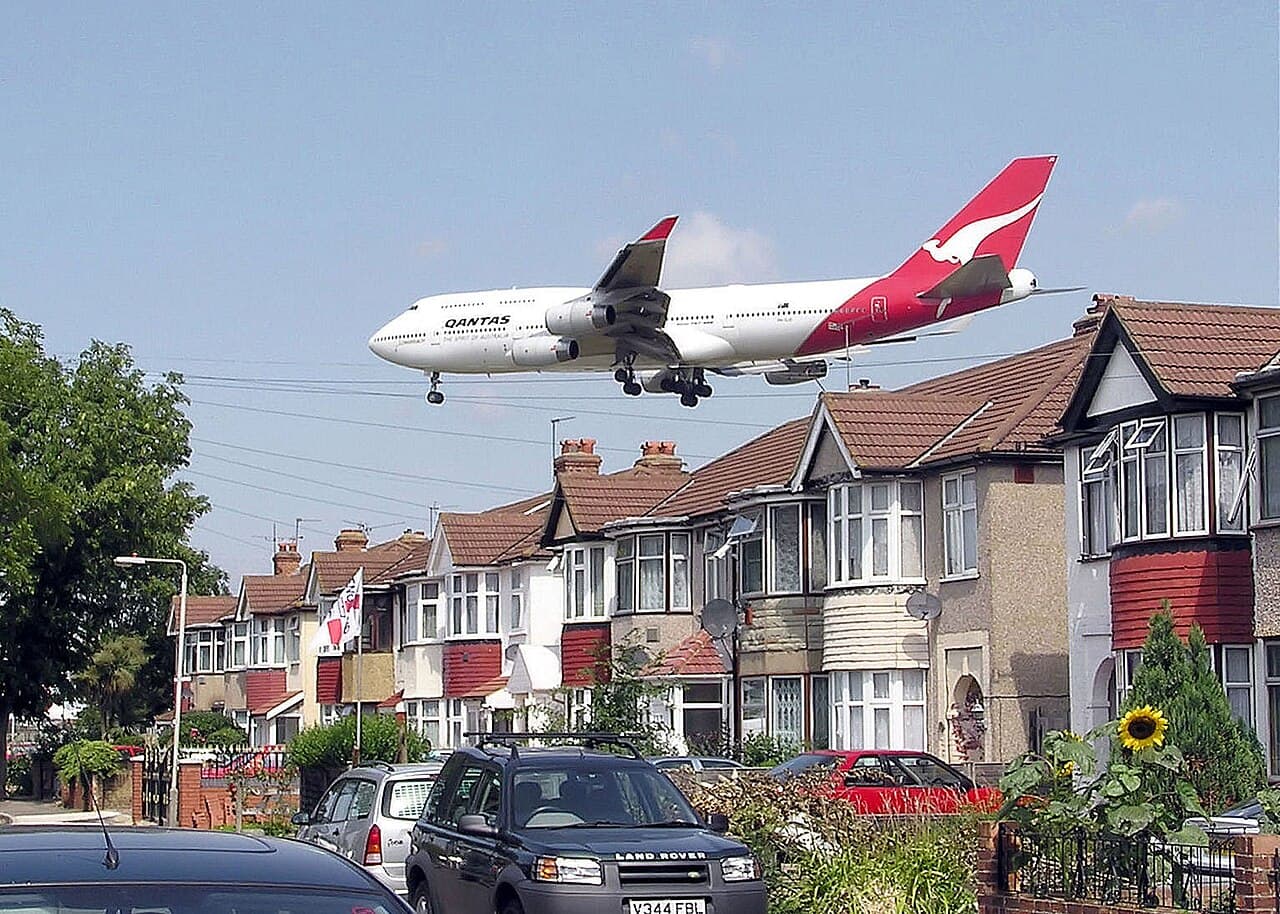
Qantas A321 Freighter First Cargo Plane to Land at Western Sydney International
A Qantas Airbus A321 freighter has become the first cargo aircraft to land at Western Sydney International Airport (WSI), completing a readiness flight ahead of regular freight operations beginning later this month. Flight QF7301 touched down at 14:00 local time on July 13, 2026, at the airport also known as Nancy-Bird Walton Airport. The flight helped validate key operational processes at the airport's new Cargo Precinct, including aircraft handling, ground operations, systems, airside coordination, and cargo transfer procedures. Counting down to launch Regular domestic freighter operations from Western Sydney International will start on July 27, 2026 with the new terminal expected to handle more than 850 tonnes of freight each week. Qantas will operate from a 24,000-square-meter freight terminal at the airport, designed to streamline cargo handling at Sydney's newest gateway. Igor Kwiatkowski, Executive Manager of Qantas Freight, said the test flight was an important step before launching operations. "Western Sydney International Airport is set to become one of Australia's key air freight hubs and today's flight was an important opportunity to test key procedures ahead of starting operations," Kwiatkowski said. "In just a few weeks, this new 24-hour facility will provide greater flexibility for our freight network, helping us meet growing demand for e-commerce and next-day deliveries." Testing before opening day Simon Hickey, Chief Executive Officer of Western Sydney International Airport, said the trial program allows the airport to test its systems ahead of commercial operations. "We've utilised the latest technology and innovations to deliver a highly efficient, sustainable, and future-proofed 24-hour Cargo Precinct," Hickey said. "Our operational readiness program and live aircraft trials present an excellent opportunity to test these capabilities." Hickey also acknowledged the coordination between the airport, Airservices Australia, and Cargo Precinct partners in delivering the trial program. The freight milestone comes ahead of the airport's passenger debut. Jetstar will operate the first commercial passenger flight from Western Sydney International on October 25, 2026, the airport's opening day. Qantas passenger services will follow on March 28, 2027, as part of an agreement between the Qantas Group and the airport covering both passenger and freight operations. RELATED Qantas and Jetstar announce flights from Western Sydney International Airport
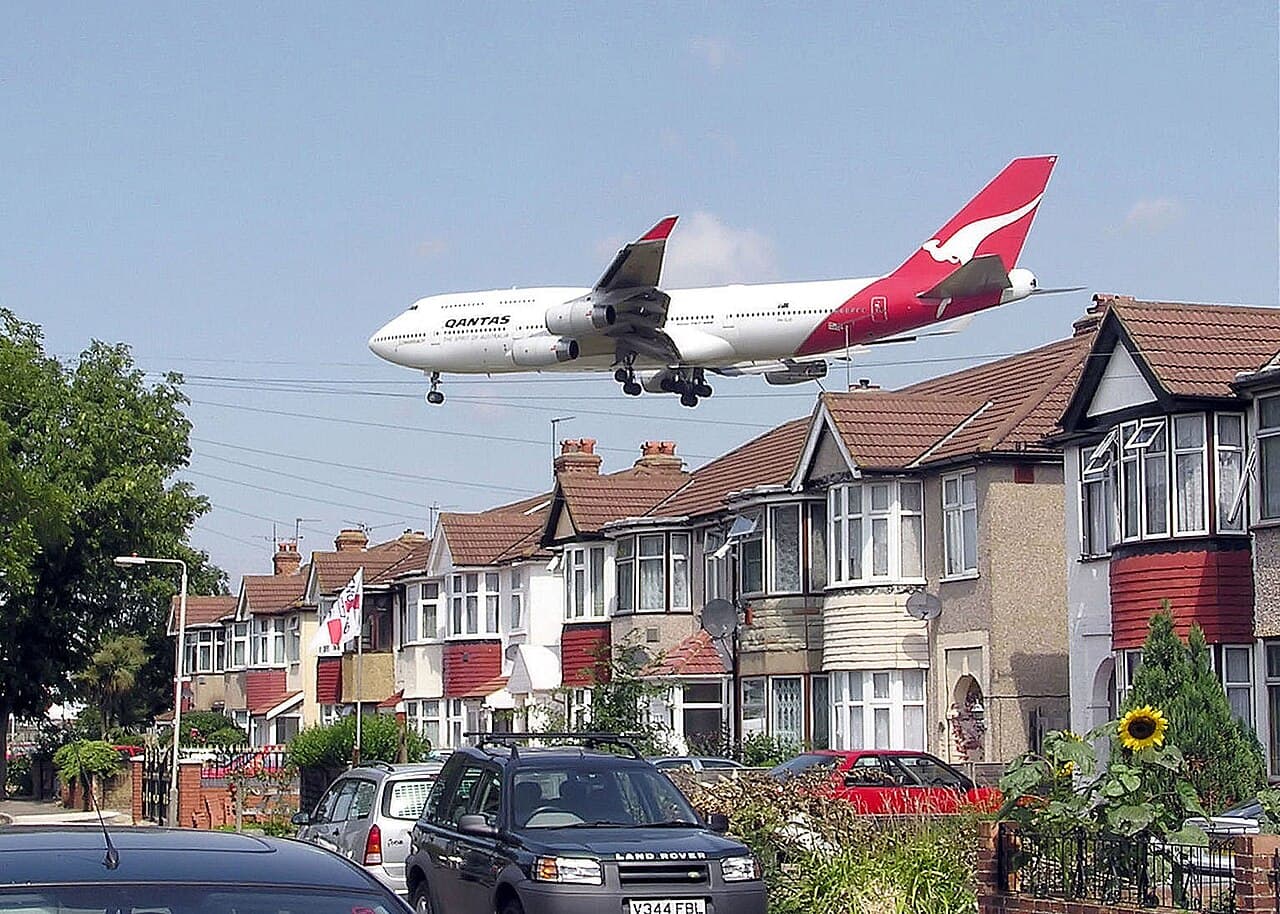
Qantas Begins Cargo Flight Trials at New Western Sydney Airport with A321 Freighter
Badgerys Creek hub set to open in late July. Cargo flight trials have commenced at Australia's newest airport, Western Sydney, with the arrival of the first freighter — a converted Airbus A321 operated by Qantas. The twinjet (VH-XF5) flew from Sydney's main airport to touch down on the new facility's runway 23 on 13 July. "These trials are an integral part of ensuring that our systems, infrastructure and staff have been put through their paces in a live and controlled operating environment," says Western Sydney airport's chief, Simon Hickey. He says additional flights will be conducted over the next two weeks, ahead of the airport's formal inauguration of commercial freight services on 26 July. Passenger flights are scheduled to commence in October. Qantas Freight executive manager Igor Kwiatkowski says the new airport will become an important cargo hub for Australia. "This new 24-hour facility will provide greater flexibility for our freight network, helping us meet growing demand for e-commerce and next-day deliveries," he says. "The airport will increase Sydney's air cargo capacity helping us to move time-critical supplies around Australia and overseas." Companies including Dnata, Texel Air and Menzies Aviation will operate at the hub alongside Qantas Freight. Western Sydney is located in the region of Badgerys Creek, about 23nm (42km) west of the city's main international airport.

SolitAir Opens New Dubai-Jinan Cargo Route Enhancing China-UAE Freight Links
SolitAir, the UAE’s dedicated B2B airport-to-airport cargo airline, has launched a new scheduled route connecting its Dubai World Central (DWC) hub to Jinan Yaoqiang International Airport (TNA). The route addition further strengthens increases the carrier’s presence in northern China. ezstandalone.cmd.push(function () { ezstandalone.showAds(119); }); The move strengthens the carrier’s growing footprint in one of the world’s most important trade markets, building on its successful operations to Hong Kong and Urumqi. The inaugural flight carried a VIP cargo shipment, underlining the route’s focus on secure, reliable, and time-critical air freight solutions. Customers needing fast, tailored transport for high-value or sensitive goods now have a direct and efficient link between the UAE and northern China. ezstandalone.cmd.push(function () { ezstandalone.showAds(127); }); Jinan: Rising Gateway in Northern China Jinan, the capital of Shandong Province, is emerging as a strategic air cargo hub in northern China. Served by Jinan Yaoqiang International Airport (TNA), the city handled approximately 173,700 tons of cargo in 2025, supporting robust growth in high-value exports. Shandong’s strong manufacturing base — including electronics, machinery, pharmaceuticals, and fresh produce — drives demand for rapid global connectivity. ezstandalone.cmd.push(function () { ezstandalone.showAds(128); }); Jinan’s location south of the Bohai Economic Rim, combined with excellent road and rail links, positions it ideally for multimodal logistics. The airport operates over 150 routes to more than 90 cities, with expanding international freighter services, such as new connections to Dubai. As China develops regional cargo hubs beyond Beijing and Shanghai, Jinan offers competitive capacity, efficiency, and access to Shandong’s vibrant export economy, making it an attractive node for time-sensitive air trade. ezstandalone.cmd.push(function () { ezstandalone.showAds(129); }); CEO: “Supporting Evolving Customer Needs” Hamdi Osman, Founder and CEO of SolitAir , highlighted the importance of the new route. “China continues to be one of the most important growth markets for global trade, and expanding our network to Jinan reflects our commitment to serving the evolving needs of our customers.” The Jinan launch builds on SolitAir’s established presence across China, which already includes operations to Hong Kong and Urumqi, and comes hard-on-the-heels of the carrier’s move into Europe. Rapid Network Expansion The Jinan launch follows SolitAir’s recent entry into Europe with its inaugural route to Sofia, Bulgaria. Since starting operations in October 2024, the airline has quickly scaled up to 56 routes across 33 countries. ezstandalone.cmd.push(function () { ezstandalone.showAds(130); }); This includes a strong 18-city network across Africa. The carrier continues to focus on commercially vital, time-sensitive corridors linking Asia, the Middle East, Africa, and Europe. SolitAir operates a modern fleet of seven Boeing 737-800 BCF freighters. Each aircraft offers a 20-tonne cargo capacity and is well-suited for a wide range of shipments, including dangerous goods, pharmaceuticals, perishables, valuable items, and oversized freight. The airline’s reliable, versatile aircraft deliver the range and performance needed for demanding routes. ezstandalone.cmd.push(function () { ezstandalone.showAds(131); }); Comprehensive Service Offering The airline provides an integrated platform across four key service areas: On-Demand Charters, Tailor-Made Programs, Scheduled Flights, and ACMI Services. This flexible approach allows SolitAir to deliver custom solutions on both high-demand and underserved routes. SolitAir holds several important certifications, including the UAE GCAA Air Operator Certificate (AOC), Dangerous Goods certification, EASA Third Country Operator (TCO) authorisation, United Kingdom Third Country Operator Certificate, and ACC3 designation from the Belgian Civil Aviation Authority. These approvals ensure secure and compliant cargo operations to and from the European Union. ezstandalone.cmd.push(function () { ezstandalone.showAds(132); }); Future Growth Plans Looking ahead, SolitAir aims to expand its fleet to 20 aircraft. The airline operates from a 20,440-square-metre dedicated cargo hub at Dubai World Central (Al Maktoum International Airport), positioning it well for continued growth in global B2B air cargo. The new Tianjin route enhances connectivity for businesses moving goods between key economic centres. It reflects SolitAir’s strategy of linking dynamic markets with dependable, customer-focused air freight services.

Brussels Airport Reports 11.7 Million Passengers and Strong Cargo Growth in H1 2026
Brussels Airport has reported solid results for the first six months of 2026. The airport welcomed 11.7 million passengers and handled nearly 420,000 tonnes of cargo, demonstrating resilience despite several operational challenges. ezstandalone.cmd.push(function () { ezstandalone.showAds(119); }); Passenger numbers rose 3.6% compared to the same period in 2025, while cargo volumes increased by a healthy 8.3%. These figures highlight the airport’s ability to grow its network and maintain momentum in a demanding environment. Brussels Airport continues to strengthen its position as a key European hub for both travellers and freight. ezstandalone.cmd.push(function () { ezstandalone.showAds(127); }); Passenger Traffic Shows Steady Growth In the first half of 2026, Brussels Airport served exactly 11,684,976 passengers. This 3.6% increase came despite external disruptions, including social actions and the ongoing conflict in the Middle East. The airport launched eight new destinations during this period, with five being long-haul routes. Notable additions included Air China’s services and a new route to Chengdu, which boosted connectivity with Asia. ezstandalone.cmd.push(function () { ezstandalone.showAds(128); }); LATAM began direct flights to São Paulo—the first such link between Belgium and South America in over 25 years. Brussels Airlines also introduced a route to Kilimanjaro in Tanzania. These expansions have significantly improved the airport’s international reach. Challenges affected operations throughout the period. The Middle East conflict led to the suspension of flights to Tel Aviv and reduced services to the Gulf region. ezstandalone.cmd.push(function () { ezstandalone.showAds(129); }); Additionally, industrial actions in March and May impacted around 55,000 passengers, while a strike by air traffic provider skeyes on 2 June affected another 25,000 travellers. Despite these hurdles, demand for air travel remained strong, supporting overall growth. Cargo Volumes Surge 8.3% Cargo performance stood out even more, with nearly 420,000 tonnes handled in the first half of the year—an 8.3% rise year-on-year. This growth reinforces Brussels Airport’s status as one of Europe’s leading cargo gateways. Different segments contributed to the increase. Full freighter volumes grew by 16.7%, trucked cargo rose 16.2%, and flown cargo increased by 7%. Belly cargo saw only a modest 0.1% gain, as it remained sensitive to disruptions in Middle East routes. The airport’s strategy of diversifying goods and markets has clearly paid off. ezstandalone.cmd.push(function () { ezstandalone.showAds(130); }); Brussels Airport is investing in modernising its cargo zone to support future expansion. These improvements will help meet the needs of logistics operators and sustain long-term growth in pharmaceutical products, perishables, e-commerce, and other specialised segments. Photo Credit: Brussels Airport Positive Results Continue in June June 2026 delivered encouraging figures as well. The airport welcomed over 2.2 million passengers, up 1.7% from June 2025. New routes to São Paulo, Kilimanjaro, and Halifax, along with resumed services to Doha and increased frequencies to other destinations, helped drive this performance. Cargo volumes in June reached 70,895 tonnes, marking a strong 12.2% increase. Full freighter traffic grew significantly, and trucked cargo surged by 42.4%. Commercial flight movements remained nearly stable, with passenger flights up slightly. ezstandalone.cmd.push(function () { ezstandalone.showAds(131); }); Popular destinations in June included Spain, Italy, Greece, and Germany. Outbound transfer passengers accounted for 15% of traffic, showing healthy hub activity toward Europe, Africa, and North America. Looking Ahead These first-half results demonstrate Brussels Airport’s strong foundation. With 205 direct destinations served by 83 airlines in 2026, the airport offers excellent connectivity for both leisure and business travellers. Its cargo operations remain a European leader, particularly in pharmaceuticals. The airport’s SHIFT 2027 strategy focuses on sustainability, innovation, and diversification. By addressing challenges head-on and investing in infrastructure, Brussels Airport is well positioned to build on this positive momentum in the second half of the year and beyond. ezstandalone.cmd.push(function () { ezstandalone.showAds(132); }); As one of Belgium’s major economic engines supporting around 64,000 jobs, the airport’s continued growth benefits the entire region. Travellers and businesses alike can expect even more opportunities from this dynamic European hub.
The Daily Touch & Go
The day's best aviation news in your inbox. Free, no spam.