
Illustration: The Touch & Go
EVA Air Pioneered Premium Economy, Reshaping Long-Haul Travel Since 1992
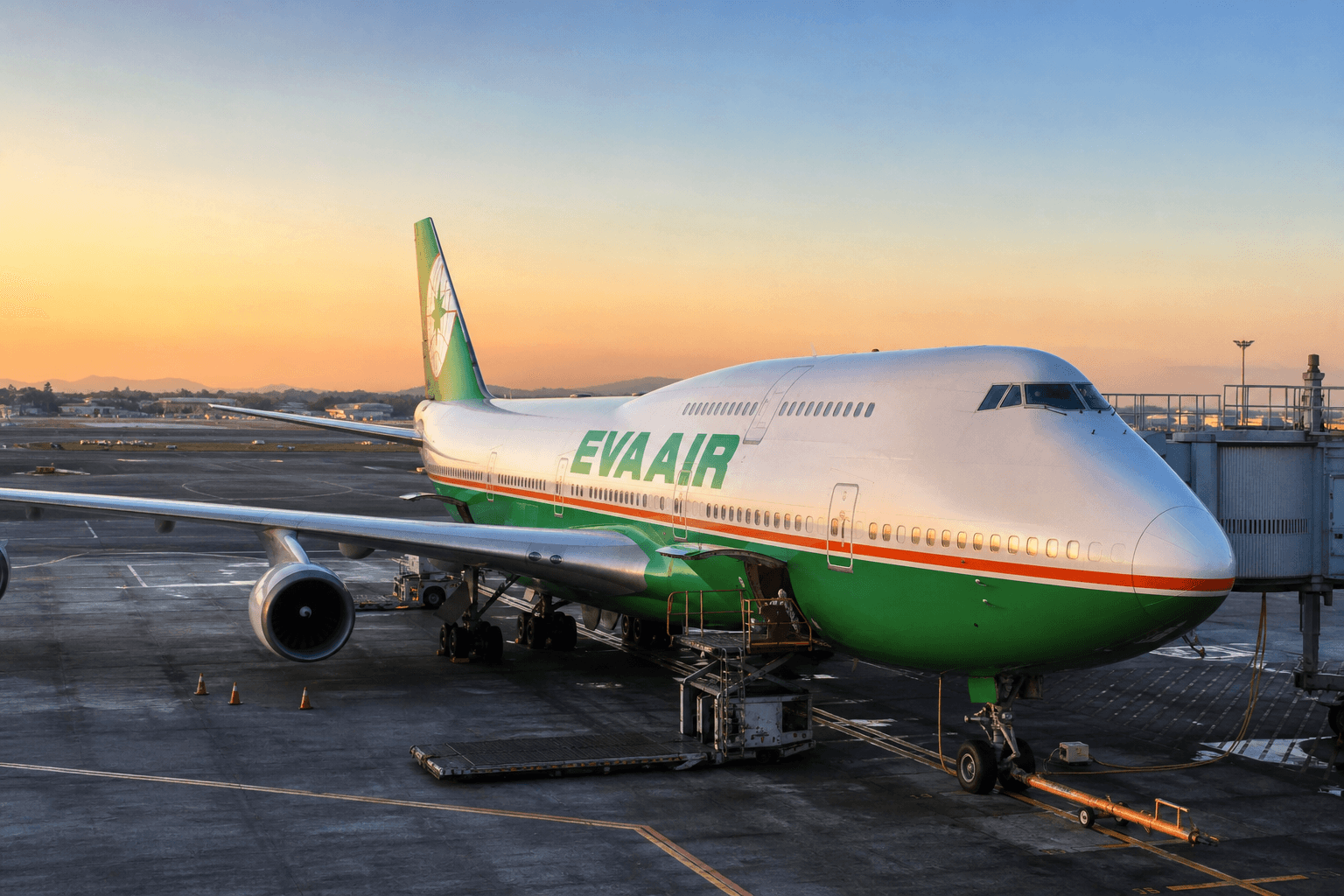
EVA Air introduced the first dedicated Premium Economy cabin on its Boeing 747s, creating a key cabin class bridging economy and business on long-haul flights.
The gist
EVA Air launched Premium Economy in 1992, revolutionizing passenger comfort between economy and business classes globally.
Premium Economy has become a vital cabin segment for long-haul airlines, offering travelers enhanced comfort at a moderate fare premium compared to economy class. This cabin class typically features wider seats, greater legroom, improved dining, and better amenities, providing a middle ground between economy's affordability and business class luxury. Its widespread adoption has transformed fleet design and route planning for multiple global carriers.
The rise of Premium Economy is a relatively recent phenomenon in aviation history. About ten years ago, it was mostly limited to select airlines operating intercontinental flights. However, growing passenger demand for more comfortable options—without the high cost of business class—along with airlines’ interest in maximizing revenue per cabin area, has driven rapid expansion of this cabin class worldwide. Many operators have introduced these seats on widebody aircraft and retrofitted existing fleets to meet this demand.
The origin of Premium Economy can be traced back notably to EVA Air, a Taiwanese carrier established in 1989 under the Evergreen Group. From its inception, EVA Air focused on international long-haul markets, particularly transpacific flights connecting Taipei with major North American cities. The airline quickly earned a reputation for quality service and innovation in passenger comfort, aiming to distinguish itself from larger rivals by emphasizing enhanced onboard experiences.
EVA Air identified a distinct passenger segment whose needs were not met adequately by the standard economy or the higher-priced business class cabins. These travelers wanted a better experience for lengthy flights but could not justify business class pricing. In response, EVA Air introduced 'Economy Deluxe' in 1992 on its Boeing 747s, marking the world’s first dedicated Premium Economy product. This cabin featured wider seats, increased pitch, and upgraded meal and service offerings directly targeting this underserved market.
The Economy Deluxe cabin was designed as a truly separate class rather than a minor economy upgrade. Seating layouts provided noticeably more personal space on transpacific flights that could last over ten hours. Other enhancements included improved dining presentation and additional passenger amenities, reinforcing that passengers booked into this cabin received a distinct flying experience. The product's success validated the concept and led to its adoption across the industry.
As EVA Air's Premium Economy model gained traction, other carriers took notice and began implementing similar cabins under various brand names such as Premium Economy or Economy Plus. What began as EVA Air’s experiment quickly became a global standard for long-haul flights, reshaping cabin class segmentation strategies. Today, Premium Economy is considered an essential element of airline revenue management and customer service design.
Continuing its leadership in cabin innovation, EVA Air unveiled its latest Premium Economy product aboard its Boeing 787 Dreamliner fleet in 2025. This updated cabin emphasizes ergonomic comfort, featuring seats with about 42 inches of pitch—greater than typical Premium Economy standards. The design incorporates large recline angles, adjustable footrests, and enhanced privacy elements like head dividers to improve passenger comfort on overnight journeys.
Additional refinements include better personal storage solutions to keep devices and belongings accessible, as well as state-of-the-art entertainment and connectivity options. This modern iteration of Premium Economy reflects EVA Air’s ongoing commitment to raising comfort benchmarks for travelers seeking a mid-tier premium experience. The cabin upgrades highlight EVA Air’s role not only as Premium Economy’s originator but also as a continuing innovator in passenger cabin product development.
EVA Air’s pioneering introduction of Premium Economy and its continued product enhancements illustrate the airline’s strategic focus on meeting evolving passenger needs. Its early recognition of a market gap between economy and business class has influenced global airline cabin configurations, making Premium Economy a critical revenue and service segment on long-haul routes. The airline’s legacy in this space underlines the impact of innovation on shaping aviation passenger experience standards.
Frequently asked questions
- When did EVA Air first introduce Premium Economy seating?
- EVA Air introduced the first dedicated Premium Economy cabin, called Economy Deluxe, in 1992 on its Boeing 747 fleet.
- What distinguishes Premium Economy from economy and business class?
- Premium Economy offers wider seats, greater legroom, enhanced dining, and improved amenities, providing a mid-tier product between economy affordability and business class luxury.
- How has Premium Economy evolved since its introduction by EVA Air?
- Since EVA Air's introduction, Premium Economy has expanded globally, becoming a near-standard cabin class on widebody aircraft, with airlines upgrading seats and service to meet demand for more comfortable but affordable long-haul travel.
Read more
All Airlines →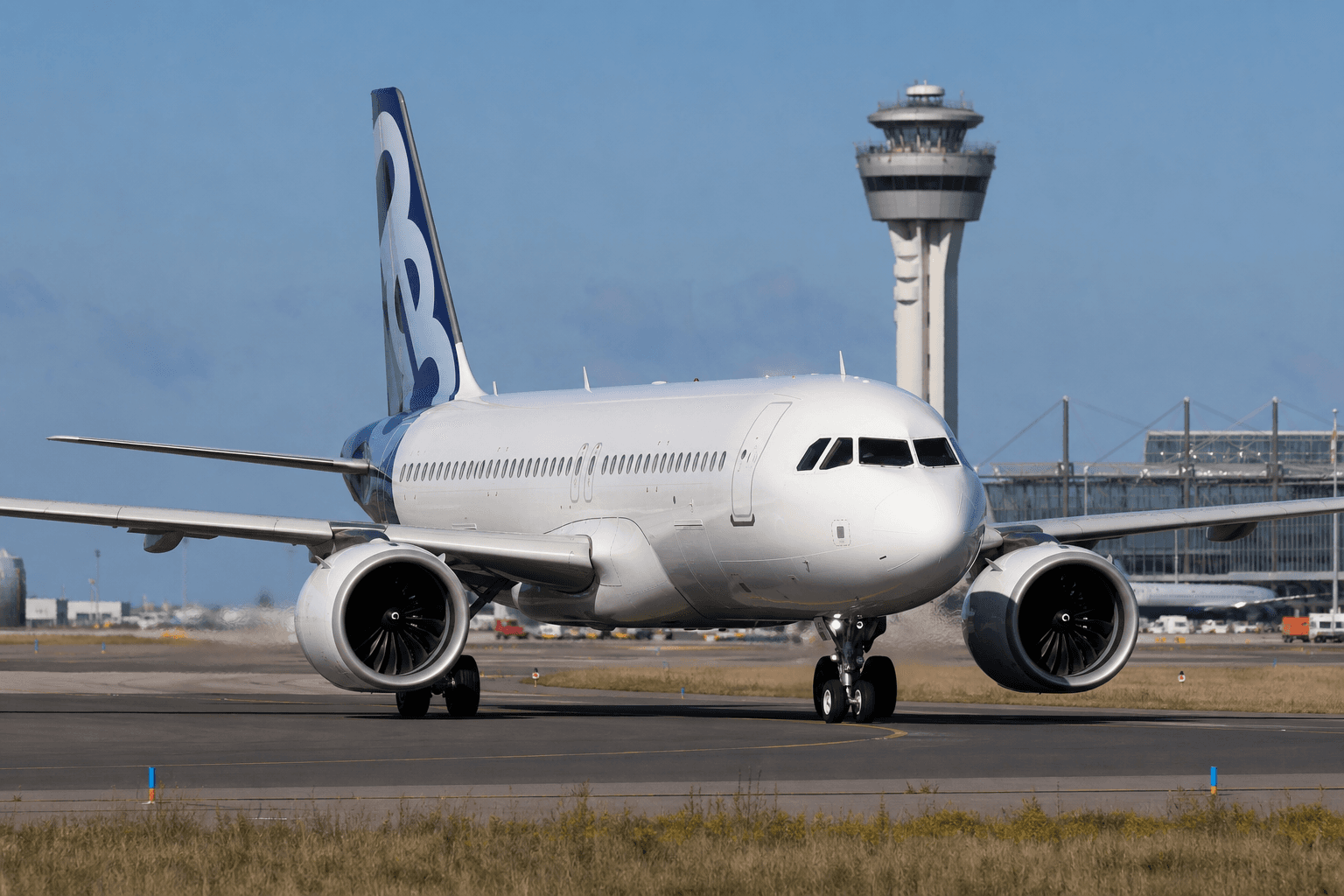
IndiGo selects Honeywell avionics and power units for 810 A320neo jets
US manufacturer Honeywell Aerospace opened the Farnborough air show on 20 July by announcing a massive component deal with Indian carrier IndiGo. The airline will equip 810 incoming Airbus A320neo-family jets with Honeywell Aerospace’s avionics and power systems. Honeywell will also support those components in the aftermarket. The agreements mark a major win for newly independent Honeywell Aerospace, which completed its separation from longtime parent Honeywell in June. “This agreement represents the largest new-aircraft-selectable equipment win in Honeywell Aerospace history, accelerating the company’s expansion,” Honeywell says. The aerospace giant will supply the weather radars, traffic collision and avoidance systems, flight management systems and 131-9A auxiliary power units found on IndiGo’s incoming aircraft. “The scale of IndiGo’s fleet expansion – and their decision to rely on Honeywell Aerospace’s advanced products – underscores the strength of our technology and demonstrates the confidence customers place in Honeywell Aerospace,” says Honeywell president of global commercial aftermarket services Anthony Florian. IndiGo chief executive designate Willie Walsh adds that the agreement will support the carrier’s ongoing “transformation into a truly global airline” and support Indigo’s “reliability, operational excellence and seamless customer experience”. IndiGo has more than 300 A320s already in service and another 70 in storage, and its 810 outstanding orders include A320neos and A321neos, Cirium fleets data shows.
United Airlines Allows Flight Attendants to Drink Alcohol While Deadheading Under Strict Conditions
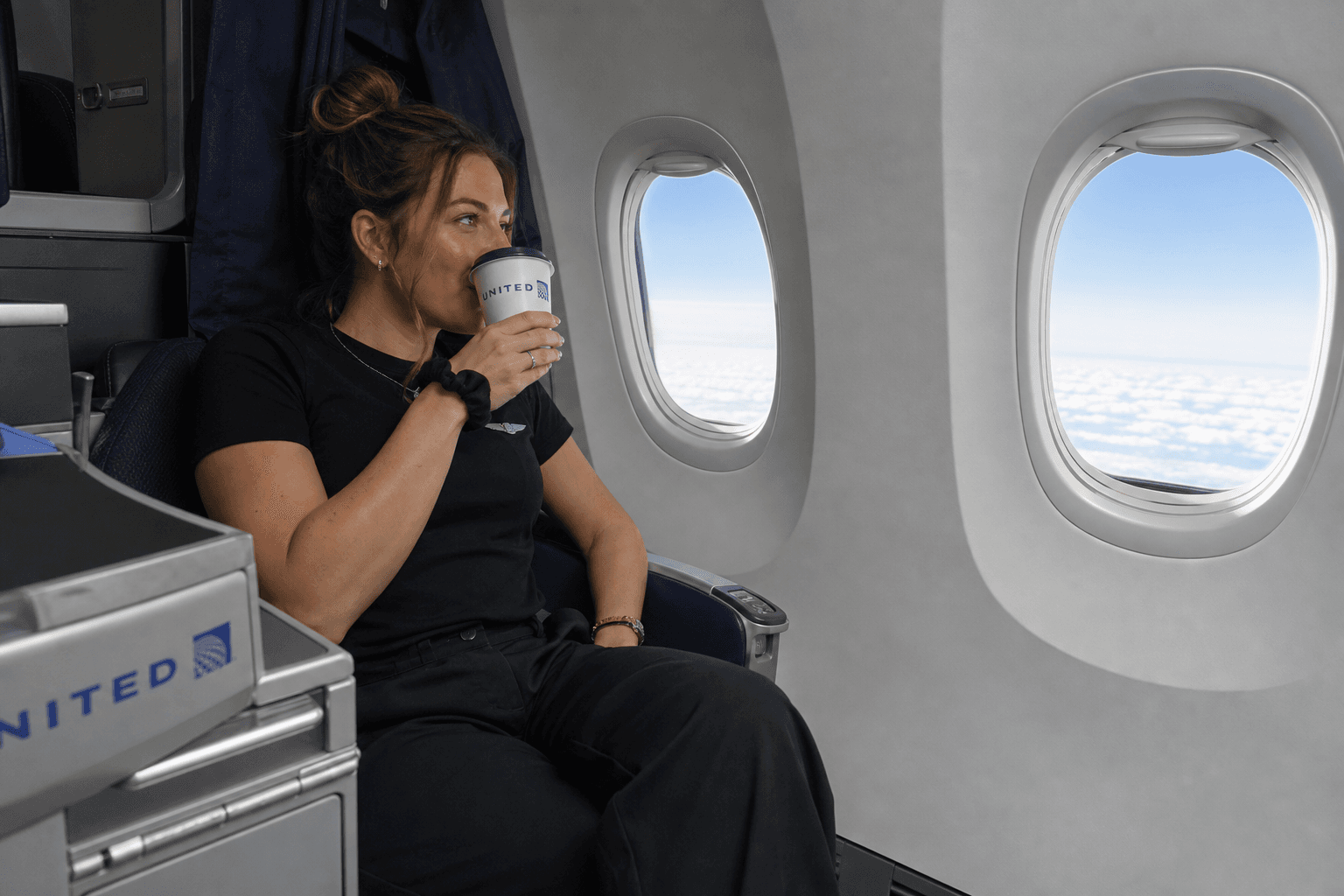
United Airlines flight attendants can drink while on duty in one narrow situation: when they are deadheading as passengers, out of uniform, and not expected to work another flight that day.
How Crews and Aircraft Separation Amplify Flight Delays Even After Weather Clears
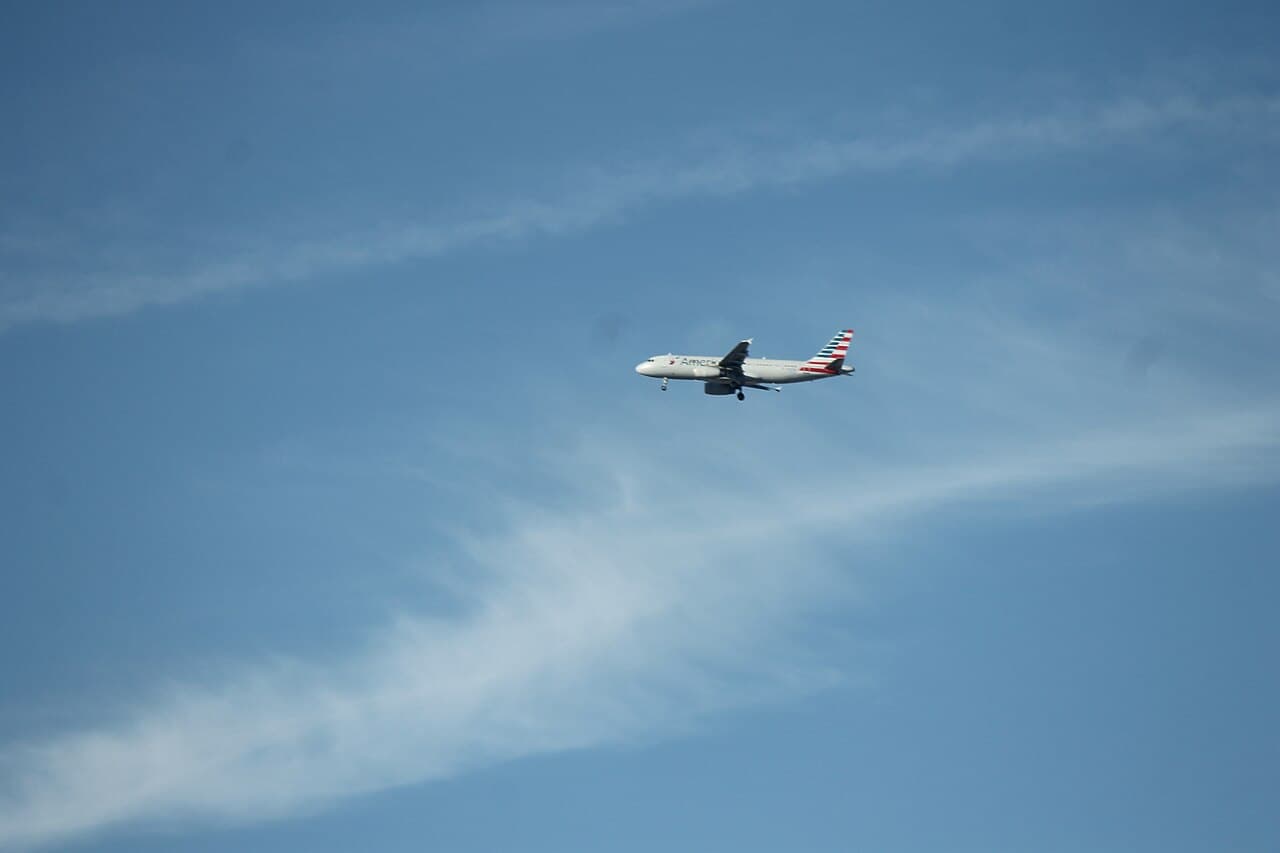
Airlines often blame weather even after skies clear because the disruption has scattered aircraft, pilots and flight attendants across the network. After a storm delayed my American Airlines flight at Washington National, a missing crewmember exposed how separating planes and crews can turn one late arrival into delays across multiple flights.
Airbus to upgrade A321neo with A321XLR wing design and single-slotted flaps
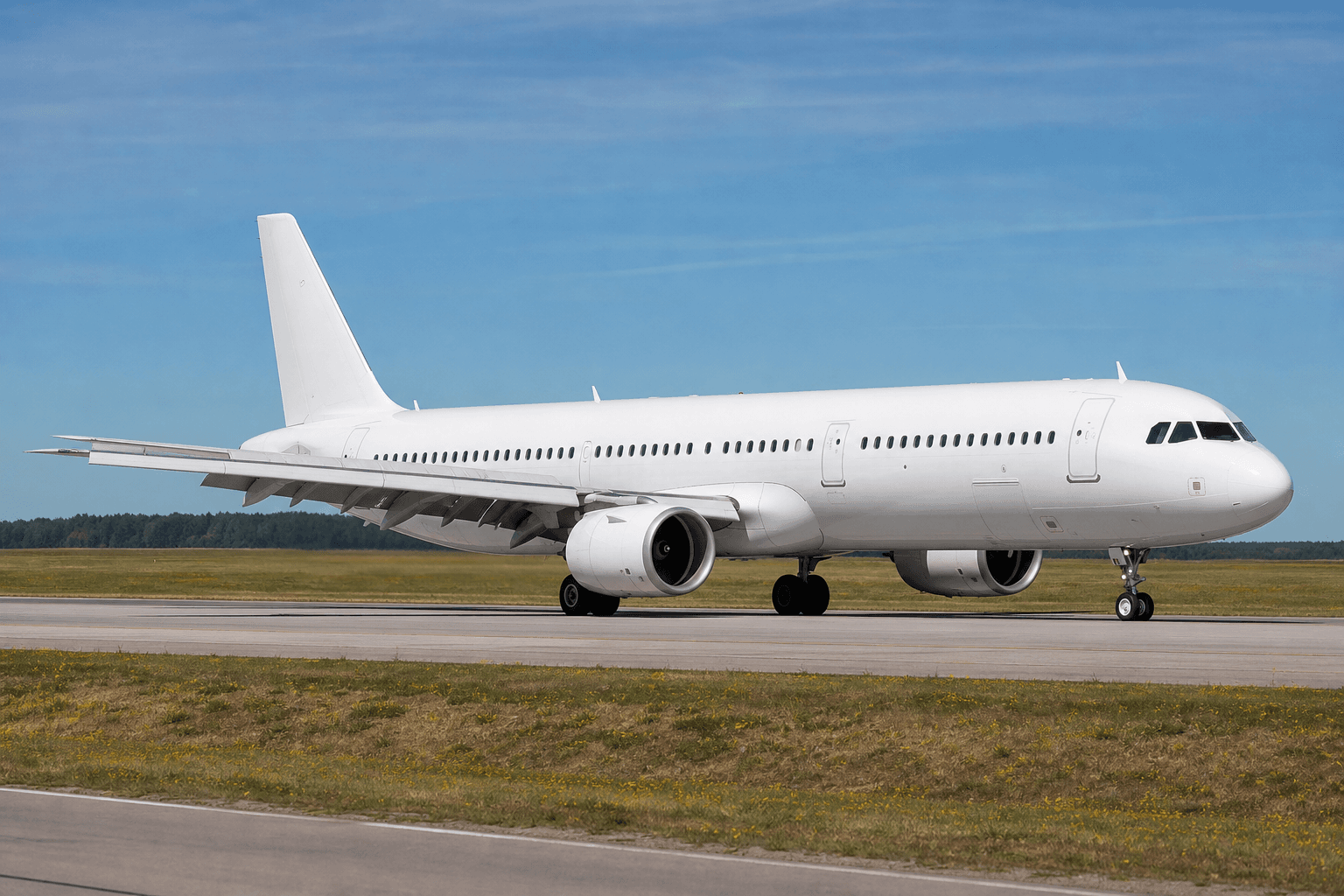
Airbus to incorporate batch of improvements on popular single-aisle model, and test production maturity of some on A320neo line. Airbus is to migrate A321XLR technology – including its revised wing design – to the A321neo, while other enhancements for the single-aisle family will initially be applied to the A320neo before being transferred up to the larger variants. The long-range XLR includes a lighter wing with a single-slotted inboard flap, and this will be incorporated into the regular A321neo, which currently uses a double-slotted design. A321neos will take advantage of a take-off performance improvement system which introduces intermediate flap positions, and works in conjunction with the single-slotted flap arrangement. The changes are part of a package of incremental improvements known as STEP4. A321neos will also benefit from new flight-control laws, the lighter electronic ‘e-rudder’, forward cabin temperature zones, and updated multi-functional runway lights. Head of A320-family development Torsten Hartung says the airframer is putting the "good ingredients" from the XLR onto the popular A321neo platform – the A321neo had a backlog of over 5,600 orders at the end of June. But the STEP4 enhancement will also entail new modifications which Airbus is to apply initially to the A320neo, as a low-risk measure to ensure production maturity before transferring them to the higher-rate A321neo, including the XLR variant. The A320neo will notably receive a new 'cobra' duct for the auxiliary power unit – mounted in the top of the fuselage, and aimed at enhancing cabin air quality – and corrosion-prevention measures such as titanium cabin rails. "The baseline A320neo is the first model to incorporate and prove the new modifications," says STEP leader for A320 family programme development Martin Schnoor. “Where we physically change the aircraft we decided to apply it first on A320neo in order to learn and see how well things are going." Once integration on the A320neo line is smooth, the new modifications will be made to the A321neo and XLR. Schnoor says deliveries of initial STEP4 A320neos are beginning, with the first A321neos and XLRs set to follow after a year. The A320neo has a different wing to the A321neo, but Airbus is ultimately aiming to migrate as many XLR innovations, outside of wing-related changes, to the A320neo as it can. Airbus says STEP4 will also eventually deliver further enhancements across the family, such as cabin-floor reinforcement, to account for changing standards in the weight of passengers and baggage, and a standardised flight data interface and management unit.
The Daily Touch & Go
The day's best aviation news in your inbox. Free, no spam.