

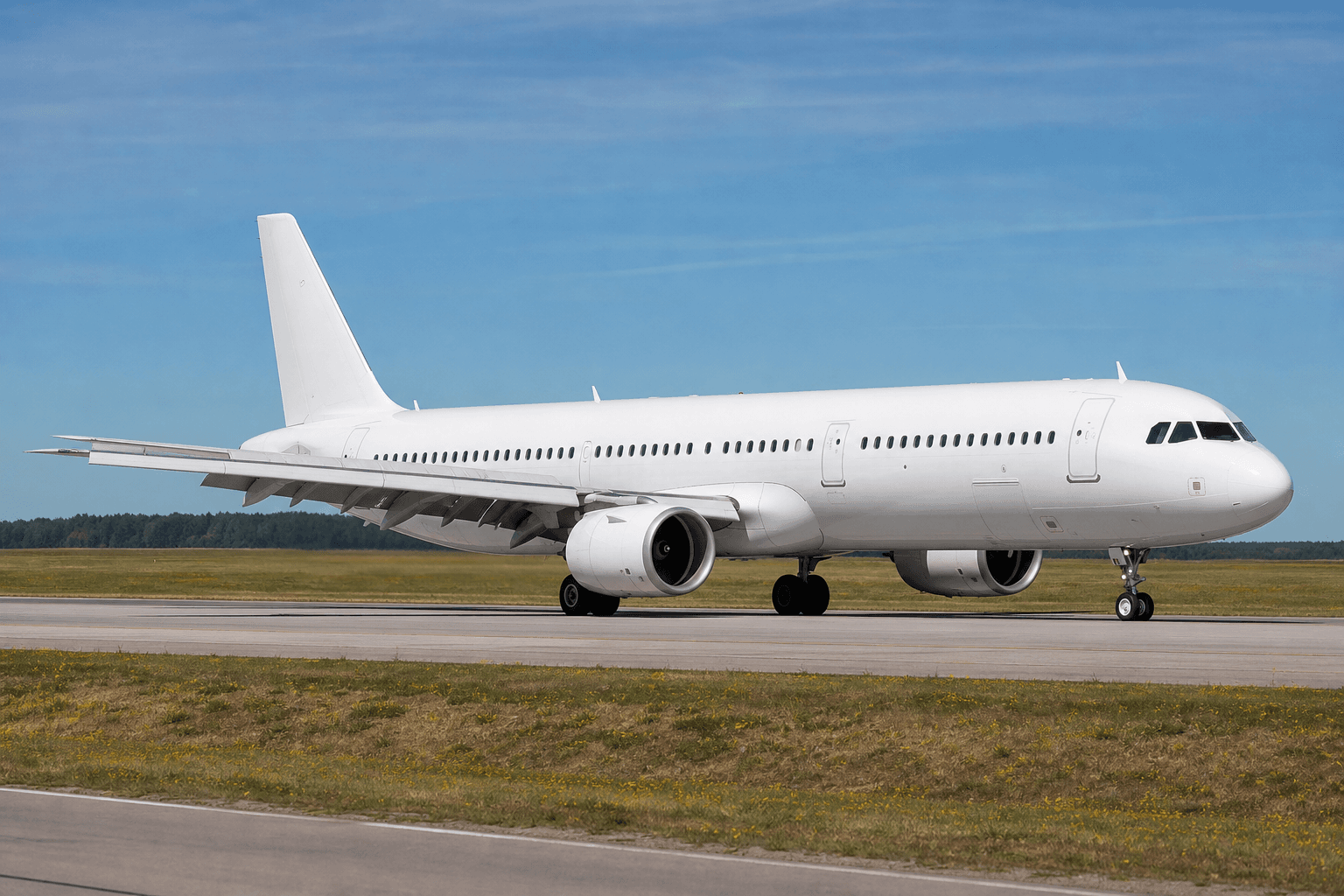
Illustration: The Touch & Go
Airbus to upgrade A321neo with A321XLR wing design and single-slotted flaps
Airbus will apply the A321XLR's lighter wing and single-slotted inboard flaps to the A321neo, alongside new flight-control laws and cabin improvements as part of the STEP4 update.
The gist
Airbus is enhancing the A321neo by integrating A321XLR wing tech and STEP4 upgrades to boost performance and cabin comfort.
Continuing coverage
All Airbus →- Lufthansa debuts its first Airbus A350-1000 adorned with centennial anniversary livery
- Airbus Drives A220 Growth With Production Ramp-Up and Global Footprint Expansion
- Lufthansa Readies First Airbus A350-1000 in Special 100th Anniversary Livery
- Airbus Veteran Jean-Brice Dumont Named New CEO of European Missile Maker MBDA
- TAP Air Portugal to Expand Fleet by 24 Airbus Jets After Restructuring Completion
Airbus is set to enhance its A321neo single-aisle aircraft by migrating key technological features from the longer-range A321XLR version. Central to these upgrades is the integration of the XLR's lighter wing design which includes a single-slotted inboard flap, replacing the double-slotted flap arrangement currently used on the A321neo. This change is part of Airbus’s STEP4 incremental improvement program geared towards optimizing performance and passenger experience across its A320 family.
The A321neo will also benefit from a new take-off performance improvement system that introduces intermediate flap positions. This system works synergistically with the single-slotted flap setup to increase take-off efficiency. Additionally, the aircraft will feature updated flight-control laws and a lighter electronic rudder, referred to by Airbus as the e-rudder, intended to reduce weight and improve handling characteristics.
Another upgrade included within the STEP4 initiative focuses on the cabin environment. The A321neo will have forward cabin temperature zones to better manage passenger comfort during flight. Airbus is also incorporating updated multifunctional runway lights and enhanced corrosion-prevention measures like titanium cabin rails, reflecting a comprehensive approach to aircraft longevity and operational reliability.
While the A321neo is receiving these direct enhancements, Airbus plans to initially introduce some STEP4 modifications to the A320neo before transferring them to the A321neo and XLR variants. This staged rollout aims to ensure production maturity and reduce risks associated with implementation on higher-rate production lines. The baseline A320neo will serve as a proving ground for changes such as a new 'cobra' duct design for the auxiliary power unit, which is installed on the top fuselage to improve cabin air quality.
Martin Schnoor, the STEP leader for the A320 family programme development, explained that testing the modifications first on the A320neo allows Airbus to assess the adjustments in a controlled setting. After confirming the reliability of these changes, Airbus will incorporate them into the A321neo and A321XLR models. Deliveries of the initial STEP4-equipped A320neos are already starting, with upgrades for the A321neo and XLR to follow approximately a year later.
The A320neo’s wing differs from that of the A321neo, but Airbus intends to apply as many non-wing-related XLR innovations as possible to the A320neo. Beyond structural and aerodynamic improvements, the STEP4 package includes further system upgrades. For instance, cabin-floor reinforcements are being planned to meet evolving standards concerning passenger and baggage weight, enhancing safety and compliance.
Another technical development involves the introduction of a standardized flight data interface and management unit across the A320 family. This aims to streamline maintenance operations and improve diagnostics, contributing to more efficient aircraft operations. The cumulative effect of these upgrades positions Airbus’s single-aisle family to maintain its competitive edge in the crowded narrow-body market.
The A321neo itself remains a cornerstone of Airbus’s commercial strategy, with a backlog exceeding 5,600 aircraft as of mid-2026. Integrating the proven improvements from the XLR variant and the systematic STEP4 updates underscores Airbus’s commitment to continuous innovation. These enhancements support operators by boosting operational performance and ensuring compliance with evolving regulatory and market demands.
Frequently asked questions
- What wing technology from the A321XLR is Airbus applying to the A321neo?
- Airbus is migrating the A321XLR’s lighter wing design featuring a single-slotted inboard flap to the A321neo, replacing its current double-slotted flap arrangement.
- How is Airbus managing the rollout of STEP4 improvements across the A320 family?
- Airbus is first applying STEP4 improvements to the A320neo to ensure production maturity before transferring them to the higher-rate A321neo and A321XLR variants.
- What cabin and systems upgrades are part of the STEP4 package for the A321neo?
- STEP4 upgrades include forward cabin temperature zones, corrosion-prevention with titanium cabin rails, new flight-control laws, a lighter electronic rudder, updated runway lighting, and an auxiliary power unit 'cobra' duct on the A320neo.
Read more
All Airlines →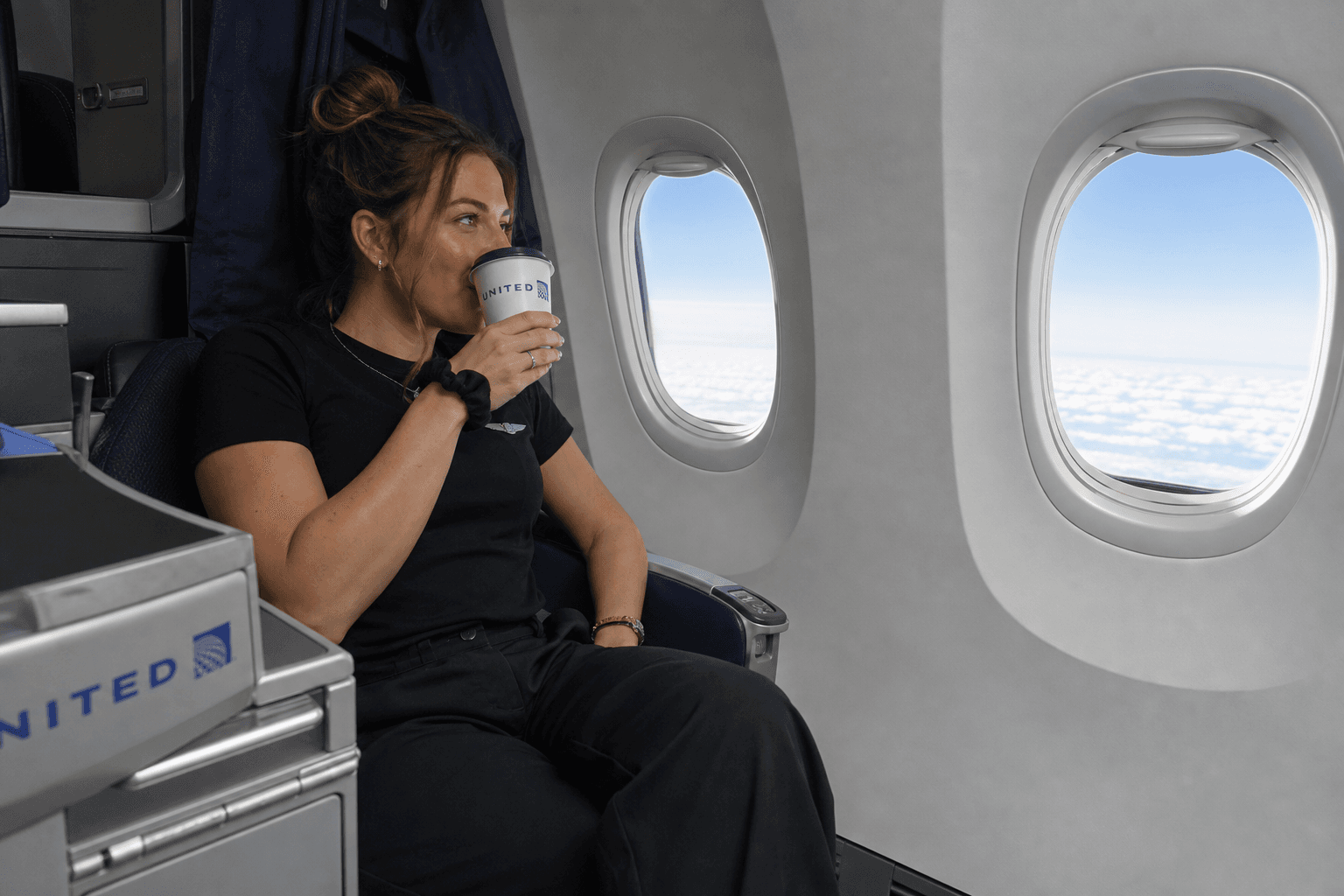
United Airlines Allows Flight Attendants to Drink Alcohol While Deadheading Under Strict Conditions
United Airlines flight attendants can drink while on duty in one narrow situation: when they are deadheading as passengers, out of uniform, and not expected to work another flight that day.
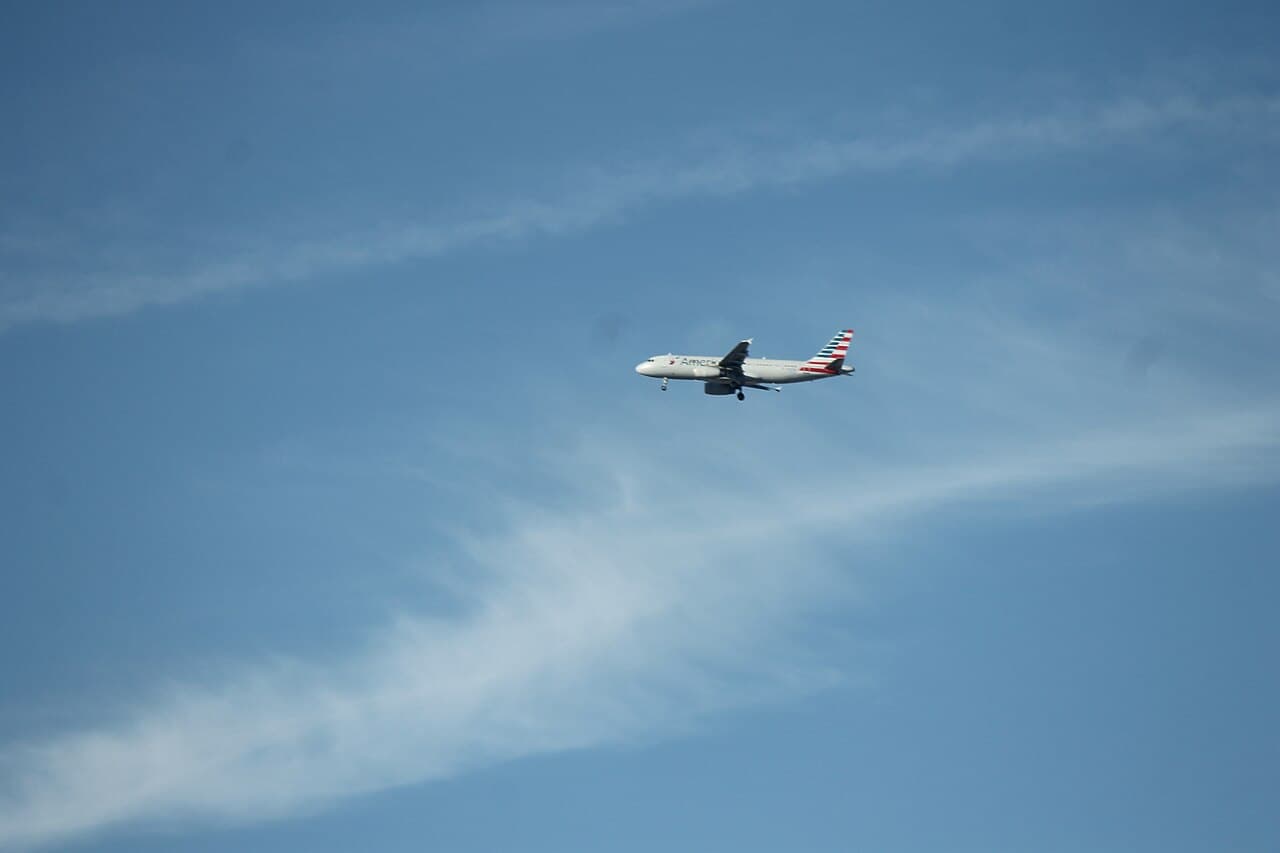
How Crews and Aircraft Separation Amplify Flight Delays Even After Weather Clears
Airlines often blame weather even after skies clear because the disruption has scattered aircraft, pilots and flight attendants across the network. After a storm delayed my American Airlines flight at Washington National, a missing crewmember exposed how separating planes and crews can turn one late arrival into delays across multiple flights.
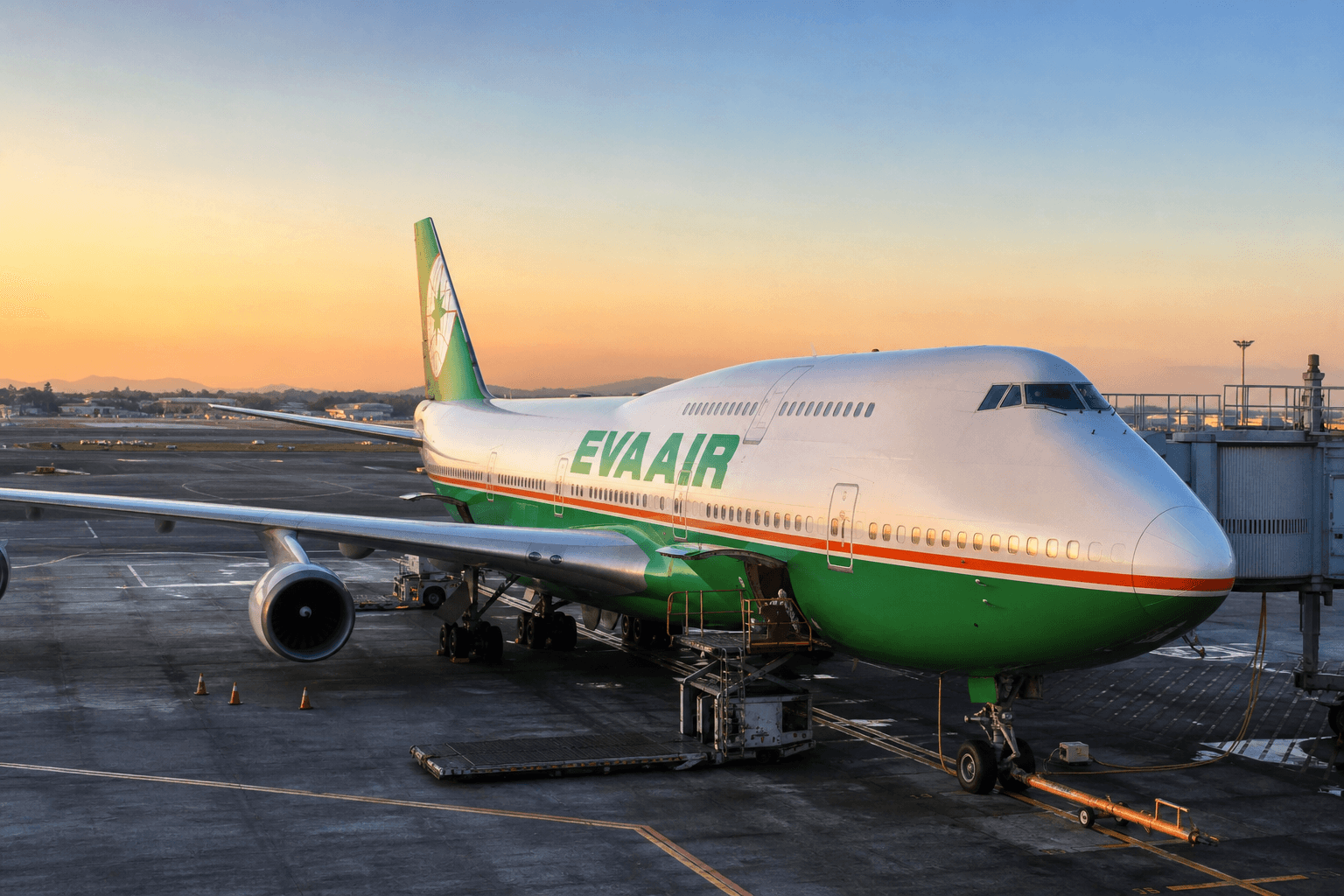
EVA Air Pioneered Premium Economy, Reshaping Long-Haul Travel Since 1992
Today, Premium Economy has become one of the most important cabin classes in long-haul aviation. Airlines across the world now rely on the product to bridge the gap between economy affordability and business class comfort, offering wider seats, improved dining, and additional personal space for travelers willing to pay slightly more for a better experience.
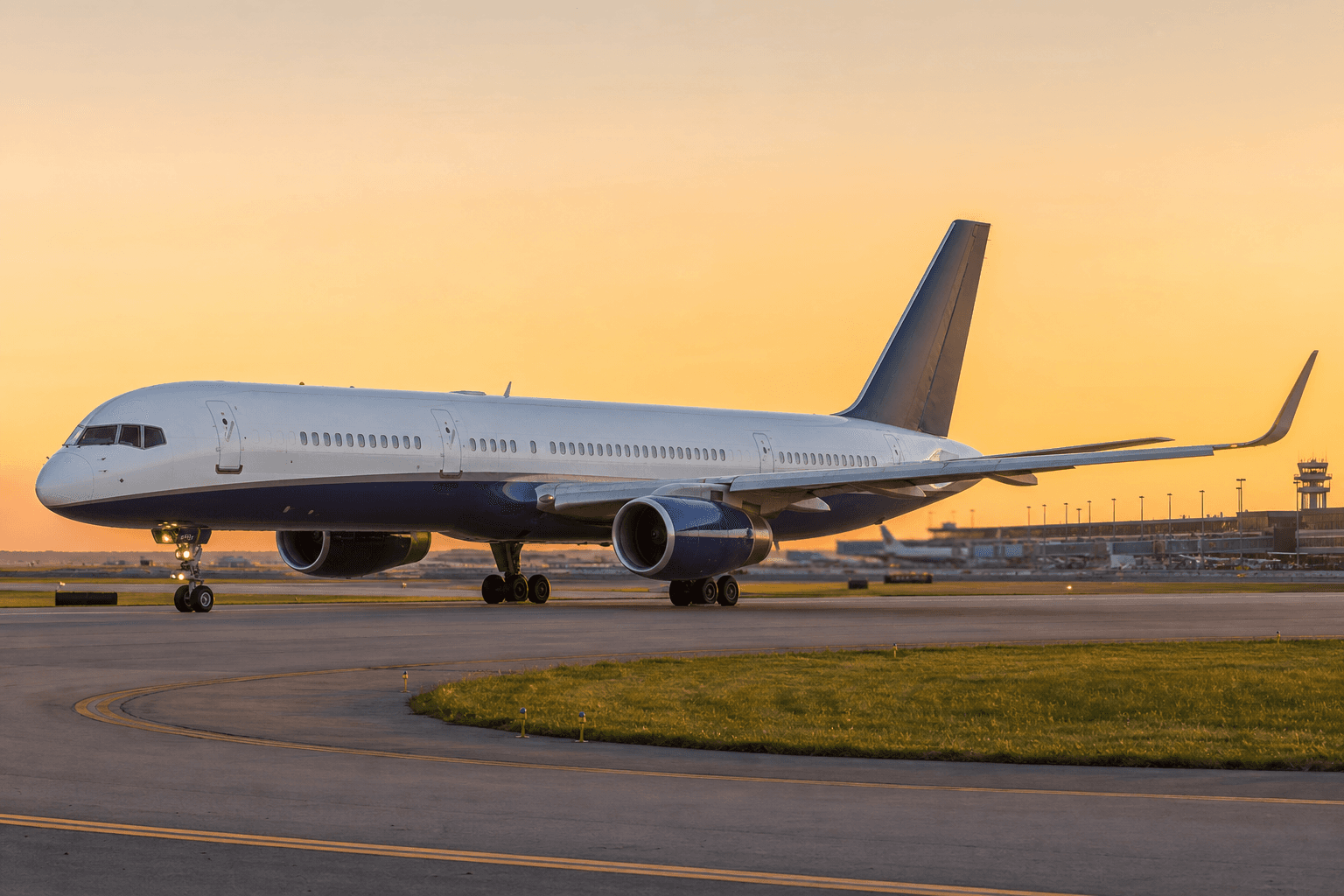
Why Allegiant Air Operated Boeing 757s to Reach Hawaii and Beyond
US-based ultra-low-cost carrier Allegiant Air is primarily known today for operating widebody twinjets from the Airbus A320 series. In fact, until recently, the airline had been an all-Airbus operator for several years, before its deliveries of the Boeing 737 MAX 8-200 began. However, prior to this spell, did you know that Allegiant Air also flew larger aircraft in the form of the 757 during the 2010s?
The Daily Touch & Go
The day's best aviation news in your inbox. Free, no spam.