

Europe Faces Critical Jet Fuel Shortage Amid Strait of Hormuz Conflict
Europe and the UK have only about a month's supply of jet fuel left due to Middle East supply disruptions worsened by refinery closures and geopolitical tensions.
The gist
Europe’s jet fuel supplies are critically low with just a month left amid Middle East tensions and refinery shutdowns.
Europe’s jet fuel supply is under severe strain as geopolitical conflict in the Middle East disrupts key supply routes, raising concerns about dwindling reserves on the continent. The recent collapse of a ceasefire with Iran and renewed fighting over control of the Strait of Hormuz (SoH), a critical chokepoint, have compounded risks to jet fuel availability in Europe and the United Kingdom. This tension threatens to cut off the primary energy artery through which much of Europe’s jet fuel imports flow, sparking alarm among aviation operators and energy analysts alike.
Prior to the conflict that erupted at the end of February, Europe and the UK relied heavily on the Middle East—especially Kuwait and the United Arab Emirates—for jet fuel imports. These supplies transit the SoH before embarking on lengthy voyages to European ports. Initially, the aviation industry avoided immediate shortages due to oil tankers already en route before the strait’s closure. Furthermore, European fuel importers sought alternative sources from North America, including the United States and Canada, to supplement supply amid disruptions.
A key challenge emerged not from the total quantity of jet fuel but from soaring prices, which particularly affected airlines that had not hedged their fuel costs. Such airlines faced sharp expenses increases, triggering fare hikes and cost concerns. This price pressure mirrored the underlying supply insecurity, highlighting the aviation sector’s vulnerability to geopolitical shocks in vital oil-producing regions.
When a memorandum of understanding temporarily restored the ceasefire and reopened the Strait of Hormuz, the aviation and energy markets initially breathed a sigh of relief. With the SoH reestablished, hundreds of fuel-laden vessels previously stranded could resume their routes toward Europe and Asia. Airlines reassured customers, maintaining booking confidence and averting a wave of cancellations throughout the busy summer travel season, long a critical period for airline revenue.
Despite these temporary reprieves, recent data indicate a far more precarious fuel situation. Reuters reported that Europe now holds only about one month’s jet fuel supply, while consultancy Energy Aspects forecasts a potential jet fuel deficit of up to 600,000 barrels per day in the third quarter. This grim outlook stems from Europe’s diminished domestic refining capacity; many jet fuel refineries have been shuttered over recent years, resulting in increased dependence on vulnerable import routes.
To date, Europe has managed to supplement Middle Eastern supplies with imports from Canada, India, Nigeria, and the United States. These efforts have so far prevented outright flight cancellations. However, with the peak summer season concluding, airlines are expected to scale operations up again to meet demand during the approaching autumn travel periods. Such increased consumption could expose supply shortfalls more acutely, raising the risk of disruptions if geopolitical tensions persist or worsen.
The aviation industry now faces a dual challenge: managing an extremely tight physical fuel supply alongside elevated prices. The surging jet fuel cost has already led to higher airfares, with some carriers like Delta Air Lines signaling they will not reduce ticket prices even if fuel costs fall later. This pricing strategy underscores the lasting consequences of the fuel shortage on passengers and airline profitability alike.
Frequently asked questions
- What is causing the jet fuel shortage in Europe?
- The shortage is driven by conflict in the Middle East disrupting supplies through the Strait of Hormuz, Europe's dependence on Middle Eastern fuel, and refinery shutdowns reducing domestic production.
- How much jet fuel supply does Europe currently have left?
- Reports indicate Europe and the UK have only about one month's worth of jet fuel supply remaining.
- Have airlines cancelled flights due to the jet fuel shortage?
- As of now, flight cancellations have not occurred due to supplementary imports from other countries, but future risks remain with increased seasonal demand.
Read more
All Airlines →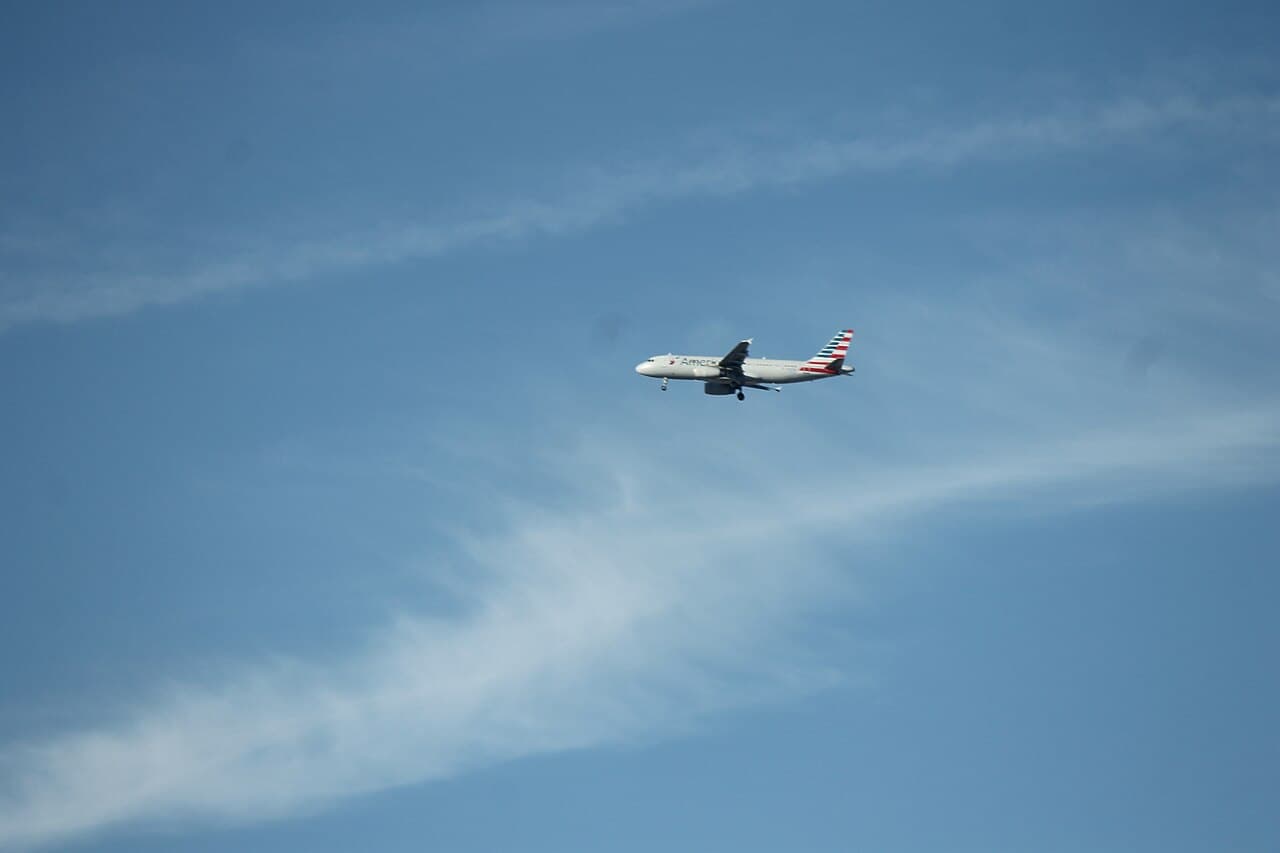
How Crews and Aircraft Separation Amplify Flight Delays Even After Weather Clears
Airlines often blame weather even after skies clear because the disruption has scattered aircraft, pilots and flight attendants across the network. After a storm delayed my American Airlines flight at Washington National, a missing crewmember exposed how separating planes and crews can turn one late arrival into delays across multiple flights.
Airbus to upgrade A321neo with A321XLR wing design and single-slotted flaps
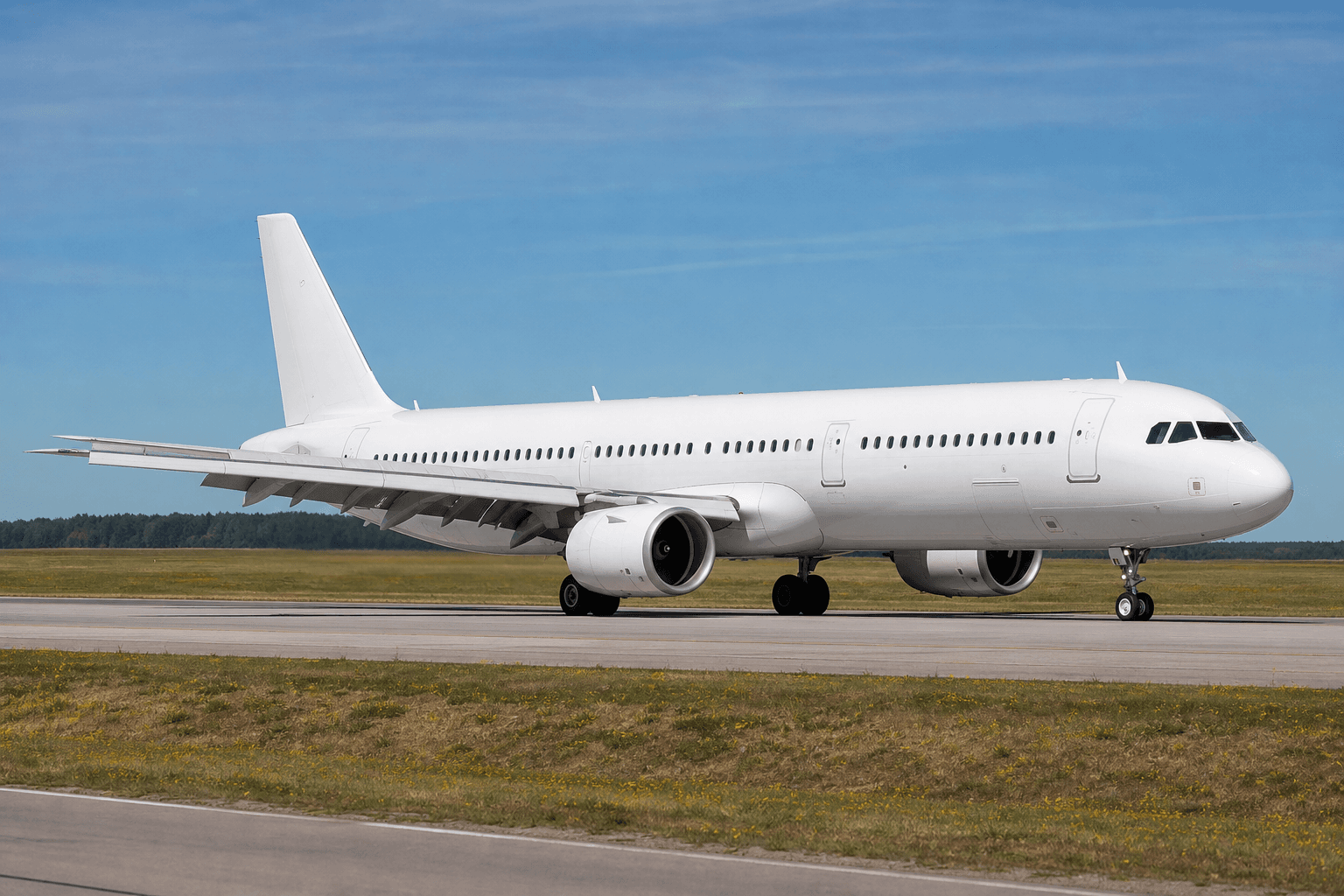
Airbus to incorporate batch of improvements on popular single-aisle model, and test production maturity of some on A320neo line. Airbus is to migrate A321XLR technology – including its revised wing design – to the A321neo, while other enhancements for the single-aisle family will initially be applied to the A320neo before being transferred up to the larger variants. The long-range XLR includes a lighter wing with a single-slotted inboard flap, and this will be incorporated into the regular A321neo, which currently uses a double-slotted design. A321neos will take advantage of a take-off performance improvement system which introduces intermediate flap positions, and works in conjunction with the single-slotted flap arrangement. The changes are part of a package of incremental improvements known as STEP4. A321neos will also benefit from new flight-control laws, the lighter electronic ‘e-rudder’, forward cabin temperature zones, and updated multi-functional runway lights. Head of A320-family development Torsten Hartung says the airframer is putting the "good ingredients" from the XLR onto the popular A321neo platform – the A321neo had a backlog of over 5,600 orders at the end of June. But the STEP4 enhancement will also entail new modifications which Airbus is to apply initially to the A320neo, as a low-risk measure to ensure production maturity before transferring them to the higher-rate A321neo, including the XLR variant. The A320neo will notably receive a new 'cobra' duct for the auxiliary power unit – mounted in the top of the fuselage, and aimed at enhancing cabin air quality – and corrosion-prevention measures such as titanium cabin rails. "The baseline A320neo is the first model to incorporate and prove the new modifications," says STEP leader for A320 family programme development Martin Schnoor. “Where we physically change the aircraft we decided to apply it first on A320neo in order to learn and see how well things are going." Once integration on the A320neo line is smooth, the new modifications will be made to the A321neo and XLR. Schnoor says deliveries of initial STEP4 A320neos are beginning, with the first A321neos and XLRs set to follow after a year. The A320neo has a different wing to the A321neo, but Airbus is ultimately aiming to migrate as many XLR innovations, outside of wing-related changes, to the A320neo as it can. Airbus says STEP4 will also eventually deliver further enhancements across the family, such as cabin-floor reinforcement, to account for changing standards in the weight of passengers and baggage, and a standardised flight data interface and management unit.
EVA Air Pioneered Premium Economy, Reshaping Long-Haul Travel Since 1992
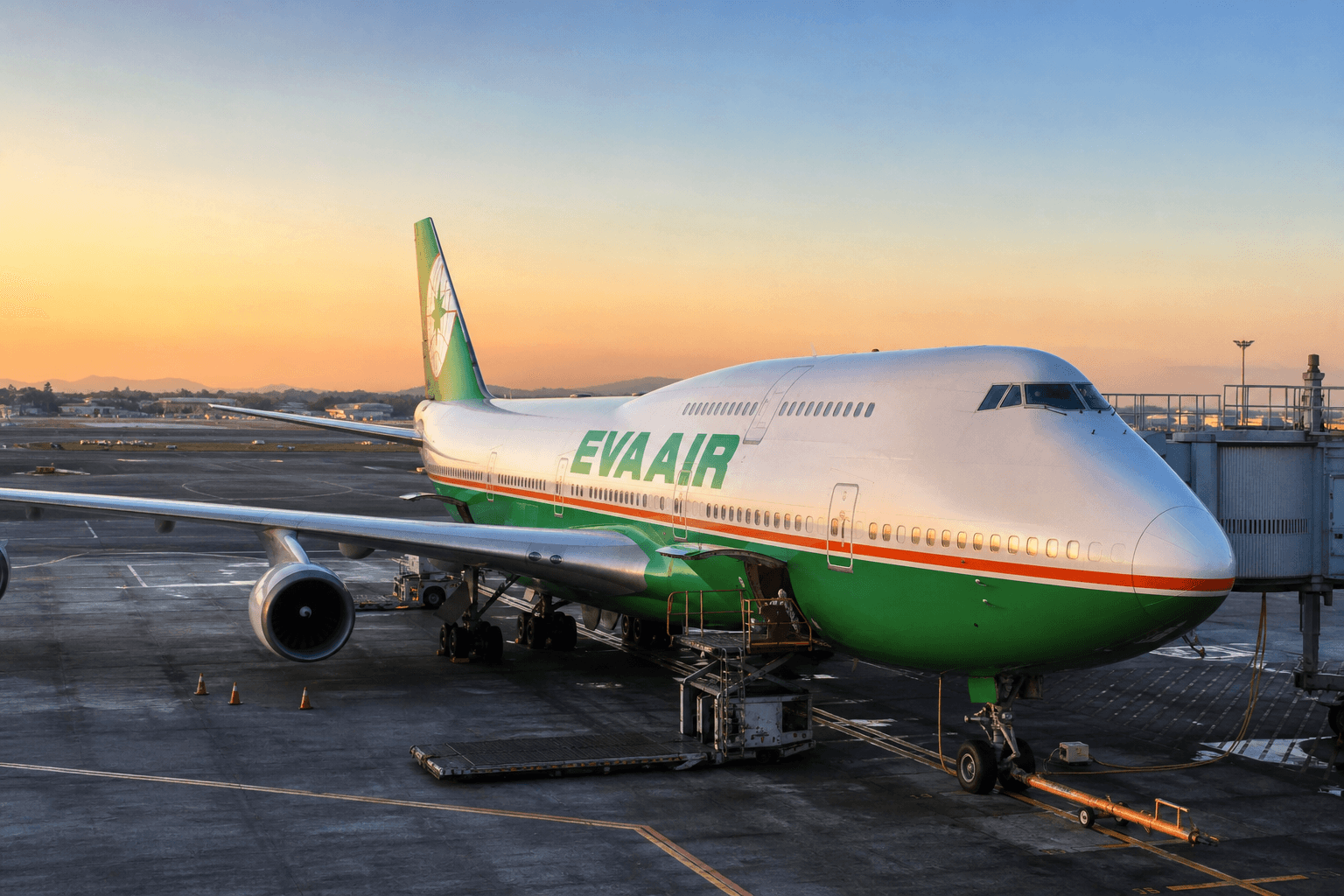
Today, Premium Economy has become one of the most important cabin classes in long-haul aviation. Airlines across the world now rely on the product to bridge the gap between economy affordability and business class comfort, offering wider seats, improved dining, and additional personal space for travelers willing to pay slightly more for a better experience.
Why Allegiant Air Operated Boeing 757s to Reach Hawaii and Beyond
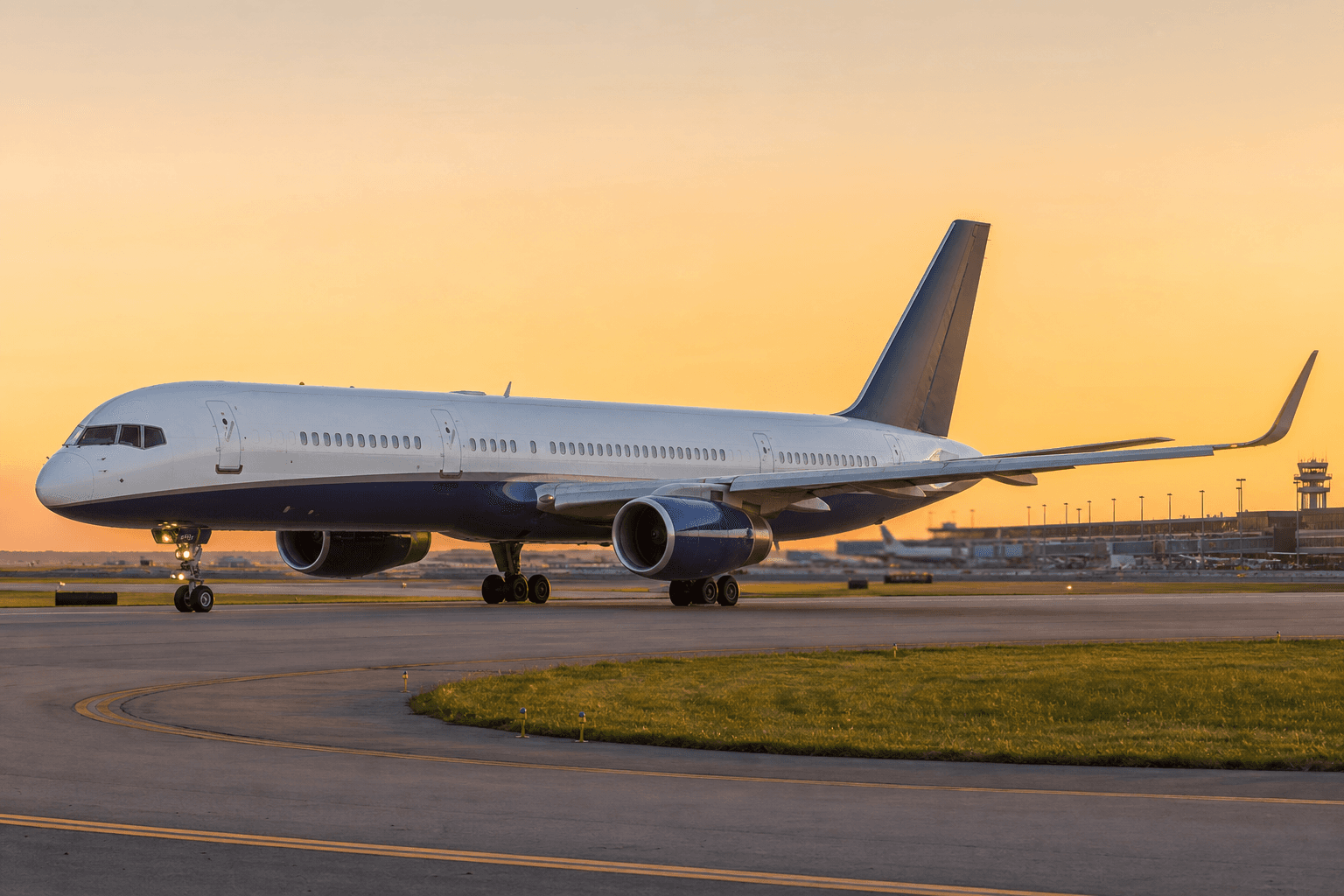
US-based ultra-low-cost carrier Allegiant Air is primarily known today for operating widebody twinjets from the Airbus A320 series. In fact, until recently, the airline had been an all-Airbus operator for several years, before its deliveries of the Boeing 737 MAX 8-200 began. However, prior to this spell, did you know that Allegiant Air also flew larger aircraft in the form of the 757 during the 2010s?
The Daily Touch & Go
The day's best aviation news in your inbox. Free, no spam.