

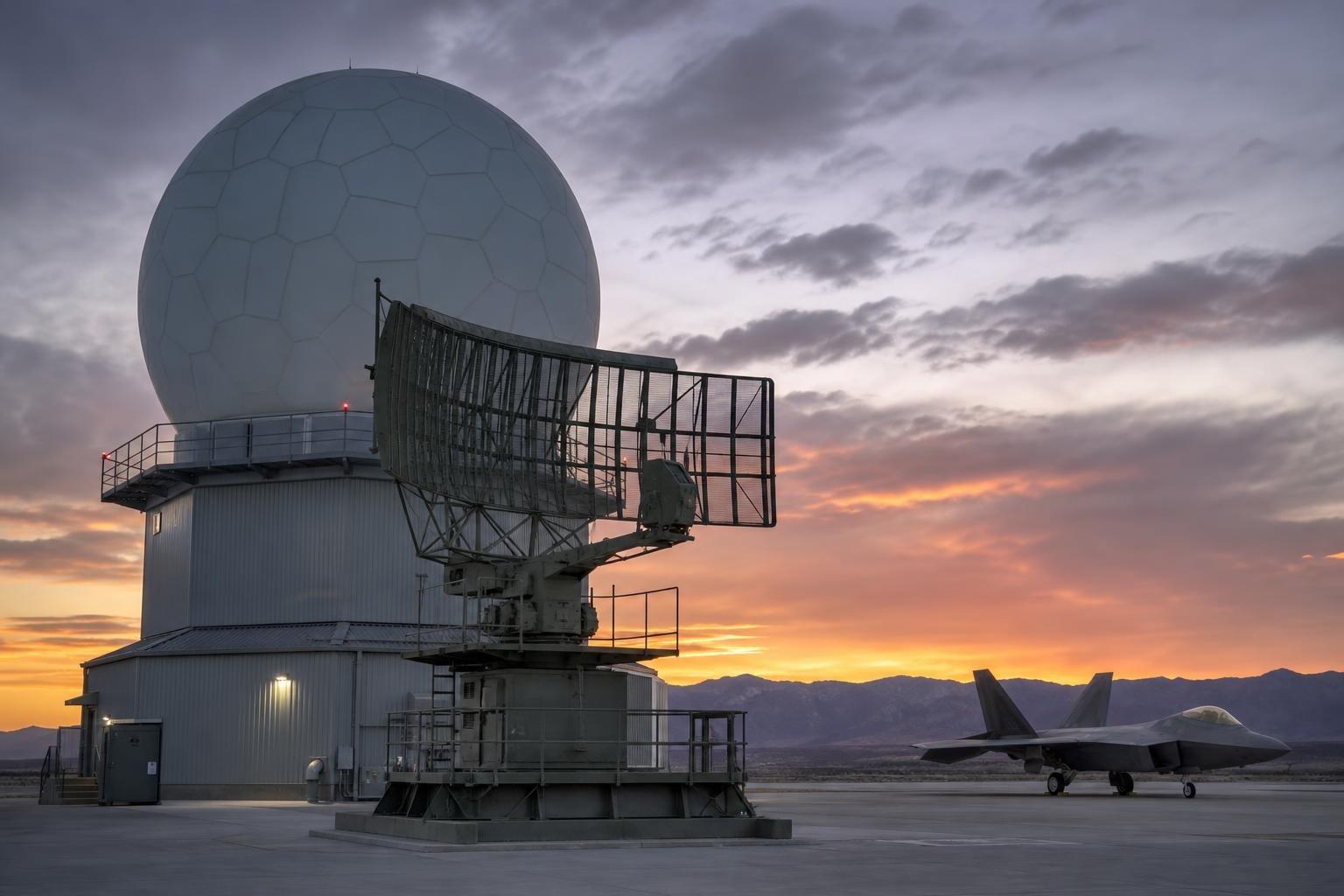
AI-generated illustration
Hackers Breach Air Force Cloud One Platform Supporting North American Air Defense Command System
An intrusion found during an upgrade led the US Air Force to pause migrations to Cloud One and freeze updates to apps on it, including a radar-fed command and control system, Reuters reported.
The gist
Hackers reportedly got into Cloud One, the Air Force cloud that supports its North American radar-fed command and control system.
Continuing coverage
All Faa →- FAA Proposes Head-Up Display Software Fix for 734 U.S.-Registered Bombardier Global Jets
- Mexico Asks US for Talks on SpaceX Airspace Use as FAA Weighs Up to 456 Starbase Launches a Year
- Two American Airlines 737-800s Touch Wingtips While Queued for Departure at Reagan National
- House Democrats Say FAA Took AI Traffic Tool SMART Nationwide Before Finishing 90-Day Validation
- Duffy to Face Senate Panel Over Nov. 13 Nationwide Ground Stop That Canceled 18,000 Flights
Hackers broke into Cloud One, a US Air Force cloud platform that supports a system for monitoring North American airspace, Reuters reported on November 27, citing three people familiar with the breach. The intrusion was discovered while the platform was being upgraded. After the discovery, the Air Force paused some planned migrations of applications onto Cloud One and blocked updates to applications already running on it. The scope of the intrusion, and whether any data was taken, has not been established.
Cloud One is a shared environment for a range of Air Force software. It hosts applications the service uses for aircraft maintenance, logistics and personnel management. It also supports the Air Force's Cloud-Based Command and Control system, which combines radar and other data feeds from across North America into a single picture. The Air Force declined to discuss either the security of the platform or its current operational status.
The platform was already in the middle of an overhaul. In March 2026, Leidos said it would modernize Cloud One under a contract worth $454.9 million. That project brings together services from four commercial cloud providers: Amazon Web Services, Microsoft Azure, Google Cloud and Oracle. Leidos said at the time that the work was intended to help the Air Force deploy applications faster and to better protect the systems the service relies on for military operations.
The reported breach adds to a run of disclosures involving US government computer systems. Earlier in November, the Associated Press reported that the FBI was investigating an apparent breach of its National Crime Information Center, the database police officers use to check for outstanding warrants and missing-person records. In September, a Pentagon official told Time that a breach at the Defense Manpower Data Center had affected records covering more than 3 million people.
Aviation has already experienced what happens when a single supplier serving many sites is hit. In September 2025, a ransomware attack knocked out automated check-in systems supplied by Collins Aerospace. Airports including London Heathrow and Brussels were disrupted, and the problems continued for several days while the company worked to bring its service back online.
Not every recent failure in US airspace systems has been malicious. On November 13, a telecommunications failure led the Federal Aviation Administration to halt departures nationwide. The FAA said older network equipment had become unstable, disrupting radio communications and radar feeds at 17 of its 22 en route control centers. Some frequencies and radar feeds stayed available, which allowed controllers to keep handling aircraft that were already airborne. The agency said it found no indication of a cyberattack.
A further disruption followed eleven days later. On November 24, an outage in the system used to track aircraft and vehicles moving on the ground prompted a ground stop at Chicago O'Hare International Airport.
Originally reported by AeroTime
Read more
All Military/Defense →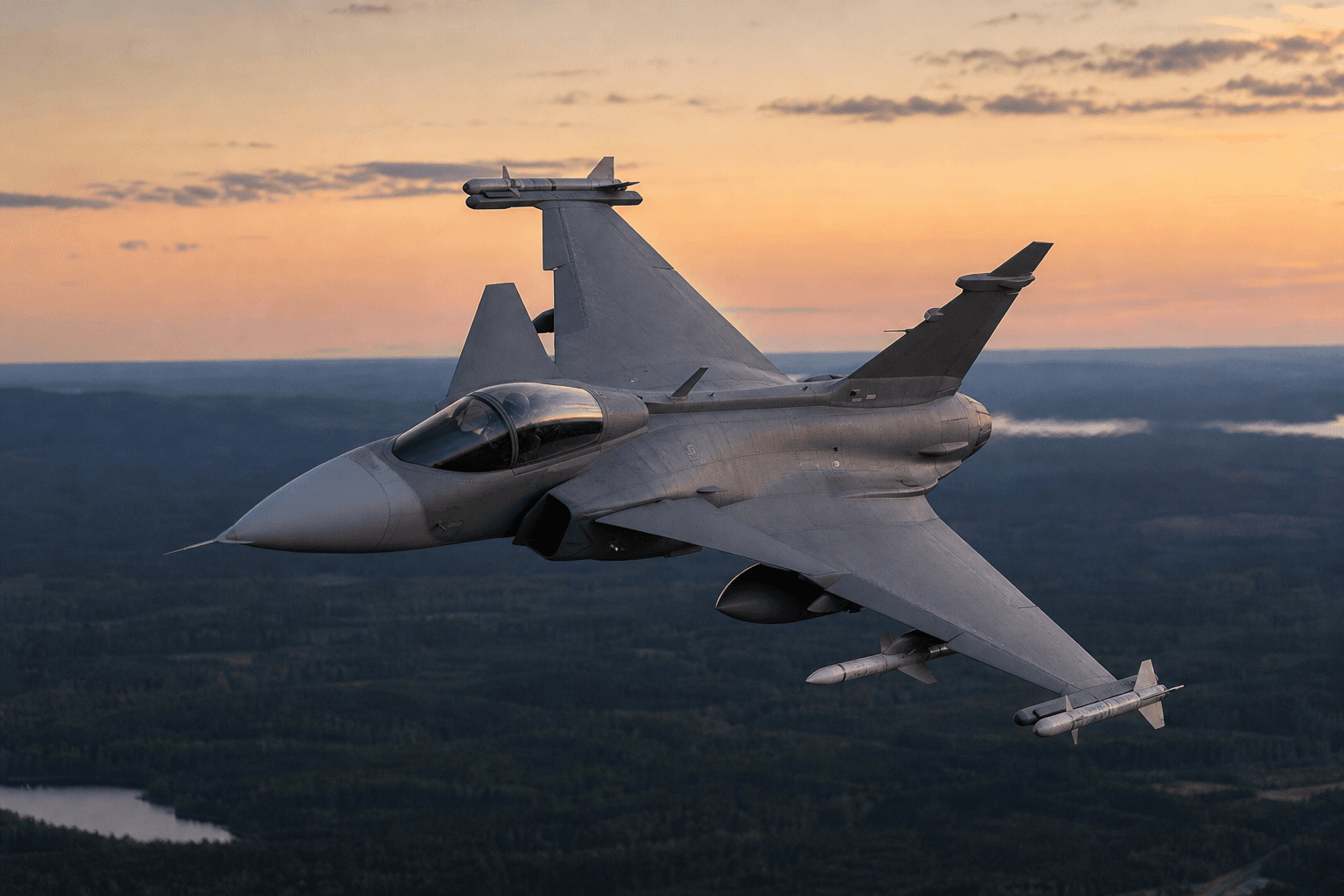
Ukraine Urges Sweden to Speed Gripen Transfers and Arm Them with Meteor Missiles
Defence Minister Evgeniy Khmara pressed Sweden's top military commander to accelerate Gripen deliveries and ensure the fighters arrive with long-range Meteor missiles and cannon ammunition.
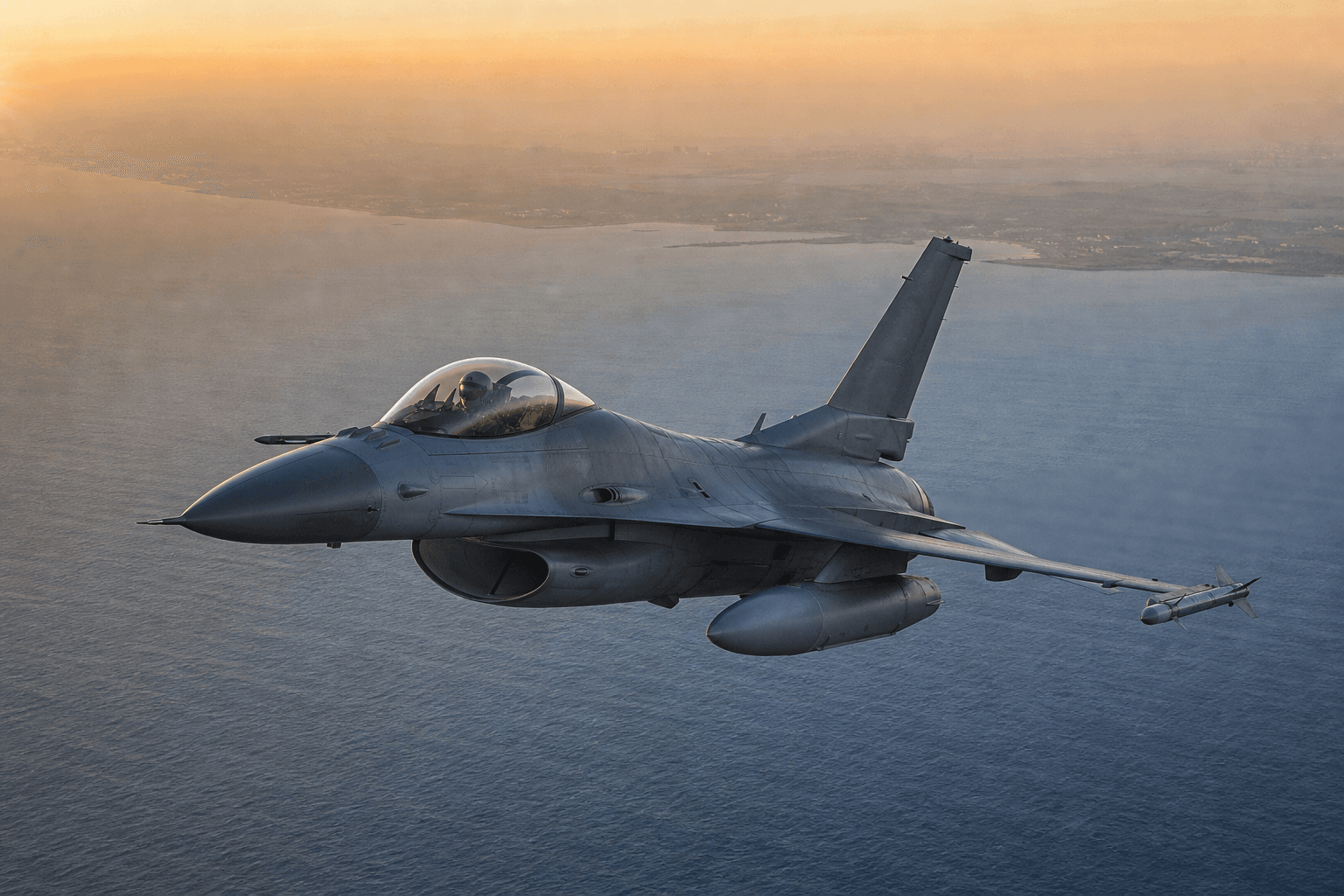
CENTCOM Denies Iranian Claim That Missile Damaged U.S. F-16 Over Persian Gulf
Tehran says an air defense missile forced an American F-16 to make an emergency landing, but U.S. Central Command says no attack took place and all its fighters are accounted for.
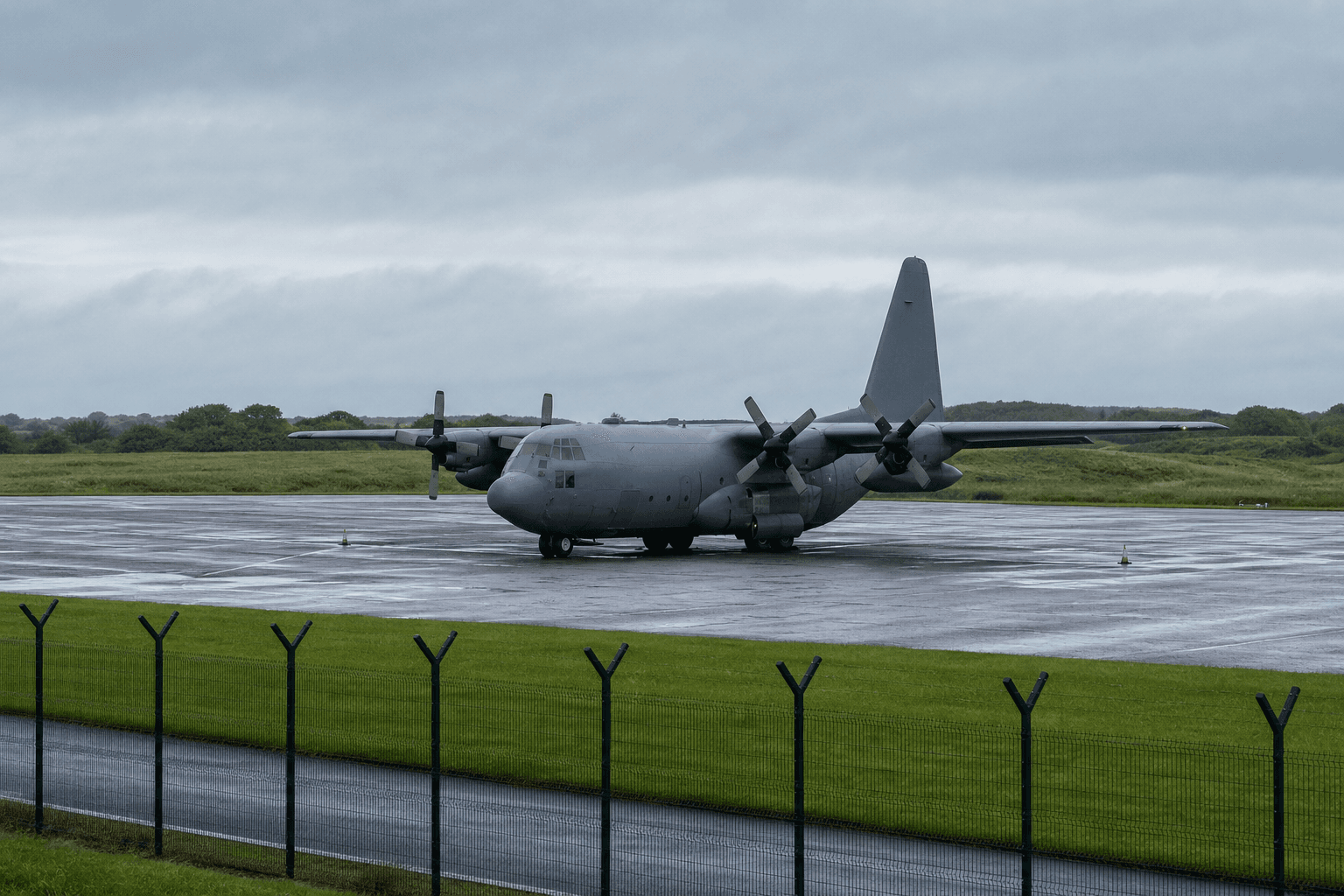
U.S. Indicts Irish Man Over Attack That Wrecked USAF C-130H Hercules at Shannon Airport
Federal prosecutors in New York charged Daithi O'Corrain, 48, with destroying a Missouri Air National Guard C-130H that was smashed, cut and axed while parked at Shannon in April.
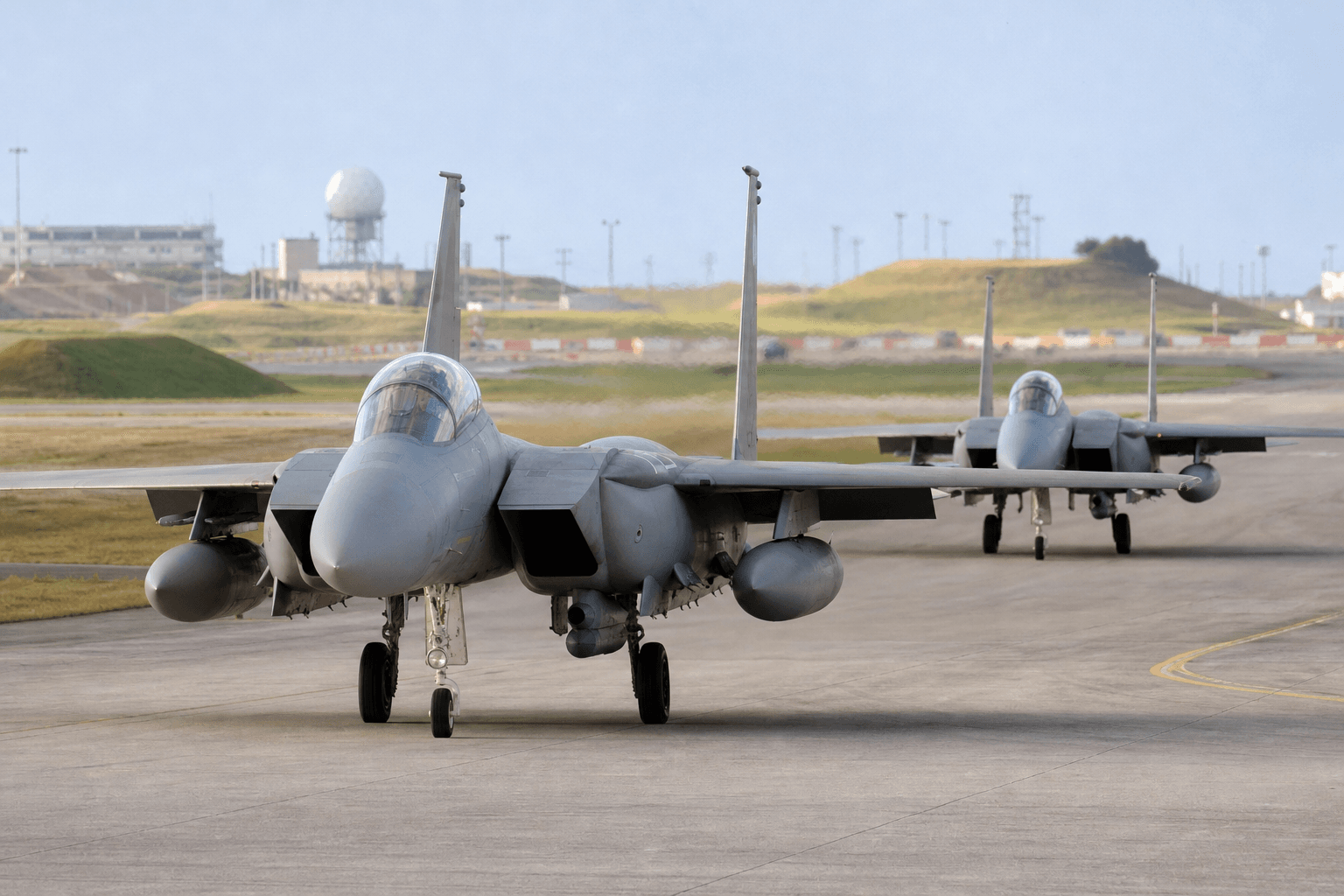
First Permanently Based Overseas F-15EX Eagle IIs Land at Kadena Air Base in Okinawa
Two F-15EX fighters from the 67th Fighter Squadron touched down at Kadena on November 15, 2026, starting the replacement of the base's retired F-15C/D Eagles with a planned fleet of 36 jets.
The Daily Touch & Go
Launching soon: the day's best aviation news in your inbox. Join the list, free.