

Image: Aeroprints.com · CC BY-SA 3.0 · via Wikimedia Commons
Sun Country Cuts Flights at Minneapolis-St Paul, Raising Concern Over Fare Increases
Sun Country Airlines will reduce its Minneapolis-St Paul flights by about one-third this fall amid pilot shortages, potentially impacting airfare competition and prices at MSP.
The gist
Sun Country trims Minneapolis flights due to pilot shortages, risking higher fares from reduced competition at MSP airport.
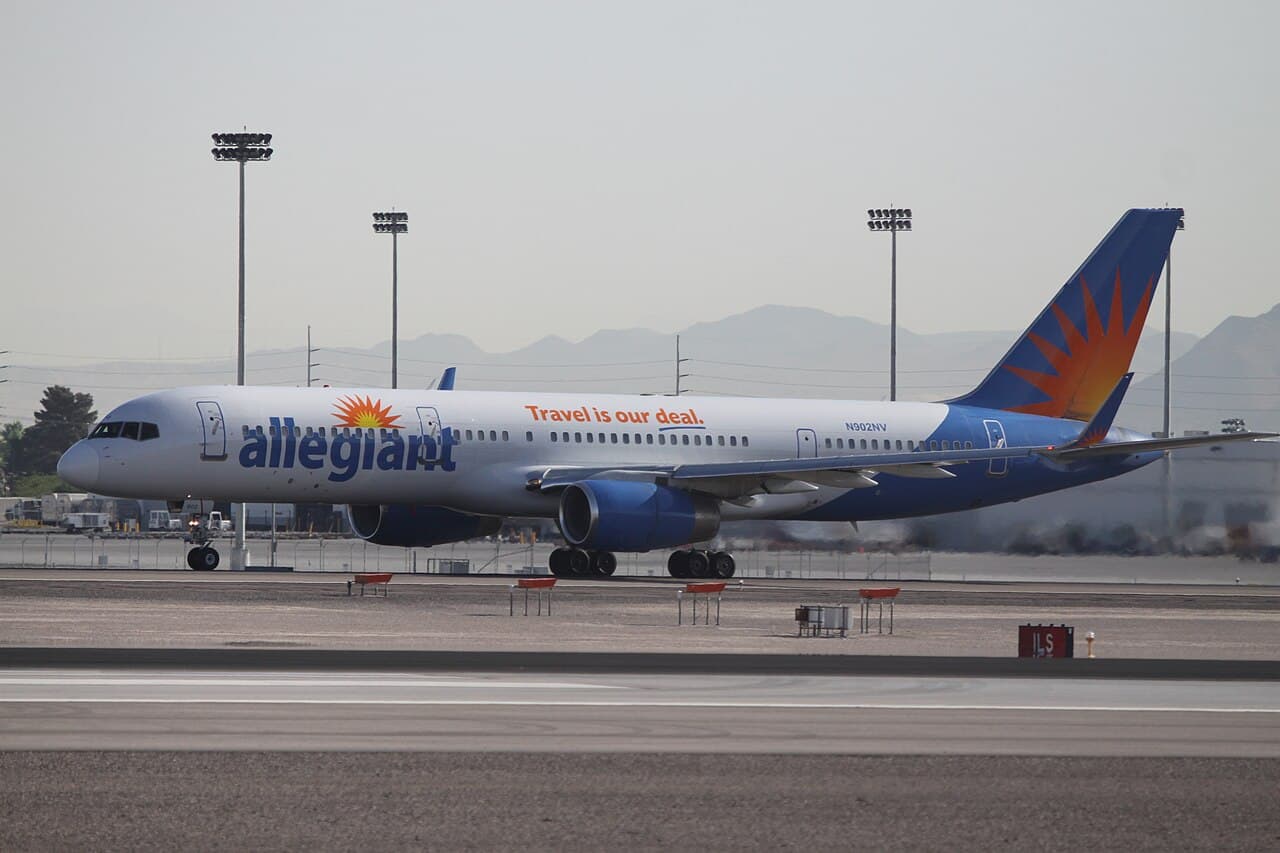
Sun Country Airlines is set to sharply reduce its flight schedule at Minneapolis-St Paul International Airport (MSP) starting this fall, operating roughly one-third fewer flights than originally planned in September. This cutback follows pilot shortages experienced after Sun Country's acquisition by Allegiant Air, which has forced cancellations as the combined carrier struggles to maintain crew levels. Certain routes are expected to be eliminated altogether, marking a significant scale back of the Minneapolis operation that has traditionally offered low-fare alternatives to the dominant carrier in the market, Delta Air Lines.
The pilot staffing challenges stem from higher-than-anticipated attrition, with many Sun Country pilots leaving for Delta after the acquisition, according to Allegiant's CEO, Greg Anderson. This unexpected loss has forced the airline to reduce its planned schedule to match available crew resources, signaling that the current reductions may continue through the rest of the year as hiring and training efforts attempt to rebuild the workforce. Despite the cutbacks, management has stressed that these changes are temporary and that Allegiant remains committed to sustaining and eventually expanding the combined airline's presence at MSP.
At Minneapolis-St Paul, Delta holds a dominant position, controlling around 70% of departing passenger traffic. Sun Country, by contrast, has historically been an important low-cost competitor, providing passengers with more affordable options and keeping fares in check. Analysts warn that Sun Country’s reduced capacity could tilt pricing power further toward Delta, especially during high-demand periods like holidays and spring break, potentially driving up airfares due to less competition.
The relationship between competition and prices is critical in airline markets. Airline fares fluctuate based on supply, demand, seasonality, and competition intensity. Reduction in Sun Country’s flights means fewer low-cost seats are available, while steady or growing demand could allow remaining carriers to raise prices. Other airlines, such as Frontier Airlines, have been expanding at MSP, and may partially offset capacity lost by Sun Country, though Frontier’s footprint remains smaller, and Delta’s dominance likely magnifies pricing effects from reduced low-fare supply.
Passenger data for 2026 underscores this shift. Sun Country is projected to carry about 2.2 million departing passengers from MSP this year, down from nearly 2.6 million in 2024. Its share of MSP’s departing traffic is expected to drop from 11.5% to about 10%. This contraction in service reflects operational challenges rather than diminished demand, as management regards the reduction as a temporary measure until staffing improves.
The timing of Sun Country’s reductions is particularly consequential because it coincides with critical travel seasons. Fall and winter holidays typically see surges in passenger volumes, and less competition can exacerbate fare increases. Travelers planning trips during Thanksgiving, Christmas, and spring break may encounter fewer choices and potentially higher ticket prices if alternative low-cost seats remain constrained.
Allegiant’s efforts to rebuild pilot staffing will determine whether some of the pulled capacity returns. Should the workforce recovery stall into 2027, Minneapolis travelers might face a structurally less competitive market dominated by Delta. For now, though, this downsizing appears operational—caused by crew shortages rather than strategic withdrawal—so future capacity levels remain uncertain but likely tied to how quickly pilot recruitment and retention improve.
The scale of Sun Country’s cuts also highlights the broader challenges airlines face integrating fleets and workforces after mergers, especially amid pilot shortages industry-wide. With many pilots choosing to join larger legacy carriers offering potentially better pay and benefits, smaller airlines face significant hurdles maintaining competitive crew numbers. This situation has tangible impacts on capacity, pricing, and passenger choice at key hubs like Minneapolis-St Paul.
Frequently asked questions
- Why is Sun Country Airlines reducing flights at Minneapolis-St Paul Airport?
- Sun Country is reducing flights due to a shortage of pilots, caused by higher-than-expected pilot attrition after its acquisition by Allegiant Air, with many pilots leaving for Delta.
- How might Sun Country's flight reductions affect airfares at Minneapolis-St Paul?
- Reducing Sun Country's low-cost flights decreases competition against Delta, potentially allowing remaining airlines to raise fares especially during peak travel periods.
Read more
All Airports →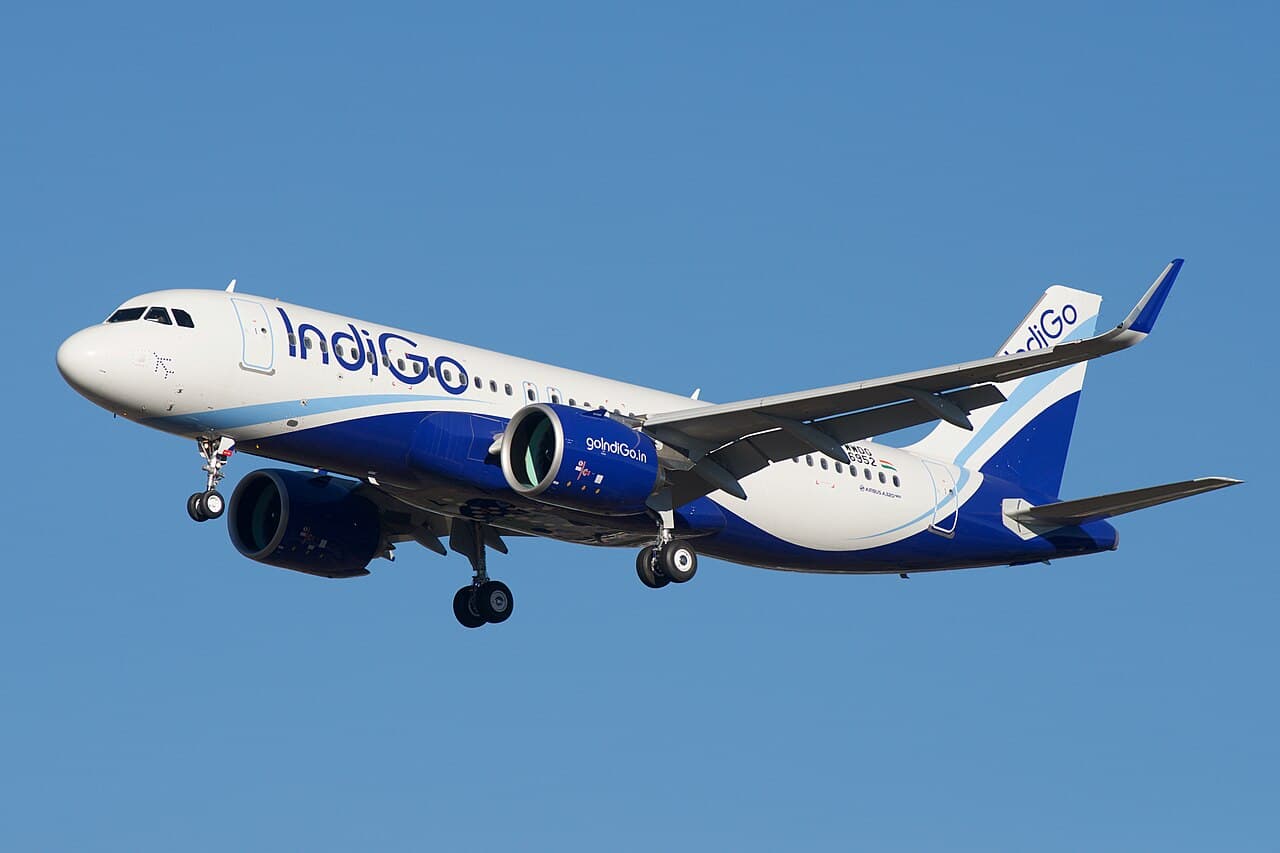
Air India A320neo Lost Flight Controls, Dropped 300 Feet in Hydraulic Failure Incident
24 people were left injured after an Air India Airbus A320neo flight from Phuket International Airport (HKT) to Delhi Indira Gandhi International Airport (DEL) lost key flight controls. The service, AI2379 on August 4, operated by the Indian flag carrier, has prompted Airbus to request checks on the airplane's hydraulics, sensors, and wiring. In a report by Reuters , Airbus's initial analysis suggests that the plane lost all three hydraulic systems , causing the plane to drop 300 feet in a matter of seconds.
Chandler Municipal Airport to Add 29 Executive Hangars by 2028
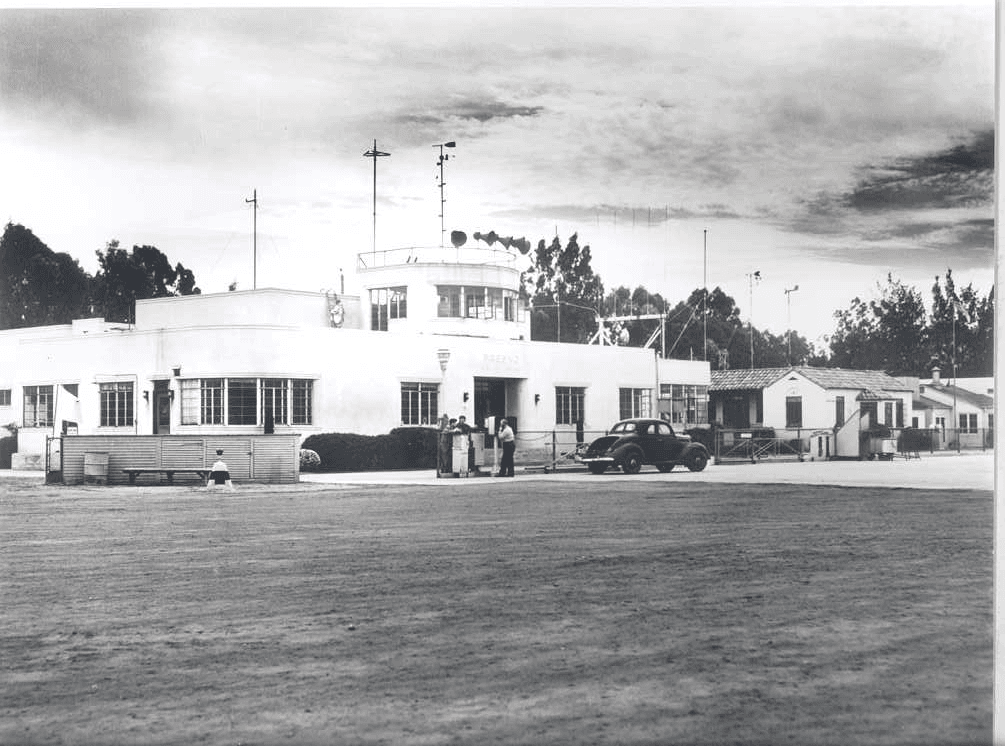
The Chandler City Council this week unanimously approved a ground lease for 29 new executive hangars at Chandler Municipal Airport in Arizona . Vesper Aviation subsidiary CHD Curtis East LLC will develop the hangars on currently undeveloped airport property and offer them for sale or lease. Hangars Coming in 2028 The project will occupy 4.798 acres along the airport's northern boundary under a 30-year ground lease that includes an option for a 10-year extension. The agreement requires Vesper to complete at least 16 hangars within 24 months of the lease taking effect. Vesper says the full development is expected to open in 2028. The 29 hangars will total 113,124 square feet across four buildings. Plans range from 2,750-square-foot standard hangars intended for piston aircraft and very light jets to units measuring more than 7,600 square feet. Larger hangars are intended for turboprops and business jets. The city will receive 1% of the sale price when a hangar changes ownership or when a long-term prepaid rental agreement is completed. Long Hangar Wait List Chandler's city-owned hangars and covered tiedowns are currently at 100% occupancy, according to the airport's aircraft-storage page. The city's published hangar waiting list includes applicants who first joined as far back as 2013. More than 125 privately owned hangars are also located at the airport and periodically become available. "The demand for aircraft storage in the East Valley has outpaced supply for decades." Chandler Municipal Airport Manager Ryan Reeves said in the city's announcement. "This partnership with Vesper Aviation will give pilots and aviation businesses the world-class facilities they need, right here in Chandler." Vesper is currently accepting pre-lease and pre-purchase inquiries for the new units.
Delta Confirms Seattle-Singapore A350 Flights Marking Asia Expansion
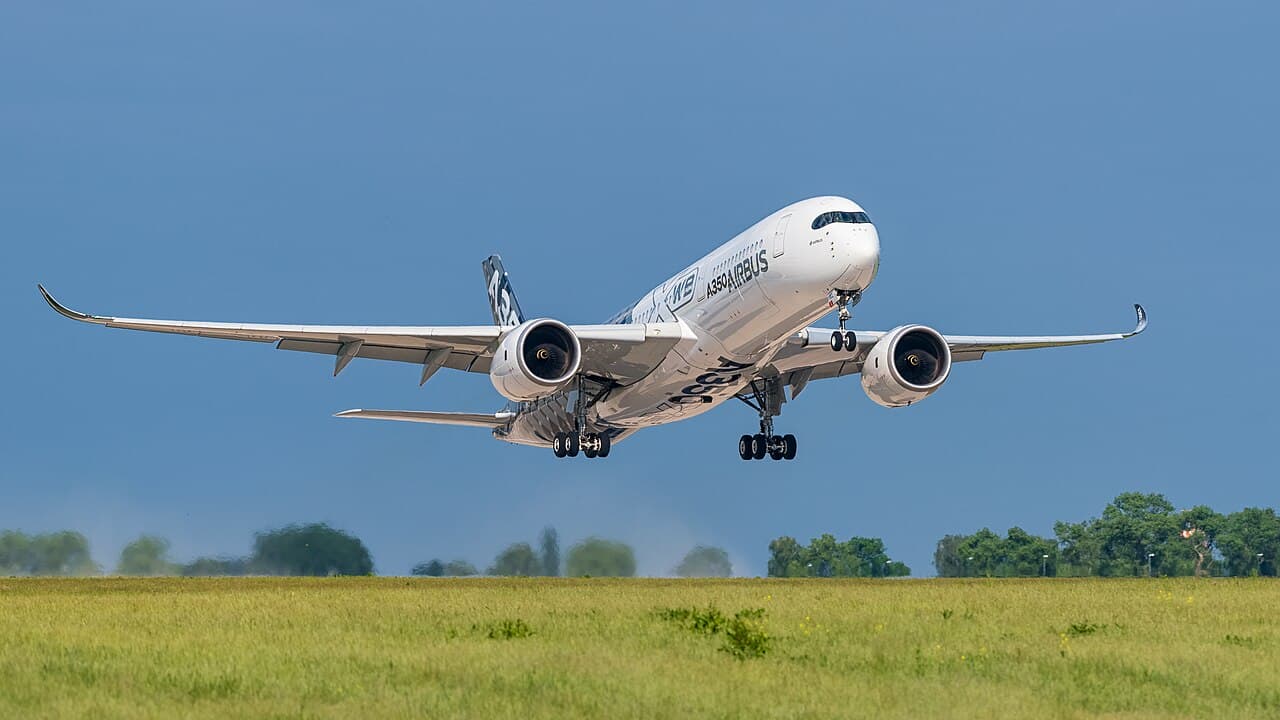
We know that Delta has huge growth aspirations across the Pacific, particularly to Asia. It's an area where Delta has increasingly fallen behind United in recent years, but Delta now hopes to not only catch up, but even beat United. We'll see what comes of that, and in particular, find out just how costly that growth is . While this shouldn't come as much of a surprise, Delta executives are now publicly confirming plans to return to Singapore, a destination that hasn't been served by the airline since 2019, when that was an intra-Asia tag flight from Japan. We're also learning out of which airport that service will likely operate… Delta is eyeing Singapore for further Asia expansion As Delta executives view it, the airline is pretty maxed out in terms of its European potential, and in the long run, they see the most long haul growth potential in Asia, the Middle East, and Africa. So, what kind of expansion should we expect? So far, Delta has launched flights to Hong Kong (HKG) , and has announced plans to fly to Manila (MNL) and Tokyo Narita (NRT) ; Riyadh (RUH) flights are also launching soon ( we'll see how that goes ), and that's technically Asia, but not a Pacific flight Delta also wants to connect its Los Angeles (LAX) and New York (JFK) hubs to Seoul Incheon (ICN), which is the hub of joint venture partner Korean Air, as Delta loves routing Asia traffic through there We've also known that Delta plans to once again fly to Singapore (SIN), and we're learning more about what that will look like Delta is planning flights from Seattle to Singapore Sean Cudahy reports that Delta Chief Commercial Officer Joe Esposito has just explicitly confirmed that the airline is returning to Singapore. That's not really a surprise, since we've known that was in the cards. But what's perhaps most interesting is the hub out of which the service will operate — Esposito ruled out that the service could operate out of Los Angeles, so it's pretty clear that the airline will operate this service out of Seattle (SEA). That also matches previous reporting from JonNYC . https://t.co/1g4M2p9AfD https://t.co/py2VGgPQz9 — JonNYC (@xJonNYC) June 7, 2026 Now, we'll see with what timeline this service actually launches. My guess is that we're looking at a fall 2027 service start, at best. At 8,070 miles, this will be Delta's third longest flight, after its routes to South Africa, which are from Atlanta (ATL) to Cape Town (CPT) and Johannesburg (JNB). One certainly wonders if this Singapore route could be operated by Delta's new Airbus A350-1000s , which will feature an all-new passenger experience . While the plane has great range and per seat economics, the only thing I'd say is that it's "a lot of plane" for a new market, in terms of the overall capacity (even with the very premium layout). In the Seattle to Singapore market, Delta would only be competing head-to-head against Singapore Airlines. Meanwhile in the Los Angeles to Singapore market, Delta would've had competition from both Singapore Airlines and United Airlines. Delta is hugely growing its presence in Asia My take on Delta's Asia expansion plans It's fantastic to see Delta looking to grow its presence in Asia. Point-to-point flying to Asia is a market that United has basically had cornered in recent years, and competition is good for consumers. It's amazing to think for how many years Delta basically squandered its Asia advantage. Keep in mind that back in the day, Northwest had a robust Asia network, and after the merger with Delta, we saw that network decreased slowly but steadily, as Delta instead focused on routing everything through Seoul Incheon, and into the Korean Air network. So I'm happy to see a reversal of that strategy. I also have to say that given Delta's hubris, it's kind of fun to see the airline having to increasingly play "catch up," rather than coming in as the dominant carrier. And I think that very much sums up what's going on in Asia. The most basic structural disadvantage that Delta has is that United has a fortress hub in San Francisco (SFO), which is where a large part of its Asia network flies from. That's fantastic for connectivity, not to mention San Francisco is a very strong market for Asia traffic. Delta, meanwhile, is taking a split hub approach, flying out of both Los Angeles and Seattle. Obviously Delta is trying to make the best of its situation, but there's no denying that this is an uphill battle: Both Delta's Los Angeles and Seattle hubs are roughly half the size of United's San Francisco hub, so the connectivity and local loyalty just aren't there in the same way Delta is in second place in Seattle, which isn't great from a loyalty revenue perspective, given that Alaska continues to be the dominant carrier for the local community Los Angeles is a market that's really hard to win, and if Delta can actually turn it into a profitable hub where it has a significant market share advantage, it'll be the first airline to succeed at that in the long run Compared to United, Delta just doesn't have the breadth or depth of network that United has; for example, one flight a day to Hong Kong is great, but United's four flights per day are better It also has to be emphasized that in terms of actually transporting passengers profitably (or at less of a loss), United does a better job at that than Delta, despite its lower overall profitability. Comparing passenger revenue per air seat mile to cost per air seat mile, United is at 16.18 cents vs. 16.46 cents, while Delta is at 17.37 cents vs. 19.31 cents. Delta is trying to less reliant on Seoul Incheon & Korean Air Bottom line Delta is growing quite a bit in Asia at the moment. The airline has already launched flights to Hong Kong, with flights now on sale to Manila and Tokyo Narita. On top of that, Delta has officially confirmed it plans to fly to Singapore in the near future, with the service likely to be out of Seattle rather than Los Angeles. It's great for passengers to see more competition across the Pacific, as Delta sure is making up for a lack of effort for years. However, the airline will also have quite the disadvantage compared to United for a long time… What do you make of Delta's plans to fly to Singapore?

American Airlines Bans Bare Feet Onboard As Stated in Contract of Carriage
American Airlines' Contract of Carriage already bars passengers from flying barefoot or wearing offensive clothing, but some travelers still need the reminder. Also JetBlue's first class seat moving toward installation, why airport food costs so much, Houston Intercontinental's renovated Executive Club, and American's latest "premium" service gaps.
The Daily Touch & Go
The day's best aviation news in your inbox. Free, no spam.