

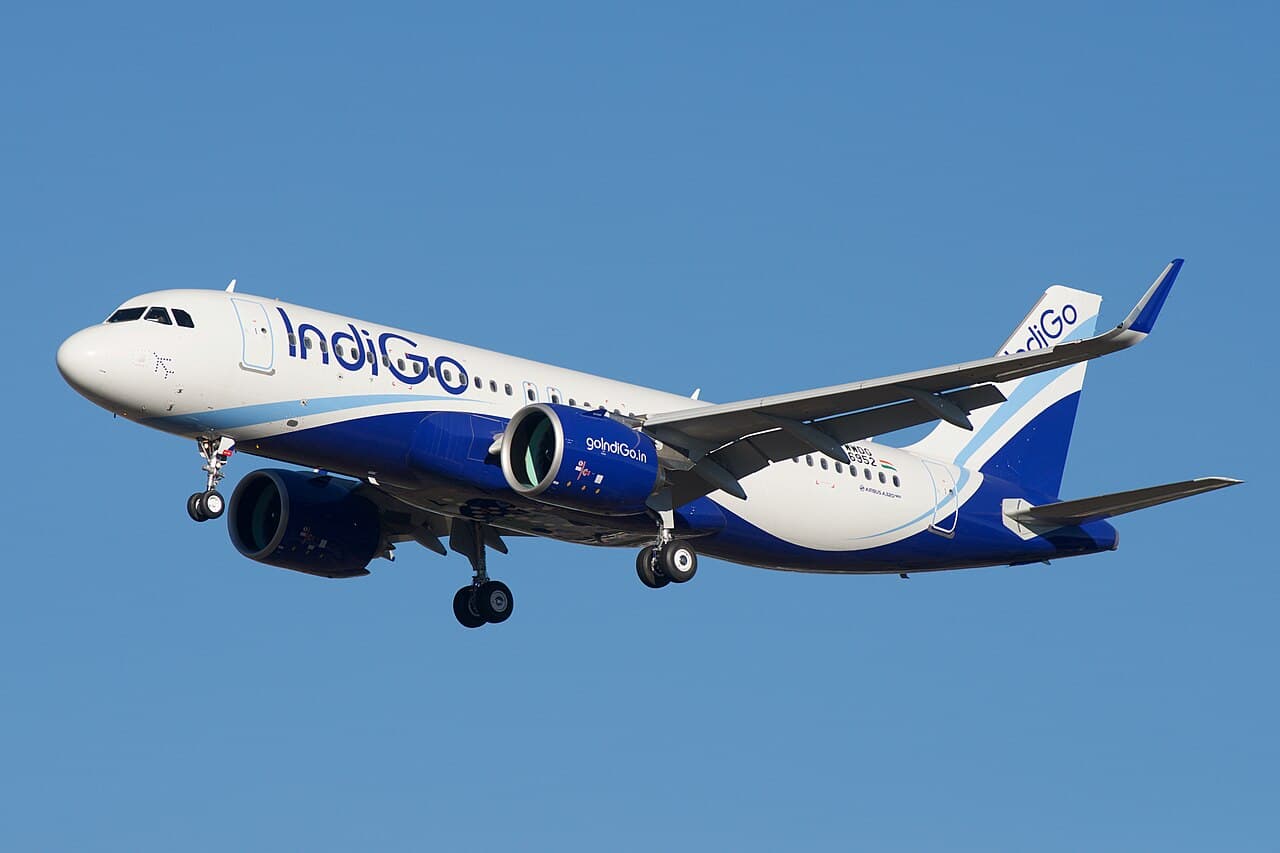
Image: BriYYZ from Toronto, Canada · CC BY-SA 2.0 · via Wikimedia Commons
Air India A320neo Lost Flight Controls, Dropped 300 Feet in Hydraulic Failure Incident
An Air India Airbus A320neo lost all three hydraulic systems causing a rapid 300-foot plunge during flight from Phuket to Delhi, with 24 injured onboard.
The gist
Air India flight suffered complete hydraulic failure causing a 300-foot drop and injured 24 passengers and crew.
Continuing coverage
All Air India →- Air India A320neo Flight Control Systems Briefly Failed Before 300-Foot Plunge Injuring 24
- Air India Sets New Flight Frequency Record on Delhi-Melbourne Route This Winter
- Former Ethiopian Airlines CEO Tewolde Gebremariam appointed as Air India CEO
- Air India posts largest annual loss amid operational and geopolitical challenges
- Boeing 787-9 Leads 2026 Widebody Deliveries as Airlines Replace Older Aircraft
On August 4, an Air India Airbus A320neo operating flight AI2379 from Phuket International Airport (HKT) to Delhi Indira Gandhi International Airport (DEL) experienced a severe loss of flight control, resulting in a rapid 300-foot descent in just four seconds. The aircraft lost functionality in its elevators and ailerons—the crucial control surfaces for pitch and bank—rendering the pilots unable to maneuver the plane effectively during that critical period.
Airbus's initial investigation into the incident indicated that all three hydraulic systems on the aircraft failed simultaneously, which is a rare and serious malfunction. Hydraulic systems are vital as they power flight control surfaces, and the sudden loss severely compromised the pilots’ ability to control pitch and bank movements. The autopilot disconnected during the event, and the first officer’s attempts to counteract the aircraft’s pitch by pushing the control stick forward did not immediately produce a response.
The flight, a nonstop four-hour journey departing Phuket at 8:41 AM local time, was operated by a seven-year-old Airbus A320neo registered VT-EXO. After the hydraulic failure and resulting plunge, the hydraulic systems re-engaged within seconds, allowing the pilots to regain control and stabilize the aircraft. Despite the quick recovery, 24 passengers and crew members sustained injuries, many resulting from violent movement inside the cabin, with some unrestrained occupants striking interior surfaces during the sudden altitude drop.
Following the incident, Airbus requested that Air India conduct thorough checks on the affected airplane’s hydraulic systems as well as sensors monitoring system pressure. Several sensors have been removed for inspection, and detailed wiring checks are underway to identify any underlying faults. Airbus also reviewed the aircraft’s maintenance logs and found that the plane underwent forces above specified safety limits during the altitude change, prompting inspections for structural damage.
Air India has been cooperating with relevant authorities during the ongoing investigation into the serious incident classification. Initial statements from Air India described the event as turbulence-related, describing a sudden loss of altitude. However, data retrieved from the aircraft's digital flight data recorder confirmed the simultaneous failure of the three hydraulic systems as the root cause. This unprecedented failure highlights critical vulnerabilities in the aircraft's control systems requiring urgent attention.
In an unrelated but relevant development, post-incident drug testing revealed the flight’s captain tested positive for marijuana use. Air India has stated there is no established link between this and the hydraulic failure that caused the altitude loss. Nevertheless, the airline has instituted mandatory substance testing for all operating pilots to enhance safety protocols and regulatory compliance.
The aircraft has been grounded in New Delhi since the incident, with further maintenance and safety inspections planned before it can return to service. The incident has sparked concern about redundancy and reliability of hydraulic systems on Airbus A320neos, prompting calls for comprehensive checks across operators flying similar fleet types to prevent recurrence.
This serious hydraulic failure emphasizes the critical need for rigorous system monitoring and maintenance of flight controls, especially as airlines operate aging aircraft with increasingly complex technology. The findings and outcomes of Air India's investigation will be closely scrutinized by the aviation industry to bolster safety standards and prevent similar incidents globally.
Frequently asked questions
- What caused the Air India A320neo to lose control during flight AI2379?
- The aircraft lost all three hydraulic systems, which power the elevators and ailerons responsible for pitch and roll control, leading to a rapid 300-foot altitude drop.
- What were the consequences for passengers and crew during the incident?
- Twenty-four people onboard were injured due to the sudden altitude loss and unrestrained movement inside the cabin during the rapid descent and recovery.
- Has Air India taken any safety measures following the cockpit drug test results?
- After the captain tested positive for marijuana, Air India implemented mandatory substance testing for all its operating pilots, although no link was found between drug use and the hydraulic failure.
Read more
All Airports →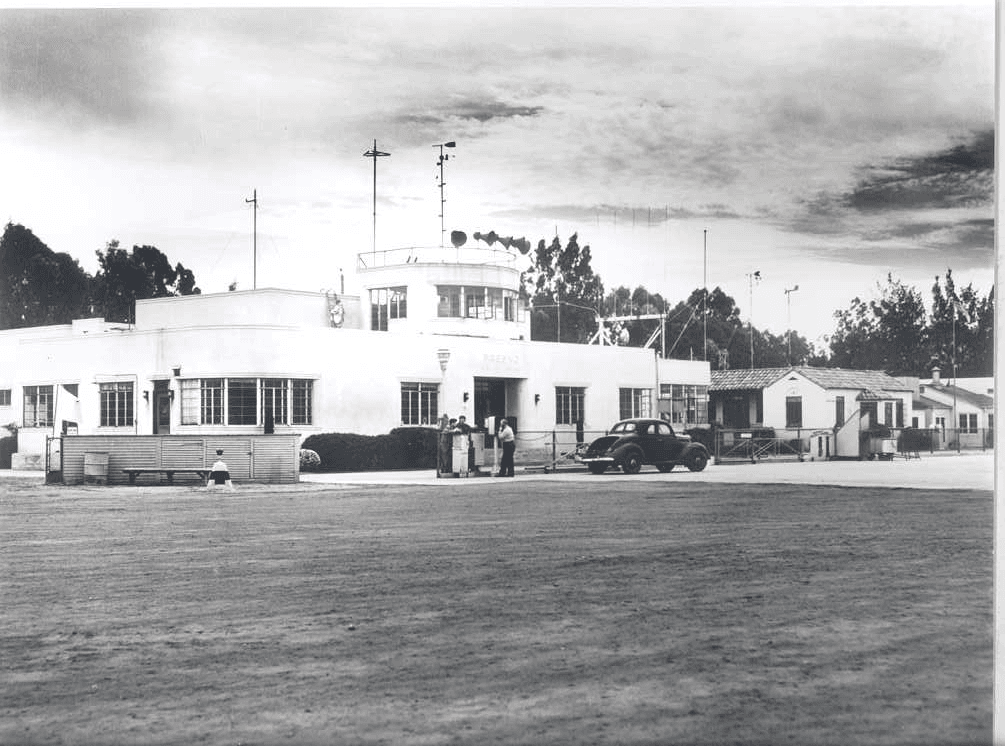
Chandler Municipal Airport to Add 29 Executive Hangars by 2028
The Chandler City Council this week unanimously approved a ground lease for 29 new executive hangars at Chandler Municipal Airport in Arizona . Vesper Aviation subsidiary CHD Curtis East LLC will develop the hangars on currently undeveloped airport property and offer them for sale or lease. Hangars Coming in 2028 The project will occupy 4.798 acres along the airport's northern boundary under a 30-year ground lease that includes an option for a 10-year extension. The agreement requires Vesper to complete at least 16 hangars within 24 months of the lease taking effect. Vesper says the full development is expected to open in 2028. The 29 hangars will total 113,124 square feet across four buildings. Plans range from 2,750-square-foot standard hangars intended for piston aircraft and very light jets to units measuring more than 7,600 square feet. Larger hangars are intended for turboprops and business jets. The city will receive 1% of the sale price when a hangar changes ownership or when a long-term prepaid rental agreement is completed. Long Hangar Wait List Chandler's city-owned hangars and covered tiedowns are currently at 100% occupancy, according to the airport's aircraft-storage page. The city's published hangar waiting list includes applicants who first joined as far back as 2013. More than 125 privately owned hangars are also located at the airport and periodically become available. "The demand for aircraft storage in the East Valley has outpaced supply for decades." Chandler Municipal Airport Manager Ryan Reeves said in the city's announcement. "This partnership with Vesper Aviation will give pilots and aviation businesses the world-class facilities they need, right here in Chandler." Vesper is currently accepting pre-lease and pre-purchase inquiries for the new units.
Delta Confirms Seattle-Singapore A350 Flights Marking Asia Expansion
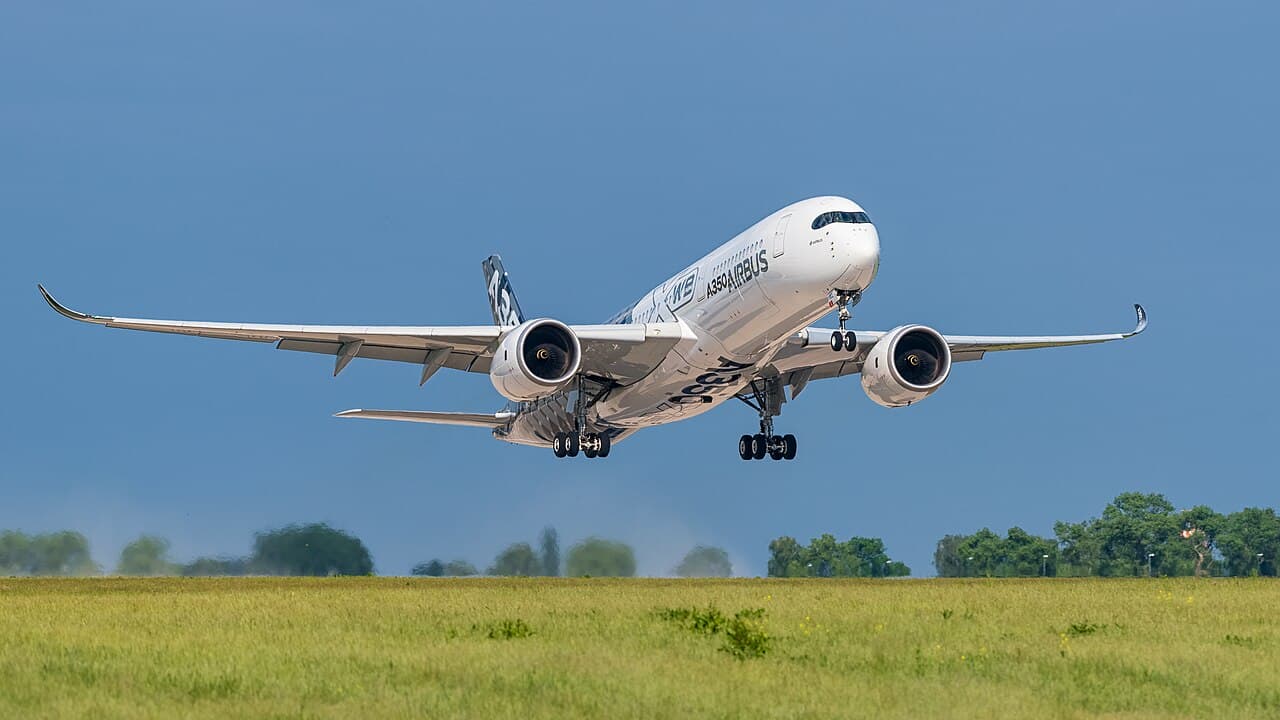
We know that Delta has huge growth aspirations across the Pacific, particularly to Asia. It's an area where Delta has increasingly fallen behind United in recent years, but Delta now hopes to not only catch up, but even beat United. We'll see what comes of that, and in particular, find out just how costly that growth is . While this shouldn't come as much of a surprise, Delta executives are now publicly confirming plans to return to Singapore, a destination that hasn't been served by the airline since 2019, when that was an intra-Asia tag flight from Japan. We're also learning out of which airport that service will likely operate… Delta is eyeing Singapore for further Asia expansion As Delta executives view it, the airline is pretty maxed out in terms of its European potential, and in the long run, they see the most long haul growth potential in Asia, the Middle East, and Africa. So, what kind of expansion should we expect? So far, Delta has launched flights to Hong Kong (HKG) , and has announced plans to fly to Manila (MNL) and Tokyo Narita (NRT) ; Riyadh (RUH) flights are also launching soon ( we'll see how that goes ), and that's technically Asia, but not a Pacific flight Delta also wants to connect its Los Angeles (LAX) and New York (JFK) hubs to Seoul Incheon (ICN), which is the hub of joint venture partner Korean Air, as Delta loves routing Asia traffic through there We've also known that Delta plans to once again fly to Singapore (SIN), and we're learning more about what that will look like Delta is planning flights from Seattle to Singapore Sean Cudahy reports that Delta Chief Commercial Officer Joe Esposito has just explicitly confirmed that the airline is returning to Singapore. That's not really a surprise, since we've known that was in the cards. But what's perhaps most interesting is the hub out of which the service will operate — Esposito ruled out that the service could operate out of Los Angeles, so it's pretty clear that the airline will operate this service out of Seattle (SEA). That also matches previous reporting from JonNYC . https://t.co/1g4M2p9AfD https://t.co/py2VGgPQz9 — JonNYC (@xJonNYC) June 7, 2026 Now, we'll see with what timeline this service actually launches. My guess is that we're looking at a fall 2027 service start, at best. At 8,070 miles, this will be Delta's third longest flight, after its routes to South Africa, which are from Atlanta (ATL) to Cape Town (CPT) and Johannesburg (JNB). One certainly wonders if this Singapore route could be operated by Delta's new Airbus A350-1000s , which will feature an all-new passenger experience . While the plane has great range and per seat economics, the only thing I'd say is that it's "a lot of plane" for a new market, in terms of the overall capacity (even with the very premium layout). In the Seattle to Singapore market, Delta would only be competing head-to-head against Singapore Airlines. Meanwhile in the Los Angeles to Singapore market, Delta would've had competition from both Singapore Airlines and United Airlines. Delta is hugely growing its presence in Asia My take on Delta's Asia expansion plans It's fantastic to see Delta looking to grow its presence in Asia. Point-to-point flying to Asia is a market that United has basically had cornered in recent years, and competition is good for consumers. It's amazing to think for how many years Delta basically squandered its Asia advantage. Keep in mind that back in the day, Northwest had a robust Asia network, and after the merger with Delta, we saw that network decreased slowly but steadily, as Delta instead focused on routing everything through Seoul Incheon, and into the Korean Air network. So I'm happy to see a reversal of that strategy. I also have to say that given Delta's hubris, it's kind of fun to see the airline having to increasingly play "catch up," rather than coming in as the dominant carrier. And I think that very much sums up what's going on in Asia. The most basic structural disadvantage that Delta has is that United has a fortress hub in San Francisco (SFO), which is where a large part of its Asia network flies from. That's fantastic for connectivity, not to mention San Francisco is a very strong market for Asia traffic. Delta, meanwhile, is taking a split hub approach, flying out of both Los Angeles and Seattle. Obviously Delta is trying to make the best of its situation, but there's no denying that this is an uphill battle: Both Delta's Los Angeles and Seattle hubs are roughly half the size of United's San Francisco hub, so the connectivity and local loyalty just aren't there in the same way Delta is in second place in Seattle, which isn't great from a loyalty revenue perspective, given that Alaska continues to be the dominant carrier for the local community Los Angeles is a market that's really hard to win, and if Delta can actually turn it into a profitable hub where it has a significant market share advantage, it'll be the first airline to succeed at that in the long run Compared to United, Delta just doesn't have the breadth or depth of network that United has; for example, one flight a day to Hong Kong is great, but United's four flights per day are better It also has to be emphasized that in terms of actually transporting passengers profitably (or at less of a loss), United does a better job at that than Delta, despite its lower overall profitability. Comparing passenger revenue per air seat mile to cost per air seat mile, United is at 16.18 cents vs. 16.46 cents, while Delta is at 17.37 cents vs. 19.31 cents. Delta is trying to less reliant on Seoul Incheon & Korean Air Bottom line Delta is growing quite a bit in Asia at the moment. The airline has already launched flights to Hong Kong, with flights now on sale to Manila and Tokyo Narita. On top of that, Delta has officially confirmed it plans to fly to Singapore in the near future, with the service likely to be out of Seattle rather than Los Angeles. It's great for passengers to see more competition across the Pacific, as Delta sure is making up for a lack of effort for years. However, the airline will also have quite the disadvantage compared to United for a long time… What do you make of Delta's plans to fly to Singapore?

American Airlines Bans Bare Feet Onboard As Stated in Contract of Carriage
American Airlines' Contract of Carriage already bars passengers from flying barefoot or wearing offensive clothing, but some travelers still need the reminder. Also JetBlue's first class seat moving toward installation, why airport food costs so much, Houston Intercontinental's renovated Executive Club, and American's latest "premium" service gaps.
Air Canada Faces Backlash Over Losing Passenger's Husband's Ashes and $200 Voucher Offer
An Air Canada passenger has accused the Canadian flag carrier and Star Alliance founding member of an 'offensive' compensation offer after the airline lost her checked bag that was transporting, among other things, her late husband's ashes. Twyla Shannahan was flying with the national airline from Edmonton International Airport (YEG) in Alberta to St. John's International (YYT) in Newfoundland.
The Daily Touch & Go
The day's best aviation news in your inbox. Free, no spam.