

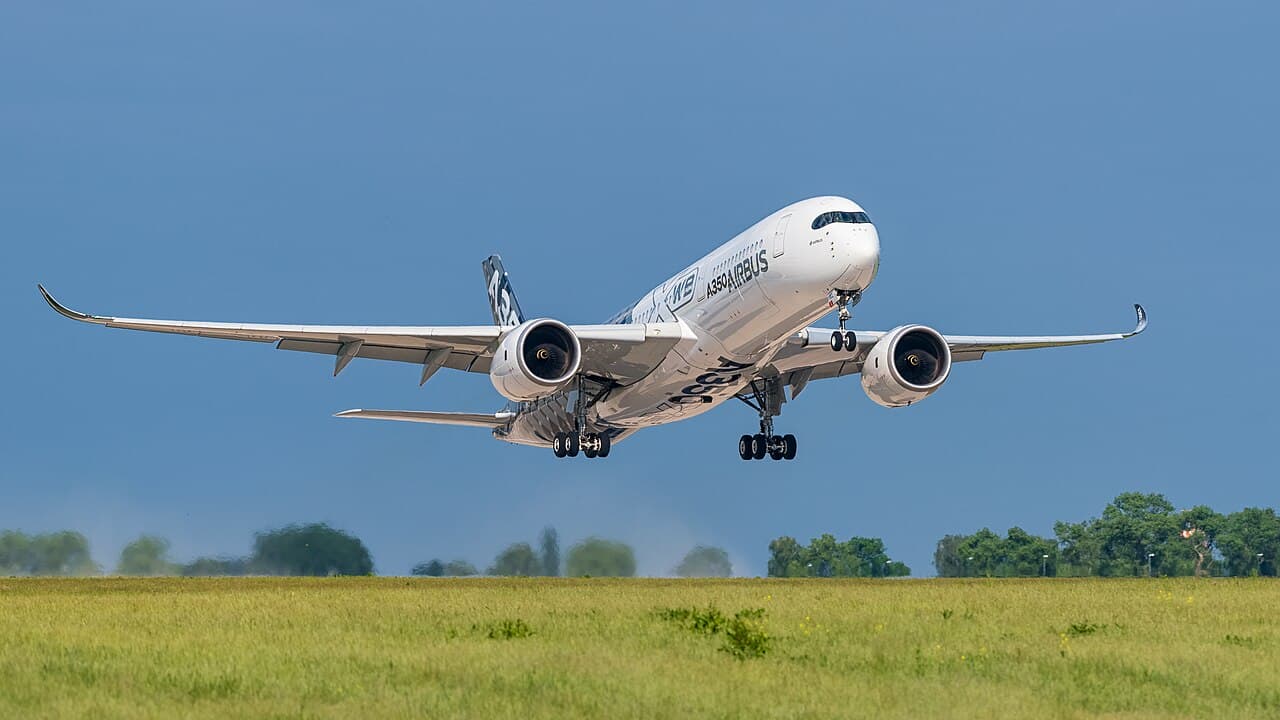
Image: Julian Herzog ( Website ) · CC BY 4.0 · via Wikimedia Commons
Delta Confirms Seattle-Singapore A350 Flights Marking Asia Expansion
Delta Air Lines plans to launch new nonstop service from Seattle to Singapore, its third longest route, as part of a broader push to grow in the Asia-Pacific market.
The gist
Delta will operate Seattle to Singapore flights with A350s, expanding its Asia presence and competing more directly with major carriers on long-haul Pacific routes.
Continuing coverage
All Delta Air Lines →- Delta CEO Ed Bastian Often Chooses Economy to Hear Real Passenger Experience
- Delta Air Lines Ends Narita Hub Following 2008 Northwest Merger, Shifting Asia Strategy
- Federal Judge Approves Class Action for Delta Pilots Denied Paid Military Leave
- US Citizen Detained by ICE at Delta Gate Due to Mistaken Identity
- Delta Pilots End Scheduling Talks, Complicating Efforts to Fix Rising Flight Cancellations
Delta Air Lines is advancing its strategic expansion into Asia with the confirmation of a new nonstop route between Seattle-Tacoma International Airport (SEA) and Singapore Changi Airport (SIN). The announcement comes from Delta's Chief Commercial Officer Joe Esposito, who revealed that the service would not operate from Los Angeles as speculated but instead launch from Seattle. This marks Delta's return to Singapore, a market it vacated in 2019 when it only operated a tag flight from Japan.
With an estimated distance of approximately 8,070 miles, the Seattle-Singapore flight will become Delta’s third longest route, trailing only the carrier’s existing flights from Atlanta to Cape Town and Johannesburg in South Africa. The airline has yet to specify an exact launch date but indications suggest a possible service start in the fall of 2027. Given the route length, Delta is expected to deploy its Airbus A350-1000 aircraft, which features extended range capabilities and an updated cabin experience optimized for long-haul comfort and efficiency.
This route expands Delta’s footprint in Asia, complementing recent and planned services to other key destinations in the region. Just recently, Delta initiated flights to Hong Kong (HKG) and has upcoming plans for Manila (MNL), Tokyo Narita (NRT), and Riyadh (RUH). Furthermore, Delta aims to connect its U.S. hubs in Los Angeles (LAX) and New York (JFK) with Seoul Incheon (ICN), leveraging synergy with joint venture partner Korean Air to optimize traffic flows.
Historically, Delta had a robust Asia network inherited from Northwest Airlines but reduced direct service over time, favoring connecting passengers through Seoul Incheon. The new ambition signals a strategic pivot to grow point-to-point traffic on transpacific routes, aiming to compete more vigorously with United Airlines, which currently dominates the U.S.-Asia market with a large hub in San Francisco (SFO) and multiple daily flights to key Asian cities.
Seattle’s selection as the departure hub for the Singapore route reflects Delta’s increasing investment in the Pacific Northwest, where it is the second-largest carrier but still contends with Alaska Airlines’ local dominance. The move could help build local international connectivity and attract premium traffic. In contrast, the Los Angeles-Singapore market remains highly competitive with United and Singapore Airlines already operating nonstop service.
From an operational standpoint, utilizing the A350-1000 is fitting for this ultra-long-haul route, given its range capabilities and premium cabin configurations. However, it is worth noting that the A350-1000 may offer more capacity than needed initially for this market, which Delta must carefully manage to ensure profitability while building the route’s demand.
Delta’s broader goal in Asia extends beyond increasing frequencies; it aims to diversify beyond its historical dependence on Korean Air and Seoul Incheon for network connections. This strategy reflects an effort to capture organic traffic in key markets directly and to enhance connectivity options for passengers traveling across the vast Asia-Pacific region.
While Delta’s Asian expansion is promising for increasing competition across the Pacific, challenges remain. United Airlines’ entrenched hubs and deeper network provide it with a competitive edge in terms of connectivity, local market penetration, and operational efficiency. Delta must continue to develop its hubs and partnerships to narrow this gap effectively.
Frequently asked questions
- From which airport will Delta operate its new flights to Singapore?
- Delta will operate the new nonstop flights to Singapore out of Seattle-Tacoma International Airport, not Los Angeles.
- What aircraft is likely to be used for the Seattle to Singapore route?
- The route will likely be operated by Delta's Airbus A350-1000, suitable for ultra-long-haul flights with a premium passenger experience.
- How does the Seattle-Singapore route rank in Delta's network in terms of distance?
- At approximately 8,070 miles, it will be Delta's third longest route after its Atlanta to South Africa flights.
Read more
All Airports →
US Citizen Detained by ICE at Delta Gate Due to Mistaken Identity
A U.S. citizen boarding a Delta flight from Atlanta to Las Vegas says ICE agents handcuffed him at the aircraft door after mistaking him for a British man with the same name and birthdate. Delta says it does not control law enforcement decisions, while ICE says the encounter was targeted and private. Airport data sharing can now turn domestic passengers into easy targets before officers verify they have the right person.
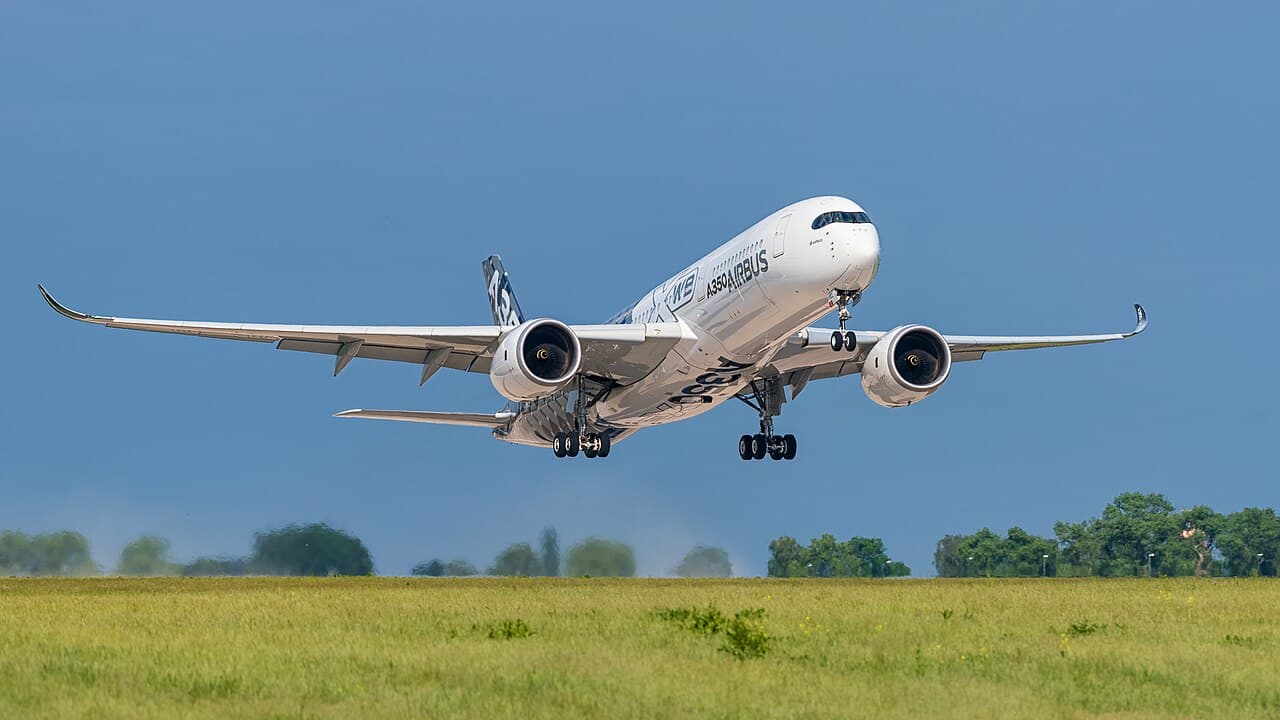
Qatar Airways Deploys Airbus A350 on Shortest Commercial Flight from Doha to Bahrain
Qatar Airways was the launch customer of both the Airbus A350-900 and the Airbus A350-1000. The airline is used to flying its array of widebody aircraft (including its A350s) on particularly short flights. They help to provide capacity to feed its Doha Hamad International Airport (DOH) hub.
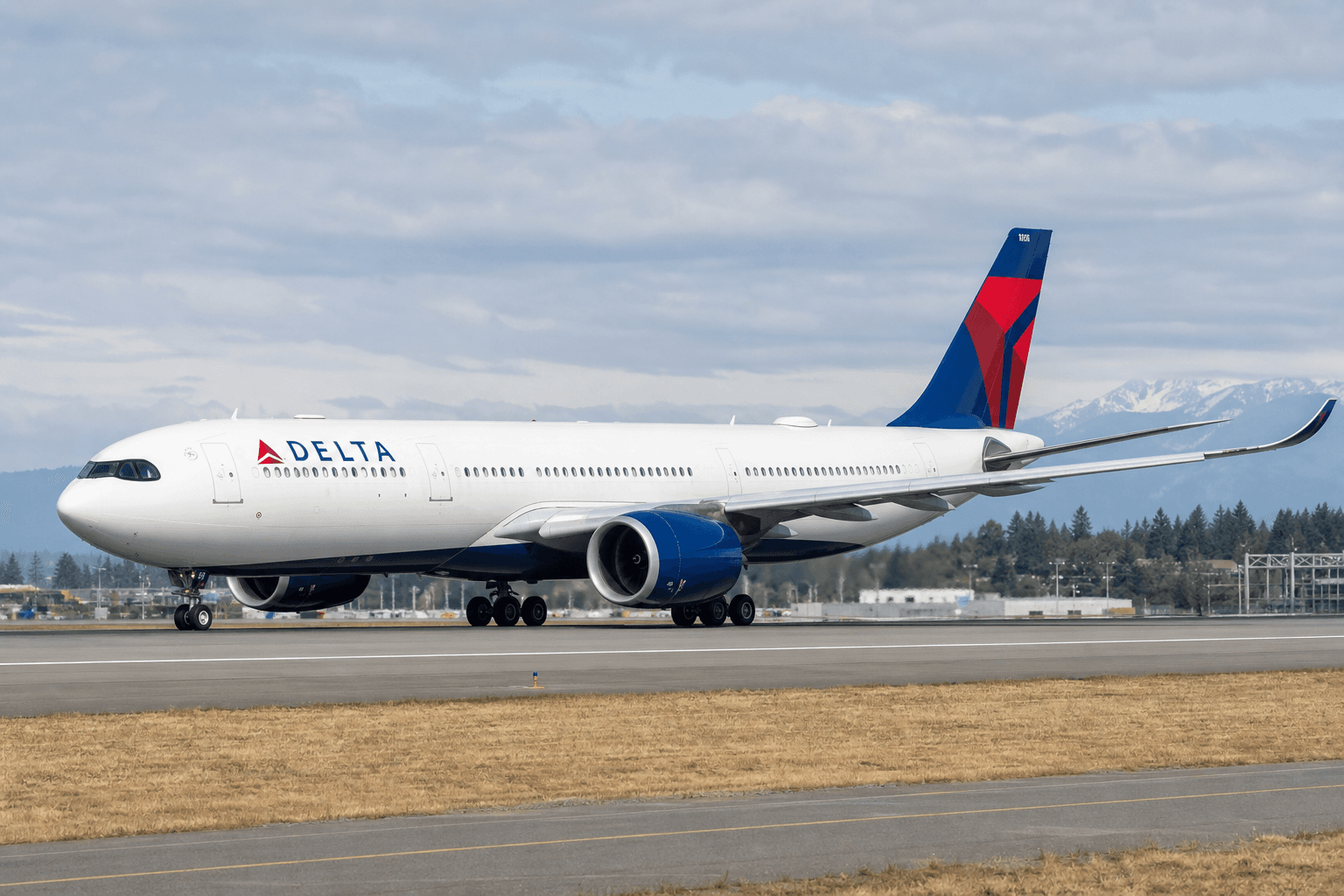
Delta Air Lines to Resume Seattle-Tokyo Narita Service in 2027, Challenging Alaska Airlines
Atlanta-based Delta Air Lines is planning to expand its transpacific network from Seattle with the return of nonstop flights to and from Tokyo Narita after a seven-year break. The reinstated service will directly compete with Alaska Airlines – its main contender in the Pacific Northwest.
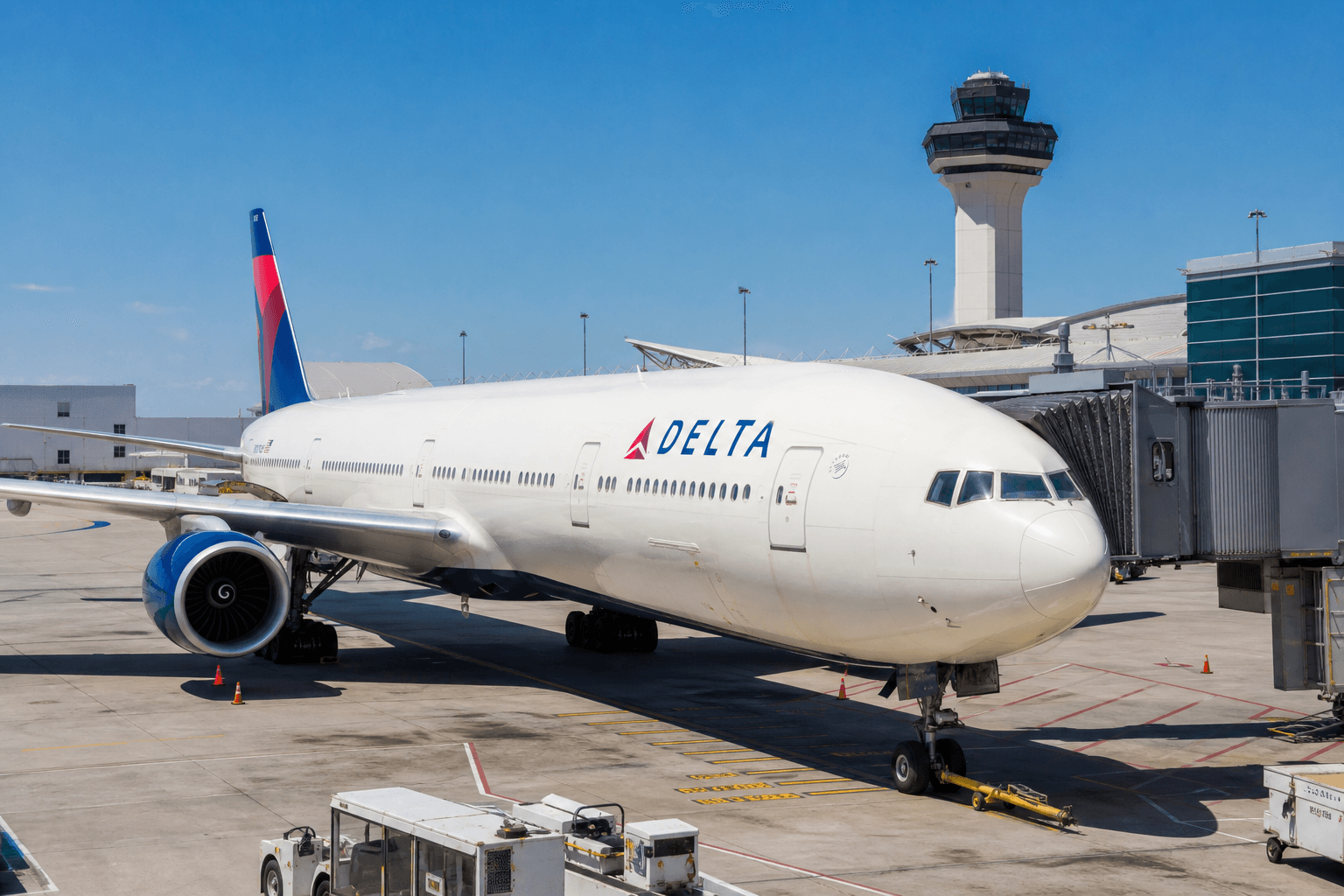
Delta Air Lines Set to Announce New Austin International Route Likely to Paris in August
Delta is expected to announce new Austin service on August 13, and the long-rumored Austin–Paris nonstop for summer 2027 appears increasingly likely. The route would fit Delta's broader Austin strategy: build long-haul service, add major lounge capacity, grow into the airport's second-largest carrier, and use a lucrative expansion market to drive deeper Amex card engagement.
The Daily Touch & Go
The day's best aviation news in your inbox. Free, no spam.