

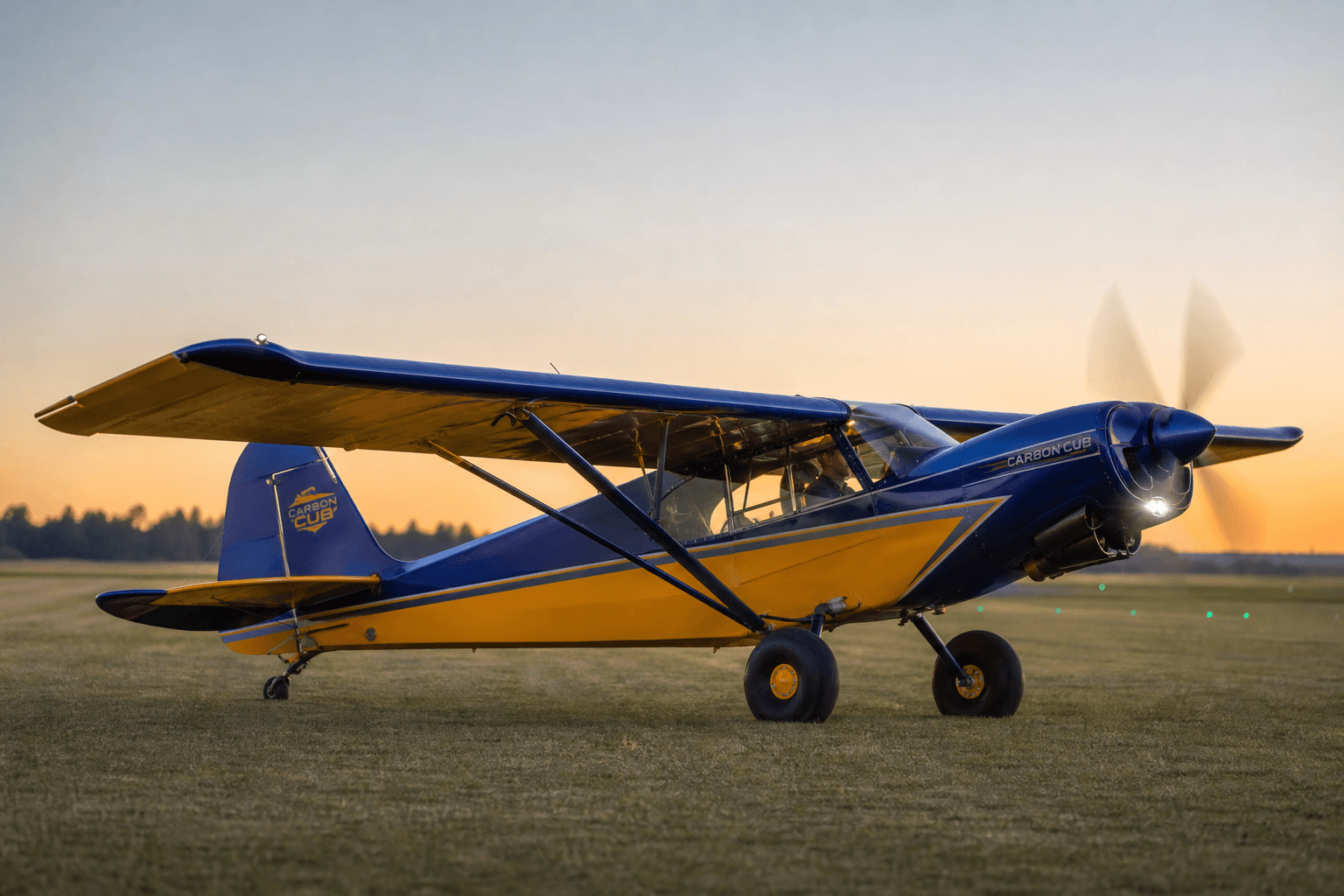
Illustration: The Touch & Go
CubCrafters debuts regenerative turbine-powered Carbon Cub ULT for backcountry flying
CubCrafters launches the Carbon Cub ULT featuring a TurboTech regenerative turboprop engine, targeting the FAA's MOSAIC light-sport rules and offering Jet-A fuel capability with turbine smoothness.
The gist
CubCrafters unveils the Carbon Cub ULT, a backcountry aircraft powered by a unique turbine engine letting sport pilots fly a turbine under new FAA rules.
CubCrafters has introduced a turbine-powered variant of its popular Carbon Cub UL light-sport aircraft, naming it the Carbon Cub ULT. This new model replaces the UL’s Rotax piston engine with a French-developed TurboTech TP-R90 regenerative turboprop. The company announced the aircraft on July 7, 2026, just ahead of its planned public debut at the EAA AirVenture Oshkosh event later that month. Customer deposits are now being accepted with first deliveries expected in 2027.
The Carbon Cub UL platform itself is an evolution of CubCrafters’ ongoing effort to modernize the classic high-performance Piper Super Cub design. The UL model is highly regarded for its exceptional backcountry capabilities, light weight, and short-field performance. The new ULT variant builds on this foundation, incorporating turbine technology that remains unusual in the light-sport category.
CubCrafters is targeting the ULT at the new FAA MOSAIC regulations, which expand light-sport aircraft eligibility to include alternative propulsion types such as turbines. The company touts the Carbon Cub ULT as the first US-manufactured turboprop eligible for sport pilot operation under these rules. The turbine engine enables operation on widely available Jet-A and diesel fuels, broadening operational environments and fueling options compared to piston engines.
The TurboTech TP-R90 engine is a regenerative cycle turboprop, designed to recover heat from exhaust gases to preheat intake air and boost fuel efficiency. This innovative design aims to deliver the smoothness and reliability of turbine power while keeping fuel consumption close to that of a modern piston engine. Equipped with a full FADEC system, the engine manages fuel flow, ignition, and propeller operation automatically, simplifying pilot workload with push-button start and single-lever power control.
CubCrafters’ prototype ULT features a cockpit equipped with Garmin G3X Touch avionics, enhanced by a dedicated turbine engine display specific to the TurboTech installation. With an empty weight estimated at 880 pounds and a maximum gross weight of 1,865 pounds, the aircraft carries 44 gallons of fuel for an endurance of about 5.2 hours and a range near 593 nautical miles. Cruise speeds exceed 113 knots, closely matching the performance of the piston-powered UL variant despite the turbine upgrade.
The aircraft’s STOL (short takeoff and landing) capabilities remain strong, with takeoff distances around 50 feet and landing rolls about 90 feet, ideal for backcountry operations. A wingspan just over 34 feet and seating for two help maintain the Cub’s familiar profile and utility. CubCrafters offers the ULT in either Light Sport or Experimental Amateur-Built configurations, including a factory builder-assist option.
The TurboTech engine is developed by a French company founded by former Safran engineers, backed by Safran and GO Capital. The company’s turbine engines have seen flight in European ultralights and helicopters, providing proven technology for the ULT’s powerplant. CubCrafters identifies the engine’s output at around 160 horsepower including an electric boost feature, indicating robust but efficient performance.
CubCrafters President and CEO Patrick Horgan emphasized the advanced engineering involved in bringing together regenerative turbine technology, full FADEC control, lightweight composite construction, and established STOL capability into a practical backcountry machine. TurboTech CEO Damien Fauvet praised CubCrafters as their launch partner in the US and highlighted the Carbon Cub ULT as an excellent demonstration platform.
While pricing for the turbine-powered ULT has not yet been announced, it will likely carry a premium over the $293,900 starting price of the Rotax-powered Carbon Cub UL. The company continues flight testing near its Yakima, Washington headquarters and will showcase the aircraft at EAA AirVenture 2026 in booths 272-274.
Read more
All Sustainability →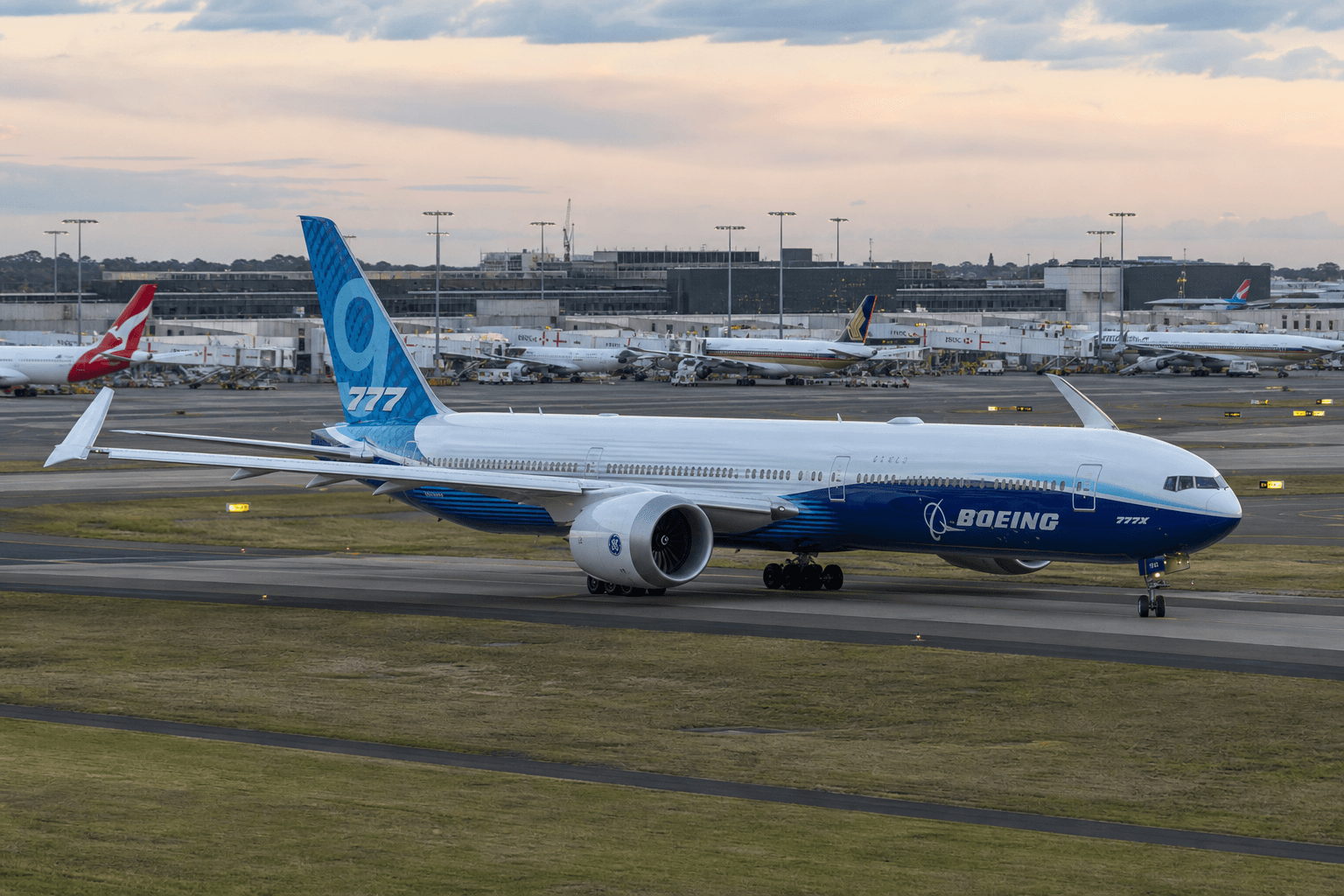
Sydney Airport's Tight Space Requires Boeing 777X to Fold Wings at Gates
The long-anticipated Boeing 777X is almost here, and when it does finally arrive, it will begin an era of vastly different wing design to commercial aviation. To achieve unprecedented fuel efficiency, designers equipped the massive twin-engine jet with a sprawling carbon-fiber wing that exceeds standard international airport dimensions. Making the wings smaller was not an option, so Boeing opted for a very different kind of solution.

Gulfstream and Rolls-Royce demonstrate contrail reduction using 100% sustainable aviation fuel
Business jet manufacturer and engine provider Rolls-Royce carried out a series of test flights using different fuels. Gulfstream and propulsion partner Rolls-Royce have hailed the initial results from tests that have shown the potential of 100% sustainable aviation fuel (SAF) to reduce contrail formation during high-altitude flights. For the campaign, Gulfstream used a G800 prototype as the lead aircraft, followed by a specially modified G700 acting as a flying emissions measurement platform. Both jets are powered by twin Pearl 700 engines. Over a series of flights, the G800 ran on standard Jet-A, low-sulphur Jet-A, and 100% HEFA-produced SAF. Data captured by the G700 allowed a comparison between the performance of the different fuel types. Operating in close formation, the aircraft enabled researchers to capture precise, real-world measurements of particulate matter and contrail-forming atmospheric characteristics at the higher altitudes – up to 50,000ft – typically flown by certain business jets, Gulfstream says. "Preliminary results suggest a significant, measurable reduction in the particulate emissions that contribute to contrail formation when operating on neat SAF," the partners state. Gulfstream says months of preparation preceded the tests, including modifying the G700's cabin to host the necessary instrumentation and simulator-based training for flightcrew to practice the complex formation profiles to be flown. "As aviation continues its work in optimising environmental efficiencies, Gulfstream is focused on advancing solutions that deliver measurable impact today while shaping a more sustainable future for flight," says Mark Burns, president, Gulfstream. "Sustainable aviation fuels in combination with compatible, ultra-efficient aero engines will not only play a vital role in decarbonising aviation but have also been shown to reduce certain non-CO2 emissions," says Alan Newby, director of research and technology, Rolls-Royce. "The valuable insights we have gained from these latest tests at high altitudes… are driving real progress in understanding aviation's non-CO2 climate impacts and potential mitigation options." Also involved in the test programme were the Federal Aviation Administration, NASA, Germany's DLR aerospace centre, Missouri University of Science and Technology, Aerodyne Research, Montana Renewables and World Fuel Services. Although most modern jet engines are compatible with 100% SAF, current regulations limit their operation to a maximum of 50%.
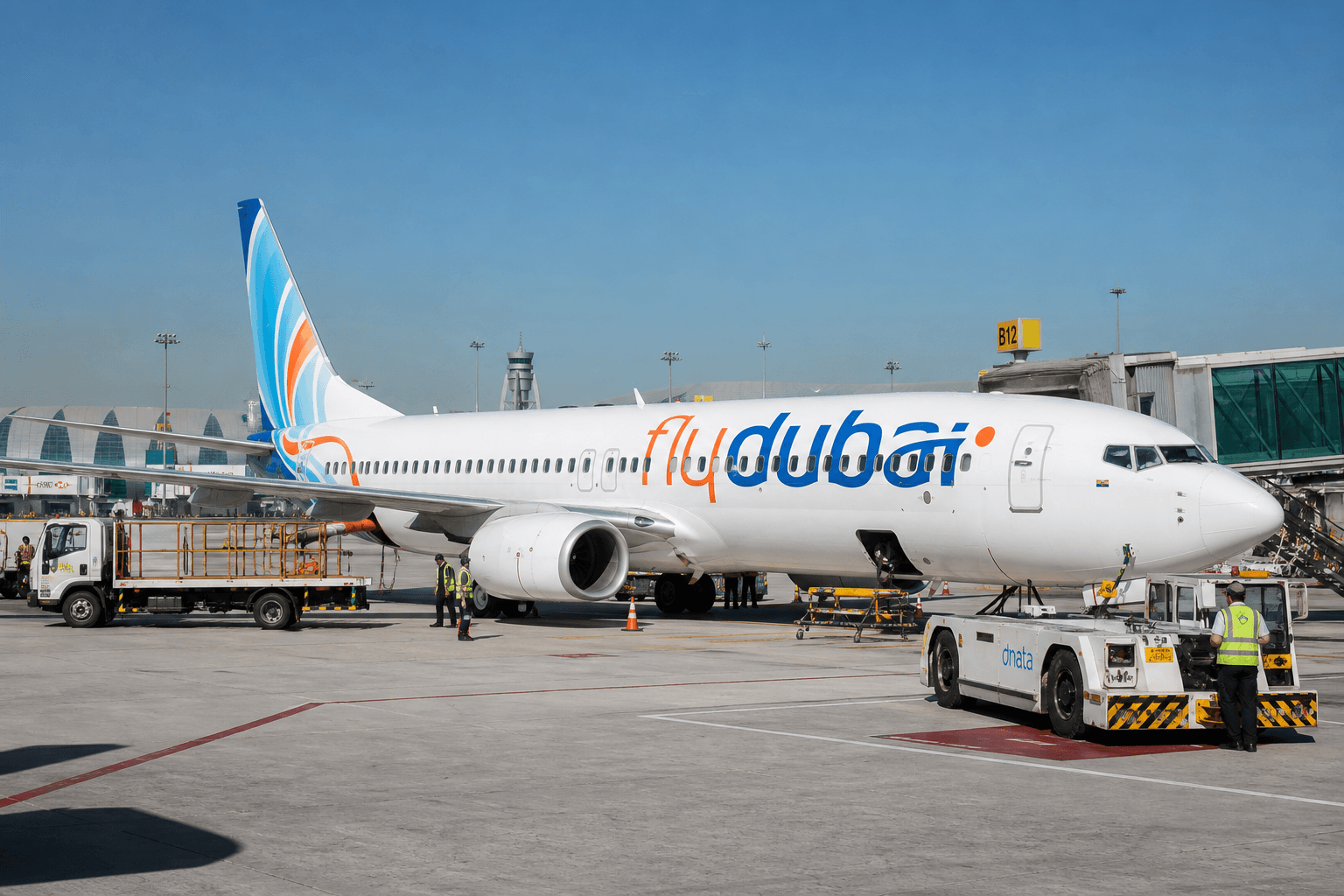
flydubai's single-engine taxiing program cuts emissions well above industry average
Small changes can make a big difference in aviation when extrapolated across a whole fleet.
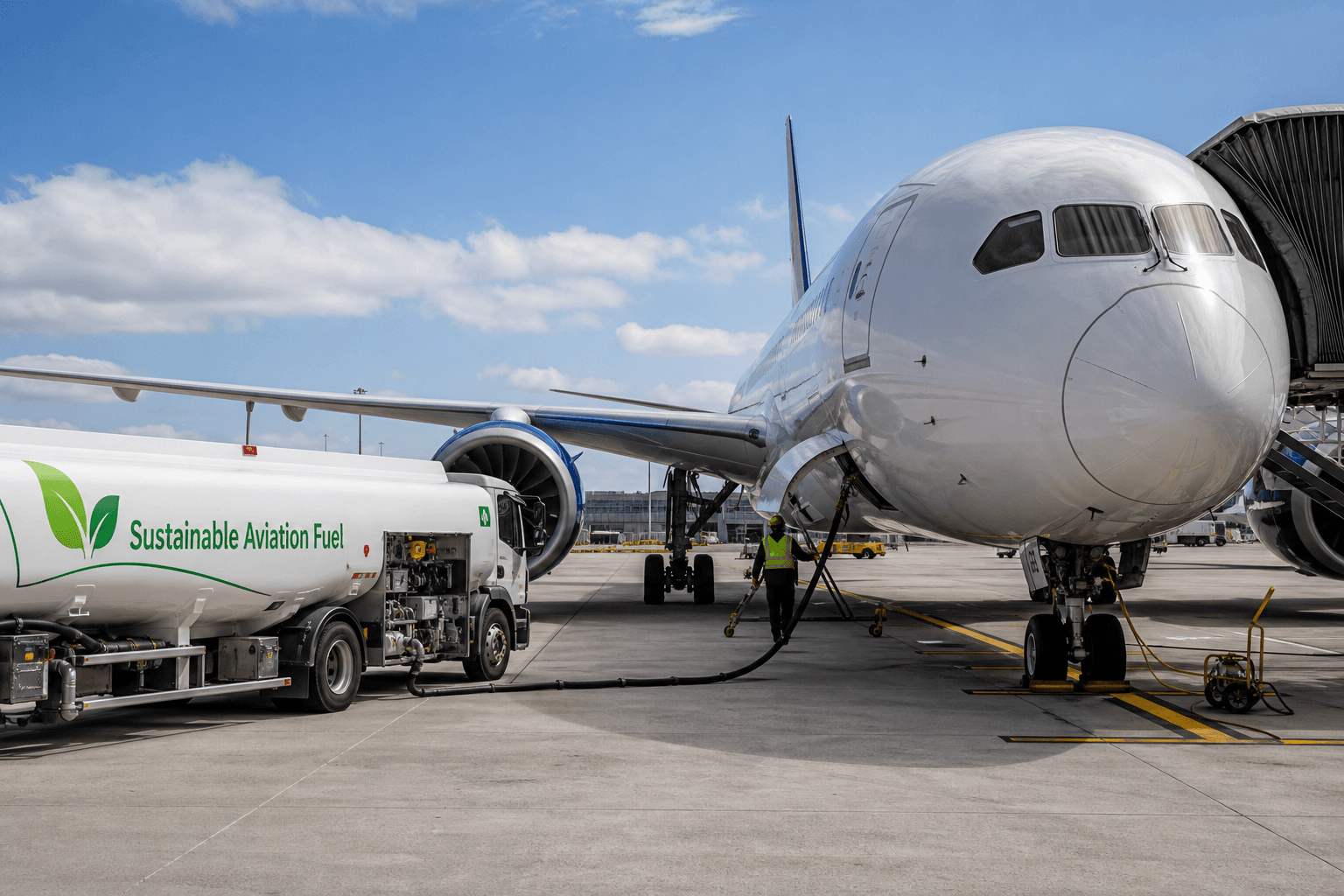
Aviation's 65% Sustainable Fuel Goal by 2050 Faces Serious Doubts Amid Supply and Policy Challenges
There are significant obstacles in the way for the airline industry to reach net-zero carbon emissions.
The Daily Touch & Go
The day's best aviation news in your inbox. Free, no spam.