

Illustration: The Touch & Go
FAA seeks to block state meal and rest break rules for flight crews nationwide
The FAA proposes preempting state and local laws mandating crew meal and rest breaks, citing federal regulation sufficiency and operational uniformity.
The gist
FAA moves to federally preempt state meal and rest break laws for flight crews, aiming to unify rules and reduce operational disruption.
Continuing coverage
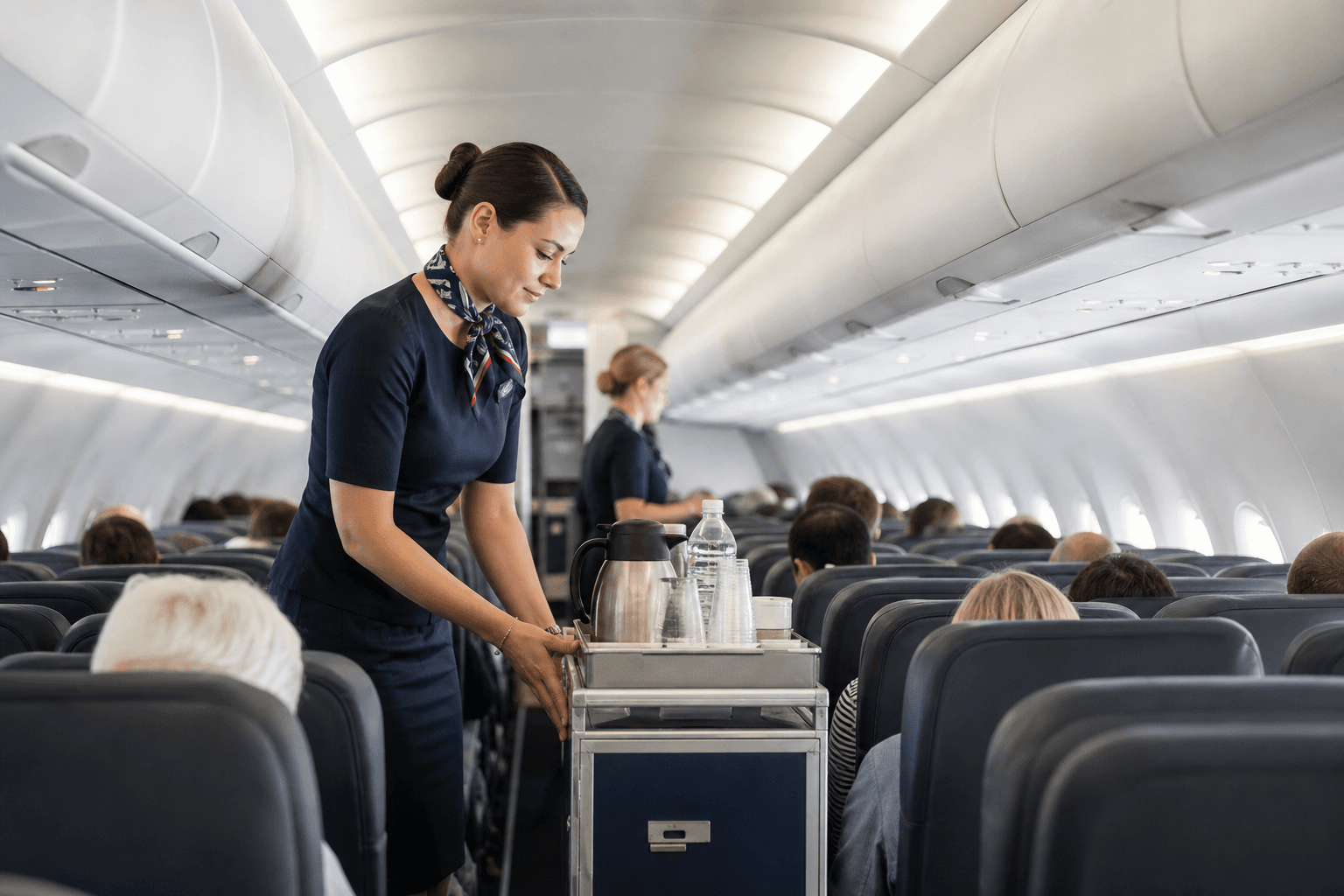
All Flight Attendants →The Federal Aviation Administration (FAA) has unveiled a proposal aimed at preventing state and local governments from enforcing their own meal and rest break requirements for flight crews and flight attendants. The agency argues that such break mandates are already comprehensively addressed under federal statutes and regulations, and additional local rules create conflicts and operational challenges for airlines. This notice of proposed rulemaking (NPRM), published recently in the Federal Register, would clarify that federal law preempts all state and local regulations in this area, covering breaks taken during duty periods, including those while flying.
This announcement marks a significant development in fatigue management regulation that complements the FAA’s 2022 rule, which increased required scheduled rest periods between shifts for flight attendants on duty periods of 14 hours or less. While prior FAA rules focused on rest between shifts, this new proposal specifically addresses meal and rest breaks during duty, seeking to establish a single federal standard by nullifying diverse and sometimes conflicting state and local break mandates.
According to U.S. Department of Labor data, 21 states currently mandate meal breaks for private sector employees, with seven also requiring rest breaks. The FAA’s proposal contends that flight crews and flight attendants should not be subject to these varying state and local laws. The agency’s position is that a patchwork of local rules complicates airline operations, driving up costs and potentially forcing carriers to reduce passenger loads or alter services—practices forbidden by the Airline Deregulation Act (ADA) of 1978, which prohibits laws that significantly impact airline prices, routes, or services.
The FAA stresses that current federal safety regulations, along with collective bargaining agreements (CBAs) and internal crew resource management procedures, provide a balanced framework safeguarding both crew health and aviation safety. The proposal mandates that flight attendants remain available for safety responsibilities, such as handling medical emergencies or unruly passengers, during any breaks, effectively limiting their ability to be completely off-duty while airborne. At the same time, airlines would need to ensure attendants receive adequate time for basic needs like eating, drinking, and restroom use.
Legal challenges have propelled the FAA’s proposal. In two landmark 2021 decisions, federal courts rejected the FAA’s previous interpretation of federal preemption, ruling that state meal and rest break laws do apply to flight attendants. One notable case involved California flight attendants suing Virgin America over failure to comply with state-mandated breaks, resulting in a ruling favoring the workers. After Alaska Airlines acquired Virgin America, it became a party to the litigation and unsuccessfully sought Supreme Court review. Alaska later obtained an exemption for flight attendants under specific CBAs but not in all states.
California responded to the court rulings by exempting flight attendants covered by certain Railway Labor Act CBAs from state break laws, but this exemption does not cover every carrier or crew member. Another 2021 case, Wilson v. SkyWest Airlines, reached similar conclusions about federal preemption. Meanwhile, American Airlines reportedly settled a California wage and meal break lawsuit for approximately $24 million in 2023, underscoring the financial stakes involved for airlines.
The proposed rule has drawn divergent reactions. Airlines are likely to welcome the FAA’s effort to establish a clear, uniform national standard that would protect them from costly lawsuits and operational disruptions. Conversely, flight attendant unions such as the Association of Flight Attendants (AFA) have opposed preemption, advocating instead for legislative solutions that preserve workers’ rights to negotiate break provisions through collective bargaining. The AFA previously filed amicus briefs supporting crew claims and has framed the federal preemption proposal as an attempt to undermine negotiated labor protections.
The FAA has opened a comment period on the NPRM through September 4, during which industry stakeholders, labor groups, and the public can submit feedback. How the agency ultimately refines the proposal will depend on these comments and further legal and policy considerations. The debate over regulating in-flight crew breaks highlights the ongoing tensions between operational uniformity, legal jurisdiction, and the safety and welfare of aviation personnel.
Read more
All Aviation Safety →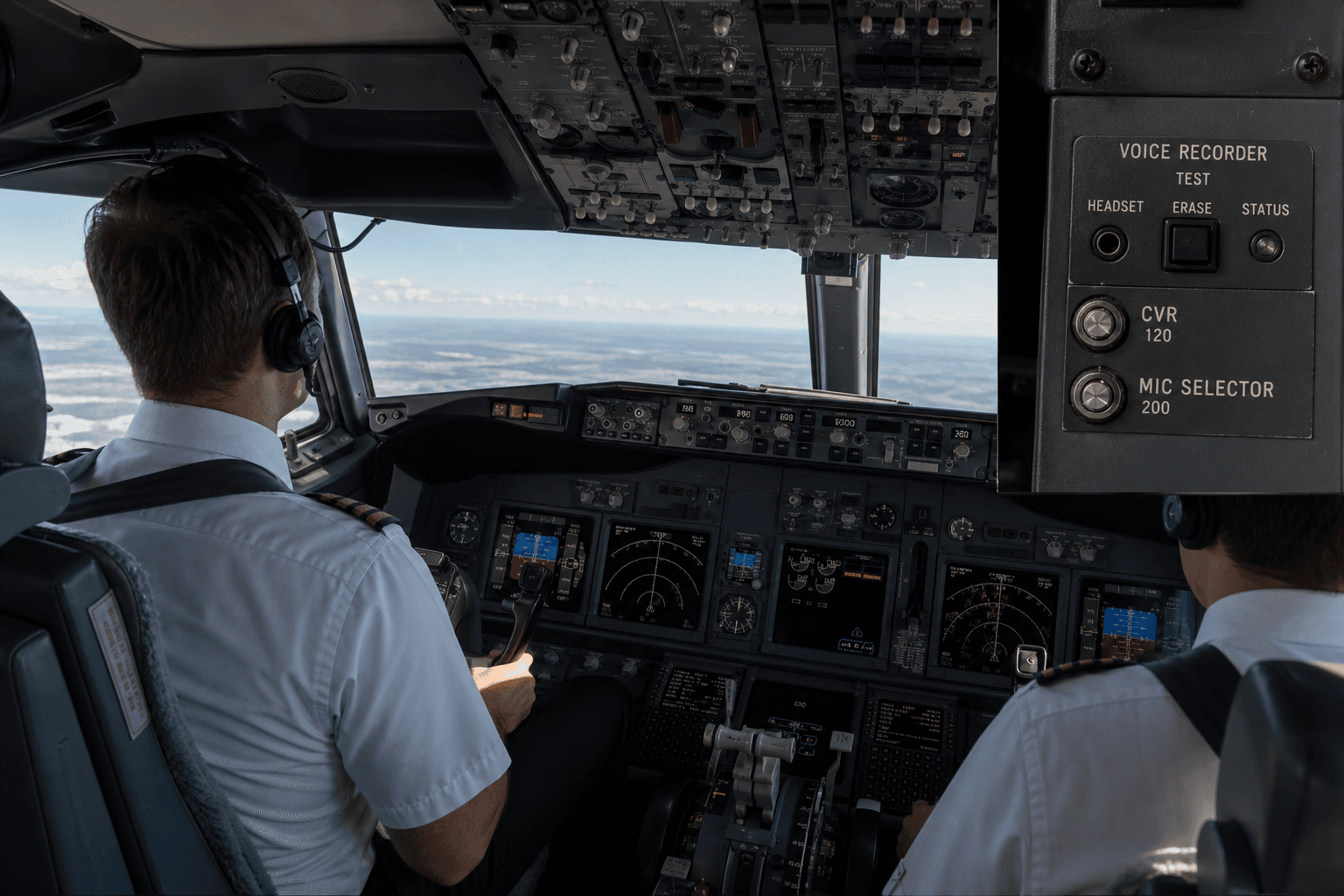
FAA recommends airlines ensure cockpit-voice recorder audio is preserved after incidents
US regulator issues voluntary recommendations after the NTSB had urged it to mandate the action. The US Federal Aviation Administration (FAA) is recommending that airlines take steps to ensure cockpit-voice recorders (CVRs) retain relevant audio following safety incidents. On 1 July, the agency issued guidance calling on aircraft operators to confirm that their employee manuals instruct pilots and other workers to pull CVR circuit breakers following such events to preserve audio that would otherwise be overwritten. But the FAA’s guidance is “voluntary only” rather than mandating the action. It has been introduced in response to a 2025 recommendation from the National Transportation Safety Board (NTSB), which said many of its investigations have suffered from missing CVR audio and that airlines have “inconsistent” procedures. The NTSB had wanted operators to be forced to comply. “The FAA recommends that each operator who has a CVR installed confirm that company manuals contain instructions that the CVR circuit breaker be pulled after a reportable event,” the FAA says in a new Safety Alert for Operators. “The instruction that the CVR circuit breaker is pulled could be included in flight operation manuals, maintenance manuals and dispatch manuals, increasing the likelihood that the task is accomplished,” it adds. The NTSB has since the early 2000s flagged the problem of being unable to access CVR audio needed for investigations. However, many existing recorders retain only the prior few hours of audio, after which it is overwritten. Pilots can preserve audio by pulling the circuit breakers, and some airlines have already recommended that action, including Alaska Airlines, according to the NTSB. But in many cases flightcrew have not done so, such as with Alaska flight 1282, a Boeing 737 Max 9 that suffered an in-flight door-plug blow-out on 21 January 2024. From that aircraft, the NTSB recovered CVR audio starting 1h 20min after the incident, rendering the recording useless, according to its accident report. Its report recommended the FAA require airlines to instruct pilots to pull the breakers, calling the issue a “long-standing concern”. It cites previous similar cases, including two 2023 runway incidents and a 2017 Air Canada event. “Despite existing guidance on preserving CVR data, operators still lack effective measures to safeguard CVR recordings after accidents and reportable events,” the NTSB says. The agency declines to comment about the FAA’s guidance, saying it is still reviewing the document. The NTSB can classify recommendations as closed if it deems FAA action sufficient. Southwest Airlines says its pilot manuals already call for the CVR breakers to be pulled.
FAA Makes Control Tower Operator Partnership Hiring Path for Contract Towers Permanent
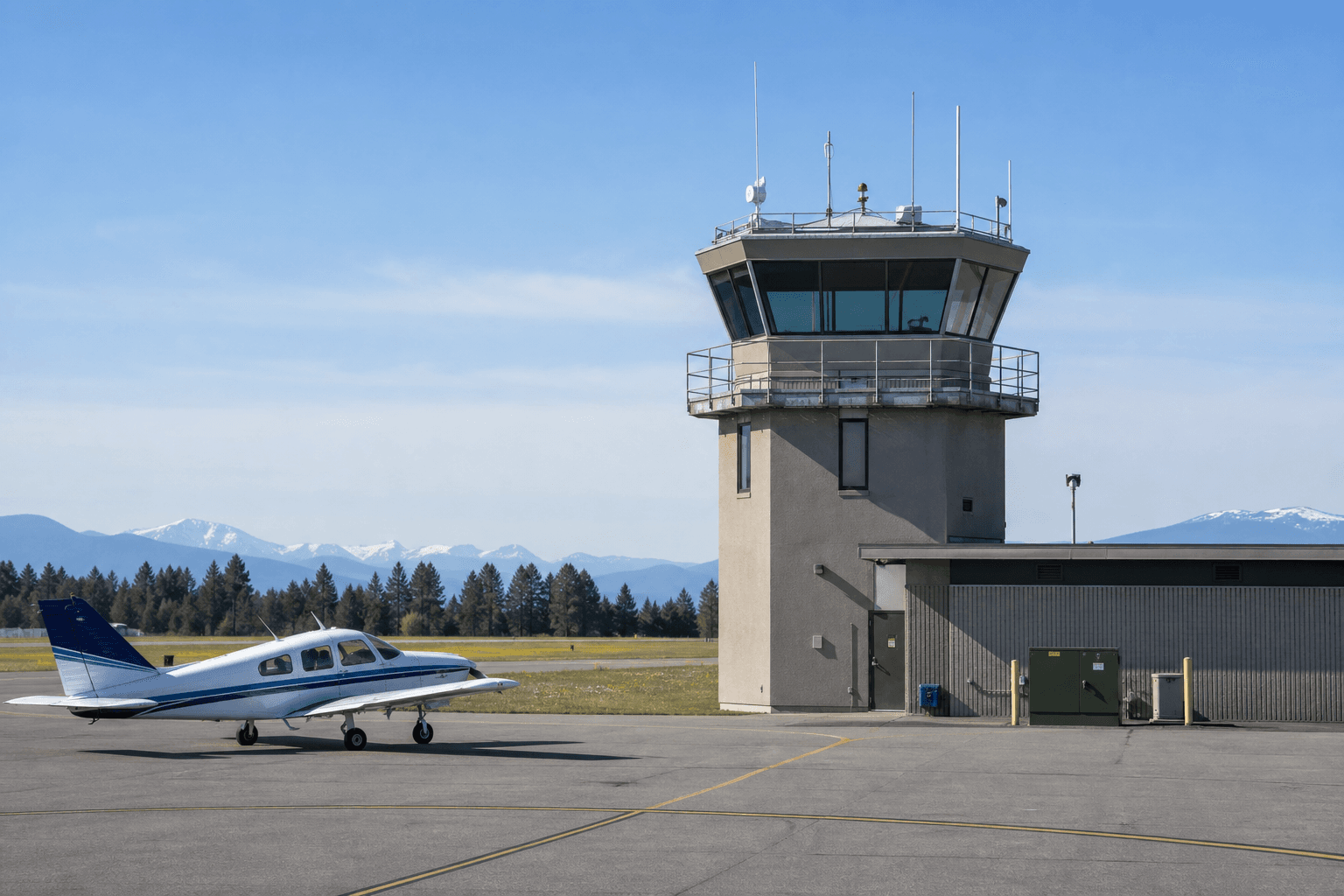
The FAA has made permanent a newer hiring pathway for Federal Contract Tower controllers, adding graduates from FAA-approved Control Tower Operator Partnership schools to the list of candidates eligible for hire by FCT companies. The change appears in FAA Order JO 7210.3EE Change 3 , effective July 9, 2026. The order sets FAA policy for facility operation and administration. Contract towers are FAA-funded air traffic control towers staffed by private companies, and many serve smaller airports with substantial general aviation activity. CTO-P Added To Eligibility Rule The revised eligibility language allows FCT companies to hire applicants who graduate from an FAA-approved CTO-P school. It also keeps the existing path for applicants who have a valid Enhanced Air Traffic Collegiate Training Initiative tower endorsement letter. Developmental controllers hired through those paths still must complete required facility training before controlling traffic independently. "This change will assist FAA Contract Tower (FCT) companies by allowing the FCTs to hire graduates from an FAA-approved Control Tower Partnership ( CTO-P ) school," the FAA said in its explanation of changes. "This change also clarifies the language for eligibility for FCT hire from an E-CTI school." Before the CTO-P path was added, FCT companies generally hired from a smaller pool of controllers who already had a previous control tower operator certificate or an FAA Air Traffic Safety Oversight credential with a tower rating. FAA had also added the Enhanced AT-CTI route through an earlier notice. Staffing Context The change moves the CTO-P pathway from a temporary FAA notice into the standing rulebook for FCT hiring. According to the FAA's briefing material, the CTO-P program is intended to prepare candidates for developmental controller jobs through classroom work and simulation training aligned with FAA Academy standards. The Department of Transportation Office of Inspector General said in a March 24 report that the FCT program includes 266 contract towers in 46 states and territories. The report said contract towers account for about half of the control towers in the National Airspace System and handled more than 18 million tower operations in calendar year 2024. "While FAA took steps to expand the controller hiring pool at contract towers, FCT contractors continue to face challenges in maintaining adequate staffing levels," the DOT Office of Inspector General said in the report. "Based on our analysis of contractor MAFR data, as of April 2025, the FCT Program remained understaffed by 276 controllers, or roughly 18 percent of their workforce." The OIG report also said all four FCT contractors told auditors they had not hired any Enhanced AT-CTI graduates as of July 2025. The report cited attrition, wage rates, remote locations and high cost-of-living areas among the factors affecting contract tower staffing.
FAA Proposes Replacing 53-Year-Old Ban on Supersonic Flight Over U.S. Land With Noise-Based Rules
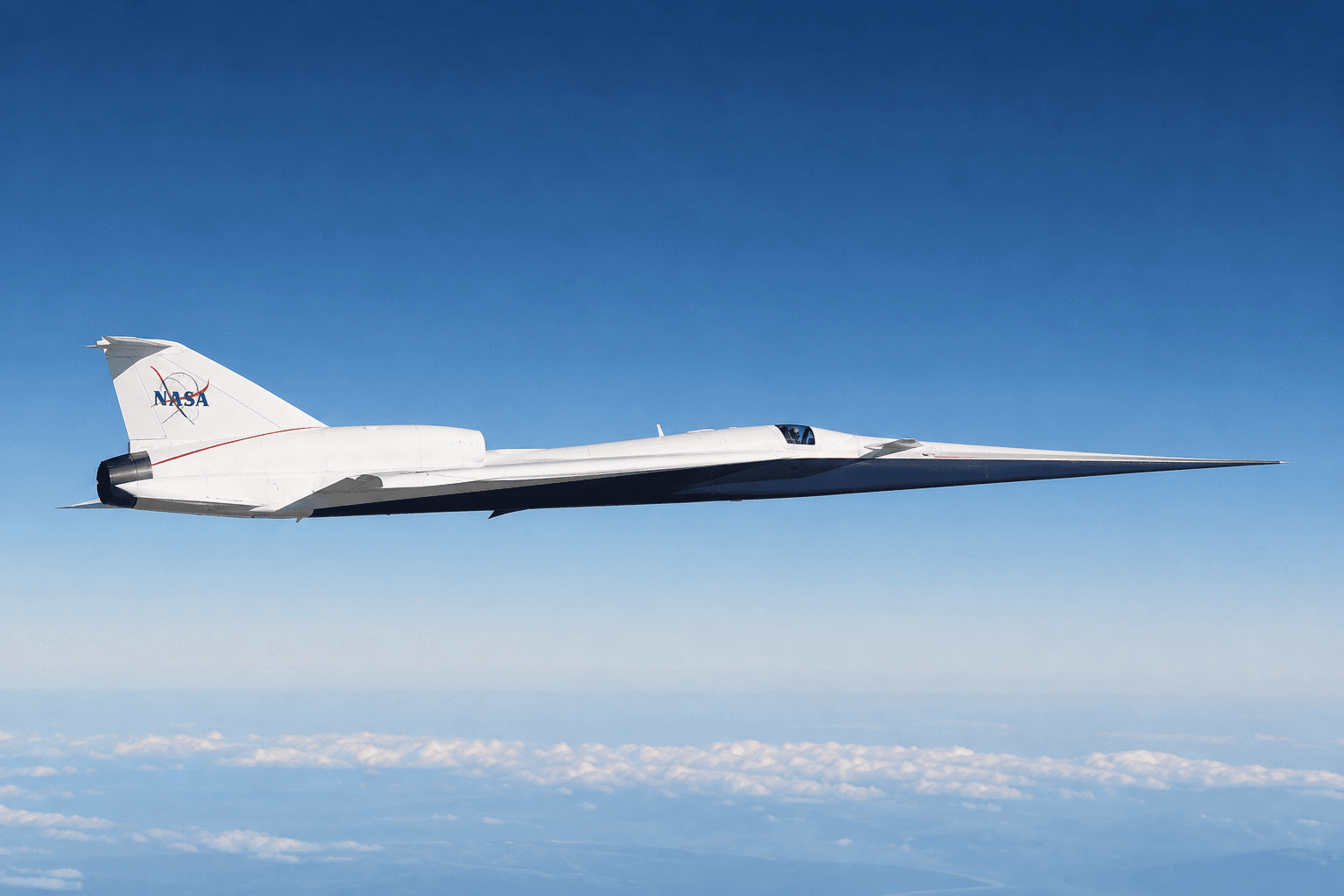
Global Aviation Round-Up from Aircraft Value Intelligence (AVN) A computer rendering of what the United Airlines supersonic aircraft will look like in the future. (Boom Supersonic) Editor's Note: To watch a video version of this article, click here . For 53 years, one federal regulation has stood between Americans and the return of supersonic air travel over the continental United States. That rule, adopted during the Nixon administration, prohibits civilian aircraft from exceeding the speed of sound over land. Now the Federal Aviation Administration (FAA) is preparing to rewrite it. On July 2, the agency published a Notice of Proposed Rulemaking in the Federal Register that would replace the existing speed-based restriction with a performance standard centered on noise. The proposal follows an announcement by the Department of Transportation on June 30 and represents the most significant shift in U.S. supersonic policy in decades. The change reflects a different way of thinking about the problem. Instead of asking whether an aircraft breaks the sound barrier, regulators are asking whether people on the ground are disturbed when it does. That distinction could reshape the future of commercial aviation. For many travelers, supersonic passenger service is synonymous with the Concorde, the sleek Anglo-French jet that cut transatlantic flight times in half. Its future unraveled after the fatal Air France crash near Paris in 2000. Although Concorde briefly returned to service, passenger demand weakened, operating costs climbed, and the aircraft was retired in 2003. Since then, commercial supersonic travel has largely disappeared. Today’s aircraft designers believe the technology has advanced enough to make another attempt. The original U.S. ban grew out of public frustration during the 1960s, when military testing produced frequent sonic booms over populated areas. Residents complained of rattling walls, cracked plaster, broken windows and sudden explosions of noise that interrupted everyday life. Thousands of complaints poured into government offices, convincing regulators that the public cost outweighed the benefit of faster travel. The FAA responded by banning routine civilian supersonic flight over land. With few exceptions, commercial aircraft have remained below Mach 1 across the continental U.S. ever since. Engineering, however, has changed dramatically over the past half-century. Instead of allowing powerful shock waves to merge into the classic sonic boom, engineers have learned how to shape an aircraft so those pressure waves remain dispersed. The resulting sound reaching the ground is significantly weaker than the ear-splitting boom associated with earlier generations of supersonic aircraft. The FAA’s proposal reflects those advances. Under the draft rule, future aircraft would have to meet a strict ground-level overpressure limit of 0.11 pounds per square foot. While the measurement is technical, the practical goal is straightforward: produce a sound that resembles a soft thump rather than the explosive crack historically associated with breaking the sound barrier. NASA’s Supersonic Experiment The proposed rule arrives as NASA continues work on one of its most ambitious experimental aircraft. The X-59 Quiet SuperSonic Technology (QueSST) demonstrator hardly resembles a conventional jet. Its unusually long, narrow nose and carefully sculpted airframe were designed with a single objective: reducing the intensity of sonic booms before they reach people on the ground. The aircraft recently completed another important step in its flight-test program, reaching Mach 1.4 at roughly 55,000 feet. Engineers view the milestone as another indication that the research program is progressing as expected. The most important testing, however, won’t focus on speed alone. NASA plans to fly the X-59 over selected U.S. communities while researchers gather feedback from residents who experience its sound signature. Beyond measuring decibel levels, scientists want to understand how people actually react. Does the sound surprise them? Is it annoying? Or is it mild enough to blend into the background of everyday life? Those public-response studies could prove pivotal. If communities consistently report that the aircraft produces little more than a brief, unobtrusive noise, regulators would have stronger evidence that quiet supersonic operations can safely coexist with populated areas. The research is expected to influence not only future FAA decisions but also international standards governing commercial supersonic aviation. The stakes extend well beyond NASA. Several aerospace manufacturers are investing heavily in next-generation supersonic airliners designed to shorten travel times between major cities. Because of the current U.S. ban, most development plans have centered on transoceanic routes where aircraft can legally accelerate beyond Mach 1. A new regulatory framework would dramatically broaden those possibilities. Flights that now consume most of a business day could eventually take only a few hours. A traveler leaving New York in the morning could conduct afternoon meetings in Los Angeles and return home that evening. Commercial service remains years away, but for the first time in decades, the regulatory landscape appears to be moving in the same direction as the technology. The proposal also provides something the aerospace industry values almost as much as technical innovation: regulatory certainty. Designing, certifying and manufacturing an entirely new generation of commercial aircraft requires billions of dollars and years of development. A clearer path through the approval process reduces investment risk, giving manufacturers and their financial backers greater confidence that quiet supersonic flight could become a viable commercial business rather than an engineering experiment. John Persinos is the editor-in-chief of Aircraft Value Intelligence .

Flight Attendant Numbers Determined by Safety Standards, Not Passenger Service
The number of flight attendants for each flight is carefully planned by the airline's operations department, and there are a number of deciding factors. Passengers would be hard-pressed to know exactly how many flight attendants would be needed for large aircraft types like the Boeing 777 or the Airbus A380. However, it's more obvious on smaller types like the Airbus A320 or Boeing 737, as all crew members are visible in the cabin.
The Daily Touch & Go
The day's best aviation news in your inbox. Free, no spam.