

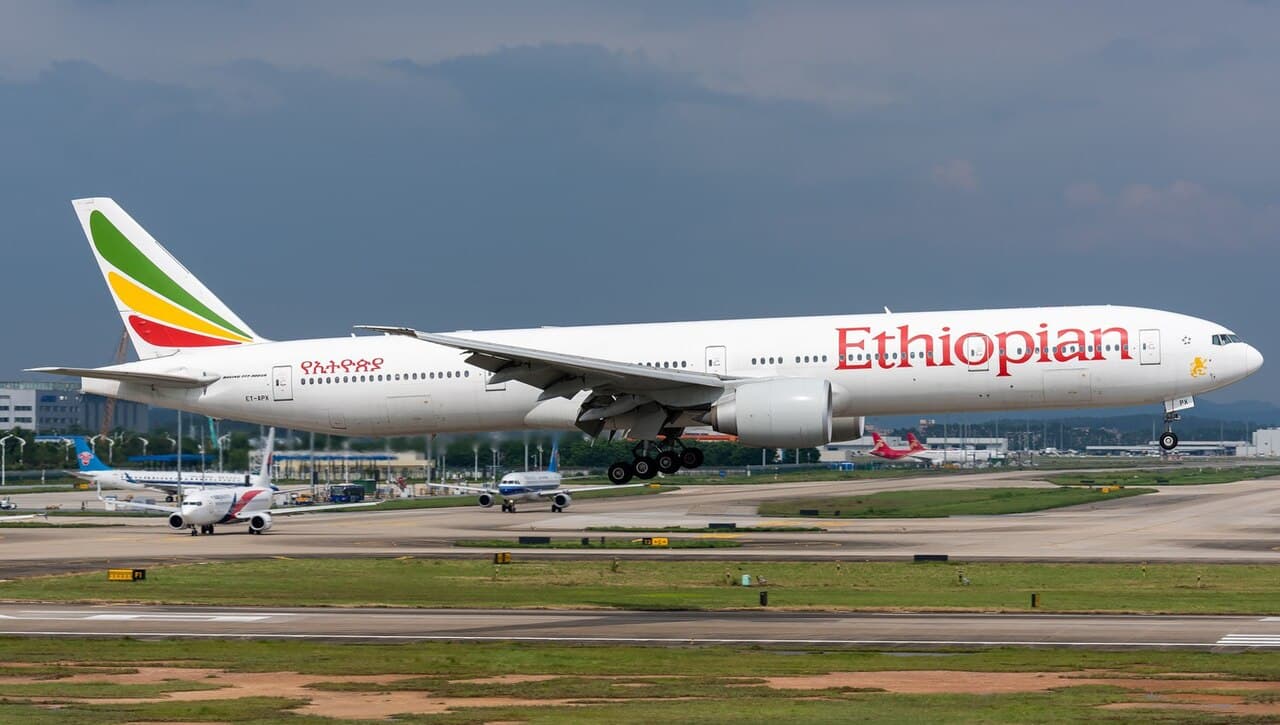
Image: Verril Ginting · CC BY-SA 4.0 · via Wikimedia Commons
Ethiopian Airlines Introduces DHC-6 Twin Otters to Enhance Rural Connectivity
Ethiopian Airlines has taken delivery of its first Twin Otter turboprop, aiming to improve access to remote regions across Ethiopia's challenging terrain.
The gist
Ethiopian Airlines adds 19-seat Twin Otters to reach remote Ethiopian destinations with short runways and limited infrastructure.
Continuing coverage
All Domestic Routes →- Air Canada Deploys Airbus A220 on Multiple Nearly Seven-Hour Flights Across North America
- VietJet Plans New Low-Cost Australian Airline with Boeing 737 MAX Fleet
- Ethiopian Airlines integrates De Havilland DHC-6 300-G to enhance domestic connectivity
- Turkish Airlines Operates Unique 492-Seat Boeing 777 on Short Domestic Routes
- Porter Airlines Unveils 15 New Domestic Routes, Expands Montreal Hub Operations
Ethiopian Airlines, Africa’s largest carrier known for its modern fleet of Boeing 787 Dreamliners and Airbus A350-1000s, has unexpectedly expanded its fleet with the addition of a classic De Havilland Canada DHC-6-300G Twin Otter turboprop aircraft. This marked the airline’s first acquisition of such a small, rugged aircraft designed for challenging environments. The carrier’s first Twin Otter recently completed a unique delivery journey from Canada to Ethiopia, signalling a strategic move to enhance regional accessibility within the country and surrounding areas.
The newly delivered Twin Otter, bearing the temporary Canadian registration C-FHYC and construction number 1002, undertook an extensive ferry flight from De Havilland Canada’s factory in Calgary to Addis Ababa. Due to its shorter range, the aircraft stopped multiple times at airports in Saskatoon, Iqaluit, Reykjavik, Prague, Kos, and Jeddah before reaching Ethiopia. This complex route underscored the Twin Otter’s exceptional utility and reliability — traits that have made it a favored aircraft across various harsh environments worldwide.
First introduced in the 1960s, the De Havilland Twin Otter has earned a reputation as one of the most capable utility aircraft ever produced, especially valued for its outstanding short takeoff and landing (STOL) capabilities. Its design allows operation on short, rough airstrips inaccessible to larger aircraft. The new Classic 300-G model incorporates modern avionics and improved fuel efficiency, while maintaining the robust qualities that made the original aircraft an icon in remote area operations globally, including the Arctic, tropical islands, and mountainous regions.
Ethiopian Airlines’ introduction of the Twin Otter is a response to Ethiopia’s diverse and difficult geography. Many domestic destinations are situated in mountainous, valley-surrounded, or sparsely populated regions where runway infrastructure is limited or underdeveloped. Larger turboprops like the airline’s De Havilland Dash 8-400 require comparatively longer and better-equipped runways, limiting their utility in these areas. The Twin Otter’s capabilities align perfectly with Ethiopian’s need to link remote communities efficiently and safely.
The airline announced the purchase of two Twin Otters at the 2025 Paris Air Show, highlighting their intended use for domestic and regional routes, tourism boosting, medical evacuation, airport calibration flights, and charters. By serving airstrips that bigger aircraft cannot, the Twin Otters will open direct connections to small communities, a crucial development for healthcare access, economic activity, and overall mobility in Ethiopia’s rural regions.
Currently, Ethiopian Airlines operates 22 domestic routes but is seeking to expand this network. The Twin Otter acquisition is a key enabler for this goal, facilitating expansion into less accessible airports and supporting the growth of regional air services. This investment complements the airline’s global long-haul focus by reinforcing local transport infrastructure that connects to its international hub.
This delivery presents an intriguing contrast within Ethiopian’s fleet. Alongside some of aviation’s latest-generation widebody jets like the A350 and 787, the airline is also operating a venerable aircraft design first conceived over 50 years ago. Both serve complementary roles: one bridges continents with ultra-long-haul flights, while the other links Ethiopia’s mountainous hinterland with reliable regional services.
The arrival of the first Twin Otter is just the initial phase of this regional expansion. Ethiopian expects to receive the second aircraft later this year, which will provide additional flexibility in operating multiple routes to difficult-to-serve areas. These aircraft will enable Ethiopian to maintain its leadership in Africa’s aviation market by providing unmatched domestic connectivity in parallel with its global network.
Read more
All Airlines →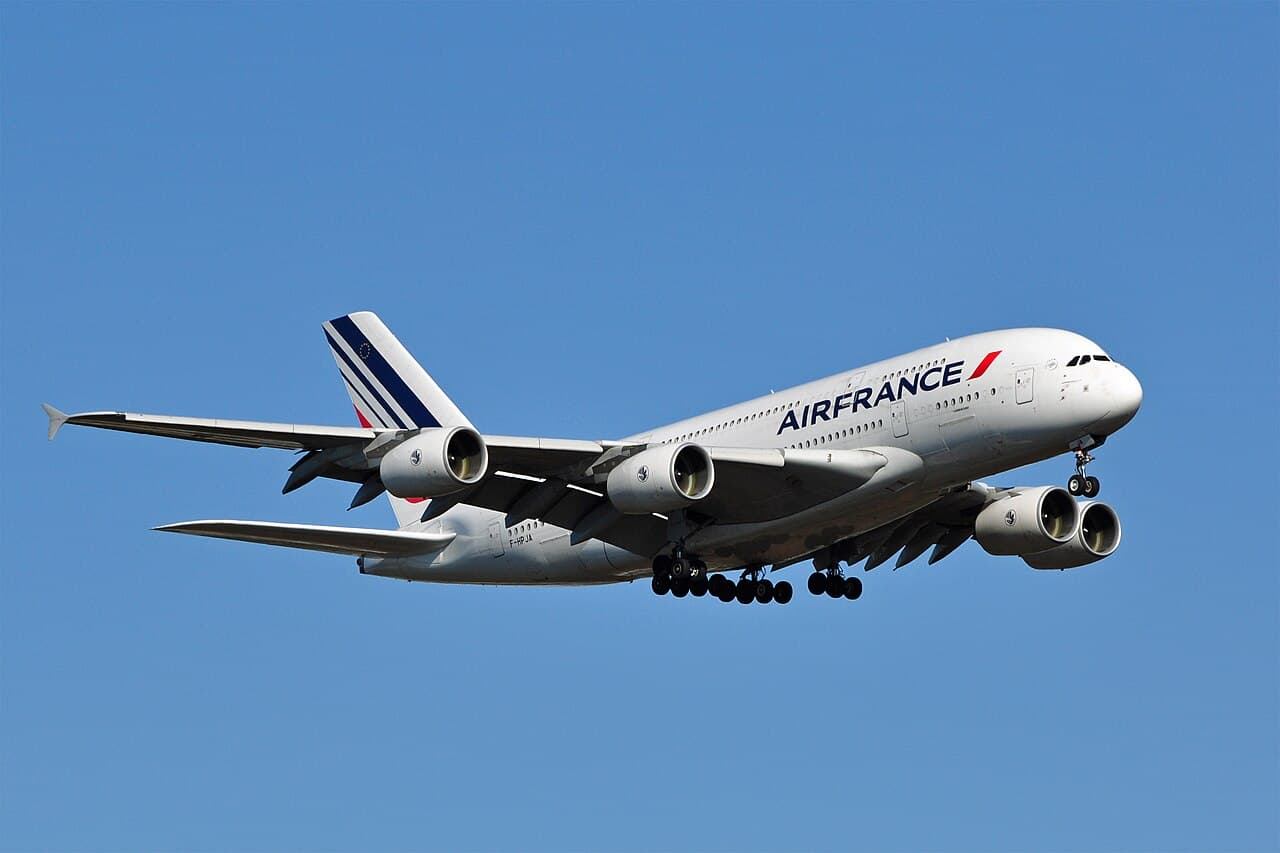
Top 5 Airlines Offering the Most Luxurious First Class Suites in 2026
The first class cabin is always seen as the ultimate in luxury with lavish features that many can only dream of. Business class has evolved into a more extensive product, with lie-flat beds and now private suites, and with more business class products than ever, first class has become more exclusive and somewhat rare on long-haul international flights.
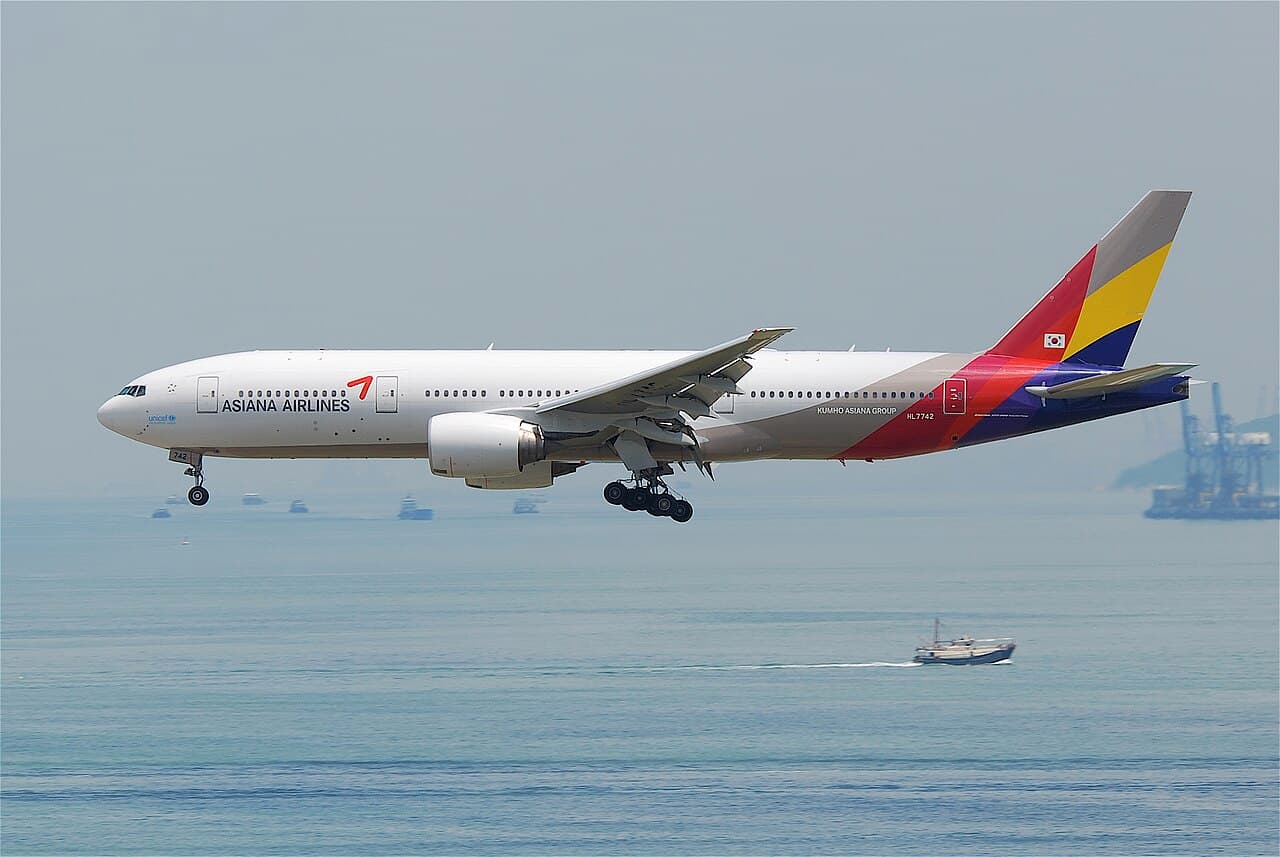
Boeing 777-300ER Revolutionized Long-Haul Air Travel with Twin-Engine Efficiency
The 777 succeeded Boeing's first widebody twinjet, the 767 , and showed the world just how great the platform could be for both the economics of the notoriously volatile flying business and the satisfaction of flyers. The success of the 777 series directly contributed to the end of its larger quadjet predecessor, the 747.
Air Canada launches new long-haul routes to Tenerife and Sapporo for 2026/27 winter
Air Canada has been steadily expanding its international network in recent years. The airline has added several new destinations so far this year and increased its presence across leisure markets. It is continuing this expansion with more additions for the 2026/27 winter season .
Airbus Surpasses 1,000 Net Orders in 2026 Following Strong July Demand
Airframer nearly halfway to delivery target after handing over 67 aircraft in July. Airbus's net orders for this year have surpassed 1,000 after the airframer added more than 200 to its total during July. It has confirmed China Eastern Airlines' order for 25 A330-900s and Hainan Airlines' agreement for 40 A320neo-family aircraft in the airframer's latest backlog figures. It has listed the Hainan deal as comprising 13 A321neos and 27 A320neos. Airbus's July backlog records the SMBC Aviation Capital order for 65 A321neos and 35 A320neos unveiled at the Farnborough air show . Orders from Saudi Arabian carriers Riyadh Air, for six A350-1000s, and Flynas for five A330-900s and 20 A321neos – both revealed during the show – have also been listed. Airbus's figures for the month show two agreements from undisclosed customers, one for six A321neos, and the other for a single A320neo and A319neo – the first for an A319neo since March 2024. Net orders to the end of July, as a result, reached 1,024. Airbus has also delivered 418 aircraft this year, including 32 A350s, 10 A330s and 326 A320neo-family aircraft, alongside 50 A220s. This total is just under half of the planned full-year target of 870.
The Daily Touch & Go
The day's best aviation news in your inbox. Free, no spam.