

Illustration: The Touch & Go
Air New Zealand CEO Nikhil Ravishankar outlines strategy to enhance sleep and connectivity
Air New Zealand plans to expand Dreamliner fleet and introduce innovative sleep-focused seating amid fuel price challenges and strong tourism demand.
The gist
Air New Zealand aims to lead long-haul travel comfort with new sleep-friendly seats as it grows its Dreamliner fleet and navigates fuel price shocks.
Continuing coverage
All Asia-Pacific →Air New Zealand is focusing on winning passenger loyalty through enhanced sleep options and operational excellence as it navigates a challenging fuel price environment and strong international tourism demand. CEO Nikhil Ravishankar, seven months into his role, detailed the airline’s strategic priorities and market context during the International Air Transport Association (IATA) AGM in July 2026. Responding swiftly to the disrupted fuel market caused by the Middle East conflict, Air New Zealand was among the earliest to cancel flights in 2026, adapting its network to mitigate cost impacts.
Ravishankar described the current phase as a ‘game of two halves,’ highlighting robust operational performance alongside external economic headwinds. The airline now consistently ranks among the top five globally for on-time arrivals, cancellations, and overall operational reliability. Customer satisfaction scores have reached historic highs, reinforcing Air New Zealand’s reputation for distinctive Kiwi hospitality and a unique onboard experience cherished by travelers.
Technical challenges that had plagued the fleet with grounded aircraft due to engine issues have significantly abated over the past year. From around 20% of planes out of service in mid-2025, Air New Zealand improved the situation so that by July 2026 only a single aircraft remains grounded for such reasons. This enhanced asset availability supports the carrier’s ability to serve both domestic and international markets effectively despite external pressures.
Nevertheless, the airline faces substantial headwinds from soaring fuel prices, an effect of the ongoing conflict in the Middle East that disproportionately affects Asia-Pacific energy supply. Ravishankar clarified that Air New Zealand’s primary challenge lies in managing a price shock rather than actual fuel scarcity. The carrier offsets around 40% of the increased costs through a combination of fare adjustments, network consolidation, reduced frequencies, and stringent cost controls. The higher costs have also influenced softer demand on some domestic routes and outbound travel.
Geographical and demographic factors heavily influence Air New Zealand’s operations. With a population of 5.3 million spread over a landmass comparable to Japan, domestic air travel is vital for connecting remote communities to urban centers. The airline operates an extensive domestic network serving 20 destinations. Internationally, distance imposes limits uncommon to many other countries, making connectivity a core objective. Within a 2,000-kilometer radius of Auckland lies a vast stretch of ocean, emphasizing the critical role of air links.
Approximately 16 million flights are operated annually by Air New Zealand, with 10 to 11 million being domestic services connecting New Zealanders internally. The remaining international flights see a balanced split between outbound residents and inbound visitors, the latter comprising approximately 43% tourists. Tourism is a significant economic driver nationally, and the sector’s vibrancy is reflected in robust visitor numbers, positioning New Zealand as a coveted international destination known for its tranquility and stability.
Among foreign markets, Singapore is the airline’s largest international hub, followed by Australia, the United States, and growing markets in Asia including China. Approximately 40% of New Zealand’s global trade occurs with China, underlining its importance for Air New Zealand’s network planning. The airline operates flights to Shanghai, Hong Kong, and Singapore, leveraging these cities as strategic hubs facilitating further connectivity.
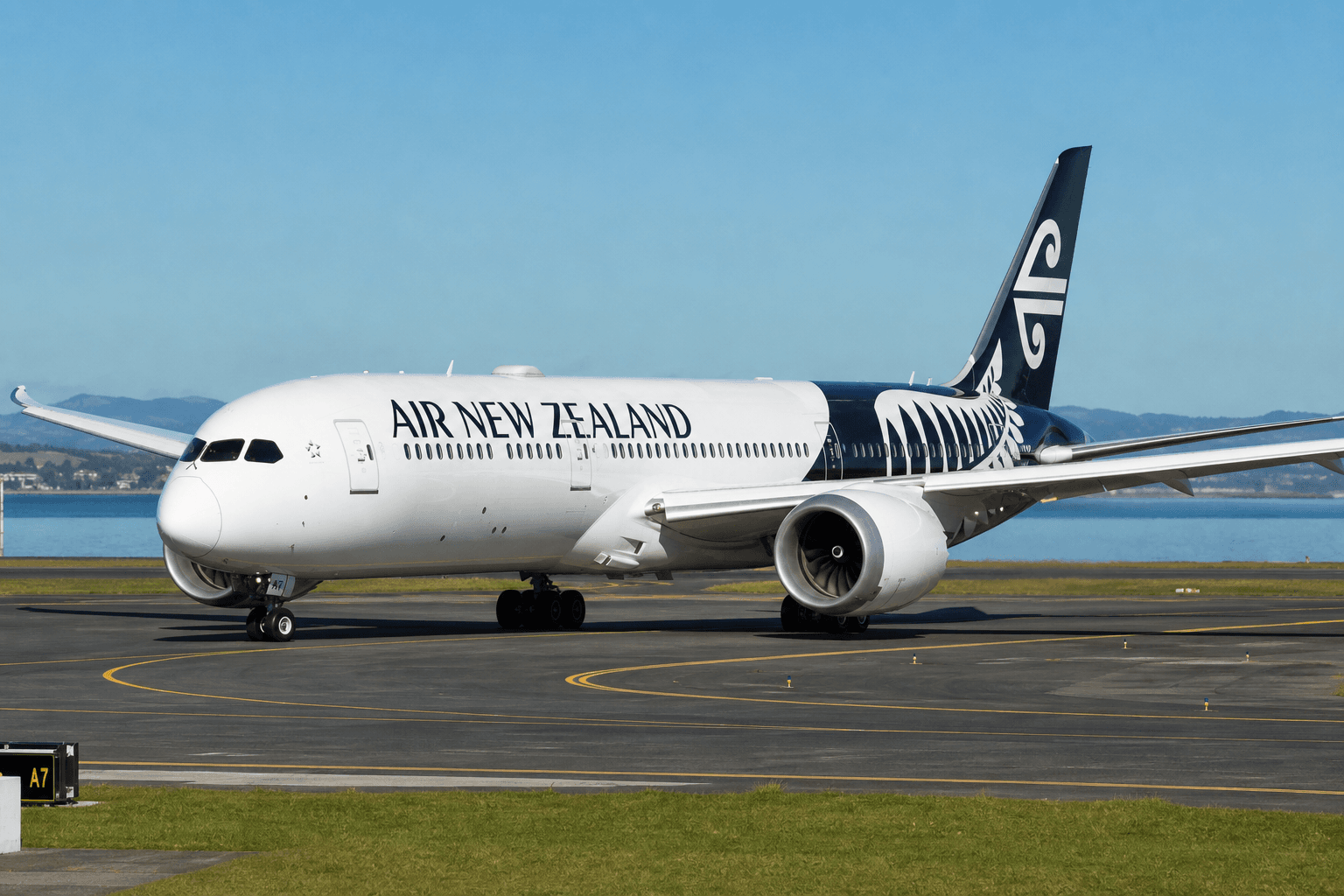
Responding to rising international travel demand, Air New Zealand has reactivated its Boeing 787 Dreamliner fleet following storage during the COVID-19 pandemic. The current fleet of 14 is set to grow substantially with the delivery of 10 additional Dreamliners, expanding the long-haul capacity to 24 aircraft. Ravishankar described the 787 as well-suited for the airline’s network design, emphasizing its efficiency and passenger comfort capabilities.
A central pillar of the airline’s long-haul strategy is enhancing in-flight rest for passengers, summarized by Ravishankar’s phrase ‘to win on sleep.’ The introduction of SkyNest sleeper pods in economy class on upcoming B787-9 aircraft exemplifies this focus. SkyNest offers bunk beds in economy, allowing passengers to purchase a private sleeping space for parts of their journey. The product, first revealed in 2020 and made available for sale in May 2026, has seen promising commercial uptake already. Alongside these plans, the airline continues to offer its popular SkyCouch seating for families, premium economy, and tiered business class options, providing a diverse range of comfort products tailored to various traveler needs.
Frequently asked questions
- What are Air New Zealand’s plans for its Dreamliner fleet?
- Air New Zealand plans to expand its Boeing 787 Dreamliner fleet from 14 to 24 aircraft, reactivating stored planes and adding 10 new ones to increase long-haul capacity.
- How is Air New Zealand addressing the challenge of rising fuel prices?
- The airline mitigates around 40% of fuel price increases through fare hikes, consolidation of flights, frequency reductions, and cost management, viewing the issue as a price shock rather than a supply problem.
- What is SkyNest and how does it fit into Air New Zealand’s strategy?
- SkyNest is a sleeper pod product with bunk beds in economy class that passengers can purchase for better rest during flights; it represents the airline’s focus on improving sleep as part of their long-haul strategy.
Read more
All Airlines →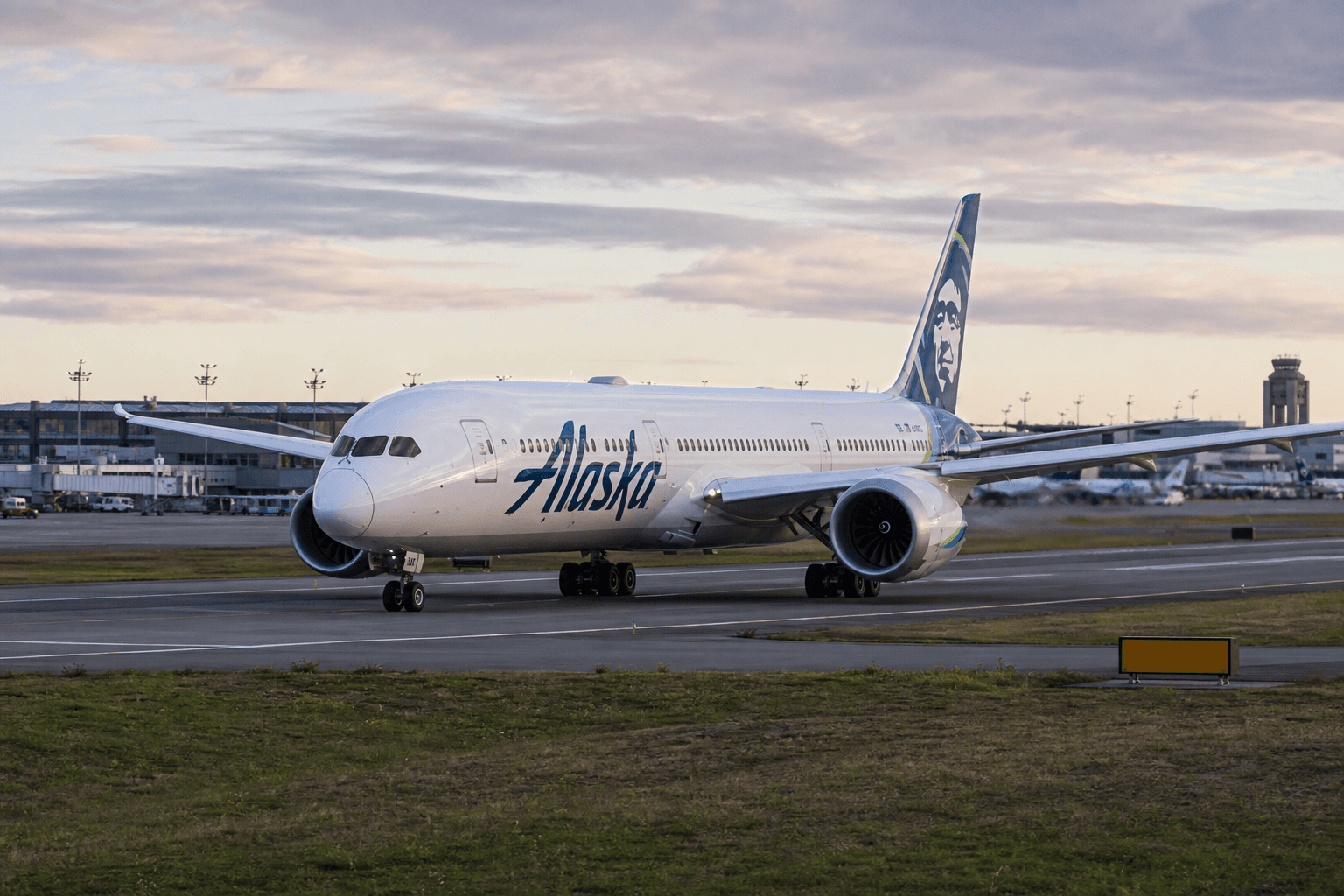
Alaska Airlines Debuts Boeing 787-9 Without Premium Economy Cabin Despite CEO's Admission
In April 2026, Alaska Airlines commenced its first-ever Alaska-branded widebody flight when it began flying the Boeing 787-9 from Seattle to Rome. Since then, the carrier has begun operating 787s to London and is now branding nonstop flights to Seoul as Alaska Airlines (previously branded as Hawaiian Airlines).
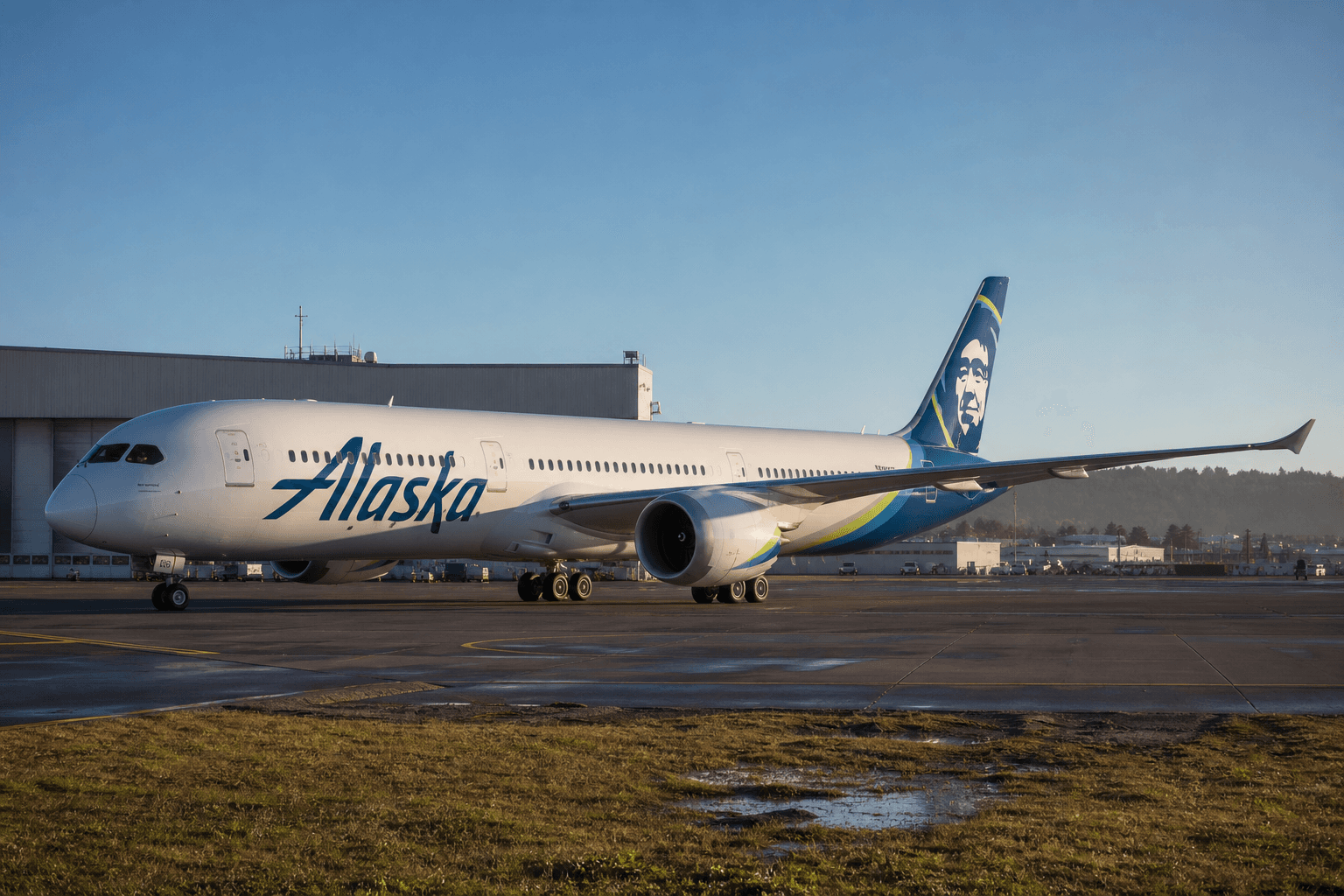
Alaska Airlines Unveils Enhanced Business and Premium Economy for New 787s
Alaska Airlines will introduce a redesigned business class on its Boeing 787-10 Dreamliners , alongside its incoming 787-9 deliveries, as the Seattle carrier grows its international route network. Alex Judson, who leads Partnerships & International at the airline, confirmed it will soon detail changes planned for future aircraft. The announcement came during a media event in Honolulu marking Hawaiian Airlines' entry into the one world alliance, and signals Alaska's clearest move yet toward differentiating its widebody cabins from the product it inherited through acquisition.
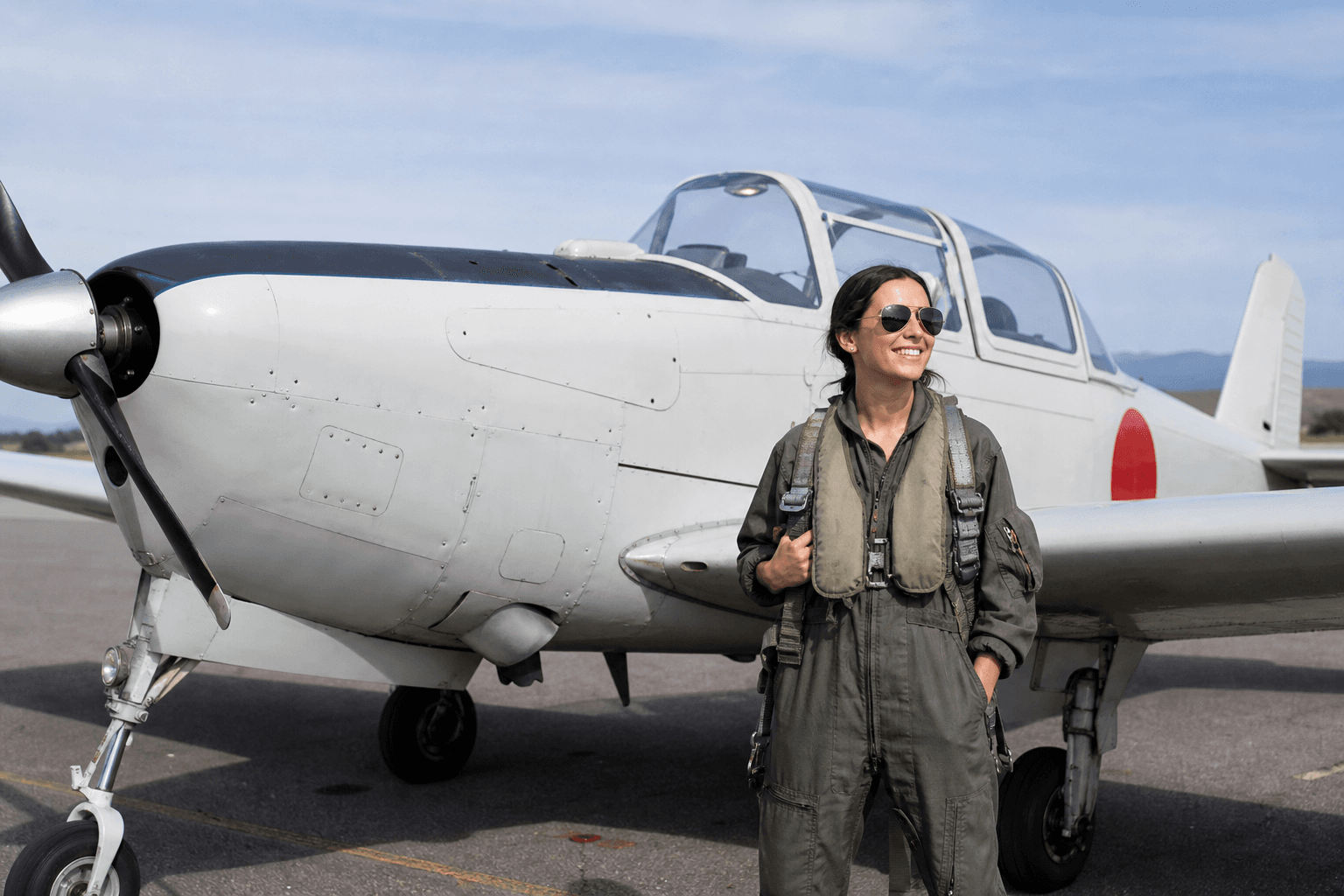
Aviation Pioneer Wally Funk Dies at 87 After Pioneering Career and Historic Spaceflight
From the time she was a small child in Taos, New Mexico, Wally Funk wanted to fly. For more than seven decades, she pursued that goal despite barriers that repeatedly limited opportunities for women in aviation and spaceflight.
AOPA and Aviation Coalition Push Congress for $20B Boost to Air Traffic Control Modernization
WASHINGTON—The Aircraft Owners and Pilots Association (AOPA), along with more than 50 other aviation organizations, sent a letter to congressional leaders, requesting an additional $20 billion be allocated toward the ongoing Brand-New Air Traffic Control System (BNATCS) initiative.
The Daily Touch & Go
The day's best aviation news in your inbox. Free, no spam.