

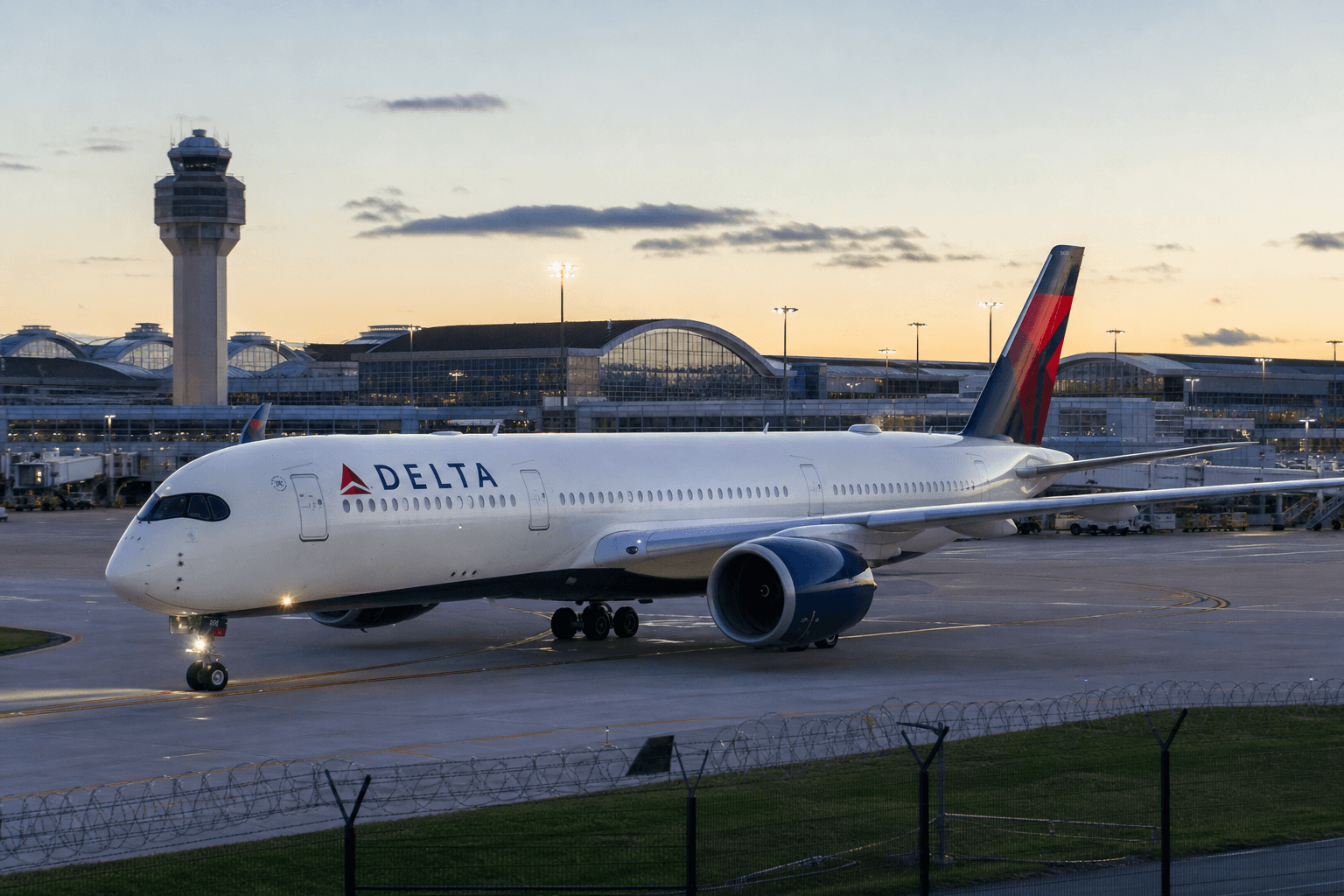
AI-generated illustration
Delta Air Lines Phases Out Boeing 777-200LRs for More Efficient Airbus A350s
Delta retired its 18 Boeing 777 aircraft, including ten 777-200LRs, by end of 2020 to reduce operating costs and shift to Airbus A350s with better fuel efficiency.
The gist
Delta replaced its Boeing 777-200LRs with Airbus A350-900s to cut costs and improve fuel efficiency amid pandemic pressures.
Continuing coverage
All Airbus A350 →Delta Air Lines began operating the Boeing 777 in 1999, initially deploying the 777-200ER variant to expand its transatlantic and South American route network. The airline bolstered this fleet starting in 2008 with ten 777-200LR (Longer Range) models specialized for ultra-long-haul flights, such as nonstop service between Atlanta and Johannesburg and Los Angeles to Sydney. These aircraft offered a blend of range capability—up to 8,555 nautical miles—and passenger capacity, seating 296 in Delta’s standardized widebody cabins, enabling the airline to serve distant global markets directly.
Operating a relatively small subfleet of eighteen 777 aircraft, Delta maintained dedicated pilot groups, maintenance teams, and parts inventories to support these specialized jets. While the 777-200LRs were prized for their endurance and reliability, their unique operational needs and higher maintenance requirements meant they were less flexible compared to other widebodies in Delta’s arsenal. They primarily served niche ultra-long-haul markets during periods of strong global travel demand and low fuel prices.
The financial turmoil caused by the COVID-19 pandemic in 2020 forced drastic changes in Delta’s fleet strategy. International passenger traffic collapsed, leading to a daily cash burn of approximately $50 million. In response, Delta accelerated the retirement of its entire 777 lineup, including the relatively young 777-200LRs, by December 2020. This move incurred noncash restructuring costs estimated between $1.4 billion and $1.7 billion as the airline wrote down residual asset values.
Ironically, the 777 fleet had recently undergone a significant cabin overhaul, completed by January 2019, which introduced updated Delta One suites, premium seating, and modern inflight entertainment systems. Despite this investment and an average aircraft age of just 11 years, the steep operational and maintenance costs combined with the severe downturn in demand rendered these jets financially unsustainable within Delta’s post-pandemic network.
A primary driver behind the retirement was the cost per available seat mile (CASM). Delta’s analysis demonstrated that the incoming Airbus A350-900 burns 21% less fuel per seat than the 777 aircraft it replaced. Features such as Rolls-Royce Trent XWB engines and advanced composite wings optimized for aerodynamics give the A350 a substantial efficiency edge. These savings in fuel burn, along with reductions in heavy maintenance and pilot training complexity, translated into a much lower cost base for long-haul flights.
The A350’s modern design and fuel economy align with Delta’s emphasis on fleet simplification and sustainability. By retiring Boeing’s 777, Delta streamlined its long-haul operations around Airbus aircraft, primarily the A330 family plus the A350-900. This consolidation facilitates pilot cross-qualification across similar cockpits, simplifies maintenance contract negotiations, and reduces spare parts inventories, leading to greater operational agility and cost control.
CEO Ed Bastian has led this strategic shift focused on modernizing Delta’s international fleet and enhancing financial resilience. The decision to phase out the 777 fleet highlights how legacy aircraft, despite strong performance, can become economic liabilities when market conditions drastically change. Now relying on newer European widebodies, Delta is better positioned to maintain profitability on ultra-long-haul routes in a more challenging aviation environment.
Originally reported by Simple Flying
Read more
All Airlines →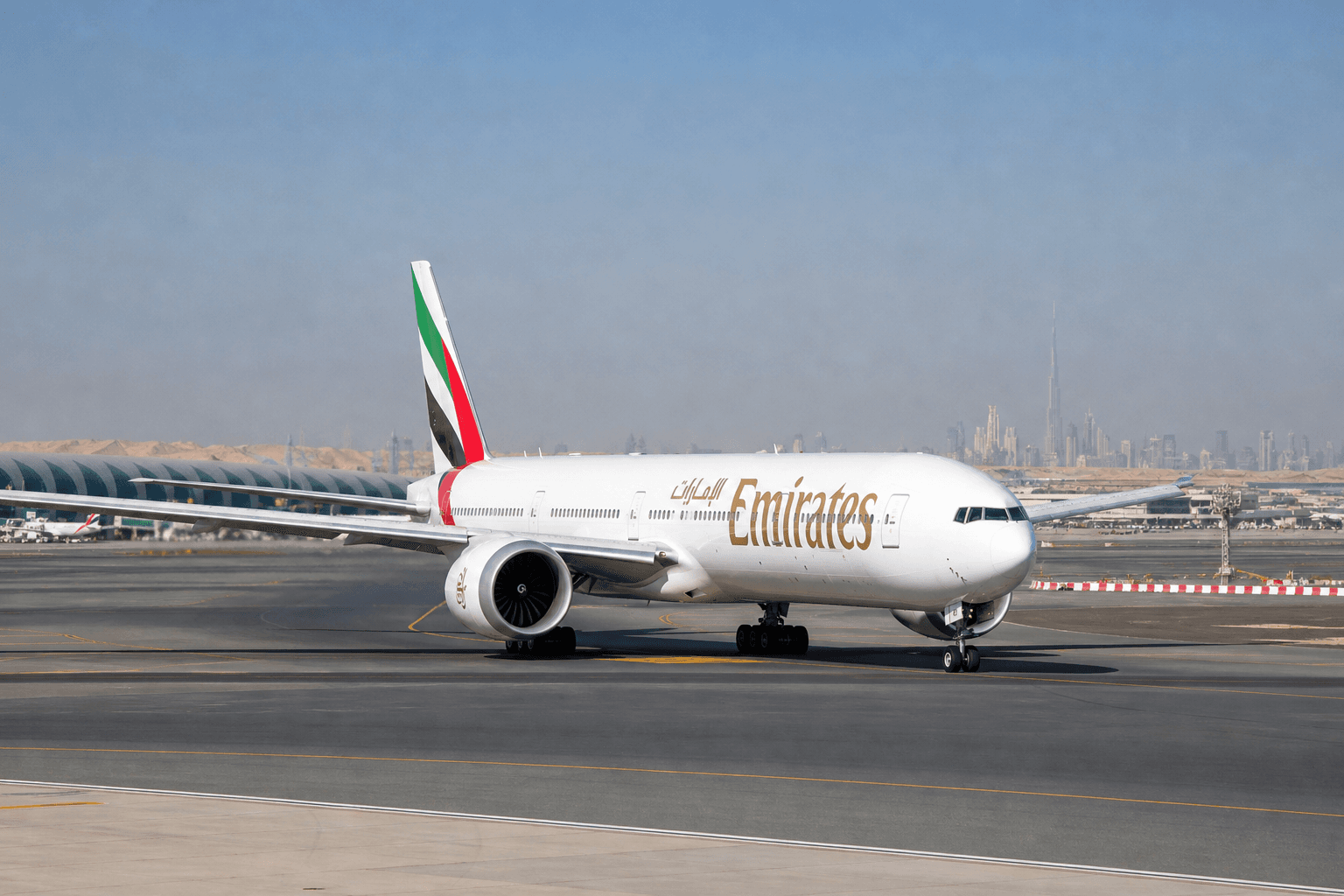
Emirates Orders Over 200 Boeing 777X Jets but Limits Airbus A350 Fleet Growth
Emirates prioritizes Boeing 777X for its hub operations, maintaining a smaller Airbus A350-900 fleet primarily for route expansion rather than replacement of existing aircraft.
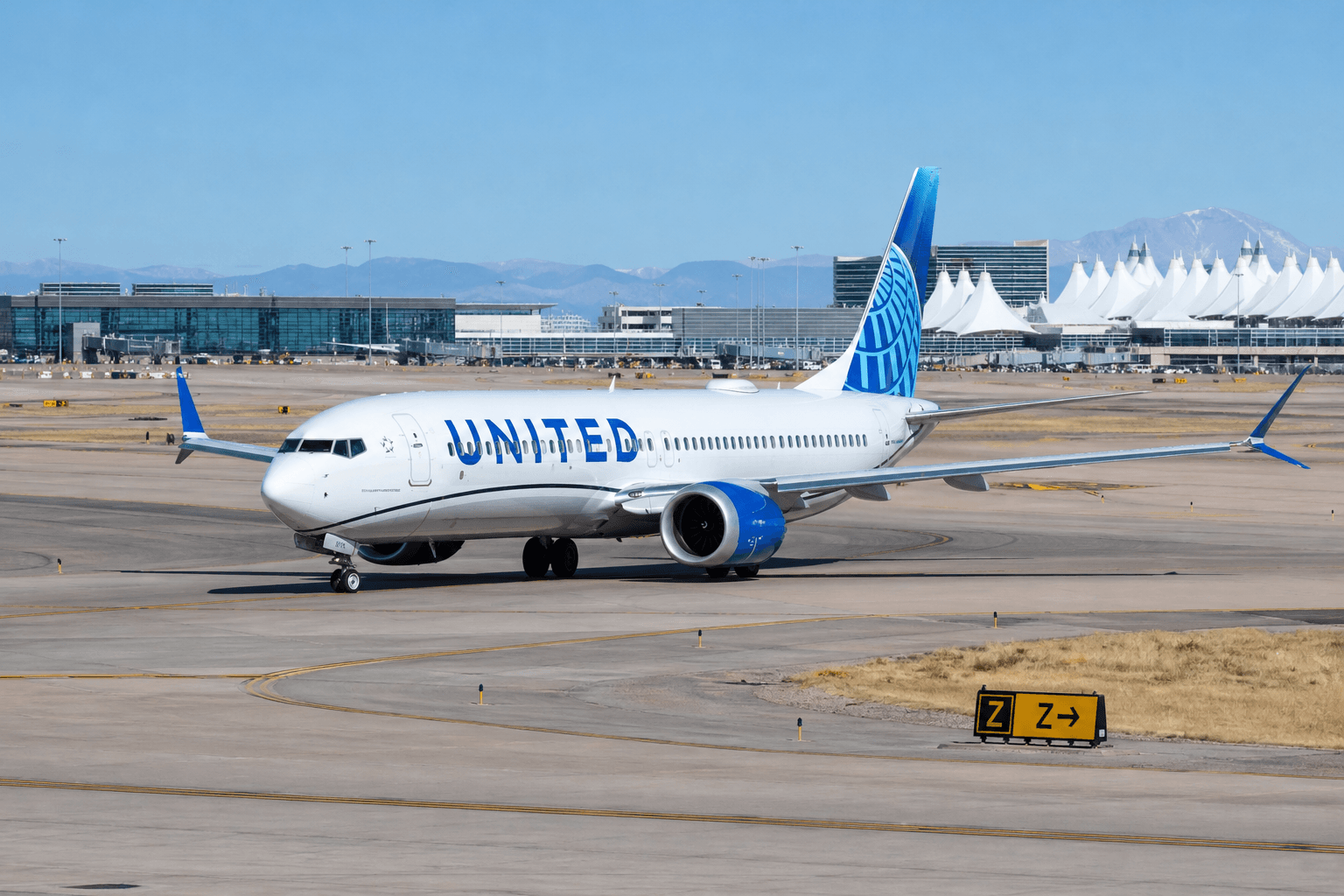
United Airlines Doubles Flights on Seven Denver Routes for Summer 2027
United Airlines will increase frequencies on seven domestic routes from Denver International Airport, doubling daily flights to several mid-sized cities for summer 2027.
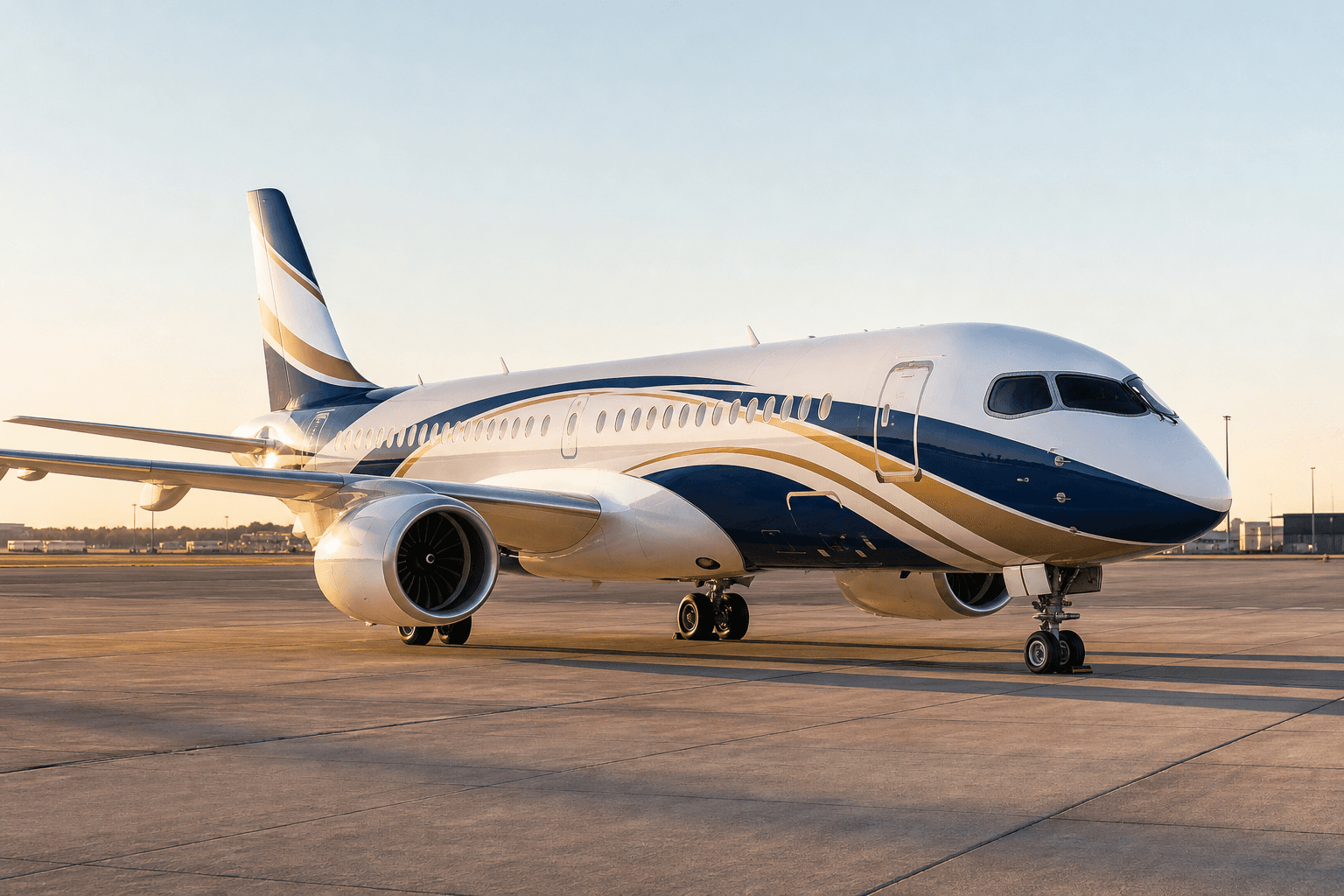
Magnifica Air Orders 10 Airbus ACJ220-300s Featuring Private Suite and 54 Seats
Florida-based Magnifica Air confirms purchase of ten ACJ220-300 corporate jets, expanding its fleet and offering a private suite in a 54-seat luxury layout.
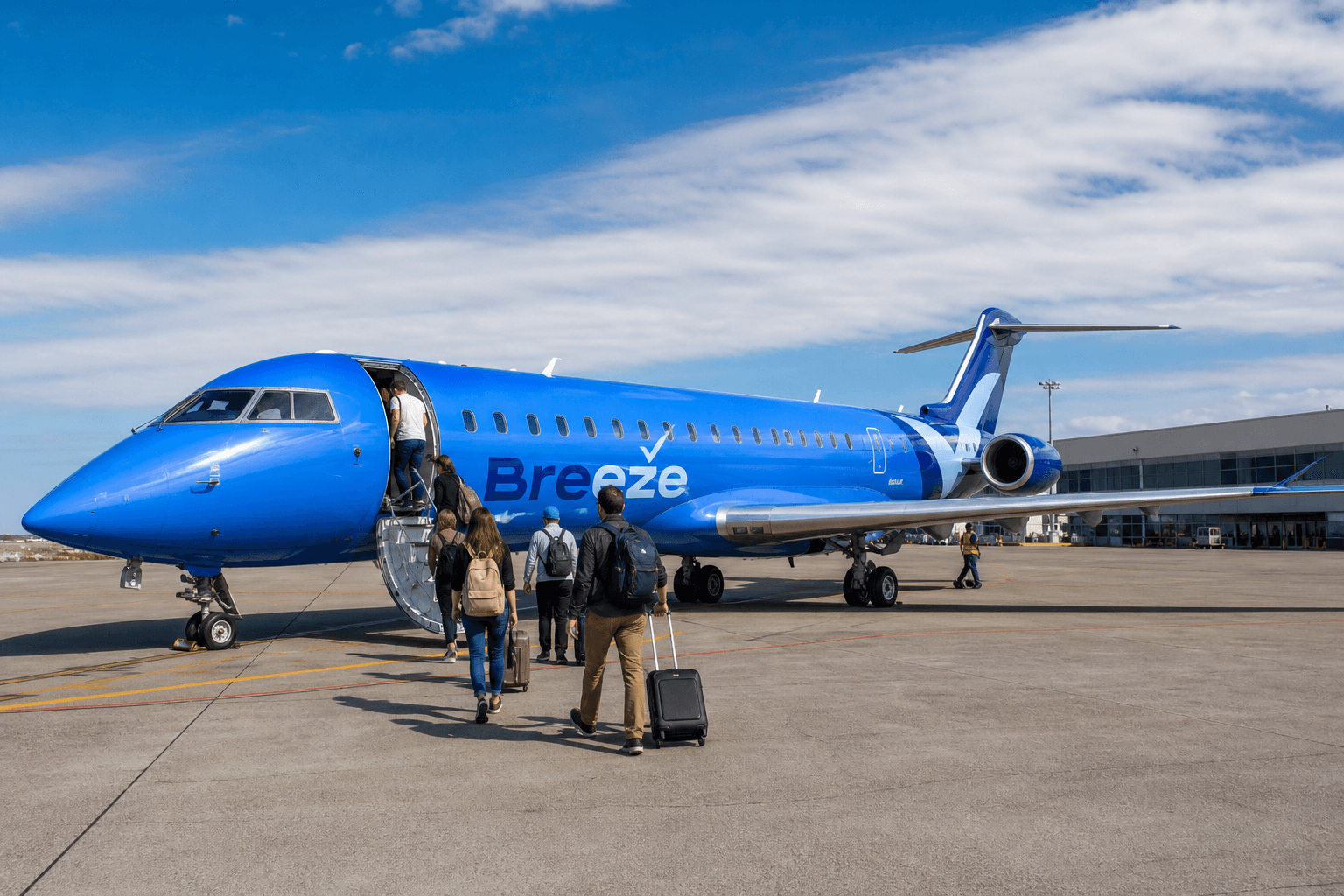
Breeze Airways Expands Selectively Into Spirit Airlines' Former Leisure Routes
After Spirit Airlines ceased operations in May 2026, Breeze Airways has strategically moved into smaller regional airports and leisure destinations, avoiding major trunk routes and congested hubs.
The Daily Touch & Go
The day's best aviation news in your inbox. Free, no spam.