

Illustration: The Touch & Go
Boeing dismantles never-flown 777-9 amid costly rework and program delays
Boeing scrapped a partially assembled 777-9 airframe as rework challenges mount and commercial debut delays extend into 2027.
The gist
A dormant 777-9 was quietly dismantled by Boeing highlighting extensive rework needs and delayed 777X program readiness.
Continuing coverage
All Boeing →- Boeing predicts steady 20-year aircraft demand despite current travel slump
- Boeing returns to Farnborough Airshow with emphasis on rebuilding trust and safety
- South Korea upgrades F-15K fleet with advanced BAE EPAWSS electronic countermeasures
- Boeing to Introduce MQ-28 Ghost Bat for UK Collaborative Combat Aircraft Program
- Boeing Eyes AESA Radar to Boost Apache Attack Helicopter Against Drone Threats
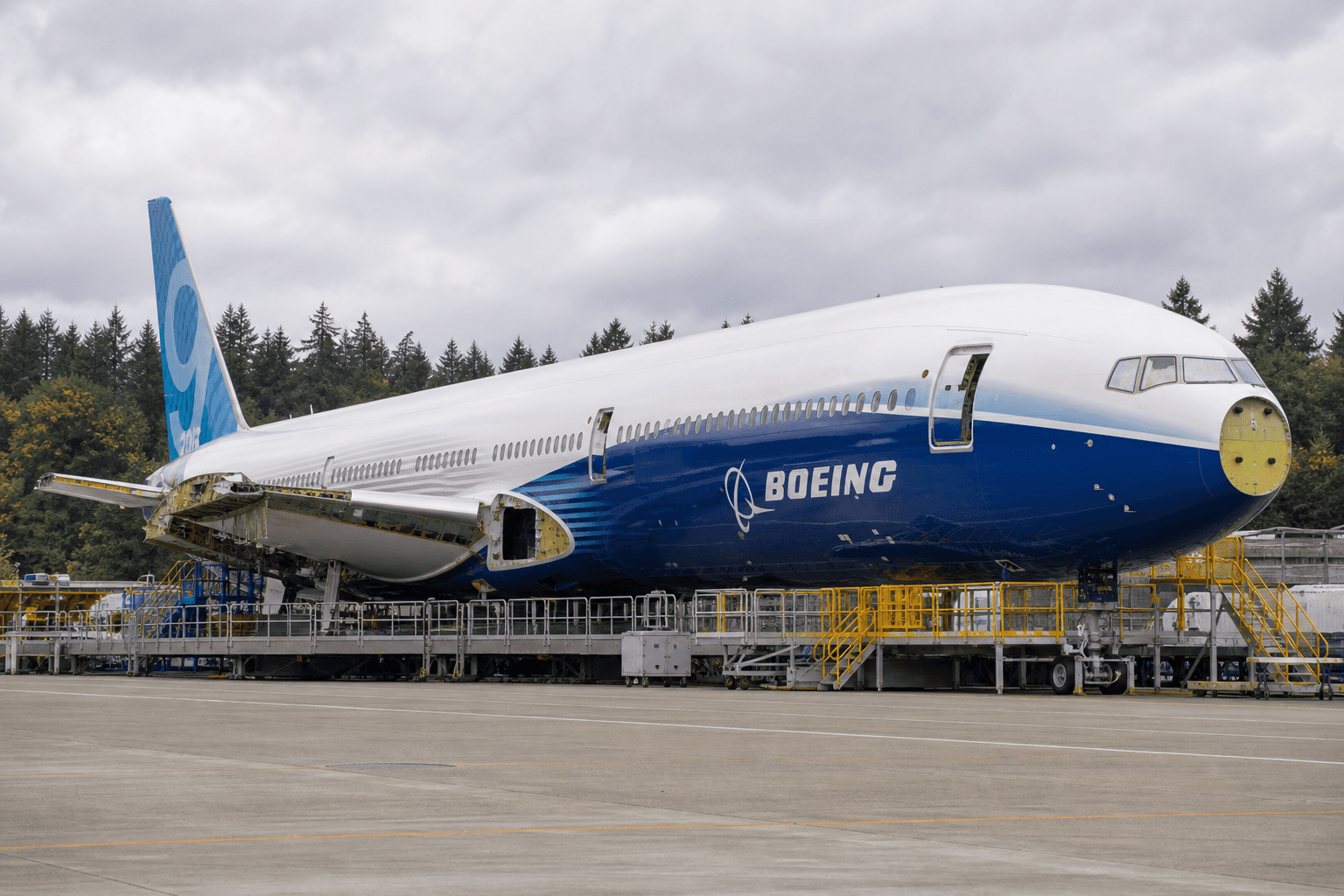
For nearly six years, a significant Boeing 777-9 airframe identified as WH007 remained parked at Paine Field near Seattle, conspicuously unfinished and immobile. The plane bore weight blocks in lieu of engines, with black covers masking absent fairings and several panels left open. This aircraft, the seventh 777-9 built by Boeing, symbolized a stalled milestone in the 777X program, marking a rare instance where a built jetliner never powered up for flight nor moved meaningfully on the ground.
Originally rolled out in the summer of 2019 from Boeing's Everett factory, WH007 bore Emirates’ colors on its folded winglets, indicating the airline's prominent role and investment in the 777X series. Despite this promising association, the jet did not progress as expected. Instead of advancing through the traditional flight test and certification sequence, the aircraft lingered in a state of limbo, shifted slowly across airport taxiways only to create space for newer 777-9 models taking priority for production and testing.
By the late summer of 2025, insiders revealed that Boeing had quietly dismantled WH007. Confirmed as part of a recent corporate update, this scrapping was embedded within a larger $4.9 billion charge announced on October 29, 2025, signifying a significant financial setback for the 777X program. This charge encompassed costs related to delays pushing the program’s commercial introduction into 2027, as well as extensive 'change incorporation' necessary to retrofit early-built models for airworthiness.
Boeing acknowledged publicly that WH007 was among the 'partially assembled' 777-9 aircraft it elected not to complete. The company clarified that the cost and work associated with integrating design changes into already-built airframes contributed to the decision. This was part of approximately $15 billion in cumulative charges already recorded against the 777X development, underscoring the program’s substantial financial and technical hurdles.
The hidden story of WH007’s disappearance sheds light on the scope of the rework challenges Boeing confronts as it gears up to certify and deliver the 777X. The program’s scale involves about 40 aircraft requiring retrofits and modifications to meet updated regulatory and commercial standards. Boeing has stated that these update efforts will extend over multiple years, demanding considerable allocation of resources and workforce focus.
As Boeing approaches critical milestones, including the Federal Aviation Administration’s certification of the 737 Max 7, the company simultaneously wrestles with the 777X’s protracted timeline. This dual-track effort places considerable demands on Boeing’s engineering and production teams. The scrapping of WH007 highlights a pragmatic response to the costly fallout from initial design and manufacturing misalignments within the 777X project.
The broader context includes Boeing showcasing progress and resilience at the Farnborough International Airshow, buoyed by improved delivery performances despite the 777X setbacks. However, the significant rework and associated expenses related to earlier 777-9 units like WH007 serve as a reminder of the complexities in bringing new widebody technology to market. Investors will keenly observe Boeing's forthcoming earnings reports, where these financial impacts and program updates will be further detailed.
Frequently asked questions
- Why did Boeing scrap the 777-9 aircraft WH007?
- Boeing scrapped WH007 due to extensive rework challenges, costs of retrofitting early airframes, and delays that pushed the 777X program's commercial debut into 2027.
- When did Boeing announce the financial impact related to the 777X program?
- On October 29, 2025, Boeing announced a $4.9 billion reach-forward loss related to the 777X program, including costs for change incorporation and delays.
- How many 777X aircraft require rework to become airworthy?
- Approximately 40 already-built 777X aircraft will undergo rework and modifications over several years to meet airworthiness requirements and prepare for delivery.
Read more
All Airlines →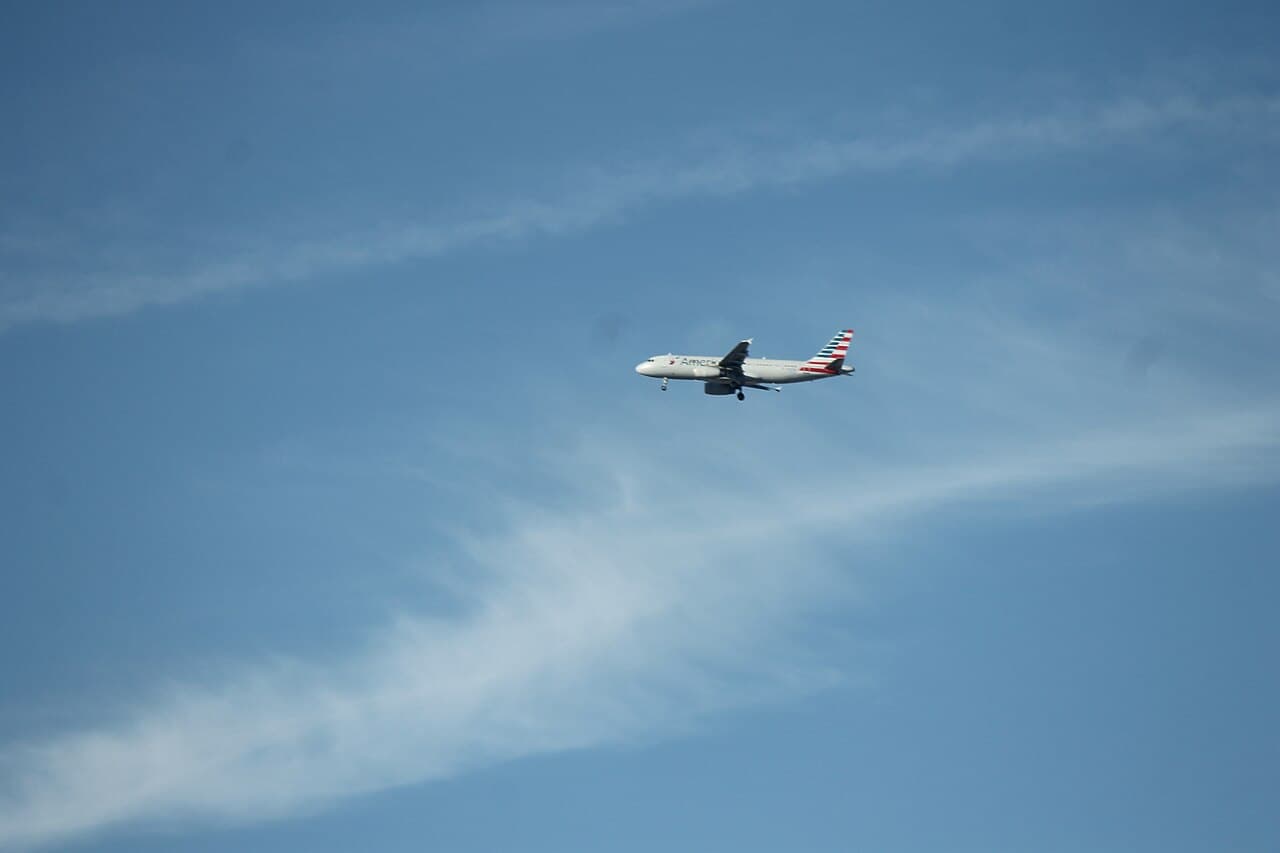
How Crews and Aircraft Separation Amplify Flight Delays Even After Weather Clears
Airlines often blame weather even after skies clear because the disruption has scattered aircraft, pilots and flight attendants across the network. After a storm delayed my American Airlines flight at Washington National, a missing crewmember exposed how separating planes and crews can turn one late arrival into delays across multiple flights.
Airbus to upgrade A321neo with A321XLR wing design and single-slotted flaps
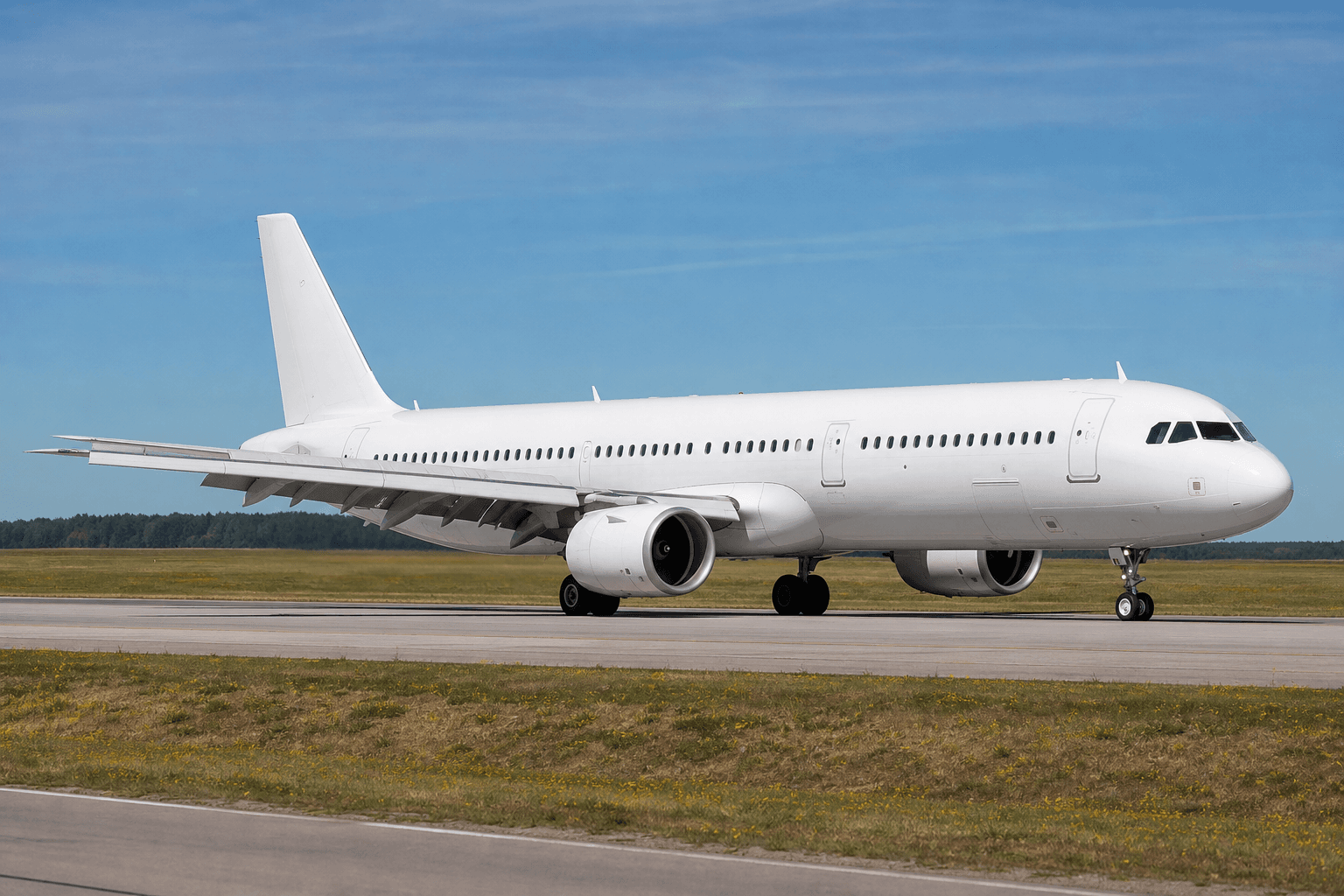
Airbus to incorporate batch of improvements on popular single-aisle model, and test production maturity of some on A320neo line. Airbus is to migrate A321XLR technology – including its revised wing design – to the A321neo, while other enhancements for the single-aisle family will initially be applied to the A320neo before being transferred up to the larger variants. The long-range XLR includes a lighter wing with a single-slotted inboard flap, and this will be incorporated into the regular A321neo, which currently uses a double-slotted design. A321neos will take advantage of a take-off performance improvement system which introduces intermediate flap positions, and works in conjunction with the single-slotted flap arrangement. The changes are part of a package of incremental improvements known as STEP4. A321neos will also benefit from new flight-control laws, the lighter electronic ‘e-rudder’, forward cabin temperature zones, and updated multi-functional runway lights. Head of A320-family development Torsten Hartung says the airframer is putting the "good ingredients" from the XLR onto the popular A321neo platform – the A321neo had a backlog of over 5,600 orders at the end of June. But the STEP4 enhancement will also entail new modifications which Airbus is to apply initially to the A320neo, as a low-risk measure to ensure production maturity before transferring them to the higher-rate A321neo, including the XLR variant. The A320neo will notably receive a new 'cobra' duct for the auxiliary power unit – mounted in the top of the fuselage, and aimed at enhancing cabin air quality – and corrosion-prevention measures such as titanium cabin rails. "The baseline A320neo is the first model to incorporate and prove the new modifications," says STEP leader for A320 family programme development Martin Schnoor. “Where we physically change the aircraft we decided to apply it first on A320neo in order to learn and see how well things are going." Once integration on the A320neo line is smooth, the new modifications will be made to the A321neo and XLR. Schnoor says deliveries of initial STEP4 A320neos are beginning, with the first A321neos and XLRs set to follow after a year. The A320neo has a different wing to the A321neo, but Airbus is ultimately aiming to migrate as many XLR innovations, outside of wing-related changes, to the A320neo as it can. Airbus says STEP4 will also eventually deliver further enhancements across the family, such as cabin-floor reinforcement, to account for changing standards in the weight of passengers and baggage, and a standardised flight data interface and management unit.
EVA Air Pioneered Premium Economy, Reshaping Long-Haul Travel Since 1992
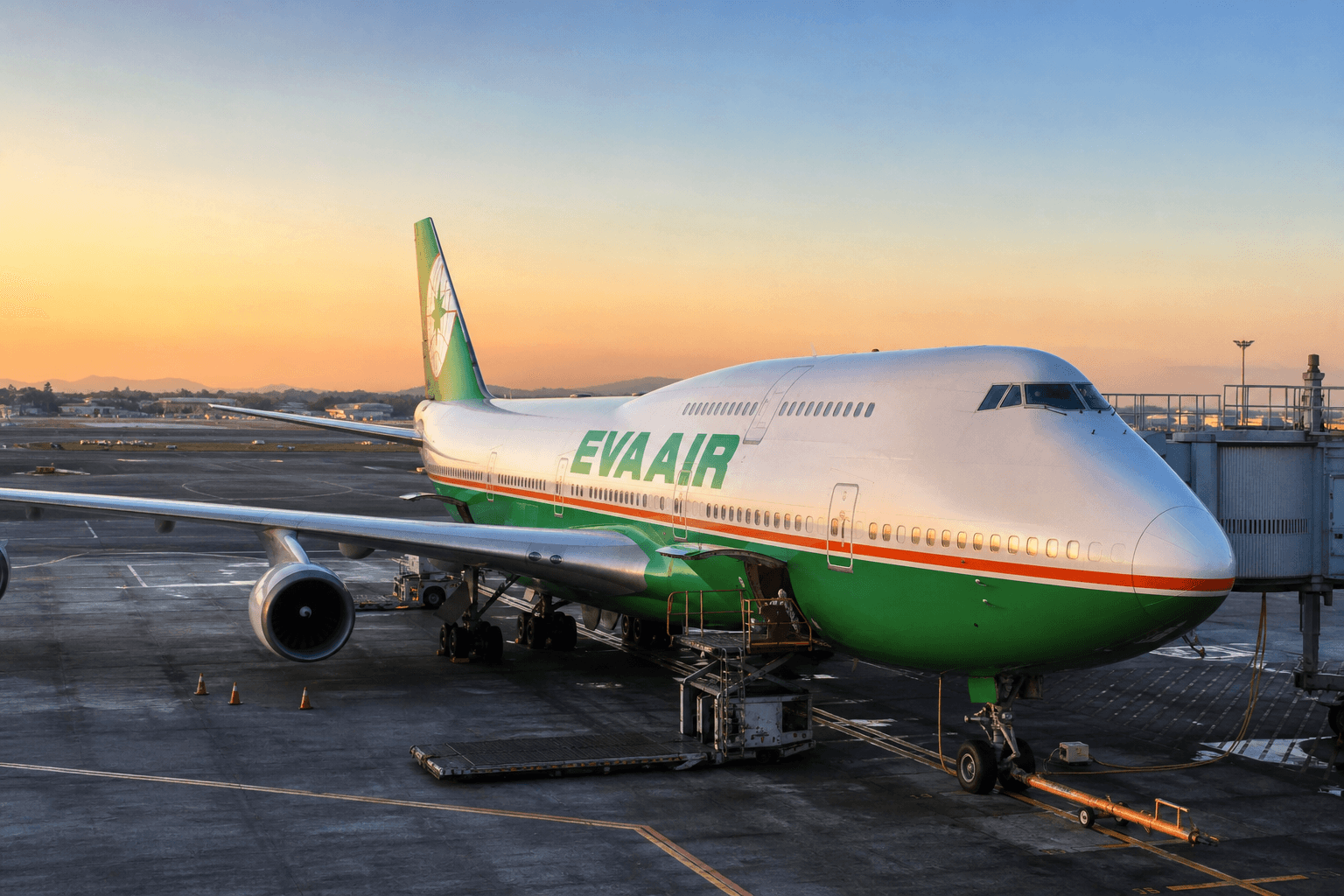
Today, Premium Economy has become one of the most important cabin classes in long-haul aviation. Airlines across the world now rely on the product to bridge the gap between economy affordability and business class comfort, offering wider seats, improved dining, and additional personal space for travelers willing to pay slightly more for a better experience.
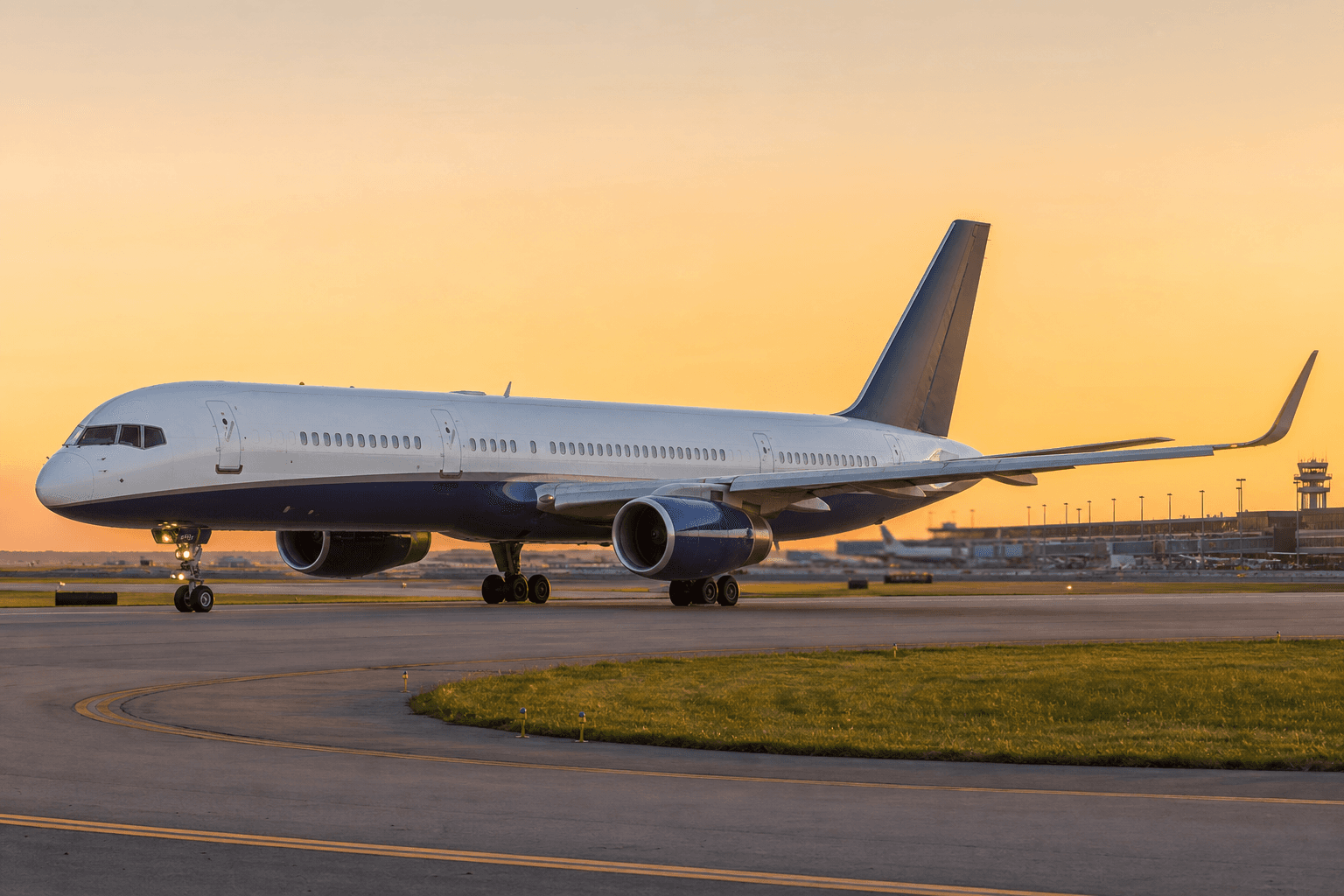
Why Allegiant Air Operated Boeing 757s to Reach Hawaii and Beyond
US-based ultra-low-cost carrier Allegiant Air is primarily known today for operating widebody twinjets from the Airbus A320 series. In fact, until recently, the airline had been an all-Airbus operator for several years, before its deliveries of the Boeing 737 MAX 8-200 began. However, prior to this spell, did you know that Allegiant Air also flew larger aircraft in the form of the 757 during the 2010s?
The Daily Touch & Go
The day's best aviation news in your inbox. Free, no spam.