


Image: AlexanderCraker · CC BY-SA 4.0 · via Wikimedia Commons
Boeing 777-9 Endures Over 63,000 Flight Cycles in Rigorous Fatigue Testing
Boeing's fourth 777-9 airframe undergoes full-scale fatigue testing simulating more than three lifetimes with 120,000 flight cycles to validate durability.
The gist
Boeing's 777-9 test aircraft has surpassed 63,000 simulated flights in a fatigue rig, proving the plane's structural resilience for decades of service.
Continuing coverage
All Boeing →- Boeing Ends Production of Boeing 777-300ER After Nearly Two Decades
- Boeing's Data-Driven Upgrade Set to Extend C-17 Globemaster Service Through 2075
- FAA Signals Imminent Certification for Boeing 737 MAX 7, MAX 10, and 777X Jets
- Boeing Plans New Clean-Sheet Jet After Completing 737 MAX and 777X Certification
- Boeing Forecasts Nearly $5 Trillion Market for Aviation Services and 2.4 Million Jobs by 2045
The Boeing 777-9, a flagship of the 777X series, is currently undergoing an intensive fatigue test to verify its structural integrity throughout an extended service life. The fourth 777-9 ever built was moved directly from Boeing’s Everett, Washington factory into a specialized fatigue test rig designed to simulate the stresses of real-world operation. This rig applies aerodynamic and ground loads that replicate the full cycle of flight, hammering the airframe with the equivalent of over three operational lifetimes by subjecting it to 120,000 flight cycles in total.
The testing procedure involves an exact replication of flight operations, beginning with preflight activities on the ground, taxi, takeoff, climb, cruising at altitude, descent, landing, and subsequent taxiing to the gate. Engineers programmed the rig to incorporate a variety of mission profiles classified from 'A' to 'E' flights, where 'E' cycles represent short, routine trips in good weather and constitute the majority of cycles. In contrast, 'A' cycles simulate the most severe flight conditions, including encounters such as thunderstorms in mountainous regions, to ensure the airframe can withstand infrequent but demanding scenarios.
The fatigue load rig completes approximately 160 flight cycles every 24 hours, effectively compressing what would be decades of airline service into a matter of months. Hundreds of sensors monitor micro-movements in critical areas such as the wings and fuselage, enabling engineers to assess how the airplane's structure flexes and endures under constantly varying loads. This data is crucial to validating the durability of the airframe, verifying inspection techniques, and determining appropriate maintenance intervals for airline operators.
Boeing employs a 'building block' approach to structural testing, beginning with material-level tests called 'coupons' that stress small samples under extreme conditions. These preliminary steps assess the behavior of materials before advancing to full component and assembly testing. The 777-9 full-scale fatigue test serves as the culmination of this process, validating the entire airframe as a safe and reliable platform for commercial airlines.
As of the most recent update, the 777-9 fatigue test airframe has completed over 63,000 flight cycles—well beyond a typical single-service lifetime—with all results aligning well with the company’s expectations. This milestone underscores Boeing’s commitment to delivering an aircraft capable of enduring rigorous operational demands while maintaining safety and performance.
The comprehensive nature of the fatigue test means the data gleaned is directly applicable to providing airlines with predictable maintenance schedules and dependable inspection plans. Such predictability is essential for operators to maintain efficient service without unexpected grounding, while passengers benefit from sitting aboard an aircraft that has been proven resilient well beyond routine usage.
Throughout the testing campaign, Boeing officials have emphasized the dedication and expertise of their engineering teams, whose efforts are key to steering the 777-9 through certification requirements and preparing the airframe for customer delivery. The fatigue testing process thus not only assures structural soundness but also supports the broader timeline for introducing the aircraft into active service.
Every flex and cycle recorded by the fatigue rig contributes valuable insight into the airplane's performance and longevity. By rigorously validating the 777-9's airframe durability, Boeing ensures the model meets the exacting standards airline customers require for aircraft expected to serve reliably over multiple decades.
Boeing’s ongoing fatigue testing program will continue until the 120,000-cycle goal is achieved, further reinforcing the 777-9’s structural robustness and operational readiness. This foundational work reflects a long tradition among leading aircraft manufacturers of thoroughly putting new designs to the test well before they enter commercial service.
Frequently asked questions
- What is the purpose of the Boeing 777-9 fatigue test rig?
- The fatigue test rig simulates full flight cycles to validate the structural durability, inspection methods, and maintenance intervals of the 777-9 airframe over its service life.
- How many flight cycles has the 777-9 fatigue test airframe completed so far?
- The 777-9 fatigue test airframe has surpassed 63,000 simulated flight cycles, representing well over one full operational lifetime.
- How does the fatigue test rig simulate different flight conditions?
- The rig operates under mission profiles rated from A to E, with E cycles representing common, benign flights and A cycles simulating intense, challenging flights such as thunderstorms over mountains.
Read more
All Airlines →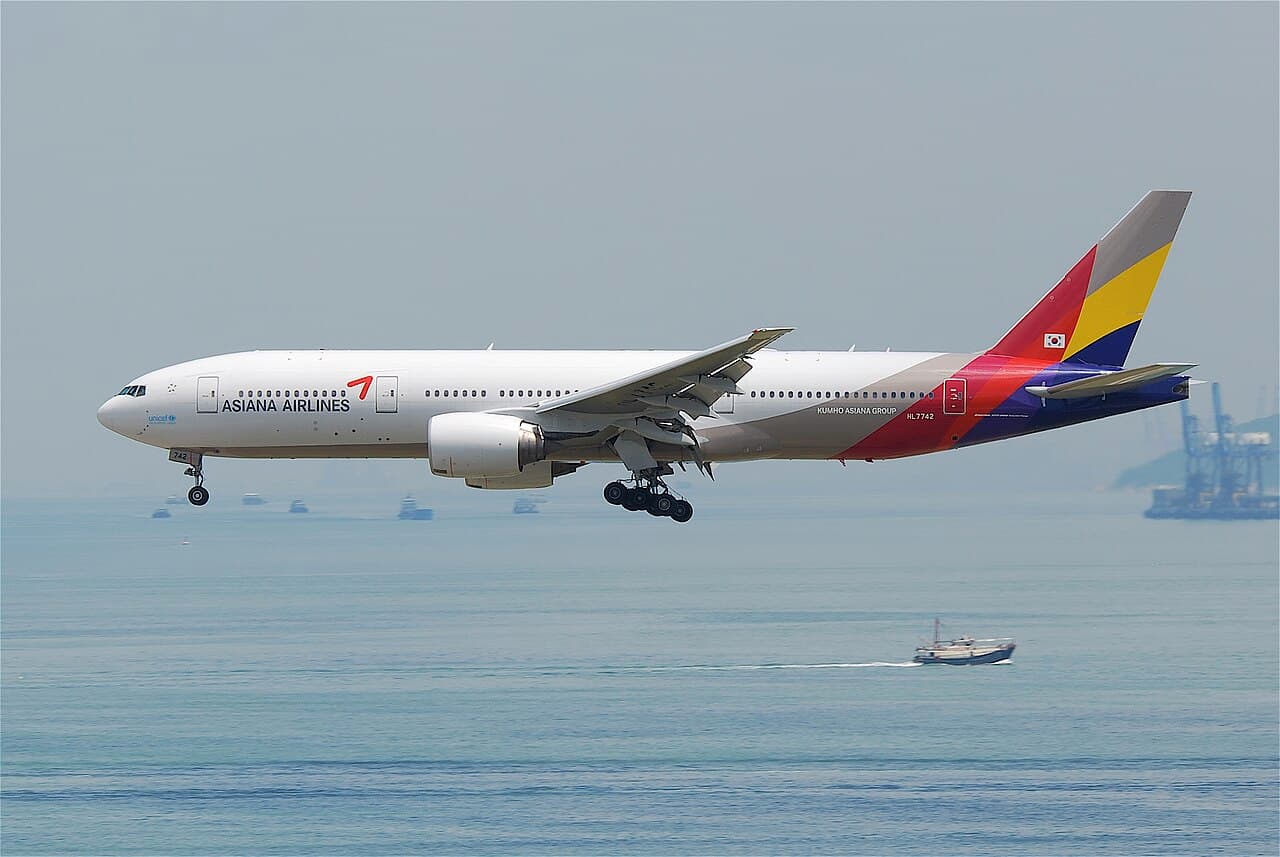
Boeing Ends Production of Boeing 777-300ER After Nearly Two Decades
In 2004, the airline sector was revolutionized by the Boeing 777-300ER (extended range) variant of the 777 family. It was first flown commercially by Air France, and at the time, Boeing claimed it was "the most technologically advanced airplane in the industry" , surpassing previous 777-200 and 777-200ER variants, and raising the bar in terms of comfort and range. The 777-300ER featured updated systems, and at the time, it was equipped with the most powerful commercial jet engine available, the General Electric GE90-115B turbofan.
Senior Flight Attendants at US Carriers Surpass $100K Annually with New Pay Deals
Flight Attendant pay in 2026 varies widely by rank, seniority, the region, and carrier, but the top of the ladder is where the real money is. At major US airlines, entry-level cabin crew typically start around $25–$40 per hour, while senior international flight attendants can push base earnings toward $90,000 and beyond once premiums, per diems, and international layover pay are factored in. Seniority is key at all airlines, which usually sees an annual increase in salary and more pay as crew move up the ranks.
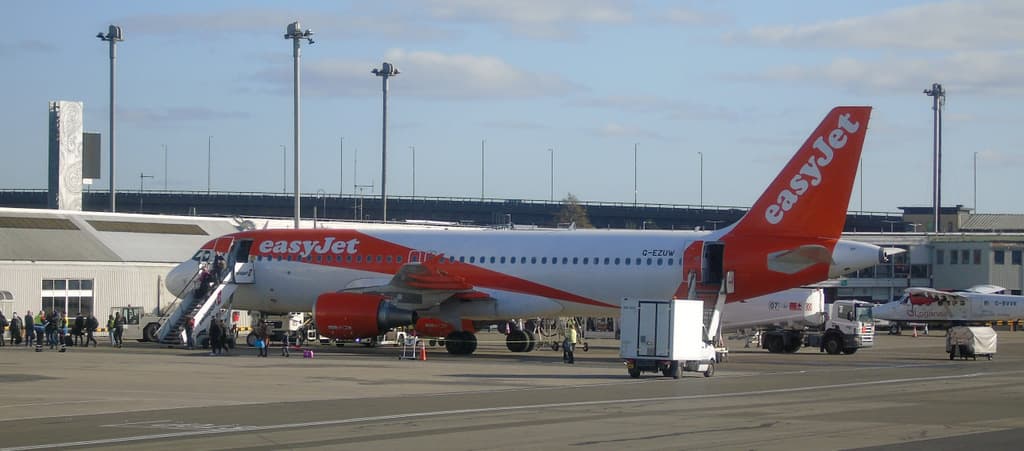
easyJet Q2 profits plunge 70% amid Middle East conflict fuel cost surge
easyJet's profits have been hit hard by the conflict in the Middle East and its impact on fuel prices, according to the low-cost-carrier's latest financial results. On July 23, 2026, easyJet said the group's profit before tax had shrunk by 70% in quarter two, from $382 million (£286 million) last year to $113 million (£85 million) this year. The company said it was impacted by "elevated fuel prices and a reduction in consumer demand following the onset of the Middle East conflict in March and consumer concern about unrealized fuel supply issues". Fuel costs increased by $140 million (£105 million) versus the prior year, due to "higher fuel prices on the unhedged portion of consumption, with fuel prices peaking at approximately $1,800 per metric ton in April". The airline, which has been subject to takeover offers from both Apollo and Castlelake in the last month , said it has hedged 62% of its fuel needs for H127 and 37% for H227. Brookgardener / Shutterstock For H127, the company has secured fuel at an average of $754 per metric ton (MT) and for H227 at $777/MT. The market price on July 20, 2026, is $1,275/MT. "Strong demand for late bookings in the month of departure was seen throughout the quarter, however this was insufficient to fully offset the weaker booking trends experienced following the conflict," easyJet said. Group revenue was up 2% from $3.90 billion (£2.918 billion) in quarter two 2025 to $3.99 billion (£2,983 billion) over the same period this year. "We have continued to manage the impact of the Middle East conflict, and its effect on fuel prices and booking trends, during the quarter," Kenton Jarvis, easyJet's CEO, said. "Pricing has been attractive, driving strong late booking demand for our flights and holidays and our relentless focus on execution has delivered an excellent operational performance and even greater levels of customer satisfaction." He added: "As consumer confidence increases, we are seeing the load factor gap close for peak summer and an extension of the booking curve as customers continue to prioritize travel and take advantage of our great fares." Looking ahead, easyJet said its Available Seat Kilometers (ASK) capacity is expected to grow 6% year on year with seats expected to grow 3% year on year. CCO steps down to return to flying as an easyJet pilot Additionally, easyJet announced that its Chief Operating Officer, David Morgan, has chosen to retire from his current role and return to flying as an easyJet pilot. Sophie Dekkers, the current Chief Commercial Officer, will assume Morgan's role until September 1, 2026, when new recruit Daniel Skjeldam will join easyJet as the permanent CCO. Skjeldam is currently a Non-Executive Director at Norwegian Air Shuttle . easyJet said Skjeldam's appointment comes at an "exciting time for the business as we prepare to launch our new loyalty proposition and focus on driving incremental revenue opportunities through premiumization and business travel, alongside the continued growth and optimization of our network". RELATED easyJet takeover thrown wide open by rival $7.6 billion US offer

Former United CEO Signals Investor Interest in Acquiring U.S. Airlines Amid Low Valuations
Former United CEO Oscar Munoz says sophisticated investors who once avoided airlines are now studying cheap U.S. carriers, and he expects more deal "noise" soon after earnings season.
The Daily Touch & Go
The day's best aviation news in your inbox. Free, no spam.