

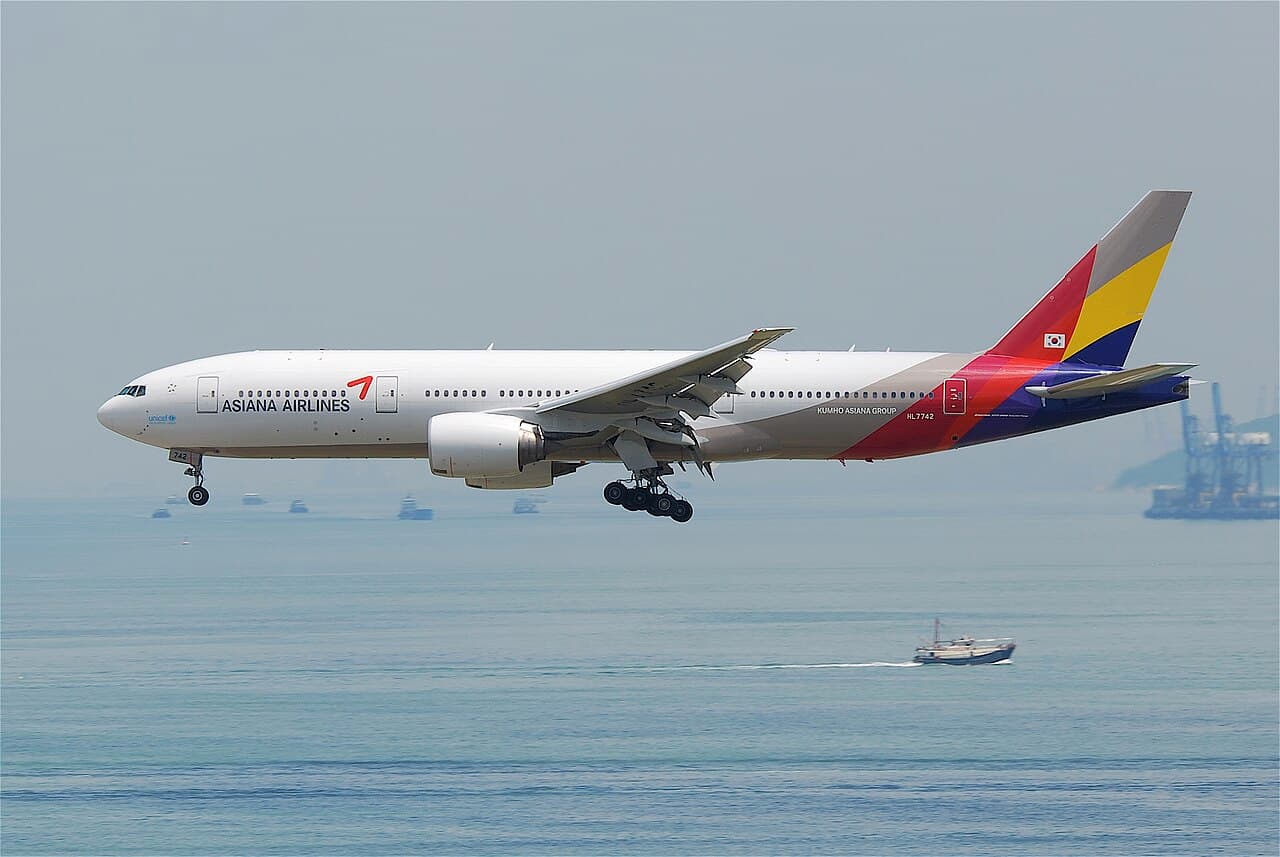
Image: Aero Icarus from Zürich, Switzerland · CC BY-SA 2.0 · via Wikimedia Commons
Boeing Ends Production of Boeing 777-300ER After Nearly Two Decades
The iconic Boeing 777-300ER, once the cornerstone of long-haul fleets worldwide, saw its final delivery in 2024, marking the close of its production run amid the transition to the 777X.
The gist
Boeing delivered the last 777-300ER in 2024, ending production of the world’s best-selling widebody as focus shifts to the 777X.
Continuing coverage
All Boeing →- Boeing 777-9 Endures Over 63,000 Flight Cycles in Rigorous Fatigue Testing
- Boeing's Data-Driven Upgrade Set to Extend C-17 Globemaster Service Through 2075
- FAA Signals Imminent Certification for Boeing 737 MAX 7, MAX 10, and 777X Jets
- Boeing Plans New Clean-Sheet Jet After Completing 737 MAX and 777X Certification
- Boeing Forecasts Nearly $5 Trillion Market for Aviation Services and 2.4 Million Jobs by 2045
The Boeing 777-300ER, introduced in 2004, transformed long-haul air travel with its advanced technology and impressive performance. First flown commercially by Air France, it featured the powerful General Electric GE90-115B turbofan engines, then the most potent in commercial aviation. Its long range and fuel efficiency made it a favorite among airlines for high-capacity, long-distance routes.
The aircraft’s popularity is underscored by the fact that Boeing delivered 833 units of the 777-300ER variant, constituting a large portion of the 1,781 777 family planes delivered overall. The 777 family itself remains the top-selling widebody airliner series in history, helping to define global widebody standards for nearly twenty years.
Despite its success, production of the 777-300ER tapered off as Boeing shifted focus toward the 777X, a more advanced successor incorporating newer technologies. Only one unit was manufactured in 2024, delivered to Altavair LP, an aircraft leasing and management firm. This last 777-300ER had been initially ordered by China Southern Airlines but was stored for nearly five years due to COVID-related disruptions, before being leased to Ethiopian Airlines where it still bore China Southern’s livery.
The 777-300ER’s capabilities continue to impress, with a 7,370 nautical mile range enabled by its efficient twin-engine design and the GE90’s 115,300-pounds thrust. The GE90 engine held the record for power until 2019, when surpassed by the General Electric GE9X powering the forthcoming 777X. The GE9X also introduces composite materials and improved fuel economy, reflecting ongoing advances in engine technology.
Key to the 777-300ER’s appeal was its capacity and operational economics. The stretched fuselage allowed typical seating for 365 passengers in a three-class layout and nearly 400 in two classes, facilitating high-density routes. These factors, combined with lower fuel burn per seat due to efficient engines, enabled airlines to operate longer, nonstop flights more profitably than before.
Major global carriers such as Emirates and Qatar Airways relied heavily on the 777-300ER, with Emirates alone operating 119 examples. These airlines utilize the aircraft’s large capacity and range within hub-and-spoke networks, often on high-demand international sectors. The 777-300ER has also set route records, including some of the longest direct flights operated by China Eastern Airlines.
While the 777X was intended to replace the 777-300ER, its rollout has faced delays, technical challenges, and regulatory scrutiny that have slowed its introduction. The manufacturing halt of the 777-300ER was inevitable but arguably accelerated by the need to concentrate resources on clearing these hurdles and bringing the newer model to market.
Compounding Boeing's production challenges was a machinist’s strike in late 2024 affecting the company’s workforce primarily in Washington state. This labor dispute reportedly cost Boeing billions and disrupted widebody production schedules, adding complexity to the transition period between the 777-300ER and the 777X eras.
Frequently asked questions
- When was the last Boeing 777-300ER produced and delivered?
- The last Boeing 777-300ER was produced and delivered in 2024 to Altavair LP, marking the end of its production run.
- What made the Boeing 777-300ER popular with airlines?
- Its stretched fuselage offered high passenger capacity (365 to 396 seats), long range of 7,370 nautical miles, fuel-efficient GE90 engines, and lower operating costs, making it ideal for long-haul and high-demand routes.
- How does the 777-300ER compare to its successor the 777X in terms of engine power?
- The 777-300ER uses GE90 engines producing 115,300 pounds of thrust, while the 777X features the newer GE9X engines delivering 134,300 pounds of thrust, the most powerful commercial jet engines to date, with improved fuel efficiency.
Read more
All Airlines →
Boeing 777-9 Endures Over 63,000 Flight Cycles in Rigorous Fatigue Testing
From Boeing: Photo: A close up of the wing of the 777-9 currently undergoing fatigue testing. (Patrick Rodwell photo) The test rig's hydraulics hummed and whirred like a roller coaster up its first big hill. A massive wing rose and fell in a steady cadence — like a physical therapist testing a shoulder joint — […]
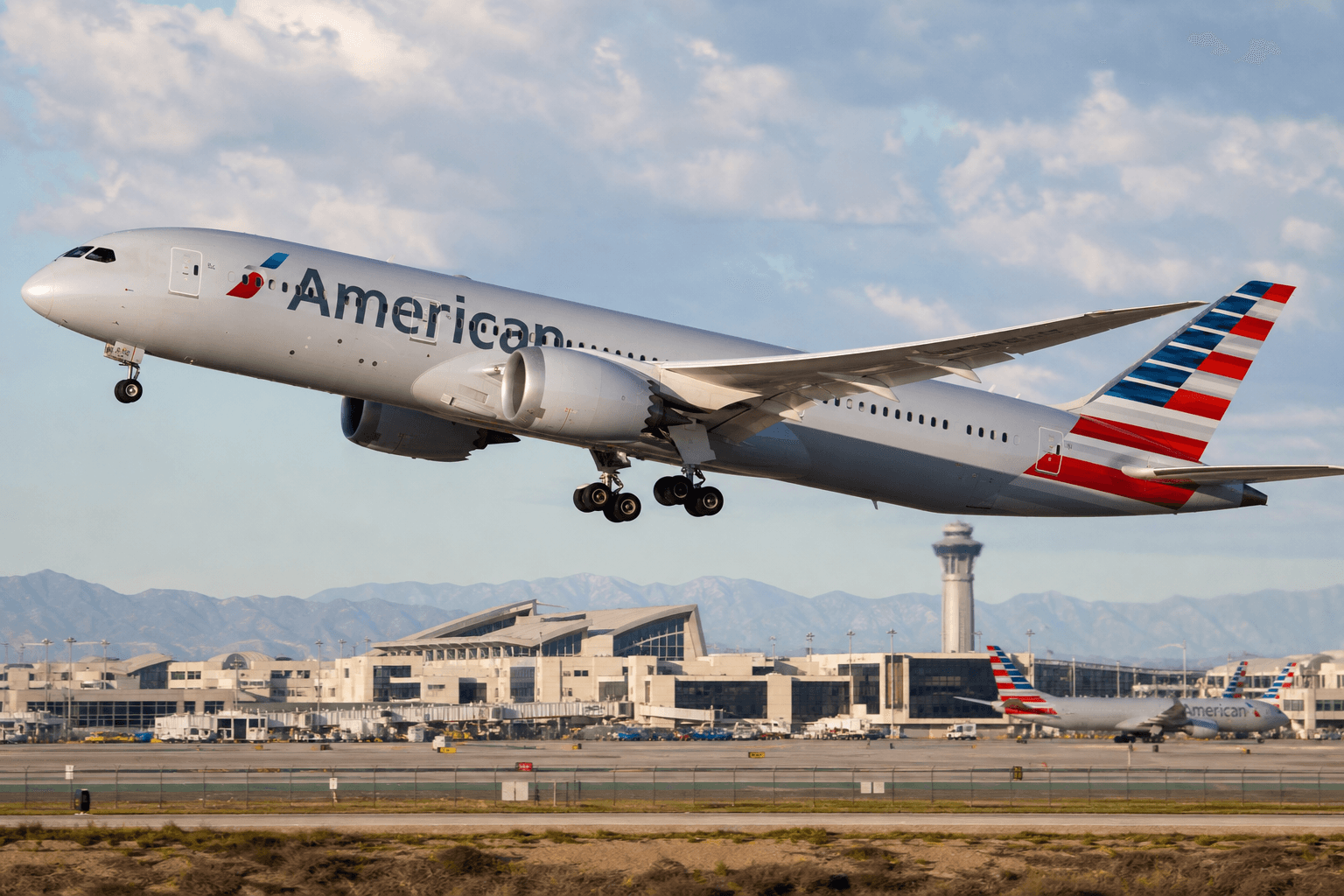
American Airlines to Retrofit Boeing 787-8s with New Flagship Suites, Expanding Premium Business Class
American Airlines is planning to retrofit existing Boeing 787-8 aircraft with new Flagship Suites. Right now, they have fantastic business class seats, but they have too much variability in their widebody premium product. The 787-8s don't have enough premium seats, and they have an older business class product, but the airline had been silent about plans for the aircraft until now.
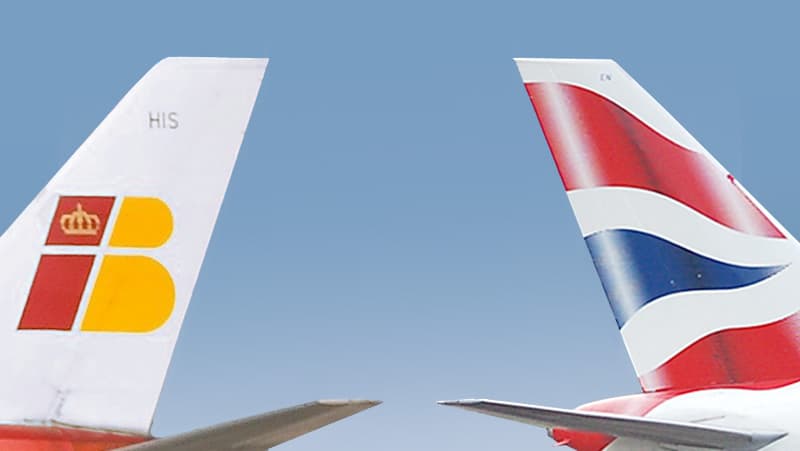
Cathay Pacific Adds Latin America Destinations via Iberia Codeshares through Madrid
Cathay Pacific is boosting its connections to Latin America. The airline has added new codeshare flights with Iberia to four exciting destinations via Madrid. This move gives travellers more options and strengthens Hong Kong’s links to an emerging market. ezstandalone.cmd.push(function () { ezstandalone.showAds(119); }); Effective from late October 2026, passengers can book seamless journeys to Fortaleza and Recife in Brazil, Buenos Aires in Argentina, and Santo Domingo in the Dominican Republic. Argentina and the Dominican Republic join Cathay’s codeshare network for the first time. The expansion builds on existing codeshare services to six destinations across Brazil, Mexico, Peru, and Chile. ezstandalone.cmd.push(function () { ezstandalone.showAds(127); }); Growing Demand and Strategic Importance Latin America represents a dynamic growth region. Many countries participate in China’s Belt and Road Initiative, creating new business and leisure opportunities. Cathay Pacific already operates close to 600 weekly flights to 33 Belt and Road destinations, with more added through partners. The new routes enhance oneworld alliance cooperation. Travellers from Hong Kong and across Asia can now reach these vibrant cities with single-ticket convenience and through-checked baggage. ezstandalone.cmd.push(function () { ezstandalone.showAds(128); }); Popular spots like Buenos Aires offer rich culture and tango heritage, while Caribbean gateway Santo Domingo appeals to sun-seekers. Brazil’s northeastern cities Fortaleza and Recife attract beach lovers and adventure tourists. Photo Credit: Iberia Cathay Chief Customer and Commercial Officer Lavinia Lau highlighted the significance. “We are delighted to welcome these new destinations in Latin America to our codeshare network.” ezstandalone.cmd.push(function () { ezstandalone.showAds(129); }); “Furthermore, by increasing our Madrid service to daily, we are reinforcing our position as the only airline offering non-stop connectivity between Hong Kong and Spain.” “These enhancements underscore our commitment to strengthening connectivity between Asia and markets around the world, offering passengers greater choice and convenience, and enhancing Hong Kong’s status as one of the world’s leading international aviation hubs.” Daily Hong Kong–Madrid Flights from October 2026 To support the expanded Latin America network, Cathay Pacific will increase its non-stop Hong Kong to Madrid service to daily frequency starting 25 October 2026. ezstandalone.cmd.push(function () { ezstandalone.showAds(130); }); The airline currently runs four flights per week on this route, which launched in 2016. The additional three weekly flights will provide more flexibility, including convenient late-night departures from Europe. Here is the updated schedule (all times local, subject to change): CX297: Hong Kong (12:40) – Madrid (20:30) on Monday, Thursday, Saturday CX315: Hong Kong (00:40) – Madrid (08:30) on Tuesday, Wednesday, Friday, Sunday CX298: Madrid (22:30) – Hong Kong (18:15+1) on Monday, Thursday, Saturday CX372: Madrid (11:25) – Hong Kong (06:50+1) on Tuesday, Wednesday, Friday, Sunday ezstandalone.cmd.push(function () { ezstandalone.showAds(131); }); This daily service positions Hong Kong as a premier gateway. It also complements Cathay’s seasonal Barcelona flights, further expanding Spain access for Asian travellers. Photo Credit: Cathay pacific Benefits for Travellers The expansion delivers clear advantages: Seamless connections: Book the entire journey on cathaypacific.com with consistent service standards. More choices: Additional flight timings suit different travel needs and time zones. Alliance perks: oneworld benefits like lounge access and tier status recognition apply where eligible. Growing network: Strengthens Hong Kong’s role as an international aviation hub connecting Asia with Latin America. Business travellers gain better access to emerging markets for trade and investment. Leisure passengers enjoy easier trips to iconic destinations across South and Central America. ezstandalone.cmd.push(function () { ezstandalone.showAds(132); }); Conclusion Cathay Pacific continues investing in network growth post-pandemic. By deepening ties with Iberia and increasing core routes like Madrid, the airline responds to rising demand for long-haul travel between Asia and Latin America. This development marks another step in Cathay’s strategy to offer truly global reach while reinforcing Hong Kong’s position as a super-connector in international aviation. Travellers planning trips to Latin America should check the latest schedules and book early to secure the best fares and seats. ezstandalone.cmd.push(function () { ezstandalone.showAds(133); });
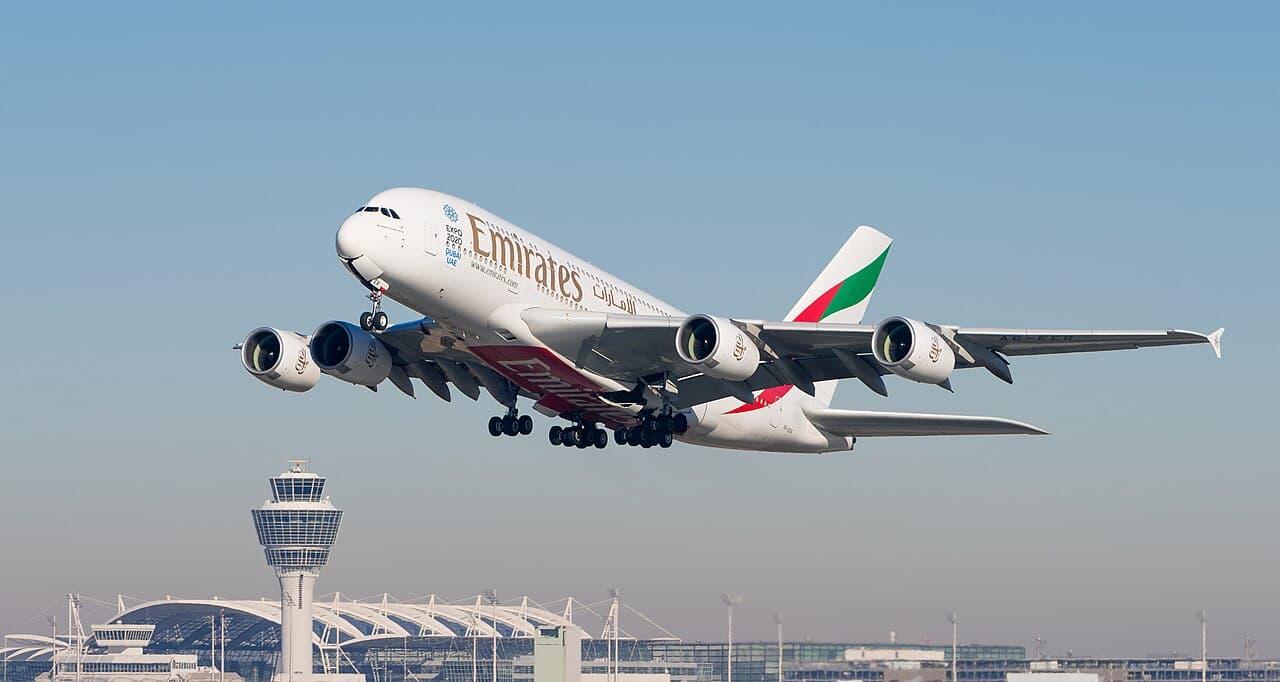
Senior Flight Attendants at US Carriers Surpass $100K Annually with New Pay Deals
Flight Attendant pay in 2026 varies widely by rank, seniority, the region, and carrier, but the top of the ladder is where the real money is. At major US airlines, entry-level cabin crew typically start around $25–$40 per hour, while senior international flight attendants can push base earnings toward $90,000 and beyond once premiums, per diems, and international layover pay are factored in. Seniority is key at all airlines, which usually sees an annual increase in salary and more pay as crew move up the ranks.
The Daily Touch & Go
The day's best aviation news in your inbox. Free, no spam.