

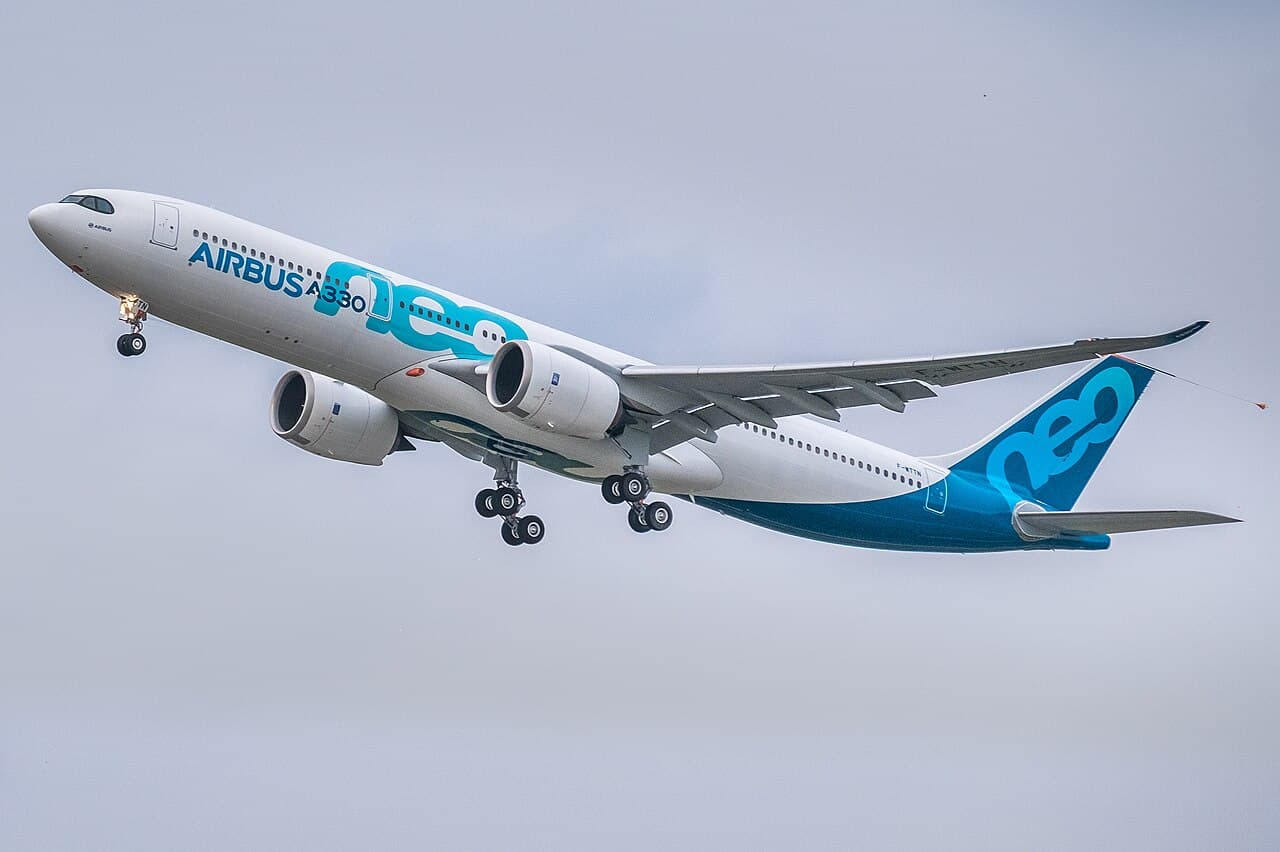
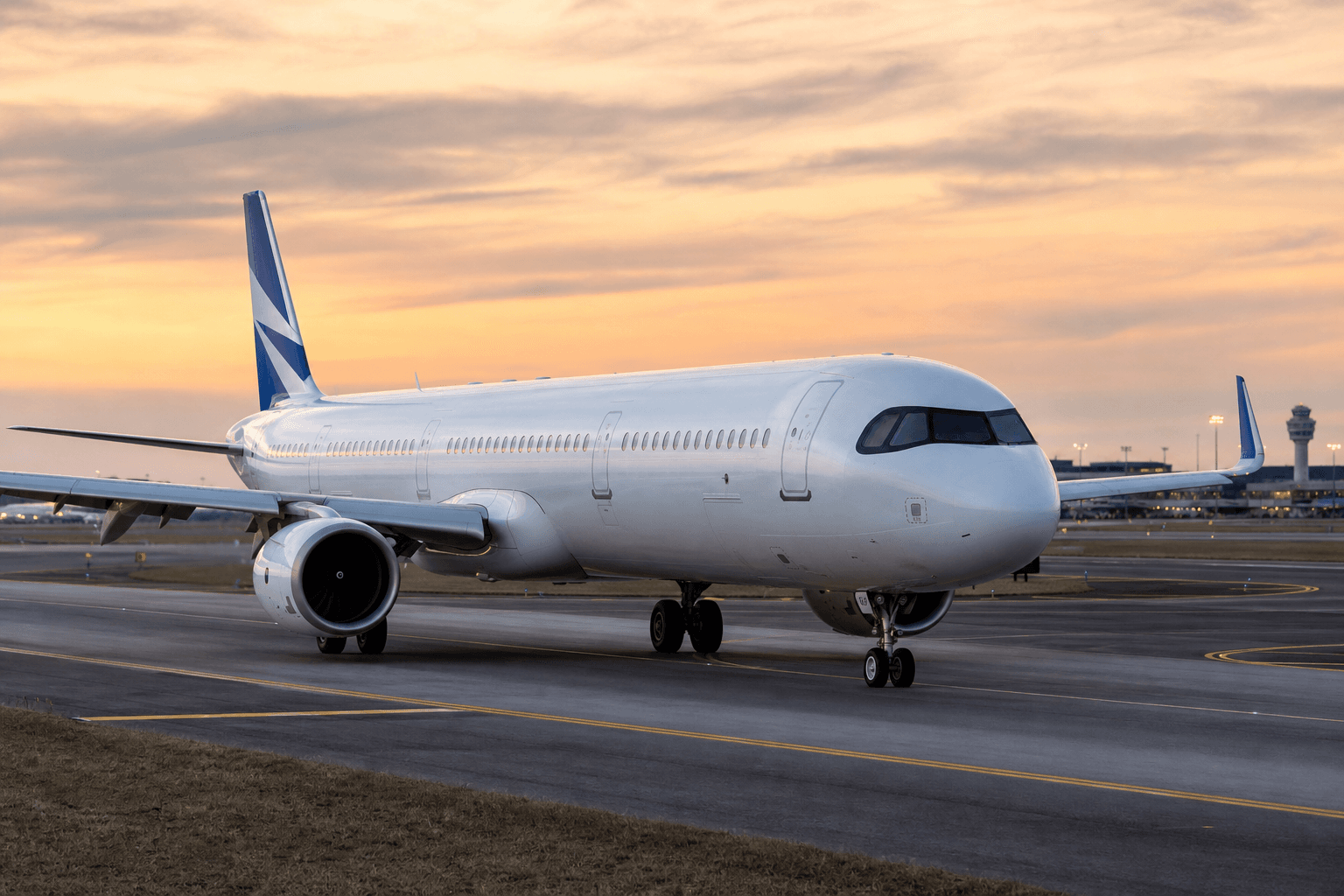
Image: Alex Cheban · CC BY-SA 4.0 · via Wikimedia Commons
flynas expands Airbus fleet with 25 new A330-900 and A321neo jets
Saudi low-cost carrier flynas confirms order for five A330-900 widebodies and 20 A321neos, boosting fleet and supporting national growth targets.
The gist
flynas orders 25 new Airbus jets to grow its all-Airbus fleet and enhance Saudi Arabia travel connectivity.
Continuing coverage
All Airbus →- Airbus A350-1000ULR embarks on nonstop Toulouse to Melbourne test flight
- Airbus to upgrade A321neo with A321XLR wing design and single-slotted flaps
- Lufthansa debuts its first Airbus A350-1000 adorned with centennial anniversary livery
- Airbus Drives A220 Growth With Production Ramp-Up and Global Footprint Expansion
- Lufthansa Readies First Airbus A350-1000 in Special 100th Anniversary Livery
flynas, Saudi Arabia's prominent low-cost airline, has secured a major aircraft acquisition deal to expand its fleet with Airbus. The airline firmed up an order for five additional A330-900 widebody aircraft alongside 20 more A321neo narrowbodies. This announcement, timed with the 2026 Farnborough Airshow, marks a significant step in flynas’ fleet expansion strategy and its continued preference for Airbus products.
This purchase raises flynas’ total A330neo orders to 20 aircraft and its A321neo commitments to 56 jets. Overall, the airline now holds firm orders for 235 Airbus planes from a broader backlog of 280. This all-Airbus fleet strategy consolidates operational efficiency, training commonality, and maintenance simplicity, supporting flynas’ extensive network growth ambitions across Saudi Arabia and beyond.
Currently, flynas operates 67 Airbus aircraft, including two A330-300s, four A320ceos, and 61 A320neos, serviced from six bases throughout the Kingdom. The infusion of the new aircraft will enhance flynas Syria operations and facilitate expansions into untapped domestic routes along with regional and long-haul services. The fleet addition aligns with increased demand for air travel linked to Saudi Arabia’s economic diversification and tourism initiatives.
Bander Almohanna, flynas CEO and Managing Director, emphasized the order’s strategic role in enabling sustainable fleet growth. He highlighted that the new aircraft will improve the airline’s market access and reinforce its contribution to positioning Saudi Arabia as a major travel and tourism hub, dovetailing with national events such as Expo 2030 and FIFA World Cup 2034.
The aircraft’s operational benefits also resonate with flynas’ low-cost carrier model. The A321neo offers extended range and improved fuel efficiency, cutting fuel consumption and carbon emissions by at least 20% relative to earlier models. Meanwhile, the A330-900, powered by Rolls-Royce Trent 7000 engines, is capable of nonstop flights of up to 8,100 nautical miles while lowering fuel burn and emissions by approximately 25%.
These advancements enhance flynas' ability to serve a wide range of routes cost-effectively and sustainably. Passengers stand to benefit from increased comfort on longer sectors, a factor that supports the airline’s premium offering on widebody services.
Airbus Executive Vice President Benoît de Saint-Exupéry welcomed the confirmation, citing the ongoing appeal of Airbus’ newest generation aircraft for the Saudi market. He noted the efficiency, performance, and passenger comfort delivered by the A321neo and A330neo, underscoring Airbus’ role in facilitating Saudi Arabia’s ambitious aviation expansion.
Saudi Arabia’s aviation sector is undergoing rapid growth, driven by rising tourism and the government’s Vision 2030 economic transformation program. flynas’ commitment to an all-Airbus fleet enhances operational reliability and cost management, positioning the airline well to capitalize on increasing passenger volumes and expanding route opportunities.
This firm order conversion illustrates confidence in both the aircraft types and the regional market outlook. With a modern, fuel-efficient fleet, flynas aims to maintain affordable fares and dependable service as it takes on a central role in facilitating intra-Kingdom connectivity and international travel growth.
Frequently asked questions
- How many Airbus aircraft has flynas ordered in total with this firm deal?
- With the addition of five A330-900 and twenty A321neo planes, flynas has firm orders for 235 Airbus aircraft out of 280 total in its orderbook.
- What operational benefits do the new A321neo and A330-900 aircraft bring to flynas?
- The A321neo offers at least 20% lower fuel consumption and emissions than earlier models, suitable for regional routes, while the A330-900 provides up to 8,100 nautical miles range with about 25% lower fuel burn, enhancing long-haul capabilities and passenger comfort.
- How does this Airbus order support Saudi Arabia's broader national goals?
- The fleet expansion supports key objectives like the Pilgrim Experience Program, Expo 2030, and FIFA World Cup 2034, contributing to Saudi Arabia's Vision 2030 economic transformation by facilitating tourism and global connectivity.
Read more
All MRO/Maintenance →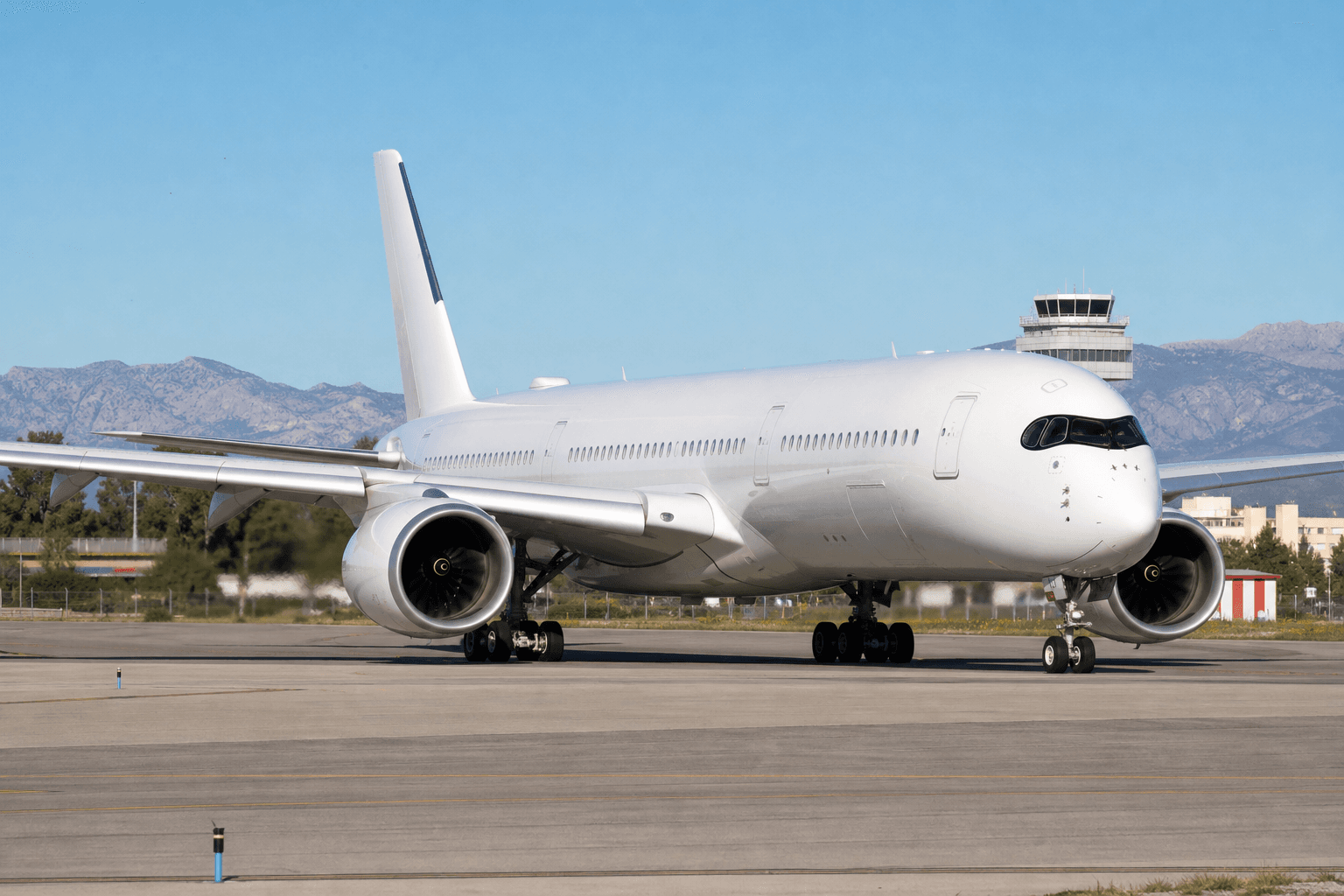
Air Europa to Receive First Airbus A350-900 in 2028 amid Strategic Overhaul
Spanish carrier is "optimistic" about this year after increasing 2025 profits by one-third. Air Europa expects to take delivery of its first Airbus A350-900 in 2028 and has embarked on a new strategic plan to achieve a "major structural and operational transformation" over the next two years. The Spanish carrier, which increased its full-year pre-tax profit by one-third to €155 million ($176 million) in 2025, says its new '+Air 28' plan will focus on operational efficiency, profitability and data-driven decision-making. As part of the plan, the carrier will launch a new maintenance division – Air Europa Technics – which will provide MRO services for its own aircraft and to third-party operators. Air Europa says it will adapt its maintenance capabilities to service the A350-900, ahead of incorporating the type into its currently all-Boeing fleet. It operates more than 60 aircraft, comprising 787-8s and -9s as well as 737s, and is in the process of adding 737 Max 8s as well . The carrier firmed an order with Airbus for up to 40 A350-900s at the beginning of this year. Air Europa confirms to FlightGlobal that the airline will take delivery of its first A350 at some point in 2028. Air Europa says it is "optimistic" about the remainder of 2026, despite "global instability surrounding the fuel market". Operating revenue in the first four months of the year was 9.2% higher than in the same period in 2025. The airline aims to increase its full-year pre-tax profit by 28% in 2026, it says. Full-year revenue in 2025 was 7.3% higher than the previous year, at €3.1 billion. Earnings before interest, taxes, depreciation and amortisation (EBITDA) increased by 14%, to €235 million. Passenger numbers were up 2.6% on a 1.5% increase in capacity, leading to a slight increase in load factor to 84.4%. "The continuous expansion and renewal of our fleet, together with structural improvements and operational efficiency, are the pillars on which we will continue to grow and demonstrate the strategic role we play, especially in Europe and Latin America," says Air Europa president Juan Jose Hidalgo. The airline’s chief executive, Richard Clark, adds: “The 2025 results are, once again, the outcome of the joint collaboration of all the professionals at this company. This effort does not stop, and it is the key to continuing our international expansion, as reflected in the opening of new routes, both domestic and international.” Air Europa’s recently-opened routes include Oviedo and Seville in Spain, Geneva in Switzerland and Johannesburg in South Africa. Star Alliance carrier Turkish Airlines is in the process of acquiring a 25-27% stake in Air Europa , which is a SkyTeam member. British Airways parent IAG is also a 20% shareholder in Air Europa, which is majority-owned by Globalia.
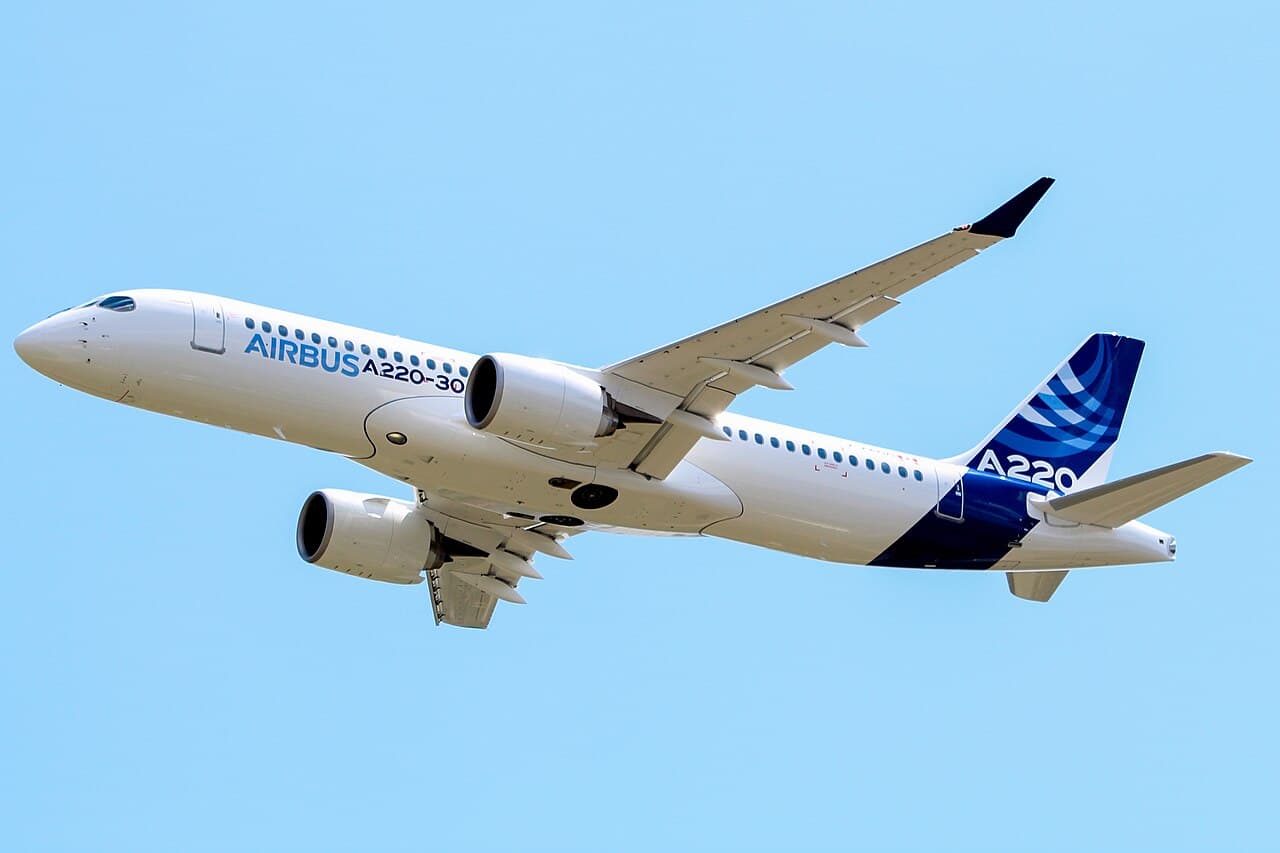
airBaltic Reports Record Passenger Numbers and Fleet Growth in First Half of 2026
Latvian national carrier airBaltic continues to demonstrate solid operational momentum, carrying 509,700 passengers across its network in June 2026. This figure marks a 2% increase compared to the same month in 2025. ezstandalone.cmd.push(function () { ezstandalone.showAds(119); }); The airline also operated 4,535 flights during the period, reflecting a healthy 6.2% year-on-year rise. Despite the passenger growth, the load factor for June stood at 81.9%, a 2.2 percentage point decline from the previous year. ezstandalone.cmd.push(function () { ezstandalone.showAds(127); }); This dip primarily resulted from expanded capacity, as the airline deployed more flights and seats to meet anticipated demand and strengthen its network. Record First-Half Performance The positive trend extended across the first six months of 2026. airBaltic transported a total of 2,454,900 passengers, achieving a 3.9% increase over the same period in 2025. ezstandalone.cmd.push(function () { ezstandalone.showAds(128); }); This represents the highest passenger volume ever recorded for the January-to-June timeframe. In parallel, the airline conducted 23,634 flights, up 5% year-on-year. These results highlight airBaltic’s successful recovery and expansion efforts. The airline has benefited significantly from improved fleet availability. ezstandalone.cmd.push(function () { ezstandalone.showAds(129); }); After resolving previous Pratt & Whitney engine-related challenges that grounded aircraft in prior periods, airBaltic now operates its full fleet of Airbus A220-300 jets without major limitations. This has enabled greater operational stability, higher capacity (measured in available seat kilometres), and the ability to run more reliable schedules. By mid-2026, the fleet has grown to around 55 A220-300 aircraft, supporting both scheduled network operations and ACMI (Aircraft, Crew, Maintenance, and Insurance) activities. The modern, fuel-efficient A220 fleet contributes to better cost management and an enhanced passenger experience, known for its comfort, quiet cabin, and large windows. ezstandalone.cmd.push(function () { ezstandalone.showAds(130); }); Photo Credit: airBaltic Expanding Connectivity and Customer Focus airBaltic plays a vital role in connecting the Baltic States (Latvia, Estonia, and Lithuania) to more than 80 destinations across Europe, the Middle East, North Africa, and the Caucasus region. Its extensive network makes travel more accessible and convenient for leisure and business passengers alike. Recent initiatives underscore this commitment. The airline has extended several routes into the winter season, such as Tallinn–Vienna and Vilnius–Berlin, turning them into year-round connections. It is also adding new routes for the 2026/2027 winter period, including services from holiday destinations like Gran Canaria and Tenerife to various European cities. ezstandalone.cmd.push(function () { ezstandalone.showAds(131); }); Customer satisfaction remains high. In its latest survey, airBaltic achieved a 97% overall satisfaction rate and saw its Net Promoter Score rise to +36. Strong scores for crew professionalism, onboard comfort, and service quality reflect the airline’s focus on delivering a premium experience even in a competitive market. Supporting Regional Growth As a key economic driver, airBaltic facilitates tourism, business travel, and trade links that boost the broader Baltic economy. Its operations create jobs, stimulate inbound tourism, and provide essential connectivity for the region’s residents and visitors. ezstandalone.cmd.push(function () { ezstandalone.showAds(132); }); While the aviation industry faces challenges such as fluctuating fuel prices and economic pressures, airBaltic’s traffic figures for mid-2026 signal resilience. With full fleet utilization, network expansion, and a customer-centric approach, the airline is well-positioned to build on this momentum in the coming months.
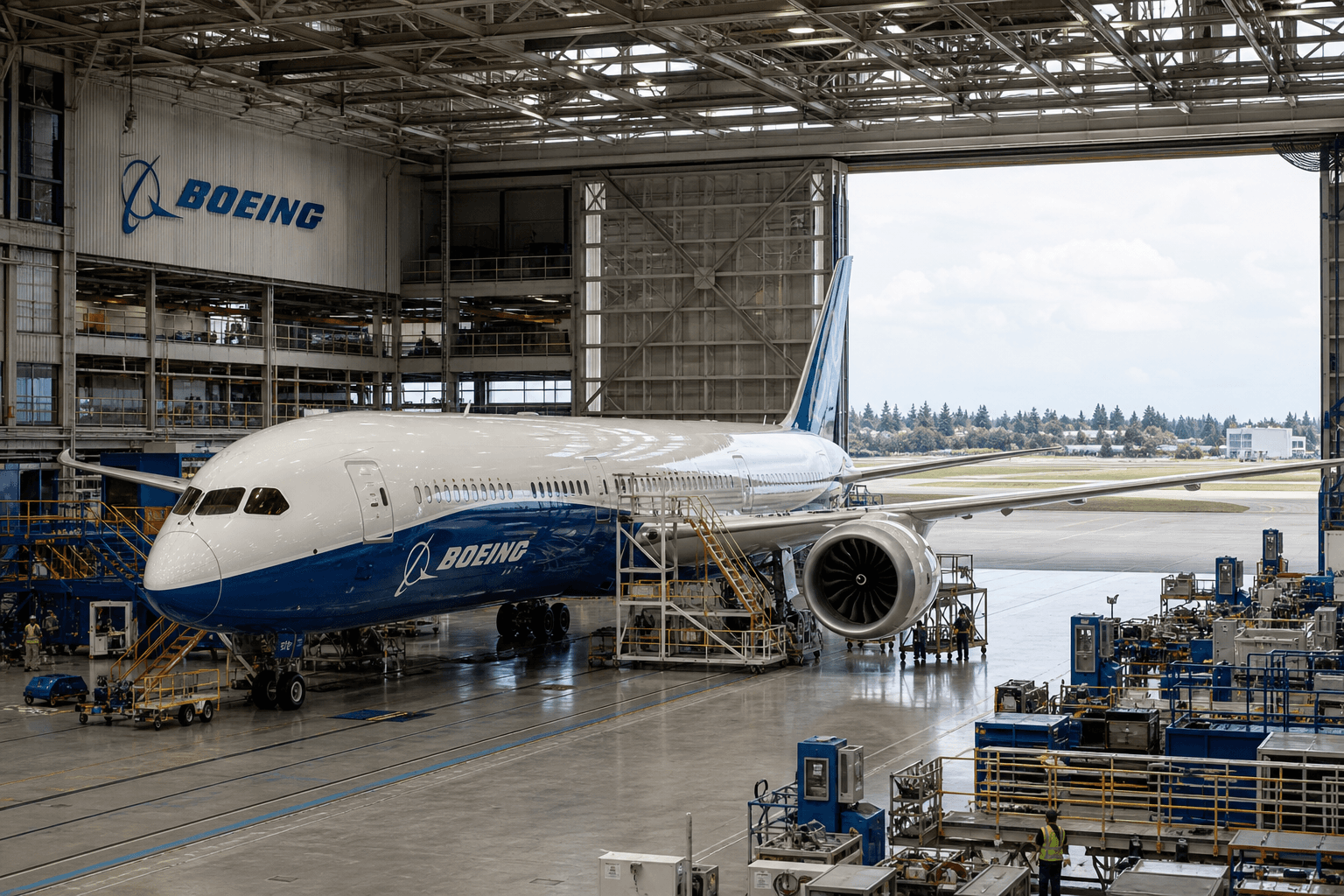
Boeing Forecasts Nearly $5 Trillion Market for Aviation Services and 2.4 Million Jobs by 2045
Boeing has released its latest 20-year outlook, forecasting a massive $4.9 trillion market for commercial aviation support and services through 2045. ezstandalone.cmd.push(function () { ezstandalone.showAds(119); }); The company also projects strong demand for more than 2.4 million new aviation professionals worldwide. This positive outlook highlights the industry’s resilience and long-term growth potential despite current challenges. The forecasts come from Boeing’s 2026 Services Market Outlook and Pilot & Technician Outlook. They show sustained expansion in commercial aviation, with air traffic and demand expected to double over the next two decades. ezstandalone.cmd.push(function () { ezstandalone.showAds(127); }); Near-term supply chain and production issues are not expected to derail this long-term trajectory. Key Trends Driving the Services Several important factors will shape the future of aviation services: ezstandalone.cmd.push(function () { ezstandalone.showAds(128); }); Aircraft lifecycle management and efficiency initiatives Digitalization and data-driven services as fleets become smarter Geographic shifts in where services are needed most Workforce transformation to meet evolving demands Rising retirements that increase the need for new talent “As we look toward the future, we see strong demand for services across the portfolio, new opportunities as fleets become more digitally enabled and a growing need for a skilled workforce,” said Chris Raymond, president and CEO of Boeing Global Services . ezstandalone.cmd.push(function () { ezstandalone.showAds(129); }); Boeing expects digital solutions, maintenance, repair, overhaul, parts supply, and training to drive much of this growth. Airlines and operators will focus on keeping aircraft flying safely, efficiently, and sustainably while adopting new technologies. A rendering of Boeing’s Second 787 Final Assembly Building when complete (Credit: Boeing) Massive Workforce Demand Ahead Fleet growth and retirements will create significant job opportunities. Boeing’s outlook projects a global need for approximately: 674,000 new pilots 728,000 maintenance technicians 1,023,000 cabin crew members ezstandalone.cmd.push(function () { ezstandalone.showAds(130); }); This totals more than 2.4 million new aviation professionals through 2045. About two-thirds of these positions will replace retiring workers, while one-third will support expanding fleets. The industry is turning to innovative training methods to address these shortages. Competency-based training, immersive technologies, and advanced simulation tools will help develop skilled personnel faster and more effectively. “Our industry will keep the expanding global fleet flying safely and efficiently by investing in workforce development worldwide,” said Chris Broom, Vice President of Commercial Training Solutions at Boeing Global Services . “Immersive technologies will enhance training and support the highest quality aviation standards.” ezstandalone.cmd.push(function () { ezstandalone.showAds(131); }); Photo Credit: Boeing Regional Opportunities Vary Widely Demand will not be uniform across the globe. Eurasia leads with $1.185 trillion in services and support demand and 571,000 new personnel. China follows closely at $875 billion and 425,000 workers. North America is projected to need $995 billion in services and 438,000 new professionals. Other notable regions include: Southeast Asia: $425 billion, 258,000 personnel Middle East: $475 billion, 236,000 personnel Latin America: $260 billion, 136,000 personnel Africa: $140 billion, 75,000 personnel These figures reflect shifting economic power, growing middle classes in emerging markets, and varying fleet ages and growth rates. ezstandalone.cmd.push(function () { ezstandalone.showAds(132); }); Photo Credit: Boeing Challenges and Opportunities The industry faces real constraints in production, supply chains, and workforce availability. However, Boeing views these as areas for investment and innovation. Digital modernization, sustainability efforts, and improved training will help overcome barriers and unlock new value. The aviation services sector offers stable, long-term opportunities compared to the more cyclical aircraft manufacturing market. As fleets grow and age, the need for ongoing support creates recurring revenue streams for service providers, airlines, and training organizations. This outlook signals confidence in aviation’s future. Strong passenger demand, technological progress, and global economic expansion should drive the industry forward, creating trillions in economic activity and millions of skilled jobs worldwide. ezstandalone.cmd.push(function () { ezstandalone.showAds(133); }); For aviation professionals, students considering careers in the field, and businesses in the supply chain, Boeing’s forecasts point to a bright horizon filled with opportunity. Success will depend on proactive investment in people, technology, and sustainable practices.
American Airlines Begins Unlocking A321XLR Business Class Suite Doors After FAA Approval
In late 2025, we saw American Airlines start to take delivery of Airbus A321XLRs , the carrier's new long range, narrow body planes (though they're initially being used primarily for premium transcontinental flights). These planes have new business class seats , and one of the features was supposed to be that they feature privacy doors. Initially the airline wasn't actually allowed to use those doors, though that's now changing. However, it's only happening over a few months. American gets A321XLR business class doors certified Aircraft seat certification is a real pain nowadays for airlines, and can greatly delay new aircraft. In the case of American's new A321XLR business class seats, they fortunately got certified pretty quickly… for the most part. The catch is that the seats have privacy doors, but up until now, they've been locked, and couldn't be used by passengers. American's A321XLRs have new business class seats That has now finally changed. As reported by JonNYC , the Federal Aviation Administration (FAA) has finally certified the doors for use, meaning these can now be opened and closed. However, the business class doors on all planes won't be unlocked overnight. Instead, the doors are initially being unlocked on one plane, with the registration code N302NY , which is also the most recent A321XLR that the airline took delivery of. Then over the coming weeks ("through the fall") the remaining planes will also have these suite doors unlocked, but with a phased approach. American notes how tech ops has to activate the doors. slight difference in statement on dates: pic.twitter.com/x7CQsxZI2p — JonNYC (@xJonNYC) July 18, 2026 Ultimately doors at business class seats aren't some sort of a game changer, though if the planes have them installed, then it's of course nice to have the option of using them. It's perhaps interesting to note that FAA requirements require more flight attendants when planes have suites with doors. You need one flight attendant for every 50 passengers (or fraction thereof), and then an additional flight attendant if there are doors. So since these planes are equipped with 155 seats and suites have doors, they require five flight attendants. Then again, that's the minimum number of flight attendants with which American staffs these flights anyway. I'm curious why the door activation takes so long American only has six A321XLRs, so I'm curious, does anyone have any theories as to why it's taking months to unlock these doors? The doors are physically on the planes, so my assumption was just that the "key" to unlock the doors wasn't being given to crews, to ensure that they weren't accidentally used. Is there more to this, and why is tech ops required to get involved? Like, how heavy is the maintenance required to complete this project? Or even with the FAA certifying the seats, is there some additional work required with each plane? American has actually had pretty good luck with seat certification, all things considered. United still doesn't have its new Dreamliner business class seat doors certified, while Delta seemingly can't get its new A321neo seats certified , to the point that the airline is likely ditching its seat manufacturer . American is only progressively unlocking business class suite doors Bottom line The FAA has finally certified American's new A321XLR business class suite doors. Up until now, these doors have been locked due to lack of certification, but that has finally changed. However, don't expect them to be in use across the fleet effective immediately. While one plane now has the doors unlocked (and it should start flying passengers today), the other planes will only be activated in phases, "through the fall."
The Daily Touch & Go
The day's best aviation news in your inbox. Free, no spam.