

Image: Julian Herzog ( Website ) · CC BY 4.0 · via Wikimedia Commons
Easter Island's Remote Mataveri Airport Enables Airbus A350 South Pacific Flight Safety
Mataveri International Airport on Easter Island serves as the crucial diversion airport enabling safe trans-Pacific flights between South America and Oceania.
The gist
Easter Island’s Mataveri Airport is vital as the only diversion point for trans-Pacific Airbus A350 flights.
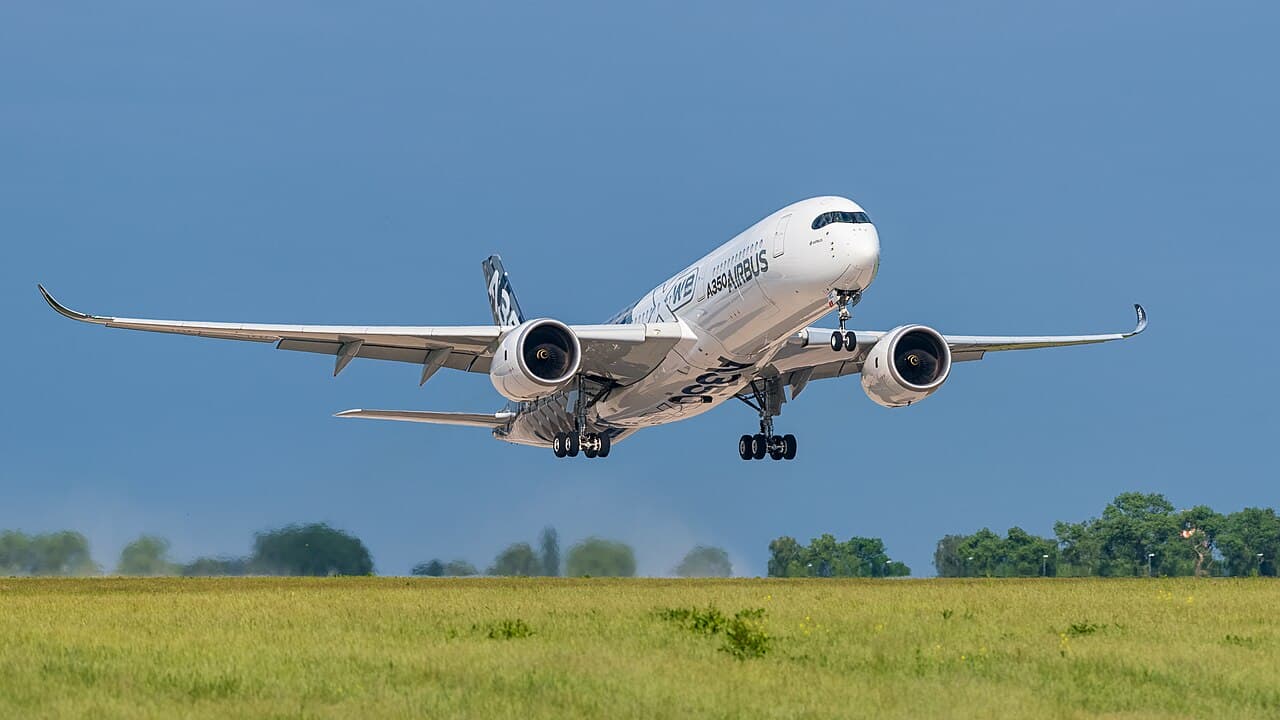
Mataveri International Airport (IPC) on Easter Island is a pivotal facility that makes extended South Pacific crossings by aircraft like the Airbus A350-900 possible. Located roughly halfway between Santiago, Chile, and Tahiti, this small island airport is the only viable alternate landing site in an area notable for its vast expanse of lonely airspace across the South Pacific. The existence of such a diversion airport underpins the safety and operation of long-haul twinjet flights traversing this isolated air corridor.
This essential role comes into focus especially with the Airbus A350-900’s record-setting Extended-range Twin-engine Operational Performance Standards (ETOPS) rating of 370 minutes, which is the longest for any commercial jet. While Boeing 787 Dreamliners have traditionally operated trans-South Pacific routes utilizing Mataveri as a lifeline, the newer A350 stands to continue and potentially expand safe operations on these routes, all contingent on the airport’s ongoing availability and operational reliability.
Mataveri Airport is located on Easter Island, about 1,617 miles east of Totegegie Airport in French Polynesia, making it the world's most remote airport. Easter Island itself is famed for its nearly 1,000 monumental moai statues constructed by the early Rapa Nui people, a treasure that earned the island UNESCO World Heritage status. The island's population is approximately 7,750, nearly half identifying as Rapa Nui, a remote Chilean territory annexed since the late 19th century.
The airport features a 10,800-foot runway capable of handling widebody aircraft and was originally built with strategic considerations, including use as a potential abort site for the US Space Shuttle during its planning for polar orbit launches. This long runway and robust supporting facilities enable it to service the infrequent but operationally crucial flights from Santiago to Easter Island primarily flown by LATAM Chile. LATAM operates roughly 10 scheduled weekly flights linking Santiago and Mataveri, predominantly with Boeing 787 variants.
Air traffic control in the airspace surrounding Mataveri is notably restrictive; Chilean authorities permit only one aircraft within the zone at a time. Once a jet crosses the halfway point from South America toward Easter Island, no other planes may enter the airspace. This strict control is a safety precaution acknowledging the critical vulnerability posed by having only a single diversion airport for this vast region.
The trans-Pacific route between Australia (specifically Sydney) and Chile also depends on Mataveri, especially since Qantas resumed its Sydney-Santiago flights in 2022 using Boeing 787-9 aircraft. The roughly 13.5-hour nonstop crossing skirts near New Zealand and over isolated oceanic expanses. Prior to resumption, the route had been discontinued due to challenges with older aircraft types and operational constraints but now benefits from modern twinjet fuel efficiencies and ETOPS capabilities.
The reliance on Mataveri was underscored in June 2026 when LATAM’s Boeing 787 suffered damage at the airport after an airstairs vehicle sheared off one of the aircraft’s doors. This unexpected incident presented a complex logistical challenge due to the island's extreme remoteness and limited repair facilities. With no hangars suitable for widebodies, repairs had to be performed outdoors amid unfavourable environmental conditions, emphasizing the difficulties of maintaining operations in such a location.
Considering Mataveri’s importance and uniqueness highlights the challenges airlines face when serving remote destinations in vast oceanic regions. While the world has many isolated airports, Mataveri’s role as the solitary diversion airport between South America and Oceania places it at the center of efforts to keep vital trans-Pacific aviation links safe and reliable. Its continued operation remains critical to the viability of several major international routes.
For now, Mataveri continues to serve as a lifeline in an otherwise empty ocean for the Airbus A350 and other ETOPS-certified twinjets, enabling routes once considered risky or impossible. The island’s combination of geographic isolation, rich cultural heritage, and unique aviation role make it a remarkable outpost in global air transport. Maintaining its facilities and ensuring operational resilience will be paramount for the airlines and travelers depending on these extended South Pacific connections.
Frequently asked questions
- Why is Mataveri Airport important for flights between South America and Oceania?
- Mataveri Airport is the only diversion airport for trans-Pacific flights in the vast South Pacific expanse, making it essential for safety and ETOPS compliance on long-haul routes.
- Which aircraft types currently use routes relying on Mataveri Airport?
- Routes using Mataveri are primarily operated by Boeing 787 Dreamliners and are expected to include the Airbus A350 due to their long ETOPS certifications enabling such crossings.
- What challenges affect flight operations at Mataveri Airport?
- Mataveri’s remote location results in strict airspace management allowing only one aircraft at a time and presents repair challenges as the airport lacks hangar facilities for widebody aircraft.
Read more
All Regulatory →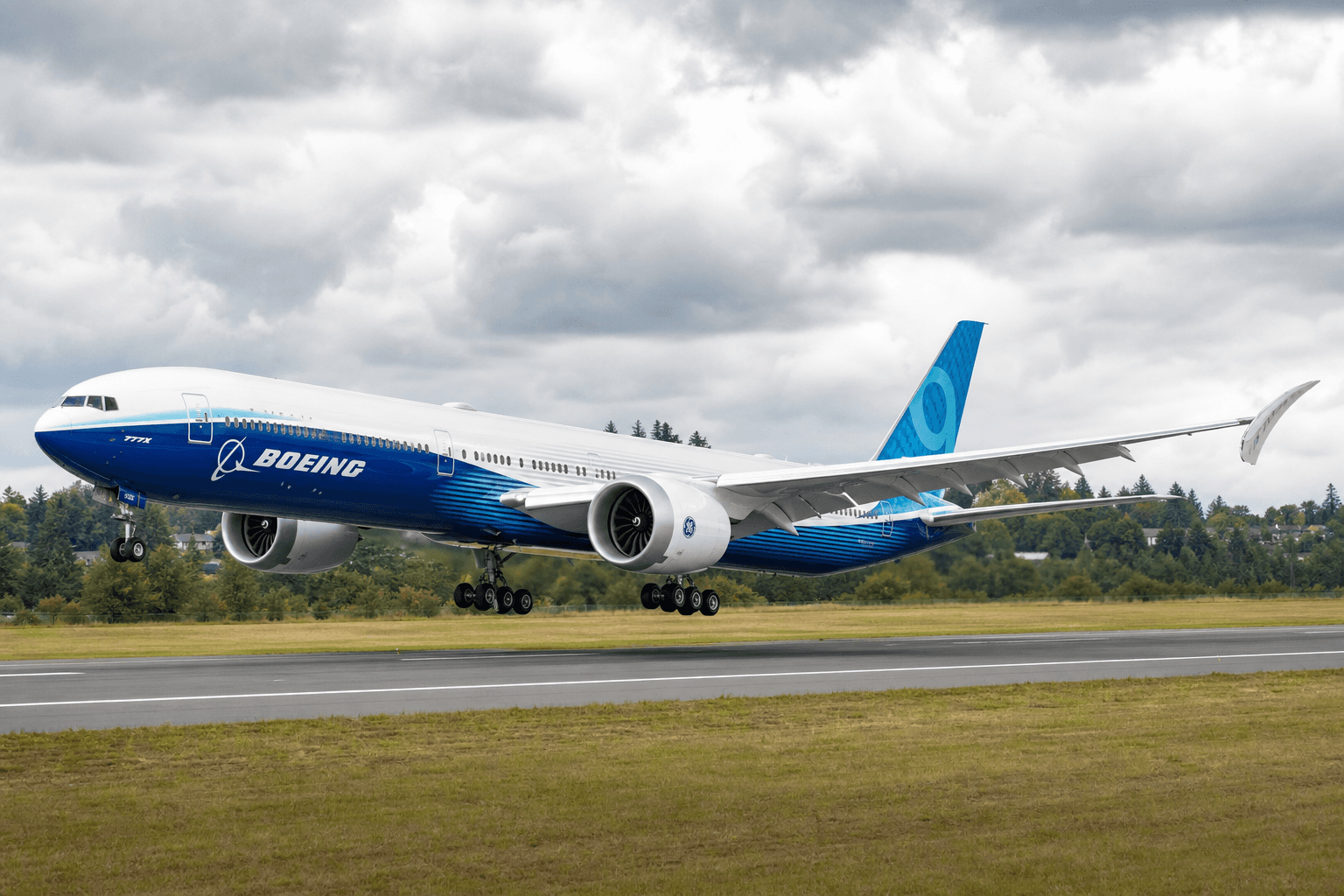
Boeing 777X Delays Cost Exceed Entire Airbus A350 Development
Few commercial aircraft programs have experienced a certification journey as prolonged as the Boeing 777X . Originally expected to enter airline service in 2020, the latest member of the 777 family is now scheduled to arrive in 2027, representing a delay of roughly seven years.
Delta to Launch Los Angeles-Manila Flights in March 2027 with Airbus A350
Historically, Delta Air Lines has shied away from ultra long haul flights, with a limited number of exceptions. However, that's slowly starting to change. Delta recently launched flights to Hong Kong (HKG) , and Riyadh (RUH) flights are expected soon as well. A few months back, Delta revealed in a regulatory filing that it plans to launch yet another route to Asia. Last week I wrote about how an announcement was imminent. Well, that has now been confirmed, as Delta has today unveiled details of its newest long haul route. Delta confirms March 2027 launch for flights to Manila Delta plans to launch nonstop flights between Los Angeles (LAX) and Manila (MNL) as of March 27, 2027. The flight will initially operate 3x weekly, before switching to daily as of June 7, 2027. Specifically, the flight is expected to operate with the following schedule: DL181 Los Angeles to Manila departing 11:50PM arriving 5:30AM (+2 days) DL180 Manila to Los Angeles departing 7:40AM arriving 6:05AM Delta plans to fly from Los Angeles to Manila The 7,305-mile flight will be operated by an Airbus A350-900, featuring the carrier's latest cabin products. The flight is blocked at 14hr40min westbound and 13hr25min eastbound. We've officially had a clue that this route would be added since October 2025, when a Delta executive revealed to employees internally that the airline plans to add flights to Singapore (SIN) and Manila (MNL). So while the Singapore service remains to be seen, the Manila flights are becoming a reality. LAX-MNL flights departing Manila at 7:40 A.M. will arrive in Los Angeles at 6:05 A.M. on the same day, while return flights will depart Los Angeles at 11:50 P.M. and arrive in Manila at 5:30 A.M. two days after departure. https://t.co/b37BKT8Dpm — JonNYC (@xJonNYC) July 17, 2026 I'm curious to see how Delta's Asia growth strategy plays out It's an interesting time for Delta when it comes to its Asia network: Historically, Delta's Asia network has been based so heavily around routing passengers through Seoul Incheon (ICN) with connections on joint venture partner Korean Air, which means Delta's actual list of nonstop Asia destinations has been very limited With Delta now taking delivery of a good number of long haul planes, including new "flagship" Airbus A350-1000 aircraft , the airline has big growth aspirations for the plane Delta's West Coast strategy has been a challenge — for a while we saw the airline growing in Seattle (SEA), setting that up as a transpacific gateway, but that airport is pretty maxed out in terms of capacity, and Delta is in the number two spot behind Alaska ; now we're seeing Delta try to grow greatly in Los Angeles (LAX) , which the airline sees as a "once in a generation" opportunity Los Angeles is probably the most competitive West Coast market among Asian carriers, and capacity is seemingly endless, and as a result, yields can be really rough; that's why none of the "big three" carriers have been able to achieve a dominant position at the airport I'm excited to see Delta's long haul network get more interesting, but there's no denying this strategy also faces some challenges. For one, US carriers have among the highest operating costs in the world for ultra long haul flights, given labor costs at US airlines. Beyond that, it's hard for Delta to be the leader across the Pacific, when they're competing against United, which not only has a very well established network, but also has a mega hub in San Francisco (SFO), which has a scale that Delta simply can't replicate in Los Angeles or Seattle. The Manila route specifically is also interesting, given that Philippine Airlines is joining the oneworld alliance , so might become a more competitive option for some. For that matter, the airline is also improving its passenger experience in premium cabins, with new planes and seats . United also added San Francisco to Manila flights in late 2023, though United is also a lot further along when it comes to the size of its Asia route network, and San Francisco is also a much bigger hub for the airline. So we'll see how this situation evolves. Admittedly airline economics have changed over the years, and routes no longer need to be wildly profitable directly, but instead, loyalty programs are also a big consideration. But still, I'm curious to see how this whole Asia network growth plays out for Delta. Can Delta make money flying from Los Angeles to Manila? Bottom line Delta plans to launch nonstop flights between Los Angeles and Manila as of late March 2027. The flight will initially operate 3x weekly, before moving to daily within a few weeks. Delta will use an Airbus A350 for the service, as it does for all of its Asia routes. Frankly, I'm excited to see Delta grow across the Pacific, given that United basically had Asia to itself among the "big three" US carriers, in terms of the size of its network. However, I'm just not convinced that Delta has a winning strategy here, at least in terms of this being profitable in the long run. What do you make of Delta's Manila plans?
Delta to launch first nonstop flights between Los Angeles and Manila in 2027
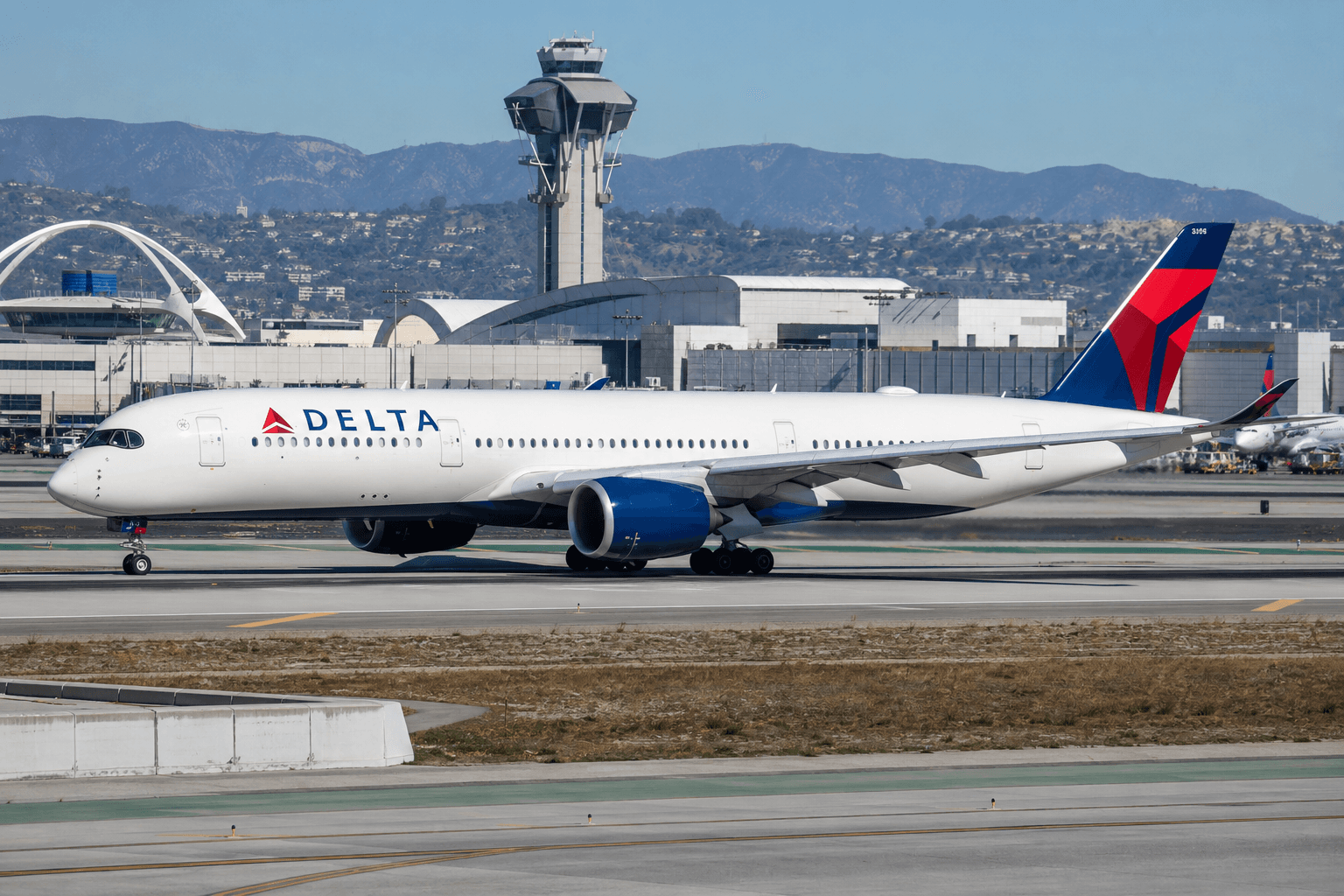
Delta Air Lines is set to launch its first-ever nonstop flights between Los Angeles and Manila, becoming the only US airline flying directly between the two cities when service begins March 28, 2027. That distinction puts Delta in direct competition with Philippine Airlines, the country's flag carrier and, until now, the only airline offering a direct connection between Los Angeles and Manila. United Airlines currently serves the route as well, but only by connecting passengers through San Francisco rather than flying nonstop. The route and the aircraft To start with, Delta will fly the route three times a week, departing Los Angeles on March 28, 2027 and Manila on March 30, 2027, before expanding to daily service on June 7, 2027. The flights will operate on Delta's Airbus A350-900, a twin-engine, wide-body jet configured with four cabins: Delta One, Delta Premium Select, Delta Comfort and Delta Main. Delta One, the airline's top business-class product, will come with flat-bed seating, sliding privacy doors and elevated dining. Passengers across all cabins will have access to seatback entertainment, plus free Wi-Fi for SkyMiles members. For Jeff Moomaw, Delta's Vice President for Asia Pacific, the new route gives the airline a chance to introduce more travelers in the Philippines to its premium service while extending its global network. "As we continue growing across the Asia Pacific region, Manila represents an exciting opportunity to introduce more travelers to Delta's premium experience while expanding access to our global network," he said. Part of a bigger push from LAX The Manila route builds on Delta's broader effort to establish Los Angeles as its main West Coast gateway for trans-Pacific travel, a shift away from its earlier reliance on Seattle for flights across the Pacific. Over the past year, Delta has added new LAX services to Hong Kong, Melbourne, and Chicago, brought back its Shanghai route, and announced upcoming flights to Vancouver and Newark. The airline also plans to lean into its joint venture with Korean Air, giving travelers the choice of flying nonstop with Delta or connecting through Seoul's Incheon Airport, where Korean Air already runs multiple daily flights to Manila. Regulatory groundwork Delta's plans for the Manila route surfaced earlier this year in filings with the US Department of Transportation. The airline asked regulators to hold off on approving Philippine Airlines' request to launch service to Chicago until the Philippine government confirmed that US carriers would get fair access to landing slots at Manila's Ninoy Aquino International Airport. Delta previously served Manila through connecting hubs in Tokyo and Seoul, before suspending that service in 2021. The airline's return to the market, this time with a direct route from one of its key US gateways, marks its most significant push yet into a corridor long dominated by the Philippines' own flag carrier. RELATED Philippine Airlines announces nonstop Chicago to Manila route starting November
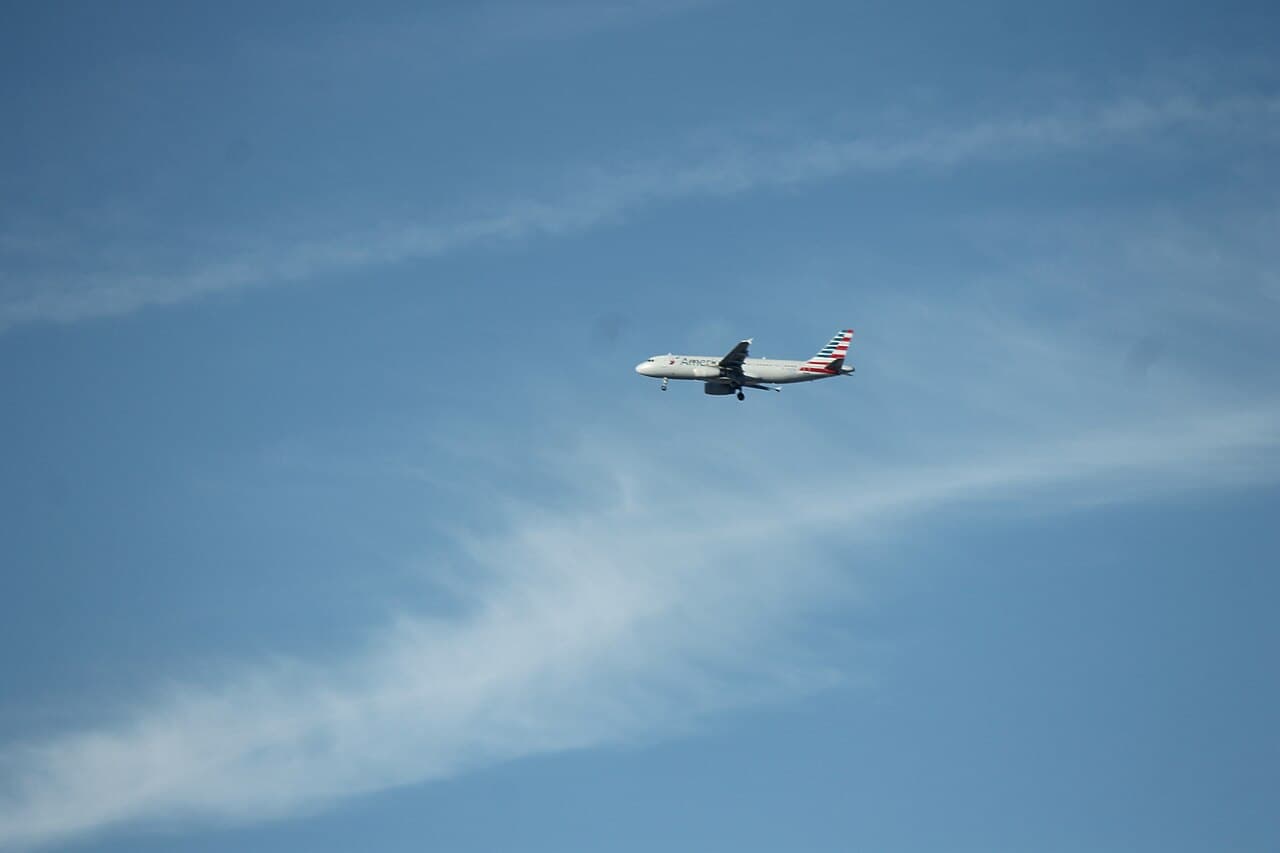
American Airlines Grounds All Departures Nationwide Due to IT System Outage During Northeast Storms
American Airlines briefly halted departures nationwide after a systemwide IT outage took down key operational systems, triggering an FAA ground stop for American and its subsidiaries. The systems came back, but for some flights the damage was done: the outage caused them to miss narrow departure windows between severe weather events, turning a short technology failure into cascading delays.
The Daily Touch & Go
The day's best aviation news in your inbox. Free, no spam.