

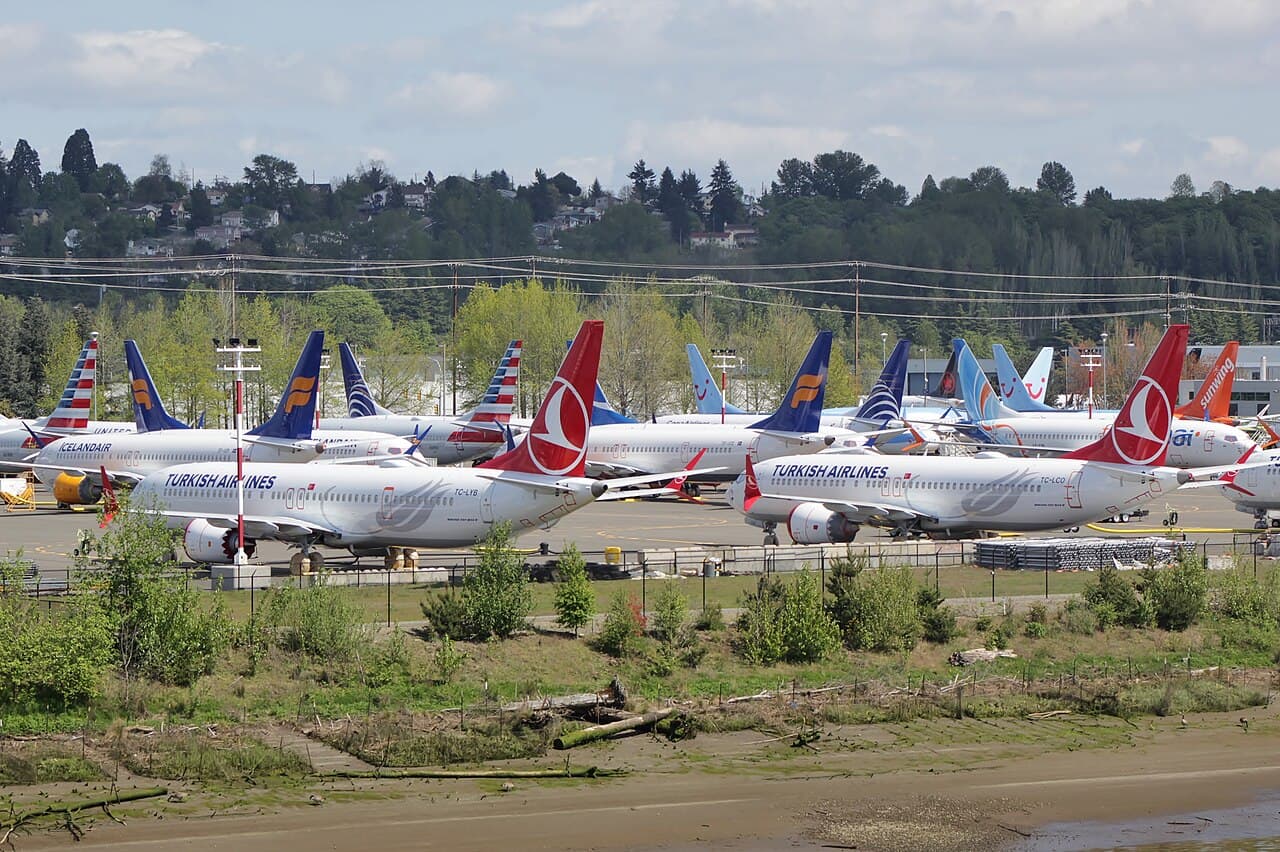
Image: SounderBruce · CC BY-SA 4.0 · via Wikimedia Commons
Boeing Completes Final 737 Max 10 Certification Flight Test Ahead of Year-End Approval
Boeing has finished the last scheduled 737 Max 10 certification flight test as it advances toward regulatory approval and deliveries planned for next year.
The gist
Boeing finalizes 737 Max 10 certification flights, aiming for FAA approval and delivery starts in 2027.
Continuing coverage
All Boeing →- Defunct Cameroon Airlines Sues Boeing for $179M Over 1995 737-200 Crash
- Legacy 1960s Boeing 737 Design Caps Economy Seat Width at 17 Inches
- Boeing's 737 MAX 7 Set for FAA Certification This Month, Boosting Southwest's Fleet Plans
- Boeing Ends Production of Boeing 777-300ER After Nearly Two Decades
- Boeing 777-9 Endures Over 63,000 Flight Cycles in Rigorous Fatigue Testing
Boeing has concluded the final planned flight test for the 737 Max 10 variant, putting the airframer on course to secure regulatory certification before the end of 2026. This milestone marks a critical step in the type's approval process as Boeing prepares to bring the Max 10 into service alongside the Max 7 model, which is also undergoing certification now.
The final test flight focused on an interiors evaluation, specifically verifying the audibility of the lavatory smoke detector and the cabin speaker system. Conducted from King County International Airport (Boeing Field) in Seattle, this mission culminated three Max 10 aircraft logging a combined total of approximately 2,060 flight hours throughout the certification programme.
Alongside the 737 Max 10, Boeing is simultaneously progressing the certification of its Max 7 variant. The company anticipates achieving Max 7 approval during the summer of 2026, followed by the Max 10 clearance before year-end. Delivery of both variants is planned to commence in 2027, reflecting Boeing’s schedule to expand its Max family offerings to customers.
Several critical design enhancements have been tested during the flight programme. Among these are a redesigned engine anti-ice system and an enhanced angle of attack (AoA) system. The anti-ice system was modified to address overheating issues in engine inlet inner barrels under certain conditions, with the addition of turbulators on the forward fan cases of the twin CFM International Leap-1B engines.
This turbine air inflow modification increases the swirl of air entering the engines, pulling in cooler air and thus reducing temperature stress, according to Boeing’s vice-president of 737 development, Chris Payne. The improved anti-ice measures are planned for implementation across all Max models, including those currently in service worldwide.
The upgraded AoA system aims to mitigate pilot workload and prevent information overload if one of the Max's dual AoA sensors malfunctions. This enhancement originated from lessons learned following the investigations into the two fatal 737 Max crashes in 2018 and 2019. The new system flags AoA issues by inhibiting the stick shaker and providing a simple cockpit message indicating an AoA fault.
As Boeing moves beyond flight testing, the program now enters the phase of closing development assurance reviews and system safety assessments. Boeing has submitted final documentation to the US Federal Aviation Administration (FAA), signifying the shift from testing to certification evaluation. This procedural progression is key to unlocking operational approval and subsequent aircraft deliveries.
The completion of 737 Max 10 flight testing represents a significant step in Boeing’s strategy to refresh and expand the 737 family, especially as the Max 10 is the largest variant with increased passenger capacity. Its entry into service is expected to provide airlines with improved economics on high-density routes while benefiting from Boeing’s latest safety enhancements.
With this milestone behind it, Boeing now concentrates on the final regulatory hurdles and production preparations to ensure a smooth ramp-up for the 2027 introduction of the Max 7 and Max 10. The ongoing updates across the Max fleet demonstrate Boeing’s commitment to improving safety and operational performance following earlier challenges faced by the program.
Frequently asked questions
- What was the main focus of the 737 Max 10's final certification flight test?
- The last certification flight evaluated the interior systems, specifically confirming the audibility of the lavatory smoke detector and the cabin speaker system.
- What design changes were tested during the 737 Max 10 flight program?
- Boeing tested a redesigned engine anti-ice system with turbulators to reduce overheating and an enhanced angle of attack system to simplify pilot alerts and prevent information overload.
- When does Boeing expect to begin delivering the 737 Max 10 and Max 7?
- Boeing anticipates receiving certification for the Max 7 in summer 2026 and the Max 10 before the end of the year, with deliveries of both models starting in 2027.
Read more
All Aviation Safety →
Boeing returns to Farnborough Airshow with emphasis on rebuilding trust and safety
Boeing will be attending this year's Farnborough Airshow with a more confident approach after tapering its commercial activity in 2024 due to the Alaska 737-9 door plug incident. In July 2024, Boeing said its focus would be on "safety, quality and meeting customer commitments" and that it would reduce commercial planes on display and flight demonstrations. "The best way to build trust is through high-quality performance in our factories, one airplane at a time," Brendan Nelson, President of Boeing Global, said at the time. On July 13, 2026, Boeing laid out its plans for Farnborough Airshow 2026 , with Kelly Ortberg, Boeing's CEO, saying he was looking forward to "reconnecting with their customers and suppliers". "Every day is an opportunity to continue building trust as we focus on safety, quality and on-time performance," Ortberg said. Qatar Airways Boeing 787-9 Dreamliner at FIA 2024 (AeroTime) He added that Boeing would also be "strengthening its international partnerships built upon the full range of our commercial, defense and services capabilities". Following the Alaska Airlines 737 MAX 8 incident in January 2024, Boeing was forced to take a root and branch approach to its safety and quality procedures. The Federal Aviation Administration (FAA) also limited production levels at the Boeing factories, and the Boeing boss Dave Calhoun moved on from the company. This year Boeing's production and delivery rate is much improved with the planemaker finding its feet under Ortberg's leadership following a challenging period. Boeing displays at this year's Farnborough Airshow Although Boeing will not be exhibiting any aircraft itself, the planemaker will be represented through GE Aerospace's 747-400 flying testbed and a Qatar Airways 777-300. Qatar Airways also exhibited a Boeing 787 Dreamliner in 2024 despite the US planemaker not presenting a commercial aircraft itself. For the first time, the uncrewed MQ-28 Ghost Bat collaborative combat aircraft will debut on static display at the airshow. A US Army CH-47F Chinook and UK Joint Aviation Command CH-47 Chinook will also be exhibited for visitors to see. A full-size 777X interior section will be presented and so will a T-7 flight deck simulator, providing a hands-on experience of the fighter trainer's performance and capabilities. Boeing will also highlight its services offerings for government and commercial customers including parts, modifications, cabin products, digital services and training solutions. There will be the hope that Boeing is far more active with order announcements at this year's airshow. In 2024, against the backdrop of the Alaska incident, Boeing announced only 96 firm commercial aircraft orders and commitments, plus 22 options while Airbus received 164 orders. AeroTime will be on the ground at Farnborough Airshow 2026 to bring you the latest breaking news and industry unveilings. To get in touch regarding the airshow email: ian.molyneaux@aerotime.aero RELATED Airbus and Boeing set to win Philippine Airlines orders at Farnborough: Reuters
NDP Supports WestJet Flight Attendants Amid Rising Public Backing Over Pay Dispute
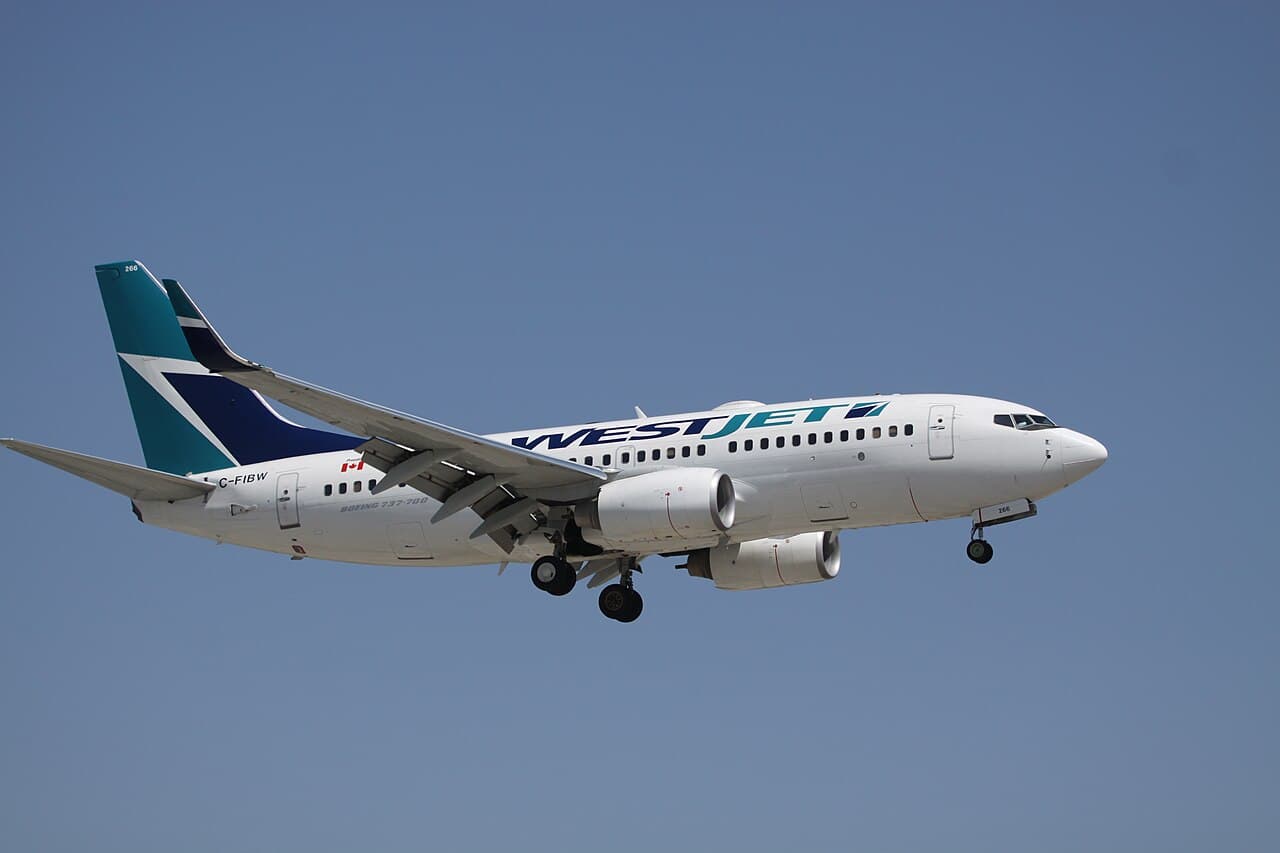
As WestJet cabin crew represented by CUPE 8125 prepare for possible strike action as early as August 2, 2026, Canada’s New Democratic Party is urging the Liberal government to respect workers’ constitutional right to strike. ezstandalone.cmd.push(function () { ezstandalone.showAds(119); }); The union and its allies are calling for fair wages, an end to unpaid labour, and meaningful negotiations without government intervention that could undermine the process. In a letter to Minister of Jobs Patty Hajdu, NDP Labour Critic Don Davies and MP Leah Gazan emphasized the importance of protecting collective bargaining rights. ezstandalone.cmd.push(function () { ezstandalone.showAds(127); }); They referenced last summer’s events at Air Canada, where the government moved quickly to end a CUPE flight attendants’ strike after just 12 hours. The NDP warns against repeating what they call a “right to strike violation” through tools like Section 107 of the Canada Labour Code. ezstandalone.cmd.push(function () { ezstandalone.showAds(128); }); Strong Public Backing Revealed in New Survey A fresh Abacus Data survey shows Canadians firmly stand with the WestJet flight attendants. Conducted July 17-19 among 1,500 adults, the poll found 64% support the workers in their dispute with WestJet, while only 11% back the airline. Even stronger sentiment exists around the core issue: ending unpaid work. More than eight in ten Canadians (84%) agree flight attendants should receive pay for all work-related duties, including boarding, deplaning, delays, and safety checks. ezstandalone.cmd.push(function () { ezstandalone.showAds(129); }); Nearly two-thirds (65%) believe WestJet can afford higher pay, and just 14% think the company’s current offer is its best reasonable effort. Support jumps higher among WestJet customers, with 83% backing potential strike action to secure a fair deal. Canadians also view the union’s key priorities as reasonable: 85% support paying flight attendants for all work performed 81% back keeping wages aligned with inflation 82% favour better scheduling and fatigue protections 76% endorse raising pay to reflect the critical safety role of cabin crew ezstandalone.cmd.push(function () { ezstandalone.showAds(130); }); Photo Credit: Mitchul Hope, CC BY-SA 2.0, via Wikimedia Commons Alia Hussain, President of CUPE 8125 , which represents over 4,400 WestJet cabin crew, highlighted the simplicity of the ask. “The public understands what this fight is about: basic fairness,” she said. “Flight attendants are asking to be paid for all of the work they do. Canadians know that if you work, you should be paid for that work. It’s that simple.” Union Prepared but Prefers Negotiation CUPE 8125 members delivered a powerful message through their strike vote on July 15: 99.4% voted yes with 97.3% turnout. ezstandalone.cmd.push(function () { ezstandalone.showAds(131); }); While the union remains committed to reaching an agreement at the bargaining table and does not want to strike, members are ready to act if necessary to end unpaid work and achieve fair conditions. Hussain called on WestJet to return to bargaining with serious proposals. “WestJet has a choice,” she stated. “It can continue asking flight attendants to work for free, or it can do the right thing and negotiate a fair agreement that recognizes the essential safety work flight attendants do every day. Canadians have made it clear where they stand. We hope WestJet and the federal government are listening.” The NDP echoes this position. MP Davies noted that government intervention tilts the balance toward corporate interests. ezstandalone.cmd.push(function () { ezstandalone.showAds(132); }); MP Gazan, sponsor of Bill C-247 to repeal Section 107, stressed that the right to strike is protected under the Charter and international law. The party urges the Liberals to avoid siding with executives over workers seeking liveable wages and fair treatment. Implications for Travellers and Workers Flight attendants perform vital safety roles while often facing demanding schedules, fatigue risks, and unpaid time on the ground. Many earn effectively below minimum wage when accounting for all hours worked. Resolving these issues through good-faith bargaining could improve worker retention, safety standards, and passenger experience. ezstandalone.cmd.push(function () { ezstandalone.showAds(133); }); With peak summer travel underway, a strike could disrupt flights during the busy August long weekend. However, the union stresses its goal has always been a negotiated settlement that minimizes impact on travellers. Public opinion appears to recognize that fair treatment for essential workers ultimately benefits everyone in the aviation industry. As negotiations continue in the cooling-off period, all eyes are on WestJet and the federal government. ezstandalone.cmd.push(function () { ezstandalone.showAds(134); }); Canadians have voiced their clear preference through the survey: support flight attendants in securing pay for all work and a contract that values their contributions.
Schiphol Invests Record €801 Million as Quiet Aviation Gains Momentum in 2026
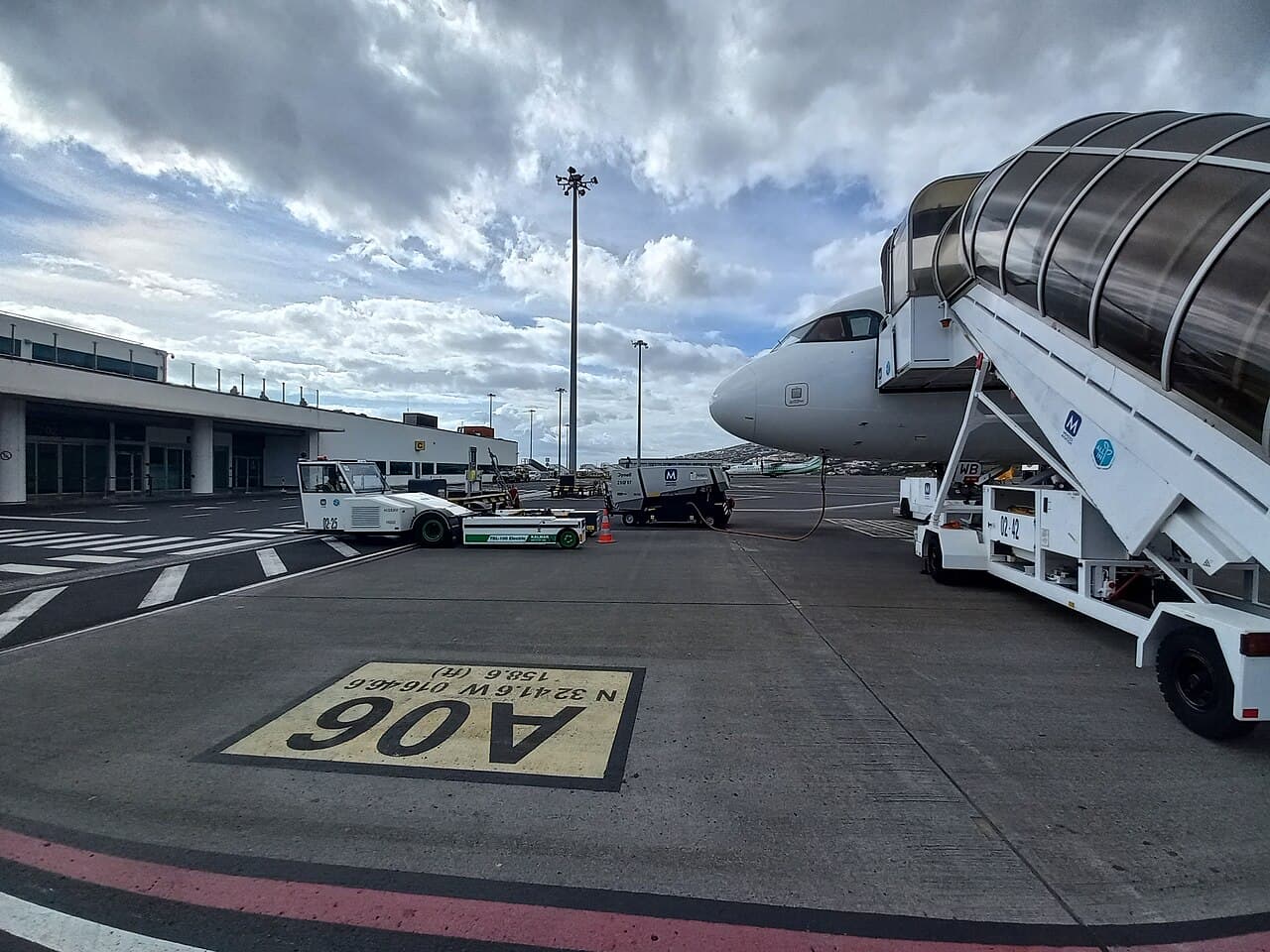
Amsterdam Airport Schiphol has reported strong progress in the first half of 2026, marked by a record €801 million investment in airport quality—the highest amount ever spent in a six-month period. ezstandalone.cmd.push(function () { ezstandalone.showAds(119); }); Despite challenges from geopolitical tensions and weather disruptions, the airport group demonstrated resilience while advancing sustainability goals. Royal Schiphol Group, which includes Schiphol, Eindhoven Airport, and Rotterdam The Hague Airport, handled 37.3 million passengers across its Dutch airports. This marks a modest 0.3% increase compared to the same period in 2025. Schiphol itself welcomed 32.7 million travellers. ezstandalone.cmd.push(function () { ezstandalone.showAds(127); }); Although passenger numbers at the main hub dipped slightly, the average number of passengers per flight rose. This trend reflects airlines using larger aircraft, supporting future growth without a proportional increase in flight movements. Fewer Flights but Stronger Connectivity Total flights across the group reached 250,788, a 3% decline from the previous year. Schiphol accounted for 223,597 movements. Severe winter weather caused early disruptions, while the conflict in the Middle East and soaring kerosene prices added pressure on airline operations. ezstandalone.cmd.push(function () { ezstandalone.showAds(128); }); In response, Schiphol offered temporary discounts on airport charges to protect international routes and maintain connectivity. This measure helped traffic recover in the second quarter, though it reduced revenue by €37 million. The Netherlands retained excellent global links through Schiphol, with direct connections to 301 destinations, including 122 intercontinental routes. ezstandalone.cmd.push(function () { ezstandalone.showAds(129); }); New airlines joined the network, such as FlyOne Armenia, LATAM Airlines Brasil, and Vietnam Airlines , while fresh destinations in Armenia, Montenegro, and Vietnam were added. Cargo volumes at Schiphol grew 10% to 0.8 million tonnes, showing robust freight performance. Photo Credit: Ikreis, CC BY-SA 4.0, via Wikimedia Commons Record Investments for a Better Airport Experience Schiphol is investing heavily to renew its infrastructure. The €801 million spent in the first half aligns with a broader €10 billion plan for 2025–2035. Key projects included overdue maintenance, completion of the A Pier, expanded electricity capacity for electrification, and a major €317 million agreement with KLM for building relocations under the Schiphol Centre Master Plan. ezstandalone.cmd.push(function () { ezstandalone.showAds(130); }); These upgrades aim to improve passenger comfort, safety, and efficiency. The group is also preparing Lelystad Airport for commercial operations starting November 2027, with €35–40 million allocated for this development. On the workforce side, Schiphol introduced a new security model with fewer companies and announced changes to baggage and aircraft handling to boost service quality and working conditions. Financially, the group posted a solid underlying net result of €215 million, nearly matching the previous year’s €214 million. Revenue grew 5.6% to €1,333 million. ezstandalone.cmd.push(function () { ezstandalone.showAds(131); }); However, cash flow after investments turned negative at €464 million due to the heavy capital expenditure. Schiphol successfully issued €500 million in bonds to fund its ambitious programme. Photo Credit: Amsterdam Schiphol Airport Quieter Skies: Progress on Noise Reduction One of the standout achievements is the continued shift toward quieter aviation. In the first half of 2026, 38% of aircraft at Schiphol belonged to the two quietest charging categories—up from 29% in the same period of 2025. Schiphol’s differentiated tariffs, which reward quieter planes and discourage noisier night operations, are driving this positive change. ezstandalone.cmd.push(function () { ezstandalone.showAds(132); }); Independent measurements confirm the improvement. Average noise levels around the airport dropped about 2 decibels compared to 2018. Newer aircraft models, such as the Airbus A320neo family and Boeing 787 Dreamliner, produce significantly less noise—often 3 to 5 decibels quieter on departure than older types. A 3-decibel reduction effectively halves the perceived sound level. CEO Pieter van Oord highlighted the dual focus. “We are renewing our infrastructure and improving the passenger experience and working conditions. At the same time, we are working hard to make the airport quieter and cleaner.” ezstandalone.cmd.push(function () { ezstandalone.showAds(133); }); He noted that a new Airport Traffic Decree will support future-proof aviation in balance with local communities. CFO Robert Carsouw added that balancing affordability and connectivity remains key, especially amid uncertainty. “Strong finances remain essential to renewing Schiphol and ensuring it continues to create value for the Dutch economy.” Looking Ahead Schiphol expects passenger numbers to reach at least 90 million annually by 2050, even with controlled flight movements. By focusing on quality, sustainability, and connectivity, the airport group is positioning itself as a world-class hub that serves travellers, businesses, and the Netherlands effectively. ezstandalone.cmd.push(function () { ezstandalone.showAds(134); }); This first-half performance shows Schiphol’s commitment to long-term excellence despite short-term headwinds. With substantial investments underway and a clear push toward quieter, more efficient operations, the airport is building a stronger foundation for the future.
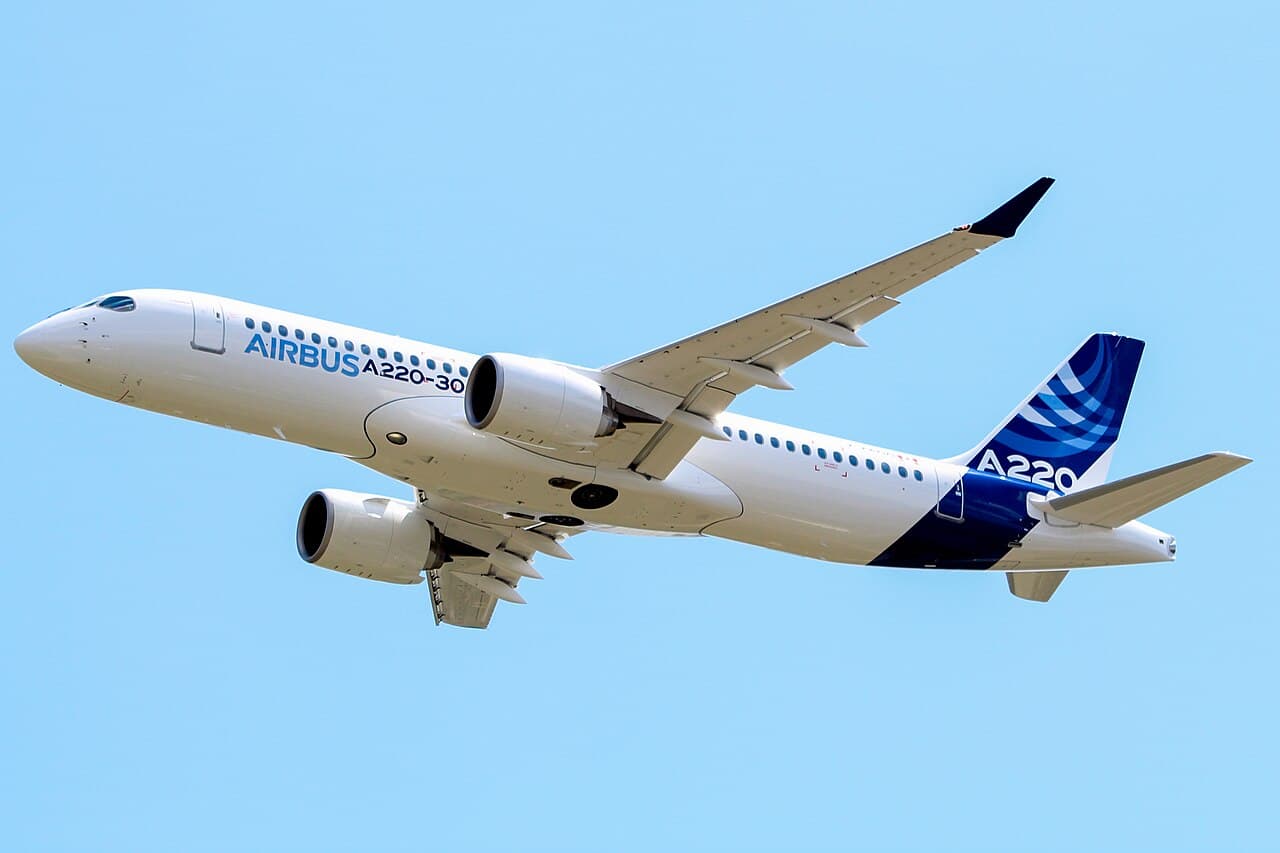
ITA Airways pioneers virtual-reality and robotic arm training for A220 and A321neo doors
Italian carrier to avoid need for full-size mock-ups by using device to simulate A220 and A321neo exits. Italian carrier ITA Airways is to use virtual-reality training for cabin crew door procedures, with the aid of a programmable robotic arm. The carrier says it will be the first airline in Europe to adopt the system for Airbus A220 as well as A321neo exit training, replacing the traditional full-size doors normally required. Its robotic arm is designed to reproduce the weight, pressure and movement associated with the opening and closing of the doors. This physical action is combined with virtual-reality headsets to simulate the 3D environment – including the cabin, the exits and the door controls, as well as sounds. ITA says it could extend the capability to other aircraft types in its fleet "Mixed reality allows us to overcome the limitations of traditional training and create highly realistic, adaptable, and safe training experiences," says chief operations officer Marzio Caneva. He adds that the carrier is "rethinking" the development of "critical skills" with the technology. The arm can expand the range of training scenarios without modifying physical equipment, and replicate malfunctions and complex events, all while reducing the space needed. Danish-based specialist AirVR has developed the system. It says the equipment is customised to airlines' individual procedures, and creating a "digital twin" of the galley or overwing exit area, with door operation based on hand-tracking technology.
The Daily Touch & Go
The day's best aviation news in your inbox. Free, no spam.