

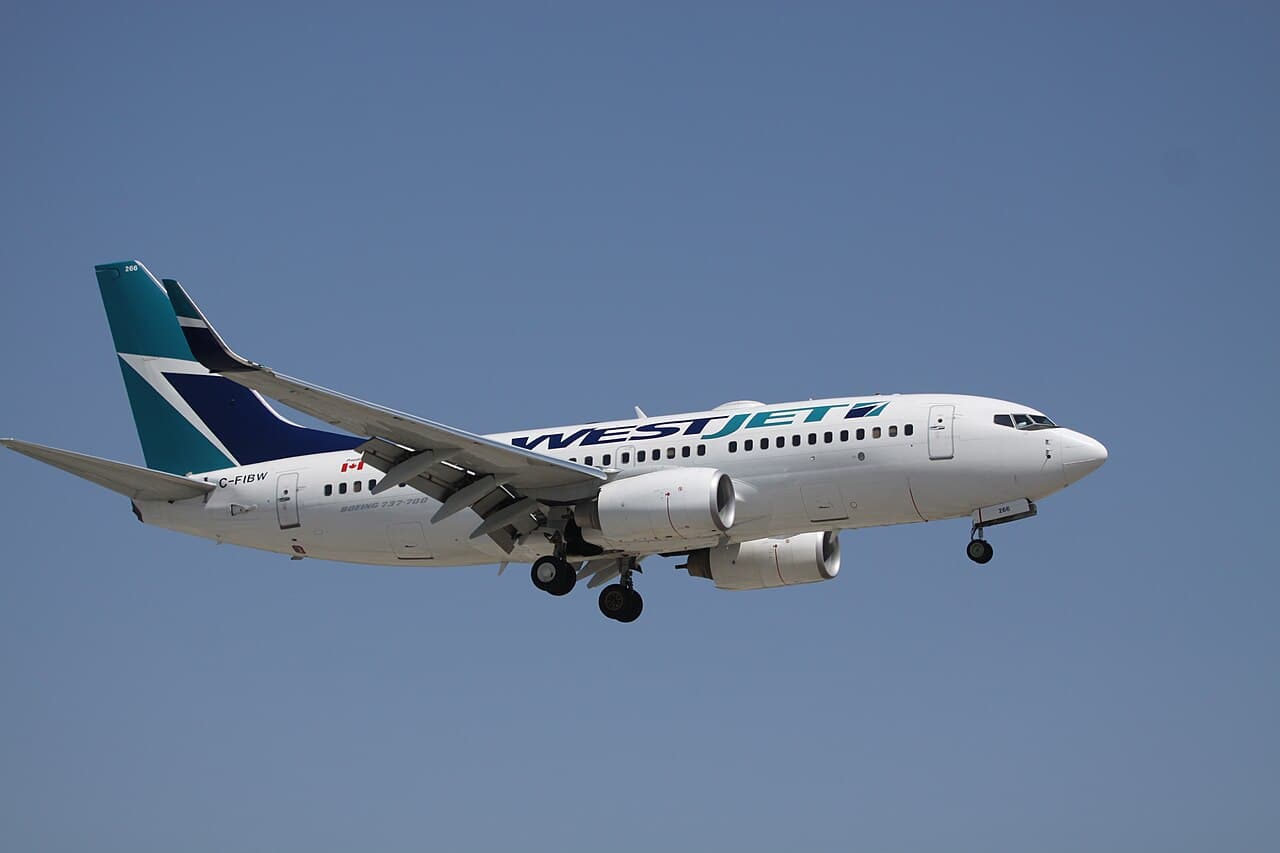
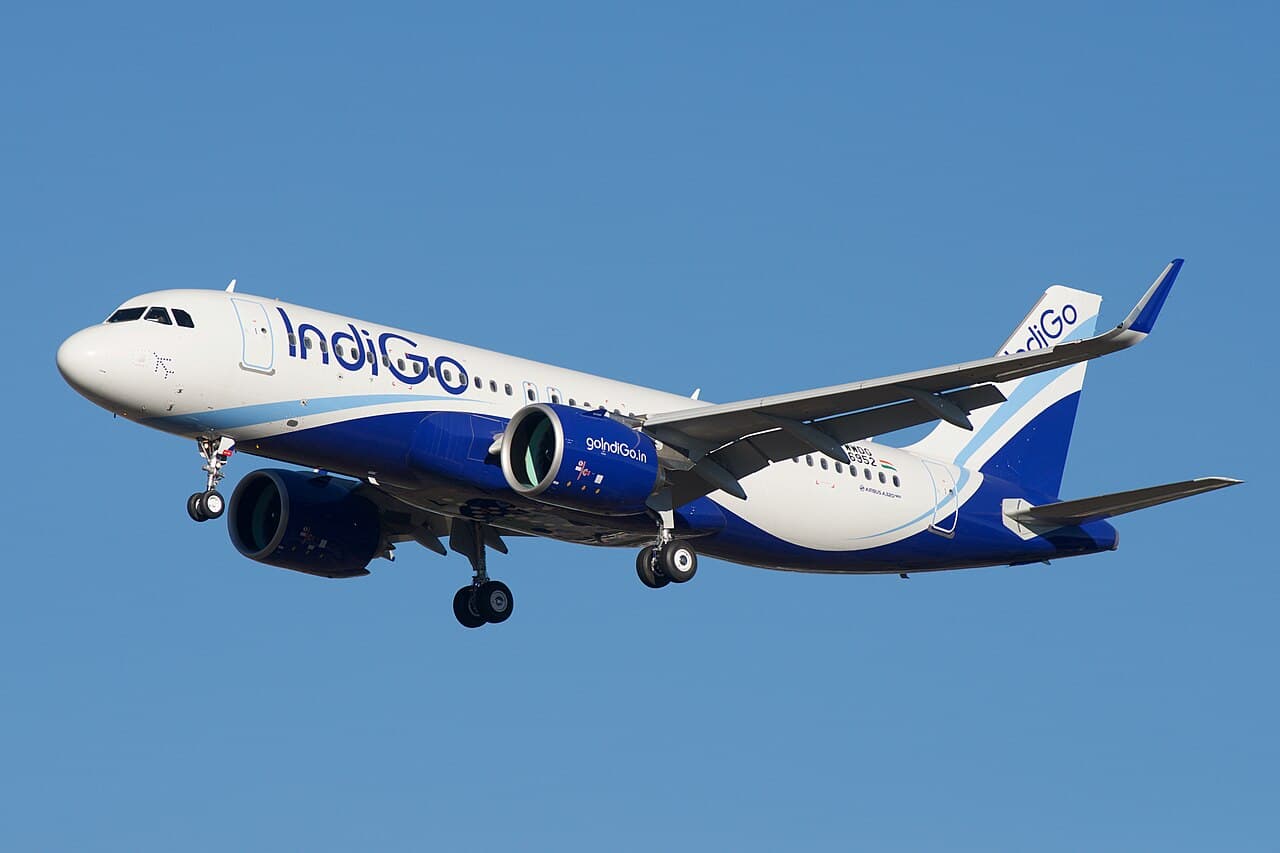
Image: Aeroprints.com · CC BY-SA 3.0 · via Wikimedia Commons
WestJet Flight Attendants Issue Strike Notice Over Unpaid Ground Work Dispute
WestJet flight attendants have given a 72-hour strike notice amid deadlocked contract talks about pay for pre-flight duties, prompting the airline to announce a lockout.
The gist
WestJet flight attendants threaten strike after contract talks stall over unpaid ground work, with the airline responding with a lockout notice.
WestJet flight attendants represented by the Canadian Union of Public Employees (CUPE) have issued a 72-hour strike notice, escalating a bitter dispute regarding compensation for working time on the ground. The conflict centers on crew members being unpaid during boarding and other pre-flight duties, a longstanding issue that sparked widespread support for strike action among over 4,000 attendants. The union reported that 99.4% of its members voted in favor of strike action on a turnout of 97.3%, demonstrating near unanimous backing for the job stoppage if no agreement is reached.
Traditionally, Canadian flight attendants have only received pay during the ‘block hours’ when the aircraft is in motion, from gate pushback until arrival. This pay structure excludes time spent boarding passengers, which is often one of the most intense and laborious segments of a flight. Flight attendants argue that working these hours without pay effectively means they are working for free, particularly as delays on the ground extend their unpaid service time. This practice contrasts with recent changes among North American carriers.
Since 2022, several US airlines have moved away from the strict ‘block hours’ pay scheme. Delta Air Lines was the first major carrier to introduce a boarding pay at half the normal flying rate. This approach has since been adopted by a range of airlines including American Airlines, United Airlines, and Alaska Airlines. In Canada, Air Canada flight attendants secured boarding pay after a contentious strike last summer, gradually increasing payments from 50% in 2025 to 70% by 2028 despite government attempts to mandate a return to work.
CUPE local 8125 president Alia Hussain reiterated the union's demands for fair compensation that recognizes the full scope of attendants' responsibilities. Hussain emphasized that while flight attendants prefer to avoid strikes, they are prepared to act if negotiations fail. The union called on WestJet's management to return to the bargaining table to reach an agreement reflecting the demands and the importance of flight attendants within Canada’s second-largest airline.
In response to the strike threat, WestJet issued a reciprocal 72-hour lockout notice preventing flight attendants from working even if they wished to, effectively grounding the airline’s entire fleet. Chief Executive Alexis von Hoensbroech expressed regret over the looming service disruption but underscored the company’s commitment to negotiating a deal that balances improvements for cabin crew and company sustainability. The lockout means tens of thousands of passengers could face cancellations if talks break down soon.
As the cooling-off period mandated by Canadian labor law ends August 2, the window to avert disruption is short. WestJet must either conclude an agreement or begin repositioning aircraft to their bases to prepare for a possible strike. Historically, government intervention can force workers back but last summer’s Air Canada walkout showed flight attendants defied such orders, risking legal consequences to sustain their strike and ultimately win better pay terms.
This dispute highlights shifting labor dynamics in commercial aviation, where evolving standards for compensating ground time are challenging decades-old pay norms. As other carriers modernize remuneration frameworks to better account for attendants’ workload beyond flying hours, WestJet’s deadlock stands out. The resolution at WestJet may set precedents impacting labor relations and contract negotiations industry-wide, especially within the Canadian market.
Frequently asked questions
- Why are WestJet flight attendants threatening to strike?
- They are protesting being unpaid for boarding and ground work time, arguing they are working for free during these periods under the current pay scheme.
- What is WestJet's response to the strike notice?
- WestJet issued a 72-hour lockout notice barring flight attendants from working, which would ground all flights if the dispute continues.
- Have other airlines addressed boarding pay issues?
- Yes, several US airlines have introduced partial boarding pay since 2022, and Air Canada flight attendants secured boarding pay after a strike last summer.
Read more
All Sustainability →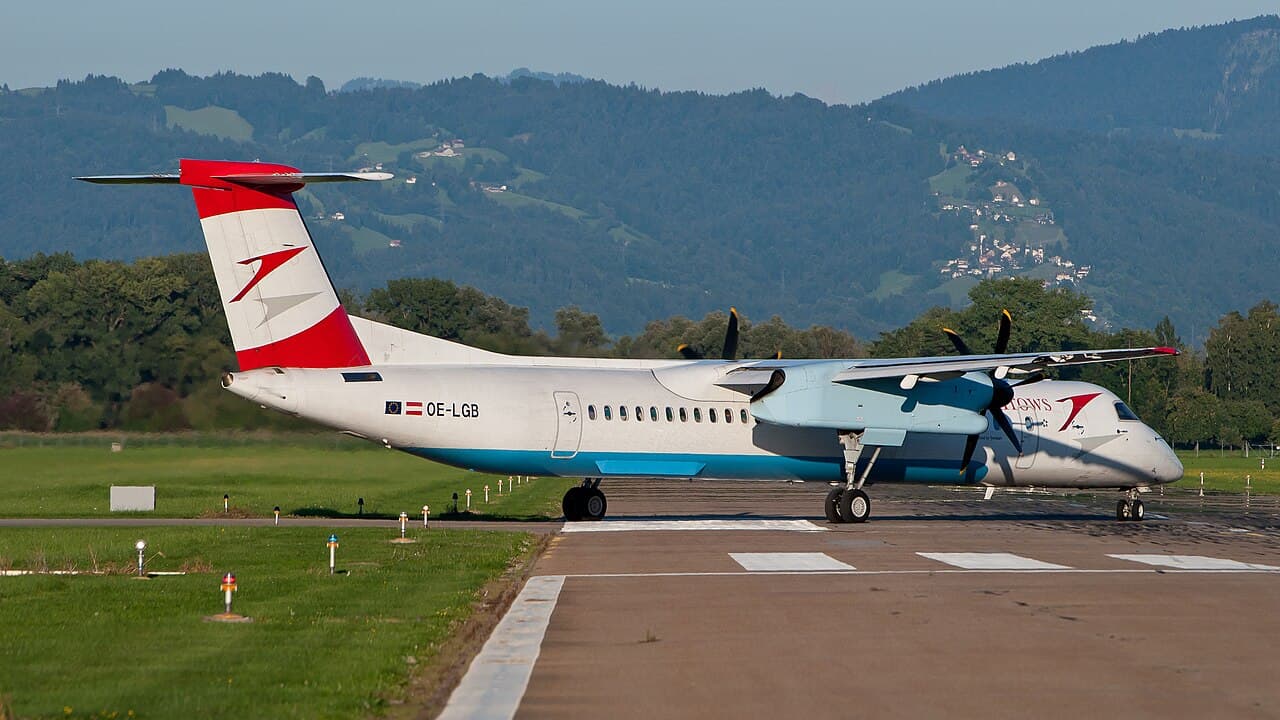
Porter Airlines Unveils Modernized Dash 8 Interiors Enhancing Regional Economy Travel
Porter Airlines is raising the bar for regional flying by refreshing the cabins of its entire De Havilland Dash 8-400 fleet. ezstandalone.cmd.push(function () { ezstandalone.showAds(119); }); The Toronto-based carrier is installing the latest Expliseat TiSeat 2V — the world’s lightest seat in its class — across all 29 aircraft. These upgrades, combined with new lighting and flooring, promise a noticeably more comfortable and modern experience for passengers on shorter routes. ezstandalone.cmd.push(function () { ezstandalone.showAds(127); }); The first refreshed Dash 8s are already flying, with the full fleet expected to feature the new interiors by fall 2026. This investment shows Porter’s ongoing dedication to “elevated economy” service, proving that comfort matters even on regional flights. Smarter, Lighter Seats for Better Comfort The star of the refresh is the new-generation TiSeat 2V from French manufacturer Expliseat. These seats feature redesigned cushions tailored specifically to Porter’s standards, updated tray tables, and built-in device holders that let passengers enjoy hands-free entertainment. First-row seats also receive special tray table upgrades for extra personal space. ezstandalone.cmd.push(function () { ezstandalone.showAds(128); }); Made with advanced carbon fibre and titanium, the TiSeat 2V remains exceptionally light. This design helps reduce overall aircraft weight, leading to lower fuel consumption and decreased CO₂ emissions over the aircraft’s lifetime. Passengers benefit from improved comfort without any reduction in legroom or changes to the cabin layout. Porter Airlines operates its Dash 8-400s in a comfortable two-by-two configuration with 78 seats total. There are no middle seats. Flyers in PorterReserve enjoy 32 inches of legroom, while PorterClassic offers 30 inches — generous dimensions for regional routes in Eastern Canada and the U.S. ezstandalone.cmd.push(function () { ezstandalone.showAds(129); }); Source: Expliseat website Additional Cabin Enhancements Beyond the seats, Porter is introducing several thoughtful upgrades: Mood lighting with modern LED technology Individual LED reading lights Fresh new carpeting throughout the cabin These changes create a brighter, more welcoming environment that aligns with Porter’s reputation for genuine hospitality and stylish service. Kent Woodside, Executive Vice President and Chief Operating Officer at Porter Airlines , explained the motivation. ezstandalone.cmd.push(function () { ezstandalone.showAds(130); }); “Our passengers told us that seat comfort is a meaningful part of their experience, even on shorter regional flights. Updating seats, along with other cabin upgrades, will noticeably refresh and modernize the overall environment.” He added that Porter aims to deliver a globally recognized flying experience and will continue prioritizing comfort. A Win for Regional Travellers Regional flights often receive less attention than long-haul journeys, yet they form a vital part of many trips. By focusing on these upgrades, Porter demonstrates that economy travel does not have to feel basic. ezstandalone.cmd.push(function () { ezstandalone.showAds(131); }); The combination of lightweight, supportive seats, better lighting, and a clean cabin helps reduce fatigue and improve the overall journey — whether flying for business or leisure. The partnership with Expliseat builds on years of collaboration. Jean-Francois Tessier, Vice President Sales North America at Expliseat , noted the shared commitment to innovative technology that boosts both passenger comfort and operational efficiency. Photo Credit: Porter Airlines A Continuing Commitment to Elevated Economy Porter Airlines has built its brand on offering more than standard economy. From its distinctive livery and friendly crew to these cabin investments, the airline consistently seeks ways to stand out in a competitive market. ezstandalone.cmd.push(function () { ezstandalone.showAds(132); }); The Dash 8 fleet serves key regional routes, making these improvements accessible to thousands of passengers every week. Legroom and seating configuration stay the same, preserving the popular no-middle-seat layout that travellers love. The focus remains on meaningful enhancements that passengers can feel immediately. As the refreshed aircraft spread across the network, flyers can look forward to a more comfortable, modern ride on Porter’s turboprops. ezstandalone.cmd.push(function () { ezstandalone.showAds(133); }); For those who value thoughtful details and genuine care in economy class, these updates reinforce why Porter continues to earn strong loyalty in Canadian aviation.
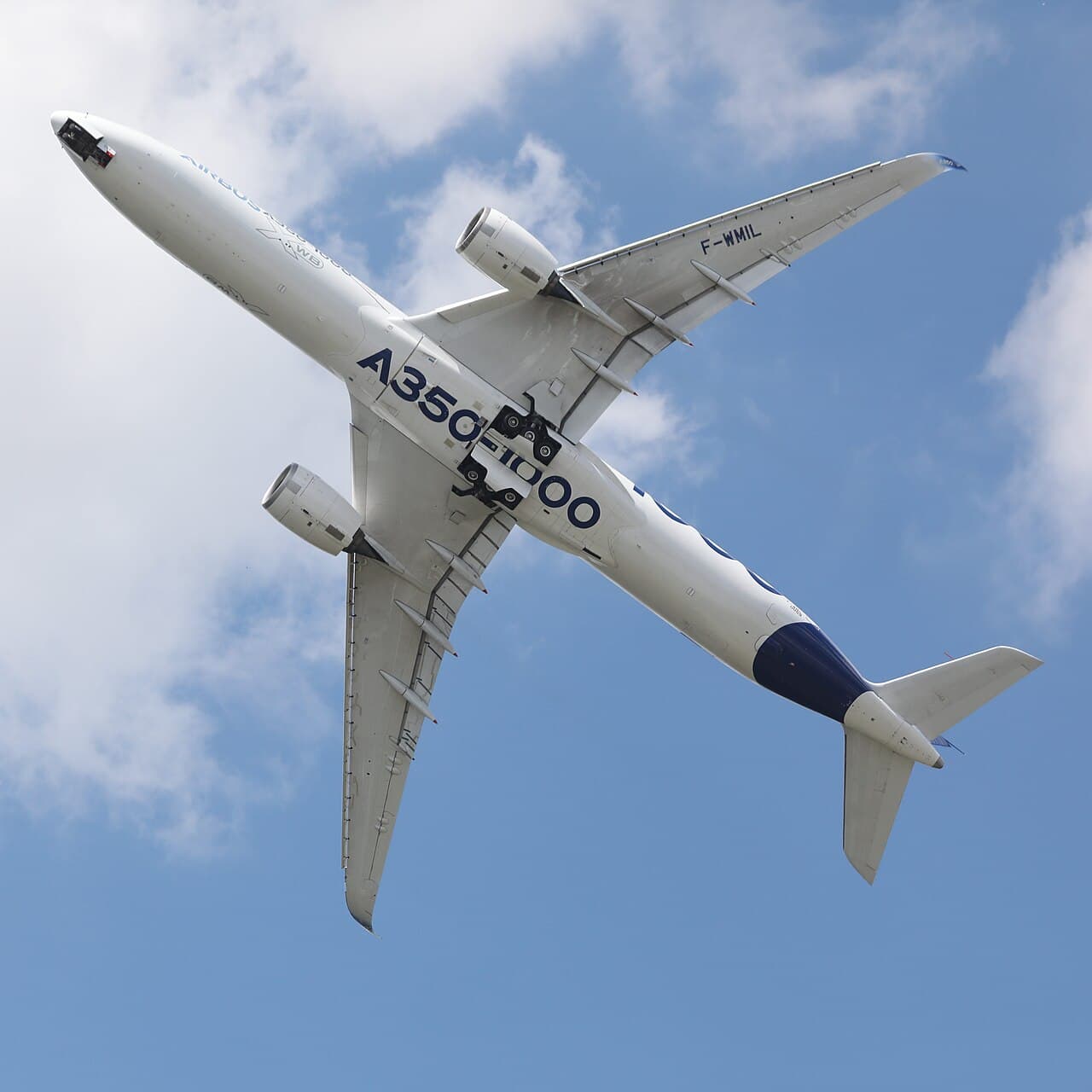
Lufthansa Readies First Airbus A350-1000 in Special 100th Anniversary Livery
Lufthansa continues to mark its 100th anniversary year in style. The airline is expecting delivery of its first Airbus A350-1000 in the coming weeks. This new jet has already been painted in a striking blue special livery that celebrates a century of aviation history. ezstandalone.cmd.push(function () { ezstandalone.showAds(119); }); The aircraft was painted at Airbus’s facility in Toulouse, France. It features a prominent white XXL crane motif along with the inscriptions “1926 | 2026” and “100”. Workers used 432 litres of blue paint and 246 litres of white paint to create this eye-catching design. This new jet will become the seventh aircraft in Lufthansa’s fleet to wear the special anniversary colours. ezstandalone.cmd.push(function () { ezstandalone.showAds(127); }); A Milestone Delivery for Lufthansa The A350-1000, registered as D-AIFA, carries the name “Deutschland.” An official naming ceremony will take place later. The aircraft is scheduled to fly from Toulouse to Munich this fall after completing necessary test flights, interior work, and final inspections. This delivery holds extra significance: it marks the 700th aircraft that Airbus has delivered to the entire Lufthansa Group. The long-haul jet will join Lufthansa’s growing fleet and help the airline modernize its operations while offering passengers enhanced comfort on international routes. ezstandalone.cmd.push(function () { ezstandalone.showAds(128); }); A350-1000: The Difference At 73.80 meters long, the A350-1000 is seven meters longer than the A350-900. This extra space allows the aircraft to seat up to 300 passengers across four classes: First Class, Business Class, Premium Economy, and Economy Class. Passengers can expect quieter cabins, better air quality, and improved lighting thanks to the A350 family’s advanced design. ezstandalone.cmd.push(function () { ezstandalone.showAds(129); }); Lufthansa has ordered a total of 15 A350-1000 aircraft. All are expected to arrive by 2030. These modern jets will replace older models and support the airline’s long-term growth strategy. Part of a Growing Anniversary Fleet The new A350-1000 joins an impressive lineup of aircraft already flying in the special blue livery. Long-haul routes currently feature an A350-900, an A380, a Boeing 787-9, and a Boeing 747-8. Two Airbus A320neo aircraft also wear the anniversary design on shorter routes. These special aircraft have drawn enthusiastic reactions from passengers and aviation enthusiasts worldwide. Plane spotters have gathered to photograph the distinctive blue jets, further marking the celebration of Lufthansa’s heritage. ezstandalone.cmd.push(function () { ezstandalone.showAds(130); }); Why the A350-1000 Matters for the Future The Airbus A350-1000 represents the latest in efficient wide-body technology. It offers lower fuel consumption and reduced emissions compared to older generation aircraft. This aligns perfectly with Lufthansa’s sustainability goals and its commitment to responsible growth. By introducing the larger A350 variant, Lufthansa can offer more seats on popular long-haul routes without increasing the number of flights. This approach helps balance capacity growth with environmental considerations. Looking Ahead As Lufthansa celebrates its centenary throughout 2026, the upcoming arrival of this specially liveried A350-1000 adds a powerful visual symbol to the festivities. The aircraft will not only connect passengers across continents but also represent the airline’s blend of tradition and innovation. ezstandalone.cmd.push(function () { ezstandalone.showAds(131); }); Travellers can look forward to experiencing the new jet on select routes once it enters service. With its advanced features and celebratory design, the A350-1000 is set to become a favourite among frequent flyers and aviation fans alike. Lufthansa’s investment in the A350 family demonstrates confidence in the future of premium air travel. As the airline continues to refresh its fleet, passengers will benefit from newer, more comfortable, and more efficient aircraft. This latest milestone reinforces Lufthansa’s position as a leading global carrier. The special livery serves as a flying tribute to 100 years of connecting people and cultures around the world. ezstandalone.cmd.push(function () { ezstandalone.showAds(132); });
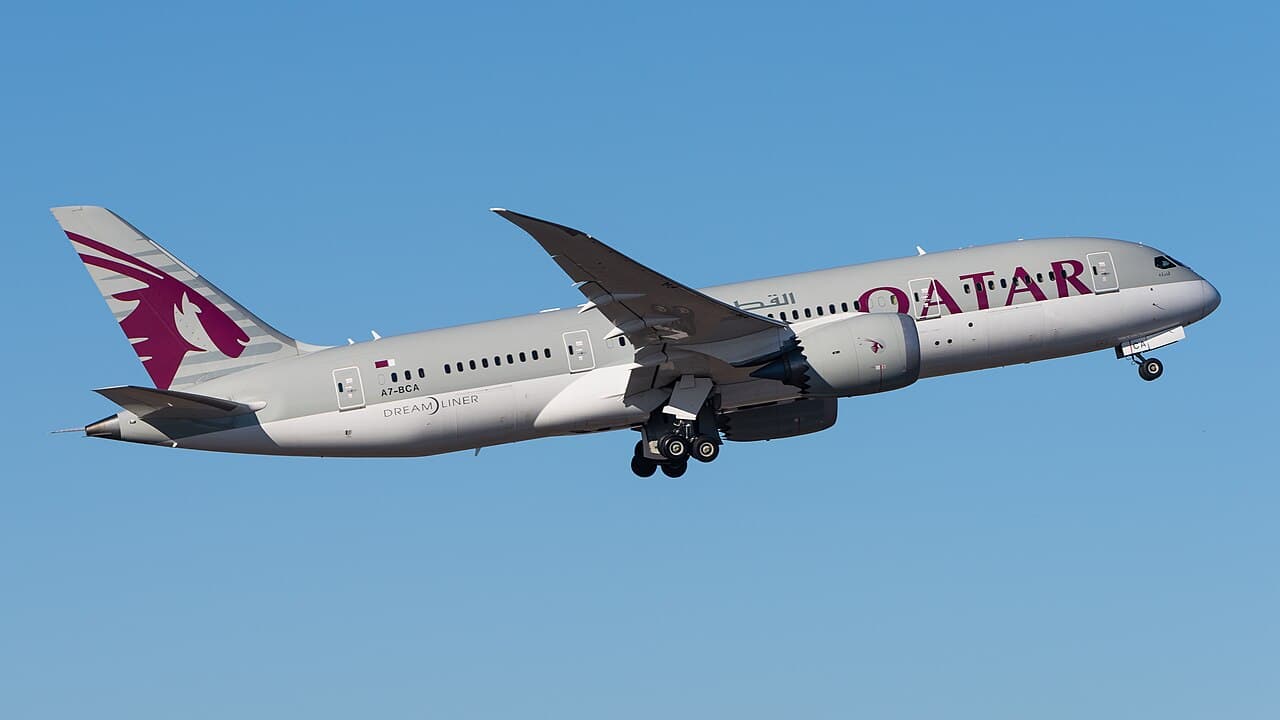
Boeing 787-9 ecoDemonstrator tests shorter engine inlet for reduced noise and fuel burn
Modified Rolls-Royce-powered Boeing 787-9 destined for Lufthansa will be used to evaluate acoustic performance of shorter nacelle structure. Boeing and partners Rolls-Royce and Lufthansa will later this month begin flight tests of a 787 equipped with a package of innovations – including a short engine inlet – designed to improve fuel efficiency and reduce noise emissions. To be performed from a Boeing site in Glasgow, Montana, the tests, running until mid-August, will use a 787-9 variant serving as the airframer's 2026 ecoDemonstrator Explorer aircraft. Powered by twin Rolls-Royce Trent 1000 TEN engines, the Dreamliner will later be delivered to the German carrier. The engines will be equipped with Next Generation Inlets – advanced composite structures that are around 30%, or 38cm (15in), shorter than the production versions. They also feature an expanded acoustic liner that treats much more of the inlet surface, enabling the overall shorter nacelle. Such a design is seen as key for the integration of next-generation fuel-efficient engines – such as Rolls-Royce's UltraFan concept – onto airframes, also contributing lower drag and reduced weight while maintaining noise-attenuation levels. Earlier this decade, Rolls-Royce and Boeing flight tested a short-inlet-equipped Trent 1000 engine aboard the propulsion specialist's since-retired 747-200 flying testbed. Those flights, which accumulated a total of around 7h 30min, suggested a fuel-burn saving of around 0.5% was possible. However, Boeing says the latest round of flights are specifically designed to test the inlet's acoustic performance. In addition, the 787-9 will test modified departure and arrival procedures, including 'Intelligent Operations' flightpaths, to reduce community noise around airports. Boeing says these trajectories are "algorithmically generated using multiple data sources" to identify opportunities for fuel-efficiency and noise benefits. "The more efficient inlet and Intelligent Operations flightpaths we're evaluating on this year's ecoDemonstrator Explorer are among the many promising concepts we're working on," says Boeing chief technology officer Lane Ballard. Tests of the innovations are being conducted through the third phase of the Federal Aviation Administration's CLEEN (Continuous Lower Energy, Emissions and Noise) programme.
TAP Air Portugal to Expand Fleet by 24 Airbus Jets After Restructuring Completion
TAP Air Portugal is set for significant growth. Following the successful completion of its restructuring program, the airline plans to introduce 24 new Airbus aircraft over the next two years. ezstandalone.cmd.push(function () { ezstandalone.showAds(119); }); This expansion will boost its operational fleet by about 25% and support new route developments. End of Restructuring Opens Doors for Expansion On July 15, 2026, TAP announced it would receive 10 aircraft in 2026, including six A320neos, two A321neos, and two A330neos. The remaining deliveries are scheduled through 2028. The order comprises 22 A320neo Family aircraft and two A330neos. ezstandalone.cmd.push(function () { ezstandalone.showAds(127); }); These aircraft were originally ordered but deferred during the COVID-19 pandemic as part of TAP’s restructuring efforts. With the European Commission’s approval of the restructuring plan now fully satisfied, the airline can expand beyond previous fleet limits imposed to ensure fair competition. TAP’s restructuring began after receiving substantial state aid during the pandemic. The European Commission approved around €2.55–3.2 billion in aid in 2021, tied to strict conditions including cost reductions, asset divestments, and capacity limits. ezstandalone.cmd.push(function () { ezstandalone.showAds(128); }); Recent completions of sales for stakes in catering and ground handling firm SPdH (Serviços Portugueses de Handling) marked the final milestones. Photo Credit: TAP Air Portugal Fleet Growth and Network Strategy The additional aircraft will strengthen TAP’s position as Portugal’s flag carrier. As of mid-2026, TAP operates roughly 94–104 aircraft, primarily Airbus models. The new narrowbodies and widebodies will modernize the fleet, improve fuel efficiency, and enhance passenger comfort with the latest technologies. ezstandalone.cmd.push(function () { ezstandalone.showAds(129); }); This growth directly supports recently announced route expansions across North America, South America, and Europe. TAP aims to leverage its Lisbon hub as a key transatlantic gateway between Europe and the Americas. The extra capacity will allow more frequencies on popular routes and open opportunities for new destinations. Path to Privatisation The timing of this fleet expansion aligns with Portugal’s ongoing privatization efforts. The government plans to sell a 44.5% stake in TAP later in 2026, with 5% reserved for employees. A new strategic investor could bring additional capital and expertise to support long-term ambitions. Industry analysts view the move positively. Completing restructuring removes regulatory constraints and signals financial stability. ezstandalone.cmd.push(function () { ezstandalone.showAds(130); }); Modern aircraft will lower operating costs and reduce environmental impact through better fuel efficiency — an important factor as airlines face increasing pressure to meet sustainability targets. BriYYZ from Toronto, Canada, CC BY-SA 2.0, via Wikimedia Commons Implications for Passengers and the Industry For passengers, the expansion promises more flight options, potentially competitive fares, and newer aircraft with improved amenities. TAP’s focus on transatlantic routes benefits travellers connecting between Europe and Latin America, where the airline has traditionally been strong. The development also highlights broader trends in European aviation. Many carriers deferred deliveries during the pandemic and are now accelerating fleet renewal with fuel-efficient models like the A320neo and A330neo families. This helps airlines recover profitability while addressing environmental concerns. ezstandalone.cmd.push(function () { ezstandalone.showAds(131); }); TAP’s recovery story demonstrates resilience. From pandemic lows, the airline has restructured operations, divested non-core assets, and now positions itself for sustainable growth. Success in privatization will be key to securing its future competitiveness. As deliveries begin in late 2026, aviation enthusiasts and frequent flyers can expect to see more of TAP’s distinctive livery on runways worldwide. The airline’s disciplined growth plan focuses on its core strengths: reliable service, strategic geography, and a modernizing fleet. This strategic expansion positions TAP Air Portugal to reclaim and strengthen its role as a major player in the competitive European and transatlantic markets. With a larger, more efficient fleet and freedom from restructuring constraints, the airline is ready for its next chapter. ezstandalone.cmd.push(function () { ezstandalone.showAds(132); });
The Daily Touch & Go
The day's best aviation news in your inbox. Free, no spam.