

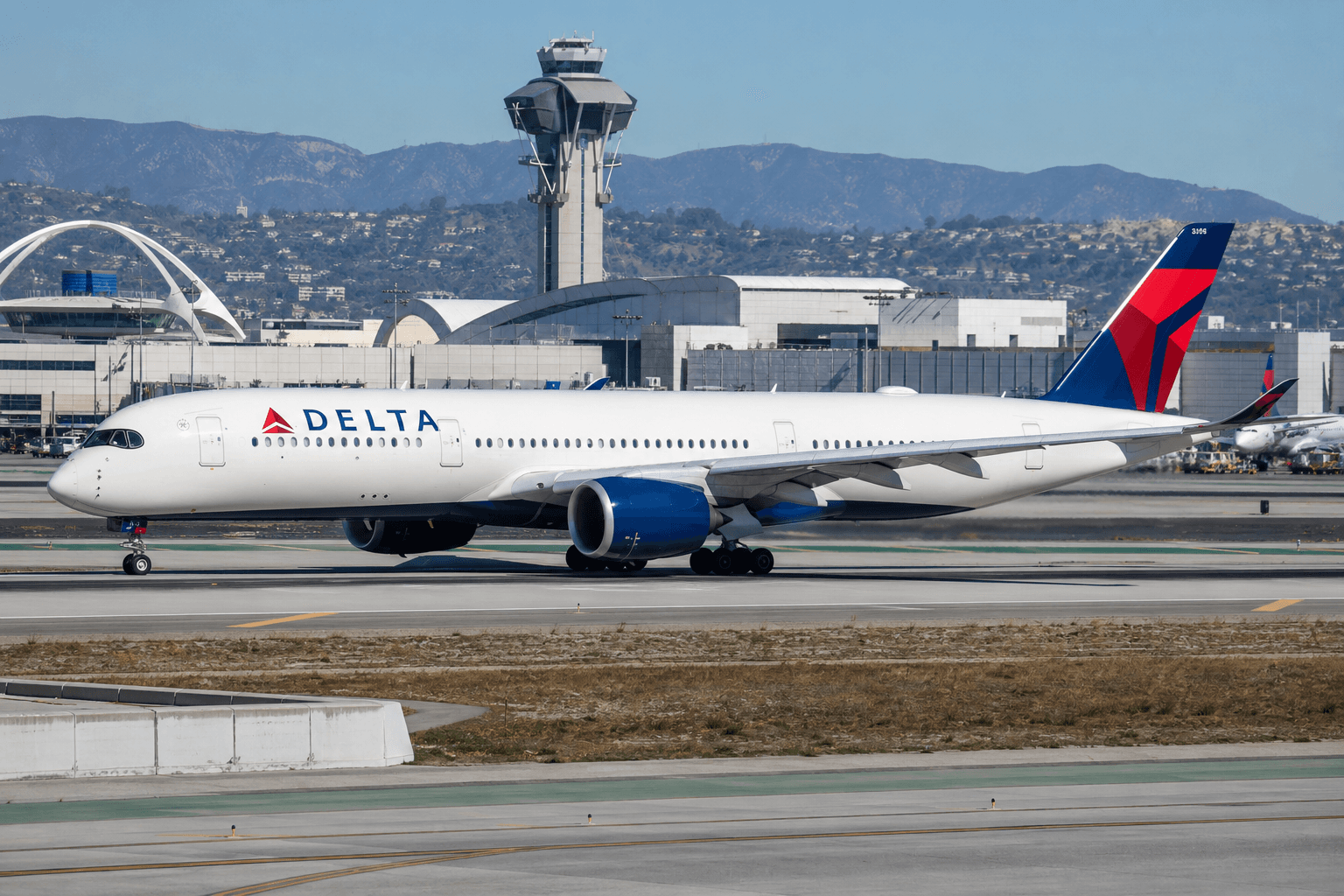
Illustration: The Touch & Go
Delta to launch first nonstop flights between Los Angeles and Manila in 2027
Starting March 2027, Delta Air Lines will operate three weekly nonstop flights between Los Angeles and Manila, becoming the only US carrier with a direct route between these cities.
The gist
Delta announces nonstop LA-Manila service in 2027, competing directly with Philippine Airlines on this key transpacific route.
Continuing coverage
All Delta Air Lines →- Delta Air Lines to Launch First Nonstop Los Angeles to Manila Service in 2027
- Delta Air Lines Launches First US Nonstop Flights Between Los Angeles and Manila in 2027
- Delta Medallion Loyalty Faces New Challenges as CRJ200 Fleet Retires and MQD Rules Tighten
- Retired Delta pilot urges airline to replace Amazon Wi-Fi with Starlink for better service
- Delta Air Lines Relies on Older Boeing Jets Amid Airbus Engine Groundings
Delta Air Lines is preparing to introduce nonstop service between Los Angeles International Airport (LAX) and Manila’s Ninoy Aquino International Airport beginning March 28, 2027. This marks Delta’s first direct flights on this route and positions the carrier as the only US airline to fly nonstop between these two major cities. The initial schedule calls for three weekly departures from Los Angeles and from Manila before expanding to daily frequencies in June 2027.
The new service will feature Delta’s Airbus A350-900 aircraft, a modern twin-engine widebody configured with four cabin classes. Passengers will find accommodations ranging from Delta One suites with flat-bed seats and privacy doors to economy seating, all equipped with seatback entertainment and, for SkyMiles members, free onboard Wi-Fi. This deployment signals Delta’s intent to offer a premium transpacific product to the growing market between Southern California and the Philippines.
Until now, Philippine Airlines has been the only airline providing nonstop service between Los Angeles and Manila, holding a virtual monopoly on the route from the US side. United Airlines connects these cities through a layover at San Francisco International Airport rather than nonstop service. Delta’s entry represents a significant competitive development in this international corridor, increasing options for travelers.
Delta’s expansion to Manila is part of a strategic shift toward making Los Angeles its primary West Coast hub for transpacific flights, moving away from former reliance on Seattle for Asia-Pacific routes. In recent months, Delta has added nonstop flights from Los Angeles to destinations such as Hong Kong and Melbourne, reinstated service to Shanghai, and unveiled plans for routes to Vancouver and Newark. This network growth underlines LAX’s rising importance in Delta’s global strategy.
The airline’s joint venture with Korean Air also factors into this growth plan, providing passengers with options to connect via Seoul’s Incheon Airport, a major gateway with frequent flights to Manila operated by Korean Air. This partnership complements Delta’s new direct flights, offering greater connectivity across the Asia Pacific region and reinforcing Delta’s market presence.
Delta’s intention to launch nonstop flights to Manila was formally revealed through filings with the US Department of Transportation earlier in the year. The airline requested regulators delay approval of a Philippine Airlines proposal to start Chicago-Manila flights until fair reciprocal access to airport slots in Manila was guaranteed for US carriers. This demonstrates Delta’s careful approach to securing equitable operational conditions on the route.
Delta had previously served the Philippine market through connecting flights via Tokyo and Seoul prior to suspending these routes in 2021. The direct Los Angeles-Manila service represents a clear step toward rebuilding and expanding the carrier’s footprint in this important transpacific travel corridor.
The move is also significant in the context of growing passenger demand and expanding air travel links post-pandemic. Delta’s launch of this nonstop route will not only enhance convenience for US and Filipino travelers but also intensify competition on a route long dominated by the Philippine flag carrier. The entry of a major US airline with a modern widebody aircraft and a multi-cabin product is likely to impact market dynamics for premium and economy travelers alike.
Frequently asked questions
- When will Delta start nonstop flights between Los Angeles and Manila?
- Delta will begin nonstop service between Los Angeles and Manila on March 28, 2027, initially flying three times weekly.
- Which aircraft will Delta use for the new Los Angeles to Manila route?
- Delta plans to operate the route using its Airbus A350-900, configured with four cabin classes including Delta One with flat-bed seats.
- How does Delta's new service compare to other airlines on the Los Angeles to Manila route?
- Delta will be the only US carrier offering nonstop flights between Los Angeles and Manila, competing directly with Philippine Airlines, which currently holds that market, while United Airlines serves the route via connections through San Francisco.
Read more
All Regulatory →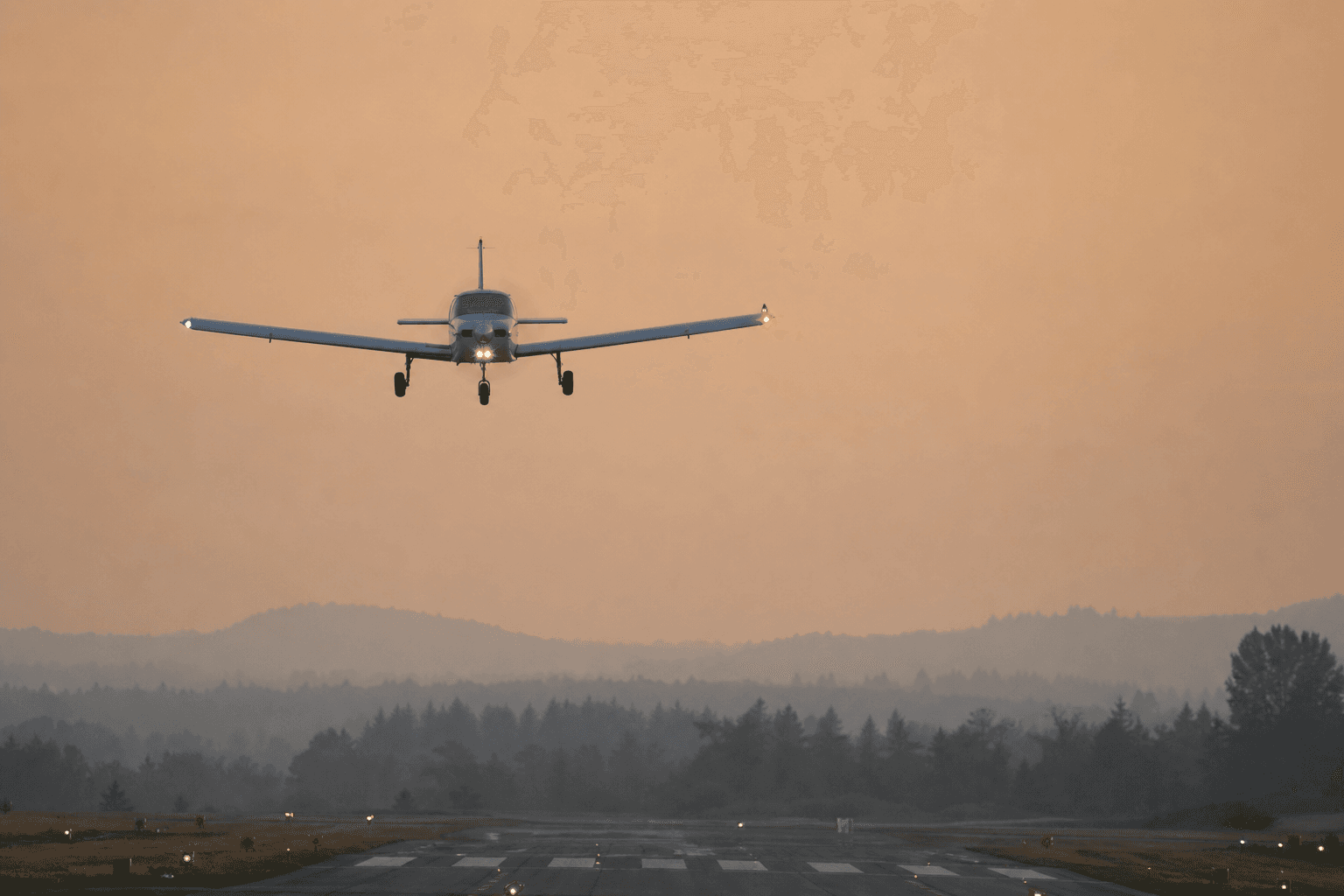
Wildfire smoke reduces visibility near Oshkosh ahead of AirVenture arrivals
Canadian wildfire smoke has sharply reduced visibility in parts of Wisconsin, raising concerns for pilots preparing to fly into EAA AirVenture Oshkosh ahead of the show's opening on Monday. The National Weather Service said wildfire smoke would continue to affect visibility and air quality across northeast Wisconsin through Friday, July 17, 2026, just as the first major wave of aircraft begins arriving at Wittman Regional Airport. At times on July 16, visibility at Oshkosh dropped to around one mile in haze and smoke before improving later in the day. ATC cautioned that changing conditions underscore how quickly an otherwise visual arrival could become difficult or potentially unsafe, particularly for pilots flying into the congested Oshkosh area. The National Weather Service office in Green Bay said smoke could reduce visibility to less than one mile in parts of the region. A statewide air-quality advisory has also been extended until at least 12:00 local time on Friday, with monitoring stations in Wisconsin recording Air Quality Index readings in the hazardous category. Air traffic controllers involved in preparations for AirVenture urged pilots to remain conservative when making weather decisions. Controllers also cautioned pilots not to attempt to thread their aircraft between thunderstorms forecast south of Oshkosh on July 17. They warned that a pilot encountering smoke while flying VFR should not assume that a pop-up IFR clearance will be available into the pilot's preferred airport due to the heavy influx of traffic expected in the region. IFR arrivals at Oshkosh and several surrounding airports require reservations during AirVenture because of the extraordinary amount of traffic in the region. A pilot who encounters deteriorating visibility could therefore be directed to an alternate airport. The FAA's special AirVenture flight procedures took effect at 12:00 local time on Thursday, July 16, and remain in place until 12:00 on July 27. The FAA advises pilots planning to land at Oshkosh to prepare for a possible diversion to Fond du Lac, Appleton or Green Bay. Pilots are also urged to obtain a complete weather briefing, review applicable notices to airmen (Notams) and become familiar with the special procedures before departure. There were no announced changes Thursday to the Fisk VFR arrival, the FAA's published AirVenture procedures or the mass-arrival schedule. The first scheduled mass arrivals are due at Oshkosh on Saturday, July 18. Up to 70 Mooneys are scheduled to arrive at 10:00 local time followed by as many as 130 Bonanzas at 13:00 and 90 Cessnas at 17:00. Sunday's schedule calls for up to 50 Cirrus aircraft to arrive at 10:00 and as many as 70 Cherokees at 12:00. EAA notes that all mass-arrival times remain subject to change because of weather or other factors. Under the special procedures, most VFR aircraft arriving at Oshkosh follow a route through Ripon and Fisk before receiving runway instructions from controllers. The procedure relies heavily on pilots maintaining visual contact with landmarks and other aircraft and rocking their wings to communicate with controllers, making reduced visibility a significant concern. Oshkosh is closed to arriving aircraft each night from 20:00 until 07:00 local time during the special-procedure period. The FAA also warns that some categories of aircraft may be temporarily turned away because of parking saturation, ground conditions, temporary flight restrictions, air shows or other activities. Much of the smoke is coming from hundreds of wildfires burning across Canada, with some of the largest concentrations in Ontario, Manitoba and Saskatchewan. Fires in northern Minnesota are also contributing to the haze over the Upper Midwest. Smoke from the fires has spread across the Great Lakes and into the Northeast US, producing unhealthy or hazardous air quality and reducing visibility in parts of Wisconsin, Minnesota, Michigan and Illinois. Conditions around Oshkosh are expected to improve as winds shift heading into the weekend, and the current National Weather Service forecast does not specifically call for widespread smoke after Friday. Longer-range smoke forecasts remain uncertain, however, and another change in wind direction could bring smoke back during AirVenture next week while the fires continue to burn. EAA AirVenture Oshkosh runs from July 20 through July 26, 2026. Thousands of aircraft are expected to fly into Wittman Regional Airport and surrounding airports before and during the event.
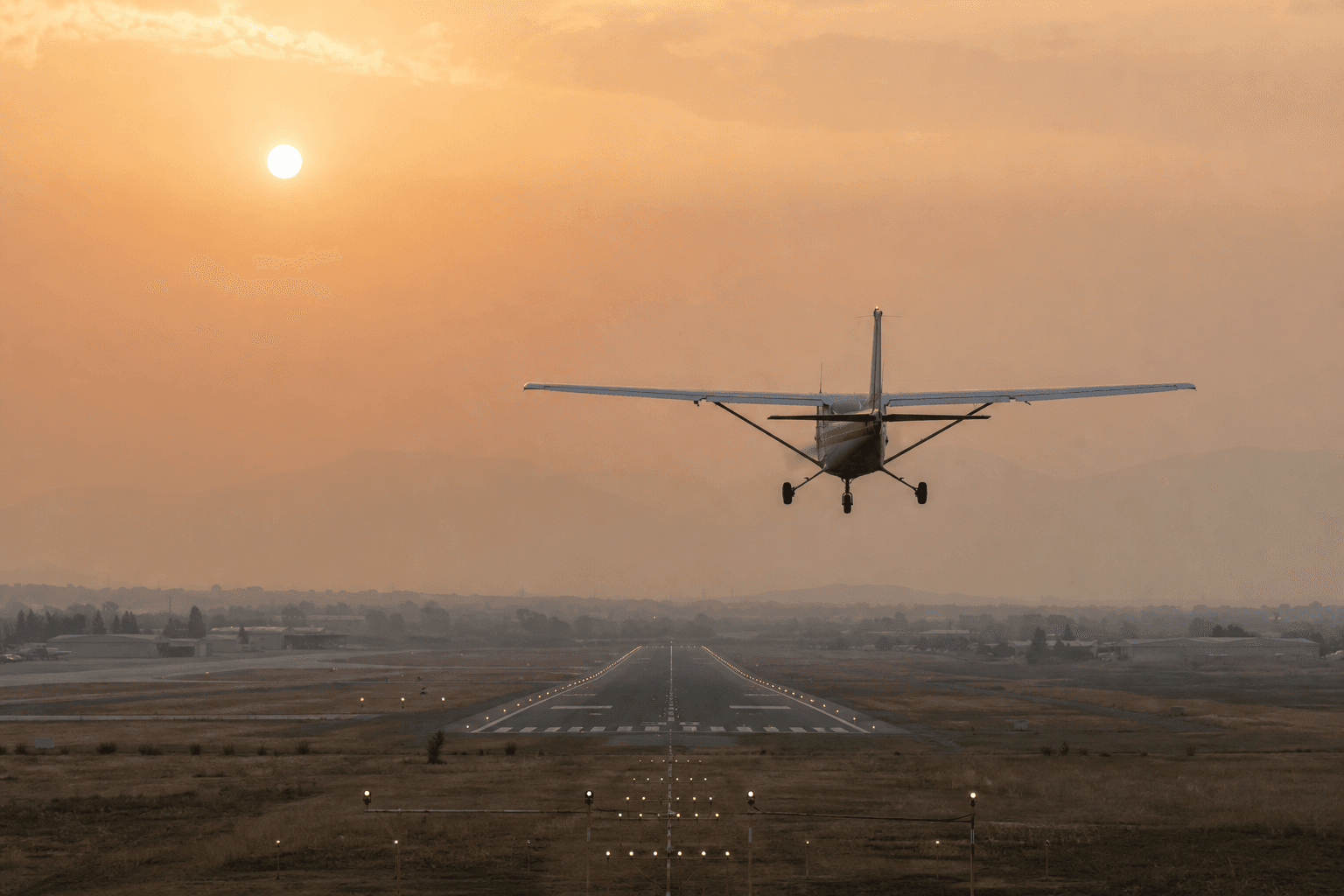
Wildfire Smoke From Canada Threatens Arrival Conditions at Oshkosh AirVenture 2026
Smoke from wildfires may delay some arrivals into EAA AirVenture Oshkosh this year. The air quality map from AccuWeather shows a smoke plume from Canada, which is experiencing a record number of wildfires, reaching the Midwest and stretching to the Northeast. Conditions range from moderate and poor to unhealthy and dangerous. According to the Wisconsin Department of Natural Resources Fire Management dashboard, as of Thursday afternoon, there are 673 wildfires burning in Wisconsin. As of noon CDT Thursday the Air Quality Index in Oshkosh, Wisconsin, was listed as 414 Hazardous due to elevated levels of fine particulates in the wildfire smoke. AirVenture is scheduled for Monday, July 20, through Sunday, July 26, at Wittman Regional Airport (KOSH). READ MORE: Historic Lineup Will Take Center Stage at AirVenture's Boeing Plaza READ MORE: NASA's Super Guppy Will Miss AirVenture Due to Storm Damage A check of METARs from Grand Forks, North Dakota, to Binghamton, New York, show MVFR to IFR conditions due to smoke (FU). Weather officials monitoring the event noted that the poor air quality over the Upper Midwest and Pennsylvania, New York, and New England will likely remain through the weekend as more smoke comes down from the north. For pilots, smoke and haze can quickly reduce visibility and make the automated weather information gleaned from local airports questionable as the distance reported by the airport automated weather machine is significantly greater than what the pilots in the sky are seeing. Haze makes the eyes focus to infinity, which makes judging distances difficult if not impossible. Poor visibility can also be present at altitude as it is often impossible to determine how high up the smoke extends. Pilots attempting to reach Oshkosh should be prepared for a cat-and-mouse game as the visibility is often better in early morning, with just a light haze in the vicinity, but by early afternoon it can turn to IFR-producing smoke. Pilots who have already made it to KOSH are using social media to share PIREPs about visibility. Some are warning others that VFR is not a possibility. This isn't the first time AirVenture has been under a blanket of smoke. In 2023 and '24, Canadian wildfires turned the morning skies over Oshkosh a sepia-tone color for part of the week, making for some dramatic photographs but very poor air quality.
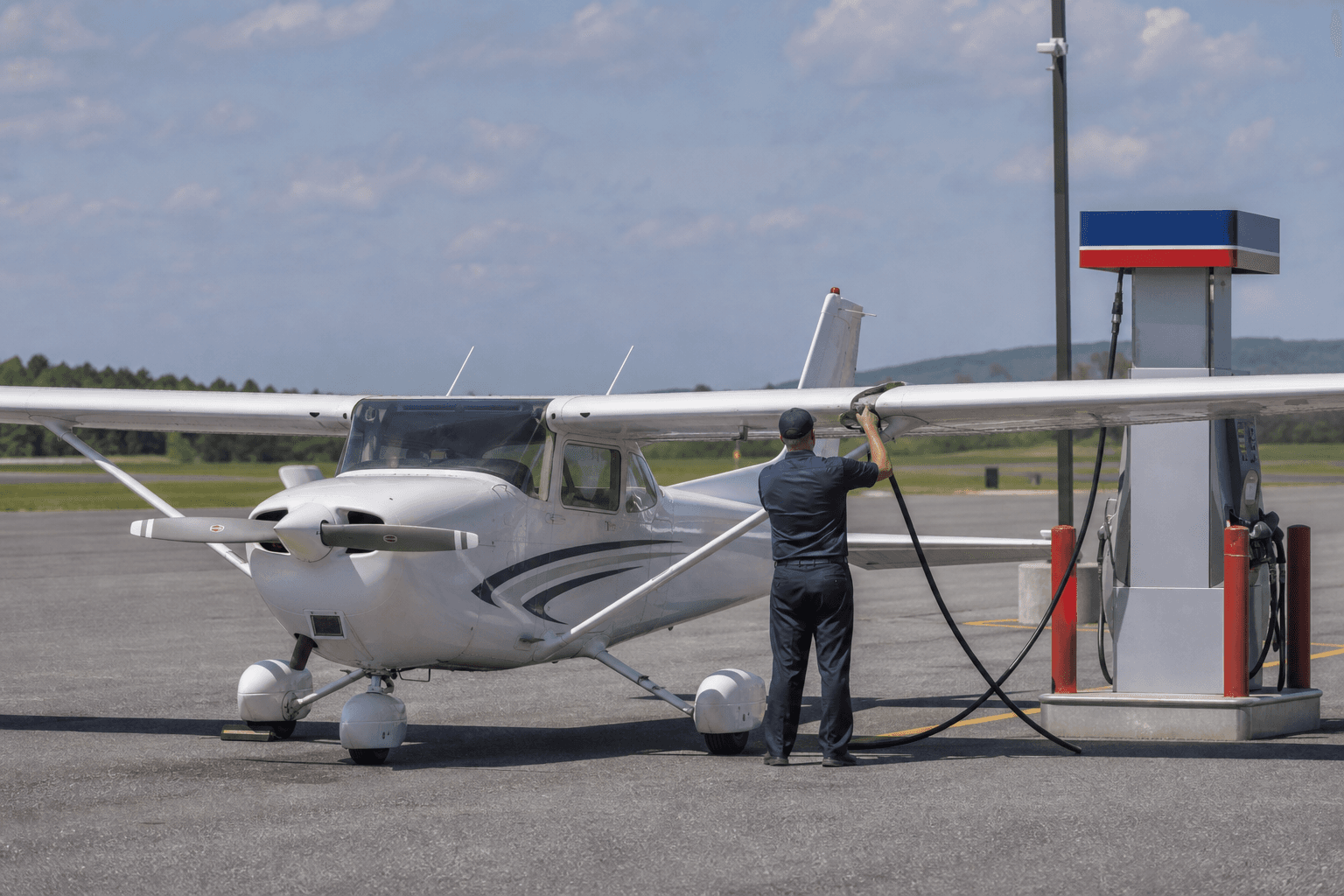
Swift Fuels expands FAA-approved unleaded 100R avgas to 1,600 piston aircraft
Swift Fuels announced a major update of its 100R unleaded aviation fuel supplemental type certificate approval, expanded by the FAA to cover 1,200 piston engine models and 1,600 aircraft. The Indiana-based company reported that distribution is also expanding according to plan.
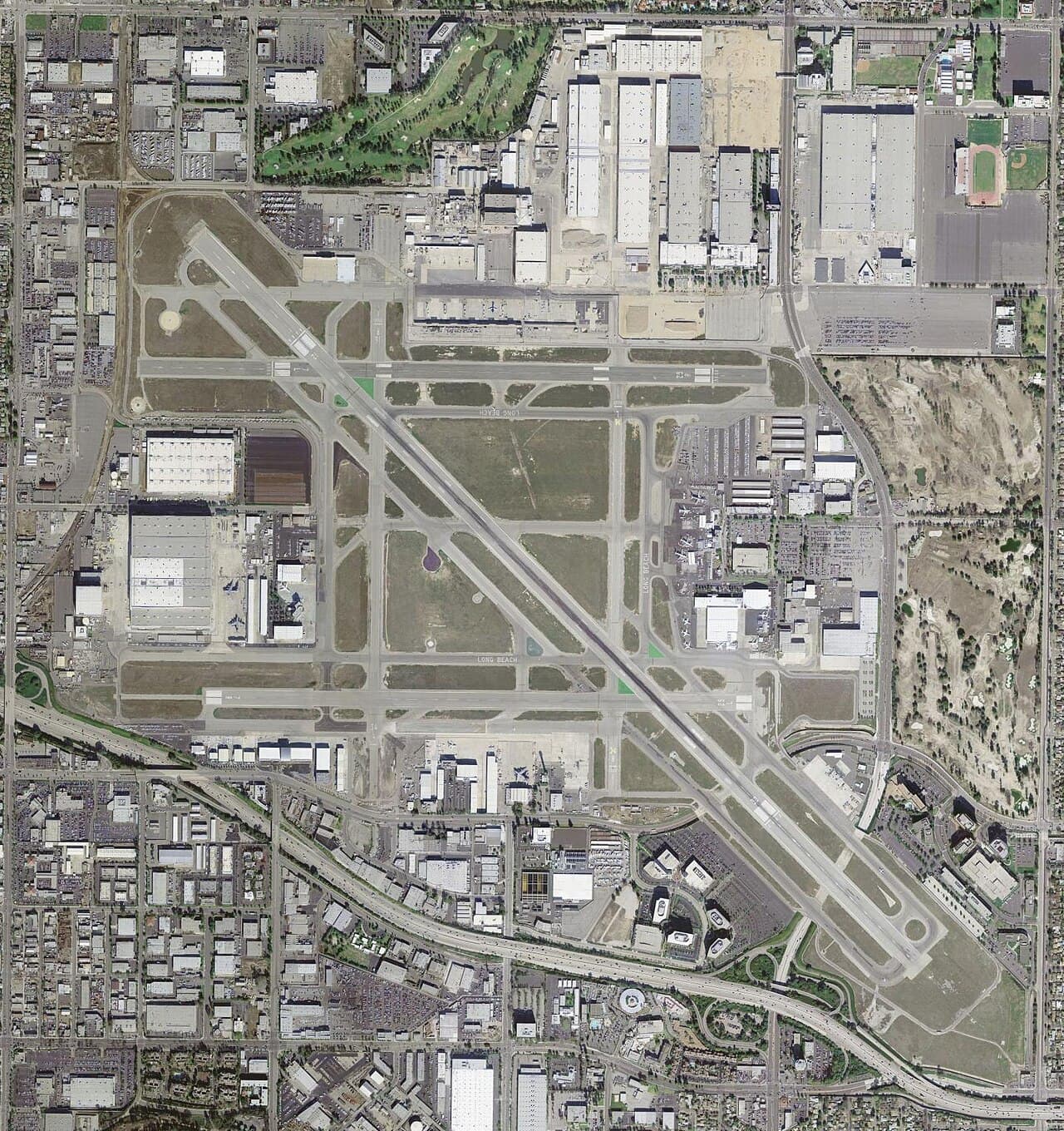
Long Beach Airport Weighs Legal Feasibility of General Aviation Landing Fees
Long Beach Airport officials are exploring whether the airport can implement landing fees for general aviation aircraft, with the Airport Advisory Commission scheduled to receive a legal briefing on the issue this week. The discussion, highlighted by the Long Beach 4th District Blog , follows questions from commissioners about whether the airport's existing fee structure could be expanded to include privately operated aircraft. The issue has also drawn attention from some Long Beach residents who continue to call for measures to address aircraft noise and increased general aviation traffic at the airport. According to the commission's meeting agenda, the presentation will focus on FAA policies, federal grant assurances, and other legal considerations governing airport fees. Long Beach Airport has historically relied on revenue sources including hangar rents, fuel flowage fees, leases, and commercial airline operations rather than landing fees for most general aviation activity. Airport staff are expected to explain that Long Beach can impose landing fees on general aviation aircraft, but only if those fees are designed to recover the airport's actual operating and capital costs. FAA regulations prohibit federally funded airports from using fees as an indirect means to reduce aircraft activity, discourage certain users, or address noise concerns. Airports that have accepted FAA Airport Improvement Program grants must ensure that fees are reasonable, nondiscriminatory, and consistent with federal obligations. A similar debate is underway at Falcon Field Airport in Mesa, Arizona, where the FAA is reviewing proposed landing fees for general aviation operators. Any future landing fee program would require additional public discussion and FAA review before implementation.
The Daily Touch & Go
The day's best aviation news in your inbox. Free, no spam.