

Illustration: The Touch & Go
Boeing 777X Delays Cost Exceed Entire Airbus A350 Development
Boeing's 777X program faces a roughly seven-year certification delay, with over $15 billion in accounting charges rivaling the development cost of Airbus's A350 family.
The gist
Boeing’s 777X certification delays have cost more than building Airbus’s all-new A350 aircraft, exceeding $15 billion in financial charges.
Continuing coverage
All Boeing 777x →- Limited Facilities Worldwide Certified to Service Boeing 777X GE9X Engines at Launch
- GE9X Engine's Mid-Seal Crack Identified, Fix Underway as 777X Nears Certification
- Sydney Airport's Tight Space Requires Boeing 777X to Fold Wings at Gates
- Thai Airways to finalize new long-haul widebody choice within two years
- Five Airlines Unveil Next-Gen First Class Suites for 2026-27 Long-Haul Flights
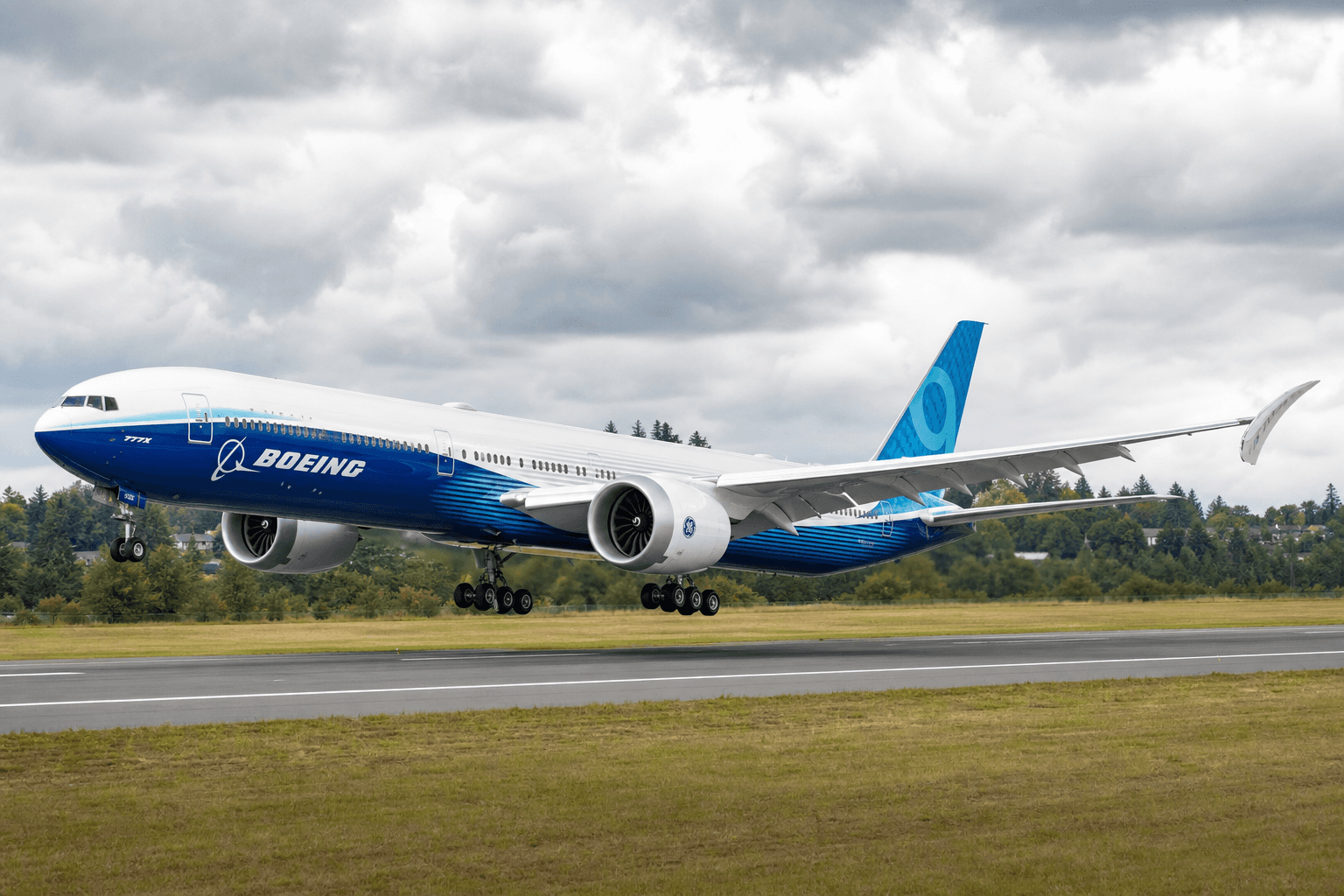
The Boeing 777X, initially slated for airline service in 2020, continues to face significant certification delays now pushing its expected entry to 2027. This seven-year postponement has led to a financial impact on Boeing unprecedented for a derivative commercial aircraft development program. According to Boeing’s financial disclosures, cumulative accounting charges linked to the 777X program have surpassed $15 billion as of mid-2026, marking a costly ordeal in certification and production delays.
Boeing had positioned the 777X as an evolutionary upgrade of the successful 777 family rather than a clean-sheet aircraft. The program introduced advanced elements such as a new composite wing featuring folding wingtips, larger General Electric GE9X engines, and updated avionics. This approach generally aims to reduce development costs and timelines by leveraging existing platforms and certification baselines.
Despite these intentions, the 777X development evolved into one of Boeing’s longest and most expensive certification programs. The first flight occurred in January 2020, yet regulatory approval for entry into service remains pending. Extensive additional testing and recertification demands by authorities have stretched the certification process far beyond original projections.
The ballooning costs stem from a combination of stretched certification timelines, supply chain disruptions, production cost increases, and compensation paid to carriers for delayed aircraft deliveries. Boeing has continually recorded significant pre-tax charges, often called reach-forward losses, growing over years to exceed the $15 billion mark. Among technical challenges causing setbacks were cracked engine thrust links, the need for additional flight control testing, and a temporary halt of flight tests after a cargo door failure.
Increased regulatory scrutiny after recent aviation incidents has raised the bar for certification worldwide. The FAA and other bodies now require comprehensive evidence proving aircraft systems perform reliably across broader operational scenarios. Even isolated technical issues can prompt extensive rework and delay progress, inflating costs.
While Boeing faces financial strain, airlines also suffer operational impacts. Lufthansa, anticipating its 777X fleet to replace aging long-haul aircraft, has had to extend the service lives of older Airbus A340 and Boeing 747 jets longer than planned. This extension results in increased maintenance needs, inefficiencies, and disrupted fleet renewal strategies, affecting overall airline economics.
A striking comparison emerges when juxtaposing Boeing’s accounting charges with Airbus’s estimated $15 billion investment to develop the all-new A350 family. The A350 involved designing a novel carbon-fiber fuselage, new manufacturing methods, and a fresh certification process from scratch. In contrast, the 777X’s extensive expenses have arisen mostly from delays and complications in certifying an aircraft based on a mature platform, highlighting the unusual severity of the 777X program’s financial impact.
This comparison underscores the financial risks inherent in aircraft certification delays, even when developing derivative models. The 777X illustrates how regulatory and technical challenges can cascade into billions in additional costs and years of lost time, adversely affecting manufacturers and operators alike. As the program approaches its long-delayed certification target, its legacy will likely influence future approaches to aircraft development and certification processes.
Frequently asked questions
- What has caused the Boeing 777X program to be delayed by roughly seven years?
- The 777X certification has been delayed due to increased regulatory scrutiny, technical issues such as cracked engine thrust links and cargo door failures during flight testing, and the need for additional testing and engineering analysis.
- How much have Boeing’s financial charges related to the 777X program reached?
- Boeing's cumulative accounting charges connected to the 777X program have exceeded $15 billion, reflecting costs from delays, supply chain issues, higher production expenses, and customer compensation.
- How does the 777X program’s financial impact compare with that of the Airbus A350 development?
- The $15 billion-plus in Boeing’s 777X accounting charges rivals or exceeds widely estimated development costs for Airbus’s entirely new A350 program, highlighting the high cost of prolonged certification delays even on a derivative aircraft.
Read more
All Regulatory →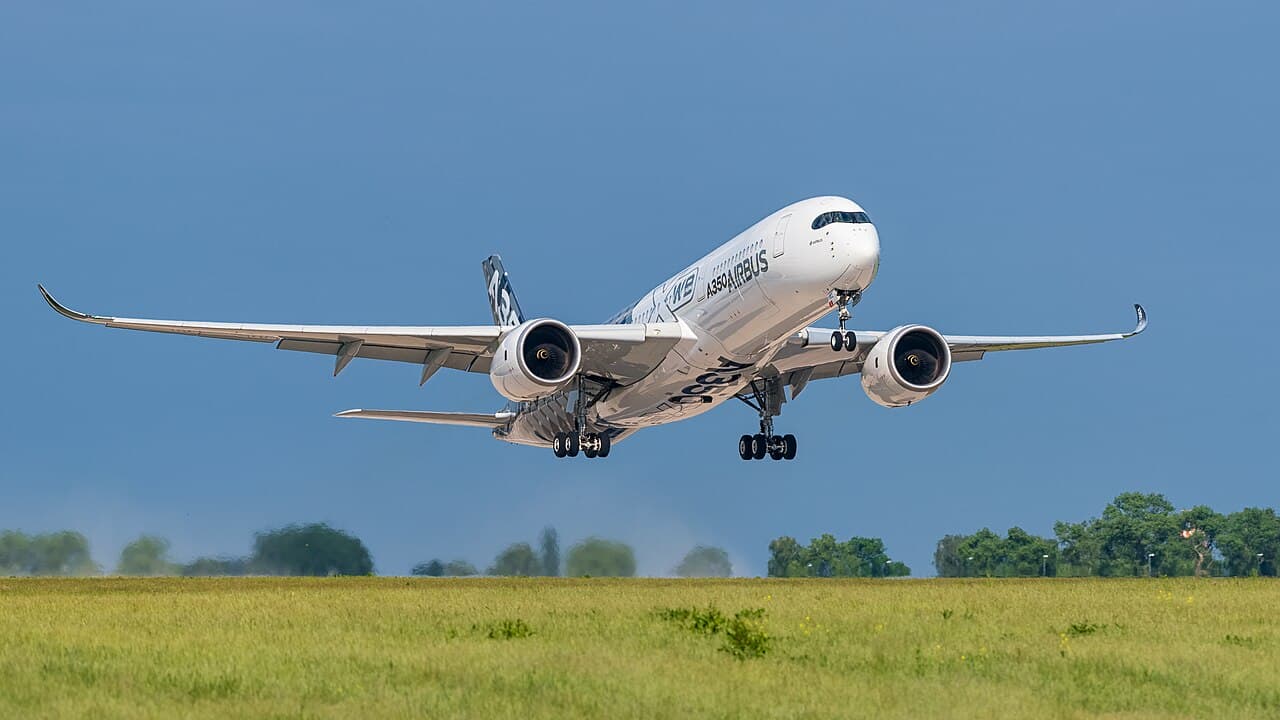
Delta to Launch Los Angeles-Manila Flights in March 2027 with Airbus A350
Historically, Delta Air Lines has shied away from ultra long haul flights, with a limited number of exceptions. However, that's slowly starting to change. Delta recently launched flights to Hong Kong (HKG) , and Riyadh (RUH) flights are expected soon as well. A few months back, Delta revealed in a regulatory filing that it plans to launch yet another route to Asia. Last week I wrote about how an announcement was imminent. Well, that has now been confirmed, as Delta has today unveiled details of its newest long haul route. Delta confirms March 2027 launch for flights to Manila Delta plans to launch nonstop flights between Los Angeles (LAX) and Manila (MNL) as of March 27, 2027. The flight will initially operate 3x weekly, before switching to daily as of June 7, 2027. Specifically, the flight is expected to operate with the following schedule: DL181 Los Angeles to Manila departing 11:50PM arriving 5:30AM (+2 days) DL180 Manila to Los Angeles departing 7:40AM arriving 6:05AM Delta plans to fly from Los Angeles to Manila The 7,305-mile flight will be operated by an Airbus A350-900, featuring the carrier's latest cabin products. The flight is blocked at 14hr40min westbound and 13hr25min eastbound. We've officially had a clue that this route would be added since October 2025, when a Delta executive revealed to employees internally that the airline plans to add flights to Singapore (SIN) and Manila (MNL). So while the Singapore service remains to be seen, the Manila flights are becoming a reality. LAX-MNL flights departing Manila at 7:40 A.M. will arrive in Los Angeles at 6:05 A.M. on the same day, while return flights will depart Los Angeles at 11:50 P.M. and arrive in Manila at 5:30 A.M. two days after departure. https://t.co/b37BKT8Dpm — JonNYC (@xJonNYC) July 17, 2026 I'm curious to see how Delta's Asia growth strategy plays out It's an interesting time for Delta when it comes to its Asia network: Historically, Delta's Asia network has been based so heavily around routing passengers through Seoul Incheon (ICN) with connections on joint venture partner Korean Air, which means Delta's actual list of nonstop Asia destinations has been very limited With Delta now taking delivery of a good number of long haul planes, including new "flagship" Airbus A350-1000 aircraft , the airline has big growth aspirations for the plane Delta's West Coast strategy has been a challenge — for a while we saw the airline growing in Seattle (SEA), setting that up as a transpacific gateway, but that airport is pretty maxed out in terms of capacity, and Delta is in the number two spot behind Alaska ; now we're seeing Delta try to grow greatly in Los Angeles (LAX) , which the airline sees as a "once in a generation" opportunity Los Angeles is probably the most competitive West Coast market among Asian carriers, and capacity is seemingly endless, and as a result, yields can be really rough; that's why none of the "big three" carriers have been able to achieve a dominant position at the airport I'm excited to see Delta's long haul network get more interesting, but there's no denying this strategy also faces some challenges. For one, US carriers have among the highest operating costs in the world for ultra long haul flights, given labor costs at US airlines. Beyond that, it's hard for Delta to be the leader across the Pacific, when they're competing against United, which not only has a very well established network, but also has a mega hub in San Francisco (SFO), which has a scale that Delta simply can't replicate in Los Angeles or Seattle. The Manila route specifically is also interesting, given that Philippine Airlines is joining the oneworld alliance , so might become a more competitive option for some. For that matter, the airline is also improving its passenger experience in premium cabins, with new planes and seats . United also added San Francisco to Manila flights in late 2023, though United is also a lot further along when it comes to the size of its Asia route network, and San Francisco is also a much bigger hub for the airline. So we'll see how this situation evolves. Admittedly airline economics have changed over the years, and routes no longer need to be wildly profitable directly, but instead, loyalty programs are also a big consideration. But still, I'm curious to see how this whole Asia network growth plays out for Delta. Can Delta make money flying from Los Angeles to Manila? Bottom line Delta plans to launch nonstop flights between Los Angeles and Manila as of late March 2027. The flight will initially operate 3x weekly, before moving to daily within a few weeks. Delta will use an Airbus A350 for the service, as it does for all of its Asia routes. Frankly, I'm excited to see Delta grow across the Pacific, given that United basically had Asia to itself among the "big three" US carriers, in terms of the size of its network. However, I'm just not convinced that Delta has a winning strategy here, at least in terms of this being profitable in the long run. What do you make of Delta's Manila plans?
FAA Restores Boeing's Authority to Certify 737 MAX and 787 Deliveries
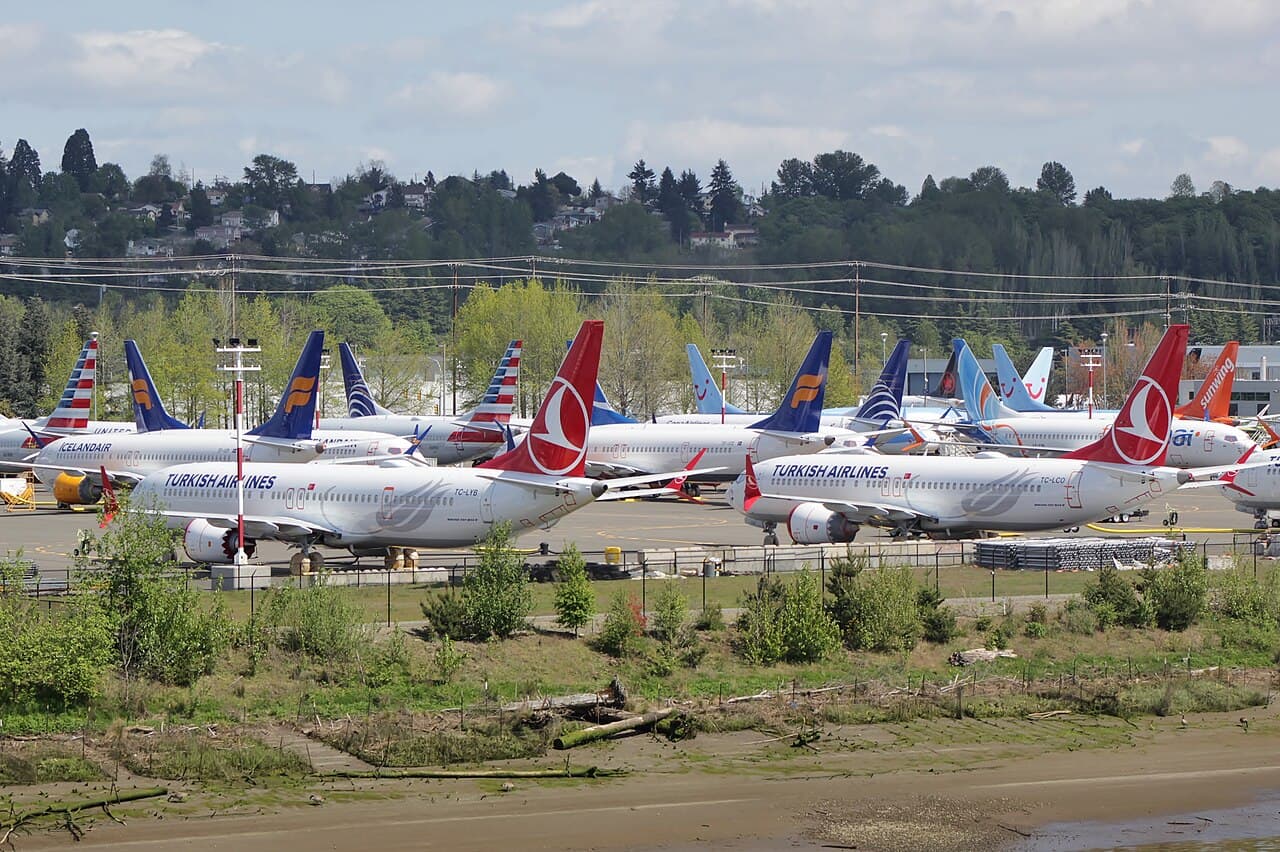
The Federal Aviation Administration ( FAA ) has finally returned authority to Boeing to certify airworthiness certificates again on select Boeing 737 MAX and Boeing 787 family of aircraft. This comes after the permissions were revoked in 2019, following the fatal MAX crashes .
FAA Restores Boeing's Authority to Certify New 737 MAX and 787 Jets
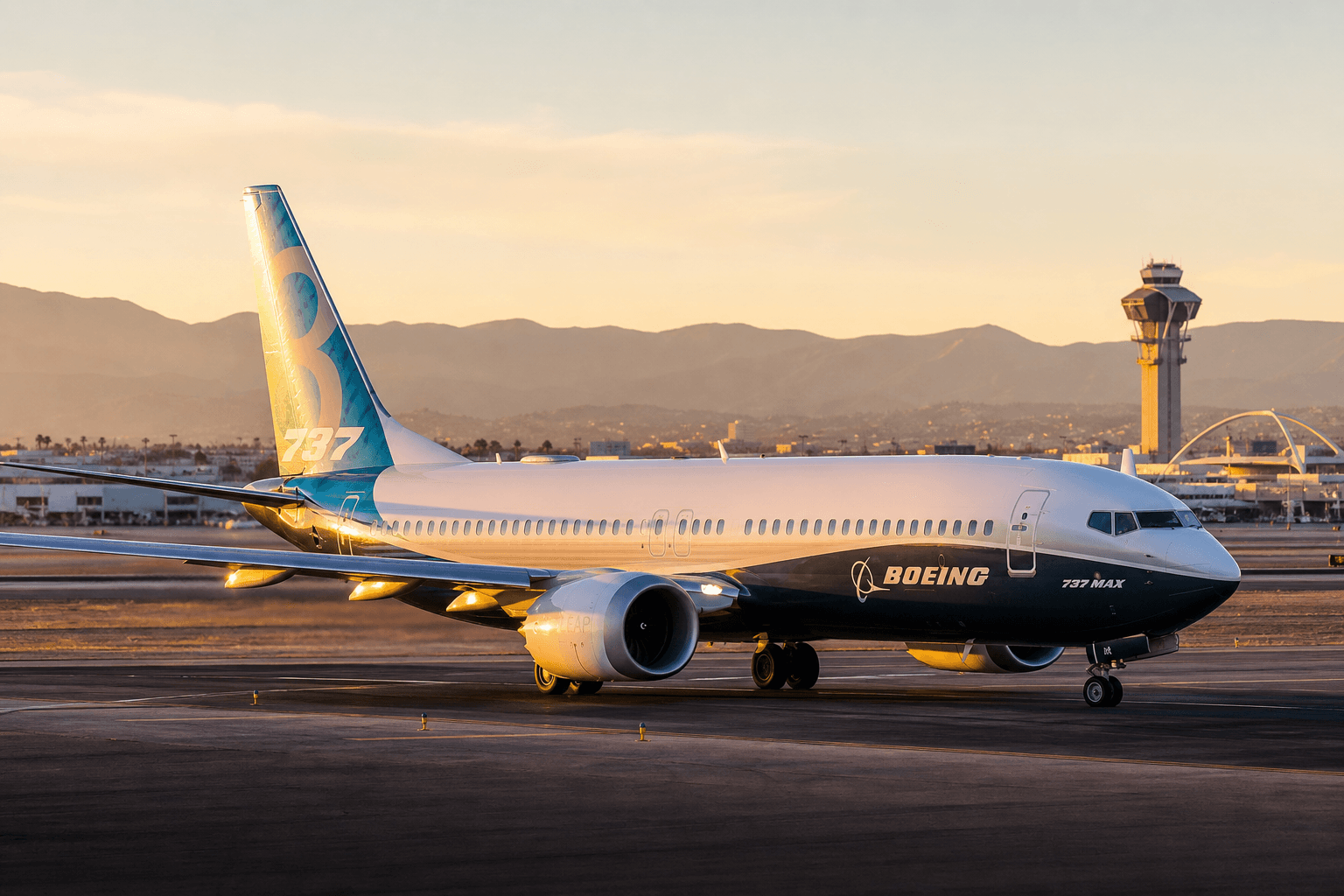
Starting July 20, Boeing will again issue final airworthiness certificates for newly built 737 MAX and 787 aircraft—authority the FAA reserved after fatal crashes and production failures. The agency says eight months of alternating inspections produced comparable quality findings, while federal audits and production oversight will continue.
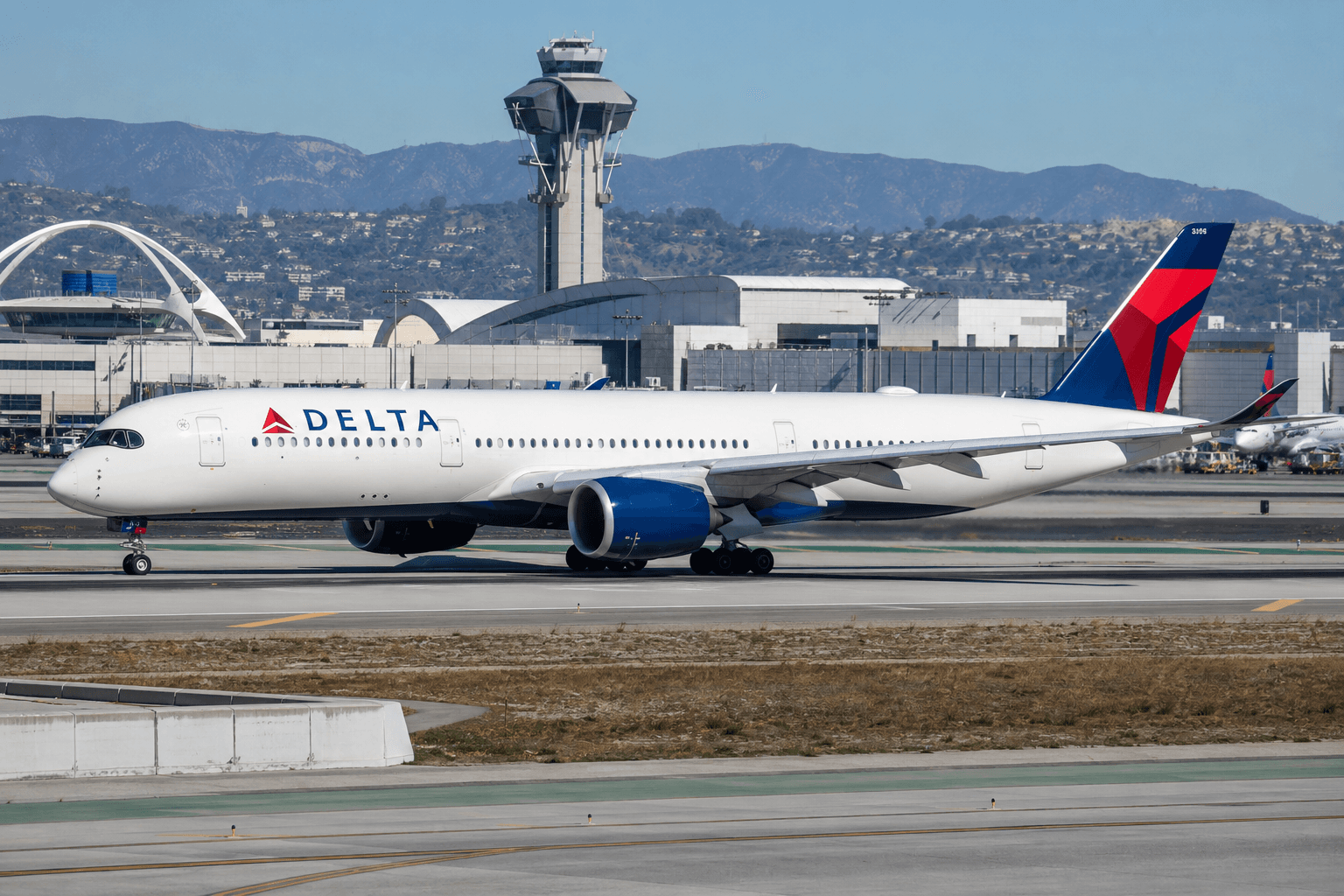
Delta to launch first nonstop flights between Los Angeles and Manila in 2027
Delta Air Lines is set to launch its first-ever nonstop flights between Los Angeles and Manila, becoming the only US airline flying directly between the two cities when service begins March 28, 2027. That distinction puts Delta in direct competition with Philippine Airlines, the country's flag carrier and, until now, the only airline offering a direct connection between Los Angeles and Manila. United Airlines currently serves the route as well, but only by connecting passengers through San Francisco rather than flying nonstop. The route and the aircraft To start with, Delta will fly the route three times a week, departing Los Angeles on March 28, 2027 and Manila on March 30, 2027, before expanding to daily service on June 7, 2027. The flights will operate on Delta's Airbus A350-900, a twin-engine, wide-body jet configured with four cabins: Delta One, Delta Premium Select, Delta Comfort and Delta Main. Delta One, the airline's top business-class product, will come with flat-bed seating, sliding privacy doors and elevated dining. Passengers across all cabins will have access to seatback entertainment, plus free Wi-Fi for SkyMiles members. For Jeff Moomaw, Delta's Vice President for Asia Pacific, the new route gives the airline a chance to introduce more travelers in the Philippines to its premium service while extending its global network. "As we continue growing across the Asia Pacific region, Manila represents an exciting opportunity to introduce more travelers to Delta's premium experience while expanding access to our global network," he said. Part of a bigger push from LAX The Manila route builds on Delta's broader effort to establish Los Angeles as its main West Coast gateway for trans-Pacific travel, a shift away from its earlier reliance on Seattle for flights across the Pacific. Over the past year, Delta has added new LAX services to Hong Kong, Melbourne, and Chicago, brought back its Shanghai route, and announced upcoming flights to Vancouver and Newark. The airline also plans to lean into its joint venture with Korean Air, giving travelers the choice of flying nonstop with Delta or connecting through Seoul's Incheon Airport, where Korean Air already runs multiple daily flights to Manila. Regulatory groundwork Delta's plans for the Manila route surfaced earlier this year in filings with the US Department of Transportation. The airline asked regulators to hold off on approving Philippine Airlines' request to launch service to Chicago until the Philippine government confirmed that US carriers would get fair access to landing slots at Manila's Ninoy Aquino International Airport. Delta previously served Manila through connecting hubs in Tokyo and Seoul, before suspending that service in 2021. The airline's return to the market, this time with a direct route from one of its key US gateways, marks its most significant push yet into a corridor long dominated by the Philippines' own flag carrier. RELATED Philippine Airlines announces nonstop Chicago to Manila route starting November
The Daily Touch & Go
The day's best aviation news in your inbox. Free, no spam.