


Illustration: The Touch & Go
Delta boosts 737 efficiency with new rear fuselage fins to cut fuel burn
Delta Air Lines is enhancing its Boeing 737 fleet with small aerodynamic fins on the rear fuselage to reduce drag and save millions in fuel costs.
The gist
Delta implements rear fuselage fins on 737s to improve aerodynamics and lower fuel burn significantly.
Delta Air Lines has begun fitting its Boeing 737 aircraft with small fins on the rear fuselage as part of an aerodynamic upgrade aimed at reducing fuel consumption. These discrete fins, though barely noticeable from passenger windows, serve to streamline airflow and decrease drag during flight. This initiative reflects Delta’s ongoing commitment to operational efficiency and sustainability.
The application of these fins on the 737 fleet complements broader efforts in the airline industry to enhance fuel efficiency through incremental aerodynamic improvements. Delta decided to focus on these subtle modifications because they offer a cost-effective way to reduce fuel burn without major structural changes to the aircraft. The airline anticipates that these enhancements will accumulate into significant fuel savings and lower emissions over time.
Initially tested on select aircraft, the fins have now been rolled out more widely across Delta’s 737s. The design is inspired by aerodynamic principles to reduce turbulent airflow at the rear of the fuselage, which in turn diminishes resistance. While small in size, the fins’ impact contributes to Delta’s overall strategy to optimize every aspect of its fleet’s performance.
This upgrade arrives amid rising fuel prices and increasing environmental scrutiny that pressure airlines to adopt measures enhancing efficiency. By targeting the 737s, which represent a substantial portion of its short- to medium-haul operations, Delta is addressing a key segment of its network that offers ample opportunity for fuel savings. Such incremental tweaks are proving vital as carriers seek to balance costs and sustainability goals.
Looking ahead, Delta’s deployment of these aerodynamic fins may set a precedent for other airlines assessing similar fuel-saving technologies. As regulatory agencies and customers place greater emphasis on carbon footprints, manufacturers and operators will likely increase adoption of small-scale modifications that collectively yield meaningful environmental benefits. Delta’s move exemplifies how even minor design refinements can align with industry trends towards greener aviation.
Overall, the rear fuselage fins on Delta’s 737s highlight the airline’s proactive approach to innovation within existing fleets. This initiative enhances competitiveness by lowering operating costs while also advancing fuel efficiency and emissions reduction goals. Observing the real-world impact of these modifications will be critical as Delta and the industry gauge further aerodynamic enhancements in the years ahead.
Read more
All Airlines →
Airlines With Densest Economy Cabins Revealed for 2026
A closer look at which carriers are squeezing the most seats into their economy cabins.
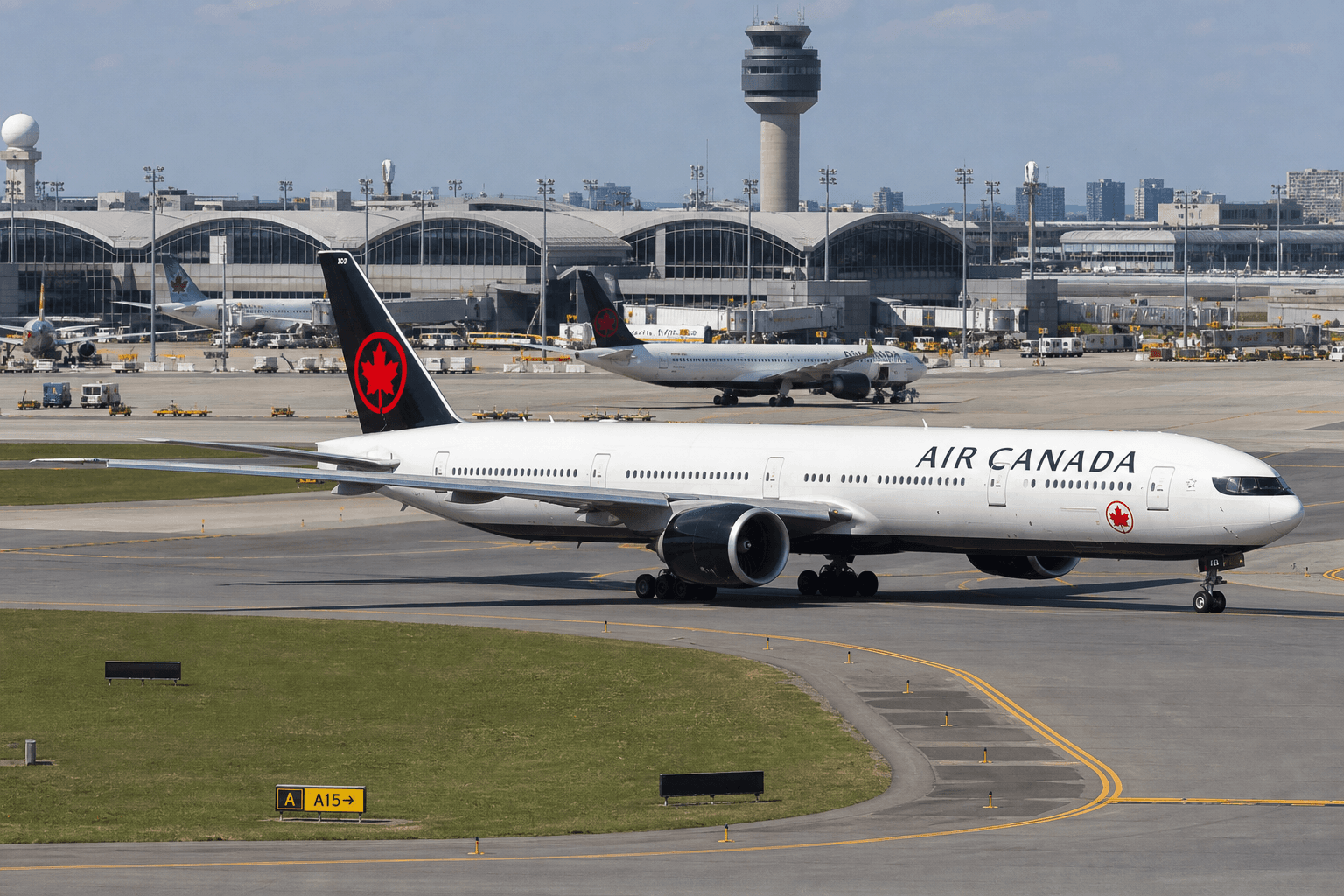
Air Canada Boosts US Widebody Flights by 35 Percent for Summer 2026
Air Canada's bold move to increase widebody flights to the US by 35% this summer signals a surge in trans-border travel.

US Airlines Offer Comparable Pay for Airbus A350 and Boeing 777 Captains in 2026
Why do airlines pay A350 and Boeing 777 Captains the same, even though no US carrier operates both of the aircraft types?
![Air Canada's Massive 440-Seat Boeing 777: See All 8 Routes Now [Full List & Map]](/_next/image?url=https%3A%2F%2Favoibnodqwjxlpbhunuu.supabase.co%2Fstorage%2Fv1%2Fobject%2Fpublic%2Fstory-images%2Fai%2Fair-canada-s-massive-440-seat-boeing-777-see-all-8-routes-now-full-list-and-map-ec3b2528.png&w=3840&q=75)
Air Canada launches eight routes with 440-seat Boeing 777 in new configuration
Recently reduced from 450 seats, the new configuration operates domestically and internationally. Find out more here!
The Daily Touch & Go
The day's best aviation news in your inbox. Free, no spam.