

Illustration: The Touch & Go
Delta A350 and US Boeing 777 Pilot Pay Align Closely in 2026
In 2026, pilot salaries for Airbus A350 and Boeing 777 captains at major US airlines show minimal difference, reflecting similar pay scales tied to seniority and airline rather than aircraft model.
The gist
Pilot pay for A350 and Boeing 777 captains in the US is essentially comparable, with seniority and carrier driving salaries more than aircraft type.
Continuing coverage
All Delta Air Lines →- Seven Passengers Sue Delta After Low-Speed Collision with Japan Airlines 787 at Seattle
- LATAM A320 aborts takeoff at São Paulo as American and Delta jets cross runway amid fog
- Delta Orders 16 High-Cabin Airbus A330-900neos With 56 Delta One Suites Each
- American Airlines Struggles to Match Delta and United in Profitability Despite Market Size
- Delta Air Lines Ends Narita Hub Following 2008 Northwest Merger, Shifting Asia Strategy
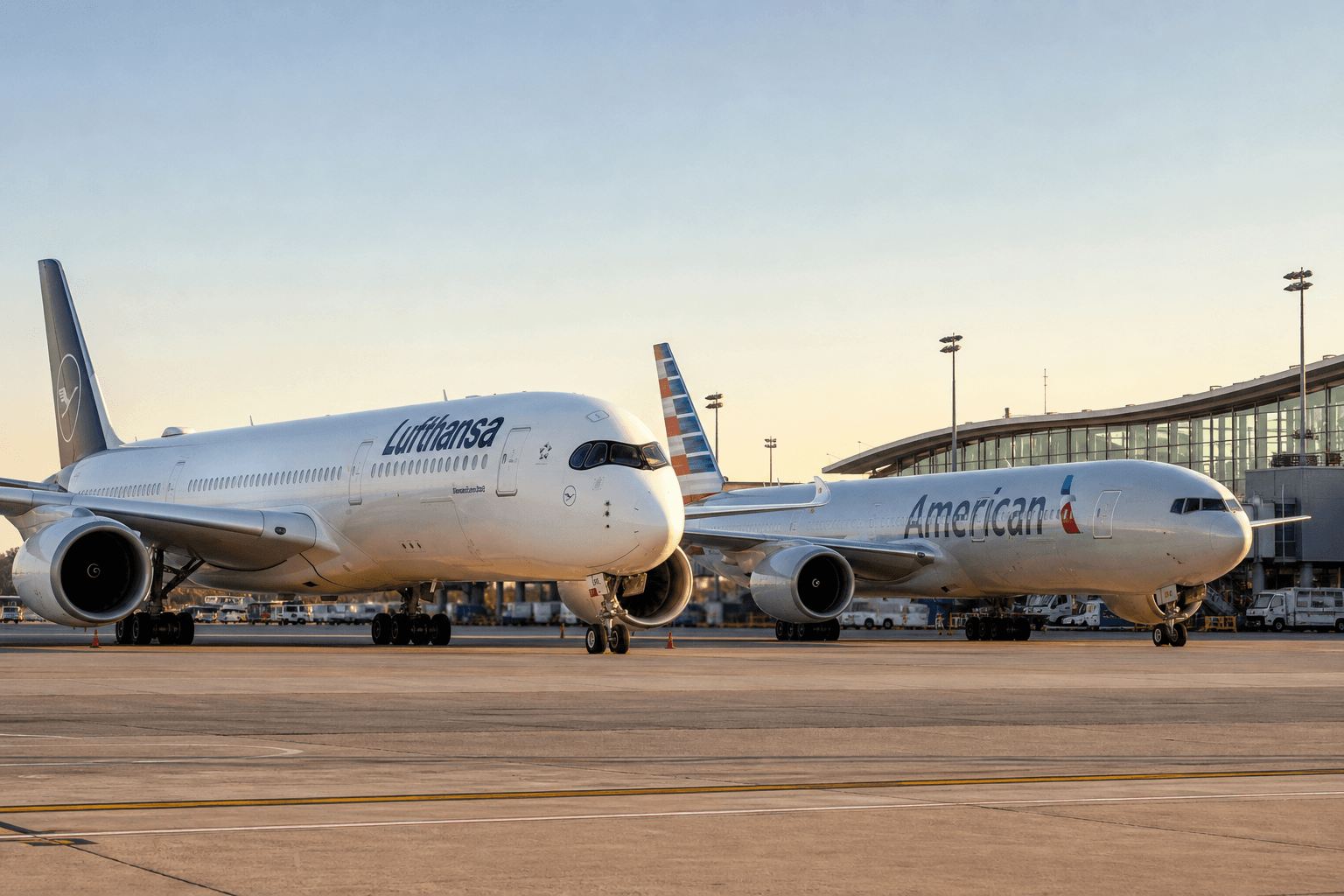
The pay gap between captains flying Airbus A350s and Boeing 777s at US airlines is negligible in 2026, with salaries primarily influenced by carrier and seniority rather than aircraft type. Delta Air Lines uniquely operates the A350 within the US, while American Airlines and United Airlines maintain all-Boeing widebody fleets featuring the 777 and 787 Dreamliner but no A350s. This operator split makes direct intra-airline salary comparisons between the two aircraft types impossible in the United States.
Delta has a fleet of 41 Airbus A350-900s, positioning it as a significant A350 operator with an additional 19 A350s on order. In contrast, United and American Airlines focus heavily on Boeing 777 and 787 aircraft. United operates 96 Boeing 777s alongside 87 Boeing 787s, while American's large widebody fleet includes 67 Boeing 777s and 70 Boeing 787s. Neither carrier currently flies the A350, and United has withdrawn from previous plans to acquire this type following a costly engine-related dispute with Rolls-Royce.
The Boeing 777 remains the flagship widebody for American and United, whereas the A350 holds that status for Delta. Despite differences in aircraft models, pilot pay is linked more closely to seniority and the airline's pay structure than to the specific aircraft flown. The most senior captains, who typically handle widebody aircraft at major carriers, command some of the highest salaries in commercial aviation.
Data from Airline Pilot Central for 2026 reflects this parity. United pilots flying large widebodies—including the 777 and 787—start at approximately $444,000, rising to about $484,000 after twelve years. Delta's heavy widebody pilots, including those on the A350, begin at around $427,000, growing to $465,000 after twelve years. American's payscale is slightly lower, starting at $410,000 and rising to $447,000 over the same period, but it also applies uniformly across its widebody fleet.
Despite slight variations between airlines, these figures show that within each carrier, widebody captains receive comparable pay regardless of flying the 777 or the A350. The fact that no US airline currently operates both aircraft types limits direct peer-to-peer comparisons but reinforces the trend that aircraft type influences pilot pay marginally compared to other factors.
Historically, the US widebody market has seen a shift away from very large aircraft to smaller widebodies such as the A330neo, 787 family, and A350-900. Delta's adoption of the A350 reflects this trend. United's cancellation of its planned 45 A350-900s came after legal tension with Rolls-Royce over engine contracts, resulting in an increased focus on the Boeing 787 Dreamliner as the cornerstone of its future widebody fleet.
The economics and pilot pay scales align with this operational strategy. While United holds orders for at least 135 Dreamliners in multiple variants, Delta continues to invest in the A350. Meanwhile, American maintains sizable orders predominantly for narrowbodies with a modest pending 787 order. Pilot salaries at the Big Three thus reflect not only seniority but also the strategic fleet composition of each airline.
Globally, the similarity in pilot pay between the A350 and 777 extends beyond the US, with pilots' compensation shaped largely by geographic location, experience, bonuses, and allowances. This uniformity further confirms that widebody captain pay is less about the manufacturer and more about market forces and individual airline pay scales.
Operating these large widebodies is reserved for the most experienced and senior aviators. Consequently, capturing data on pilot salaries reveals that senior captains flying either the Boeing 777 or Airbus A350 at major US carriers receive compensation in a narrow range that underscores the premium placed on seniority and carrier status in pilot remuneration.
Read more
All Airlines →
BOC Aviation, Avolon, SMBC and AerCap Dominate Global Widebody Leasing Market
Approximately half of all commercial aircraft in service worldwide are operated on lease rather than owned outright by the airline flying them. When a passenger boards a Delta Air Lines Airbus A330-900neo or a Ryanair Boeing 737 MAX 8, there is roughly a 50% chance that the aircraft belongs to a leasing company that purchased it from Airbus or Boeing and leases it to the airline under a long-term contract. The airline pays a monthly lease rate, operates the aircraft on its own routes with its own crews, and returns it to the lessor at the end of the term. The lessor retains ownership throughout and places the aircraft with another operator when the lease expires.
Boeing 787 vs Airbus A330neo: Cost, Orders, and Operating Efficiency Compared
The current commercial aviation landscape is dominated by Boeing and Airbus . The two companies directly compete for contracts with the world's largest aircraft operators, and has resulted in an effective duopoly since the 1990s. Today, the Airbus A330neo family and Boeing 787 Dreamliner family compete for market share in the mid-sized widebody category.
Delta Orders 16 High-Cabin Airbus A330-900neos With 56 Delta One Suites Each
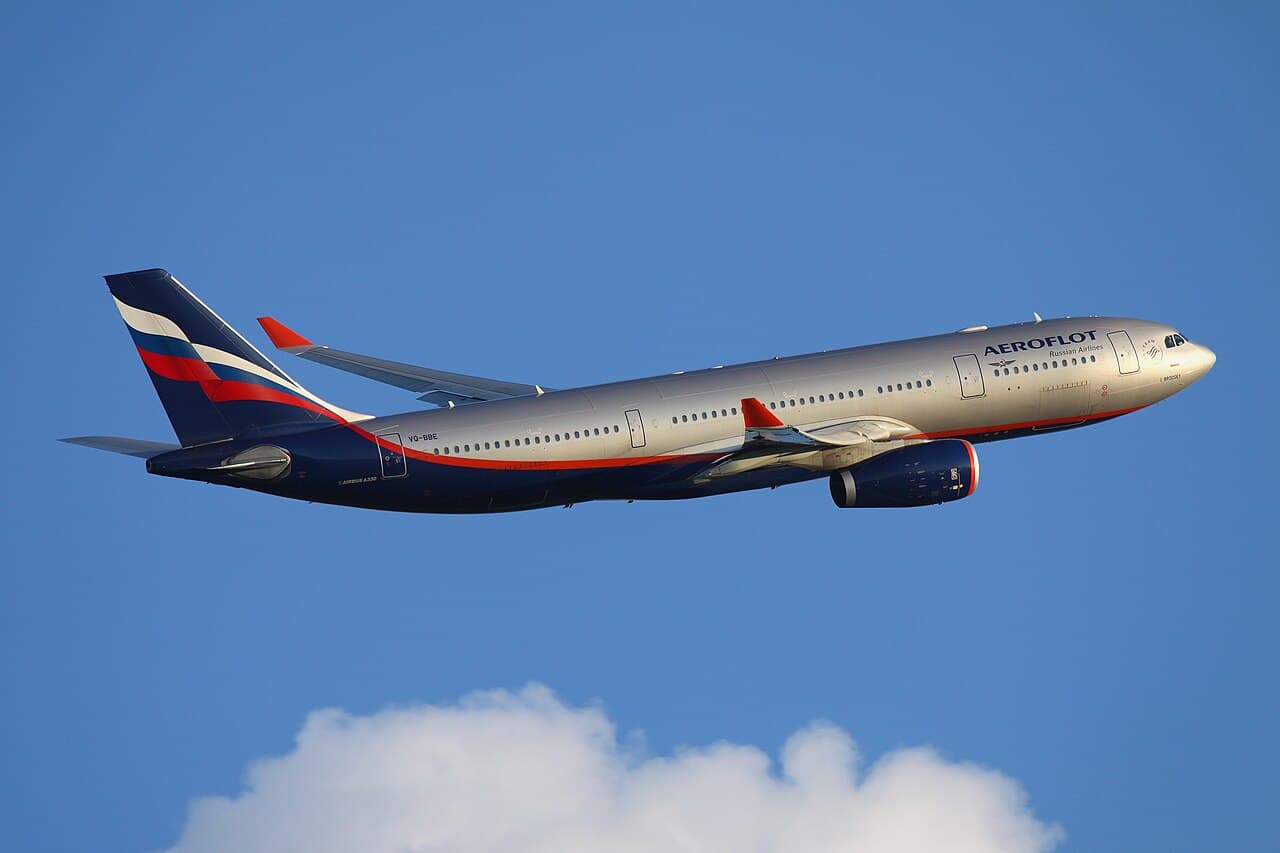
Delta Air Lines' newest batch of Airbus A330-900neos will be fitted with 56 Delta One Suites, almost double the number fitted to the aircraft the carrier flies today. 16 examples of the 'high J' configuration were ordered in January and will complement Delta's existing fleet of 39 A330neos and more than 40 previous-generation A330s.
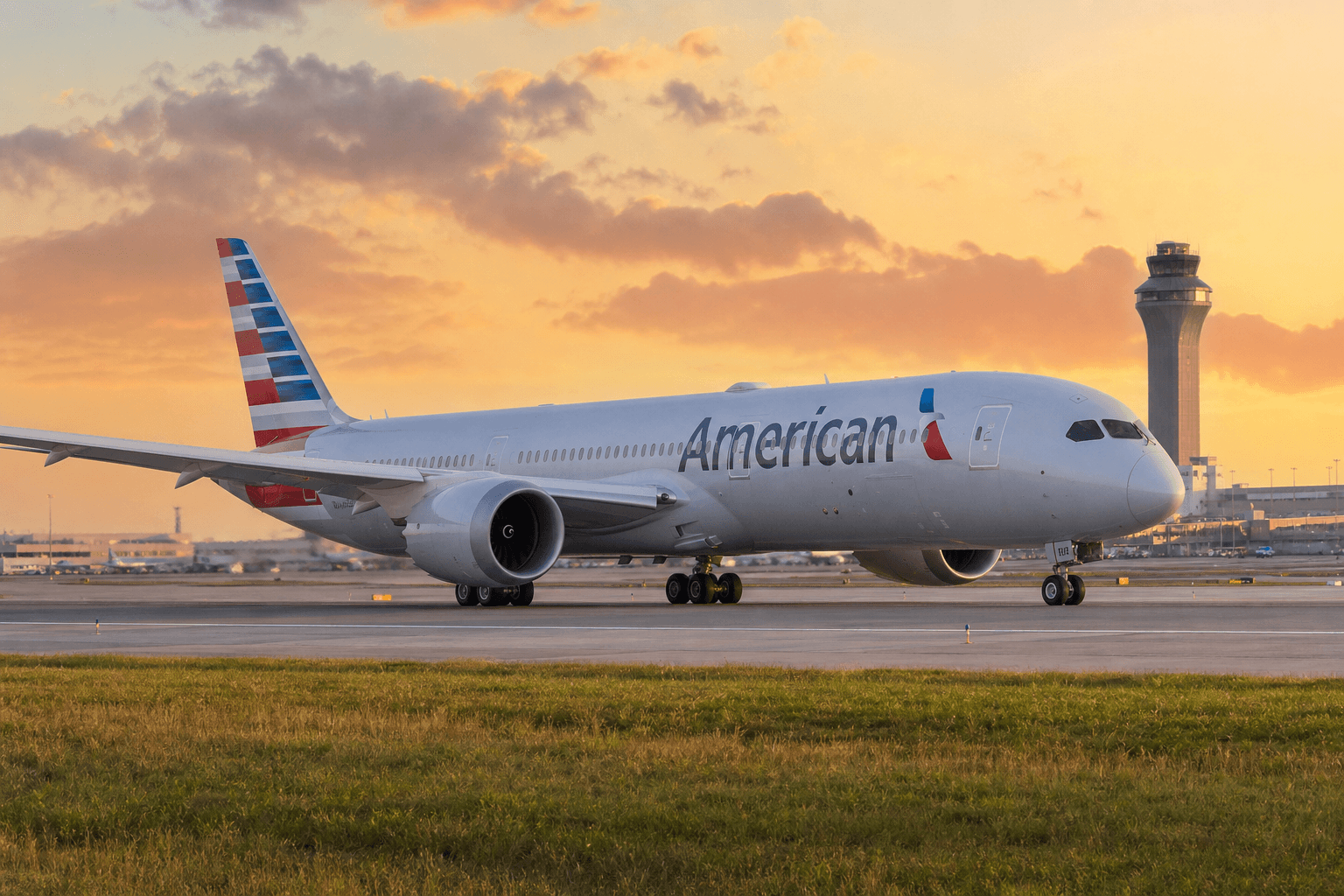
American Airlines Struggles to Match Delta and United in Profitability Despite Market Size
American Airlines was founded in 1930 through a merger of 80 airlines. It wouldn't be until 2013 that American as we know it today was born through a merger with US Airways. With over 223 million passengers carried in 2025, the oneworld carrier remains one of the world's largest airlines alongside its largest competitors, Delta Air Lines and United Airlines . Despite this, American is lagging behind on one key metric: profitability. A gap the Dallas-based airline is desperately looking to close over the coming years.
The Daily Touch & Go
The day's best aviation news in your inbox. Free, no spam.