


AI-generated illustration
Regulatory
UK CAA chief outlines cyber and bomb hoaxes as common aviation disruption tactics
Rob Bishton of the UK Civil Aviation Authority details how cyberattacks, drone incursions, and bomb hoaxes form part of ongoing hybrid warfare strategies against aviation.
The gist
UK aviation faces a hybrid warfare playbook including cyberattacks, drones, and bomb hoaxes disrupting operations but UK security measures keep risk managed.
The UK's aviation sector is increasingly targeted by hybrid warfare strategies that include cyberattacks, drone incursions, and bomb hoaxes, according to Rob Bishton, chief executive of the UK Civil Aviation Authority (CAA). Speaking at the Airlines 2026 conference in London, Bishton emphasized that such disruptions are an expected part of the operational environment given aviation's critical role in transport systems. Intelligence agencies have warned aviation leaders about these ongoing tactics aimed at causing disruption rather than direct physical harm.
Bishton explained that the aviation system is a clear target because its disruption affects mass transportation, making it a focal point for hostile activities short of actual violence. He grouped recent cyber intrusions, unauthorized drone activity near airports, and multiple bomb hoaxes targeting airlines into a consistent 'playbook' used by adversaries. The statement came as part of a wider discussion on maintaining security resilience in an increasingly complex threat landscape.
Recent bomb hoaxes have notably disrupted European carriers, with a surge in false bomb threats forcing operational interruptions. The CAA chief drew contrasts in how different European countries responded, noting that while the UK relied on its intelligence-led security framework developed over 25 years, other jurisdictions adopted more cautious stances causing greater operational friction. The UK's approach, coordinated with government agencies and the Joint Terrorism Analysis Centre, sought to balance threat levels with operational continuity.
Wizz Air, a Central European budget carrier, was among the airlines heavily targeted, with 14 flights affected by false bomb threats. The airline’s CEO, Jozsef Varadi, has publicly called for a harmonized European strategy to handle such threats efficiently and consistently to reduce disruptions. This call highlights the broader challenges across the continent in aligning threat responses while safeguarding passengers and operations.
Despite the operational challenges linked to these hoaxes, the UK CAA confirmed that threat intelligence processes and security procedures successfully identified these incidents as non-credible before they escalated further. Rob Bishton reassured that passengers should remain confident in the security of flying within the UK's aviation system, given the effective coordination and verification mechanisms in place.
The CAA chief’s remarks underscore the evolving nature of security threats as aviation continues to face multifaceted challenges beyond conventional risks. His reference to a long-standing collaboration between intelligence bodies and aviation authorities illustrates how the sector integrates national security insights into its safety protocols. The UK's balanced risk appetite enables the sector to maintain scheduled operations despite persistent disruption attempts.
Hybrid threats such as cyberattacks also come with technical challenges. Cyberattacks can target critical infrastructure including air traffic management and airline IT systems, potentially causing delays or data breaches. Drone incursions compound concerns by physically threatening aircraft safety, particularly during vulnerable phases like takeoff and landing. This complexity requires constant vigilance and adaptation of regulatory safeguards by aviation authorities.
The UK CAA’s ongoing engagement with security intelligence and government countermeasures highlights a framework designed not only to mitigate specific threats but also to manage operational risks pragmatically. By prioritizing intelligence sharing and proportionate responses, UK aviation aims to absorb disruptive actions like bomb hoaxes without escalating to widespread cancellations or airport closures. This approach reflects an operational philosophy emphasizing resilience within a tense security environment.
Originally reported by FlightGlobal
Read more
All Regulatory →
FAA puts digital air traffic control towers into operation at Florida and Alaska airports
New digital air traffic control towers now serve Bartow Executive and Kenai Municipal Airports, with five more planned to enhance safety and modernize monitoring.
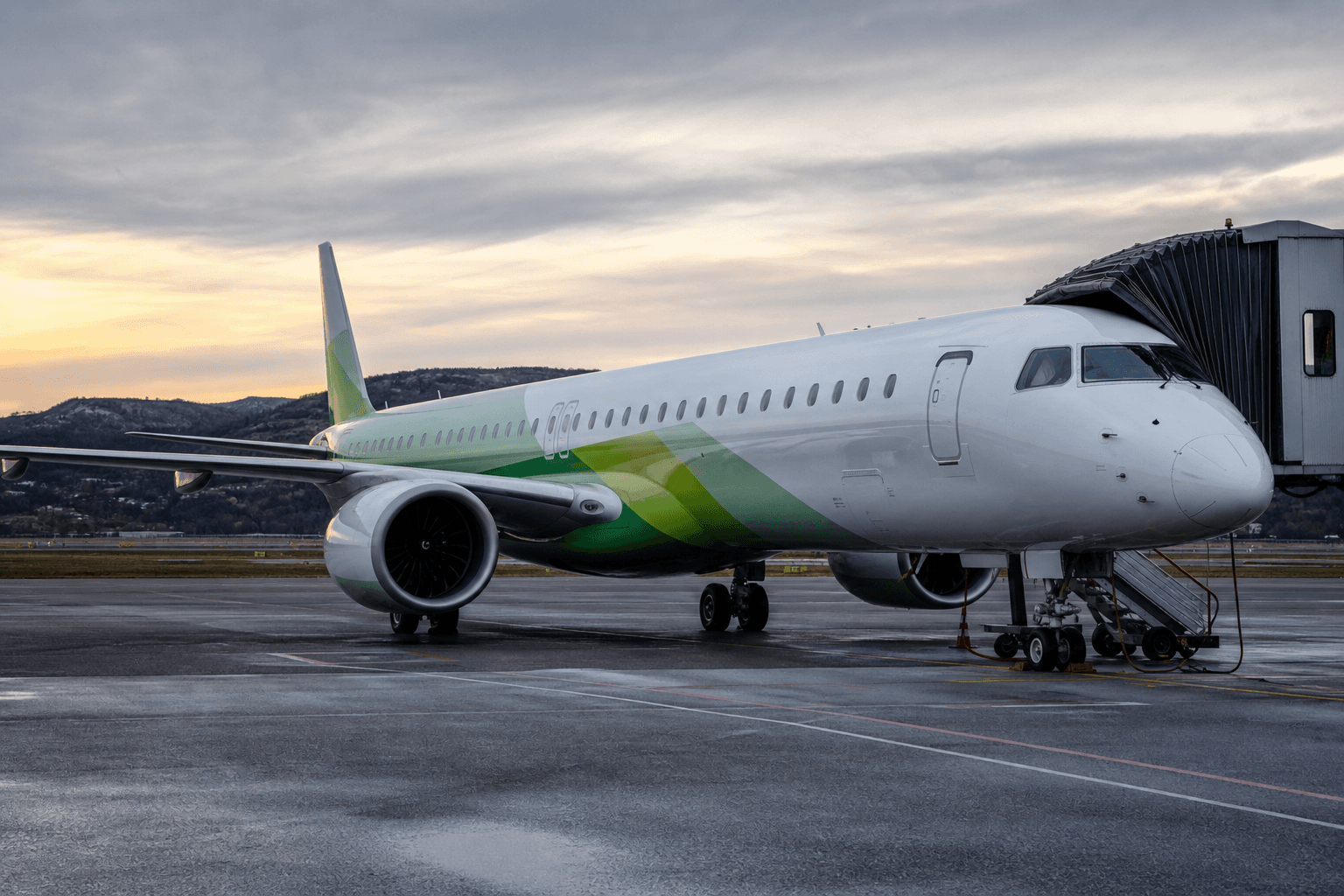
Widerøe Adds Two Embraer E195-E2 Jets to Expand Regional Network
Norwegian regional carrier Widerøe will lease two Embraer E195-E2 aircraft to enhance connectivity between major regional hubs, improving services beyond Oslo.

Air Canada Introduces 22 New International Routes Across Canada Over Four Weeks
Between November 21 and December 17, Air Canada and Rouge will launch 22 new or returning international routes from eight Canadian cities, focusing on Caribbean and Mexican destinations.
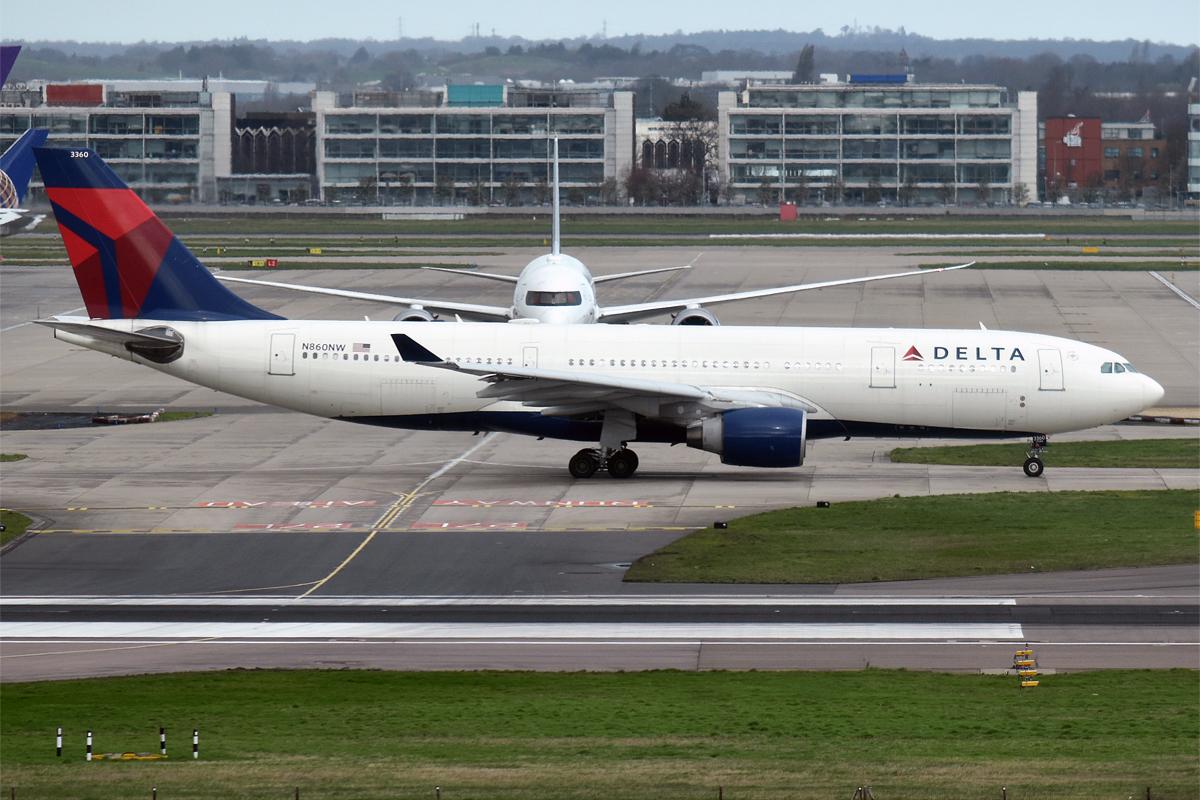
Delta Air Lines Drops Boeing 767 From 12 Routes, Shifts to Newer Widebodies and Narrowbodies
Delta Air Lines has removed Boeing 767 aircraft from four international and eight domestic routes, replacing them with Airbus widebodies and narrowbody jets throughout 2026.
The Daily Touch & Go
The day's best aviation news in your inbox. Free, no spam.