

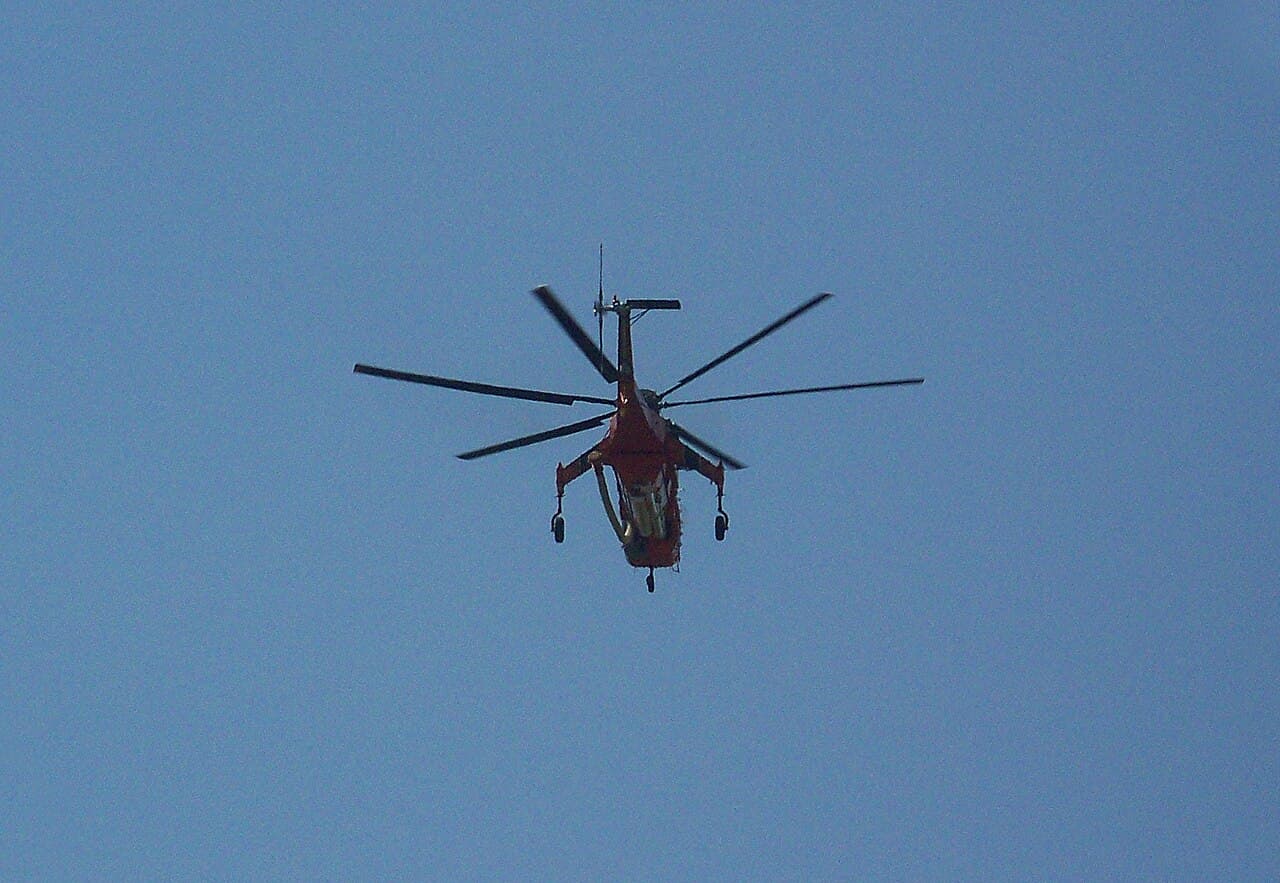
Image: Eusebius · CC BY 3.0 · via Wikimedia Commons
Two Pilots Die in Sikorsky S-64 Skycrane Crash Fighting Utah Wildfire
A Sikorsky S-64 Skycrane crashed near Richfield, Utah during water drop operations on the Widemouth 2 Fire, killing both onboard pilots.
The gist
A firefighting Sikorsky S-64 helicopter crashed in Utah, resulting in two fatalities amid wildfire suppression efforts.
Continuing coverage
All Helicopter Crash →Tragedy struck airborne wildfire suppression efforts near Richfield, Utah, when a Sikorsky S-64 Skycrane helicopter crashed during water drop operations on the Widemouth 2 Fire on Friday morning. The accident, occurring around 10:40 a.m., resulted in the deaths of both pilots aboard the aircraft, operated by Helicopter Transport Services under an exclusive-use U.S. Forest Service contract. The FAA confirmed the presence of two individuals on the helicopter at the time of the crash.
Following the impact, the helicopter wreckage sparked a secondary fire, compounding challenges for emergency responders. The terrain surrounding the accident site is notably steep, and active wildfire conditions further obstructed arrival and rescue attempts. Such hazardous conditions compelled personnel to withdraw on the day of the accident to avoid risking additional lives. Sevier County Sheriff Nathan Curtis emphasized the difficult decision to retreat for safety reasons, acknowledging the potential for further casualties under the circumstances.
Access to the crash site was regained the following day when responders were able to navigate the severe landscape and ongoing wildfire threat. Upon reaching the location, crews confirmed the fatalities of both pilots and recovered their remains. The bodies were then transported to the Utah Office of the Medical Examiner for examination and identification procedures.
Authorities identified one of the deceased pilots on Monday as Miles Elliott, a seasoned aviator recognized for his contributions to both airplane and helicopter flying. Based in Porterville, California, Elliott was noted for his participation on the Porterville Airport Committee and his involvement in aviation outreach programs for youth, highlighting a long-standing commitment to the field. The second pilot's identity had not been made public as of Monday afternoon.
The Federal Aviation Administration and the National Transportation Safety Board have initiated a joint investigation into the causes of the accident. Investigators arrived at the site by Saturday evening, though the ongoing wildfire and resultant hazardous conditions delayed initial on-scene examination of the wreckage. Details regarding the factors leading to the crash remain undisclosed as inquiries progress.
This accident underscores the inherent risks faced by aerial firefighting crews working in challenging environments. The Sikorsky S-64 Skycrane, a specialized heavy-lift helicopter, plays a critical role in dropping water and retardant on wildfires, but the combination of rugged terrain and active fire behavior can create perilous operating conditions. The incident represents a somber reminder of those risks and the demanding nature of aerial wildfire suppression.
Helicopter Transport Services operates a fleet dedicated to firefighting missions under U.S. Forest Service contracts, leveraging the S-64's unique lifting capabilities to deliver large volumes of water quickly to critical fire zones. The loss of such an aircraft and two experienced pilots is a significant setback for the agency and the aerial firefighting community.
As investigations continue, officials emphasize safety and the importance of thoroughly understanding the sequence of events that led to the crash. The findings will likely influence future operational protocols and risk mitigation strategies to protect air crews engaged in wildfire combat.
The crash near Richfield adds to the challenges confronting firefighting efforts in Utah's central region this season, where wildfires have demanded extensive aerial and ground responses. The loss of life and equipment in such operations highlights both the urgency and dangers faced by those on the frontline of wildfire suppression.
Frequently asked questions
- Who operated the Sikorsky S-64 Skycrane involved in the accident?
- The helicopter was operated by Helicopter Transport Services under an exclusive-use contract with the U.S. Forest Service.
- What delayed access to the crash site after the helicopter accident?
- Steep terrain combined with active wildfire conditions near the wreckage delayed emergency responders from reaching the site immediately after the accident.
- Has the cause of the S-64 Skycrane crash been determined?
- The circumstances remain under investigation by the FAA and NTSB, with investigators arriving after the wildfire conditions allowed safe access to the wreckage.
Read more
All Aviation Safety →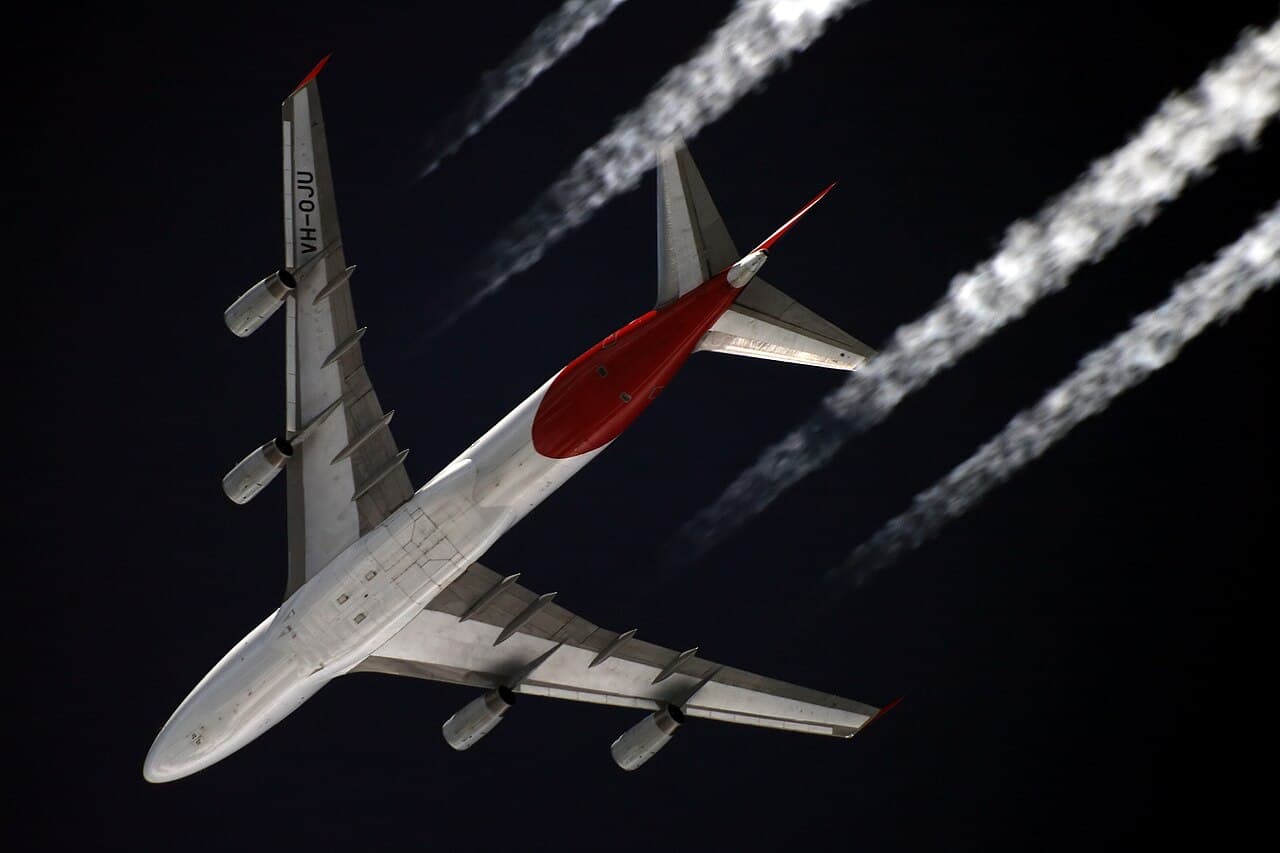
Trump Secretly Flew on C-32A After Exiting Air Force One via Catering Truck in Turkey
Remember the controversy several weeks back regarding President Trump's transportation to and from the NATO summit in Turkey? He flew his new $400 million Qatar-gifted Boeing 747-8 to Turkey, but then claimed he flew back on the old Air Force One, with a pretty dubious explanation ? Well, there's now a fascinating story about what really happened, and it's quite something. And before anyone yells at me, this isn't intended to be political (in the sense of being pro or anti Trump), it's just an interesting story… Trump boarded Air Force One in Turkey, then snuck off On July 8, 2026, there was video footage of Trump boarding the old Air Force One in Ankara, Turkey, ready to depart to RAF Mildenhall, in the United Kingdom. He climbed up the stairs of Air Force One, but as it turns out, he didn't actually fly on the plane. Instead, it's now being reported that he actually secretly exited the plane on the other side, by getting on an airport catering truck. That catering truck then drove him to a nearby plane, which is what he actually flew to depart Turkey, unbeknownst to reporters, and even many of his aides (who were on the Air Force One jet). You can see part of this operation in the below video. My favorite part: This Turkish catering truck nonchalantly moving from Air Force One to the other plane https://t.co/vQSoncQw9f pic.twitter.com/Ob5r1hxSwL — John Hudson (@John_Hudson) August 11, 2026 Let me just go through this in a bit more detail: Trump flew to Turkey on his new Air Force One jet, gifted by Qatar, which obviously doesn't have the same safety equipment as the old Air Force One jet (given that it just took months, rather than years, to retrofit it) Authorities apparently learned about some sort of an Iranian assassination attempt, which is what triggered the operation intended to conceal the plane on which Trump was actually departing the country So the Qatar gifted plane took off from Ankara first, but no one ever thought Trump was on that, since he publicly said he wasn't Trump then publicly boarded the old Air Force One jet, the VC-25A (based on the Boeing 747-200), and tried to make it look as if that's the plane he was flying on Trump then exited the plane on the other side through a catering truck, and that then drove to the nearby Air Force Boeing C-32A (based on the 757-200), where it also pulled up to the rear door; this is also the plane that Defense Secretary Pete Hegseth was flying on White House aides and reporters boarded the old Air Force One jet, were told to lower their window shades, and throughout the flight had no clue that Trump wasn't actually onboard The old Air Force One jet then took off with the callsign "Air Force One," even though the president wasn't actually on it, while Trump flew on the C-32A, under the callsign "Reach 18" The plane Trump was on then overtook the Air Force One jet while enroute, and landed at RAF Mildenhall first Trump then somehow still got onto the old Air Force One jet, so that he could exit that plane in front of the cameras, making it appear as if he was actually on that plane Interestingly, on the later flight to Washington on the new Air Force One, reporters asked Trump why they had to keep their window shades down on the previous flight (again, not knowing that Trump wasn't actually on the plane). He responded they were "probably on a dangerous flight," and went on to say "but if I go, you go, right?" Hah, I'm surprised we didn't catch on earlier This isn't the first time that we've seen such an operation involving the president. Back in 2000, a similar tactic was employed for former President Bill Clinton, where he flew an unmarked executive jet into Pakistan, while sending the "real" Air Force One as a decoy. Going back and watching the video footage now, it seems rather obvious that something was off. You don't typically see airport catering trucks pulled up to Air Force One at the same time that the president is boarding, and moments before the plane is about to depart. Like, Air Force One isn't an American Boeing 737 making a 50-minute turn in Charlotte. 😉 However, even if you were to find that strange, you probably wouldn't come to the conclusion that the president is secretly being shuttled on a catering truck, and is flying on an airplane without the "Air Force One" callsign. Bottom line In early July, Trump's departure from a NATO summit in Turkey made headlines, as he claimed he was flying on the old Air Force One, rather than the one that was newly gifted from Qatar. As it turns out, there's even more to this story, though, as flying the old Air Force One was just a decoy. Instead, Trump boarded the old Air Force One, then exited it through a catering truck, and flew another Air Force jet to the United Kingdom. Even when landing there, he somehow got back onto the "standard" Air Force One, to make it appear as if he had actually flown that…
Alaska Airlines Flight Returns to Gate After Passenger Threats in Miami
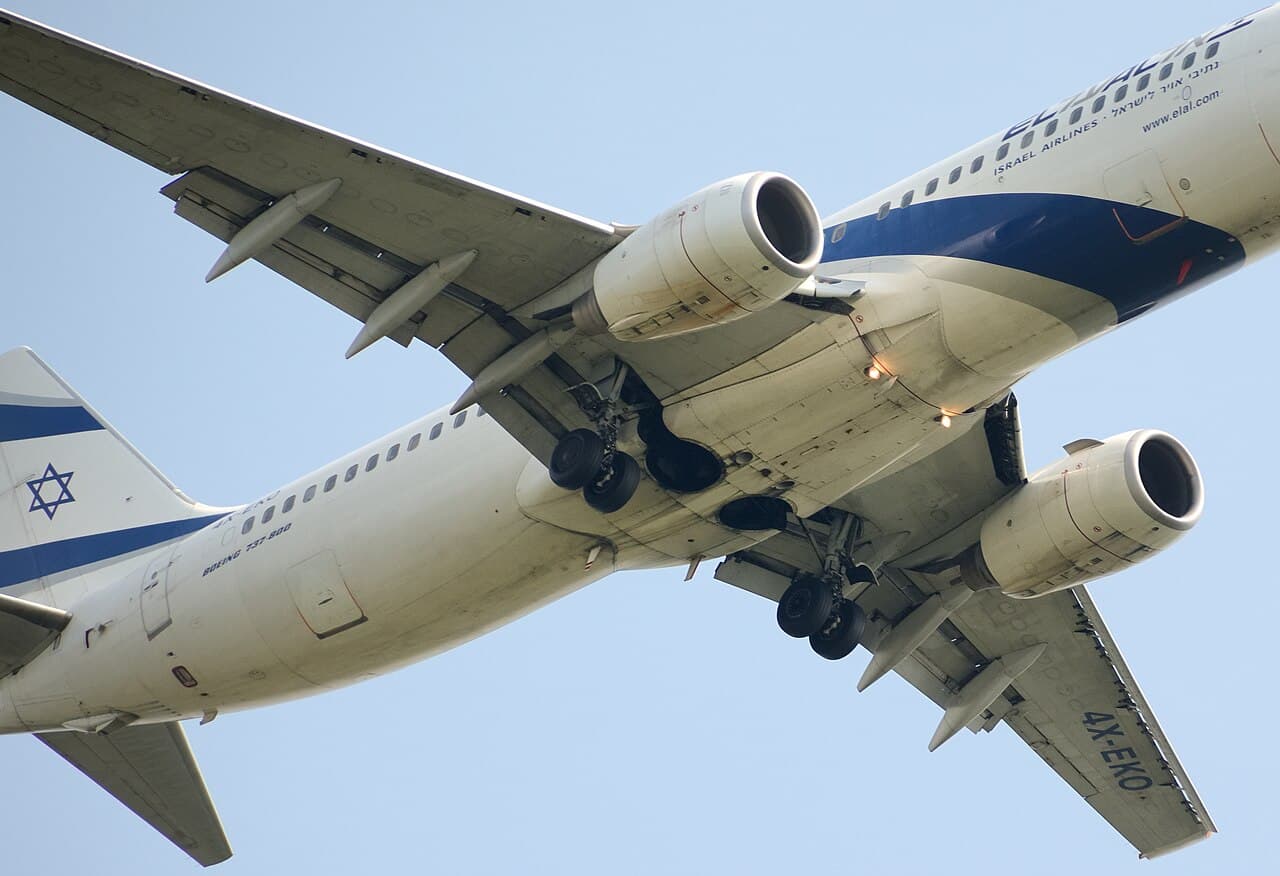
Alaska Airlines flight 305 returned to the gate in Miami after flight attendants reported passenger threats, including one customer allegedly threatening to take over the aircraft. The pilots stopped departure, placed the cockpit under lockdown protocol, requested law enforcement, and returned to gate E6 while the incident continued to develop.
Malaysia Orders 30-Day Drug Testing for All Pilots and Cabin Crew After Smuggling Arrest
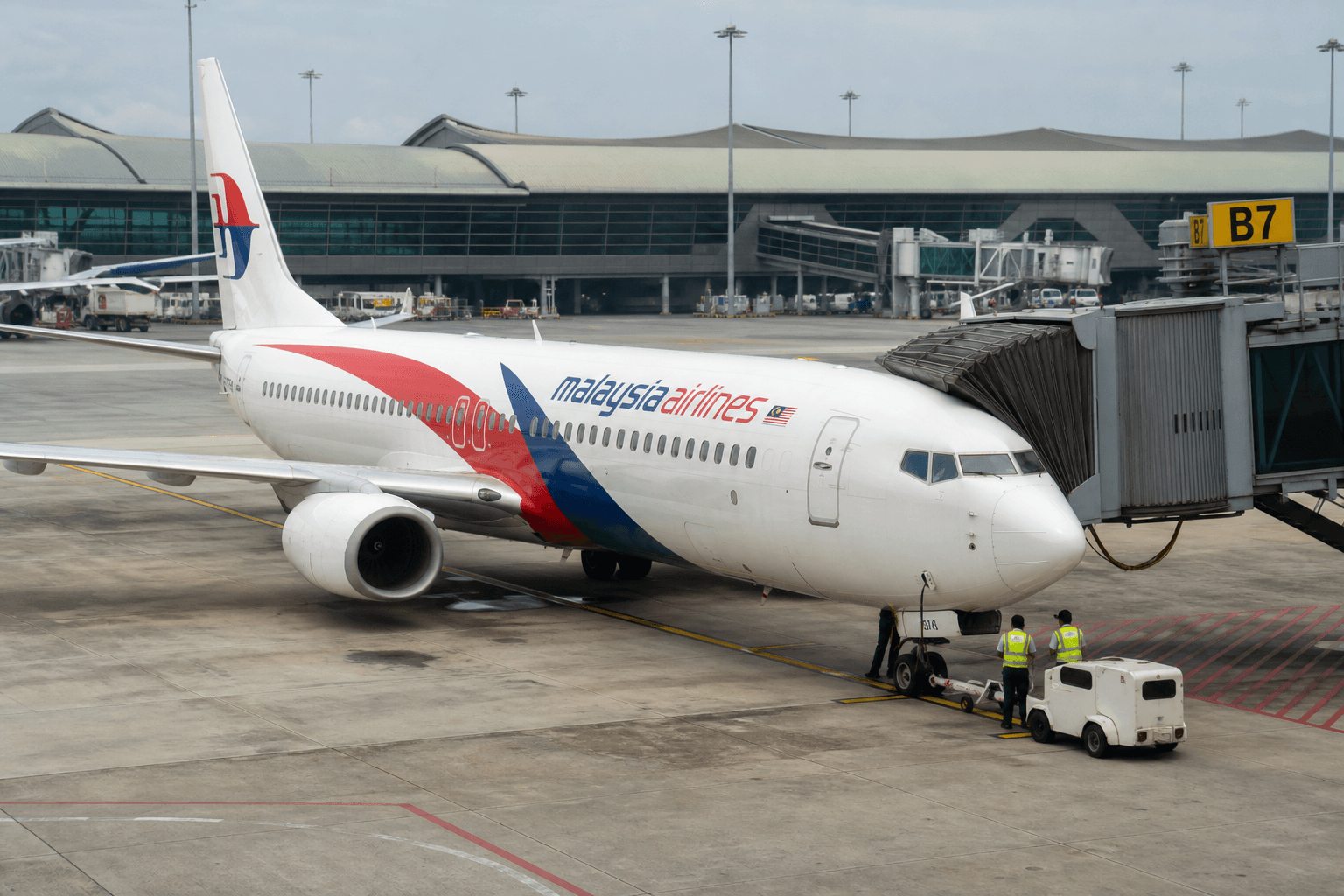
A Malaysia Airlines pilot was recently arrested in Indonesia after they were found to be smuggling drugs into the country. With the event having serious safety and reputational ramifications for not just the airline but, indeed, the commercial aviation sector in Malaysia as a whole, authorities are working hard to ensure that the incident is not repeated. Most recently, mandatory drug testing is being rolled out.
Delta Boeing 757 evacuated via slides after smoke reported in cockpit at Atlanta
Delta Air Lines passengers were forced to evacuate a Boeing 757-200 on escape slides at Hartsfield-Jackson Atlanta International Airport (ATL) following an emergency landing. On August 8, 2026, the Delta Air Lines flight left Atlanta at 07:35, for Orlando International Airport (MCO) but diverted back to ATL shortly after takeoff. In a statement, the Federal Aviation Administration (FAA) said that smoke was reported in the cockpit of the Boeing 757-200, registered N555NW. Once the aircraft landed back at Hartsfield-Jackson Atlanta, the passengers disembarked via emergency slides onto the taxiway. It is understood that there were 199 passengers and six crew members on the flight. A staff member and a passenger required medical attention. A Delta flight was evacuated Saturday morning at the airline's main hub in Atlanta after the crew reported fumes on board the plane shortly after takeoff. Nearly 200 passengers evacuated via the emergency slides on the runway and boarded a different plane to Orlando. pic.twitter.com/3jcDVuTuE4 — CBS News (@CBSNews) August 8, 2026 In a voice recording with air traffic control a Delta pilot can be heard saying that there is "smoke in the back" and "we need to deplane immediately". According to Flightradar24 , the passenger jet reached around 9,650 feet before reducing altitude and initiating a diversion. "The flight crew followed procedures to return to Hartsfield-Jackson Atlanta International Airport after reports of fumes in the flight deck," Delta Air Lines said. "A slide evacuation occurred on a taxiway, and customers are being reaccommodated on a new aircraft. Safety is paramount at Delta, and we apologize to our customers for their experience." The FAA said it is investigating the incident. RELATED Trump pick David Cummins sworn in as eighth TSA Administrator
The Daily Touch & Go
The day's best aviation news in your inbox. Free, no spam.