

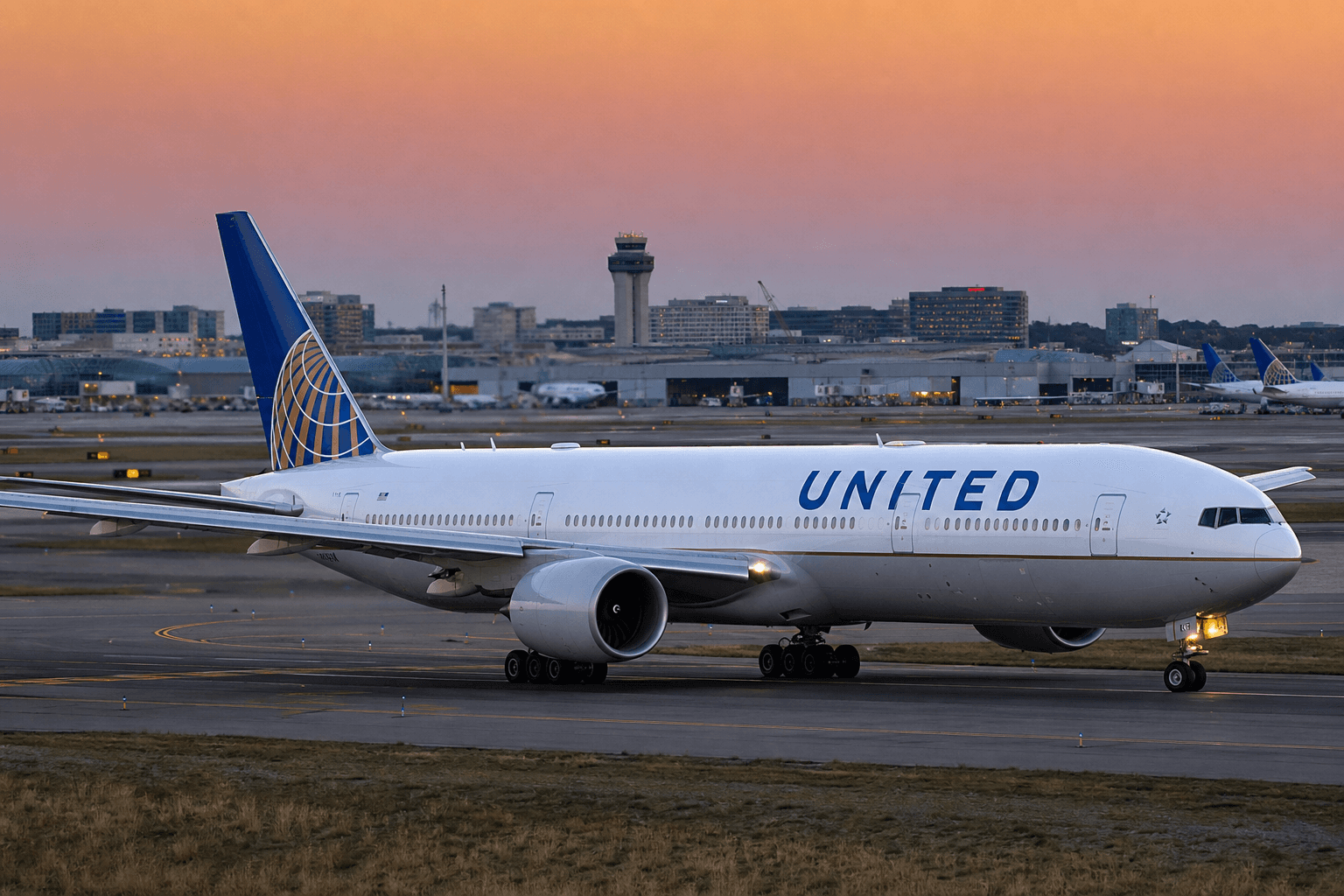
Illustration: The Touch & Go
United Airlines CEO predicts just two US premium carriers amid mixed passenger experiences
United's Scott Kirby claims two premium US airlines can survive, while guests share contrasting views of United's service quality.
The gist
United CEO foresees only two premium US airlines, but passengers question if United remains one of them.
United Airlines CEO Scott Kirby recently asserted that the U.S. domestic market can sustain only two premium airline brands. This bold prediction comes at a time when customer feedback on United’s service quality presents a mixed picture, raising questions about the carrier’s positioning in the premium segment.
Social media posts from United passengers highlight disparities in service experience aboard their Polaris premium cabins. Complaints include discovering used items like knives and wet wipes, foul-smelling pillows, and unenthusiastic crew responses to cleaning requests. Such accounts cast doubts on the consistency of United’s premium product delivery.
Additional passenger grievances describe operational challenges, such as being confined for hours on aircraft without adequate climate control or proper maintenance, with vulnerable travelers like babies and elderly individuals reportedly suffering. These complaints underscore frustrations with United’s handling of irregular operations and in-flight conditions.
Industry observers note that Scott Kirby’s claim of a duopoly in the premium airline space lacks detailed justification, suggesting that his argument may not fully account for market dynamics or consumer sentiment. The competitive landscape for premium experiences in U.S. aviation is complex, influenced by myriad factors including loyalty programs, product differentiation, and operational reliability.
Meanwhile, airport lounge operators continue to innovate, seeking to expand amenities and offerings to premium passengers. For example, Airport Dimensions introduced a new Priority Pass lounge near The Club at Atlanta’s F Concourse to enhance grab-and-go options, reflecting evolving passenger expectations and competitive pressures in the hospitality side of air travel.
The broader industry context includes ongoing challenges related to airline infrastructure, staffing, and customer service standards. These are compounded by changes in business travel patterns, rising passenger expectations, and evolving loyalty incentives, all impacting how premium carriers position themselves in a crowded market.
Kirby’s forecast raises fundamental questions about the sustainability of multiple premium brands in the U.S., especially given airlines’ growing reliance on ancillary revenues like credit card partnerships. Some industry commentators argue that this model may inadvertently discourage reinvestment in on-board service excellence, affecting passenger perceptions and loyalty.
In sum, while United Airline’s leadership envisions a concentrated premium market with only two winners, passengers continue to share varied experiences that challenge the airline’s standing. Customer sentiment captured on social platforms reveals operational and service lapses that contrast with United’s premium brand promises.
The debate over which carriers qualify as premium and the definition of premium service remains active. United’s vision must contend with these ongoing customer narratives and operational realities as the airline navigates its strategic positioning amid domestic competition.
Frequently asked questions
- What did United Airlines CEO Scott Kirby say about premium US airlines?
- Scott Kirby stated that there is room for only two premium airlines in the United States, though he provided little elaboration on this claim.
- What passenger experiences conflict with United's premium branding?
- Passengers reported finding used items in Polaris cabins, foul-smelling pillows, unhelpful crew, and extended delays in uncomfortable conditions, which cast doubt on United's premium service.
Read more
All Airlines →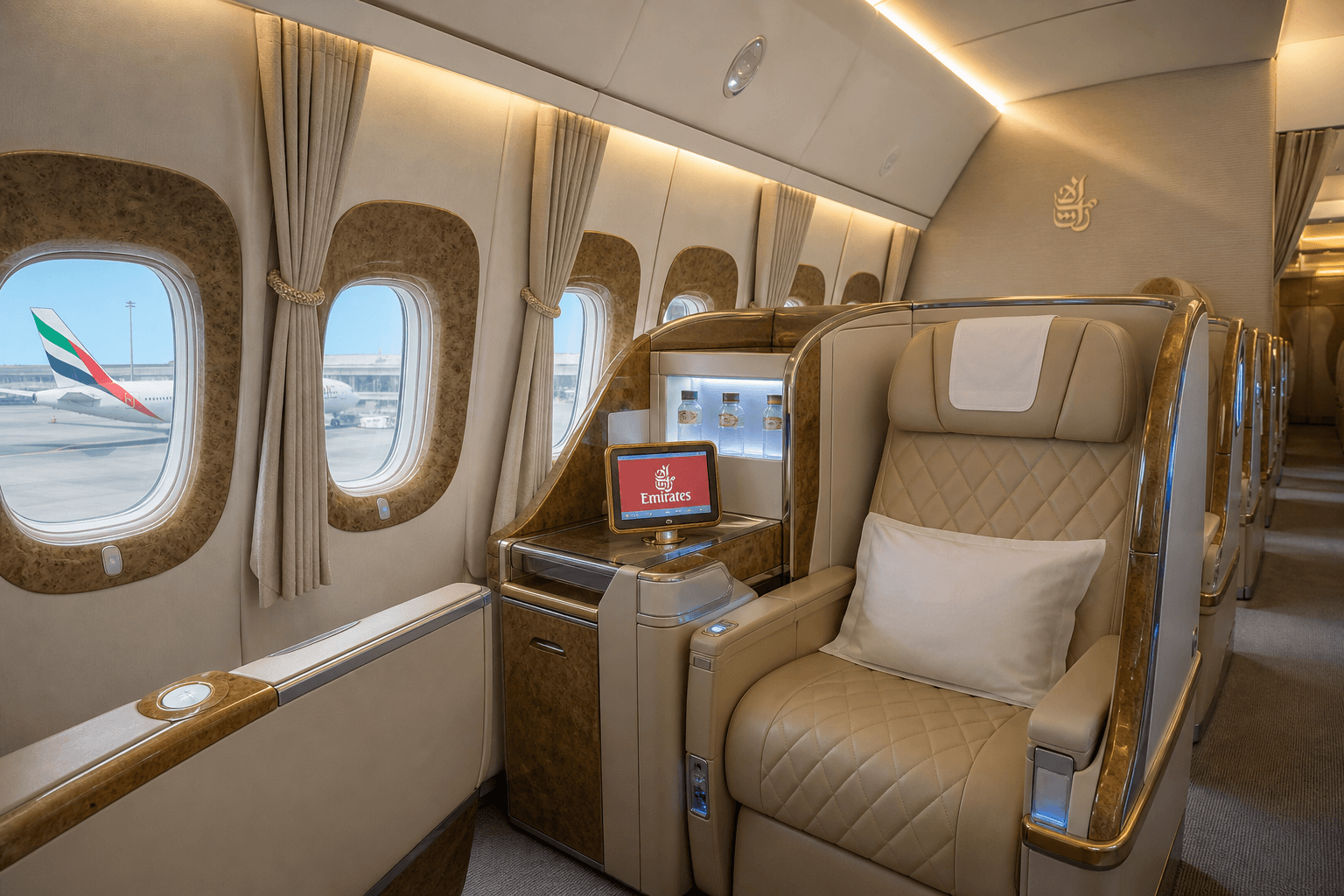
Frequent Flyer Award Loopholes Close as Airlines Tighten Elite Perks
The frequent flyer ecosystem has operated on a silent contract between airlines and their most loyal customers, but now that contract seems to be ending. There was once a period defined by the exploitation of fixed award charts, complex routing rules, and the mathematical beauty of carrier-imposed surcharges. Travelers spent years reverse-engineering award flight availability, viewing the loyalty landscape as a puzzle where deep knowledge of program intricacies provided access to premium cabins for a fraction of their cash value.
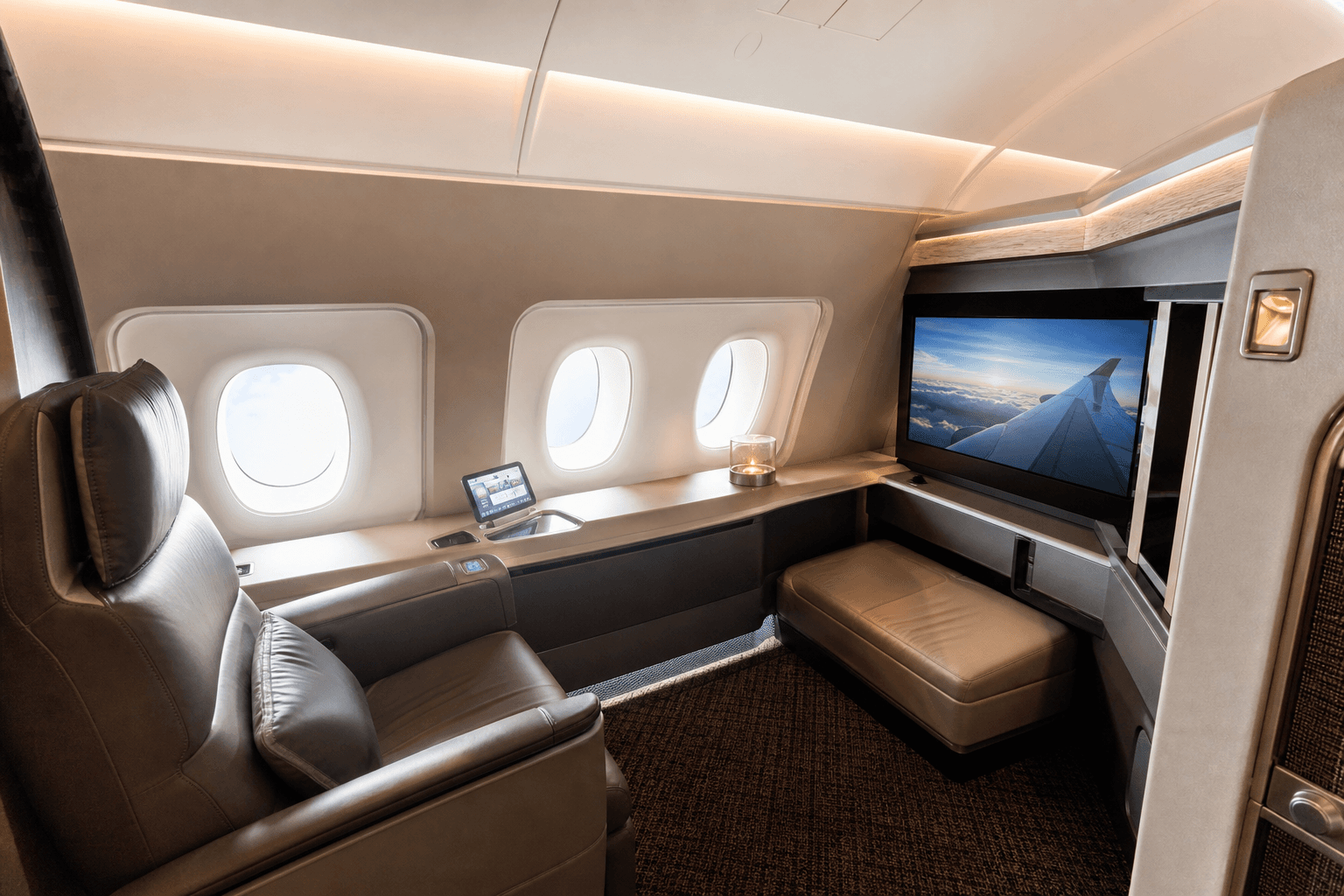
Top 5 Airlines Offering the Most Luxurious First Class Suites in 2026
The first class cabin is always seen as the ultimate in luxury with lavish features that many can only dream of. Business class has evolved into a more extensive product, with lie-flat beds and now private suites, and with more business class products than ever, first class has become more exclusive and somewhat rare on long-haul international flights.
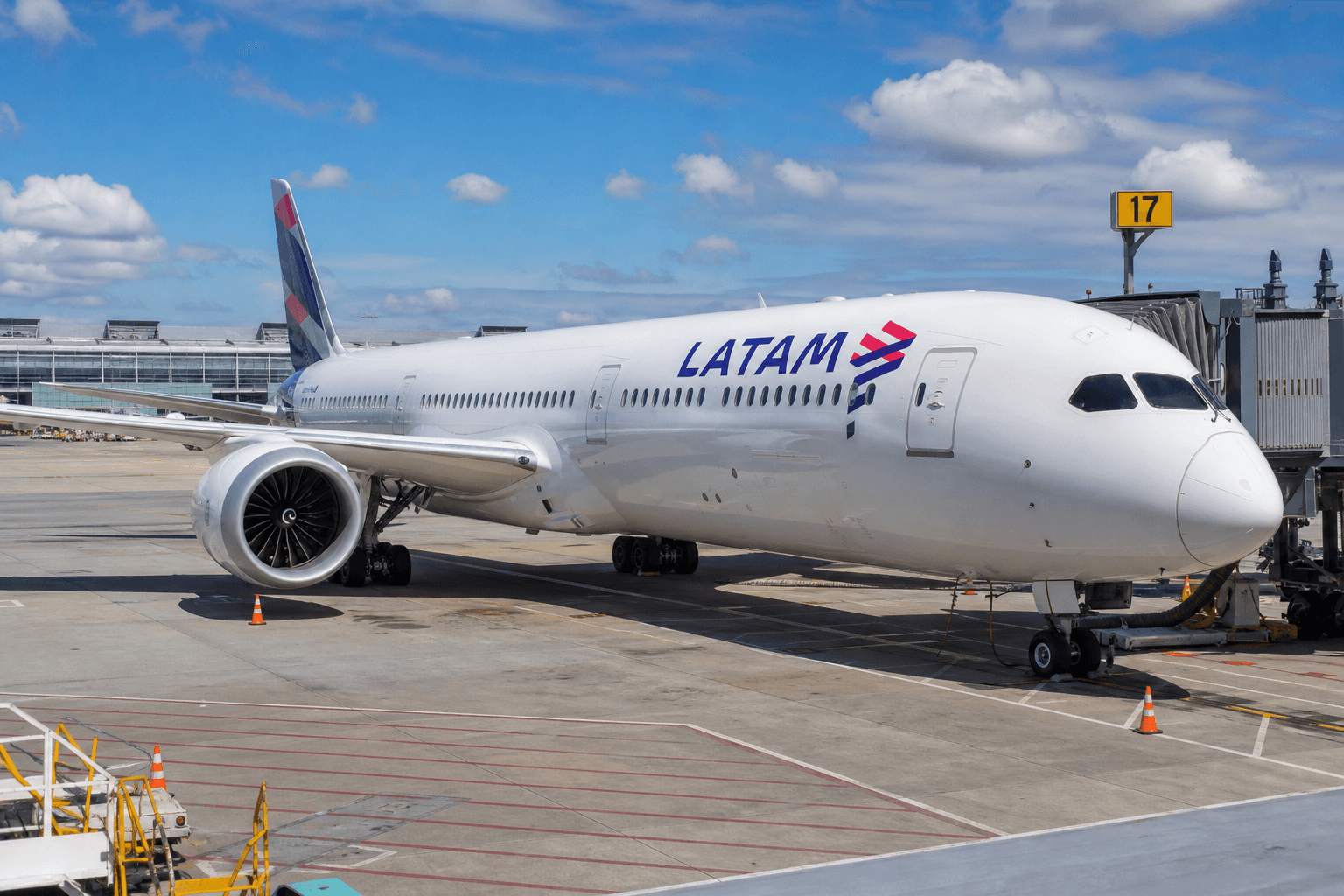
LATAM Airlines posts $227 million Q2 profit amid strong premium demand
Resilient demand for premium seats and from loyalty programme members kept LATAM in the black. LATAM Airlines Group was able to pass to customers much of the increase in fuel prices in the second quarter thanks to strong travel demand, especially for premium seats and from member of its loyalty programme. The company reported an adjusted operating profit of $227 million for an adjusted operating margin of 5.4% during the three months ending in June. Its revenue increased 28% year on year to $4.2 billion, driven by an 18% year-on-year increase in revenue per available seat kilometre, allowing LATAM to recapture much of the additional $700 million fuel expense it paid in the period. LATAM’s second-quarter expenses jumped 39% year on year to $4.0 billion. "The combination of effective execution, commercial flexibility and the resilience of LATAM's diversified business model allowed the group to increase unit revenues this quarter [and] successfully mitigate a substantial portion of that [fuel] impact," said Ricardo Dourado, the chief financial officer of LATAM, during an earnings call on 5 August. Premium-seat sales and demand from loyalty programme members showed "greater resilience" than overall demand in the second quarter, he adds. LATAM is investing in new business-class suites and premium-economy seats for its widebody Boeing 787s. Installations began in 2025 and continue across the fleet. It is also expanding the number of premium-economy seats on its narrowbody fleet of Airbus A320-family aircraft and plans to introduce the seats on Embraer 195-E2s scheduled to enter service in November. LATAM initially plans to fly E195-E2s to four new destinations and on eight new routes in Brazil. The aircraft will allow it to expand and tailor capacity on existing routes to better match demand at various times of day, chief executive Roberto Alvo says. Looking ahead, LATAM reinstated its guidance despite what Alvo says remains a "highly dynamic" market. The company expects to grow capacity, measured in available seat kilometres, 8-9% in 2026 and forecasts a 2026 adjusted operating margin of 12-13%. LATAM is scheduled to take delivery of 15 A320neo-family aircraft, one 787-9 and 12 E195-E2s in the second half of 2026, its latest fleet plan shows. It forecasts adding 27 aircraft to its fleet in 2026, bringing its fleet to 410 aircraft at year-end. LATAM can retire older Airbus A319s if the demand environment weakens, Alvo says.
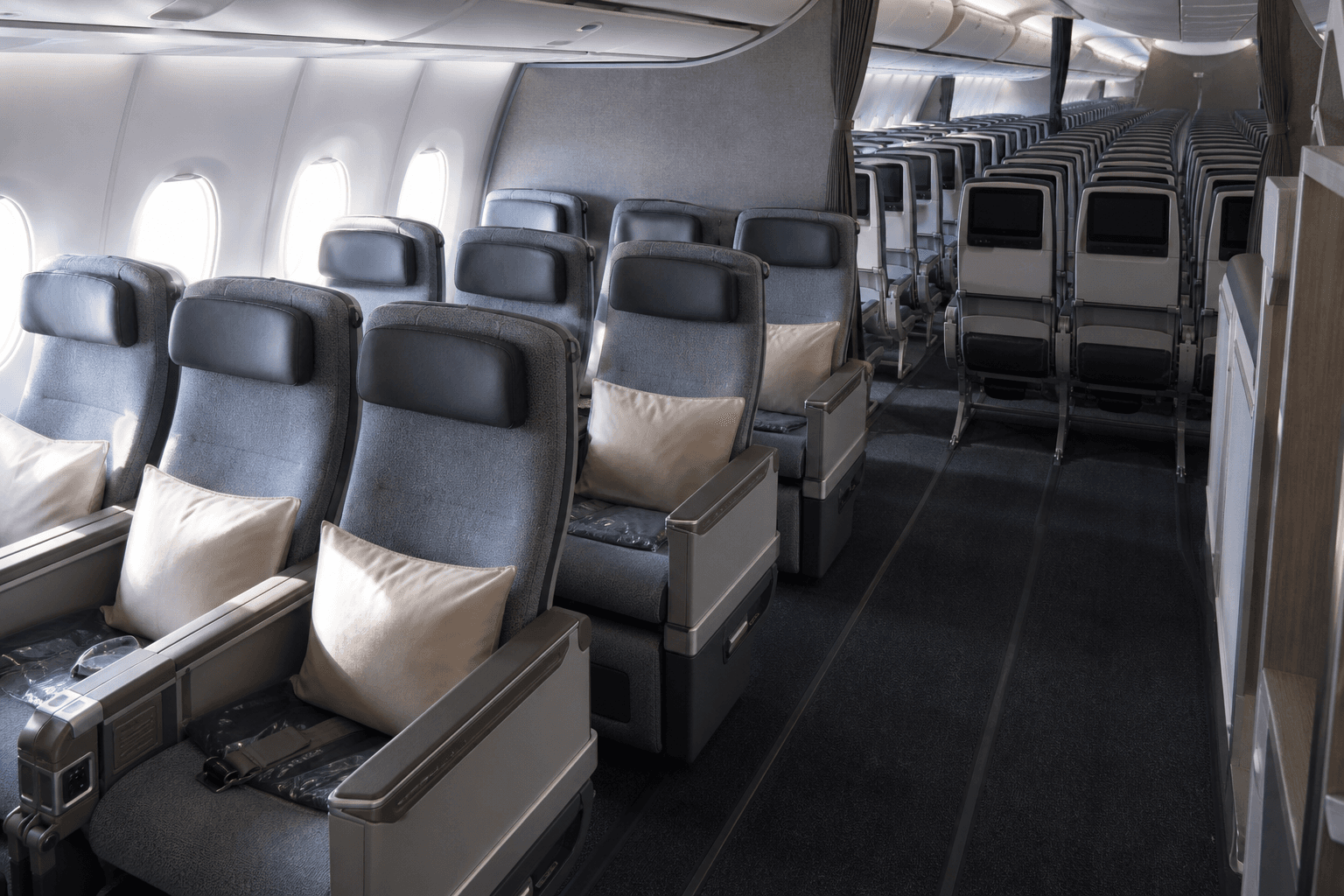
Airlines Abandon Middle Tier as Premium and Ultra-Budget Classes Dominate Market
Across the airline industry, it seems that the traditional middle tier of commercial air travel is on its way to the history books. It has always been common to see legacy carriers and low-cost airlines alike depend on a standardized main cabin product to generate steady baseline revenue. Today, that undifferentiated middle is rapidly disappearing as commercial aviation splits into two profitable extremes: high-yield premium cabins at one end and unbundled ultra-budget fares at the other.
The Daily Touch & Go
The day's best aviation news in your inbox. Free, no spam.