

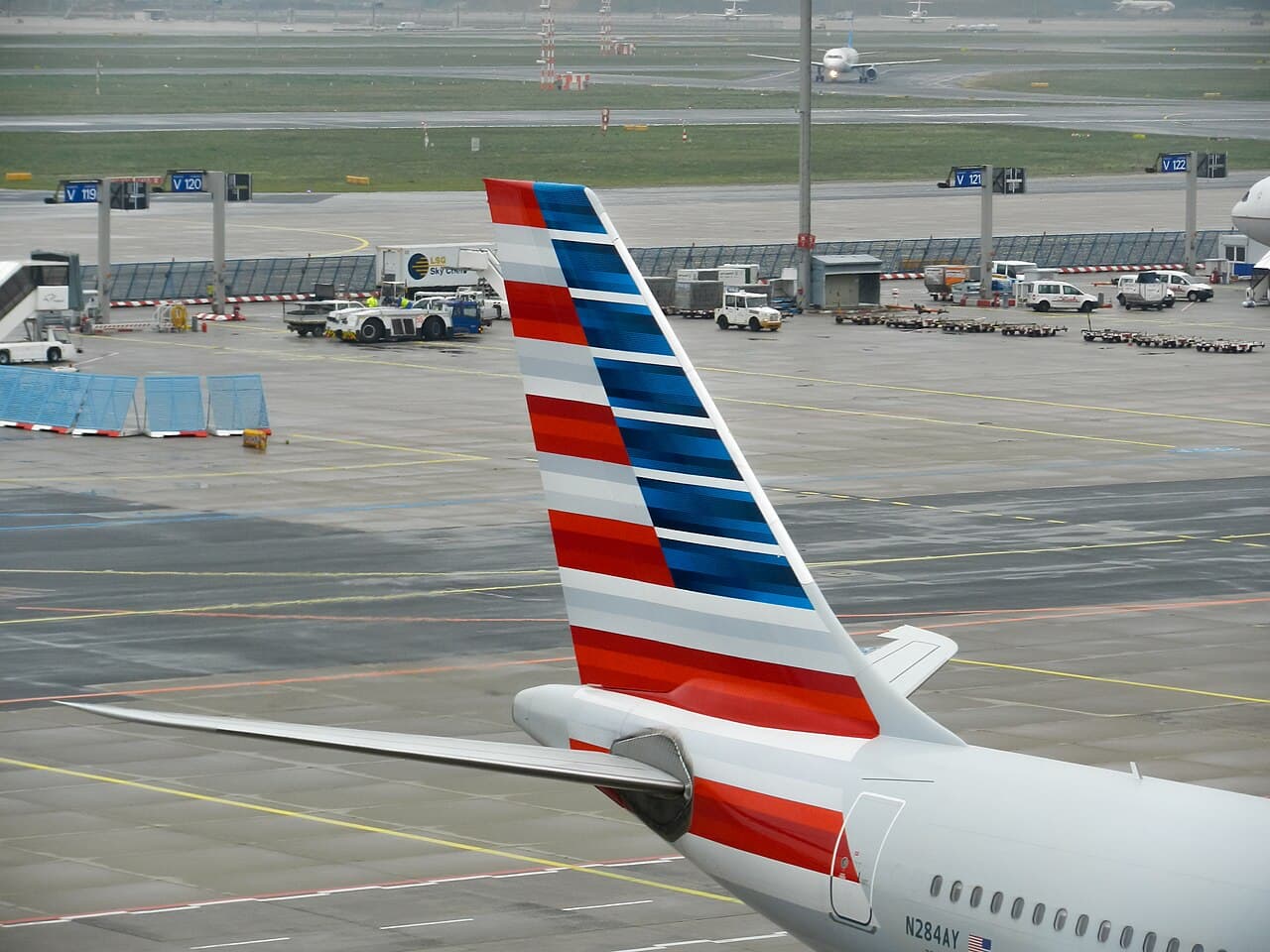
Image: Freddy2001 · CC BY-SA 4.0 · via Wikimedia Commons
Airlines Abandon Middle Tier as Premium and Ultra-Budget Classes Dominate Market
The traditional mainstream economy cabin fades as carriers favor high-yield premium seats and ultra-low-cost unbundled fares, reshaping airline revenue models worldwide.
The gist
Airlines are increasingly splitting between luxury premium cabins and ultra-budget fares, leaving standard economy behind.
The commercial airline industry is witnessing a profound shift as the once-dominant middle tier of standard economy seating rapidly vanishes, replaced by a polarization into premium and ultra-budget market segments. Formerly the backbone of airline profits by volume, mid-market economy seats no longer generate sustainable margins in the face of rising operational costs, prompting carriers to reconfigure their offerings.
Legacy airlines have responded by expanding premium cabin options at the front of their aircraft and introducing stripped-down basic economy fares at the rear to compete directly with low-cost carriers on price. This strategy allows full-service airlines to maintain pricing competitiveness on travel booking platforms while leveraging their global networks — blurring the traditional cost advantage of budget operators.
Mid-tier and regional carriers that cannot differentiate through luxury or aggressive low-cost structures find themselves squeezed out, unable to command premium prices or survive fare wars. The result is an erosion of the uniform single-cabin main cabin model, replaced by aircraft with multiple classes ranging from ultra-budget to business and premium economy configurations.
Financial data underscores this shift: Delta Air Lines generated record operating revenues in 2025, with 60% coming from high-margin streams. Notably, premium cabin sales surpassed main cabin ticket revenues for the first time, highlighting growing consumer demand for more personal space and comfort. Widebody aircraft for international routes now feature premium economy seats offering significantly greater pitch and width, driving up profitability per square foot relative to standard economy.
The change also impacts airlines’ revenue management strategies. Premium seats are no longer confined to business travelers with corporate accounts but are increasingly acquired by affluent leisure travelers, frequent flyer point redeemers, and hybrid remote workers willing to pay for upgrades. This diversification protects airlines from volatility in traditional corporate travel segments while maximizing yields.
Meanwhile, the ultra-low-cost carrier (ULCC) model faces structural challenges after the collapse of pioneer Spirit Airlines in 2026. The erosion of their historical cost advantages—driven by rising wages, fuel, and airport fees—has narrowed the cost gap between ULCCs and legacy carriers. Direct price competition on major booking channels through basic economy fares has further diminished their market moat.
To adapt, many budget airlines have abandoned the pure unbundled fare model, instead adding tiered fare packages with extras such as extra legroom, seat selection, and carry-on allowances to extract more revenue per passenger. Examples include Frontier’s UpFront Plus and long-haul low-cost carriers integrating lie-flat seats, aiming to capture premium and business leisure travelers without losing budget-conscious customers.
A critical underpinning of this polarized market is the burgeoning role of airline loyalty programs enriched through co-branded credit cards and extensive benefits schemes. These programs cultivate passenger loyalty and higher-value customers who prioritize airline brands to access upgrades, lounges, and elite perks, reinforcing premium segment revenue and customer retention.
This fundamental restructuring of airline cabin products and revenue strategies reflects the post-pandemic realities of passenger preferences and operating costs. With premium and ultra-budget seats defining future business models, the middle class of economy travel is becoming a relic of aviation history.
Frequently asked questions
- Why is the traditional middle economy class disappearing from airline cabins?
- Rising costs like fuel, crew wages, and airport fees have made standard economy fares barely profitable, leading airlines to prioritize premium cabins and ultra-budget options for better margins.
- How are legacy airlines responding to the loss of profitability in standard economy seating?
- They are expanding premium economy and business class seating while offering basic economy fares to compete with low-cost carriers on price, effectively serving both ends of the market.
- What challenges are ultra-low-cost carriers facing in the current market?
- Increased wages, fuel prices, and airport fees have reduced their cost advantage; plus, legacy carriers matching their low fares with basic economy tickets have eroded their market share, forcing ULCCs to add premium features to their offerings.
Read more
All Airlines →
American Airlines Boosts Executive Card Fees and Benefits to Rival Delta and United
American Airlines and Citi are raising the price of the carrier's flagship credit card, but they are also making it substantially harder to ignore. From August 23, the Citi® / AAdvantage® Executive World Legend Mastercard® will cost new applicants $695 per year, $100 more than today, while adding new travel credits, hotel and rental-car status and a faster route toward AAdvantage elite status. At the same time (and not coincidentally), American is also sharply increasing the cost of purchasing Admirals Club access separately.
United Airlines CEO Claims Only Two Premium Airlines Will Last as Service Complaints Mount
United CEO Scott Kirby says only two premium airlines can exist, but passenger photos of broken tray tables, dirty seats, and a battered club sofa are not helping United's case. Also Avios devaluation risk, Singapore Airlines' new first class concierge trial, DFW's plan to buy the Hyatt Regency, and a useful Blacklane credit stack.
Philippine Airlines Debuts 10-Abreast Economy on Ultra-Long A350-1000 Flight
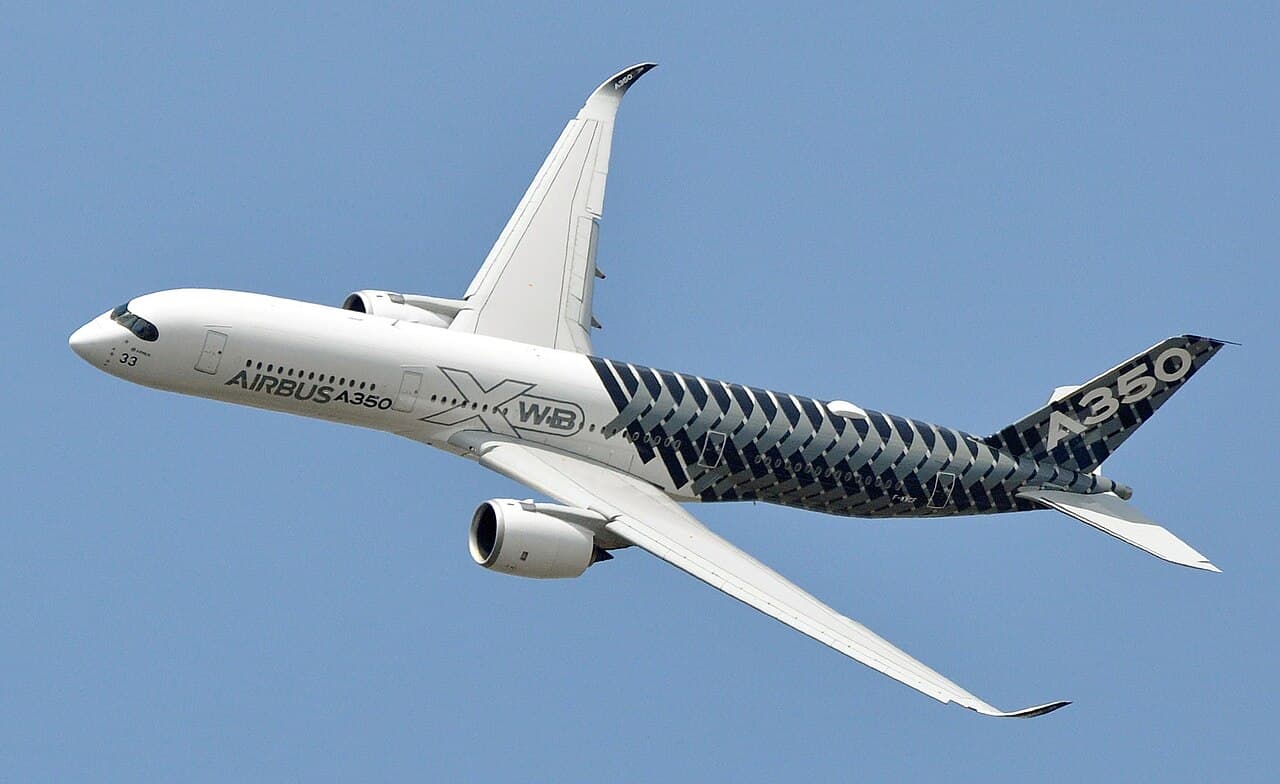
I recently flew on Philippine Airlines' (PAL) Airbus A350-1000 in economy on an ultra-long-haul flight, and it was pretty good. Now, I'm not usually 'the trip report guy', because I primarily fly in economy and I don't have much to say about my travels. I generally feel like economy is good enough for me, and I can find a way to have fun on almost any flight because I really enjoy flying. This, however, is a unique case because we're talking about a full-service airline installing ten-abreast economy seats on an A350, and I traveled on this aircraft from New York to Manila.
Airbus Sees Premium Cabin Growth Driving US Domestic Aviation Through 2045
Commercial aviation has spent decades chasing passenger growth, but Airbus believes the next major shift will be driven by something entirely different. Rather than simply carrying more people, airlines are increasingly competing to offer a better experience, with premium cabins becoming one of the industry's most valuable assets.
The Daily Touch & Go
The day's best aviation news in your inbox. Free, no spam.