

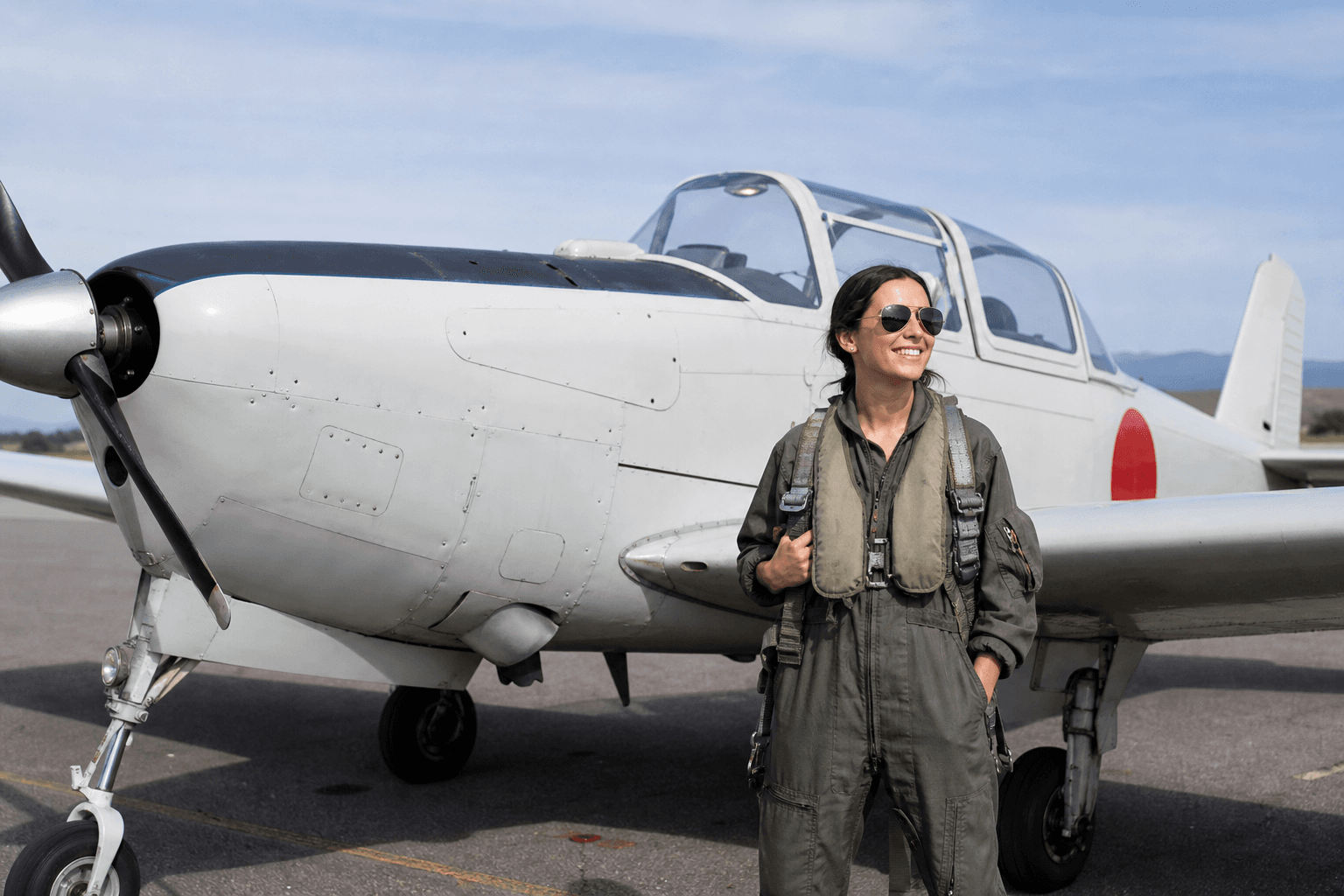
Illustration: The Touch & Go
Aviation Pioneer Wally Funk Dies at 87 After Pioneering Career and Historic Spaceflight
Wally Funk, trailblazing aviator and member of Mercury 13, passed away after decades breaking barriers in aviation and flying to space at age 82.
The gist
Wally Funk, pioneering female pilot and oldest woman in space, died at 87 after a groundbreaking flying career from instructor to astronaut.
Wally Funk, a legendary figure in aviation and space history, died July 8 in Grapevine, Texas at age 87. From her early days in Taos, New Mexico dreaming of flight, Funk built a career marked by breaking barriers that limited women’s roles in aviation and space exploration for over seven decades. Her achievements spanned piloting, flight instruction, aviation safety investigation, and finally a historic trip to space at age 82 aboard Blue Origin’s New Shepard rocket.
Funk earned her pilot certificate as a college student at Stephens College in Missouri before enrolling at Oklahoma State University specifically for its competitive Flying Aggies program. At just 20 years old, she became the first female flight instructor at Fort Still, Oklahoma, teaching male student pilots. Her determination to excel in male-dominated environments characterized much of her early career and foreshadowed her later advocacy for women in aviation.
In 1961, Funk was selected as part of the privately funded Women in Space program, known today for the Mercury 13 women who underwent the same rigorous astronaut candidate testing as NASA’s male astronauts. At 21, she was the youngest participant despite being below the official minimum age. Among numerous tests, Funk endured over ten hours in a sensory deprivation tank to assess astronaut endurance.
Despite excelling in these physical and psychological evaluations, the Mercury 13 program never received NASA’s backing, and the women were never officially integrated into the astronaut corps. NASA instead chose the all-male Mercury Seven astronauts. Funk applied to NASA’s programs afterward but was repeatedly told she lacked the qualifications. It wasn’t until 1978 that NASA opened astronaut selection to women, by which time Funk was beyond their preferred age.
Funk also faced significant barriers in commercial aviation, as many airlines did not hire female pilots during her prime flying years. She instead earned her airline transport pilot certificate and contributed to aviation safety as the first female flight inspector for the FAA and the first female air safety investigator for the NTSB. Over 11 years, she investigated around 450 accidents and helped improve flight safety standards nationwide.
Throughout her career, Funk logged more than 19,600 flight hours and instructed over 3,000 students toward pilot certifications, firmly establishing herself as a mentor and leader in the industry. Her persistence and skill culminated in a historic spaceflight on July 20, 2021, when Blue Origin founder Jeff Bezos invited her aboard New Shepard’s first passenger mission. At 82, she became the oldest person and the only Mercury 13 member to fly in space, reaching an altitude of 107 kilometers.
Funk’s spaceflight record for oldest person has since been surpassed, but her place as oldest woman in space remains. In 2022, the Aircraft Owners and Pilots Association honored her with the R.A. Bob Hoover Trophy, recognizing her outstanding career and mentorship.
Wally Funk’s story is one of relentless determination against systemic barriers in aviation and spaceflight. Though denied opportunities early on, she forged a path that ultimately affirmed her lifelong presence among the skies and stars. Her legacy endures not only in her pioneering accomplishments but in the doors she helped open for women pilots and astronauts.
Her passing marks the end of a remarkable journey that spanned nearly a century of aviation history, from trailblazing instructor to space traveler. Funk’s life remains a beacon for aspiring aviators and explorers who continue to push the boundaries of what flight can mean.
Frequently asked questions
- Who was Wally Funk and what was she known for?
- Wally Funk was a pioneering female aviator known for being a member of the Mercury 13 women, the first female flight instructor at Fort Still, the FAA's first female flight inspector, and later flying to space at age 82 aboard Blue Origin's New Shepard rocket.
- What barriers did Wally Funk face in her aviation and space career?
- Wally Funk faced gender discrimination in aviation and space exploration, including exclusion from NASA's astronaut corps in the 1960s and 1970s and airline pilot hiring barriers, despite her qualifications and flight experience.
- When and how did Wally Funk fly to space?
- Wally Funk flew to space on July 20, 2021, at age 82 as a passenger on Blue Origin's first crewed flight aboard the New Shepard rocket, becoming the oldest person and the only Mercury 13 member to reach space.
Read more
All Airlines →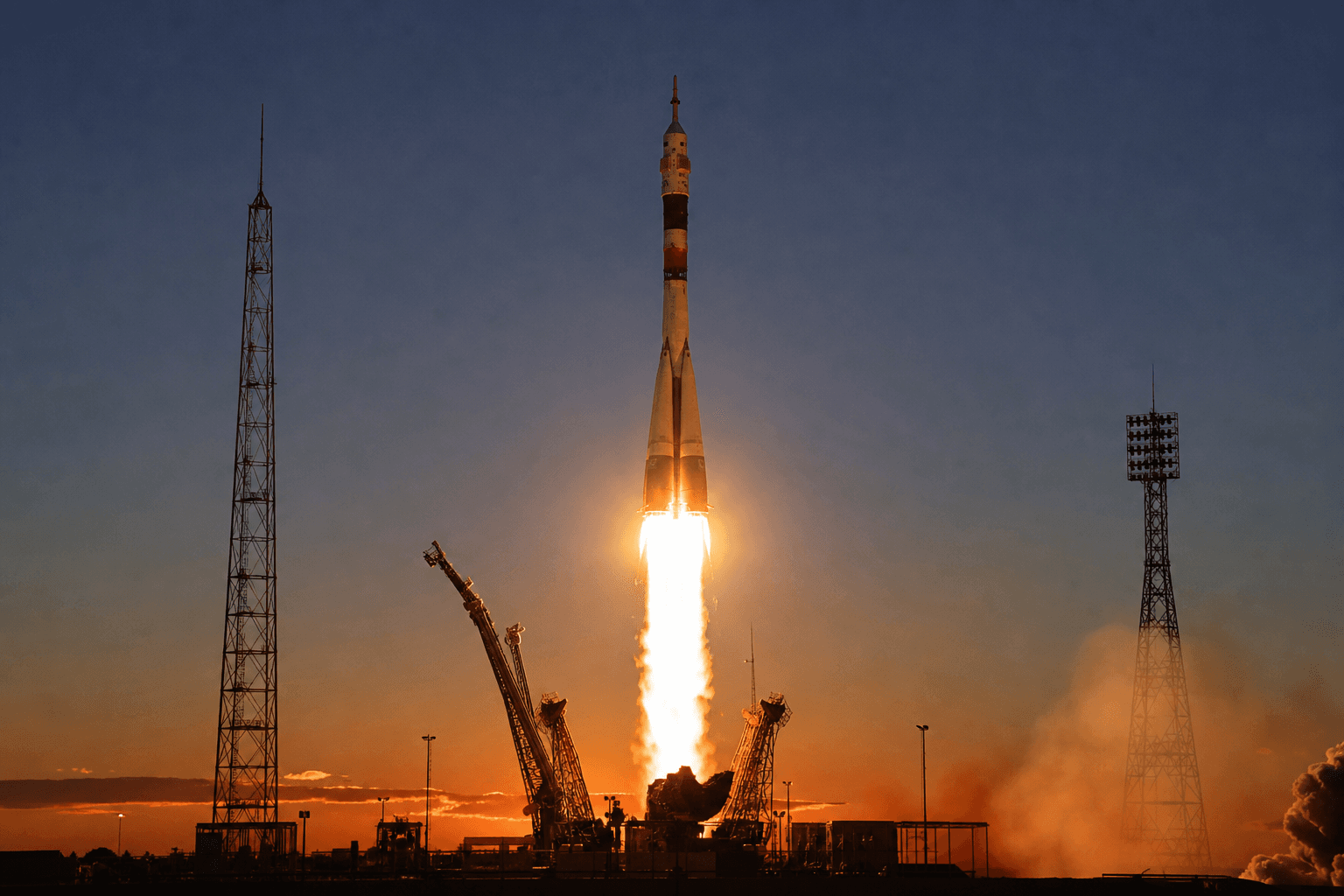
Russia launches American astronaut and two cosmonauts to ISS amid NASA chief's visit
Russia launched NASA astronaut Anil Menon and cosmonauts Pyotr Dubrov and Anna Kikina to the International Space Station on July 14, 2026, continuing a partnership that has survived the collapse of other types of cooperation between Washington and Moscow. The Soyuz MS-29 spacecraft lifted off from the Baikonur Cosmodrome in Kazakhstan at 19:47 local time. It reached the station about three hours later, docking with the Russian Prichal module at 22:52. Menon, Dubrov and Kikina will spend about eight months aboard the ISS as members of Expeditions 74 and 75. The mission is Menon's first spaceflight and the second for both Russian cosmonauts. What was perhaps most surprising about the launch is that NASA Administrator Jared Isaacman traveled to Kazakhstan to witness the event and meet Roscosmos Director General Dmitry Bakanov. It was the first visit to the Russian-operated launch site by a NASA chief since 2018. The two agency leaders appeared together during launch-day events. Isaacman and Bakanov appeared cordial during the visit, speaking together and attending the launch events side by side. Neither agency announced any new agreements, but their public appearance underscored the working relationship NASA and Roscosmos continue to maintain related to the ISS. The US and Russia remain locked in a political confrontation over the war in Ukraine, but astronauts and cosmonauts continue flying together aboard Soyuz and SpaceX spacecraft. The arrangement helps ensure that both countries remain represented aboard the station if either launch system is temporarily grounded. NASA astronauts continue to fly on Russian Soyuz spacecraft, while Russian cosmonauts receive seats on SpaceX crew missions. Kikina previously took part in such a flight when she launched aboard SpaceX's Crew-5 mission in October 2022. That made her the first Russian cosmonaut to fly aboard a privately operated US spacecraft. Menon also has close ties to SpaceX. Before NASA selected him as an astronaut in 2021, he served as the company's first flight surgeon and helped prepare for its first crewed mission. He previously worked as a NASA flight surgeon supporting crews aboard the space station. His wife, SpaceX engineer and medical officer Anna Menon, flew with Isaacman aboard the privately funded Polaris Dawn mission in 2024. Dubrov spent nearly a year in orbit during his first mission, while Kikina spent more than five months aboard the station during Crew-5. The three new arrivals joined the Expedition 74 crew already aboard the ISS. NASA plans to operate the station through 2030, while the international partners that operate it prepare for its eventual retirement and controlled re-entry.
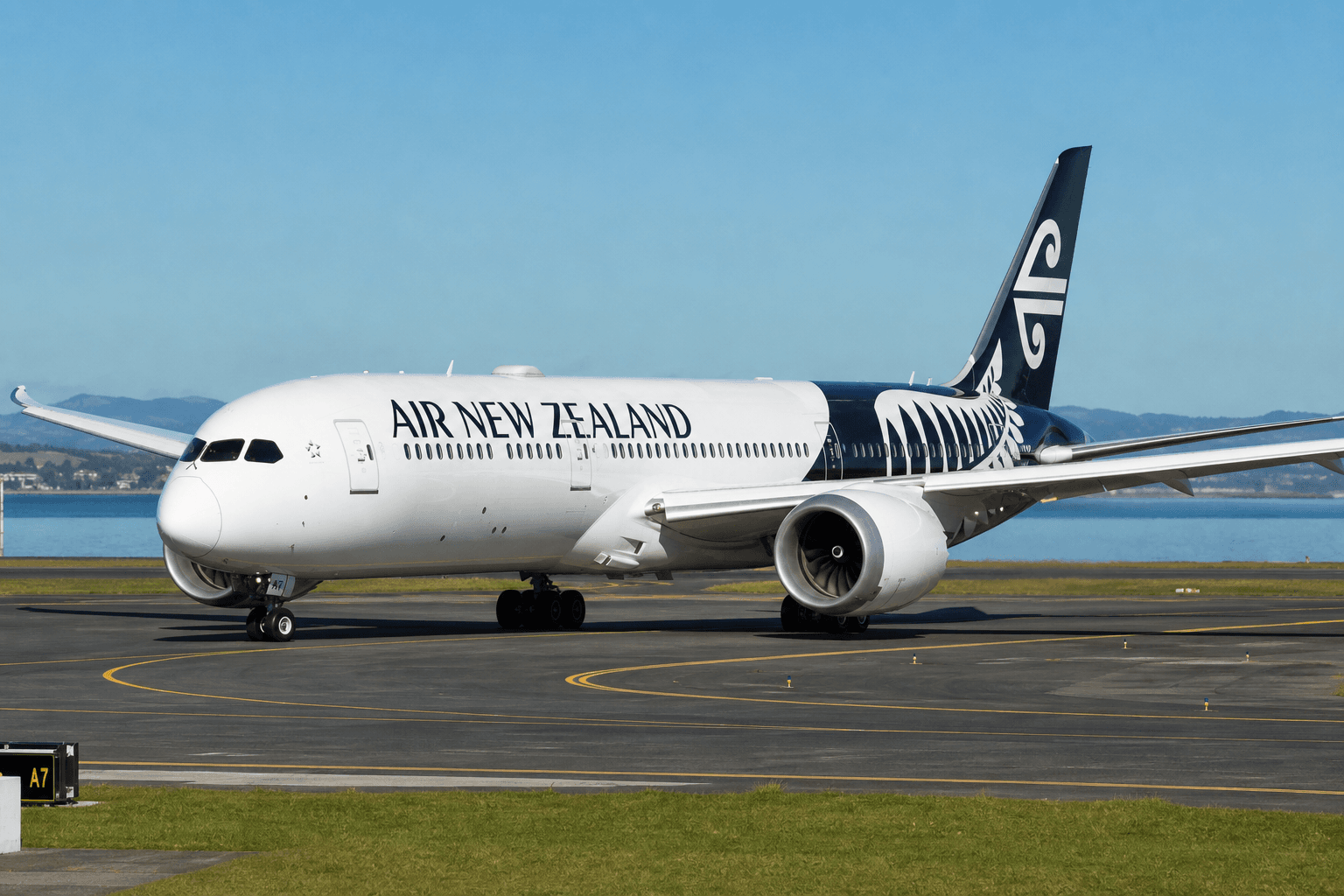
Air New Zealand CEO Nikhil Ravishankar outlines strategy to enhance sleep and connectivity
When even your closest neighbor is several hours' flight away, concepts such as air connectivity and passenger experience become even more important. For many decades, Air New Zealand has successfully connected one of the most geographically remote countries to the rest of the world, while innovating its aircraft cabins with fresh and unique concepts aimed at making long journeys more enjoyable for regular passengers. In June 2026, seven months after his appointment to the role of Air New Zealand CEO, Nikhil Ravishankar met with AeroTime during the International Air Transport Association (IATA) 82 nd Annual General Meeting (AGM) in Brazil to discuss the Kiwi airline's unique market positioning. At the time of our conversation, a topic that was the focus of much of Ravishankar's attention was the fuel crisis triggered by the conflict in the Middle East. In fact, Air New Zealand was one of the first airlines to cancel flights in the first half of 2026 in response to this exogenous supply shock. "At the moment we are now facing more tailwinds than headwinds. I like using a sort of rugby analogy to describe it as 'a game of two halves'," he stated, before going on to dissect the overall situation at the airline, beginning with the positives. "On one side, our operational performance as an airline is as good as it's ever been. We're now consistently one of the top five airlines when it comes to on-time performance, cancelation rates and operational performance. So, our operational performance is really fantastic," he said. "Our customer satisfaction scores are also as high as they've ever been. Air New Zealand has a legacy of being very good at customer experience, we have a very unique Kiwi service proposition, and our customers love flying with us, which is always helpful." "Your customers liking your product is always a good starting point," he added. "For a long time, we've been suffering engine issues, both on the narrowbody and widebody fleets. This time last year, about 20% of our fleet was grounded," he continued. "We're now in a place where most of our aircraft are flying and, at the end of this month, we will only have one aircraft on the ground [AOG] because of engine issues, and that's a huge improvement in 12 months." Ravishankar then switched to the challenges faced by the airline, the "headwinds" as he described them. "On the flip side, of course, like everybody else, we're now dealing with the fuel crisis and Asia-Pacific is a little bit more exposed," he said. "A lot of our crude comes from the conflict zone, and that has sort of impacted us, but the markets continue to clear." "This is a pricing issue for us, not a supply issue," he continued. "So, we haven't seen any challenges with supply. Since it's a price shock, we're trying to minimize it, but we can't do so fully. We are mitigating about 40% of the price increase through a combination of fare increases, flying consolidation, frequency reductions and cost management." "It's the same algorithm that all airlines are using to deal with this situation," he added. "So that's a bit of a headwind, and that in turn has an impact on the demand profile." But what is the traffic profile Ravishankar referred to? Here, the CEO offered two points as a way to frame an answer to the question. "New Zealand is actually a bigger country than many people think. It's the size of Japan, but only has 5.3 million people, versus Japan's 125 million. So, we're a large, hilly, sparsely populated country. Domestically, aviation is very important to us to connect many smaller communities to our main centers." Ravishankar explained how Air New Zealand flies to 20 domestic destinations, quite a dense domestic aviation network for the population size of the country. "And we're far away from everywhere else in the world. If you put a 2,000-kilometer circle around Auckland, you don't even hit the East Coast of Australia, but if you did that over Berlin, you cover from Western Russia to the Nordics, the UK, and even parts of North Africa. So international connectivity is very important too." "Those two dynamics are critical because we do about 16 million flights a year, about 10 to 11 of those are domestic flights, so a lot of the flying we do is just to connect New Zealanders with each other," he added. "The remaining you could say is a 50-50 split between Kiwis going abroad and incoming visitors, a large portion of whom, around 43%, are tourists." Tourism is New Zealand's second largest GDP earner, Ravishankar said, adding that tourism demand into New Zealand is currently as strong as it's ever been. "I often say I've never met anyone around the world who says they never want to visit New Zealand. It's on everyone's bucket list and, particularly now, in this sort of chaotic world, it's an oasis of peace, tranquility and stability," he said. "So, our tourism proposition is very strong." Beating the tyranny of distance The growth in international demand has been somewhat balanced out by weaker domestic demand, whether it is for movement within the islands or Kiwis traveling abroad. "That demand is much softer at the moment and that's reflective of the strength of the underlying economy and the New Zealand dollar, but that's part of economic cycles, and that will come right," Ravishankar explained. Interestingly, Ravishankar named Singapore, not neighboring Australia, as the airline's single largest foreign market. Australia, the United States, and parts of Asia follow suit. China, the giant of the Asia-Pacific region, is also a growth market for Air New Zealand. "China visitor numbers have started to pick up again," he said. "So, I think it'll always remain an important market for New Zealand. 40% of our global trade is with China, so it's a very, very important market for us. We fly to Shanghai, Hong Kong, and Singapore, and they all act as sort of hubs for us." In response to the strong international demand, Air New Zealand has reactivated its B787 fleet , part of which had been grounded since the COVID-19 pandemic (the last of those stored aircraft re-entered service in early July 2026), but also preparing for a significant expansion of its long-haul capacity, adding 10 more Dreamliners and bringing the fleet from 14 to 24. "It's an aircraft that works for us really well in terms of our network design," Ravishankar said. "On the long-haul fleet, if I could summarize our strategy into a single line, it would be 'to win on sleep'. So, if you look at our first two new long-range B787-9s which are to be delivered shortly, these are fitted with SkyNest , that is bunk beds in economy class," he explained. "And alongside SkyNest, those new aircraft will have seven different seat products within a single aircraft, five of those seven seats are optimized for sleep." Here, Ravishankar was talking about the rather unique, innovative product which will allow economy class passengers to pay a bit extra to spend a few hours sleeping in a proper bed. Air New Zealand first unveiled SkyNest in 2020, with sales going online in May 2026. "We're excited about the bunk beds. The early signs are very promising commercially as well. They're selling well, so you can buy it today. It's on sale," he said. "That's going to be interesting for all our widebodies." RELATED Air New Zealand to sell Skynest sleep pods for economy travelers starting May But SkyNest is far from a one-off, it follows in the footsteps of SkyCouch, which entered service in 2011. SkyCouch allows families traveling together to combine the three economy class seats in a row to make a bed. "Sky Couch is very popular with families with young kids," Ravishankar said, before also going on to talk about the other types of seats on offer onboard Air New Zealand's Dreamliners. "We've also got our premium economy offering, which is a brand-new seat, and then, obviously, Business Premier and Business Premier Luxe which are two different flavors of our business class." The airl
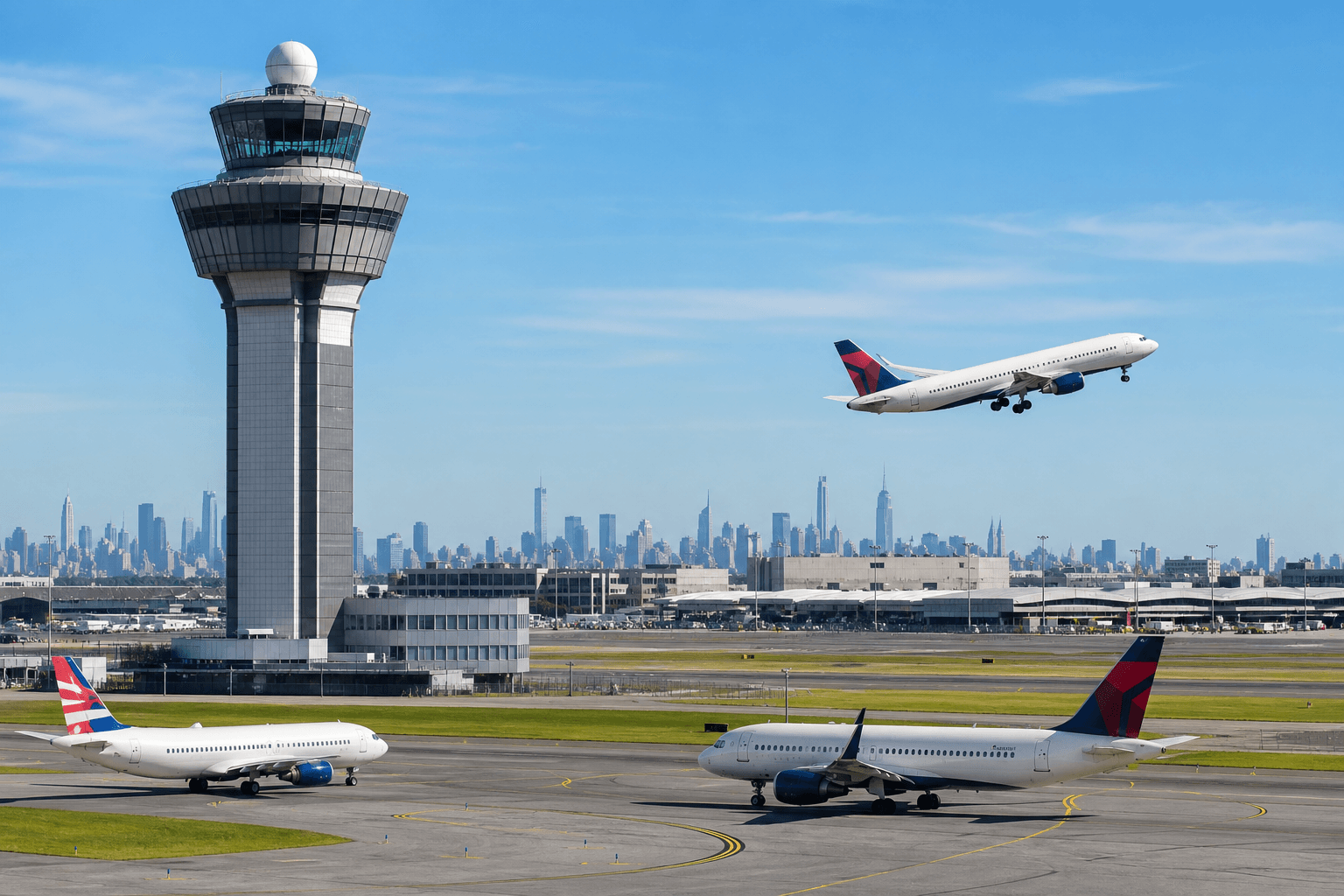
AOPA and Aviation Coalition Push Congress for $20B Boost to Air Traffic Control Modernization
WASHINGTON—The Aircraft Owners and Pilots Association (AOPA), along with more than 50 other aviation organizations, sent a letter to congressional leaders, requesting an additional $20 billion be allocated toward the ongoing Brand-New Air Traffic Control System (BNATCS) initiative.
Retired Delta pilot urges airline to replace Amazon Wi-Fi with Starlink for better service
Retired Delta Air Lines pilot Buzz Patterson shared a plea to his former carrier to install Starlink Wi-Fi in a post on X . In his statement, the former pilot and self-described 'SkyMile aficionado' described the Delta Sync as " bad" and Starlink as " good ," requesting the airline improve its inflight internet service for business travelers.
The Daily Touch & Go
The day's best aviation news in your inbox. Free, no spam.