

Image: Aeroprints.com · CC BY-SA 3.0 · via Wikimedia Commons
JetBlue's Mint Studio Emerges As Premier Transcon Business Class Amidst Competitive Pricing
JetBlue Airways offers two exclusive Mint Studio suites per A321neo with spacious seating and competitive pricing, enhancing premium transcontinental travel experience.
The gist
JetBlue's Mint Studio redefines premium transcontinental travel with exclusive suites and attractive pricing on A321neos.
Continuing coverage
All Airbus A321neo →- ITA Airways pioneers virtual-reality and robotic arm training for A220 and A321neo doors
- United Airlines Expands Airbus A321neo Orders Amid Boeing 737 MAX 10 Delays
- Delta Air Lines Relies on Older Boeing Jets Amid Airbus Engine Groundings
- American Airlines A321neo Exit Row Offers More Legroom Than Domestic First Class
- Turkish Airlines Subsidiary AJet Leases Five New Airbus A321neos from BOC Aviation
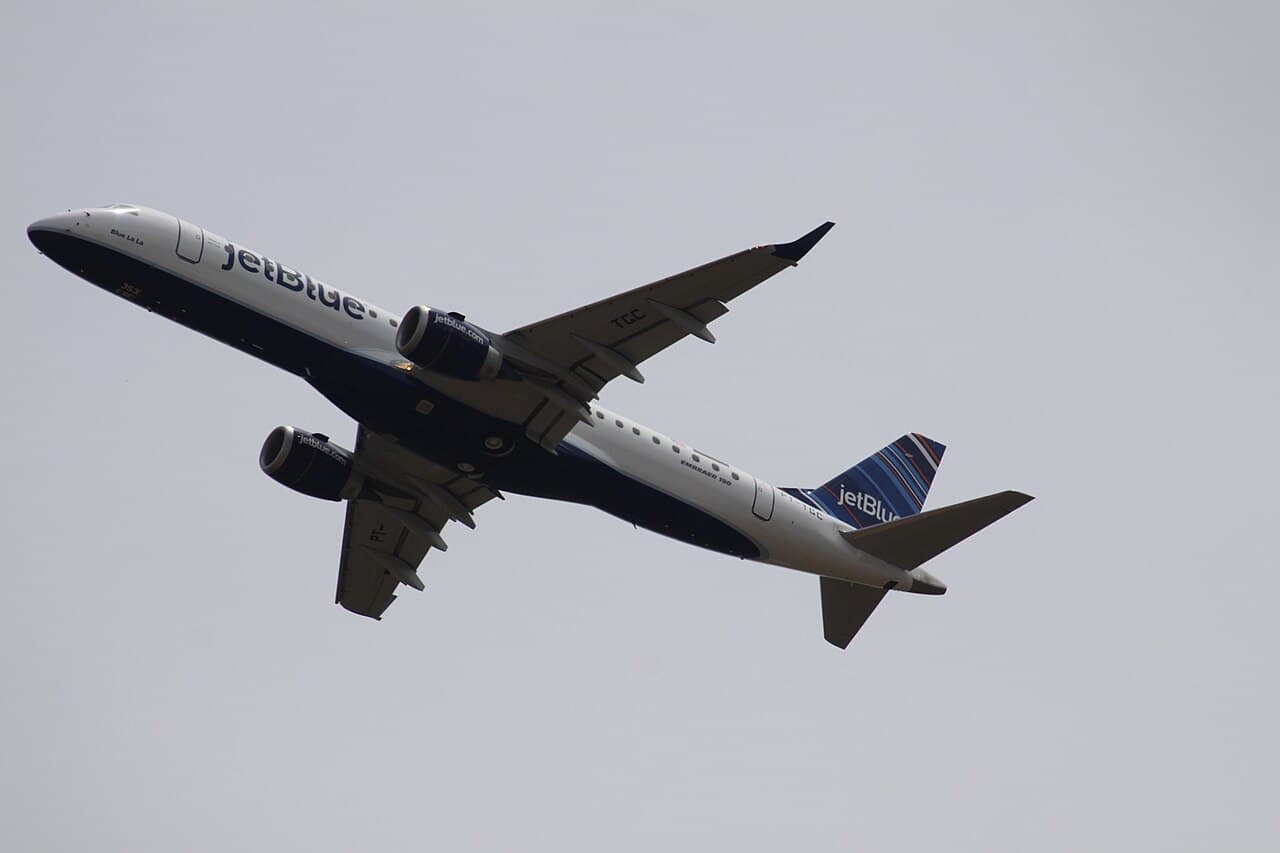
JetBlue Airways has quietly refined its premium transcontinental business class offering with the introduction of the Mint Studio, a specialized seating product featured on its Airbus A321neo fleet. This premium upgrade consists of just two suites per aircraft, positioned in the front row and designed to deliver markedly more space and privacy than the standard Mint Suite. Targeted toward frequent travelers along routes such as New York JFK to Los Angeles (LAX) and San Francisco (SFO), the Mint Studio blends exclusivity with practical pricing to carve a niche in the competitive domestic business class market.
Physically, the Mint Studio provides passengers with a fully flat bed, an enclosed privacy door, and expanded storage options, creating an environment that more closely resembles international first class than traditional domestic business seating. The suite’s increased floor space allows travelers more freedom of movement during flights averaging over five hours, significantly enhancing comfort. Additionally, the Mint Studio offers the cabin’s largest in-flight entertainment screen at approximately 17.5 inches, further upgrading the passenger experience with wireless connectivity and ample charging outlets suitable for both work and leisure.
A unique companion seat is incorporated next to the main suite, enabling a fellow passenger to join the traveler during taxi, takeoff, and landing, making it an appealing choice for couples or colleagues traveling together. This feature is rare in domestic premium products and adds an additional layer of social interaction and flexibility, distinguishing the Mint Studio from competitors.
Pricing strategies are central to the Mint Studio’s appeal. Standard JetBlue Mint fares on transcontinental routes frequently undercut equivalent business class seats offered by legacy carriers like Delta and American by 15% to 25%. The Studio suites carry a fixed surcharge of approximately $199 each way on top of the Mint fare, a transparent and straightforward pricing model that allows passengers to clearly assess the value. This relative affordability provides a compelling premium option at costs often lower than traditional competitor business classes.
The exclusivity of the Mint Studio is maintained through this deliberate limitation to only two seats per aircraft, ensuring demand often exceeds availability without diluting the premium experience. Positioned at the foremost part of the cabin, the suites limit exposure to cabin foot traffic, noise, and interruptions, cultivating a tranquil atmosphere conducive to rest or work. Early boarding privileges further add to the elevated passenger experience by allowing occupants to settle in before the cabin becomes busy.
JetBlue’s current fleet includes 63 Airbus A321s and 26 A321neos, with 33 additional A321neos on order, many outfitted with the latest Mint cabins featuring these Studio suites. This investment points to JetBlue’s commitment to growing and highlighting this premium offering along with its broader transcontinental route network.
Beyond the seat itself, the Mint experience extends to other facets such as enhanced dining options, including multi-course tasting menus designed to elevate in-flight meals above the typical domestic business class standard. This holistic approach to premium service has helped JetBlue solidify its reputation in transcontinental markets as a serious and innovative competitor.
In sum, JetBlue’s Mint Studio is not merely an incremental update but a carefully curated experience that aligns spacious comfort, technological integration, and transparent pricing. Its unique attributes—especially the companion seat and front-row exclusivity—position it as one of the most compelling domestic premium business class products available today, signaling a shift in how JetBlue competes on popular transcontinental flights.
Frequently asked questions
- What distinguishes JetBlue's Mint Studio from the standard Mint Suite?
- The Mint Studio offers more personal space, a fully flat bed with a privacy door, a larger entertainment screen, expanded storage, and a companion seat, providing an experience closer to international first class.
- How does the pricing of the Mint Studio compare to legacy carriers' transcontinental business class?
- The Mint Studio surcharge is about $199 above the Mint fare, which itself often undercuts legacy carriers like Delta and American by 15% to 25%, making it a competitively priced premium option.
- Why is exclusivity important in the Mint Studio experience?
- Only two Mint Studio suites are installed per A321neo, located in the front row, which limits availability, reduces cabin noise and foot traffic, and enhances passenger privacy and comfort.
Read more
All Airlines →
Airlines Shift Fleet Design to Expand Premium Cabins, Shrinking Economy Seating
For years, the airline industry has promoted premium cabins as an optional upgrade for travelers seeking extra comfort, additional space, or a more refined experience. Business class, premium economy, and other enhanced seating products were traditionally viewed as extras rather than the foundation of an airline's commercial strategy, while standard economy class remained the core product that filled most aircraft and generated the majority of passenger traffic across domestic and international networks.
Philippine Airlines Debuts 10-Abreast Economy on Ultra-Long A350-1000 Flight
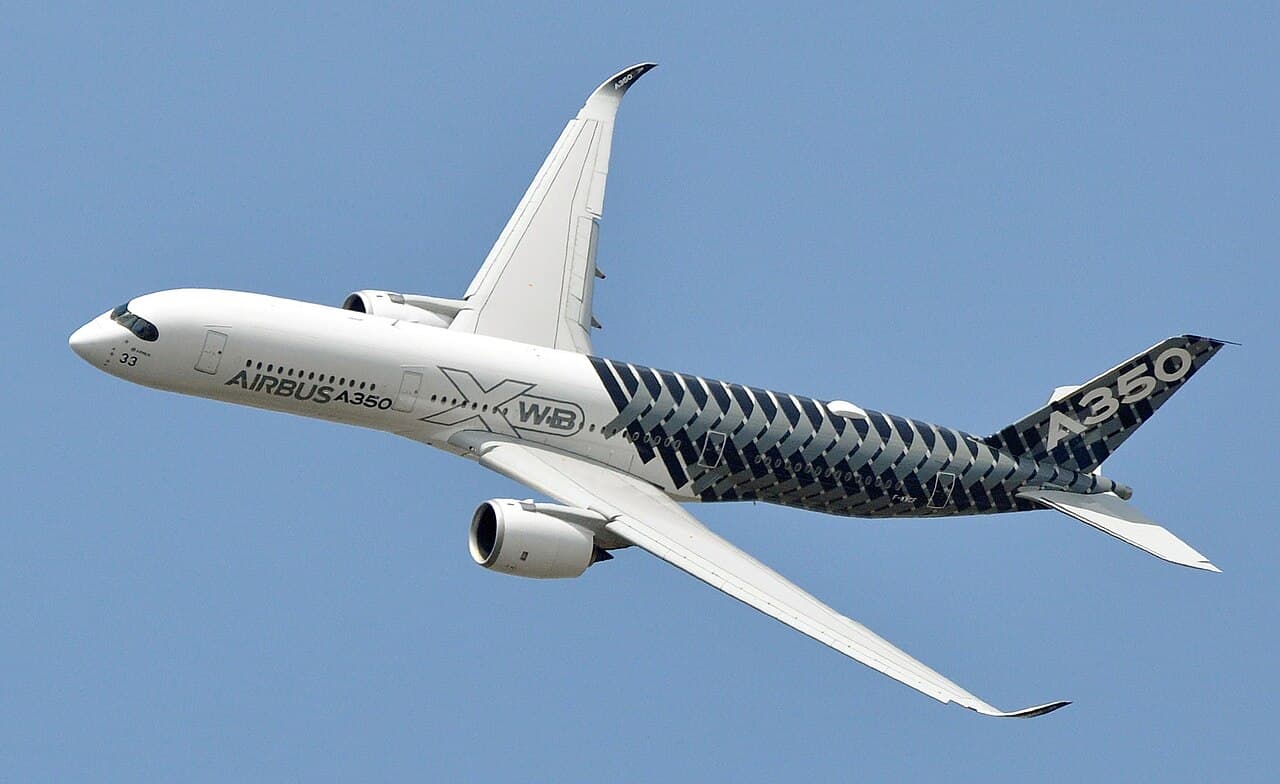
I recently flew on Philippine Airlines' (PAL) Airbus A350-1000 in economy on an ultra-long-haul flight, and it was pretty good. Now, I'm not usually 'the trip report guy', because I primarily fly in economy and I don't have much to say about my travels. I generally feel like economy is good enough for me, and I can find a way to have fun on almost any flight because I really enjoy flying. This, however, is a unique case because we're talking about a full-service airline installing ten-abreast economy seats on an A350, and I traveled on this aircraft from New York to Manila.
Airlines Embrace AI 'Surveillance Pricing' to Tailor Ticket Costs to Individual Buyers
The largest air carriers in the world are in a race to be the first to develop and implement a new way of calculating airfare: millions of variables analyzed by artificial intelligence down to the personal level of every single customer that logs in to book a ticket. The level of personalization has earned this new airfare pricing software the name surveillance pricing as it is intended to consider every detail of every individual customer down to device type, location, and loyalty status.
US-Bangla Airlines to Double Fleet with $1.5B Boeing Order
US-Bangla Airlines, Bangladesh’s leading private carrier, has formally announced the acquisition of 21 Boeing aircraft in a deal valued at approximately $1.5 billion. ezstandalone.cmd.push(function () { ezstandalone.showAds(119); }); This marks the largest single fleet expansion in the airline’s history and a significant milestone for Bangladesh’s aviation sector. The order includes 15 narrowbody Boeing 737 MAX 8 aircraft and six Boeing 737-800s. Deliveries are scheduled to conclude by the end of 2027. ezstandalone.cmd.push(function () { ezstandalone.showAds(127); }); The aircraft will be sourced through lease agreements with five international leasing companies. This move will nearly double US-Bangla’s current fleet of around 25 aircraft to approximately 46 planes. Strategic Growth and New Routes The expansion supports US-Bangla’s ambition to strengthen its regional presence and transform Dhaka, Chattogram, and Sylhet into key aviation hubs. ezstandalone.cmd.push(function () { ezstandalone.showAds(128); }); The new fuel-efficient jets will enable increased frequencies on existing routes and the launch of services to new destinations across South Asia, Southeast Asia, East Asia, and the Middle East. Planned cities include Bengaluru , Hyderabad, Colombo, Kathmandu, Beijing, Penang, Kuwait, and Madinah, subject to regulatory approvals. ezstandalone.cmd.push(function () { ezstandalone.showAds(129); }); Managing Director Mohammad Abdullah Al Mamun emphasised the broader vision. “This investment represents much more than fleet expansion. It reflects our long-term goal to evolve US-Bangla into a fully integrated global aviation group.” The airline is also investing in technology, maintenance, cargo, catering, and infrastructure. As part of workforce development, US-Bangla plans to sponsor training for 200 pilots and 100 certified aircraft maintenance engineers. This initiative will create hundreds of direct and indirect jobs while building skilled aviation professionals in Bangladesh. Photo Credit: Md Shaifuzzaman Ayon, CC BY-SA 4.0, via Wikimedia Commons Economic Impact and National Ambitions The announcement was made at the “Beyond with Boeing” event in Dhaka on July 29, 2026. It was attended by senior Bangladeshi government officials, U.S. Embassy representatives, Boeing executives, and leasing partners. ezstandalone.cmd.push(function () { ezstandalone.showAds(130); }); Speakers highlighted how the investment aligns with Bangladesh’s goal of becoming a regional aviation hub, supported by infrastructure upgrades like the new third terminal at Hazrat Shahjalal International Airport. Bangladesh’s international air travel market is estimated at $5.8 billion annually. However, foreign carriers currently dominate, leading to significant foreign currency outflow. By boosting local capacity, US-Bangla aims to capture more market share, promote tourism, enhance trade, and retain more revenue domestically. ezstandalone.cmd.push(function () { ezstandalone.showAds(131); }); This expansion complements the government’s earlier agreement for 14 Boeing aircraft for the national carrier Biman Bangladesh Airlines. Boeing Vice President Paul Righi welcomed the partnership, noting the aircraft will deliver improved fuel efficiency, reliability, and passenger comfort. These are key advantages for medium-haul operations in a competitive region. Future Outlook Founded in 2014, US-Bangla has grown rapidly into Bangladesh’s largest private airline by fleet size. The addition of these next-generation narrowbodies positions the carrier for sustained growth. ezstandalone.cmd.push(function () { ezstandalone.showAds(132); }); Longer-term plans include widebody aircraft for potential long-haul services to Europe, North America, and beyond. This bold investment comes at a time of rising air travel demand in South Asia. It underscores private sector confidence in Bangladesh’s economic trajectory and aviation infrastructure development. With strong on-time performance and a commitment to modernization, US-Bangla is well-placed to connect Bangladesh more effectively with the world while contributing to national economic goals. ezstandalone.cmd.push(function () { ezstandalone.showAds(133); });
The Daily Touch & Go
The day's best aviation news in your inbox. Free, no spam.